Denture Care Infos
 Facebook ad: “Read this if you wear dentures”
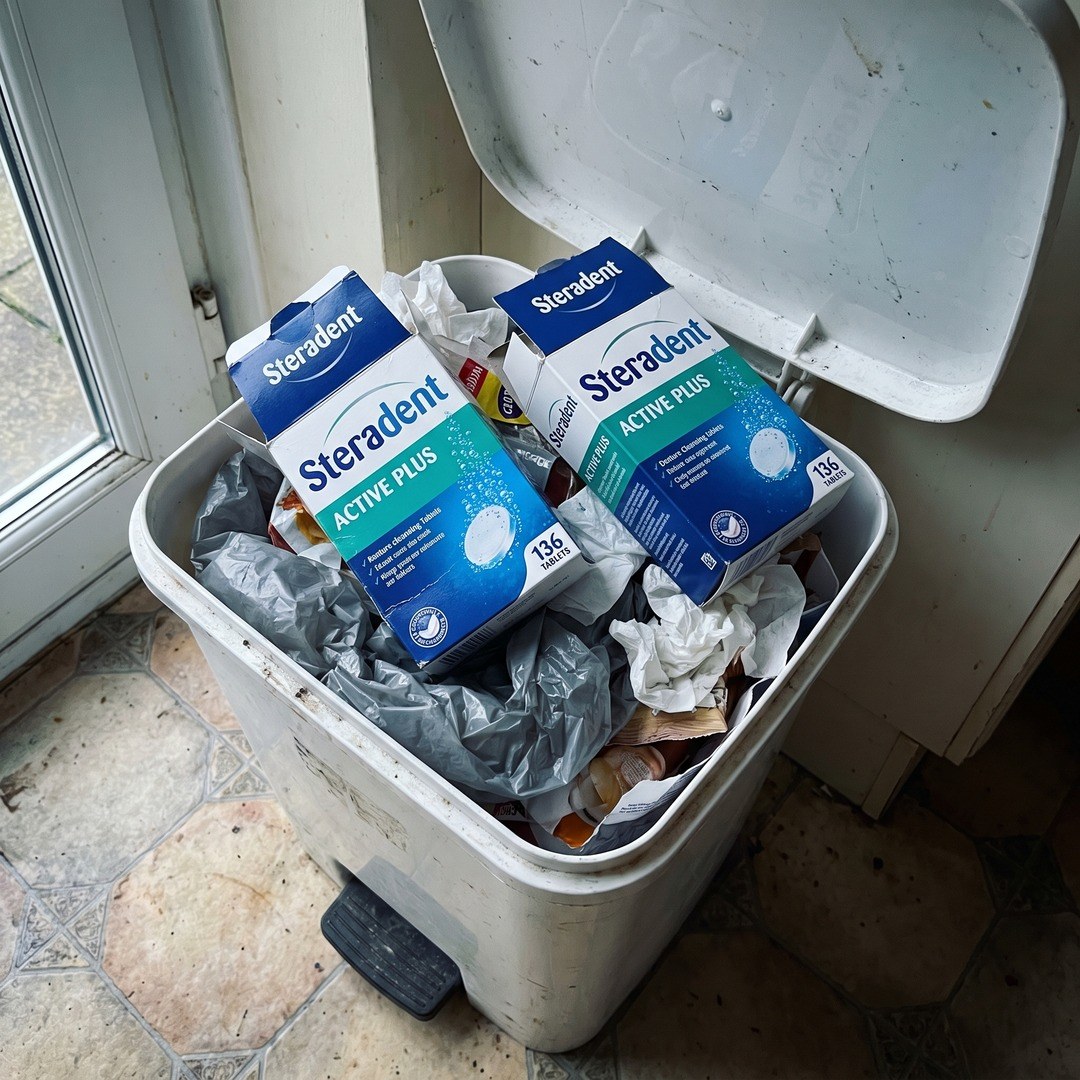
Ran for 54 days, from September 23 to November 16, 2026, the last day Crush saw it.
Run by Denture Care Infos on Facebook. Crush is not the advertiser and does not verify its claims. See this ad in Meta's Ad Library(opens in a new tab)
Make your own version of this ad
Crush makes it, launches it in your own Meta ad account, scales the winners and pauses the losers.
About this ad
- Meta Ad Library ID
- 2154882078396143
- Platforms
- Facebook, Instagram, Audience Network and Threads
- Relaunches
- 0
- EU reach
- 294
Ad text
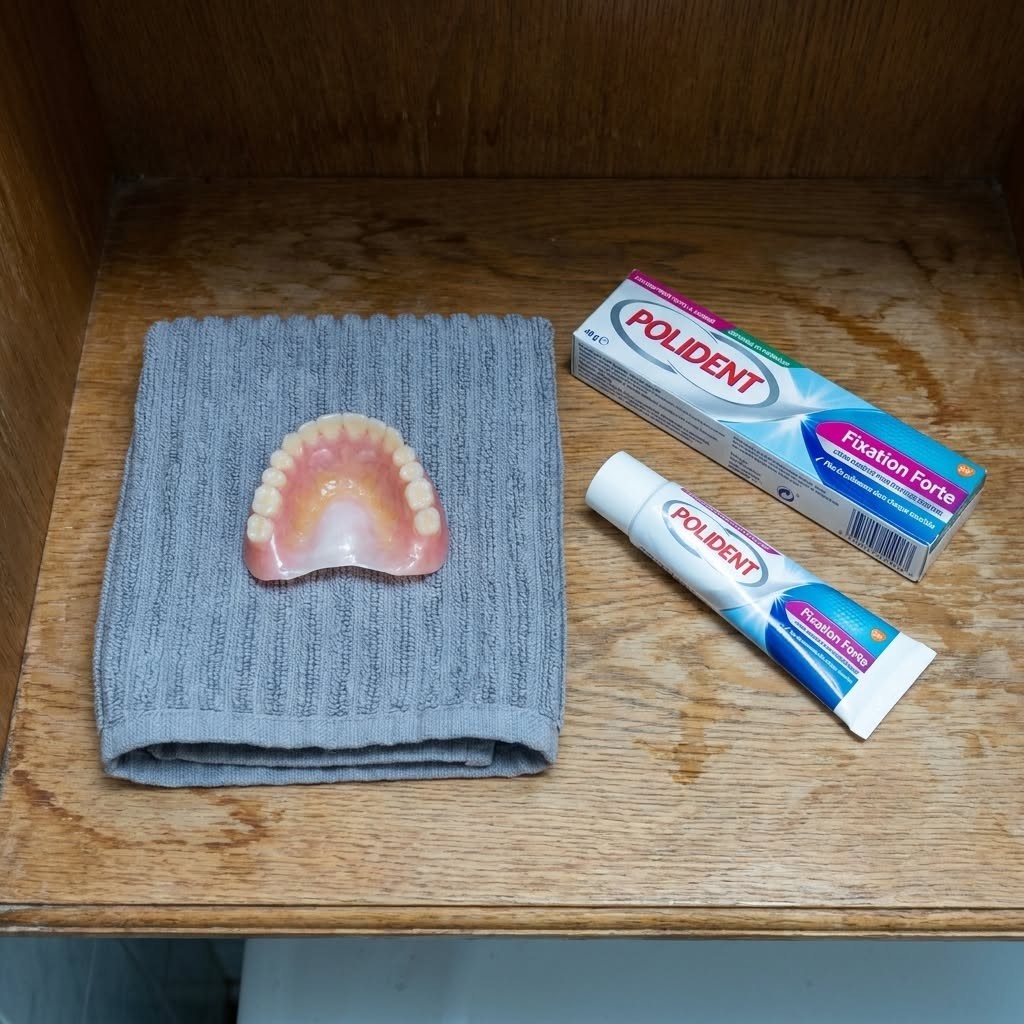
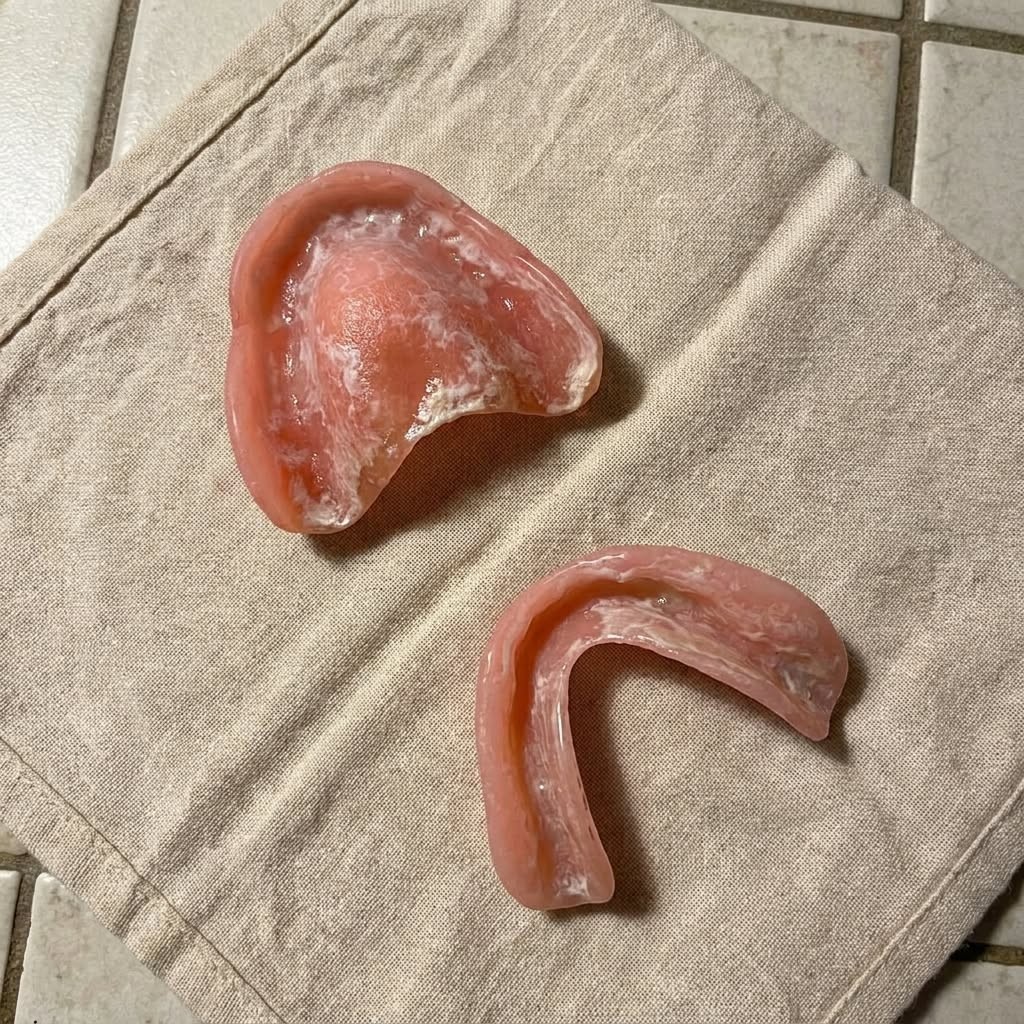
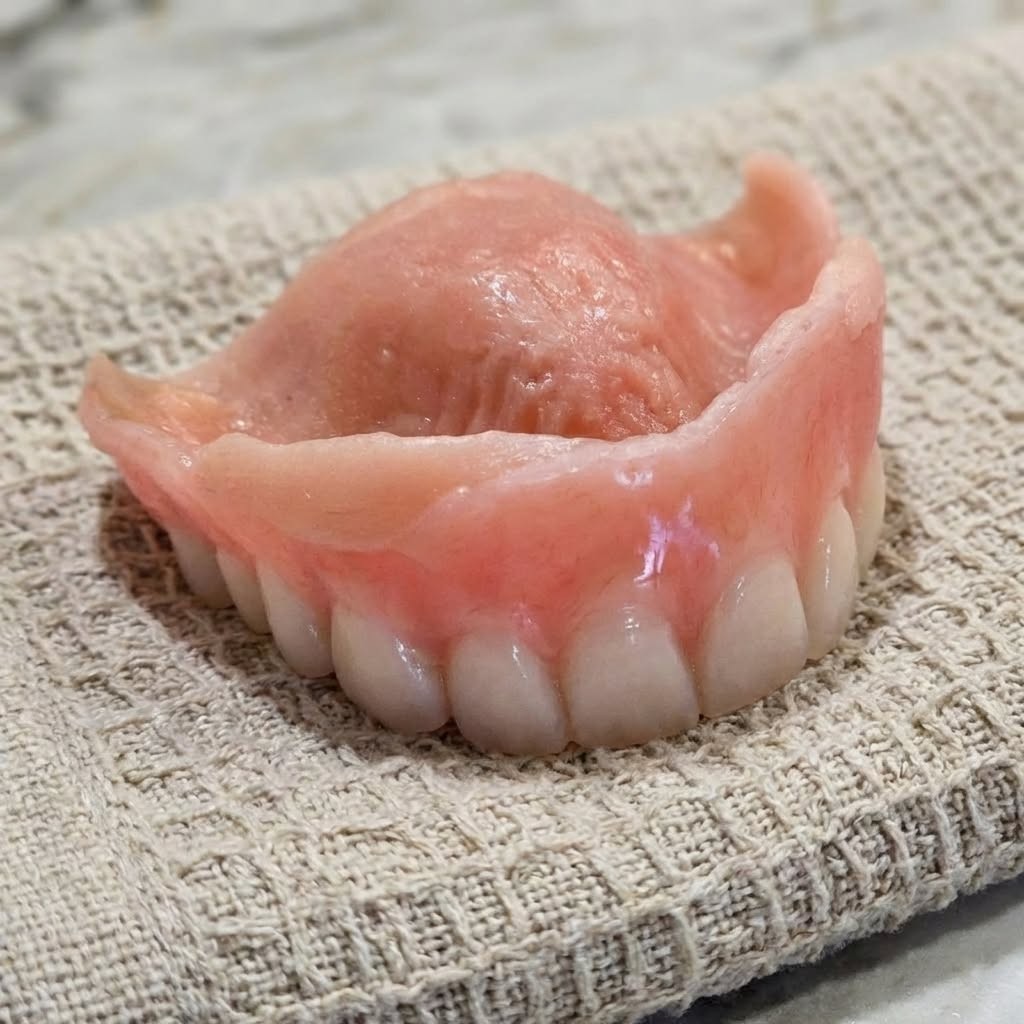
I never meant to share this publicly. But after what happened to Margaret, I can't stay silent any longer. I was a cardiologist for 28 years. Over my career I treated more than 40,000 patients. And I overlooked something that killed hundreds of them. Including my wife. Margaret died of a heart attack in her sleep two years ago. She was 64. I am a cardiologist. I should have seen it coming. Her cholesterol was perfect. Blood pressure 118/76. She walked three miles every morning. Mediterranean diet. Never smoked. No family history. On paper she was a model of cardiovascular health. But in the last year of her life she complained about things I refused to take seriously. "I'm so tired all the time." "My gums keep bleeding." "I keep getting a metallic taste in my mouth." I told her what every cardiologist tells their patients: "You're getting older. It's normal." I had tests run. Everything came back fine. And so I stopped listening. And then one morning I woke up and she was gone. The post-mortem revealed a massive coronary thrombosis. A blood clot. But here is what broke me: The pathology report mentioned "a marked bacterial endotoxin burden and chronic low-grade systemic inflammation." At first I didn't understand it. Where had the infection come from? She had no sepsis. No pneumonia. No urinary tract infection. No obvious source. Then the pathologist asked me the question that changed everything: "Did your wife wear dentures?" My stomach clenched. "Yes. For about ten years." He nodded slowly. "That's what I expected. We're seeing it more and more often in post-mortems. The bacterial burden in her blood matches bacteria from oral biofilm. All of them are common in denture wearers." I stared at him. "Are you telling me her denture caused the heart attack?" "Not directly. But the chronic bacterial seeding from the denture biofilm into her bloodstream created constant endothelial inflammation. Over time that damages the artery walls and increases clot formation. The bacteria don't cause the heart attack directly, but they prepare the ground for it." He showed me the samples. The walls of her arteries were inflamed. Exactly the type of damage we see with chronic infections. Then he said something I will never forget: "If you had told me she wore a denture, I would have put her in the high-risk group immediately." That evening I went home and broke down. Because I realised one thing. I had seen exactly this pattern in hundreds of my own patients. Older adults. Denture wearers. Perfect cholesterol. Perfect blood pressure. Normal stress tests. But they complained of fatigue. Of inflamed gums. Of a metallic taste. Of joint pain. And I ignored every one of them. "It's just ageing." "Your heart is healthy." "Carry on as you are." And then they came back six months later with angina. Or a year later with a stent. Or they didn't come back at all. Because they had died. I started going through the records. Over the last 10 years I treated 487 patients with dentures. 63 of them died of cardiovascular events. That is a mortality rate of 13%. Among my patients without dentures with similar risk profiles? 4.7%. I had been overlooking it. For 28 years. Six months after Margaret's death I retired. I couldn't carry on. I couldn't look a denture patient in the eye and say "your heart is fine"... When I knew I wasn't checking the one thing that really mattered. But I couldn't give it up either. And so I started researching. Study after study confirmed what the pathologist had told me: Denture wearers have a 60% higher cardiovascular risk. Not because dentures in themselves cause heart disease, but because the bacterial biofilm on dentures releases endotoxins into the bloodstream that trigger chronic inflammation. And inflammation is the real killer. It damages artery walls. It destabilises plaques. It increases clot formation. Dentures are not teeth. They are made of porous acrylic resin. And bacteria don't just stay on the surface, they penetrate deep into the material, into microscopic pores that no brush and no soak can reach. You can clean a denture for ten minutes and still have millions of bacteria anchored inside the material. And every time you put the denture back in your mouth, those bacteria release toxins through your gums straight into your bloodstream. I became obsessed. I wanted to know: Could Margaret have been saved? If her denture had been properly sterilised, would her endothelial inflammation have come down? Would the clot never have formed? I found a small study, only 41 participants. Denture wearers with raised inflammatory markers, who were given hospital-grade ultrasonic and UV-C sterilisation. After 90 days: CRP had fallen by an average of 34%. IL-6 had fallen by 29%. And endothelial function had improved significantly. That means their artery walls were healing. The damage was reversible. If I had known that two years ago... If I had told Margaret to sterilise her denture properly... She might still be here today. I went looking for a home device capable of reproducing hospital-grade sterilisation. I tested everything. Cheap ultrasonic cleaners. Expensive models from dental suppliers. "UV sterilisers" that glow blue but don't actually kill bacteria. All of it was useless. And here is why: Real ultrasonic sterilisation requires a frequency of 42,000 Hz, to generate cavitation, microbubbles that explode inside the porous acrylic material and physically strip away the bacterial biofilm. Most consumer cleaners run at 35,000 Hz. That is fine for jewellery. It does nothing to biofilm. And the UV lights? Real germicidal UV-C works at 253.7 nanometres. That wavelength disrupts bacterial DNA at the molecular level. Most "UV cleaners" use blue LEDs at 395 nm. They look like UV light. But they are about as effective as a night light. I tested them in my home laboratory. I took samples from dentures before and after cleaning and cultured the bacteria. The cheap models didn't reduce the bacterial load at all. Then I discovered DentaClean. It delivers a genuine 42,000 Hz ultrasonic frequency and medical-grade UV-C sterilisation at 253.7 nm. I ran the same test. Before cleaning: 8.7 × 10⁶ CFU. After a ten-minute cycle: fewer than 10 CFU. That is a reduction of 99.9999%. Hospital grade. The first time I used it, I understood what Margaret had been living with. I am a cardiologist. I don't wear a denture myself. But I got hold of one anyway, just to test the device. I used it to clean my own dental appliance, which I had been brushing and soaking for 15 years. When the cycle finished, the water was brown. Cloudy. A film was floating on the surface. From an appliance I had "cleaned" that very morning. And I thought to myself: If that is what comes out of an appliance I wear 8 hours a night... What was coming out of Margaret's denture, which she wore 18 hours a day? I bought 12 more devices. One for every patient I had stayed in touch with who still wore a denture. I rang them personally. I wasn't selling them the device. I was begging them to use it. "I failed you once. Please don't let me fail you again." Three months later, four of them rang me. One said his chronic fatigue had gone. One said her gums had stopped bleeding for the first time in years. One said she finally sleeps through the night without waking up with her heart pounding. And one, a 71-year-old man I had treated for angina, went for his annual stress test. His cardiologist rang me. "His inflammatory markers have dropped by 40%. I have never seen anything like it without statins." I told him about the ultrasonic and UV-C sterilisation. There was a long silence. Then he said: "I have been a cardiologist for 35 years. How could I not have known?" "Neither did I." Margaret has been gone for two years. I have had a great deal of time to think about what I could have done differently. And the answer is simple. I should have asked her about her denture. I should have told her that brushing and soaking are not enough. I should have known that bacterial biofilm was quietly setting fire to her cardiovascular system. But I didn't. And now she is gone. I am writing this because I don't want another husband to wake up the way I did. I don't want another cardiologist to overlook what I overlooked. And I don't want another patient to die of something that was entirely preventable. If you wear a denture, or someone you love does, listen: A brush is not enough. Soaking is not enough. You need DentaClean, ultrasonic cavitation and UV-C sterilisation that penetrate the porous acrylic material and eliminate bacteria at DNA level. It isn't 35,000 Hz. It isn't blue LEDs. It is real hospital-grade sterilisation. That is what the research confirms. That is what I wish I had known. And that is what could have saved Margaret. Below is an article that explains how it works and why most consumer devices fail. I wish I had found it two years ago. But I didn't. Don't wait until you end up in A&E. Don't wait until a cardiologist tells you: "I don't know why this happened." Don't wait until it is too late. Margaret didn't get a second chance. But you do.
Where the ad sends people
try-lyrashop.com
Read this if you wear dentures 👆
Recommended by 5,000+ dentists
See details: try-lyrashop.com(opens in a new tab)