Center for Psychological Studies
 Facebook ad: “Kid Only Listens When You Yell?”
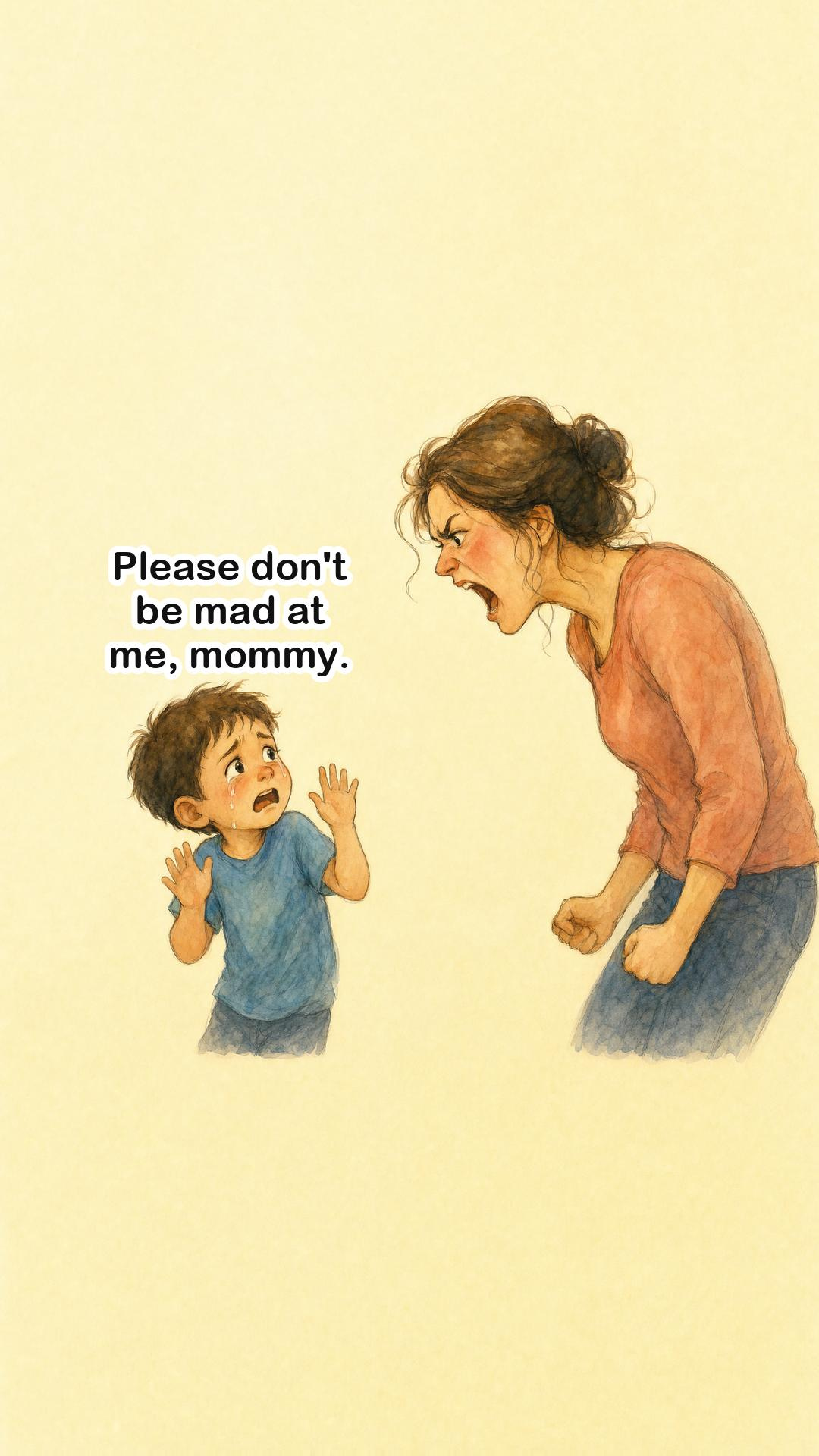
Ran for 5 days, from November 6 to November 11, 2026, the last day Crush saw it.
Run by Center for Psychological Studies on Facebook. Crush is not the advertiser and does not verify its claims. See this ad in Meta's Ad Library(opens in a new tab)
Make your own version of this ad
Crush makes it, launches it in your own Meta ad account, scales the winners and pauses the losers.
About this ad
- Meta Ad Library ID
- 2158357611448758
- Platforms
- Facebook, Instagram, Audience Network, WhatsApp and Threads
- Relaunches
- 0
- Niche
- Parenting & Kids
Ad text
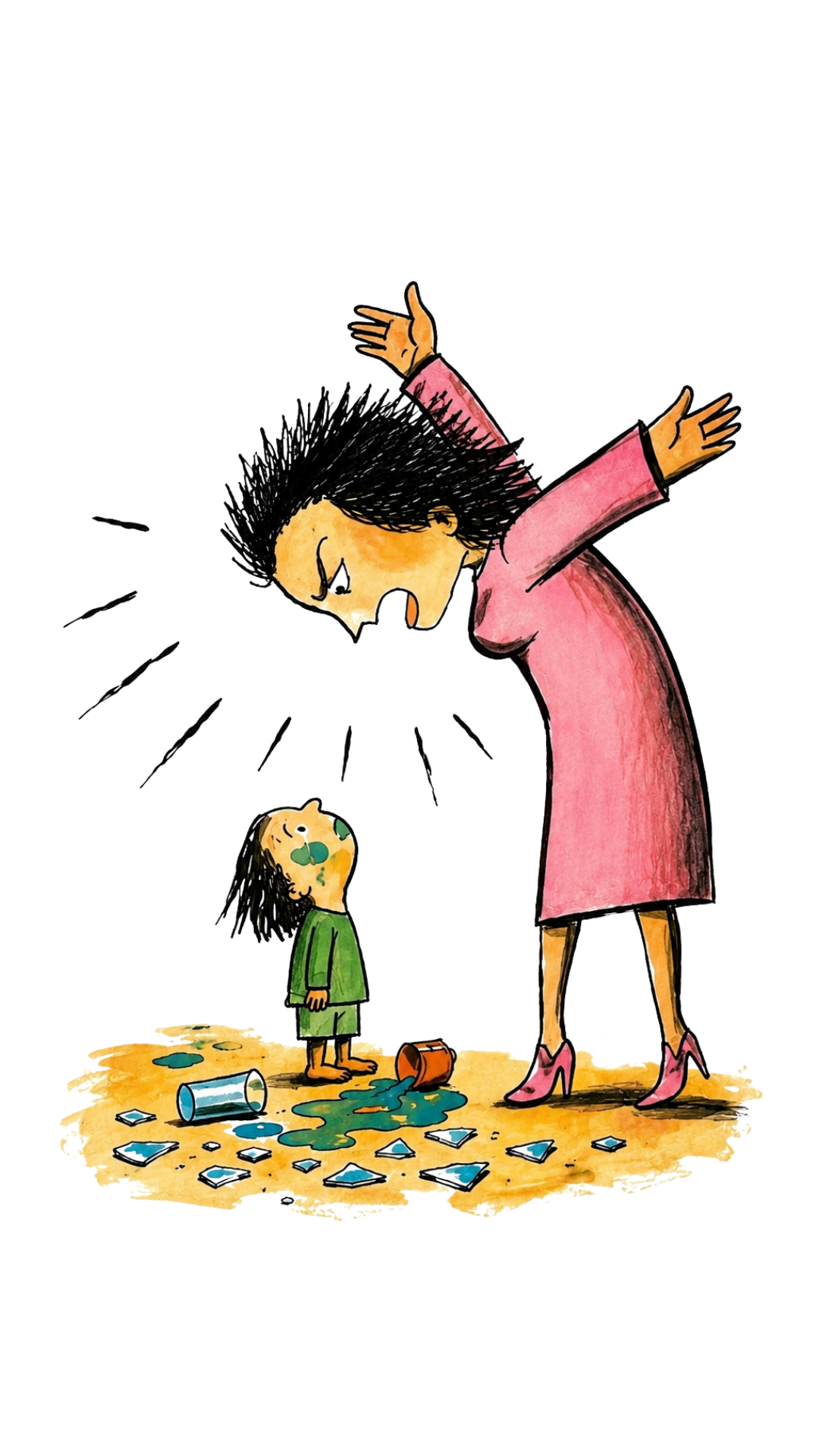
"That child needs a good smack." An old woman said it to me in the supermarket checkout line, loud enough for the whole queue to hear, about my 5-year-old. I didn't say a word to her. My son did. He had been screaming for ten minutes. He stopped, looked straight at her, and said four words that made the entire line go silent. I'll get to what he said. But first, you need to understand how we got there. My son Sam is five. He's bright and funny, the kind of boy who narrates his day to his stuffed animals. He's also wired differently: big feelings, big reactions, zero to a hundred with no warning. I did everything the experts told me to do. Six months of therapy. A shelf of parenting books, highlighted on every page. Every gentle parenting account bookmarked on my phone. I learned the scripts by heart. "I see you're feeling frustrated." "Let's name that big feeling." "I'm right here with you." And none of it worked. Not a little, not sometimes. Not once. Here's what a hard moment actually looked like when we left the house. It's a Saturday, 5 PM, at the supermarket. In the checkout line, right at Sam's eye level, are the sweets. I say, "Not today." And Sam melts down over a chocolate bar. I get down on my knees to his level, with my softest voice and my perfect script. "I see you're upset about the chocolate." And he screams louder. I try again. Softer. "You're having a big feeling right now." He screams louder. I stay gentle, script after script, ten times, twenty, thirty, while the whole line goes quiet and watches. Every calm sentence makes him more furious, not less. Then he kicks the trolley, and an older woman behind us says, loud enough for the whole line to hear, "What that child needs is a good smack. You're far too soft with him." And something in me just snaps. The gentle mask comes off. I grab his arm and shout, "Stop it! Right now! Everyone is looking at you!" And then he crumpled. He slid down onto the floor between the till and the sweets, sobbing, looked up at the old woman, and said the words I will never forget. "I'm a bad kid. I'm just a bad kid." Five years old. The whole line went silent. The woman who had told me to smack him looked down at her shopping. I sat down on the floor across from him, and I couldn't breathe. He wasn't a bad kid. He was drowning. And I was supposed to be the one pulling him out. Instead, I was the one screaming while he went under. I left the trolley at the till, carried him to the car, and sat in the car park for forty minutes. That night I was up at 1 AM, laptop open, typing through blurry eyes. "Why doesn't gentle parenting work on my child?" "How to stop yelling at a child with big emotions." "Why does my kid get worse when I stay calm?" Every result gave me the same recycled advice: stay consistent, take deep breaths, practice more patience, try harder. I'd been trying harder for six months. Trying harder was destroying both of us. Five days later, we finally had the appointment I'd waited months for. A pediatric neurologist, someone who actually understood how kids' brains are wired. I sat in her small office, eyeing the box of tissues on her desk, and described the spirals. The scripts. The fifty screams. The supermarket. Me losing it. I expected her to hand me another technique. Instead, she leaned back and said the one sentence that changed everything. "You're not running low on patience," she said. "You're speaking the wrong language to his brain." I just stared at her. Then she explained it. And the floor dropped out from under me. She said gentle, feelings-first scripts aren't wrong for every child. They're wrong for specific children. For a kid wired like Sam - logic-driven, action-oriented - getting down in his face and naming his emotions doesn't calm him. It overwhelms him. To his nervous system, all that emotional talk in a hot moment is like pouring gasoline on a fire. He wasn't escalating despite my gentle scripts. He was escalating because of them. Every soft "I see you're upset" was a match. And I was striking one after another, then blaming myself when the whole thing exploded. The fifty screams weren't a discipline problem. They were a translation problem. I was speaking a language his brain literally could not process and then screaming when he didn't understand it. And I had been so proud of how calm I kept my voice. She told me something else I'd never heard. Every child has a specific emotional type. A specific way their nervous system takes in the world. Use the right language for their type, and a meltdown can defuse in seconds. Use the wrong one, and it multiplies, again and again. That night I found a three-minute quiz built to identify exactly that. I took it at 11 PM, answering about Sam. How he reacts to the word "no." What he does right before he cries. Whether he wants comfort or a plan when he's upset. The result was like reading his soul back to me. He wasn't a sensitive, emotional processor at all. He was strong-willed and logic-driven. Everything I'd been doing was the exact opposite of what his brain needed. The quiz gave me a plan: real scripts, built for his wiring. No feelings talk. No getting in his face. Short, calm, logic-based choices. I was skeptical. I'd been let down so many times. The test came the following Saturday. We were back at the same supermarket, in the same line, with the same sweets at his eye level. I had sworn never to walk in there again. Sam wanted one, I said "Not today," and I saw it start: his chin, his fists. But this time I dropped the gentle script completely. I didn't name his feelings. I gave him the logic-based line from his plan. "We're paying in two minutes. Do you want to put the milk on the belt, or the bread?" I braced for the explosion. He stopped. He thought about it. "Milk," he said. And he lifted it onto the belt with both hands, very seriously. No screaming. No kicking. No fifty rounds. The whole thing took under a minute. The same older woman was two people behind us. She watched him lift the bread onto the belt too, without being asked, and said nothing. But when I looked up, she smiled at me, and I had to look away so I wouldn't cry. I stood at the till, card shaking in my hand, honestly stunned. I'd just watched a meltdown die before it even started — because I finally spoke his language. That was four months ago. I won't pretend every day is perfect. He's still a spirited, intense little boy. But the nuclear spirals are gone. The fifty screams are gone. Me screaming back? Gone. And here's the part that heals something in me every time. He hasn't called himself a "bad kid" since. Last week he knocked a jar off a shelf in that same supermarket, and it smashed on the floor. Everyone turned around. He froze. He looked up at me, braced for it, that old flinch. I just said, "No big deal, let's find someone with a mop." His shoulders dropped. And he smiled. He feels safe with me now. He's not drowning anymore. And I'm not the storm. I'm telling you this because I know you've tried everything too. The therapy. The books. The gentle scripts you repeat until you want to scream. And you've sat in your car afterwards, hands shaking, hating yourself for what you said and for who heard it. You are not a bad parent. Your child is not a bad kid. You're most likely just speaking the wrong language to a brain that's wired differently and paying for it in the worst way. The moment I found out Sam's emotional type, I finally stopped guessing. If you want to know your child's real emotional type, you can find out in under three minutes. You'll get a personalized plan with the exact words for the moments that break you, so a meltdown can end before it reaches the fiftieth scream, and neither of you has anything left to regret. Don't wait for the next spiral. Tap the link below to get your personalized plan in less than three minutes.
Where the ad sends people
noyellplan.com
Kid Only Listens When You Yell?
Expert-backed parenting insights in 3 minutes. Understand your child and find strategies that actually work.
Learn more: noyellplan.com(opens in a new tab)