
Inactive· since Jul 8, 2026
- 21
- days it ran
- 1
- relaunches
Ad copy
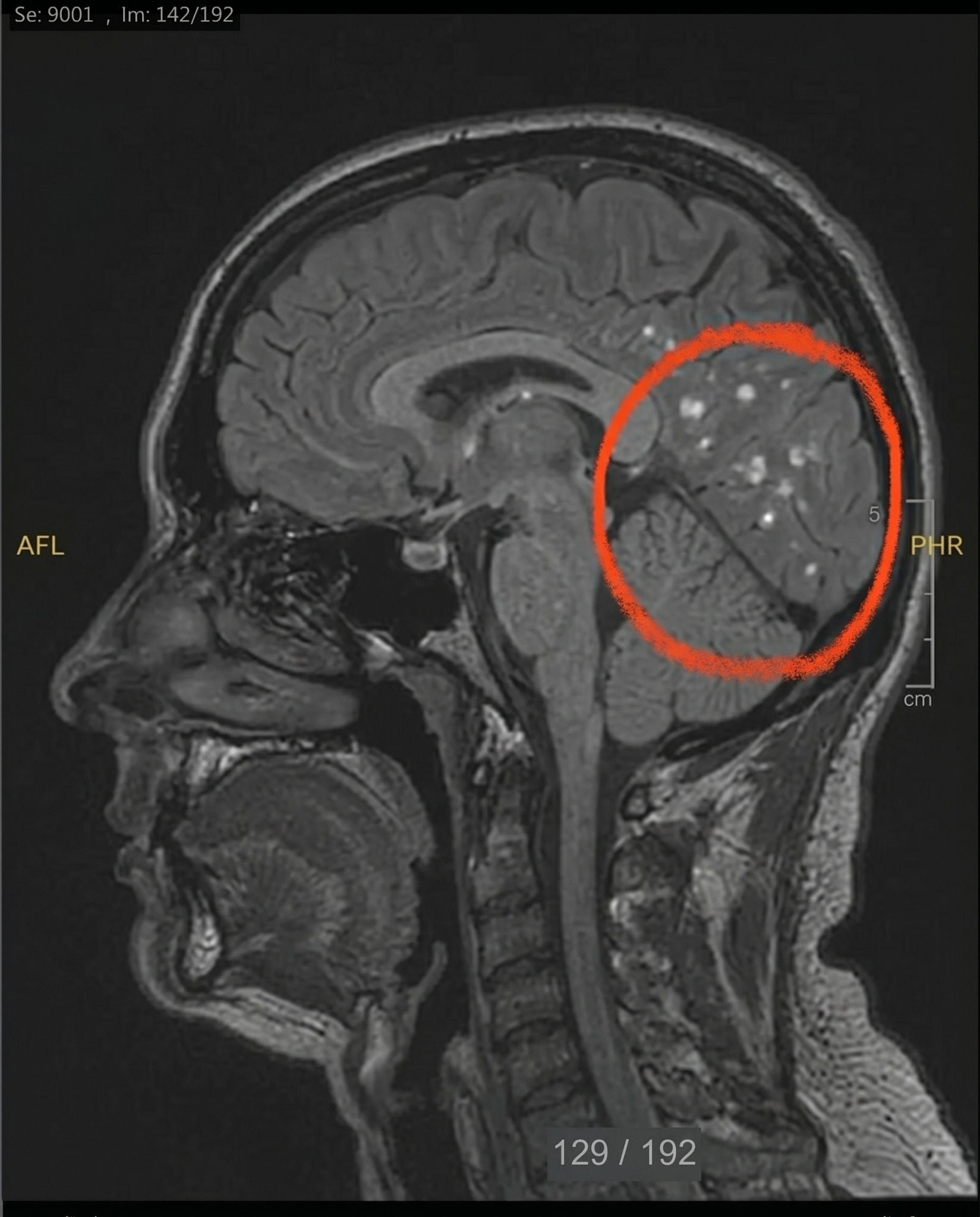
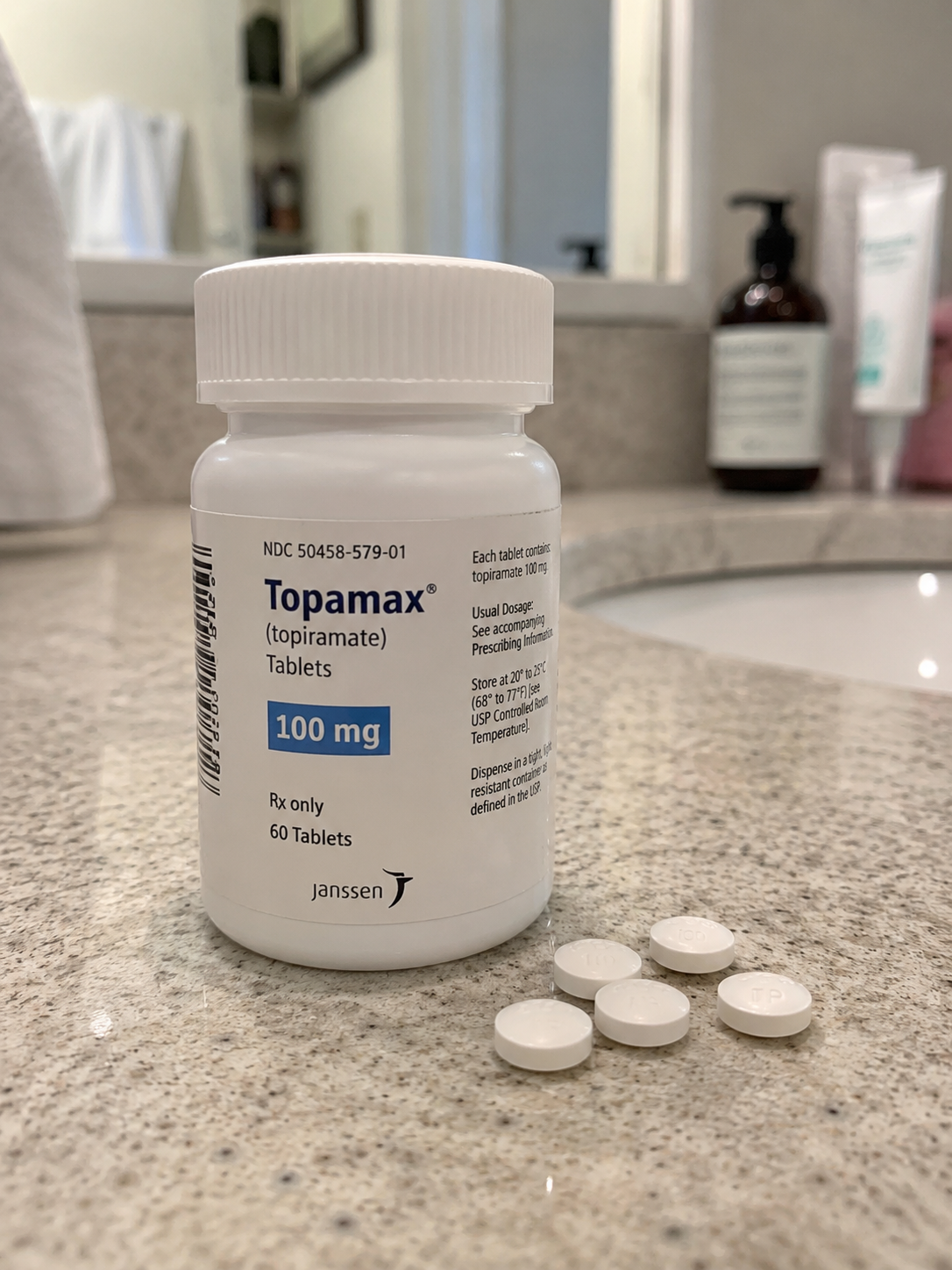
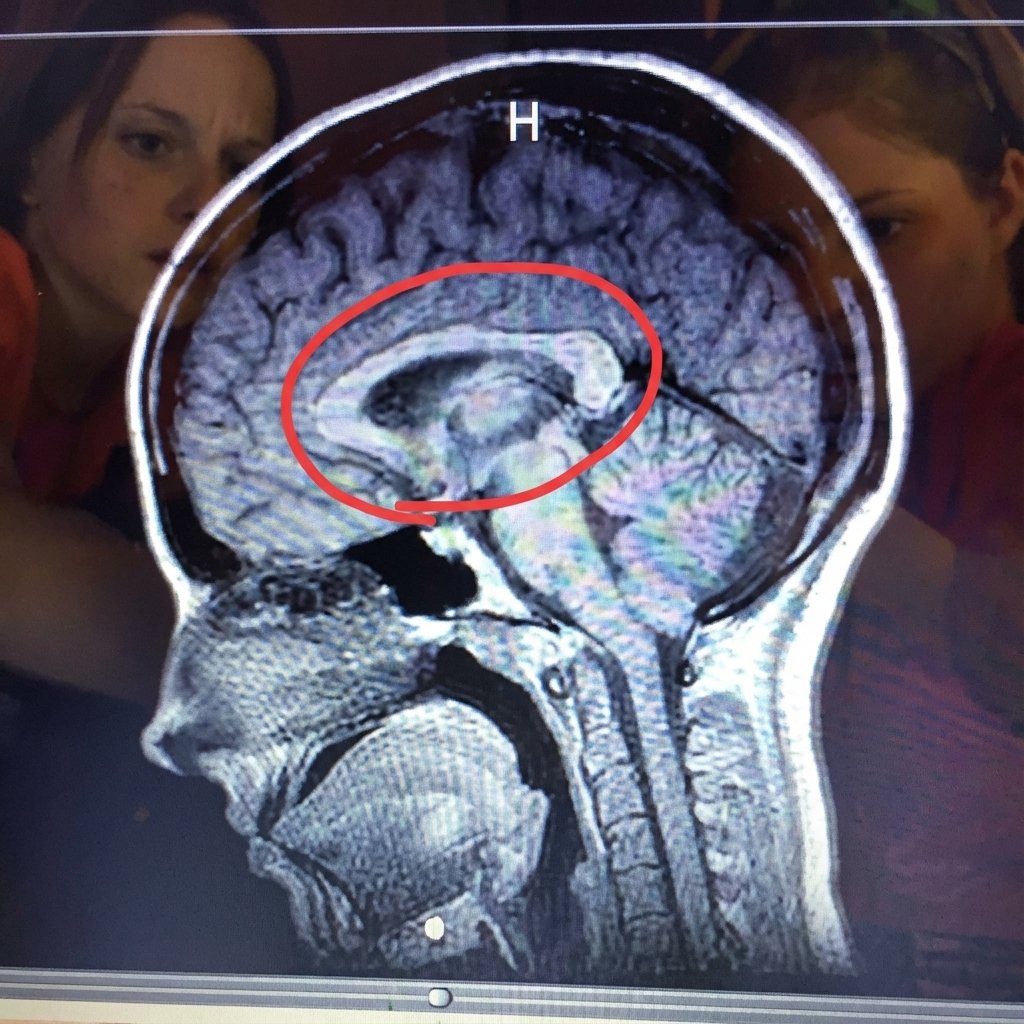
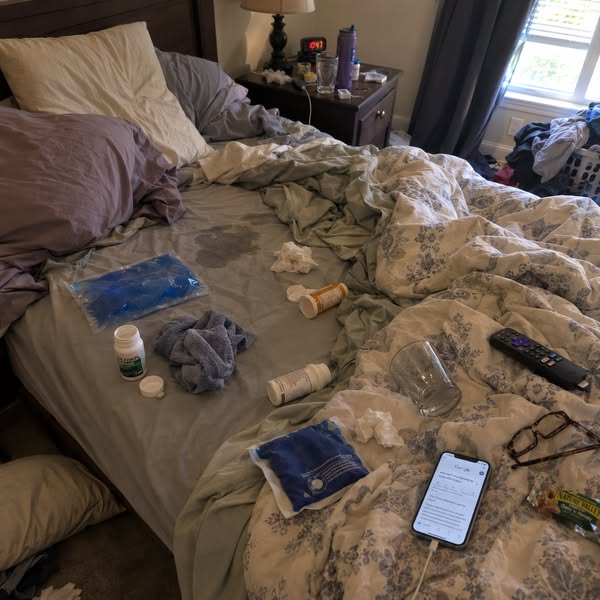
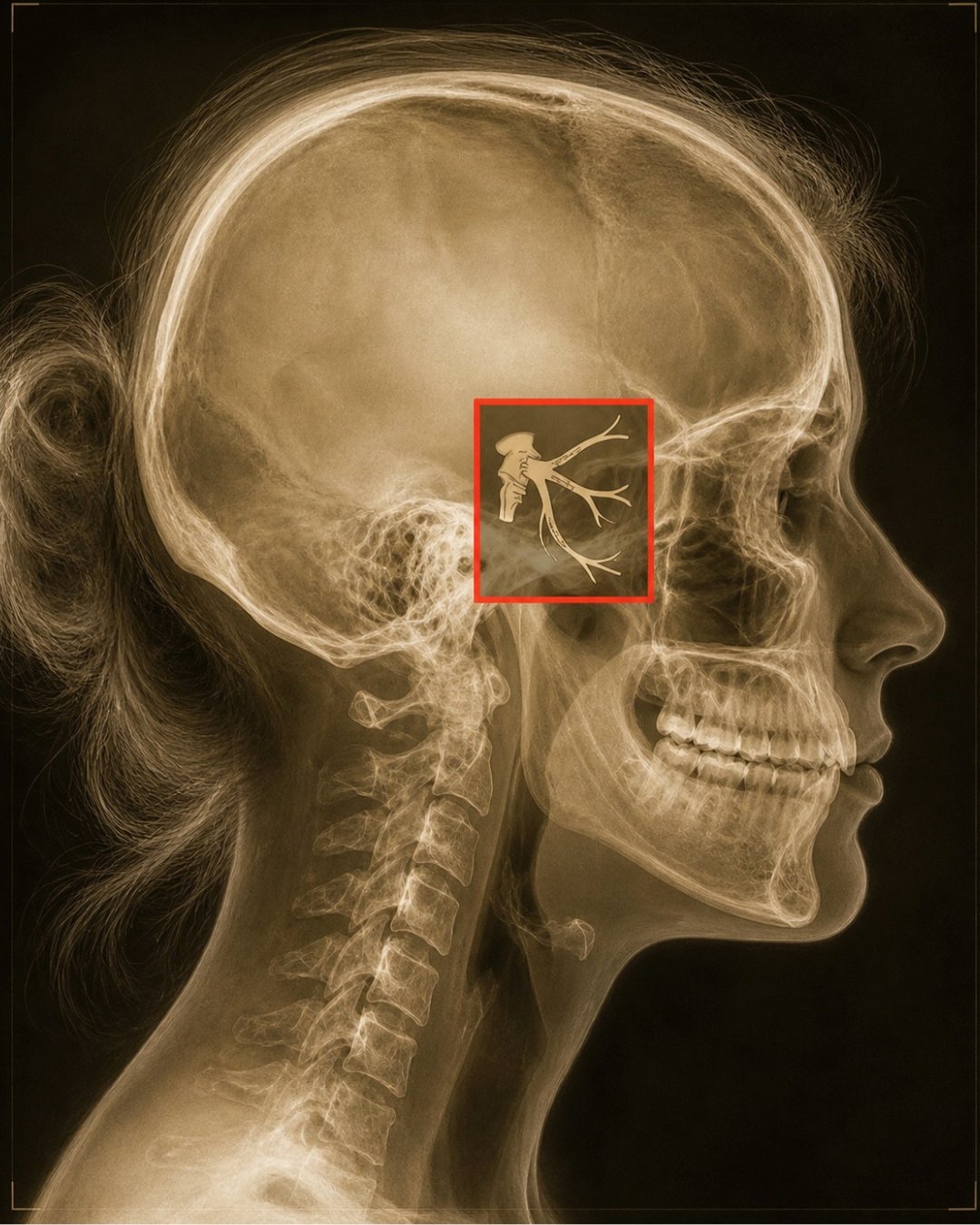
When a WOMAN with chronic morning migraines dies of vascular dementia at 71, her death certificate doesn't say "untreated cervical compression." It says "complications of Alzheimer's disease." But the radiologist who saw her MRI at 47 knew. He just wrote "unremarkable for age" instead. Once you understand where chronic morning migraines actually do their damage, you understand why Topamax, Aimovig, Botox, and CGRP inhibitors have never once fixed anyone. And why a six-inch part of your body no neurologist has ever examined matters more to your next thirty years than every preventive he has prescribed. Chronic morning migraine is a disease of the upper cervical spine, disguised as a disease of the brain. The pain at 4 AM is the symptom you can measure. But the actual damage — the damage that takes your cognition, your marriage, your years with your grandchildren, and eventually takes you to the same memory care facility your mother is in — is happening underneath. In a junction at the base of your skull called the trigeminocervical complex, where the nerves from your upper neck and the trigeminal nerve in your face share the same pain pathway. And in the two vertebral arteries carrying blood directly to the back of your brain. The compression at C1, C2, and C3 fires this junction for eight hours every night. The vertebral arteries narrow. By morning the migraine has already been running for the entire sleep cycle. You are not waking up with a migraine. You are waking up at the end of one. Blood stops reaching the back of your brain at the rate it should. Year after year the tissue scars. White matter lesions. The earliest measurable sign of vascular cognitive decline — the same pattern found on autopsy in early dementia patients. And here is the part that should terrify every woman between 42 and 55. Your neurologist told you the migraines got worse because of perimenopause. He said it was hormonal. He was half right — and the half he got wrong is the half that is destroying your brain. Estrogen does not just regulate your cycle. It maintains collagen. It holds your ligaments together. It keeps the connective tissue that stabilizes your cervical spine structurally sound. When estrogen declines during perimenopause — and it does not decline slowly, it crashes and spikes unpredictably for years — the ligaments at C1 through C3 become more lax. The cervical spine that was already compressing during sleep starts compressing FURTHER. The junction that was already firing starts firing HARDER. Your migraines did not get worse at 44 because of hormones acting on your brain. They got worse because your hormones stopped holding the ligaments that were barely stabilizing the cervical junction during sleep. The scaffolding collapsed. The compression deepened. The damage accelerated. And it keeps accelerating. Estrogen continues to decline. Collagen loss reaches 2 to 5 percent per year in early menopause. The ligaments get laxer every year. The compression gets deeper every year. The migraines get worse every year. And your neurologist keeps calling it hormonal and adjusting the same preventives that have never once addressed what is happening at the base of your skull for 8 hours every night. The same compression prevents your brain from reaching deep slow-wave sleep — the one stage where the glymphatic system flushes metabolic waste, including amyloid-beta, the protein linked to Alzheimer's. Your brain has not been cleaning itself since your migraines started. And now the perimenopause is making the compression worse, which means the brain is cleaning itself even LESS, which means the waste is accumulating FASTER, which means the trajectory to the facility is getting SHORTER — not because of age, but because the ligaments your hormones used to hold are no longer holding through 8 hours of sleep. The 4 AM pain. The fog that does not lift until noon. The word you cannot find at the kitchen counter. The jaw that clenches at night because the same compressed nerve fires the masseter. The husband who moved to the guest room. The mother in memory care whose migraines started at the same age. The MRI that comes back "unremarkable" while the damage compounds underneath. These are not perimenopause symptoms. They are not hormonal symptoms. They are faces of one problem: cervical compression that your declining estrogen is making worse every year while your neurologist manages it as a brain disorder. Now here is the part that should make you furious. There is not a single drug in the standard protocol that addresses the compression. And there is not a single hormone therapy that addresses it either. HRT stabilizes estrogen. It may reduce the RATE at which the ligaments loosen. But it does not decompress the junction that is already compressed. It does not open the vertebral arteries that are already choked. It does not undo the 8 hours of nightly compression that has been running since your migraines started. Triptans suppress the pain after the damage has started. Aimovig blocks one pathway downstream while the compression runs upstream all night. Botox paralyzes muscles compensating for the misalignment. Topamax dulls your nervous system at the cost of forgetting the word for orange juice. And now your gynecologist is suggesting HRT for the perimenopause — which may help the hot flashes but will not touch the junction at C1-C3 that is compressing harder every night because the collagen your body used to make is leaving at 2 to 5 percent per year. That is not treatment. That is a treadmill with a second treadmill bolted onto it. You started on Sumatriptan. Then Topamax. Then Aimovig at $743 a month. Then Botox at $500 a round. And now your migraines are worse than they have ever been and your neurologist says it is perimenopause and your gynecologist says it is migraines and neither of them has examined the six inches of cervical spine between them that is compressing harder every year because the estrogen that used to hold it is leaving. Last year, your fifth neurologist said the preventive he was about to add was good for weight loss too if that interested you. You sat in the parking lot for 40 minutes after that one. Did not cry. Felt worse than crying. Bragatto and Bevilaqua-Grossi, Journal of Headache and Pain, 2023: sustained cervical decompression at C1 through C3 reduced chronic morning migraine frequency by more than 50 percent in 84 percent of patients within 30 days. The mechanism requires three simultaneous inputs. Anatomical contouring at C1 through C3 — the specific vertebrae where the nerve convergence happens and where perimenopause is loosening the ligaments. Sustained alignment through the full eight hours — because the laxer the ligaments become, the faster the pillow needs to compensate, and memory foam loses 40 percent of its support within 90 minutes. Adaptive fiber that does not collapse under head weight — critical now that the ligaments your estrogen used to maintain are no longer holding through the night. The Eloura CerviSoft delivers all three. $57.95. 90-night money-back guarantee. Here is what women in perimenopause using the CerviSoft start to notice. Week one, most stop pressing their right thumb against the base of their skull before opening their eyes. The body scan ritual you have done every morning for 10, 15, 20 years. Week four, husbands notice. "You came down to dinner two nights in a row." Week six to nine, monthly frequency drops measurably. The trigger journal bends the wrong direction for the first time in a decade. The hot flashes may continue — the CerviSoft does not address hormones. But the mornings change. Because the mornings were never hormonal. The mornings were mechanical. Week nine to twelve, follow-up imaging shows measurable inflammation reduction at C1-C3. Neurologists say "whatever you are doing, keep doing it." Picture two futures. In the first, you do not order tonight. The estrogen keeps declining. The ligaments keep loosening. The compression gets deeper every year. Your neurologist adds another preventive. Your gynecologist adjusts the HRT. Your husband moves into the guest room. Your MRI at 52 shows new white matter lesions and your neurologist says "common at your age." By 64 you are forgetting the produce clerk's name. One Tuesday your daughter writes "vascular cognitive decline" in the family group chat and the disease that actually caused it — 20 years of cervical compression that got worse every year because the estrogen that held the ligaments was leaving — never appears anywhere. In the second, you order tonight. The estrogen still declines. That is biology. But the compression stops tonight. Week 2 you forget the Excedrin. Week 4 your husband says "you came back this week." Week 9 your monthly count is half. Year 1 you sit at your daughter's graduation. Year 5 you walk her down the aisle. Year 15 you have outlived your mother's trajectory by a decade. The estrogen left. The ligaments loosened. But the pillow held what the hormones no longer could. If you have read this far, you already know. You knew when the migraines got worse at 44 and your neurologist said "perimenopause." You knew when the HRT helped the flashes but not the mornings. You knew when you visited your mother and recognized something in her face that scared you. You do not need another piece of evidence. You need permission and a path. This is both. The Eloura CerviSoft. C1 to C3 anatomical placement. Eight-hour sustained alignment. Adaptive fiber that holds what your hormones no longer can. 90-night money-back guarantee. If your mornings do not change, every dollar back. Be the woman who broke the family pattern. Be the woman whose daughter does not have to do this math. Be the woman whose grandchildren remember her by name. I will see you on the other side of 90 nights.
Like this ad? Make it yours.
Crush rebuilds this exact creative around your product — your brand, your colors, your offer — in about a minute.