
Inactive· since Jan 21, 2026
- 120
- days it ran
- 1
- relaunches
Ad copy
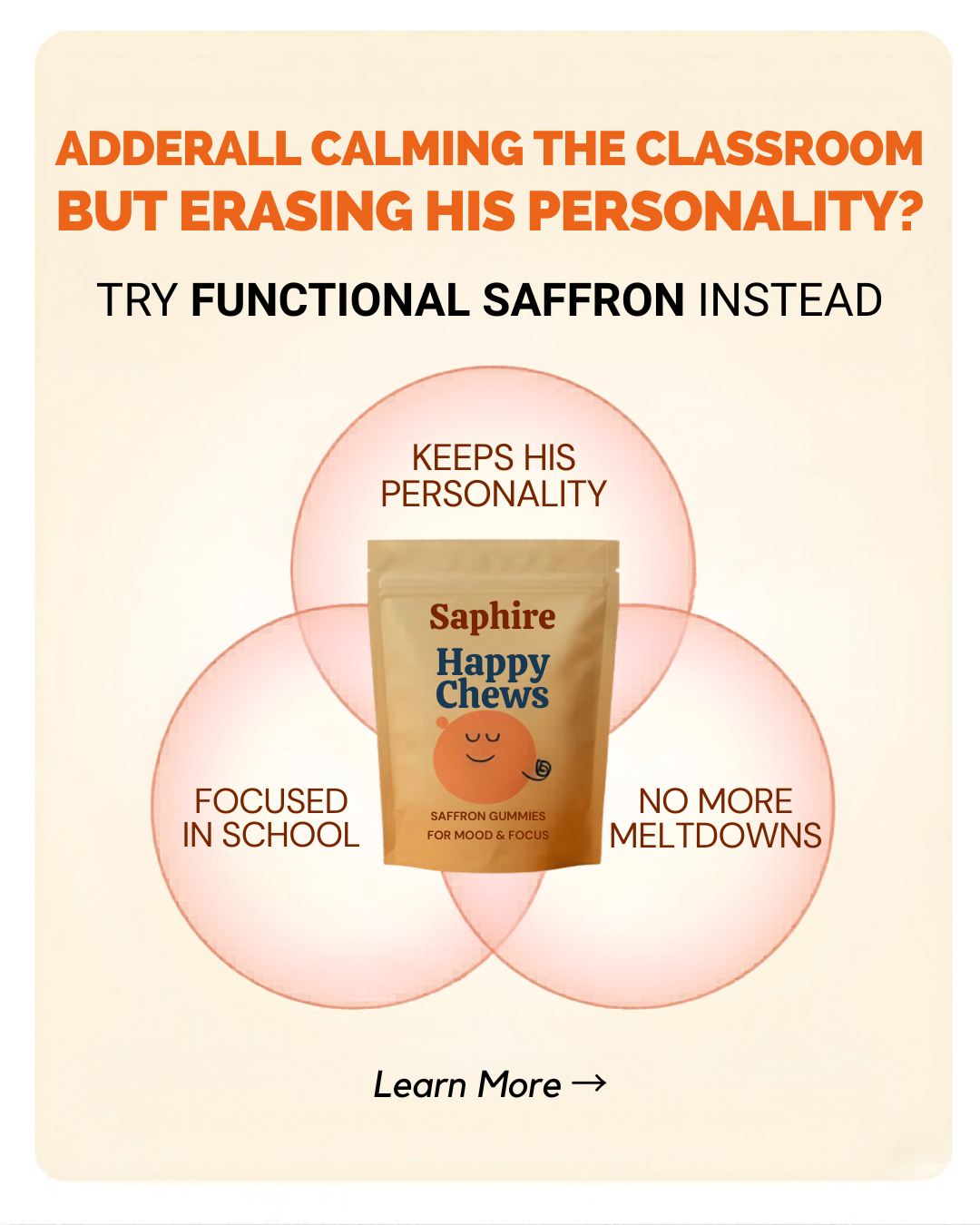
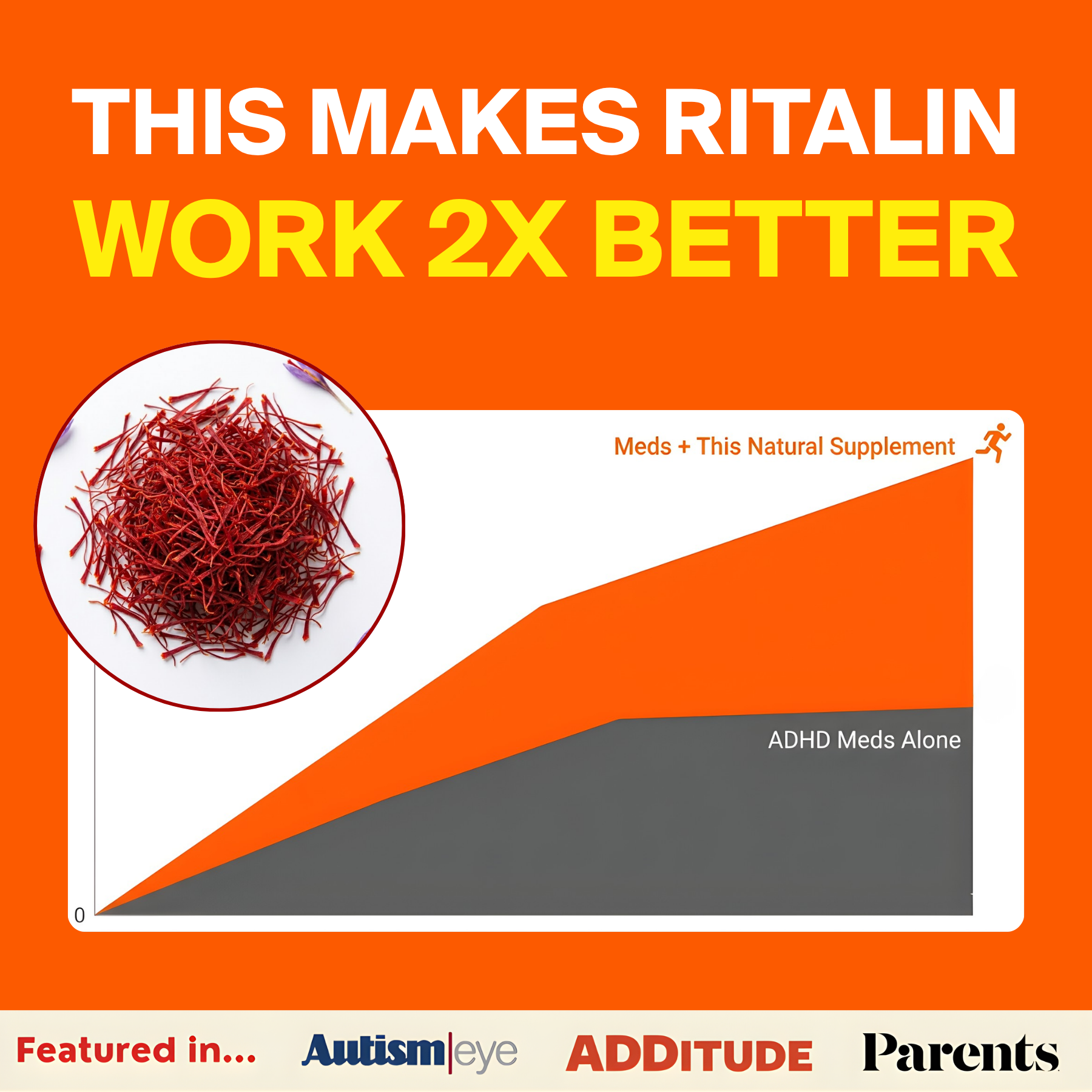
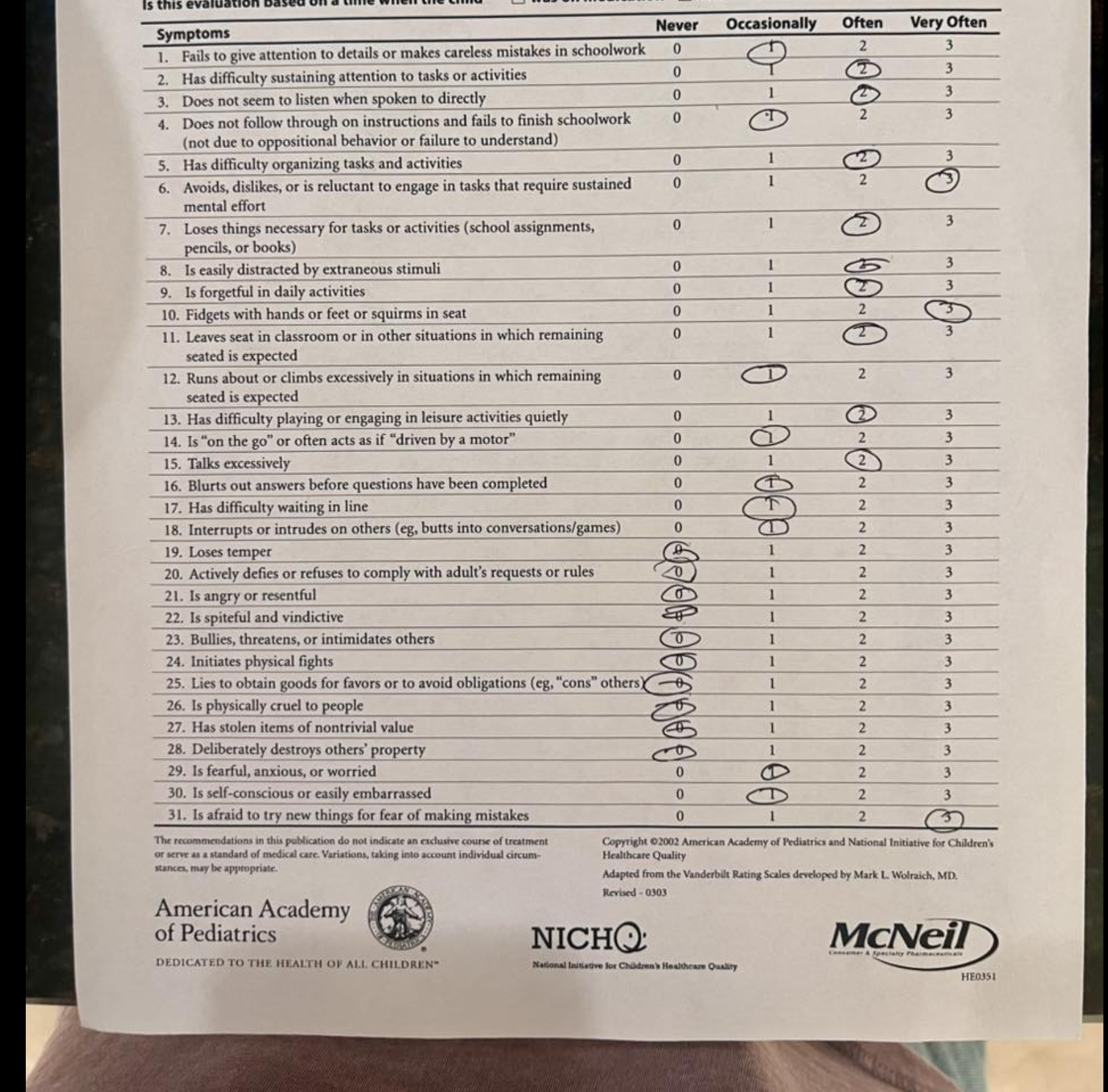
The teacher handed me a Vanderbilt form and my stomach dropped. She said it was "just a screening tool." That "it doesn't mean anything yet." That "lots of kids fill these out." But I knew what it meant. It meant she noticed. It meant he's struggling. It meant all the things I've been seeing at home are showing up in the classroom now too. I filled out my section at the kitchen table that night. Checking boxes. "Often fails to give close attention." Check. "Often has difficulty sustaining attention." Check. "Often does not seem to listen." Check. "Often has difficulty organizing." Check. Every box felt like a failure. The form came back. The numbers were high. The school started using words like "evaluation" and "intervention" and "have you considered medication." And I just sat there thinking... how did we get here. Here's what nobody told me. Those behaviors on the Vanderbilt? The inattention. The impulsivity. The emotional dysregulation. It's not bad behavior. It's low dopamine. His brain wasn't producing enough of the chemical that controls focus, impulse control, and emotional regulation. Saffron supports the brain's ability to produce dopamine and serotonin naturally. Same pathways the medications target. His next teacher conference? She asked what changed. I didn't even know where to start. And yes, Saphire Happy Chews comes with a 100% risk-free money-back guarantee — because it's already been proven to work for over 12,000 moms just like you. Grab yours here 👇 https://trysaphire.com/products/saphire-saffron-gummies
Like this ad? Make it yours.
Crush rebuilds this exact creative around your product — your brand, your colors, your offer — in about a minute.