
Inactive· since Aug 29, 2026
- 3
- days it ran
- 0
- relaunches
Ad copy
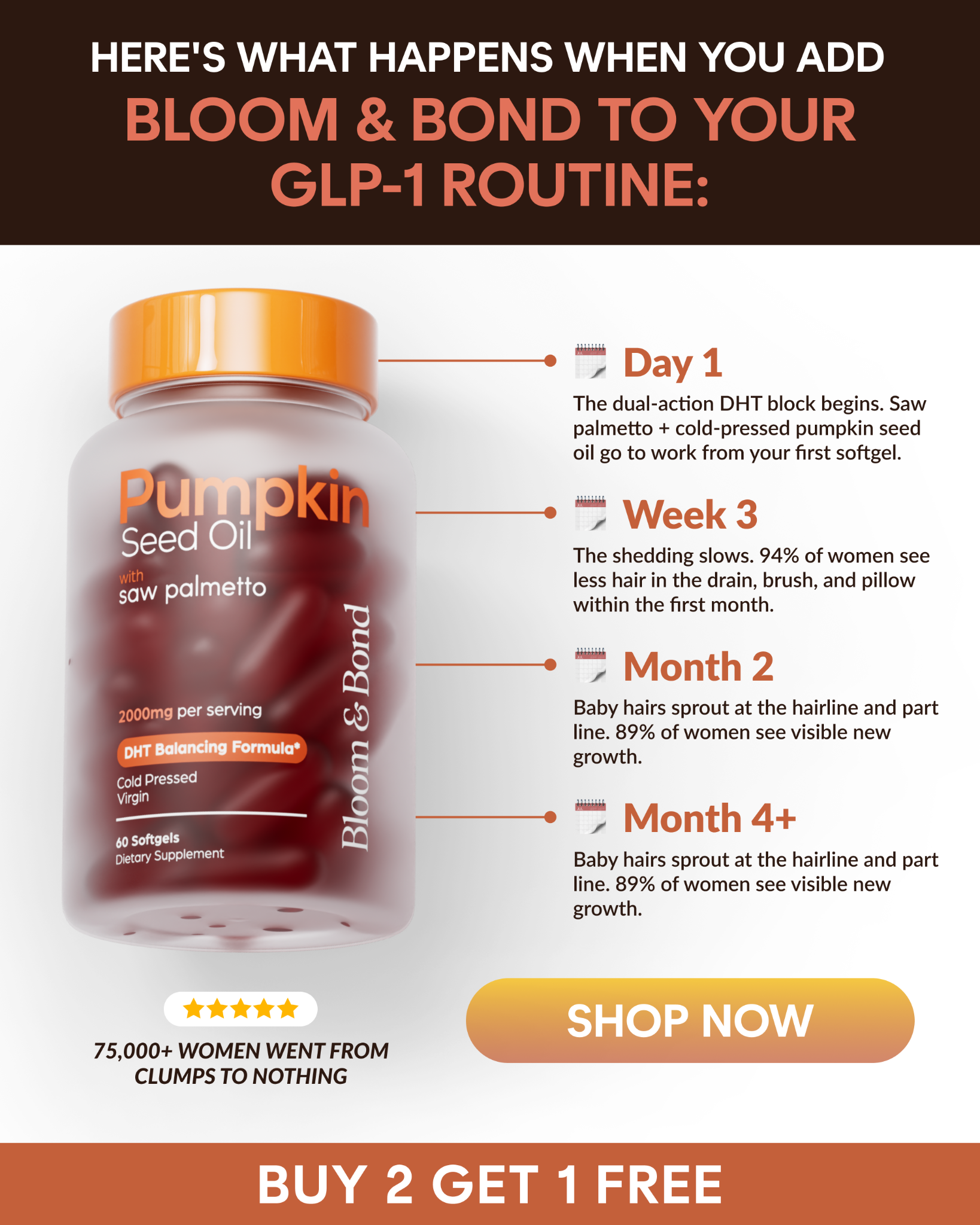
Menopause f*cked your bladder. And "just do your Kegels" is making it worse. The damage that's happening quietly, right now, while you wait patiently for the urgency to settle down. I need to tell you something about the advice you've probably already been given. The "it's just part of aging, learn to live with it" advice. Because I've watched that advice hurt more women than it's helped. And I need to explain why before another month goes by. My name is Dr. Lexie Sutton. I've been a urogynecologist for 17 years. I specialize in menopause and what it does to a woman's bladder. And over the last two years, something has shifted in my practice. I used to mostly see women in the middle of a flare. Panicked. Burning. Running to the bathroom every twenty minutes. Certain it was another UTI. That kind of appointment I know how to handle. But lately? The appointments that break my heart are different. They're women whose flare is already over. The burning stopped. The urine test came back clean. Again. And yet they sit down in my chair, pull out their phone, and show me something. Not photos. A sleep app. A wall of red bars. Awake at 1:14. Awake at 2:51. Awake at 4:30. Every single night, for months. Or they show me the pad they've started keeping in their purse. "Just in case." Or the list on their notes app of every bathroom between their house and their office. The change in their life is devastating. Not an emergency. Not an infection. Just... shrinking. Their whole world quietly getting smaller. The long walks they stopped taking. The trip they keep not booking. The movie they can't sit through. Like someone turned the volume down on their life and it never came back up. A patient came in last month. Her name was Carol. 49 years old. Perimenopausal. It started about a year ago. First the sudden urgency. The "I have to go RIGHT now" that wouldn't wait. Then the nights. Up three, four times to pee. Then the day she sneezed at work and felt it leak. She went to her doctor. "Completely normal," she was told. "It's just part of getting older. Probably a mild UTI. Cut back on your coffee, drink more water, do your Kegels, and try to lose a little weight. It'll settle down." She did everything right. She gave up her morning coffee, the one thing she looked forward to. She did her Kegels every day, even the ones that hurt. She drank her water. She took the antibiotics, even though the culture came back negative. She was patient. She waited. And after a few weeks... the burning did calm down. She thought: finally. She waited for the rest of it to follow. For the urgency to fade. For the nights to get quieter. For her body to feel like her body again. It never did. Month five, still up all night. Month eight, wearing a pad every day now, not just in case. Month eleven, she'd stopped taking the long walks she loved and started wearing a Depend on the rare one she risked. She turned down a weekend away with her husband because she couldn't face the car ride. The flare was over. But her bladder had not come back. That's when she came to see me. "Did I do something wrong?" she asked. She hadn't. The advice she was given wasn't wrong. It was just... incomplete. And that incomplete advice cost her almost a year, while the real problem quietly got harder to reverse. Here's what nobody is explaining to women in menopause. There are actually TWO separate things happening to your bladder at the same time. Two completely different problems. And most doctors, including good ones, careful ones, are only addressing one. Problem One is the surface irritation. The burning. The sudden flares. The days it feels like a UTI. Bladder irritants make this worse. Coffee, alcohol, fizzy drinks, artificial sweeteners. And when there's a real infection, an antibiotic clears it. So cutting those things back can calm this layer. It can settle. The advice isn't wrong about that. But here's what they're not telling you. While that surface irritation is flaring... Something else is happening underneath. Something quieter. Something that doesn't show up on a urine test. Something that doesn't stop on its own. Estrogen is a hormone that has been protecting your bladder your entire life. For decades, estrogen kept the lining of your bladder and urethra thick, plump, and elastic. It kept that tissue resilient and sealed. And it kept the muscle in your bladder wall calm, and the nerves quiet. That's why younger women rarely deal with this. Their tissue is cushioned. Their bladder stays calm. But here's what menopause does that almost no one explains. As you move through perimenopause and menopause, your estrogen drops. Fast, sometimes. And if you've also lost weight quickly, on a GLP-1 or any other way, it drops even further, because fat tissue produces estrogen too. When the fat goes, so does more of your estrogen. And suddenly, your bladder loses its cushion. The tissue that estrogen kept thick and comfortable becomes thin, dry, and easily irritated. The muscle that estrogen kept calm becomes twitchy. It starts squeezing when it shouldn't. And the nerves start firing false alarms. That sudden "go now" feeling over almost nothing. This is not a passing flare. This is not an infection that clears with a course of antibiotics. ❌ It doesn't stop because you gave up your morning coffee. ❌ It doesn't stop because you did your Kegels every day. ❌ It doesn't stop because your urine test came back clean. ❌ It stops when the estrogen-starved tissue is soothed and the twitchy bladder is calmed. And nothing in the "just wait and cut your caffeine" advice does either of those things. Think about what actually happened while Carol was waiting. The first few weeks: the surface irritation was flaring, so she cut the coffee and took the antibiotics. At the same time, underneath: the tissue was thinning and the bladder was getting twitchier and more sensitive. A few weeks in: the surface irritation calmed. The burning eased. She breathed. But the tissue damage? The over-firing bladder? It didn't stop. It had been compounding the whole time. So the urgency got worse. The nights got longer. The leaks started. Not because she failed. Because the root was never touched while she was being patient and doing her Kegels. That's what Carol was really showing me with that sleep app. That's what I see every single week. Women who did everything right. And are still sitting in my chair, exhausted, wearing a pad, wondering why their body turned on them. I want to be clear about something. Cutting caffeine doesn't rebuild estrogen-starved tissue. Kegels don't calm an over-firing bladder muscle. Drinking more water doesn't soothe an irritated, thinning urethra. Waiting doesn't do any of it. Those things have their place. Cutting irritants helps. A strong pelvic floor matters. But you cannot squeeze a pelvic floor back to comfort while the tissue itself is thin, dry, and inflamed, and the muscle is firing false alarms all day. It's like mopping the floor while the tap is still running. You can mop all you want. The water keeps coming. I've had patients spend months on cranberry, D-mannose, and AZO, chasing an infection that the tests keep saying isn't there. I've had patients on oxybutynin and other bladder pills that numb the muscle and leave them with a mouth so dry they can't sleep anyway, and half of them tell me it "didn't do much at all." I've had patients quoted $250 a visit for pelvic floor therapy they can't afford or can't get to. And vaginal estrogen, which genuinely helps many women, is not an option for a lot of them. Some can't use it, because of a family history of breast cancer, or because they're intolerant to it. Some don't want to smear a hormone cream every night for the rest of their lives. And for some it simply hasn't been enough. All of these have one thing in common. None of them do both jobs, without a hormone, in one simple daily step: soothe the estrogen-starved tissue AND calm the over-firing bladder. Until you do both, the problem keeps progressing. So what actually does both? Two things. Together. Pumpkin seed oil and saw palmetto. Let me explain what each one does, because they work completely differently, and you need both. Pumpkin seed oil is rich in the fatty acids, vitamin E, and antioxidants that soothe irritated, inflamed tissue, exactly the dry, sensitive tissue menopause leaves behind. It also carries magnesium, which helps relax that over-contracting bladder muscle, so the urgency and the constant trips ease. And it contains gentle plant compounds called lignans that give estrogen-starved tissue a soft, plant-based nudge of support. Not a hormone. A signal. In a clinical trial in women with overactive bladders, a pumpkin seed extract significantly reduced urgency, daytime frequency, night-time waking, and leaking over 12 weeks, compared to placebo. That's not marketing language. That's from a peer-reviewed trial in women. But here's the limitation. Pumpkin seed oil soothes and supports the tissue and calms the muscle. It does less about the over-firing nerves. The false "go now" alarms that keep going off even when your bladder is nearly empty. That's where saw palmetto comes in. Saw palmetto works on the signals. Its fatty acids help quiet the over-sensitive receptors and urgency nerves in the bladder, the ones sounding the alarm when there's no real reason to. Think of it this way. Pumpkin seed oil rebuilds comfort in the tissue and relaxes the muscle that's squeezing. Saw palmetto turns down the false alarms that make you feel like you have to go every twenty minutes. One calms the tissue and the muscle. One quiets the signals. Together, that's what I call dual-action bladder support. And it's entirely non-hormonal, which is exactly why it works for the women who can't or won't touch estrogen. Not one or the other. Both. Now, before you go to Amazon and buy them separately, I've had patients try this. One woman bought a $14 bottle of pumpkin seed oil capsules and a standalone saw palmetto supplement from the vitamin aisle. Four months later she came back. Barely any difference. Here's why that happens. Most generic pumpkin seed oil supplements are low-dose, unrefined seed powder, not concentrated extract. The therapeutic dose your tissue actually needs is not achievable with a cheap capsule. You would have to eat roughly two pounds of raw pumpkin seeds every single day to match a properly concentrated extract. And most standalone saw palmetto supplements? They're prostate supplements. Formulated for men. Repackaged with a pink label and pointed at women. The dose is wrong. The extraction is wrong. They were never formulated for a menopausal woman's bladder. So you end up with two supplements that aren't delivering a meaningful amount of either ingredient. And then you stop. And you decide that natural solutions just don't work. They do work. But the formulation has to be right. This is why I recommend Bloom & Bond to the women I see who are dealing with menopausal bladder changes. It's the only formula I've found that combines both pumpkin seed oil and saw palmetto at meaningful doses, together, in a single supplement made for exactly this. 2,000mg of concentrated pumpkin seed oil extract. Not raw seed powder. Concentrated extract, with the compounds that actually soothe the tissue and calm the muscle. Plus saw palmetto at a dose calibrated to quiet the over-firing bladder in women, not repackaged prostate dosing. No biotin filler. No collagen fluff. No synthetic additives. Just the two ingredients your bladder needs, in the right form, at the right dose. Here's what I tell my patients to expect when they start: ✅ Weeks 2 to 4: The urgency starts to feel less sudden. Fewer of those white-knuckle dashes. The burning eases. Your tissue is getting support it hasn't had in a long time. ✅ Weeks 4 to 8: Fewer trips during the day. Some of my patients tell me this is the first time in months they've sat through a whole dinner, or a whole movie, without getting up. ✅ Weeks 8 to 12: The nights. Getting up once instead of three or four times. Waking up in a dry bed. Sleeping like a person again. ✅ Month 3 to 4: Leaving the house without mapping every bathroom first. The pad staying in the drawer. Booking the trip. Feeling like yourself again. Not every woman is the same. Some see it faster, some slower. But the women who stay consistent with the dual-action approach get a recovery that "just waiting" never gave them. I saw Carol again about ten weeks after that first appointment. She didn't pull out her phone this time. She just sat down and said, "I slept through the whole night. Twice this week." And then, quieter: "We booked the trip." Not fixed. Not back to exactly the way it was before all this started. But moving in the right direction for the first time in almost a year. That's what matters. Motion. After months of standing still. If you're reading this and you've been waiting... Waiting for the urgency to settle on its own. Waiting for the nights to get quieter. Waiting because someone told you it's just your age and to be patient... I'm asking you to stop waiting. Not because the surface flares won't calm down. They probably already have. But the estrogen-starved tissue, and the twitchy, over-firing bladder underneath? That hasn't stopped. And every week that passes without soothing the tissue and calming the bladder is another week it quietly gets worse, and harder to turn around. You don't have to hand over your sleep, your travel, and your dignity as the price of menopause. You don't have to smear a hormone cream every night if you can't, or won't. You don't have to accept a pad in your purse as the new normal. Your bladder needs two things. Soothe the tissue menopause left dry and irritated. Calm the muscle and the nerves that are firing false alarms. That's what Bloom & Bond does. And it's what I wish every woman starting menopause had known on day one. If you've already waited, start now. Every day you wait is a day this gets to keep working against you. 👉 https://trybloomandbond.com/pages/menopause-bladder
Like this ad? Make it yours.
Crush rebuilds this exact creative around your product — your brand, your colors, your offer — in about a minute.