Mary jane
Mary jane Facebook ad: “Read If You Own a Dog”

Ran for 106 days, from March 6 to June 20, 2026, the last day Crush saw it.
Run by Mary jane on Facebook. Crush is not the advertiser and does not verify its claims. See this ad in Meta's Ad Library(opens in a new tab)
Want an ad like this for your product?
Crush makes new ad images for your product from this ad: your logo, your product photo, your offer.
Trials from $19.95 USD, then $79.95 USD a month. Cancel anytime.
About this ad
- Meta Ad Library ID
- 2166332560805086
- Platforms
- Facebook, Instagram, Audience Network, Messenger and Threads
- Relaunches
- 0
- Niche
- Gifts & Crafts
Ad text
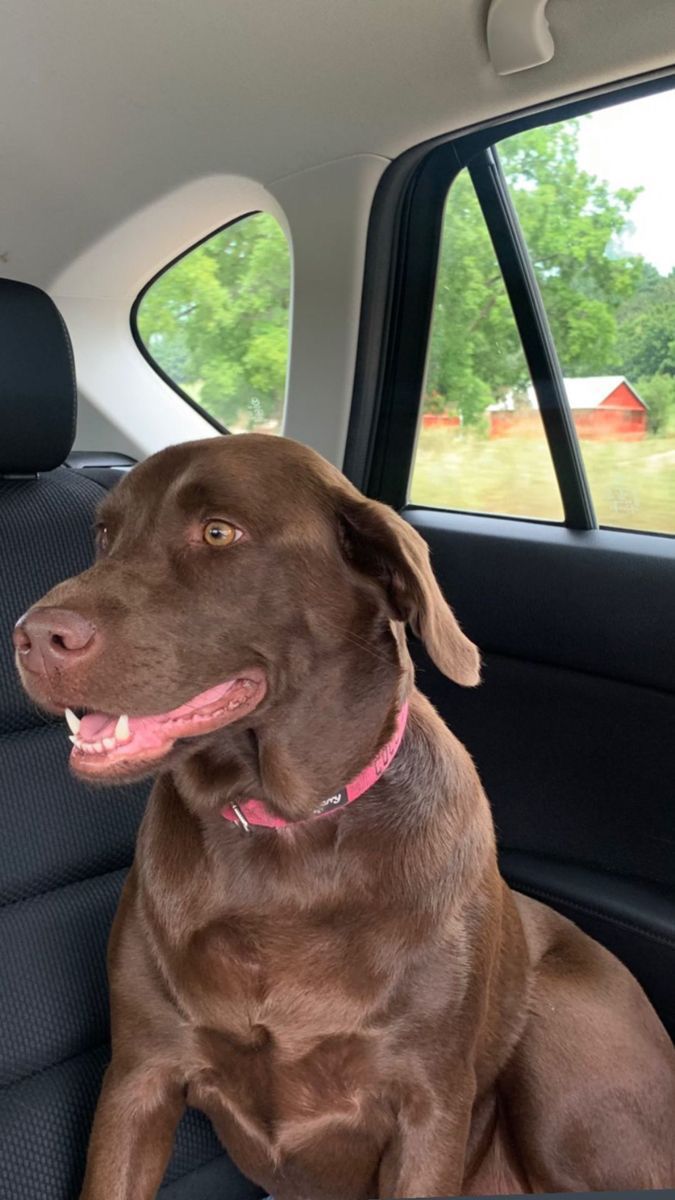
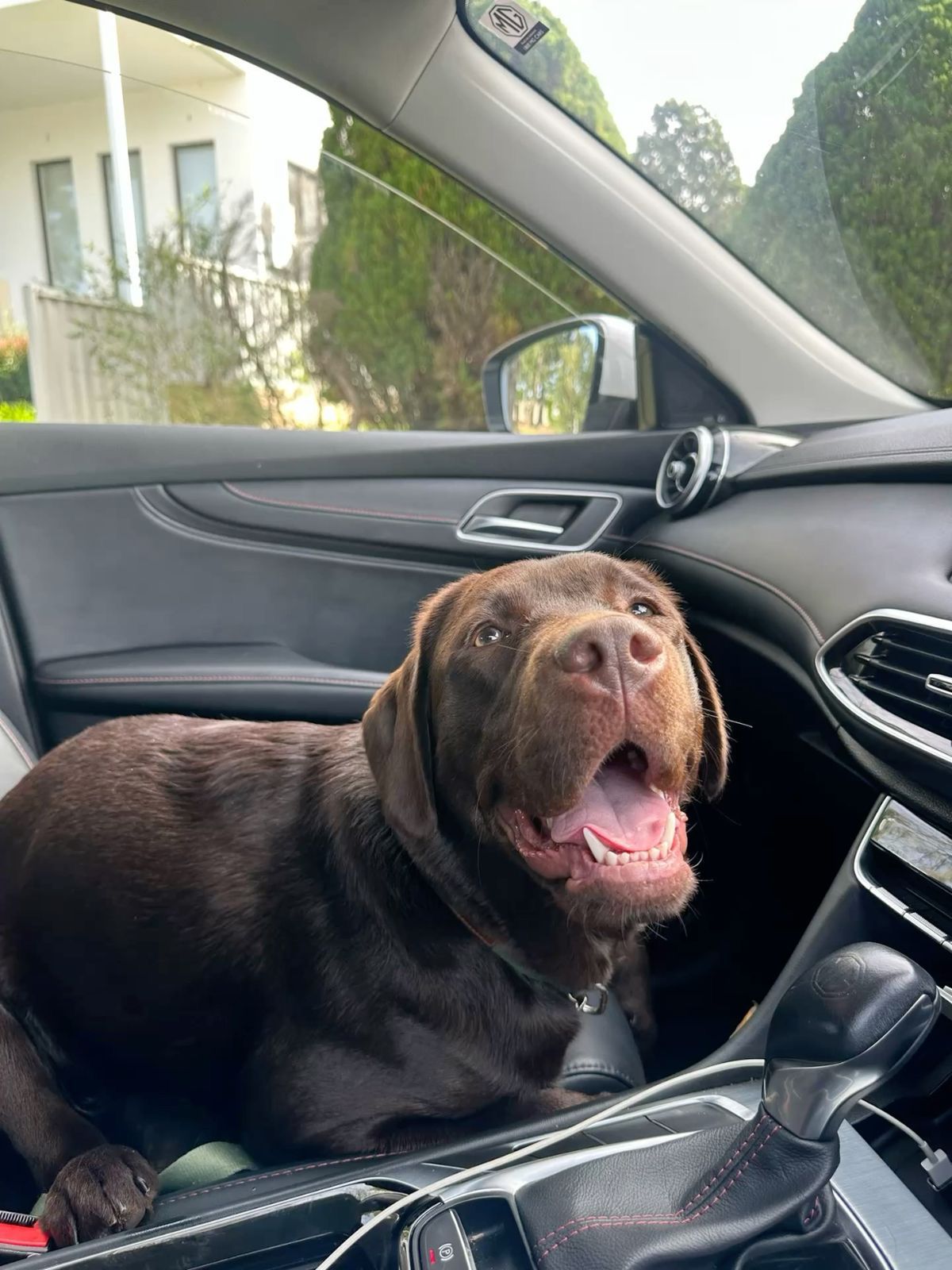
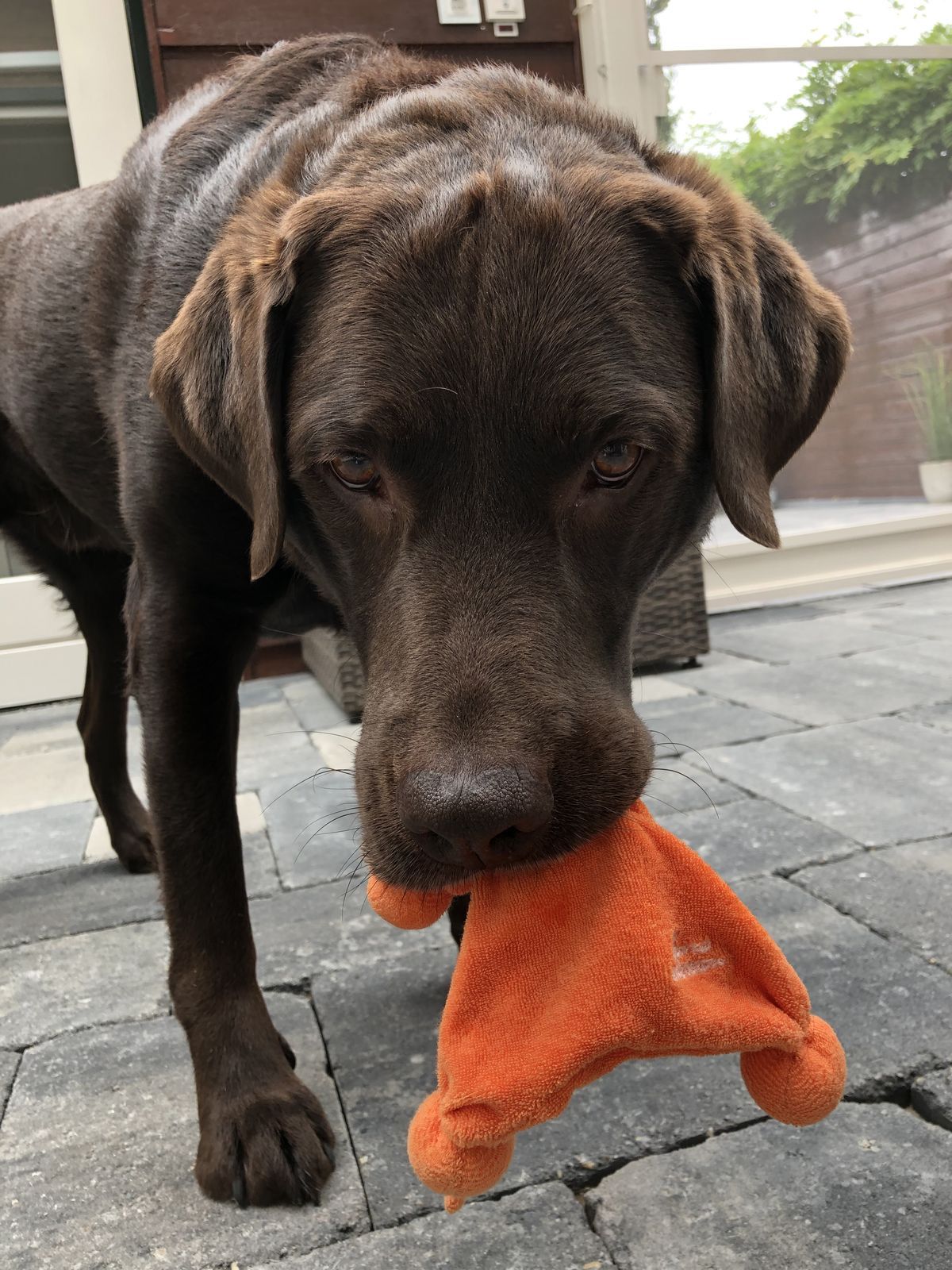
My dog destroyed 47 toys in 6 months. I counted. Then a vet behaviorist explained why the toys marketed as "toughest on the market" are actually designed to fail your dog in under 10 minutes. I know that number sounds dramatic. It's not. I have a note on my phone where I started tracking it out of pure frustration. Date purchased. Date destroyed. Time it took. The shortest entry reads "PetSmart Tuff Bone — 3 minutes. Not exaggerating." Cooper is my 80-pound chocolate Lab. The kind of dog who looks like a gentle giant until you hand him anything with fabric, rubber, or stitching. Then he becomes a machine. Methodical. Focused. Relentless. My sister calls him "the land shark." My vet calls him "enthusiastic." I call him the reason I can't have nice things. For two years I chased the "indestructible" toy. That word was like a beacon. Every time I saw it on a label I'd feel this little spark of hope. Maybe this one. Maybe this is the one that finally holds up. It never was. I bought the heavy-duty rubber bones. Cooper would wedge them between his paws and grind through the edges until chunks started breaking off. Thirty minutes if I was lucky. I bought the double-stitched plush toys. The ones with the "reinforced seams" badges on the packaging. Cooper would find the one spot where the stitching overlapped, work it with his front teeth like a lockpick, and have the whole thing open in under ten minutes. Stuffing everywhere. Every single time. I bought the firehose material toys. The ones made from "actual fire hose fabric." Cooper looked at me like I was joking. Fourteen minutes. I bought the "vet recommended" nylon chews. Cooper carried it to his bed, set it down, and never touched it again. Not once. He'd rather chew the leg of my dining table than interact with something that hard and lifeless. That was maybe the most frustrating part. The toys that actually survived were the ones he completely ignored. And the ones he loved — the soft, crinkly, squeaky ones — were dead in minutes. I was spending $60 to $80 a month on toys. Real money. And every single purchase ended the same way. Me standing in my living room holding a shredded carcass of fabric and fluff, Cooper looking enormously proud of himself, and my phone getting another entry in the spreadsheet of failure. I started to accept it. This is just what owning a power chewer means. You buy toys. They die. You vacuum. You repeat. Forever. Then I booked a session with Dr. Rosen. Dr. Rosen is a veterinary behaviorist. Not a regular vet. Not a trainer. A specialist who studies how dogs think, play, and interact with objects. I found her through my vet's office after I half-jokingly asked if there was a therapist for owners who'd given up on dog toys. She came to my apartment. I showed her the drawer where I kept Cooper's current rotation — a mix of rubber bones he ignored and plush toys I hadn't given him yet because I knew they'd be gone by dinner. She picked up a heavy-duty rubber chew and squeezed it. Then she picked up a cheap plush squeaker toy and squeezed that. Then she said something that made two years of frustration suddenly make sense. She said the pet toy industry has it completely backwards. They think "tough" means hard. Dense. Rigid. So they make toys out of materials that resist the dog's bite. But that's exactly why they fail. A dog's jaw doesn't work like a hydraulic press applying even pressure. It works like a shearing blade. The molars slide past each other at an angle, concentrating all that force into a thin line. When a dog bites down on a hard, rigid material, that concentrated force has nowhere to go. It doesn't distribute. It just finds the weakest molecular point and cracks straight through it. That's why rubber chunks break off. That's why nylon splinters. That's why "indestructible" doesn't exist in rigid materials for a power chewer. The harder the material, the more brittle the failure. She said the dogs that destroy toys fastest aren't the ones with the strongest bite. They're the ones whose toys fight back with rigidity instead of flexibility. Then she picked up the plush toy and said something I didn't expect. She said soft toys actually have a structural advantage — if they're built correctly. Flexible fabric absorbs and distributes the shearing force across a wider surface instead of concentrating it at a single failure point. The problem isn't that plush is weak. The problem is that most plush toys are built with single-layer fabric and single-stitch seams that give way the moment any real pressure is applied. She said what I needed wasn't a harder toy. I needed a soft toy with serious engineering underneath the surface. That night I started searching differently. Not for "indestructible." Not for "heavy duty." I started looking for multi-layer fabric. Reinforced stitching. Dense textile construction that would flex instead of crack. Most of what I found was marketing dressed up as engineering. "Double-stitched" labels on toys I could pull apart with my fingers. "Tough" plush that felt as thin as a pillowcase. Then I found this octopus. Eight legs. Every one filled with crinkle paper instead of stuffing. A squeaker in the head. But it was the fabric that stopped me. This raised, bubble-textured plush that felt completely different in my hands. Thicker. Denser. Layered. When I squeezed a tentacle I could feel the tight construction underneath, like the material had actual structure to it rather than just being a thin skin stretched over filling. And there was no filling. No stuffing at all. Which meant the fabric wasn't under internal pressure from polyester pushing against the seams. Dr. Rosen had mentioned that — stuffing creates outward force that stresses the stitching from the inside even before the dog bites down. Remove the stuffing and the seams only have to handle external force. The whole structure becomes more resilient. I ordered one expecting nothing. Cooper grabbed it and froze. Ears forward. He bit down on a leg and the crinkle sound hit. Something clicked behind his eyes. He shook it hard. Whipped it sideways. Grabbed a second tentacle. I stood there watching, arms crossed, mentally starting my timer. Ten minutes. Still going. Still intact. Twenty minutes. He was ragdolling it across the living room. Every tentacle crinkle keeping him locked in. I kept waiting for the ripping sound. The familiar tear that meant another toy had died. Thirty minutes. Forty. Forty-five minutes in and Cooper collapsed on the couch with three soggy tentacles draped over his face. The toy was wet, twisted, matted with drool. I picked it up and checked every seam. Tight. Every single one. The next morning I checked again. Still holding. That evening after another full play session. Still holding. The following weekend. Still holding. That octopus lasted Cooper five and a half weeks. Five and a half weeks of daily, aggressive, full-contact play from a dog who averaged seven minutes per kill on every other toy I'd ever bought him. I tossed it in the washing machine expecting the fabric to shred and the crinkle to go silent. It came out rough-looking but fully functional. Crinkle still loud in every leg. Seams still tight. Squeaker still working. Cooper snatched it out of my hands before I finished folding laundry. At his next checkup, Dr. Patel ran her fingers along his gumline and said his teeth were looking cleaner than usual. I mentioned the octopus and she looked at the raised bubble texture on the fabric. She said that surface pattern works like a gentle scrub on teeth and gums during play. A built-in dental bonus happening every time he chews. I'm on my fourth octopus now. Not because they fall apart — each one survives well over a month of Cooper's worst. I rotate them because he gets excited when a "new" one appears. His first octopus is still technically intact. Retired. Battle-scarred. Hanging from the toy hook like a medal of honor. My spreadsheet stopped getting entries three months ago. Not because I stopped caring. Because there's nothing to track anymore. No date destroyed. No time-to-kill. Just a toy that shows up, survives, keeps Cooper engaged for almost an hour at a time, cleans his teeth while he plays, and lasts longer in a single session than most toys lasted their entire lifespan in my house. If your dog is a land shark. If you've got your own spreadsheet of failure. If you've spent hundreds on "indestructible" promises that cracked, splintered, or shredded in minutes. Stop buying harder. Start buying smarter. I linked it below if anyone wants to try the same one Cooper still hasn't beaten.
Where the ad sends people
whiskerspot.com
Read If You Own a Dog 👆
Whiskerspot
Shop now: whiskerspot.com(opens in a new tab)