Curtis Dane
 Facebook ad: “Pastor's wife slapped soup out of my hand”

Ran for 16 days, from November 11 to November 27, 2026, the last day Crush saw it.
Run by Curtis Dane on Facebook. Crush is not the advertiser and does not verify its claims. See this ad in Meta's Ad Library(opens in a new tab)
Make your own version of this ad
Crush makes it, launches it in your own Meta ad account, scales the winners and pauses the losers.
About this ad
- Meta Ad Library ID
- 2166628650890742
- Platforms
- Facebook, Instagram, Audience Network, WhatsApp and Threads
- Relaunches
- 0
Ad text
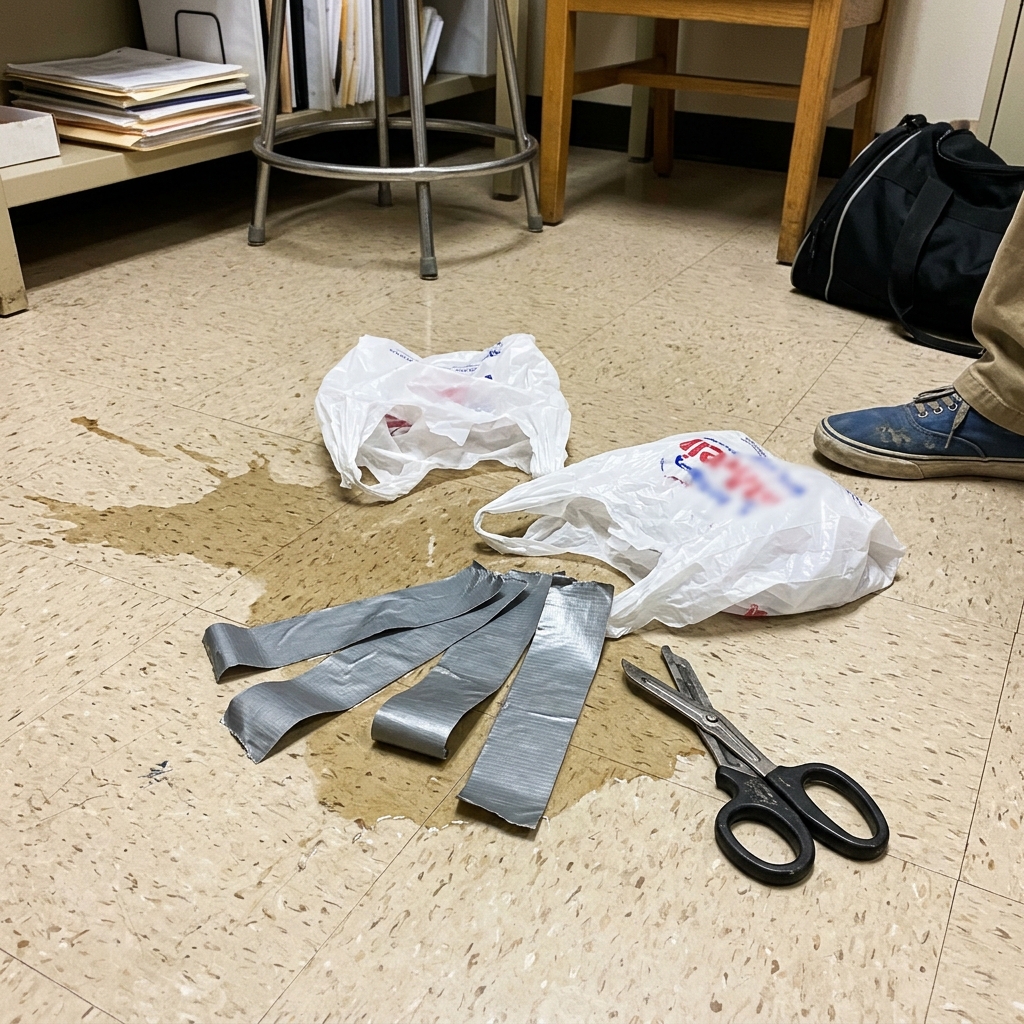
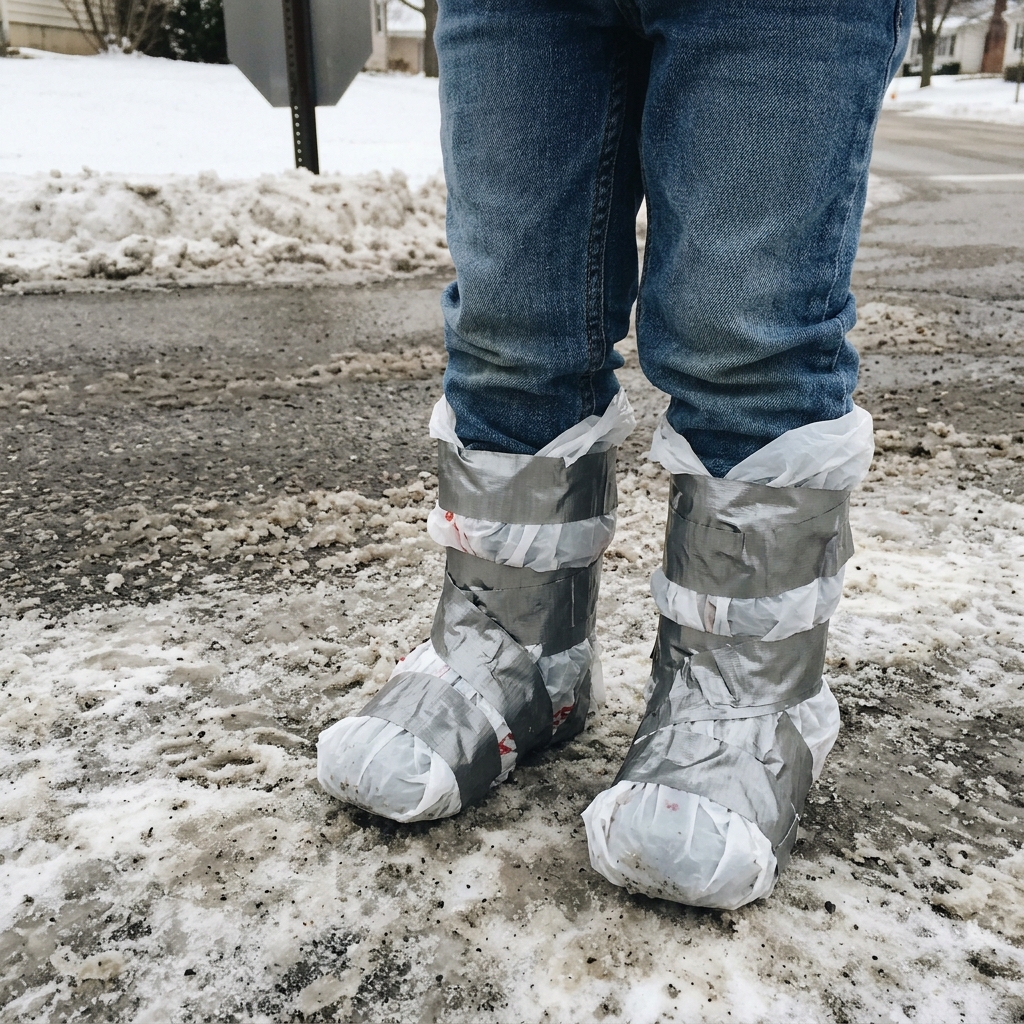
A pastor's wife slapped a can of generic soup out of my hands in front of the congregation and called me a parasite. The metal can hit the polished oak floor of the fellowship hall with a sickening clang that echoed off the tall wooden rafters. It rolled twenty feet across the maroon carpet runner, right past the front row of pews, spraying drops of watery broth across the white trim of the altar steps. Thirty-five church members dressed in Sunday wool coats, pressed suits, and floral dresses froze mid-sentence and turned to stare at me. The fellowship hall had gone completely dead silent. The only sound in that cavernous room was the ragged, frightened breathing of my seven-year-old daughter Lily, who was clinging to the hem of my worn winter coat with both of her little hands. The woman standing over me was Evelyn Standish. She was fifty-two years old, the wife of our senior pastor, wearing a yellow silk dress, a gold cross necklace, and polished Italian leather high heels. Her hand was still raised in the air from where she had struck the soup can out of my grip. Her face was flushed crimson with cold fury. "How dare you come into the Lord's house and rummage through the donation pantry like a common thief," Evelyn hissed, her voice cutting through the silence like a razor blade. "I have stood by that door for nine months and watched you walk past the offering collection basket without dropping in a single copper nickel," she said, stepping closer until I could smell her expensive floral perfume. "You bring your children here to drink our communion grape juice and take our pantry staples, but you do not contribute one dime to this ministry. This church is not an open buffet for lazy parasites who refuse to manage their own households." My cheeks burned with a level of raw, public shame so suffocating that I could barely draw air into my lungs. I looked down at the floor. My winter boots were split along the rubber soles, showing gray duct tape I had used to keep the wet snow from soaking through my wool socks. My coat was a faded denim jacket with a broken zipper, held closed with two rusty safety pins. In my right coat pocket, my trembling fingers wrapped around the only money I had left in the entire world. Two crumpled paper dollar bills. And fourteen cents in loose pocket pennies. Two dollars and fourteen cents. "Mrs. Standish, please," I whispered, my voice cracking as tears spilled over my lower eyelids and ran down my cold face. "Lily and Toby haven't eaten a hot meal since yesterday morning. I worked fifty-two hours on the industrial bread packaging line this week. The factory cut our shift hours because of the holiday shutdown, and our landlord told me he will change the front door deadbolts if I cannot hand him four hundred dollars by Tuesday afternoon. I was only taking this one can of vegetable beef soup for my children." I bent down on one knee to pick up the dented soup can from the carpet. Before my fingers could touch the metal rim, Evelyn swung her foot forward. The hard leather toe of her high heel struck the soup can, kicking it violently across the floor into the corner trash bin. "You will not touch another item from that pantry table, Brenda," Evelyn said, loud enough for the deacons and choir members by the coffee urn to hear every syllable. "Go home and ask your family for a handout. The righteous work for their bread. The wicked beg for scraps." I felt Lily's fingernails digging deep into my denim jacket. "Mama," Lily whimpered, her tiny voice trembling with terror. "Mama, please don't cry. Let's go to the car. I'm not hungry, Mama. I promise I'm not hungry." Hearing your seven-year-old child lie about being hungry just to stop a grown woman from humiliating you in church is a kind of heartbreak that breaks something permanent inside your ribs. I stood up straight, took Lily's hand in mine, and picked up four-year-old Toby in my other arm. I did not say another word. I walked down the long center aisle of that fellowship hall with thirty-five church members watching my split boots squeak against the linoleum. Not one person stepped forward. Not one deacon spoke up. The associate pastor looked down at his leather Bible and pretended to study a passage of scripture. I pushed open the heavy wooden exterior doors and stepped out into the biting thirty-degree November wind. Our gravel parking lot was nearly empty except for the shiny luxury sedans belonging to the pastor, the trustees, and the local real estate developers who sat in the front pews. Way in the back corner of the gravel lot, parked next to the rusted maintenance shed, was my 2005 four-door sedan. The front passenger fender was dented, the windshield had a foot-long diagonal spider crack, and the front tires were so bald that you could see the steel threads shining through the rubber. I opened the back door, buckled Toby into his secondhand toddler booster seat, and helped Lily climb inside. I pulled two thin fleece blankets from the rear floorboard and wrapped them tight around both of their shoulders. Then I climbed into the front seat, pulled the door shut, and turned the ignition key. The starter groaned three times before the four-cylinder engine sputtered to life with a loud, metallic ticking sound. The dashboard fuel gauge needle was pinned deep below the red empty line. The yellow low-fuel warning light was glowing like a cruel beacon. The dashboard heater blew nothing but freezing outside air through the vents because the heater core had cracked three months earlier and I could not afford eighty dollars for the salvage yard replacement part. I rested my forehead against the steering wheel and let out a broken, silent sob that shook my entire upper body. My name is Brenda Vance. I am thirty-four years old. I live in a drafty, rented two-bedroom cinderblock house three miles outside of town, right behind the railroad tracks and the municipal wastewater plant. Eighteen months ago, my entire life collapsed in a single forty-eight-hour period. My former husband, a long-haul commercial truck driver who had struggled with prescription painkillers for six years, walked out of our home while the children and I were asleep. He took our only reliable pickup truck, cleaned out every scrap of cash from our joint metal lockbox in the bedroom closet, and vanished across state lines. He left behind thirty-four thousand dollars in unpaid medical debt from when our son Toby was hospitalized with double bronchial pneumonia as an infant. He left behind three months of back rent. And he left behind two small children who looked at me every morning expecting breakfast, clean clothes, and a warm roof over their heads. I did not have time to sit down and cry. I could not afford the luxury of a nervous breakdown. The very next morning, I walked two miles down the highway to the commercial industrial bakery on the bypass road and applied for the overnight packaging shift. For eighteen months, that bakery was my entire existence. I worked from 10:00 PM until 6:30 AM, six nights a week, standing on a wet concrete floor in heavy rubber steel-toe boots. My job was pulling four-pound trays of scalding hot hamburger buns off an overhead conveyor line, stacking them into plastic transport crates, and shoving them onto wooden pallets. By 3:00 AM, the grease and flour dust would coat your eyelashes and stick to the sweat on your neck. By 5:00 AM, both of my wrists burned with carpal tunnel inflammation so sharp that I had to run my hands under the cold water tap in the employee bathroom just to be able to make a fist. The bakery paid twelve dollars and seventy-five cents an hour. After federal payroll withholdings, state wage taxes, and mandatory uniform rental fees were deducted from my paper pay envelope, I took home roughly four hundred ten dollars a week. Our cinderblock house cost seven hundred fifty dollars a month in rent. The municipal water company charged eighty-five dollars a month. The electric cooperative charged one hundred ninety dollars a month during the winter because the old baseboard space heaters ran continuously just to keep the inside temperature above fifty-five degrees. Toby's pediatric asthma inhalers cost ninety-two dollars cash at the discount drugstore because our temporary employment agency did not offer commercial healthcare benefits. Every single week was a mathematical nightmare. I played a vicious game of financial triage in my head every Tuesday when I cashed my paper pay voucher at the corner grocery store customer counter. If I paid the electric bill, we could not afford groceries. If I bought groceries and milk, the water company sent a red shut-off notice threatening to padlock our outside meter. If I paid the landlord, my children and I lived on generic white bread and twenty-nine-cent packets of ramen noodles for ten days straight. I had not bought a new piece of clothing for myself in three years. I cut my own hair with kitchen scissors in the bathroom mirror. I skipped dinner four nights a week, telling Lily and Toby that Mama had already eaten a big meal in the factory cafeteria on her lunch break. It was a lie. My lunch break consisted of two cups of black tap water from the water cooler and a handful of oyster crackers I grabbed from the diner counter next door to the bakery. By November, the factory began cutting production hours due to supply chain shortages. My weekly take-home pay dropped from four hundred ten dollars down to two hundred forty dollars. Then our landlord, an elderly man named Mr. Henderson who owned eleven rental properties along the railroad tracks, drove his Cadillac into our dirt driveway. He stood on the wooden front porch, handed me a written notice of eviction, and told me that if I did not have four hundred dollars in cash by Tuesday at 5:00 PM, he would hire the county sheriff to put our furniture and mattresses on the street curb. That was why I had swallowed my pride and walked into Grace Fellowship Bible Church that Sunday morning. I had never asked for charity in my entire life. My father was a diesel mechanic who worked forty years in a machine shop and taught me that an honest person works for what they eat. Walking into that fellowship hall food pantry was the hardest thing I had ever done. And having Evelyn Standish slap that soup can from my hands and call me a parasite in front of thirty church members made me feel like I was lower than dirt. As I sat there in the front seat of my freezing car, crying against the steering wheel, a gentle tap sounded against my driver side window glass. I jumped in my seat and quickly wiped my wet face with the sleeve of my denim jacket. Standing outside my car in the gravel was Arthur Holcomb. Arthur was sixty-two years old, the head usher at Grace Fellowship. He had white hair, kind blue eyes framed by deep laugh wrinkles, and hands that were thick and calloused from forty years of working as an overhead crane rigger at the local structural steel fabrication plant. Arthur was wearing his Sunday navy blazer, but he had taken off his wool overcoat and was holding a heavy brown paper grocery sack in his arms. I rolled down my window three inches. "Brenda," Arthur said gently, his breath forming small white clouds in the cold air. "Roll the window down, child. You shouldn't be sitting out here in the freeze with that cracked heater." "Mr. Holcomb, please," I stammered, my voice trembling with embarrassment. "Mrs. Standish told me to leave church property. I don't want to cause any trouble for you." Arthur did not answer right away. Instead, he reached through the open window, lifted the door lock button, and opened the passenger side door. He set the heavy brown paper grocery sack carefully on the floorboard at Lily's feet. "Lily, darling," Arthur said with a warm smile, reaching into his pocket and pulling out two clean foil-wrapped packages. "My wife Martha baked some fresh cinnamon biscuits this morning before service. Why don't you and Toby share these while your mama and I talk?" Lily looked at me with wide, questioning eyes. I nodded softly. "Go ahead, baby. Say thank you to Mr. Holcomb." "Thank you, Mr. Holcomb," Lily whispered, her little hands unwrapping the warm biscuits and handing one straight to her little brother. Arthur shut the rear door gently, walked around to the driver side, and leaned against my door frame. "Brenda, listen to me," Arthur said, his voice firm and steady. "Evelyn Standish is a bitter, self-righteous woman who hasn't worked a day of hard labor in her entire life. Her husband draws a thirty-five thousand dollar annual ministerial housing stipend from this church treasury, and the church council pays the lease on that luxury German sedan he parked by the front steps. Do not let her make you feel like an outcast in God's world." "I have two dollars and fourteen cents to my name, Arthur," I sobbed, unable to hold back the humiliation. "Our landlord is putting us on the curb Tuesday afternoon. I don't know what to do. I have worked until my hands bleed at the bakery and it is still not enough. I feel like the world was built to crush people like us." Arthur looked at me with a serious, knowing look in his eyes. He reached into the inside pocket of his navy blazer and pulled out a faded black leather wallet. He pulled out four crisp one-hundred-dollar bills and handed them straight through the window into my lap. I stared at the green paper bills in shock. "Arthur, no," I gasped, trying to push the bills back toward him. "I cannot take your personal money. I don't know when I could ever pay you back." "You are not taking a handout, Brenda," Arthur said calmly, closing his fingers over mine. "Pay your landlord Henderson his four hundred dollars on Tuesday morning. Keep that roof over those babies' heads. And you won't need to pay me back out of your bakery paycheck, because by next week you will be drawing your own daily allocation." I blinked at him, completely confused. "My own daily allocation? What are you talking about?" Arthur pulled a battered Android smartphone from his coat pocket. The screen had minor scratches along the plastic bezel, but it was fully operational. "Brenda, let me ask you a question," Arthur said, tapping the dark screen to wake the display. "How long have you had that cell phone sitting in your purse?" I reached into my bag and pulled out my four-year-old prepaid smartphone. The glass screen was intact, but the blue plastic casing was chipped at the corners. "I've had it for about four years," I said. "I buy the thirty-five-dollar monthly prepaid airtime voucher at the gas station so the bakery supervisor can call me if they need extra shift coverage." "And do you use it to search for directions on the road? Do you use it to check local news, take pictures of the kids, check store prices, or send messages?" Arthur asked. "Of course," I replied. "Every single day. What does that have to do with anything?" Arthur leaned closer, his expression dead serious. "Three years ago, my wife Martha was diagnosed with chronic pulmonary fibrosis," Arthur said quietly. "Her prescription oxygen equipment and specialized respiratory treatments wiped out every dime we had saved from my forty years at the structural steel mill. We were living on generic canned beans and dry oats, three weeks away from having our home foreclosed by the county tax collector." I stared at him, stunned. I had known Arthur in church for ten years and had never known he was carrying that kind of silent financial terror. "My son-in-law Martin works as a legal compliance investigator in Columbus," Arthur continued. "He sat me down at my kitchen table and showed me what the multi-trillion-dollar technology conglomerates in California have been doing behind closed doors for the past seven years." "What technology conglomerates?" I asked. "The massive tech monopolies that own the search engines, mobile operating systems, social networks, and navigation software running on every smartphone in America," Arthur explained. "Silicon Valley technology corporations harvested tens of billions of mobile data points from everyday smartphone owners without user authorization. Every time you searched for a recipe, every time your mobile navigation tracked your drive to the bakery, every time you took a digital photograph of Lily and Toby, and every time your device transmitted network activity, their automated corporate servers harvested that data." "Why would they want my photos and grocery searches?" I asked. "To train their artificial intelligence systems," Arthur said, his voice dropping to an intense, quiet whisper. "Silicon Valley tech giants built multi-trillion-dollar artificial intelligence platforms off the collective behavioral data harvested from millions of blue-collar Americans. They turned our daily mobile device connections into private corporate assets worth trillions of dollars, while people like us were breaking our backs on factory floors unable to afford shoes and groceries for our children." "Is that legal?" I asked. "No," Arthur said firmly. "It wasn't. Two years ago, federal regulatory authorities, congressional consumer oversight committees, and national class litigation forced those multi-trillion-dollar technology giants into an administrative restitution consent decree. The federal framework established an official multi-billion-dollar consumer restitution pool specifically allocated to compensate active American mobile device owners for unauthorized AI data extraction." I looked at the four hundred dollars in my lap, then back up at Arthur. "Why hasn't anyone heard about this on the television news?" I asked. Arthur let out a dry, knowing laugh. "Because the corporate media is owned by the exact same conglomerate parent corporations," Arthur said. "And because corporate tech lawyers keep trying to take it down every time the public portal link is circulated online. They want the statutory claim window to expire quietly. If everyday working citizens don't claim their legal restitution share before the corporate settlement deadline, hundreds of millions of unclaimed dollars get returned straight back into the executive bonus pools of Silicon Valley executives." Arthur tapped the screen of his Android phone and turned it toward me. He opened a secure mobile verification ledger. I leaned forward and looked at the white text displayed on the screen. Every single entry was timestamped at 6:15 AM: Tuesday: three hundred ninety-five dollars settled. Wednesday: four hundred ten dollars settled. Thursday: three hundred eighty-five dollars settled. Friday: four hundred twenty dollars settled. Saturday: four hundred dollars settled. I looked at the numbers, then up at Arthur's face. "Arthur... is this real?" I breathed, my heart hammering against my ribs. "You receive four hundred dollars every morning from this?" "Every single weekday morning like clockwork," Arthur said with a quiet smile. "It transfers directly to my active debit payment card. It saved Martha's life. It paid off all her medical balances in cash. It paid our property taxes two years in advance. And it gave me back my dignity as a provider." "Do you have to buy software or pay some kind of upfront registration fee?" I asked, my natural skepticism flaring up. "Not a single penny," Arthur answered immediately. "You never pay a registration fee. This is not some online sales scheme or network marketing business. You don't sell products, you don't recruit people, and you don't need any technical computer skills. If you can open a web browser and type your mobile phone number, you can complete the entire process in three minutes." Arthur tapped the screen and opened a secure verification page with an official regulatory consumer seal at the top. "Hand me your phone, Brenda," he said gently. "Let's get your device registered right now before we leave this parking lot." My hands were shaking as I pulled my phone from my purse and handed it to him. Arthur opened the device web browser and guided me to the private consumer restitution verification link. The screen displayed a clean, straightforward mobile verification form. "Step one," Arthur pointed with his calloused finger. "Enter your active ten-digit mobile phone number and select your cellular network carrier." I typed in my ten-digit number and tapped my prepaid service carrier from the drop-down menu. "Step two," Arthur continued. "Verify your identity and confirm that your mobile device has been actively used for at least twelve months." I entered my full legal name, our home address, and checked the confirmation box verifying that I had owned an active smartphone line during the regulatory settlement period. "Now watch this," Arthur said. The portal screen changed to a secure encrypted progress bar. The system automated a rapid device network verification sequence: Matching mobile carrier serial identifier... Scanning passive data extraction history... Verifying unauthorized AI algorithmic training usage... Matching device records against the multi-billion-dollar restitution reserve... The progress bar reached one hundred percent in less than forty seconds. A bright green verification badge appeared in the center of my phone screen: CONSUMER DEVICE VERIFICATION APPROVED. RESTITUTION ALLOCATION CONFIRMED. FIRST DAILY DISBURSEMENT SCHEDULED FOR TOMORROW MORNING: 6:30 AM. I stared at that glowing green screen in the dim interior of my cold car. "That's it?" I whispered. "That's all you have to do?" "That is all of it," Arthur said, his eyes filled with warm reassurance. "The automated system links your verified mobile line to the federal restitution reserve. As long as your device remains active on the network, your daily consumer allocation clears every morning. Go home, Brenda. Pay Henderson his rent money on Tuesday morning. And check your phone at 6:30 tomorrow morning." I drove home that Sunday afternoon with Lily and Toby eating warm biscuits in the back seat and a sack of fresh groceries on the floorboard. That night, for the first time in eighteen months, my children went to sleep with full bellies. I tucked them under their blankets, kissed their foreheads, and lay down on my worn mattress with my cell phone resting on the nightstand beside my bed. I barely slept two hours. Every horrible memory from that morning kept playing in my head: The sickening sound of that soup can hitting the floor. Evelyn Standish's cruel, twisted face. The thirty-five church members staring in silent judgment. My own child whispering that she wasn't hungry just to protect me. By 6:00 AM on Monday morning, the bedroom was freezing cold. I sat on the edge of the mattress, wrapped in an old woolen quilt, watching the digital clock on my phone screen tick past 6:15... 6:20... 6:28... At 6:30 AM exactly, my phone vibrated sharply against the nightstand wood. A loud chime sounded through the quiet room. I grabbed the phone with ice-cold hands. A bold notification alert was displayed across the home screen: AUTOMATED CONSUMER RESTITUTION NOTICE: DAILY ALLOCATION CLEARED: FOUR HUNDRED FIFTEEN DOLLARS. STATUS: SETTLED AND AVAILABLE IMMEDIATELY. I let out a sound that was half gasp and half sob. I tapped the notification and opened my prepaid debit payment card application. There it was. Right at the top of the ledger in bold green numbers: Current Available Balance: Four hundred fifteen dollars and twenty-two cents. I dropped my head into both hands and wept so hard that my chest ached. It wasn't a dream. It wasn't a cruel trick. It was four hundred fifteen dollars of cold, spendable legal restitution, sitting on my payment card before sunrise. I didn't waste a single minute. As soon as the town supermarket opened at 7:00 AM, I bundled Lily and Toby into their winter coats and drove straight into town. I walked through the automatic sliding glass doors of that supermarket with my head held high. I grabbed a metal shopping cart and wheeled it straight down the center aisle. I didn't look for yellow clearance tags. I didn't look for dented cans or expired day-old bread. I bought a gallon of whole organic milk, three dozen fresh farm eggs, two packages of thick-cut bacon, four pounds of fresh ground beef, fresh strawberries, apples, and two boxes of hot pancake mix. Then I walked over to the clothing section in the back of the store. I bought two pairs of thick, insulated winter snow boots for Lily and Toby, with heavy rubber treads and waterproof nylon uppers. I bought three packs of warm thermal socks, two thick fleece zip-up jackets, and two pairs of waterproof winter mittens. When the young cashier rang up the total at the checkout counter, the register screen displayed: Two hundred eighty-six dollars and forty-two cents. Eighteen months ago, that number would have caused me to vomit with terror. I slipped my debit payment card into the payment terminal chip reader. The green light flashed instantly: APPROVED. As I pushed that cart out to my car in the morning sunlight, Lily was holding her brand-new purple winter boots against her chest like they were made of solid gold. "Mama," she looked up at me with tears in her big brown eyes. "Are these really mine? Do we have to give them back?" "No, baby," I whispered, kneeling down in the parking lot and pulling the tags off the boots. "They are yours forever. Put them on right now." Watching my daughter slide her warm, dry feet into brand-new boots with no duct tape, no holes, and no wet socks was the moment I knew my family was going to survive. On Tuesday morning at 9:00 AM, our landlord Mr. Henderson pulled his Cadillac into our dirt driveway. He walked up the front steps holding his clipboard, ready to deliver the final court notice. I met him at the front door before he could knock. I handed him four crisp one-hundred-dollar bills for the past-due balance, plus another seven hundred fifty dollars in cash to pay next month's rent three weeks ahead of schedule. Mr. Henderson's jaw dropped. He looked at the eleven hundred fifty dollars in cash in his hand, then looked at me standing in the doorway in clean clothes with warm heat finally pouring from the living room baseboards. "Brenda," he stammered, his face turning pale. "I didn't expect... where did you get this kind of cash?" "I earned it, Mr. Henderson," I said calmly. "And as long as we live here, your rent will be paid on the first of every month in cash. Please write me a receipt." He signed the receipt with a trembling hand and practically sprinted back to his car. The next morning: four hundred ten dollars cleared at 6:30 AM. Thursday morning: three hundred ninety-five dollars cleared. Friday morning: four hundred twenty dollars cleared. Saturday morning: four hundred dollars cleared. Within forty-five days, the entire landscape of our lives was transformed. I walked into the local community pediatric clinic and settled Toby's entire outstanding medical balance in cash, handing the astonished clinic director three thousand two hundred dollars across the glass partition. I paid off our municipal water bill, paid our electric utility three months in advance, and bought a certified pre-owned four-wheel-drive minivan with brand-new snow tires and a heater that blew warm air within sixty seconds of turning the key. I walked into the industrial bakery on a Friday afternoon, handed my supervisor my two-week notice with a smile, and shook his hand. I was no longer spending sixty hours a week breathing flour dust on wet concrete floors just to scrape together four hundred dollars. My smartphone was generating more income before breakfast than sixty hours of factory overtime had paid in an entire month. But the story does not end there. Ten weeks after that terrible Sunday morning in the fellowship hall, our church announced its annual Winter Community Food and Warmth Drive. Every year, the church collected canned goods and used blankets from the congregation to distribute to struggling rural families in the county. On that Saturday morning at 10:00 AM, the gravel parking lot was packed with church members dropping off grocery bags of canned beans, macaroni boxes, and old sweaters. Evelyn Standish was standing near the fellowship hall entrance in a fur-trimmed wool coat, holding a clipboard, directing the volunteers and smiling for photos for the church newsletter. I pulled into the church driveway in my clean, reliable four-wheel-drive minivan. I backed the vehicle directly up to the fellowship hall double doors, right next to Pastor Standish's luxury sedan. I stepped out wearing warm leather winter boots, a tailored wool winter coat, and dark sunglasses. Lily and Toby jumped out of the sliding passenger door, wearing matching warm winter jackets and fleece hats, laughing and holding hands. I opened the rear cargo liftgate of the minivan. Inside the cargo space were forty large cardboard storage crates, stacked to the ceiling: Twenty whole frozen turkeys and smoked hams from the local butcher shop. Thirty cases of premium infant formula. Forty cases of canned chicken, roast beef, and hearty vegetable stews. And fifty brand-new children's winter coats, complete with matching gloves and insulated snow boots, with the store tags still attached. I had spent over four thousand dollars in cash at the wholesale depot that morning. Two church deacons who were unloading boxes stopped dead in their tracks, staring into the back of my minivan with their mouths hanging open. "Brenda?" Deacon Miller gasped, looking between me and the mountain of prime food supplies. "Is... is all of this for the community drive?" "Yes, Deacon Miller," I said with a warm smile. "Every single box. Let's get these carried inside where the families can use them." Arthur Holcomb walked out of the fellowship hall doors, saw the back of the minivan, and caught my eye across the gravel lot. He didn't say a word. He just gave me a slow, proud nod, with tears glistening in the corners of his kind blue eyes. Right behind him, Evelyn Standish stepped out into the cold air. She looked at my clean vehicle. She looked at Lily and Toby's brand-new clothes. She looked at the mountain of butcher-shop meats and infant formula being carried into the hall by the deacons. Her face went pale white. Her clipboard slipped in her hands and clattered onto the concrete steps. She looked at me like she had seen a ghost. "Brenda?" Evelyn whispered, her voice shaking with disbelief. "How... how did you afford all of this? Did you come into an inheritance?" I walked up the concrete steps, stopped three feet in front of her, and looked her straight in the eyes. "No, Mrs. Standish," I said in a calm, clear voice that carried across the entire entrance. "I didn't receive an inheritance. I simply collected what the multi-trillion-dollar Silicon Valley tech monopolies owed my family for using our mobile network data to train their artificial intelligence algorithms." Evelyn stood frozen, unable to form a coherent sentence. "And by the way, Mrs. Standish," I added softly, pointing down at the concrete steps. "You dropped your clipboard. The righteous pick up after themselves." I turned on my heel, walked back to my minivan, and drove home with my children. That evening at 7:45 PM, as I was tucking Lily and Toby into their warm beds in our cozy, heated house, my phone chimed on the kitchen counter. It was an incoming text message from an unfamiliar phone number with our local area code: "Brenda, this is Evelyn Standish. I am writing to humbly apologize for my harsh words in the fellowship hall in November. Pastor David and I have been experiencing severe financial strains with the church building renovation debt and our private household expenses this winter. If you have a few minutes, could you please send me the exact website where Big Tech sends you those four hundred dollar daily payouts? We could truly use God's blessing right now." I sat at my kitchen table for five minutes, looking at that text message in the warm glow of the overhead pendant lamp. I didn't reply with anger. I didn't mock her. I simply set the phone face down on the table, took a deep breath, and poured myself a cup of hot tea. If you are a working mother or father... If you have ever had your dignity stripped away by arrogant people who looked down on you because you were struggling to survive... If you have ever had to look your child in the eye and pretend you weren't hungry so they could eat the last scrap of food in the cupboard... Listen to me very carefully: You did not fail. You worked hard, you bore the burden, and you fought with everything inside you to protect your family. The system failed you. Multi-trillion-dollar technology conglomerates and Silicon Valley giants built the wealthiest corporate empires in human history by harvesting mobile network connections from people like us, while leaving working mothers to beg for generic soup cans in church fellowship halls. There is a legal consumer compensation reserve established right now with your name on it. It is tied directly to your active smartphone. Arthur warned me that big corporate tech firms keep trying to take it down from the internet every time this private presentation begins to circulate. They do not want everyday working families discovering how simple the daily routine actually is. They want the legal claim deadline to expire so corporate executives can keep billions of dollars of unpaid consumer compensation for themselves. If the button below this post opens on your phone right now, your window remains open. Do not scroll past this post thinking you will come back to it tonight or tomorrow. By tonight, the link may be taken down by corporate legal teams. Tap the official button right below this post. Watch the entire presentation from the very first second to the final screen. Follow the simple three-minute verification routine while the consumer pool is active. It gave me my dignity back, it gave my children a beautiful, safe future, and it can do the exact same thing for you. Tap the button below right now before the presentation is taken down for good. -- -- Individual results may vary
Where the ad sends people
smartbuyersdigest.com
Pastor's wife slapped soup out of my hand
For years, the biggest technology companies on Earth tracked your location, recorded your conversations, and sold your family's private data — completely free of charge. Now, a little-known wealth-share rule is forcing them to pay it back. And regular Americans are collecting.
Learn more: c.smartbuyersdigest.com(opens in a new tab)