Emma Stone
Emma Stone Facebook ad: “Read This If Your Dark Spots Keep Coming Back Every Spring”
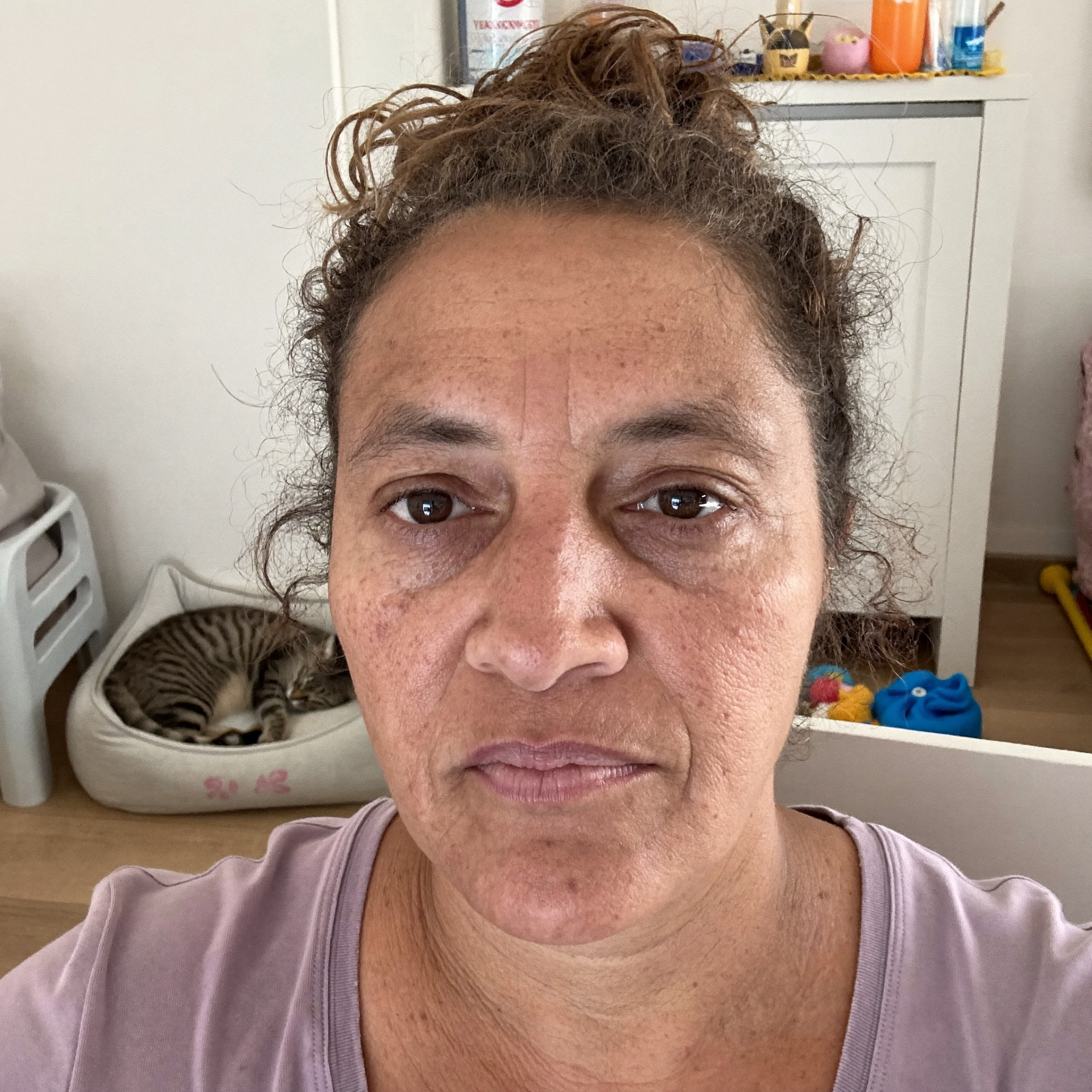
Ran for 7 days, from April 4 to April 11, 2026, the last day Crush saw it.
Run by Emma Stone on Facebook. Crush is not the advertiser and does not verify its claims. See this ad in Meta's Ad Library(opens in a new tab)
Want an ad like this for your product?
Crush makes new ad images for your product from this ad: your logo, your product photo, your offer.
Trials from $19.95 USD, then $79.95 USD a month. Cancel anytime.
About this ad
- Meta Ad Library ID
- 2169359287189858
- Platforms
- Facebook, Instagram, Audience Network, Messenger and Threads
- Relaunches
- 0
- EU reach
- 27
- Niche
- Skincare & Beauty
Ad text
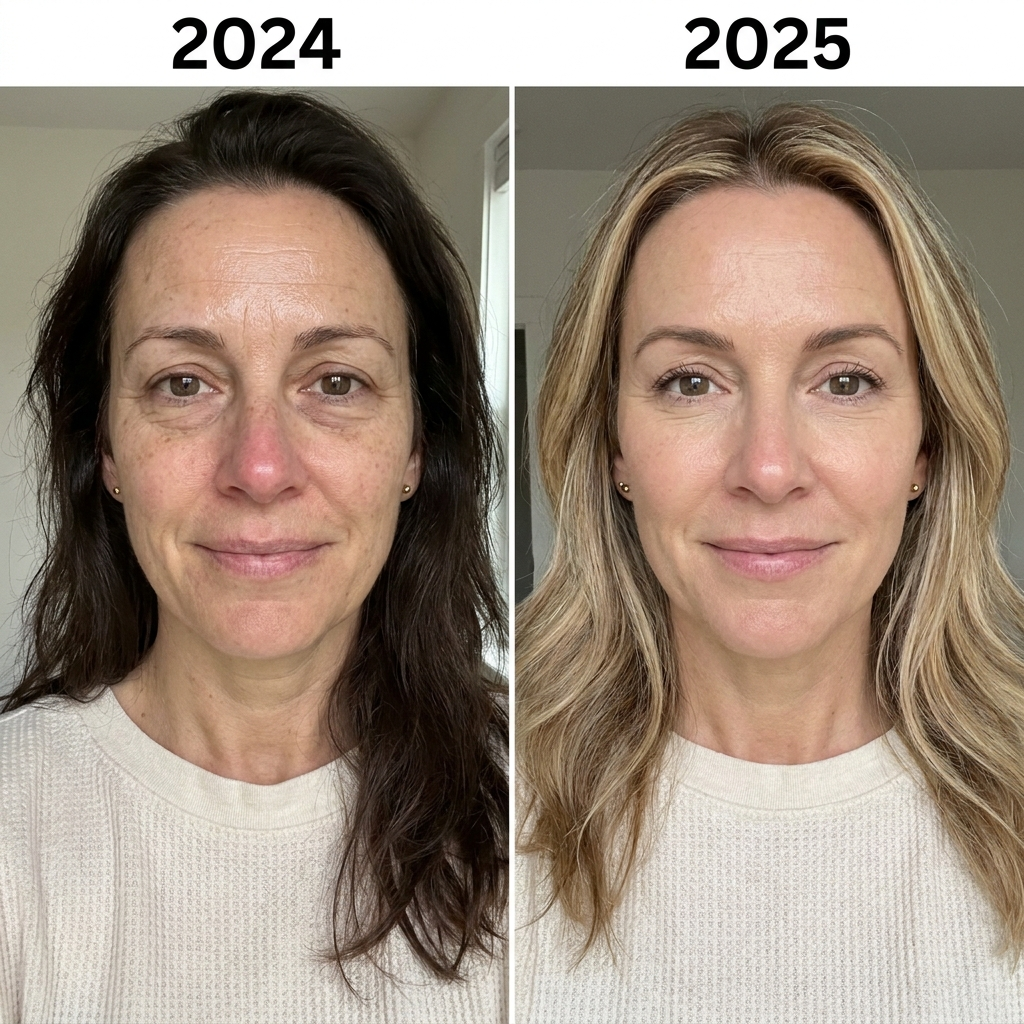
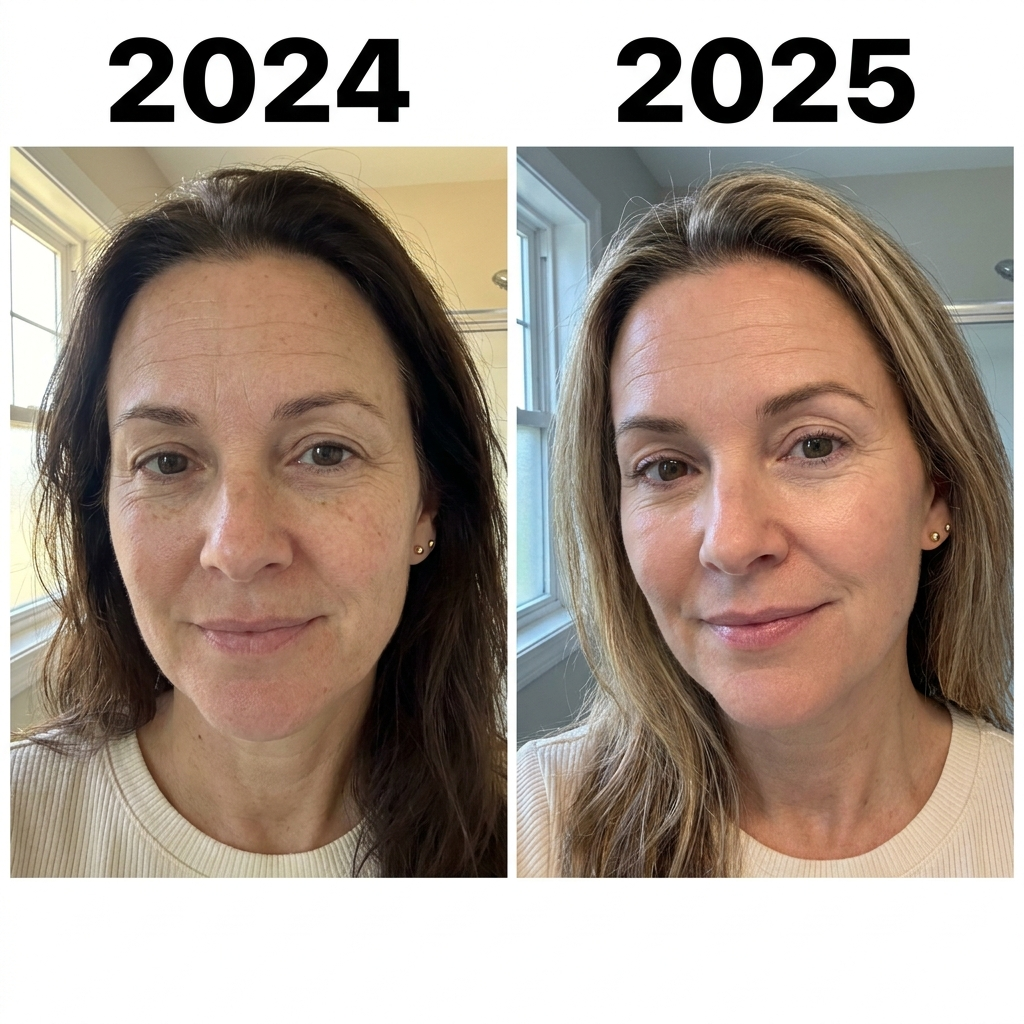
I drove to my daughter's soccer game, sat in the parking lot for six minutes listening to parents cheer, then drove home. All because of my skin. My daughter asked me why I don't come to her soccer games anymore. She's nine. She said it matter-of-factly, the way kids do, standing in the kitchen doorway with her shin guards still on. And I didn't have an answer that made any sense for a 9-year-old. I just said I'd been busy. I wasn't busy. I was hiding. Let me back up. Three years ago I was the person who suggested the hike. Every weekend, without thinking twice. I coached my daughter's soccer team in August heat, spent entire Saturdays in the garden, stayed outside until the sun went down. Being outdoors wasn't something I did. It was just who I was. Then the patches showed up. First on my upper lip — that dark shadow that made my husband do a double-take one morning and quickly look away, which was almost worse than if he'd said something. Then across my cheeks, spreading slowly like a bruise that never healed. My dermatologist said the word "melasma" and told me to wear SPF 50 and a hat. I wore SPF 50 and a hat. It got worse. I spent most of last year doing what you do when something isn't working — I tried harder at the same thing. Higher SPF. Reapplying every two hours. A wide-brimmed hat, I started calling my "shame hat" in my head. I bought every vitamin C serum that had good reviews. I tried hydroquinone– leaving my skin raw and peeling, and somehow, impossibly, darker. I missed a camping trip with my college friends because I did the math on three days of UV exposure and couldn't make it work in my head. I missed it. Fourteen years of friendship, and I sent a voice note saying I wasn't feeling well. The breaking point wasn't dramatic. It was a Tuesday afternoon in April — overcast, the nice kind of Spring day I used to live for. My daughter's game. I'd told myself the clouds were enough cover, that I'd go, that I'd be fine. I stood in the parking lot for six minutes. I could hear the other parents cheering from outside the fence. Then I drove home. That night I sat in the bathroom at 11:47 PM staring at my face and thought: I don't actually understand what is happening to me. Not the medical name for it. Not the biology behind it. Just, why is a sunny April afternoon now something I have to hide from? I started reading. Not product reviews. Research. Studies. The kind of reading where you follow citations into other citations and suddenly it's 2:30 in the morning, and you've ended up somewhere you didn't expect. What I found rewired something. I had been treating melasma like it was a sunburn problem. A surface problem. Something happening on my skin because UV rays were hitting it. That's what every piece of advice I'd ever received assumed — block the sun, block the problem. But there's a reason women get melasma and men almost never do. There's a reason it shows up during pregnancy and after starting birth control and during perimenopause. There's a reason my dermatologist's three-word answer — "wear more sunscreen" — had never, not once, produced a result that lasted past September. Melasma isn't a sun damage problem. It's a hormonal signaling problem that the sun triggers. The difference sounds small. It isn't. The signal is already firing from inside your body. The sun doesn't create it; it just turns up the volume. So you can wear SPF 70, stay in the shade, hide from every outdoor moment you love — and the alarm is still going off underneath. You're just trying to muffle it from the outside while the source keeps running. That's why the standard treatments worked temporarily and then didn't. They were treating the surface symptom while the internal mechanism kept firing. That's why every summer undid everything I'd spent a winter building. That's why I could sit in the shade, in a hat, with SPF 50 on, and still come home from a walk looking worse. I wasn't bad at sun protection. I was treating the wrong thing. The thing I found that actually addressed this — not the surface pigment but the process that creates it — was an ingredient I'd never heard of. Tranexamic acid. I want to be honest: I almost skipped past it. It sounded like another serum name attached to another set of claims I'd already stopped believing. But the mechanism was different. Instead of sitting on top of skin and trying to bleach what was already there, or speeding up cell turnover hoping to push pigment out, tranexamic acid works earlier in the process; it interrupts the signaling pathway that tells melanocytes to overproduce in the first place. It's operating upstream. Before the dark spots form, not after. I read the same explanation three times to make sure I was understanding it correctly. This was the first thing I'd read in three years that explained why everything else hadn't worked. And it wasn't complicated. It was just — earlier. It was addressing the right problem. I found a cream with tranexamic acid as the primary active and bought it the next day. I wasn't optimistic. I want to be clear about that. My baseline at that point was resigned. I would have described my emotional state as "waiting to be disappointed again." Week two, my skin looked a little less like a map. Week four, my husband noticed. He didn't say anything about the patches specifically — he just said I looked good, and something in the way he said it was different. Week eight, I went to my daughter's game. Stood on the sideline. Stayed the whole match. It sounds like a small thing. You'd have to have spent a year in parking lots to understand that it wasn't. I've been outside again. Not recklessly — I still wear sunscreen, still wear a hat on long days. But I'm not doing math in my head before I decide whether I'm allowed to leave the house. I hiked seven miles last month. I came home with a tan line on my forearms and nothing on my face that I needed to explain away. My daughter has stopped asking why I don't come to things. I'm telling you this because I spent three years applying the right answer to the wrong question, and nobody — not my dermatologist, not the skincare subreddits, not the SPF 70 mineral sunscreen I was using like a religion — nobody told me the question was wrong. If you're doing everything right and nothing is working, it might not be that you're failing. It might be that the thing you're treating isn't the thing that's broken. That's what 2 AM on a Tuesday in October taught me. The cream that changed this for me is TX Cream by Gloura. Tranexamic acid, no irritation, no peeling. I saw real fading within a few weeks. I've linked it below for anyone who wants to actually read about how the mechanism works — because I think understanding why matters more than just being handed a product. But mostly I just wanted to say: if you've been hiding too, there might be a reason the obvious answers haven't worked. And it might not be your fault. 👉 https://trygloura.com/products/tx-cream
Where the ad sends people
trygloura.com
Read This If Your Dark Spots Keep Coming Back Every Spring 👆
Gloura
Shop now: trygloura.com(opens in a new tab)