Wellness With Jess
Wellness With Jess Facebook ad: “Read this if you feel like you disappeared the day you…”
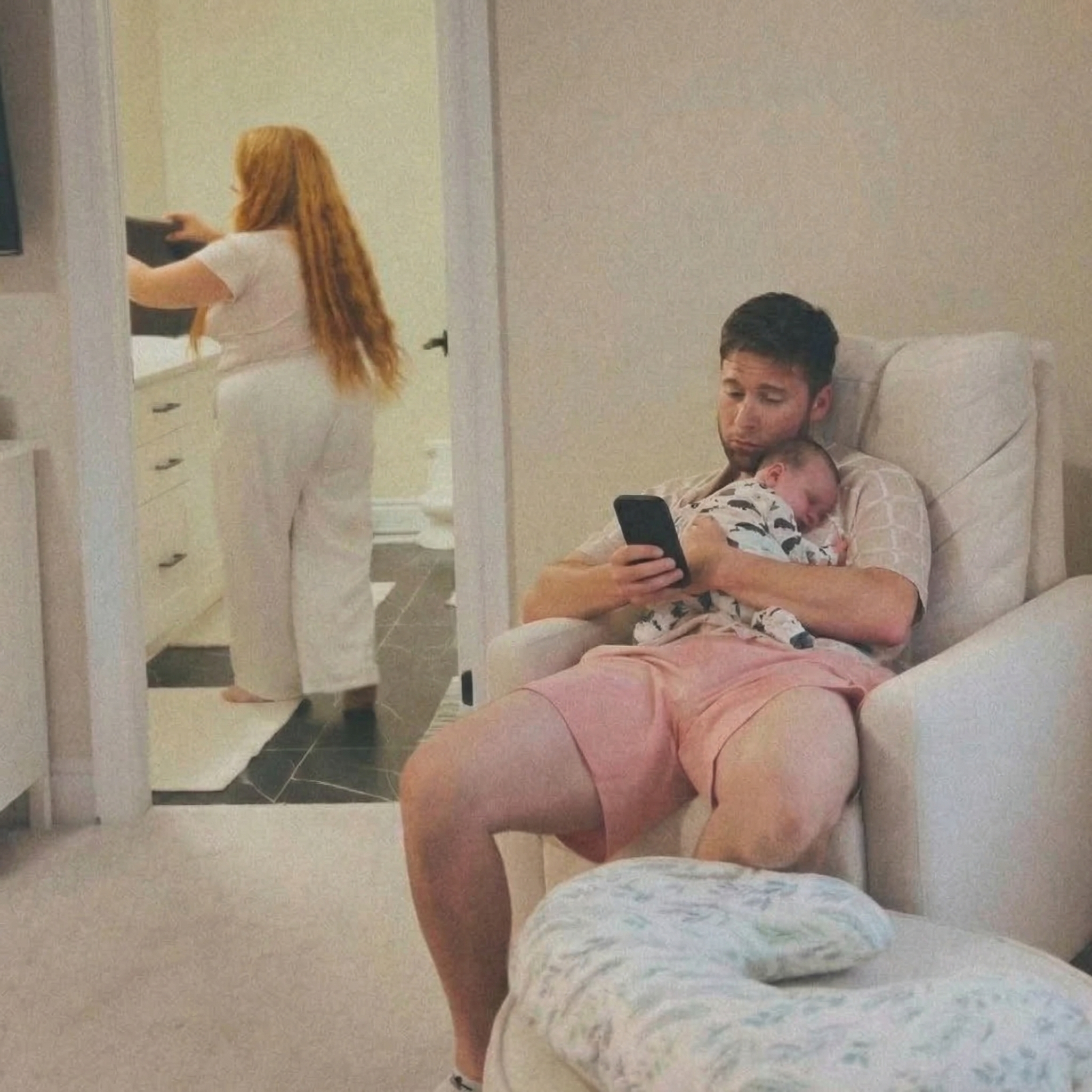
Ran for 2 days, from March 20 to March 22, 2026, the last day Crush saw it.
Run by Wellness With Jess on Facebook. Crush is not the advertiser and does not verify its claims. See this ad in Meta's Ad Library(opens in a new tab)
Want an ad like this for your product?
Crush makes new ad images for your product from this ad: your logo, your product photo, your offer.
Trials from $19.95 USD, then $79.95 USD a month. Cancel anytime.
About this ad
- Meta Ad Library ID
- 2171707176900997
- Platforms
- Facebook, Instagram, Audience Network, Messenger and Threads
- Relaunches
- 0
Ad text
Are you ever lying in bed wondering why he doesn't reach for you anymore? I am. Or I was. Almost every night for seven months. I'm 8 months postpartum and I don't feel like my husband likes me or finds me attractive anymore. Intimacy has been a point of contention in our relationship recently. We are not very intimate with each other anymore. There are a couple contributing factors. The bed sharing with our daughter. Her needing constant attention. And us being so sleep deprived. But I can't help but feel like there's more to it than that. I don't get the drive by butt grabs anymore. The compliments have grown less frequent. For a while I told him I wasn't initiating intimacy because I didn't feel like I was attractive to him anymore and he said he wasn't initiating because he didn't think I wanted to. But now that I have started initiating more, trying to flirt a little more, it's not reciprocated. I feel like I'm losing him. I am on medication for PPD and I'm going to therapy. But at the end of the day I'm just sad. I don't feel attractive anymore and I'm not happy. I feel like I'm trying so hard to better myself and my relationship. I don't want to lose him or be alone but I already feel so alone. Here's the part that really messed with my head. I've lost all my pregnancy weight. I'm back to my pre pregnancy shape. My breasts have changed from pumping, and I sometimes wonder if things feel different to him since birth. But physically? I'm back. Friends tell me I look great. A coworker told me I was glowing. A stranger at Target said I didn't look like I'd had a baby. Everyone noticed the transformation. Everyone except the one person I needed to notice. And that was the thing I couldn't figure out. My husband and I have only had sex twice since the baby was born, and both times I couldn't help but feel like he wasn't as into it as before. That really hurts me. I can't stop thinking: Is he no longer attracted to me? Did becoming parents change how he sees me? I'm not in pain and physically I feel ready, but emotionally, I feel rejected. I hate feeling like everyone is watching me turn into a cliche mom that lets themselves go. Because that's not what happened. I didn't let myself go. I fought my way back. I lost the weight. I did the work. And still. Lying in bed at night, I can feel the distance between us. It's only a few inches. But it might as well be miles. It's so dang hard to look at myself and not miss my old body. But it's harder to lie next to the man who used to grab me the second I walked through the door. And feel nothing come from his side of the bed. I want him to want me. Not out of obligation. Not because I asked. I just want to feel like a woman again, not just a mom. I want to feel chosen. I kept telling myself it would get better. That things were supposed to get better over time. But seven months in, I was still lying awake at 2am, scrolling forums and whispering the same question into the dark: why doesn't he reach for me anymore? But then something happened that didn't make sense. A woman in one of the postpartum forums I follow posted something that stopped me cold. She said she had lost every pound of baby weight. She was thinner and fitter than she'd been before pregnancy. She was getting attention from men everywhere. At the gym, at work, at coffee shops. Strangers were noticing her. Friends were complimenting her. And yet her husband hadn't initiated sex in four months. She didn't understand it. She had done everything she thought she was supposed to do. She had earned it back. But nothing had changed at home. I remember reading that post and feeling my stomach drop. Not because it was sad. But because it was my story. Word for word. I started paying closer attention to the responses. And the same pattern kept showing up. Woman after woman reporting the same contradiction: I changed my body, but his response didn't change. One woman wrote that she was a personal trainer. Leaner and more toned than she'd ever been. And her husband still had an excuse every night. These weren't women who had let themselves go. These were women who had clawed their way back to bodies that turned heads. And still. The one head they needed to turn stayed pointed at his phone. That pattern disturbed me. Because it broke the only theory I had. I had been operating under one belief since the day my daughter was born: if I get my body back, I'll get his desire back. Cause and effect. Lose the weight. Get the attention. Simple. But here were dozens of women who had completed the cause. And the effect never came. If the weight wasn't the issue, then what was? I started asking myself something I hadn't allowed myself to ask before. Something deeper and more frightening than am I still attractive? The question was: if it's not about how I look. If women who look better than they did before pregnancy are STILL not getting desire from their husbands. Then what actually changed? What happened. Biologically, chemically. When we became mothers that shifted something invisible between us and them? Because something clearly shifted. He used to grab me. He used to initiate. He used to look at me in a way that made me feel like the only woman alive. And then the baby arrived. And that look. Just vanished. Not overnight. But fast enough that I noticed. Fast enough that I started lying awake wondering what I did wrong. The answer came from somewhere I didn't expect. A friend. Not a doctor, not a therapist, just another mom. Mentioned something during a playdate that I had never heard before. She'd been reading about reproductive biology. About what happens to a woman's hormonal system after birth. Not the stuff everyone talks about. The mood swings, the weight fluctuation, the hair loss. Something else. Something nobody told us about. She said: Did you know that after you give birth, your body's whole hormonal system flips? Prolactin. The hormone that enables breastfeeding and maternal bonding. Surges. And when it surges, it suppresses the hormones responsible for something completely different. Your body's chemical attract signal. I asked her what she meant. She said: before the baby, your body was putting out something you can't see or smell in the normal sense. Pheromones. Not a perfume. Not something you spray on. An invisible chemical broadcast that makes your partner's body respond to you without him even knowing why. It's the reason he used to walk up behind you and wrap his arms around you for no reason. It's the reason he'd grab your hand crossing the street. That wasn't a decision. It was a chemical response to a signal your body was sending. And after birth, that signal gets suppressed. Not reduced. Suppressed. Your body redirects its resources from attract mode to nurture mode. It switches channels. And it does it without telling you. She looked at me and said: It's not that he decided to stop reaching for you. It's that his body stopped receiving the signal that used to say her. I sat with that for a long time. I thought about the timeline. The desire didn't fade gradually over years of marriage. It changed within months of our daughter arriving. I thought about what I had tried: the gym. The weight loss. The initiating. The lingerie I bought that still has the tags on it. The flirting that went unreturned. The therapy that taught me how to cope with the rejection but didn't actually restore the thing I was grieving. Every single solution I had thrown at this problem was operating on the visible layer. How I look, how I behave, how I perform desirability. Not a single one touched the chemical layer. The invisible broadcast his body needed in order to feel drawn to me involuntarily. I had been trying to solve a signal problem with appearance solutions. For seven months. That's when the weight loss paradox finally made sense. That's why the women on those forums. The ones who got fitter, leaner, more toned than they'd been in their lives. Still weren't getting reached for. They had changed the packaging. But the broadcast was still off. It's like turning the volume all the way up on a radio that isn't plugged in. The station is right. The effort is real. The signal just isn't transmitting. That explained why losing the weight didn't fix it. Why the lingerie didn't fix it. Why initiating more just felt like begging. Why therapy helped me manage the pain but couldn't restore his desire. None of those things. Not one. Is capable of restoring pheromone output. They were never designed to. They operate on a completely different channel. And the most painful part? I had been blaming myself the entire time. Thinking I wasn't trying hard enough. Thinking I wasn't attractive enough. Thinking that maybe once you become a mom, the sexual version of you is just gone. But it wasn't gone. It was suppressed. By the same hormonal shift that allowed me to breastfeed my daughter and bond with her and keep her alive in those early weeks. My body didn't betray me. It made a choice. It just made a choice nobody warned me about. That's when I realized: it was never about the weight. It was never about how I look. My body did something after birth that nobody told me about. It redirected its chemical broadcast from attract to nurture. And the thing I'd been missing wasn't effort or willpower or a better body. It was the signal itself. I only found out a solution existed because of that same friend. A few weeks after our conversation, she texted me a link. Remember what I told you about the chemical signal? Someone made something for it. I almost didn't click. I was so tired of hoping. I had already spent money on skincare that didn't help, a gym membership I used at 5am while the baby slept, two different therapists, and a PPD medication that managed my mood but did absolutely nothing for the space between me and my husband in bed. I was done investing in things that promised to fix this and didn't. But I clicked. Because she had been the first person to say something that actually matched what I was experiencing. Not just lose the weight. Not it's hormonal, give it time. Not some men just aren't attracted to mothers. She had explained the actual mechanism. So I trusted the source. The product was a pheromone gummy. I know how that sounds. I almost closed the tab. But I read the explanation of how it worked and something shifted. It wasn't claiming to make me more beautiful. It wasn't claiming to fix my marriage. It wasn't promising to boost my confidence or my libido or my mood. It was doing one thing: restoring the chemical broadcast that my postpartum hormones had suppressed. That was it. One mechanism. One specific biological function. Restore the signal. And that framing was the thing that got me. Because it was the first explanation that didn't ask me to change who I am or how I look. It just addressed the invisible thing that had changed. And offered to change it back. I brought it up at my next OB appointment. Not the product specifically. The mechanism. I asked my doctor: Is it true that postpartum hormonal changes can suppress pheromone production? She paused. She didn't say yes immediately. But she didn't say no either. She pulled up something on her screen and then nodded. She said what my friend told me was essentially right. Prolactin doesn't just enable milk production. It suppresses the pathways behind your body's chemical signaling. The stuff that drives attraction at a level nobody talks about. She said most women hear about mood changes, weight changes, hair changes. Nobody mentions this one. I asked her: So if my body switched from attract mode to nurture mode. Is it possible to switch it back? She said: The pathways aren't broken. They're just suppressed. If you support the right systems. Stress regulation, hormonal precursor production, the pathways that feed into your body's natural scent chemistry. The output can recover. For some women it happens naturally over time. For others, especially women who are breastfeeding or under chronic stress, the suppression can persist much longer than expected. I told her about the gummies. About ashwagandha reducing cortisol. One of the key stress hormones that keeps the suppress signal locked in place. About fenugreek supporting the pathways that help your body produce its natural chemistry again. She didn't dismiss it. She said something close to: if the mechanism checks out and the ingredients are safe, it's working on a layer that nothing else you're doing right now can reach. I don't remember her exact words. But that was the thing I took away. Seven months of effort. Nothing I tried operated on this layer. Here's what Pheromone Gummies actually do. After birth, your body's hormonal system reprioritizes. Prolactin goes up. Estrogen and progesterone go down. Cortisol. From sleep deprivation, stress, the nonstop demands of a newborn. Stays elevated. This combination suppresses your body's natural pheromone production. The invisible chemical signal that used to trigger your husband's involuntary attraction to you goes quiet. Not because something is wrong with you. Because your body is doing exactly what it was designed to do: keep your baby alive. The problem is, nobody told you there would be a cost. And the cost is the signal. Pheromone Gummies work on the suppression itself. Ashwagandha helps reduce cortisol. The stress hormone that locks the suppression in place. Studies show it can drop cortisol by around 23 percent. Fenugreek supports the pathways your body needs to start producing its natural chemistry again. The stuff your pheromone system runs on. Together, they don't manufacture attraction. They remove the hormonal static that's been blocking your natural broadcast. It's not complicated. It's not medication. It's not a perfume or a spray or something you put on your skin. It's a gummy that supports your body's own chemistry from the inside. So the signal that your postpartum hormones suppressed can start transmitting again. That's it. One mechanism. One signal. Restored. Nothing else I tried could do this. The gym changed how I look. Therapy changed how I cope. The PPD medication changed my mood. But none of them. Not one. Touched the chemical broadcast layer. Because they were never designed to. I ordered them the night I talked to my doctor. Here's what happened. Day 3: I noticed something subtle. Not from him. From me. I felt different. Not happier, not more confident. Just. Present. Like something under my skin had shifted. A warmth I hadn't felt in months. I thought I was imagining it. Week 1: He hugged me in the kitchen. Not a polite hug. A real one. The kind where he pulled me in and didn't let go right away. He buried his face in my neck. He hadn't done that since before the baby. I didn't say anything. I just stood there and tried not to cry. Week 3: He initiated. For the first time in seven months. I didn't have to ask. I didn't have to hint. I didn't have to put on lingerie or start a conversation about our relationship or make him feel guilty. He just. Reached for me. In bed. At night. The way he used to. And I felt it. Not just the physical contact, but the wanting behind it. The involuntary, unforced, biological pull that had been missing since the day our daughter was born. Month 2: It wasn't a single moment anymore. It was a pattern. The butt grabs came back. The compliments came back. The way he'd look at me across the room. Like he was seeing me, not just the mother of his child. That came back. I caught myself in the mirror one morning and thought: there she is. Not a different woman. The same woman. The one who had been there the whole time, buried under hormones and exhaustion and a signal that had gone silent. I wasn't the only one. After I posted about this in the same forum where I'd first seen the pattern, three women messaged me within a week. One was six months postpartum. She said her husband pulled her onto his lap on day five. Something he hadn't done since her second trimester. Another was eleven months out. She told me she woke up to him pressed against her back for the first time in almost a year. She said she just lay there and cried. Not sad tears. The other kind. Once I understood the mechanism. That postpartum hormonal changes suppress your body's chemical attract signal, and that no amount of weight loss, exercise, or therapy can restore a signal they were never designed to touch. The solution was obvious. Pheromone Gummies. One gummy a day. Support the pathways. Restore the broadcast. Let him feel you again. 29.99 for a 30 day supply. Or buy 2, get 1 free. A full 90 day supply for 54.99. That's less than one month of the gym membership that wasn't solving this. Less than one therapy session that helped me cope but couldn't restore his desire. Less than the lingerie sitting in my drawer with the tags still on. 30 day money back guarantee. If you don't feel a shift. In yourself, in him, in the space between you in bed at night. Send it back. Full refund. You risk nothing. Either the signal comes back. Or you get your money back. Look, I can't make you try this. But I can tell you what I wish someone had told me seven months ago, lying awake at 2am, wondering what I did wrong: The problem isn't your body. The problem isn't your weight. The problem isn't that you've become just a mom. The problem is that your body switched its chemical broadcast after birth. From attract to nurture. And nobody told you it happened. Nobody told you that's why the gym didn't fix it. Nobody told you that's why he says he finds you attractive but doesn't reach for you. It's a signal problem. And once I understood that, the solution was obvious. That's what Pheromone Gummies do. They restore the signal. And it worked. Within days. The woman from the forum. The one whose post stopped me cold. The personal trainer who was fitter than she'd ever been and still wasn't being reached for. She tried them too. She messaged me eight days later. Two words: He reached. I spent seven months blaming my body. Seven months thinking I wasn't enough. Seven months lying in bed feeling the distance between us and believing it was my fault. All because I didn't know about the mechanism. You know now. Here's the only thing I'll add. The distance doesn't stay the same. It grows. Seven months became eight. Eight became nine. Every week that the signal stays off, the pattern gets a little more normal. And normal is the thing that kills marriages. Not fights. Not affairs. The quiet acceptance that this is just how it is now. I almost accepted it. I'm glad I didn't. The choice is yours.
Where the ad sends people
valentostudio.com
Read this if you feel like you disappeared the day you became a mom
pheromone gummies
Shop now: valentostudio.com(opens in a new tab)