VitaHair
VitaHair Facebook ad: “If you are losing haluring postpartum, read this this”
Ran for 4 days, from February 18 to February 22, 2026, the last day Crush saw it.
Run by VitaHair on Facebook. Crush is not the advertiser and does not verify its claims. See this ad in Meta's Ad Library(opens in a new tab)
Want an ad like this for your product?
Crush makes new ad images for your product from this ad: your logo, your product photo, your offer.
Trials from $19.95 USD, then $79.95 USD a month. Cancel anytime.
About this ad
- Meta Ad Library ID
- 2177686576391821
- Platforms
- Facebook, Instagram, Audience Network, Messenger and Threads
- Relaunches
- 0
- Niche
- Hair Care
Ad text
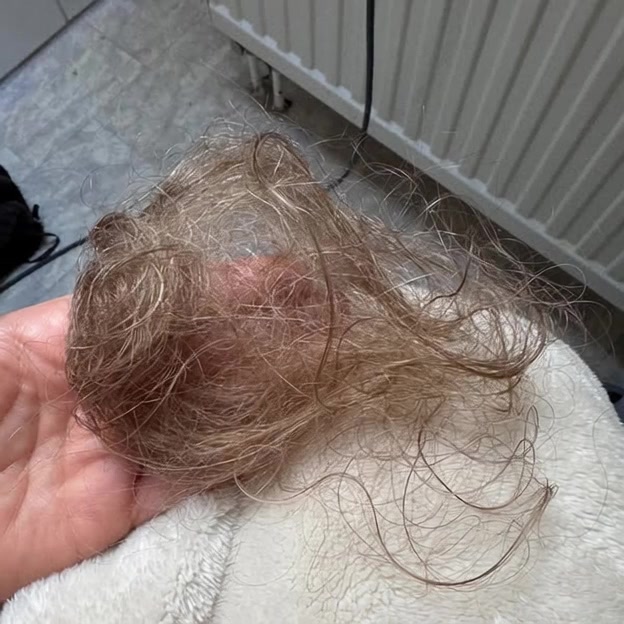
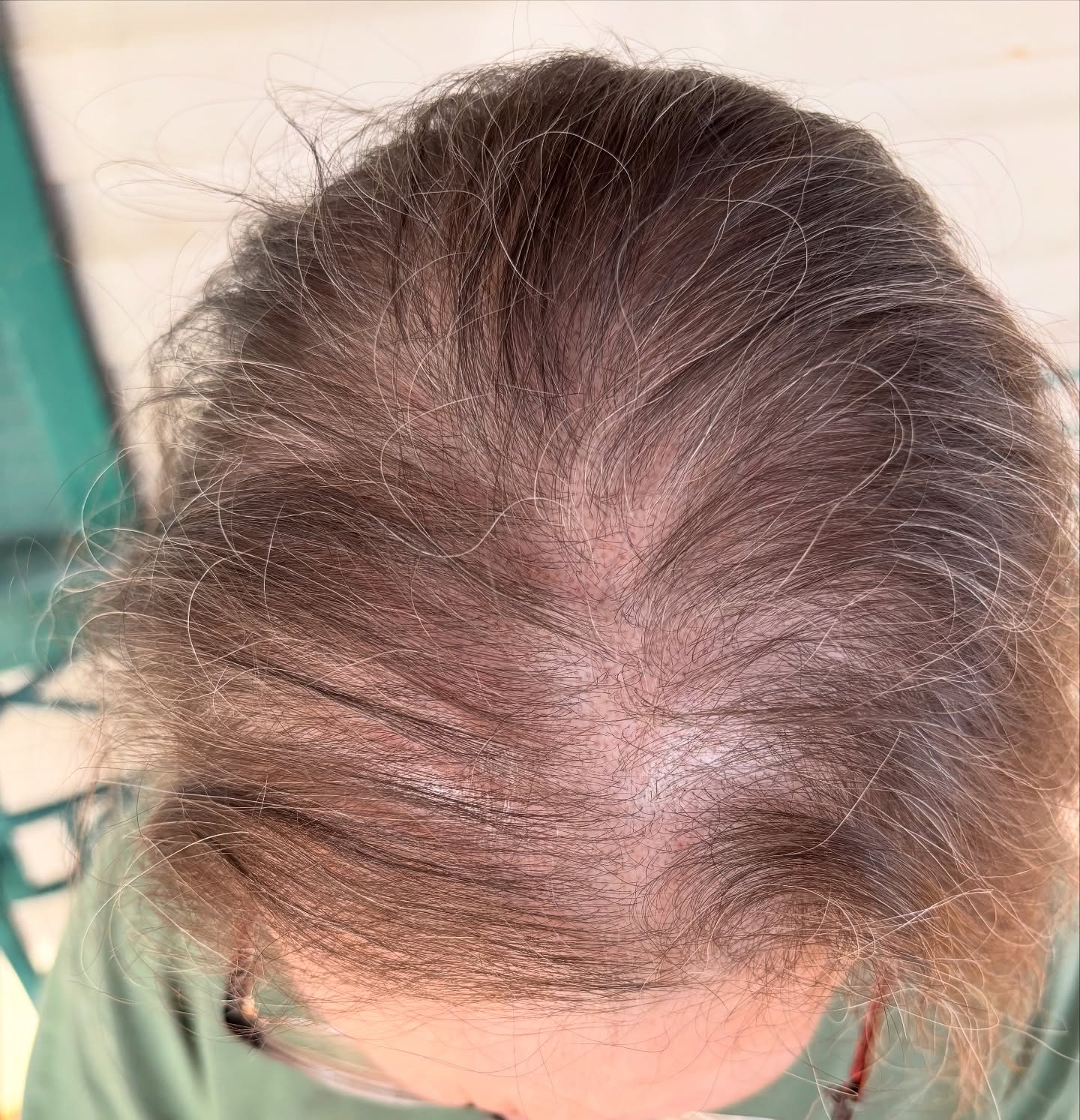
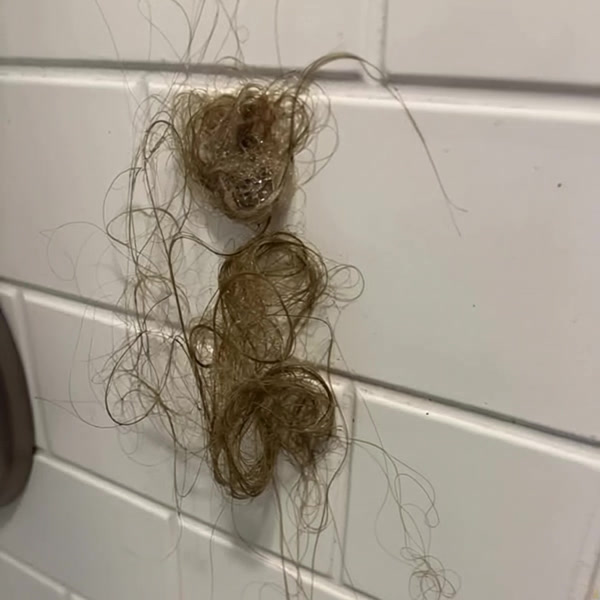
"It's just postpartum shedding. It'll grow back. Give your body time." That's what my OB said at Lily's four-month checkup when I showed her the photo I'd taken of my shower drain. A whole handful. Gone in one wash. So I waited. I took my prenatals. I bought biotin — the expensive kind, 10,000 mcg, never missed a dose. I switched to a silk pillowcase, stopped using heat, started detangling only in the shower with a wide-tooth comb. I did everything they told me. Month five: Still losing clumps. Month six: My ponytail was half the size it used to be. I started wearing it up every day because down felt like a reminder. Month seven: I parted my hair differently. Trying to hide the thinning at my temples. Month eight: I started avoiding overhead lighting. Stopped taking photos with my daughter. Started crying in the bathroom after she went to sleep. I went back to my doctor at the eight-month mark. "Your labs look normal," she said, scrolling through my results. "Iron is fine. Thyroid is fine. Have you tried a prenatal with extra biotin? Some of my patients find that helpful." I was already taking biotin. She smiled sympathetically. "Give it a few more months. Some women just take longer to bounce back." So I gave it a few more months. Month nine. Month ten. Month eleven. Still shedding. Still hiding. Still being told to wait. At Lily's first birthday party, there are maybe four photos I'm actually in. Every single one, I'm wearing a hat. That night, after she was asleep, I sat on the bathroom floor and cried. Not because of the hair. Because that was supposed to be one of the most beautiful days of my life, and I'd spent the entire party hiding from cameras. I made an appointment with a dermatologist. She examined my scalp, ran more blood tests, came back with the same verdict. "Everything looks normal. Postpartum hair loss can persist longer in some women. If you're really concerned, we could discuss minoxidil." I tried minoxidil. Two weeks. My scalp was on fire — burning, red, inflamed. I had to stop. That night, eleven months postpartum, I did something I should have done months earlier. I stopped trusting the doctors who clearly didn't understand what was happening to me. And I started looking for the real answer myself. --- I found research I'd never seen in any of my OB's offices. Buried in papers on postpartum biology that I had to read three times to understand. And when I understood it, I felt two things simultaneously: relief that I finally had an answer. And fury — white-hot, jaw-clenching fury — that not one doctor had mentioned it. Here's what they never told me: After birth, your body enters a state of profound cellular depletion. Not just tired. Not just recovering. Genuinely, deeply depleted at the nutrient level. And a body in that state makes decisions. Triage decisions. Your organs get priority. Milk production gets priority. Your recovery gets priority. Your hair follicles? They're last. Completely, biologically last. Which means every prenatal vitamin you swallow, every biotin capsule you take — it gets rerouted before it ever reaches your scalp. Your body isn't ignoring your hair because something is broken. It's ignoring your hair because it's in survival mode. And in survival mode, hair is a luxury. Here's the part that made me physically sick to read: The longer your follicles go without direct nourishment, the deeper they sink into dormancy. They don't just pause. They begin to miniaturize — shrinking with each growth cycle, producing thinner and weaker strands until eventually they stop producing visible hair at all. And if you don't interrupt that cycle? Some of them don't come back. I read that sentence five times. Then I sat very still for a long time. Eleven months. Eleven months of "just waiting it out" while my follicles were starving. Eleven months of biotin that never reached my scalp. Of doctors running bloodwork that measures systemic health — not follicle health. Of being told to be patient while the window for real intervention quietly narrowed. Not one of my doctors had mentioned that follicles need to be fed *directly.* That an oral supplement has to survive your body's entire triage system before it reaches your scalp — and in a depleted postpartum body, it doesn't. Not one of them said: *"The follicles need nourishment from the outside. While your body recovers, they need to be fed topically — directly at the root — because your body won't do it for you."* That's what the research said. And that's the thing nobody told me. --- Here's what I learned about why everything I'd tried had failed: **Why biotin didn't work:** Biotin supports hair structure. But your follicles have to be actively producing hair for biotin to do anything. If they're dormant — if they've gone quiet because they haven't been fed — biotin is like delivering lumber to a construction site where the workers all went home. There's nothing to build. The materials just sit there. **Why waiting made it worse:** Every month you wait is another growth cycle where dormant follicles miniaturize further. The deeper the dormancy, the harder the reactivation. There is a window — for most postpartum women, it's roughly 12–18 months — where follicles can still be fully restored. Miss that window and some of the damage becomes permanent. Eleven months in, I still had time. But not much. **Why minoxidil burned my scalp:** Minoxidil forces blood flow through harsh chemical vasodilation. A postpartum scalp is already sensitized — the hormonal shifts leave the skin reactive and inflamed. Forcing blood flow with an irritant into that environment doesn't reactivate follicles. It just creates more inflammation around an already struggling root. You can't jumpstart a starving follicle by adding more stress to its environment. **What actually works:** The research was clear. You need to feed the follicles directly — with the specific compounds they're starved of — applied topically, bypassing the body's triage system entirely. Not another pill. Not another supplement hoping to survive the journey. Something that goes straight to the scalp. Straight to the root. I started looking for a formulation built around that mechanism. Not marketing language — actual evidence. Not "may support healthy hair." Ingredients with documented action on follicle function. That's how I found VitaHair Batana Oil. And when I read the ingredient list, I understood why it was different from anything I'd tried. **Batana oil** — cold-pressed from the American palm nut. Used for generations by women in Central America specifically after childbirth for hair restoration. Rich in the exact fatty acids that postpartum follicles are starved of. Applied directly to the scalp, it feeds roots in a way no supplement taken orally ever could when your body is in triage mode. **Black seed oil** — contains thymoquinone, one of the most studied natural compounds for reducing follicular inflammation. Here's why that matters: postpartum inflammation surrounds dormant follicles and blocks reactivation signals from getting through. You can send every growth signal in the world — if the follicle is surrounded by inflammation, those signals don't land. **Rosemary leaf oil** — clinically compared to minoxidil in peer-reviewed research for hair regrowth. Without the scalp burning. Without the lifetime dependency. It stimulates circulation at the follicle root and extends the anagen — active growth — phase of the hair cycle. **Coffee leaf extract** — drives blood flow directly to the follicle. Not through chemical force like minoxidil. Through natural vasodilation that improves microcirculation without the inflammatory response. **Crambe abyssinica seed oil** — lightweight, non-greasy carrier that seals the nourishing compounds into the scalp without buildup. The hair you have stops breaking off. The hair that's growing comes in stronger. **Vitamin E** — neutralizes oxidative stress at the scalp level. Oxidative stress is elevated postpartum and quietly sabotages follicle recovery even when everything else is improving. Think of it as clearing the hostile environment so reactivated follicles can actually function. **Tea tree oil** — antimicrobial, antifungal. Clears buildup and unclogs follicle openings so new hair isn't physically blocked from breaking through the surface. Seven ingredients. Seven specific jobs. Follicular starvation. Inflammation. Poor microcirculation. Oxidative stress. Breakage. Surface blockage. Every reason postpartum follicles stay dormant — addressed simultaneously. Applied directly where the problem lives. No triage system to survive. This wasn't another product hoping to work. This was a formulation designed around the actual mechanism my four doctors had never mentioned. --- I ordered it that night. My expectations were not high. Eleven months of failure will do that. I started using it every night after Lily went to sleep. Five minutes. Warm it between my palms, massage it into my scalp section by section. That was my routine. My quiet five minutes. **Week three.** I noticed the shower drain first. Less. Not gone — less. Countable strands instead of clumps. I stood there looking at my hands and didn't trust it. **Week five.** The pillow was almost clean in the morning. I held it up to the light twice to make sure I wasn't imagining it. **Week seven.** Baby hairs. Along my hairline. Fine, soft, real new growth at my temples — the spots I'd started to believe were just gone. I sat down on the bathroom floor — the same floor I'd cried on four months earlier — and cried again. Different kind of crying. Lily came toddling in and patted my knee. "Mama okay?" "Yeah, baby. Mama's okay. Mama's finally okay." **Month three.** My part was visibly narrower. I could see the difference in the mirror — not dramatic, but real. My hairstylist noticed at my trim. "Whatever you've changed, keep doing it. Your hair feels completely different." **Month four.** I wore my hair down to a playdate. First time in almost a year. Nobody said anything. Nobody needed to. I just sat there with my hair down, watching Lily play, feeling like myself for the first time since she was born. --- Here is what kills me every time I think about those eleven months: If just one of my four doctors had mentioned that follicles need direct nourishment — that a depleted postpartum body routes everything away from the scalp, and supplements can't override that triage — I would have started this at month three. Not month eleven. I would have fed my follicles during the height of their vulnerability, not after nearly a year of dormancy. Some of those follicles — the ones that went the deepest into dormancy during those eleven months of waiting — I'll never fully know what I could have had back if I'd started earlier. So let me tell you what they should have told you. If you're still losing hair four, five, six months postpartum and the conventional advice isn't working — it's not because you're doing it wrong. It's because the conventional advice doesn't address the actual mechanism. Biotin doesn't reach your follicles when your body is in survival mode. Waiting doesn't reactivate dormant roots — it deepens the dormancy. And every month that passes is another month of miniaturization that becomes harder to reverse. The follicles aren't broken. They're starving. And there is a window — usually 12–18 months postpartum — where direct intervention can still restore what's been lost. After that window closes, some of the damage becomes permanent. VitaHair Batana Oil is the intervention. Not a vitamin. Not a supplement hoping to survive your body's triage. A direct, topical formulation built around the actual biology of postpartum follicle dormancy — applied exactly where the problem lives. The 12-week supply is $39. It's backed by a 60-day money-back guarantee. If it doesn't work, you get a full refund. You risk nothing. But right now, your follicles are still in dormancy. Every week you spend waiting is another week they sink deeper. Another week closer to the point where intervention can't fully bring them back. Your doctors failed you by telling you to wait. Don't fail yourself by continuing to. Your follicles are starving. Give them what they need — before the window closes. 👇 https://thevitahair.com/products/vitahair%E2%84%A2-natural-hair-growth-oil-3 --- *VitaHair Batana Oil — Plant-based. Hormone-free. Breastfeeding-safe. FDA registered facility. GMP certified. Made for moms who are done being told to just wait it out.* --- *P.S. — I started VitaHair at month eleven postpartum. Some of my follicles were already in deep dormancy. If I had started at month four — when the shedding first wouldn't stop — I would have caught them earlier, when they were easier to reactivate. You're reading this now. You understand the mechanism now. The window is open now. Don't wait until month eleven to do what you could do today.*
Where the ad sends people
thevitahair.com
If you are losing haluring postpartum, read this this 👇
Vitahair
Learn more: thevitahair.com(opens in a new tab)