
Inactive· since Mar 2, 2026
- 46
- days it ran
- 8
- relaunches
Ad copy
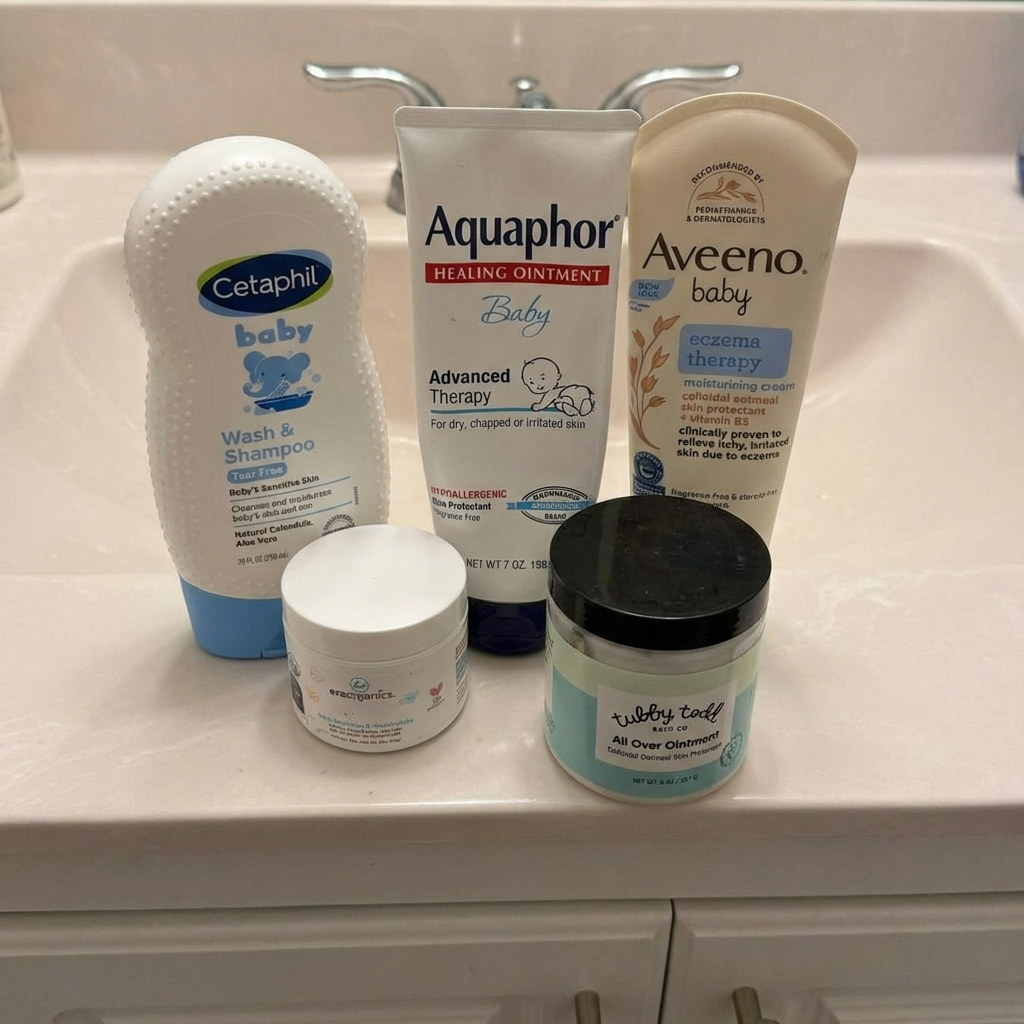
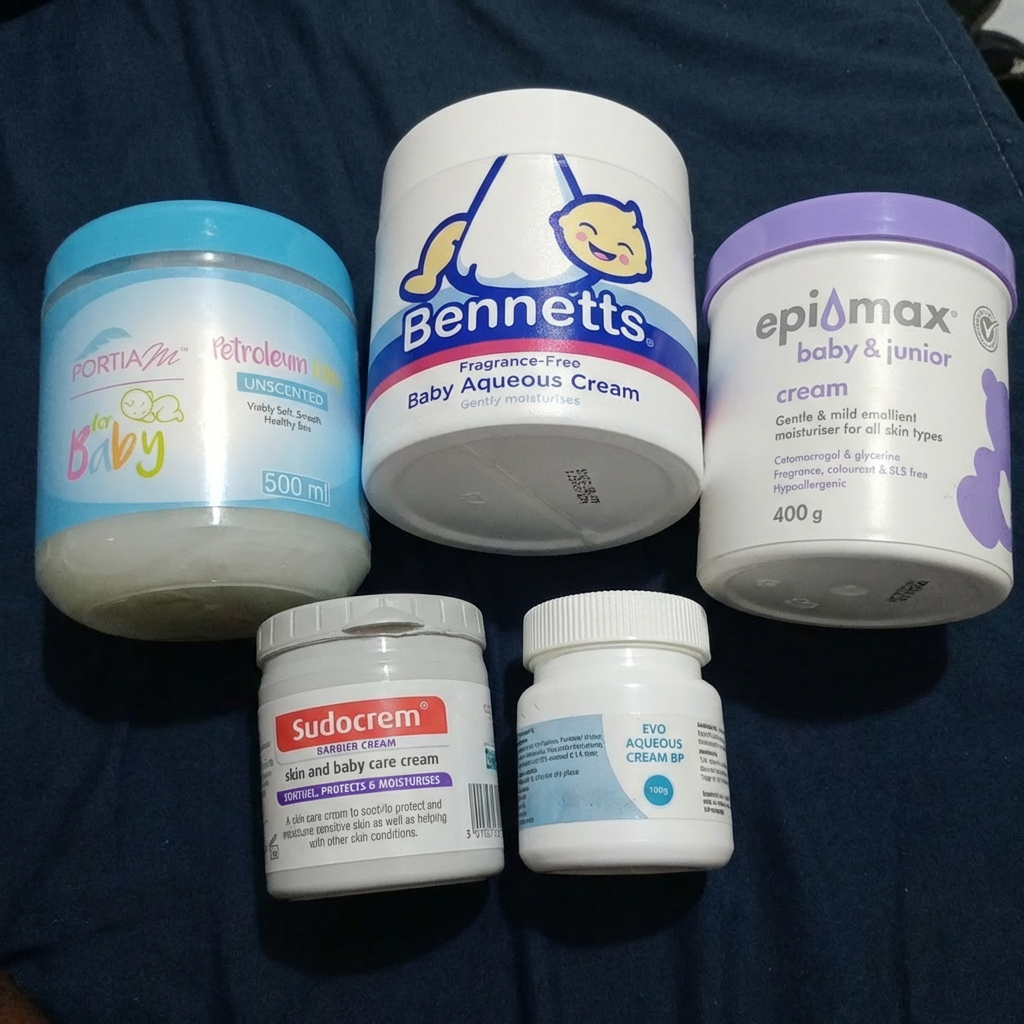
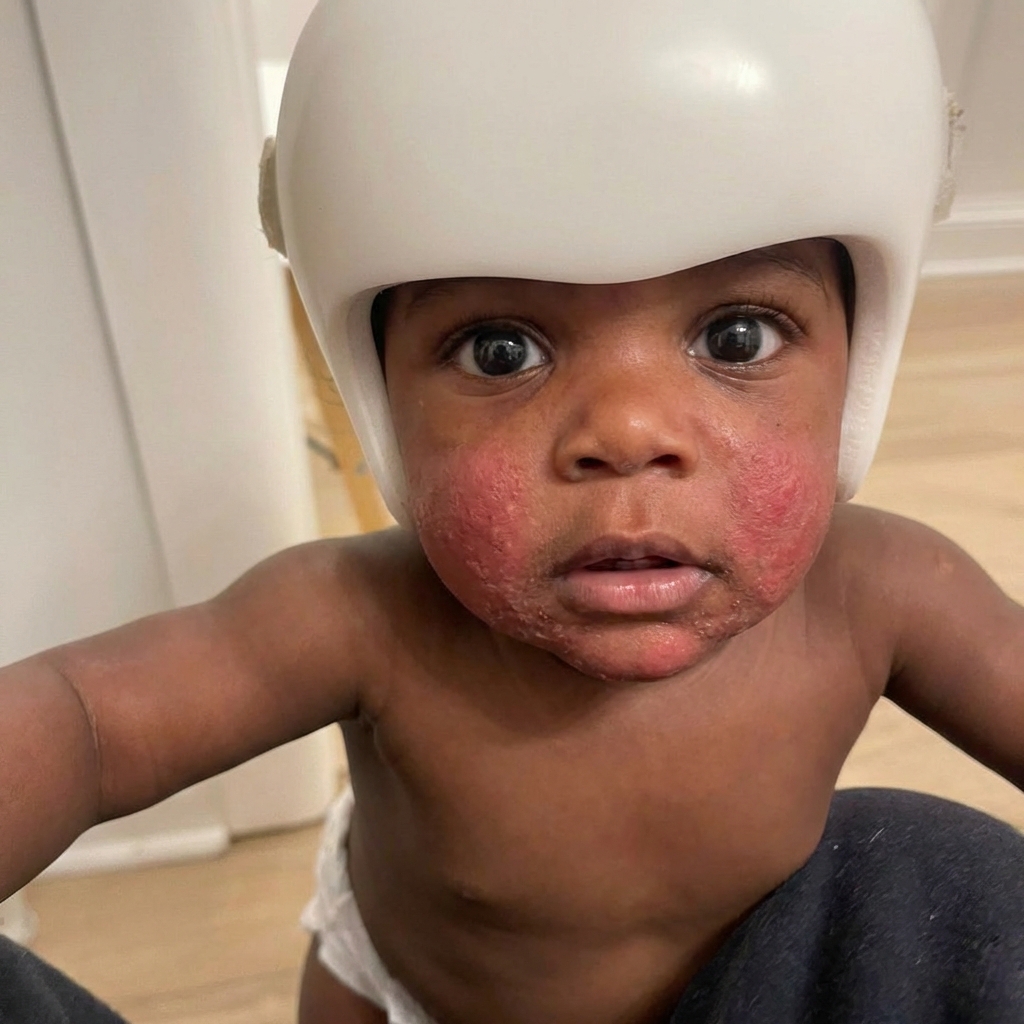
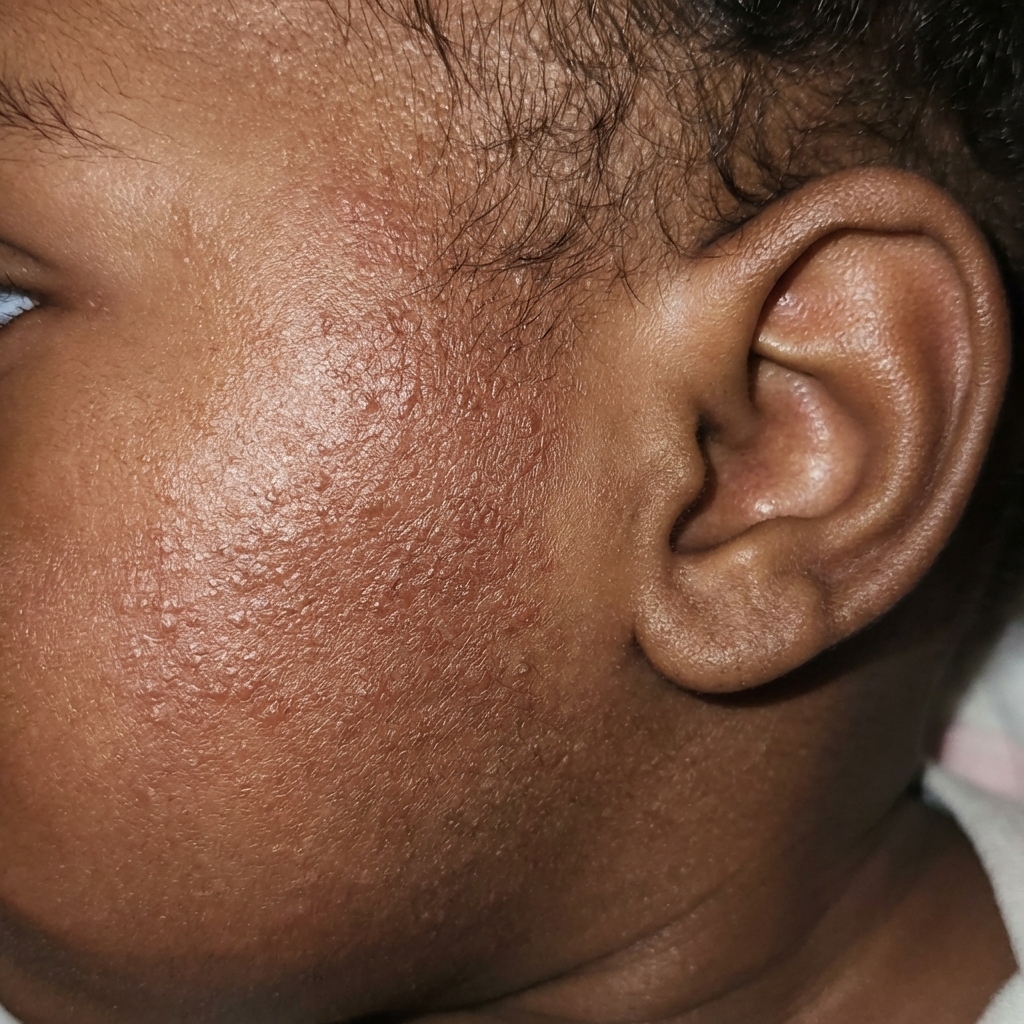
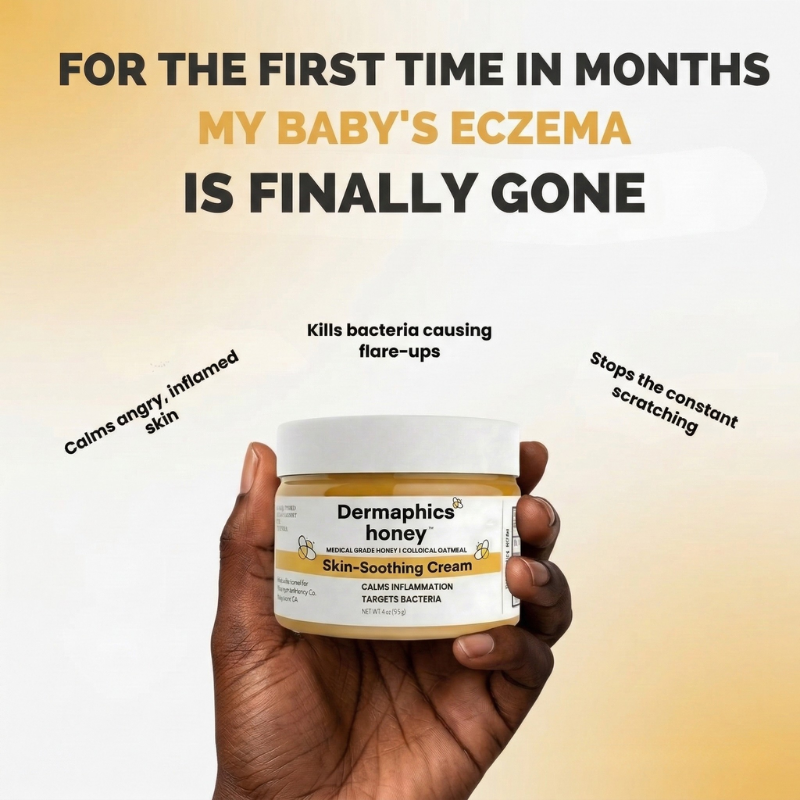
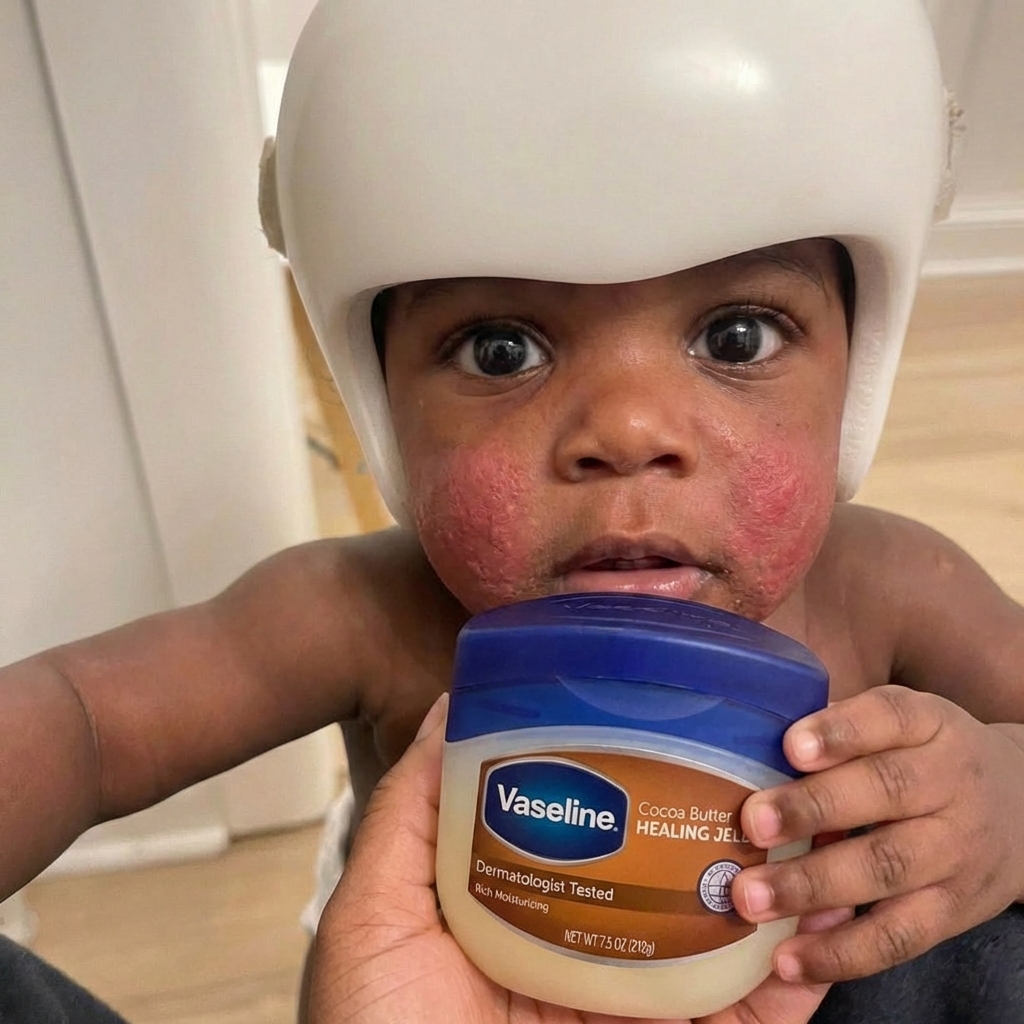
There's bacteria living in your baby's eczema patches right now, and that's why the eczema keeps coming back no matter what you do. I'm a paediatric dermatologist. Most of my colleagues won't tell you this. Some of them don't even know. I've been practising for eleven years. In that time, I've watched the same scene play out hundreds of times. A mother brings her baby in with eczema. Red patches. Cracked skin. Sometimes bleeding from scratching. She's exhausted. She's desperate. She's hoping someone will finally give her an answer. And what does she get? The dermatologist glances at the baby's skin for maybe fifteen seconds. Types something into the computer. Prints a prescription. Moisturise with Aveeno or CeraVe. Use this hydrocortisone on the bad patches. Come back in six weeks if it doesn't improve. That's it. That's the appointment. That's the answer she waited three months to hear. I know because I used to be that dermatologist. I used to hand out the same advice. Recommend the same products. Watch parents leave with the same hope that this time would be different. It never was. They'd come back in two months. The eczema would be worse. They'd have spent hundreds of pounds on Aveeno, Eucerin, Aquaphor, CeraVe, whatever the last doctor recommended. Nothing worked for more than a few days. And I'd tell them the same thing again. Keep moisturising. Try a different brand. Maybe Tubby Todd this time. Maybe Vanicream. Maybe something from the natural aisle. I was cycling them through products. Not solving their problem. Just giving them something new to try so they'd feel like we were making progress. We weren't making progress. The eczema always came back. The babies kept scratching. The parents kept suffering. And I kept collecting my fee for advice that I knew, deep down, wasn't working. That's what most dermatologists do. Not because they're evil. Because it's what we were trained to do. Because it's the standard protocol. Because questioning it would mean admitting that everything we learned in medical school was incomplete. Three years ago, I stopped accepting incomplete. I started actually researching why eczema keeps coming back. Not just reading the standard literature. Digging deeper. Looking at studies that don't make it into the treatment guidelines. Asking questions that my colleagues weren't asking. What I found made me angry. There's bacteria living in eczema patches. It's called staph aureus. It's present in up to 90% of moderate to severe eczema cases. Ninety percent. This isn't some rare complication. This isn't a secondary infection that only happens sometimes. This is happening in almost every baby with eczema that walks into a dermatologist's office. And almost no one is talking about it. Here's what the bacteria does. When the skin barrier is broken, which it always is with eczema, the staph aureus gets into those cracks. It colonises the damaged areas. It starts multiplying. Then it produces compounds that irritate the skin even more. That irritation causes more inflammation. More inflammation damages the barrier further. More damage creates more cracks. More cracks let more bacteria in. It's a cycle. An endless, vicious cycle that explains everything. It explains why moisturisers don't work. They sit on top of the skin. They can't reach the bacteria underneath. They might make the surface feel better temporarily, but the bacteria is still there, still irritating, still perpetuating the cycle. It explains why steroids only work for two days. They reduce inflammation, which is why the skin looks better. But they don't kill bacteria. The moment the steroid wears off, the bacteria is still there doing its thing. The flare comes right back. It explains why parents try product after product after product and nothing ever works long-term. Aveeno doesn't kill bacteria. CeraVe doesn't kill bacteria. Aquaphor doesn't kill bacteria. Tubby Todd doesn't kill bacteria. None of them do. They're moisturisers. That's all they are. You cannot moisturise your way out of a bacterial problem. But that's exactly what the entire dermatology industry tells parents to do. Why? Because it's easy. Because it's what we were taught. Because there's money in keeping people on the product treadmill, buying cream after cream after cream, coming back for appointment after appointment after appointment. I'm not saying every dermatologist is deliberately cheating their patients. Most of them genuinely believe the advice they're giving. They went to the same medical schools I did. They learned the same protocols. They never questioned whether those protocols were actually solving the problem. But some of them know. Some of them have seen the research on staph aureus colonisation. Some of them understand the bacterial component. And they still hand out Aveeno samples and steroid prescriptions because that's what the system rewards. The system doesn't reward curing patients. The system rewards repeat visits. A baby whose eczema clears up permanently is a patient you never see again. A baby whose eczema keeps cycling is a patient who comes back every two months for the next three years. I'm not playing that game anymore. When I discovered the bacteria connection, I started looking for something that would actually address it. Not just mask symptoms. Not just reduce inflammation temporarily. Something that would kill the bacteria so the skin could finally heal. Antibiotics work but only while you're taking them. The bacteria comes right back when you stop. You can't keep a baby on antibiotics forever. Bleach baths are sometimes recommended but they're harsh on already damaged skin. And what parent wants to put their baby in diluted bleach. Then I found medical grade honey. Not the honey you buy at the supermarket. Not those sticky honey creams that some companies sell as natural alternatives. Those are basically just moisturisers with honey flavour. They don't have the antibacterial potency to actually kill staph aureus. Medical grade honey is different. It's processed to have a specific, measurable level of antibacterial activity. It's used in hospitals for wound care because it kills bacteria that even some antibiotics can't touch. Staph aureus cannot survive in medical grade honey. It dies on contact. And unlike antibiotics, the bacteria can't develop resistance to it. I found a product that combines medical grade honey with colloidal oatmeal, which is recognized for eczema relief, and beeswax, which creates a protective seal so bacteria can't get back in while the skin heals. I didn't recommend it to patients at first. I wanted to test it. I wanted to be sure. Then my own nephew developed eczema. Five months old. Started on his cheeks. Spread to his neck and chest within weeks. My sister, who is also a physician, did everything the standard protocol says to do. The premium moisturisers. Careful steroid use. Elimination diet trials. Nothing worked for more than a few days. She called me crying, asking if there was something else. Something the standard approach wasn't addressing. I told her about the bacteria. I told her about medical grade honey. I told her about the product I'd found. She was skeptical. She's a doctor. She'd been trained the same way I had. She tried it anyway. Within a week, my nephew's skin looked different. Calmer. Less angry. He was sleeping better because he wasn't scratching. By week three, the patches that had been raw and weeping for months were closing. Actually healing. By week five, his cheeks were clear. My sister sent me a photo and asked if I was sure this was the same baby. I've since recommended this to dozens of parents. The ones whose babies aren't responding to the standard protocol. The ones who've been through the Aveeno, the CeraVe, the Aquaphor, the steroid creams, and nothing has worked. The results have been consistent enough that I can't stay quiet about it. Your baby's eczema isn't healing because there's bacteria living in it that moisturisers can't touch. Your dermatologist probably hasn't told you this. Maybe they don't know. Maybe they do know and they're still handing you samples of Eucerin because that's what the system trained them to do. Either way, now you know. The product is called Dermaphics. It uses medical grade honey that actually kills staph aureus, combined with colloidal oatmeal and protective beeswax. I'm not affiliated with them. I don't get paid to say this. I'm just a dermatologist who got tired of being part of a system that keeps parents on a treadmill of products that were never going to work. The standard advice isn't just incomplete. It's designed to keep you coming back. Moisturise. Steroid. Come back in six weeks. Repeat forever. That's not treatment. That's subscription revenue. Your baby deserves actual healing. That means killing the bacteria that's keeping the eczema alive. Medical grade honey does that. Dermaphics cream uses it in a formula specifically designed for eczema. I've seen it work. On my nephew. On my patients. Consistently enough that I'm willing to say publicly what most of my colleagues won't even whisper privately. The reason nothing has worked is because nothing you've been given was designed to work. Moisturisers moisturise. They don't kill bacteria. And until you kill the bacteria, the cycle continues. Now you know what's actually happening in your baby's skin. Now you can do something about it.
Like this ad? Make it yours.
Crush rebuilds this exact creative around your product — your brand, your colors, your offer — in about a minute.