
Active· since May 6, 2026
- 137
- days running
- 0
- relaunches
Ad copy
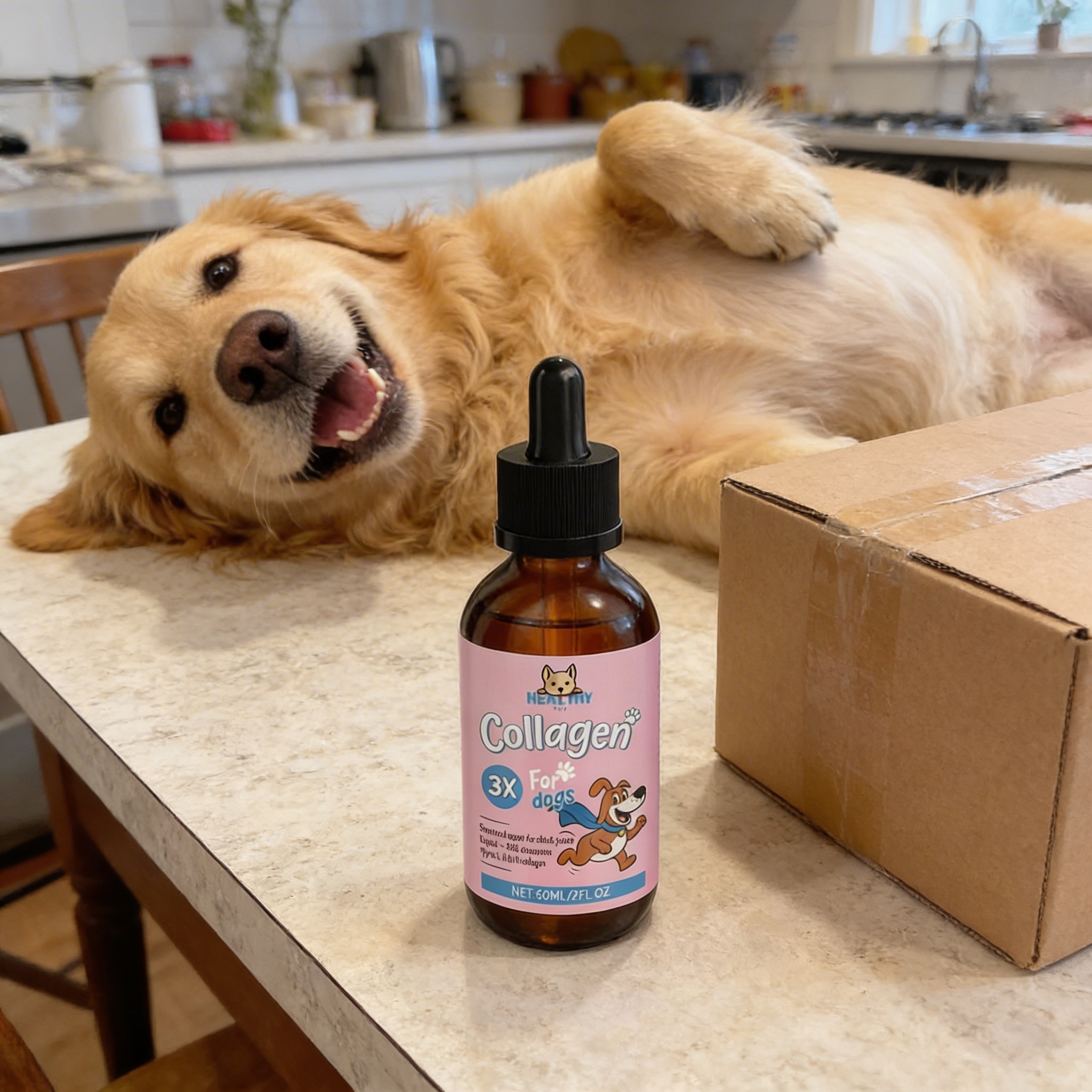
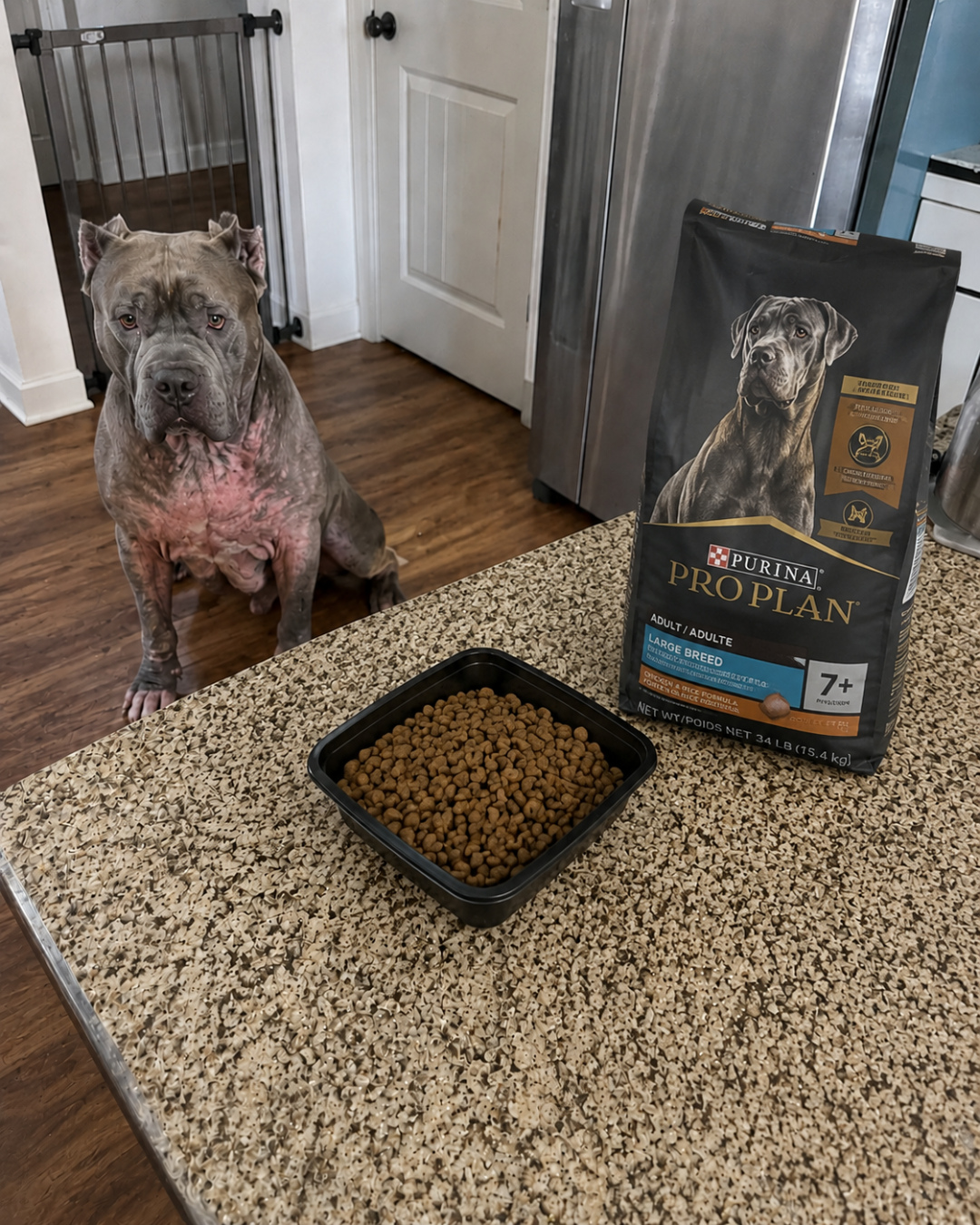
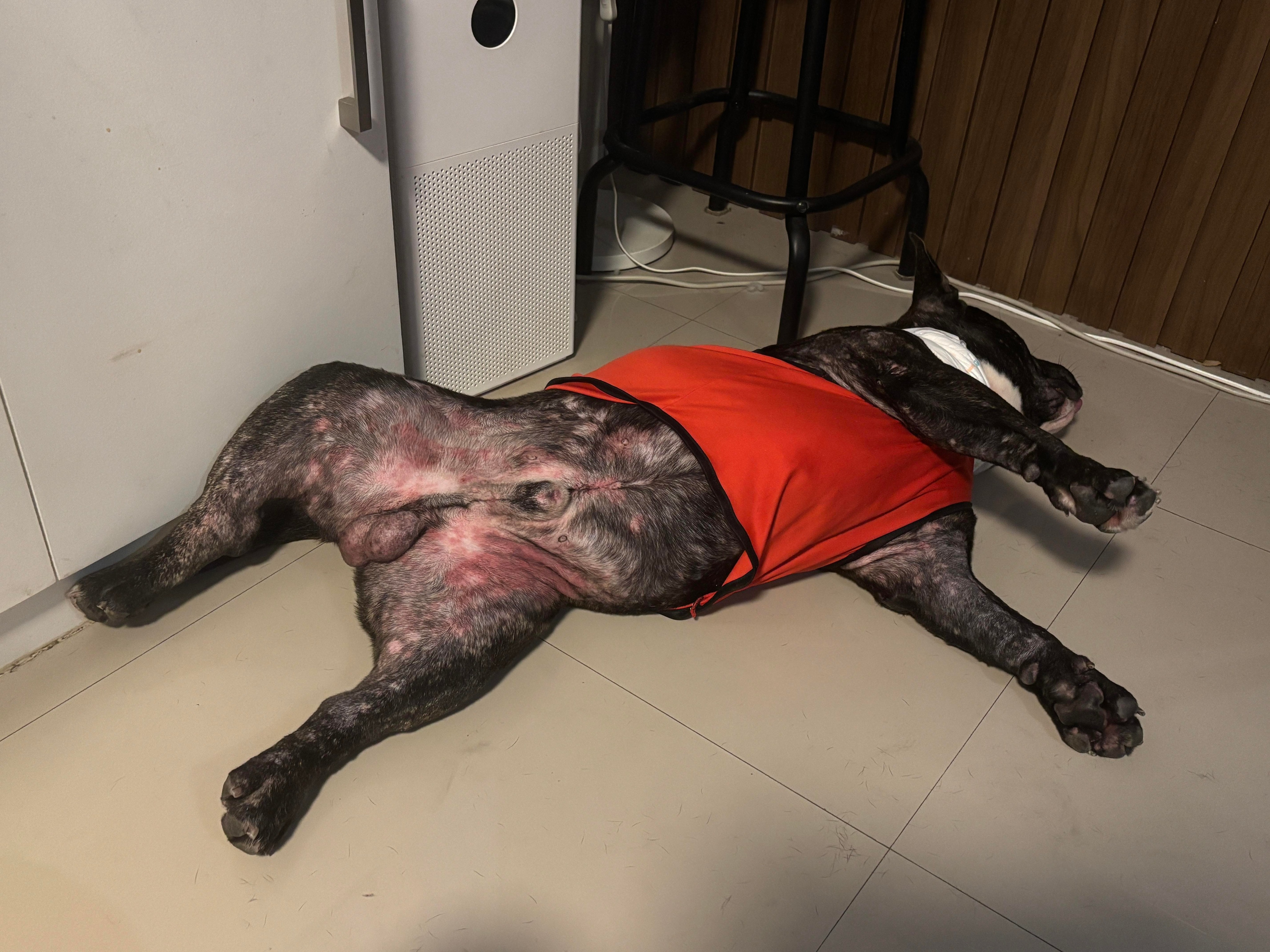
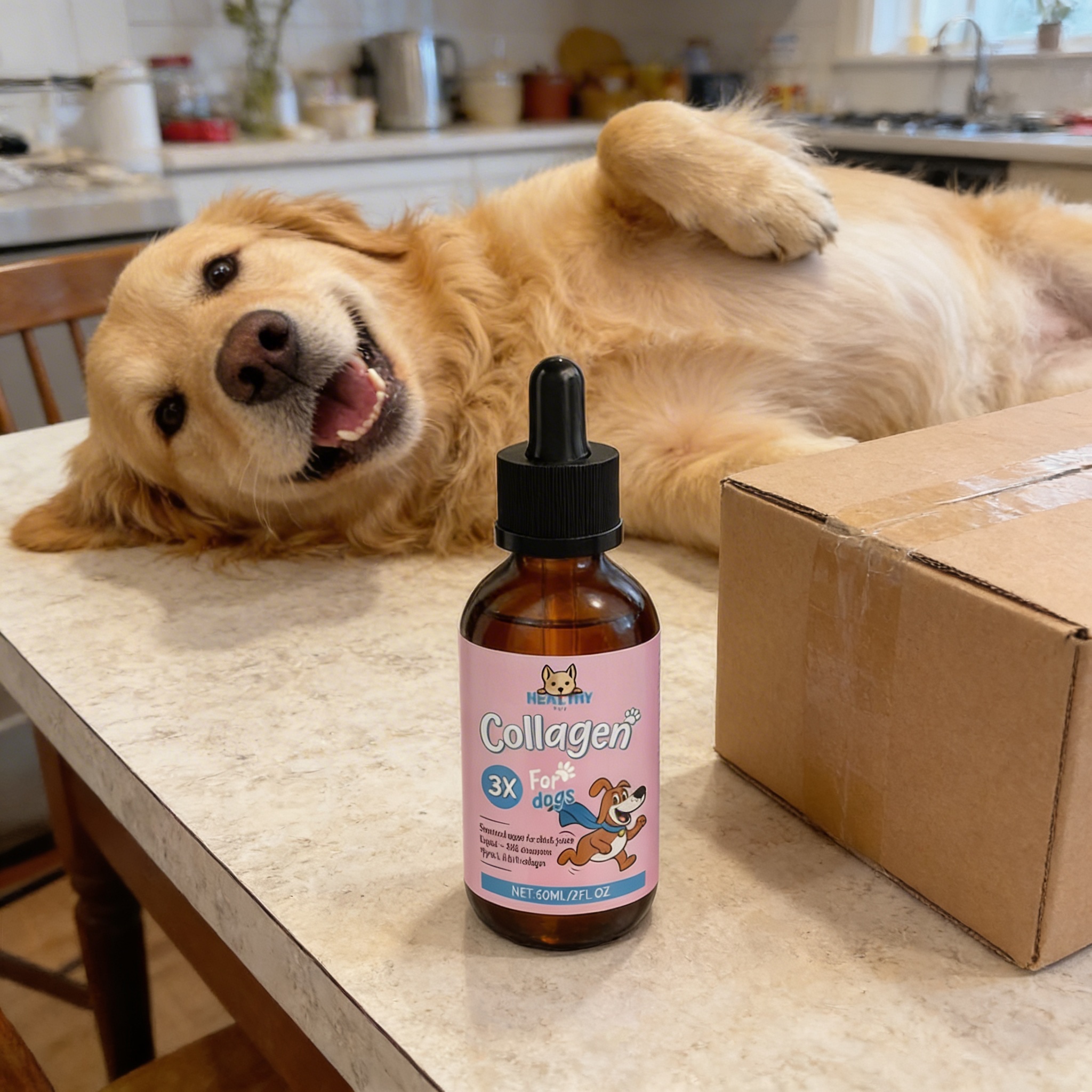
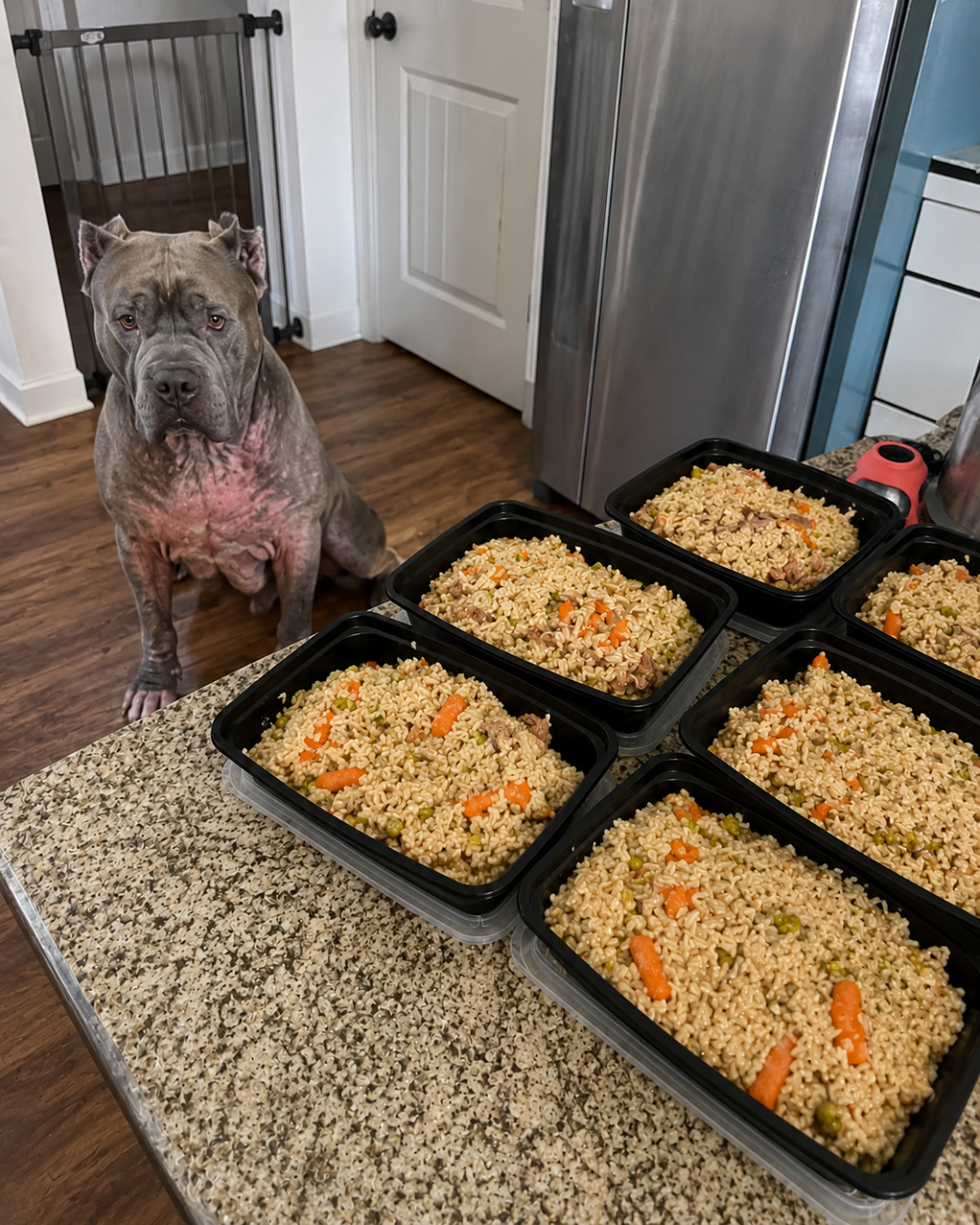
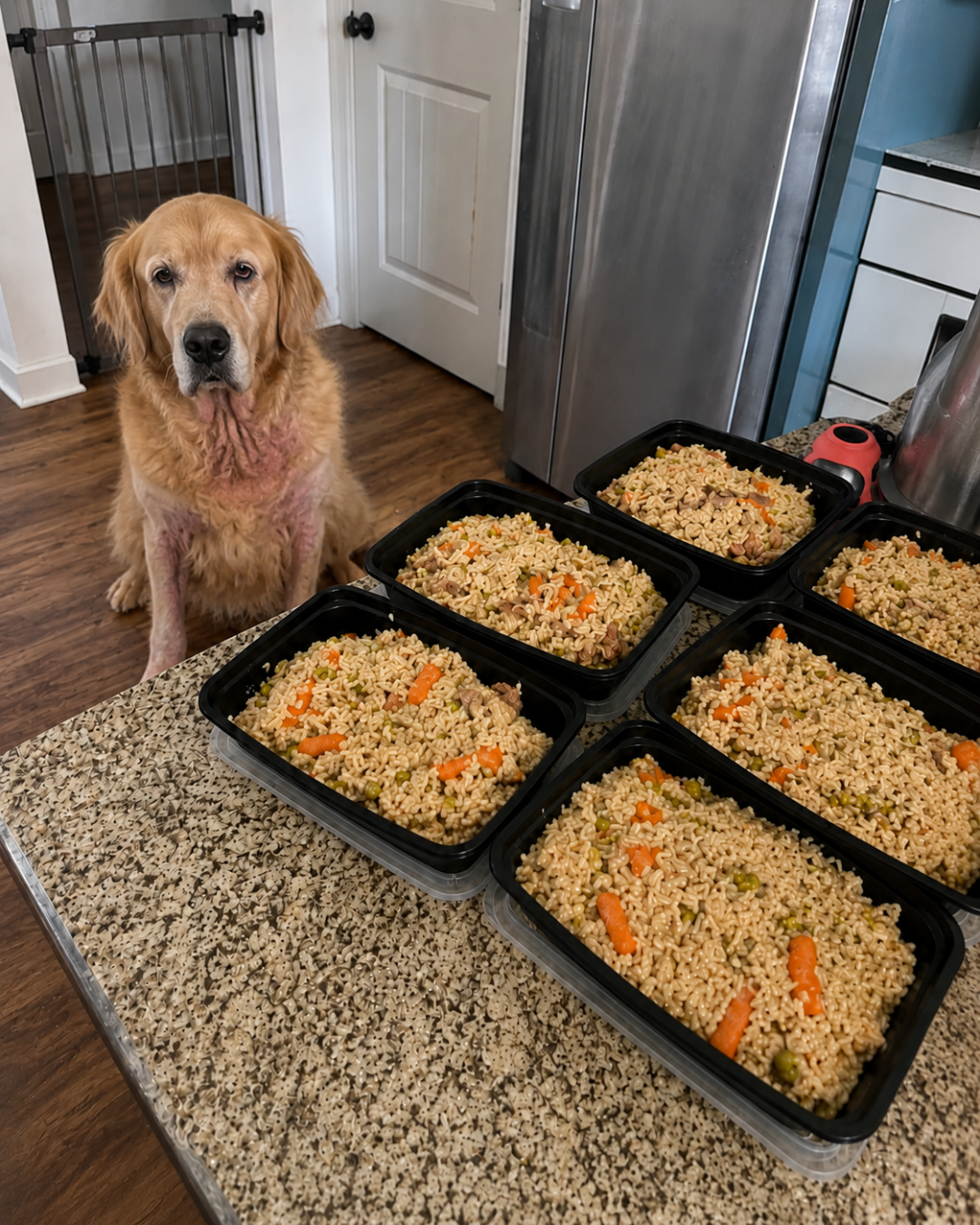
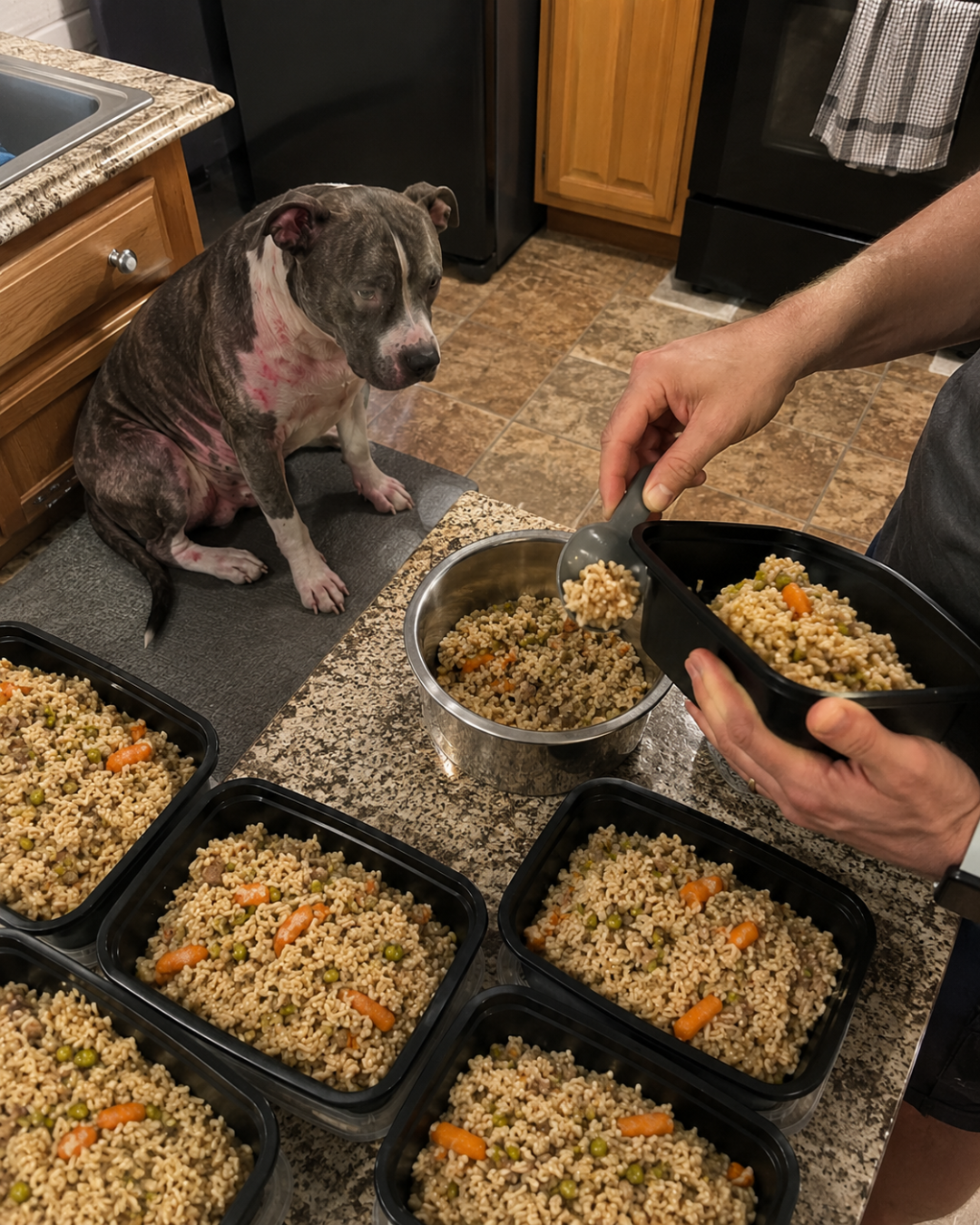
My vet said if I didn't continue the apoquel protocol, she'd document it in my dog's chart as "owner declined recommended treatment." I had ten minutes with her. She'd never met my dog before. Dr. Patterson's retirement letter came on a Wednesday. Standard form letter. "After 22 years of practice, I'm stepping away effective March 1st. Your pet's care will be transferred to Dr. Collins." I sat at the kitchen table staring at it. Four years. I'd been bringing Rosie to Dr. Patterson for four years for her allergies. She knew Rosie's history. Knew the allergies started at age 3 with mild scratching. Knew I'd watched my sister's dog deteriorate on long-term apoquel — the lumps, the lethargy, the infections that started appearing out of nowhere. Knew I couldn't hear the word "immune suppressant" without my chest tightening. She'd always worked with me. "Let's stay the course, Martha. We'll keep the apoquel at the current dose. Add the cytopoint when it flares. Monitor the ears. You're doing the right things." I believed her. I needed to believe her. She'd been watching Rosie get worse. Mild scratching in 2021. Constant scratching by 2022. Hot spots, ear infections, paw chewing by 2023. Belly darkening by 2024. Every visit, same conversation. "We'll adjust the dose. Try this new ear drop. Switch to this prescription food. We're managing it." Managing it. $380 a month. Dog still scratching at 2 AM. Now she was gone. My first appointment with Dr. Collins was supposed to be routine. Refill the apoquel. Check the ears. Transfer the records. In and out. I sat in the exam room. Same room I'd been in for four years. Same anatomy poster of a dog's skin layers. Same faded chart about ear infection prevention. Different doctor. Dr. Collins walked in. Young. Maybe 33. Laptop in hand. Didn't smile. "Mrs. Rodgers." She opened Rosie's chart. Scrolled. Stopped scrolling. Scrolled again. Then she turned the screen toward me. "Your dog's allergy treatment history over four years. Apoquel started at standard dose in 2021. Dose increased twice — 2022 and 2023. Cytopoint added in 2022. Injection interval shortened from every 6 weeks to every 3 weeks. Prescription food added 2023. Medicated shampoo twice weekly since 2023. Monthly spend currently $380. And according to these notes the scratching severity, ear infection frequency, and skin pigmentation have all worsened since treatment began." She looked at me. "Four years of escalating treatment with progressive deterioration. Can you explain why no changes were made to the fundamental approach?" "Dr. Patterson was monitoring it. We were adjusting the doses and trying different combinations—" "Different combinations of the same approach." She said it the way you'd say something that tasted spoiled. "Your dog is objectively worse on $380 a month than she was before treatment started. Whoever told you this protocol was working was watching your dog deteriorate in slow motion." The room tilted. "She wasn't watching her deteriorate. She knew Rosie's history. She knew my concerns about long-term immune suppression. She knew what happened to my sister's dog on—" "I've read the file." Dr. Collins pulled up a prescription form. "Mrs. Rodgers, your dog's skin is severely compromised. The protocol she was on clearly isn't working. I want to increase the apoquel to the maximum dose, shorten the cytopoint interval to every two weeks, add oral antibiotics for the secondary skin infections, and start a new immunotherapy protocol. Total monthly cost will be approximately $620." "$620 a month?" "If you decline the recommended treatment adjustments, I'll need to document it in the chart as owner declining recommended care." Declining recommended care. The words hit me like a slap. Dr. Patterson. The woman who sat on the floor with Rosie when she was scared. Who called me on a Saturday to check on a hot spot. Who spent thirty minutes with me when I broke down crying after the belly darkened. Who said "you're doing everything right, Martha. Some dogs are just difficult." And now this woman — who had ten minutes with my dog — was calling that negligent. "Your hesitation will be documented." The printer hummed. She placed the revised treatment plan on the counter. $620/month. Maximum dose apoquel. Biweekly cytopoint. Oral antibiotics. Immunotherapy. She left the room. The whole appointment took ten minutes. I sat there holding the treatment plan. Hands shaking. Rosie looking up at me from the exam table, scratching her ear against my hand. Non-compliant. In the parking lot, I called my husband Tom. "How was the new vet?" "She says Dr. Patterson wasn't aggressive enough. Wants to increase everything. $620 a month. Told me if I say no it goes in Rosie's chart." Silence. Then: "Martha, we're already spending $380 and Rosie's getting worse. Now she wants $620?" "She said if I refuse, she'll document it." "Document what? That you're asking questions? That you noticed $380 isn't working and you don't want to spend $620 on more of the same?" I didn't have an answer. That night I couldn't sleep. Not because of Rosie's scratching — I was used to that by now. The collar jingling. The paw licking. The thump of her back leg against the bed frame. Background noise of failure. Four years of it. I couldn't sleep because of the question Tom asked at dinner. "What if they're both wrong?" I stared at him. "What if Dr. Patterson was too slow and Dr. Collins is too aggressive? What if they're both doing the same thing — suppress, increase, stack — and the only difference is how fast they escalate? What if neither of them is asking WHY Rosie keeps getting worse?" He was right. Dr. Patterson managed Rosie gently. Kindly. Slowly. And Rosie got worse every year. Dr. Collins wanted to manage Rosie aggressively. Higher doses. More medications. More money. But it was still the same approach — suppress the immune response. Just louder. Neither one had ever explained WHY. Why did the apoquel work for 5 months then fade? Why did every dose increase help briefly then fail? Why did the cytopoint intervals keep shortening? Why was Rosie worse at year 4 than year 1 despite continuous treatment? They had answers. "Allergies are complex." "Some dogs are difficult to manage." "We need to try a different combination." But those weren't explanations. They were admissions that the protocol was failing without understanding why. At 3 AM I went downstairs. Sat at my kitchen table. Opened my laptop. I didn't search "best allergy treatment for dogs." I didn't search "apoquel alternatives." I searched something I'd never thought to search before: "why do dog allergy medications stop working" Third result down was an article by a veterinary dermatologist. And the opening paragraph made me sit up straight. "Most chronic dog allergies aren't getting worse because the immune system is becoming more reactive. They're getting worse because the protective barrier that's supposed to keep allergens OUT is breaking down. And every medication in standard veterinary practice suppresses the downstream immune response without repairing the upstream structural failure." I read that three times. She explained that dogs have a protective barrier in their skin. A sealed wall between them and every allergen in their environment. Pollen. Dust. Grass. Bacteria. Mold. When that wall is thick and intact, everything bounces off. The immune system never sees any of it. The dog never scratches. But that wall is made of collagen. Types I and III. And after dogs stop growing — age 2 — their body produces less and less collagen every year. 7-10% loss per year. So the wall develops gaps. Allergens pour through. The immune system detects invaders in tissue and attacks. That's the scratching. The hot spots. The ear infections. The paw chewing. The belly darkening. All of it. One wall failing everywhere. And here's what made me want to throw my laptop across the room: Apoquel suppresses the immune response to those invaders. Cytopoint blocks the chemical signals that create itching. But neither one repairs the wall that's letting invaders through in the first place. So you get temporary relief while the wall continues deteriorating underneath. More gaps form. More allergens penetrate. Need stronger suppression. Higher doses. More frequent injections. More medications stacked. You're not treating allergies. You're suppressing symptoms of structural failure. The article explained why food trials sometimes help temporarily. Why probiotics do nothing for the skin. Why medicated shampoo wears off in 48 hours. Why every treatment follows the same pattern — works then fades. Everything aimed at the downstream response. Nothing aimed at the upstream structure. I sat there reading this article, and everything made sense. Why every treatment followed the same pattern. Why nothing created lasting results. Why we kept needing stronger interventions. Why Rosie was worse at year 4 than year 1. We were treating symptoms while the foundation crumbled. And then the part that made me physically sick: Long-term immune suppression from medications like apoquel can actually accelerate the barrier breakdown. The immune system doesn't just fight invaders — it maintains and repairs tissue. Including the skin barrier. Suppress it for years and the maintenance stops. The wall falls apart faster. The $380 a month I'd been paying for four years wasn't just failing to fix Rosie. It might have been making her worse the entire time. $18,000. Four years. And the medication I was paying for may have been accelerating the destruction of the structure that was causing the problem. I whispered "oh my god" at 3 AM sitting at my kitchen table in Charlotte. And for the first time in four years, the frustration I felt wasn't helpless. It was focused. The article referenced research on collagen barrier repair. The specific types needed — I, II, and III working together. The form that matters — liquid, because stomach acid destroys 70-80% of collagen in chews and powders before it reaches the barrier. 98% absorption in liquid versus 20-30% in solid form. Plus MSM for inflammation support during repair. Hyaluronic acid for barrier hydration. Vitamin C for collagen synthesis. The concept was so simple it seemed obvious in hindsight: Rebuild the wall so allergens can't get through anymore. Not suppress what comes through. Not manage the flood. Fix the wall. I found the formula the article described and ordered it that night. Healthy Petz Premium Liquid Collagen. It arrived Friday. Simple pump bottle. Dark navy label. One serving on food. I didn't tell Tom. I didn't tell my kids. I didn't tell anyone. I was too exhausted by the hope cycle to announce another attempt. Try something. Get excited. Watch it fail. Explain the failure. Start over. Not this time. This time I was going to watch in silence. I added one serving to Rosie's food Saturday morning. She licked the bowl clean. Week one: Nothing obvious. The article said the barrier takes 4-8 weeks to rebuild. Not a medication. Not suppressing the itch in 48 hours. Structural repair. I reminded myself to be patient. Week two: The constant scratching decreased. Not gone. But the sessions were shorter. Where Rosie used to scratch for 20 minutes straight — collar jingling, back leg thumping, the whole bed shaking — she'd scratch for 5 minutes and stop. I wasn't sure if I was imagining it. I wasn't imagining it. Week three: I checked her ears expecting the brown gunk that had been there every morning for over 2 years. Nothing. Pink. Clean. I checked the next morning. Clean. And the next. Clean. I stood in my kitchen holding a clean cotton ball and cried. Two years of ear cleaning every single morning. Medicated drops. Antifungal wash. $40 a month in ear products alone. And the ears just... stayed clean. Week four: Rosie slept through the night. The whole night. No collar jingling. No scratching. No paw licking. No thumping. I woke up at 4 AM in a panic because the silence woke me. I went downstairs. She was asleep on the couch. Belly up. Breathing softly. I sat on the floor next to her and put my hand on her chest. Felt her heartbeat. Steady. Calm. No distress. No discomfort. Just a dog sleeping the way dogs are supposed to sleep. Tom found me there at 5:30 AM. "What are you doing on the floor?" "She slept through the night." "What?" "She didn't scratch. Not once. The whole night." He stared at Rosie. Then at me. Then his eyes filled. "What changed?" "The wall." Week six: The paw chewing stopped. The rust-brown staining that had been on her front paws for over 2 years started growing out. New clean fur from the nail bed. I took photos every week. You could watch the barrier healing through the fur color. Week eight: Her coat was thicker. Her belly — which had gone from pink to dark gray over 4 years — was lightening. The hot spot on her neck that had been cycling every 3 weeks for 18 months healed and didn't reopen. For the first time in 18 months it stayed closed. Month three: I called Dr. Collins' office. "I'd like to taper the apoquel." "Dr. Collins strongly advises against reducing medication without—" "Tell her Rosie's ears have been clean for 10 weeks. The scratching has stopped. The hot spots have resolved. I'd like to taper under her supervision or I'll taper on my own." Pause. "Let me check with the doctor." They scheduled an appointment. Dr. Collins examined Rosie. Looked in her ears. Checked her paws. Looked at her belly. Pulled up the chart from 3 months ago. Long silence. "The skin looks... significantly improved. Ears are clear. No active hot spots. Coat quality is better than any visit in your file." "Yes." "You increased the apoquel as recommended?" "No. I didn't change any medications. I added one thing." "What?" "Liquid collagen. For the skin barrier. The structure that was breaking down underneath every medication you and Dr. Patterson prescribed for four years. The structure nobody mentioned to me. Not once. In four years and $18,000." She stared at me. "The barrier is made of collagen. It keeps allergens out. Dogs lose it after age 2. The medications suppress what comes through the gaps. Nothing in the protocol rebuilds the wall. The wall was the problem the entire time." She looked at the chart. Then at Rosie. Then at me. "We don't learn about this in vet school." "I know. I learned about it at 3 AM on my kitchen floor after your office threatened to document me as non-compliant for asking questions." She didn't say anything. "I'd like to taper the apoquel. Half dose for two weeks. Quarter dose for two weeks. Then stop." She typed something. Slowly. "I'll supervise the taper. Come back in four weeks." I tapered. Half dose. No increase in scratching. Quarter dose. Nothing. Stopped completely. No flare. Extended the cytopoint. Skipped an injection. No flare. Skipped another. Nothing. Month four: Rosie was on one serving of liquid collagen on her food. Nothing else. $380/month became a fraction of that. $620/month — Dr. Collins' recommendation — became unnecessary. Dog more comfortable than she'd been since age 3. Coat thick. Ears clean. Paws healed. Belly lightening. Playing again. Meeting me at the door again. Bringing me socks again. My daughter — she's 11 — came home from school. Rosie ran to the door. Tail wagging. Jumped up. Licked her face. My daughter looked at me. "Mom. She hasn't done that in over a year." "I know." "What happened?" "Someone finally fixed the wall." That was six months ago. Rosie is asleep at my feet right now. Belly up. Ears clean. Paws white. No hot spots. No infections. No scratching. No collar jingling at 2 AM. No $380 a month. No $620 a month. No "managing it." No "owner declined recommended care." Just a dog who is comfortable because someone finally addressed the structure instead of suppressing the symptom. Last weekend Tom and I took the kids and Rosie to the lake. She swam. Chased sticks. Rolled in the mud. Came home filthy and exhausted and slept on the couch — belly up, paws in the air — without scratching once. My daughter took a picture. Rosie covered in mud, tongue out, eyes bright. She texted it to my mother. My mother texted back: "She looks like a different dog." She is. Not because I found a miracle. Because I found a mechanism nobody told me about. And a product formulated correctly to address it. If you're reading this, you know what it feels like to be caught between two vets who can't agree. One says patience. The other says the patience was negligent. You can't go backward. You don't want to go forward with more of the same. And nobody is giving you a third option. Here's what I want you to know: Dr. Patterson made me feel safe. Dr. Collins made me feel reckless. Both of them were looking at Rosie's chart. Neither one of them gave me what my dog actually needed. I found it myself. A supplement formulated correctly. Liquid form so the collagen actually reaches the barrier. All three types. Lab tested. Independently verified. My dog went from $380/month in medications that kept fading to one serving on food that rebuilt the structure. Her skin barrier — the wall that was collapsing underneath four years of treatment — is functioning again. Allergens stay on the outside. The immune system has nothing to overreact to. Not because it's being suppressed. Because there's nothing to fight. If you feel trapped between two opinions and neither one feels right, there's a third path. Try the one thing neither vet was trained to recommend. Track your dog's symptoms honestly. Bring the results to your vet. Let the data decide. — Martha Rodgers, 76 The product is Healthy Petz Premium Liquid Collagen. shophealthypetz.com/products/liquidcollagen $30 a bottle. Multipack brings the cost down. 60-day money-back guarantee. I tried every medication, every food change, every supplement my vets recommended for four years. $18,000. Dog got worse. Then I spent $30 on the one thing that addresses the structure. Dog got better in 6 weeks. Start alongside whatever your dog is on. Don't stop any medications. One serving on food. The barrier rebuilds underneath. 4-8 weeks. You'll hear it before you see it — the silence at night when the scratching stops. That silence is what a rebuilt barrier sounds like. And it's the silence I spent four years and $18,000 trying to buy with medications that never touched the wall. P.S. Dr. Collins monitors Rosie every 8 weeks now. No medications. No escalation. No documentation of "non-compliance." Just numbers and observations that prove the barrier is holding. Results changed the conversation. They'll change yours too. shophealthypetz.com/products/liquidcollagen P.P.S. If your dog is under 3 and just starting to scratch — please hear me. You are in the best position possible right now. The barrier is beginning to thin but the cascade hasn't started. Start collagen now. Before the first apoquel prescription. Before the first dose increase. Before the first "we'll keep managing it." Before the first $380 month. Before the word "non-compliant" ever enters your dog's chart. Rosie lost 4 years because I didn't know the wall existed. You know now. Don't waste the head start. shophealthypetz.com/products/liquidcollagen P.P.P.S. Last weekend at the lake. Rosie swimming. Chasing sticks. Rolling in mud. My daughter taking pictures. My husband laughing. The dog we almost lost to a protocol that managed a collapse instead of fixing it — covered in mud, tongue out, happy. Four years and $18,000 in medications never gave us that afternoon. One serving of collagen on food did.
$400/Month And Nobody Could Tell Me Why
LEARN MORELike this ad? Make it yours.
Crush rebuilds this exact creative around your product — your brand, your colors, your offer — in about a minute.