Sylvia smith
Sylvia smith Facebook ad: “Why Your Child Goes From Laughing To Screaming In 30 Seconds”
Ran for 15 days, from August 4 to August 19, 2026, the last day Crush saw it.
Run by Sylvia smith on Facebook. Crush is not the advertiser and does not verify its claims. See this ad in Meta's Ad Library(opens in a new tab)
Want an ad like this for your product?
Crush makes new ad images for your product from this ad: your logo, your product photo, your offer.
Trials from $19.95 USD, then $79.95 USD a month. Cancel anytime.
About this ad
- Meta Ad Library ID
- 2188694598359356
- Platforms
- Facebook, Instagram, Audience Network, Messenger, WhatsApp and Threads
- Relaunches
- 0
Ad text
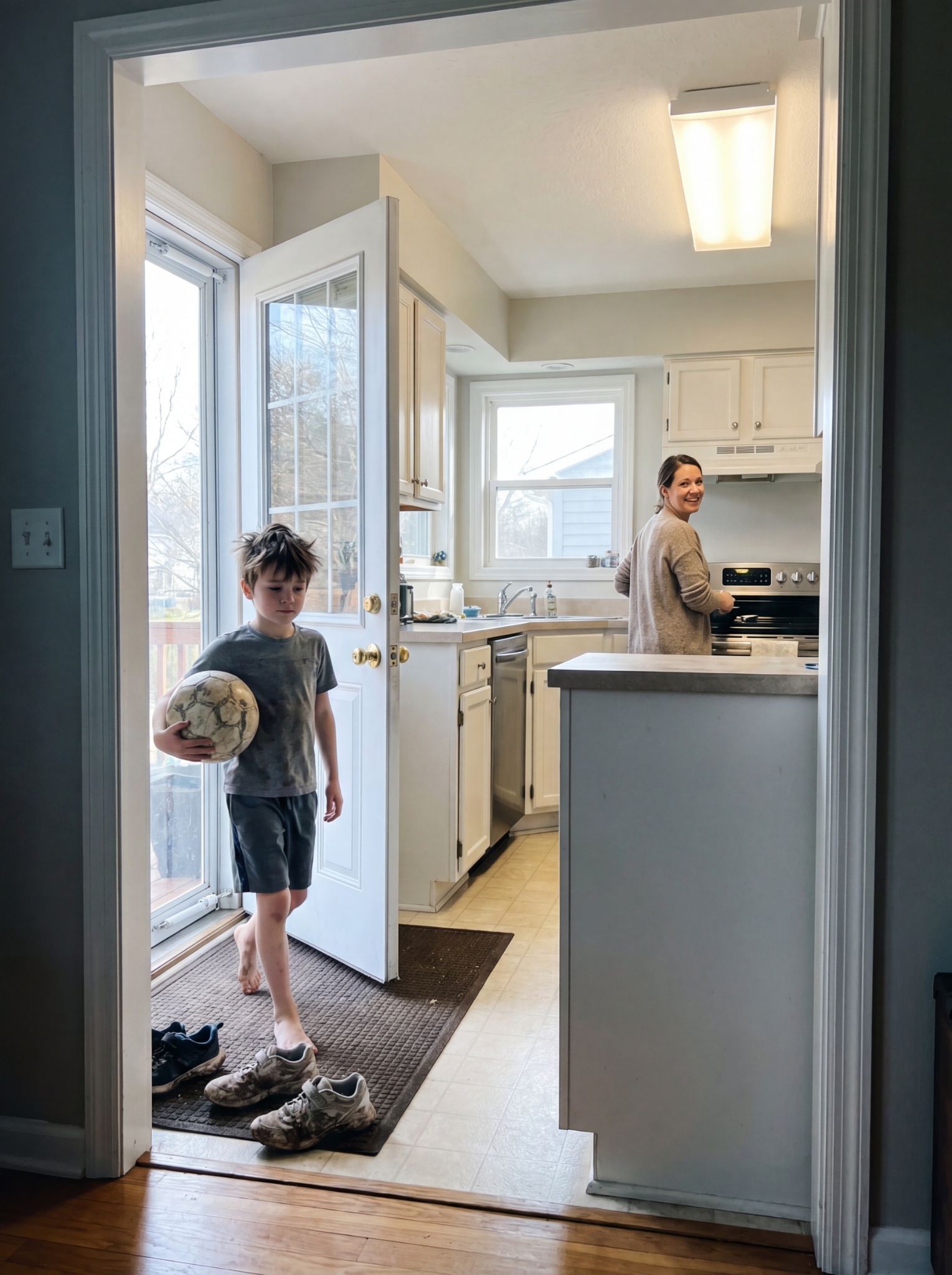
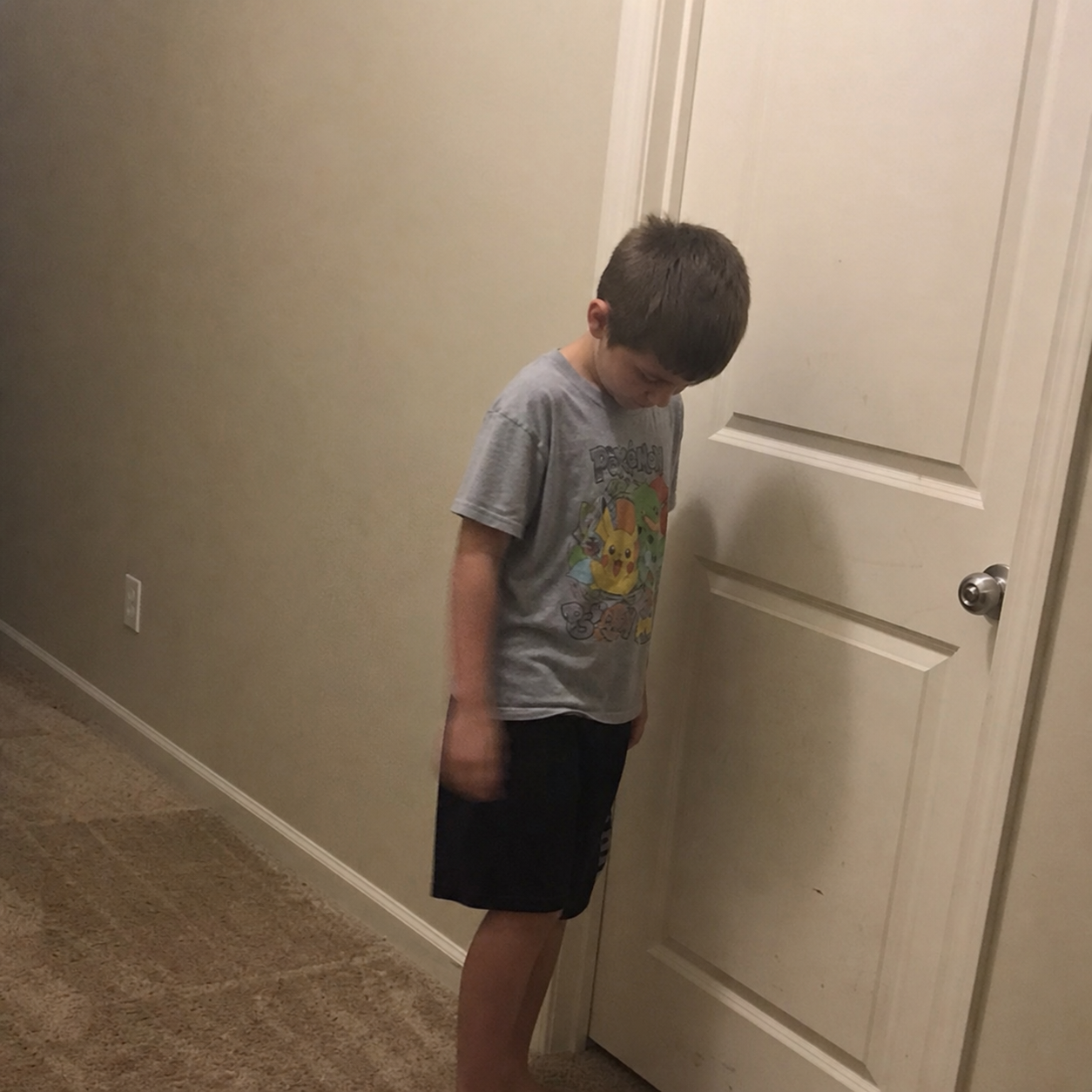
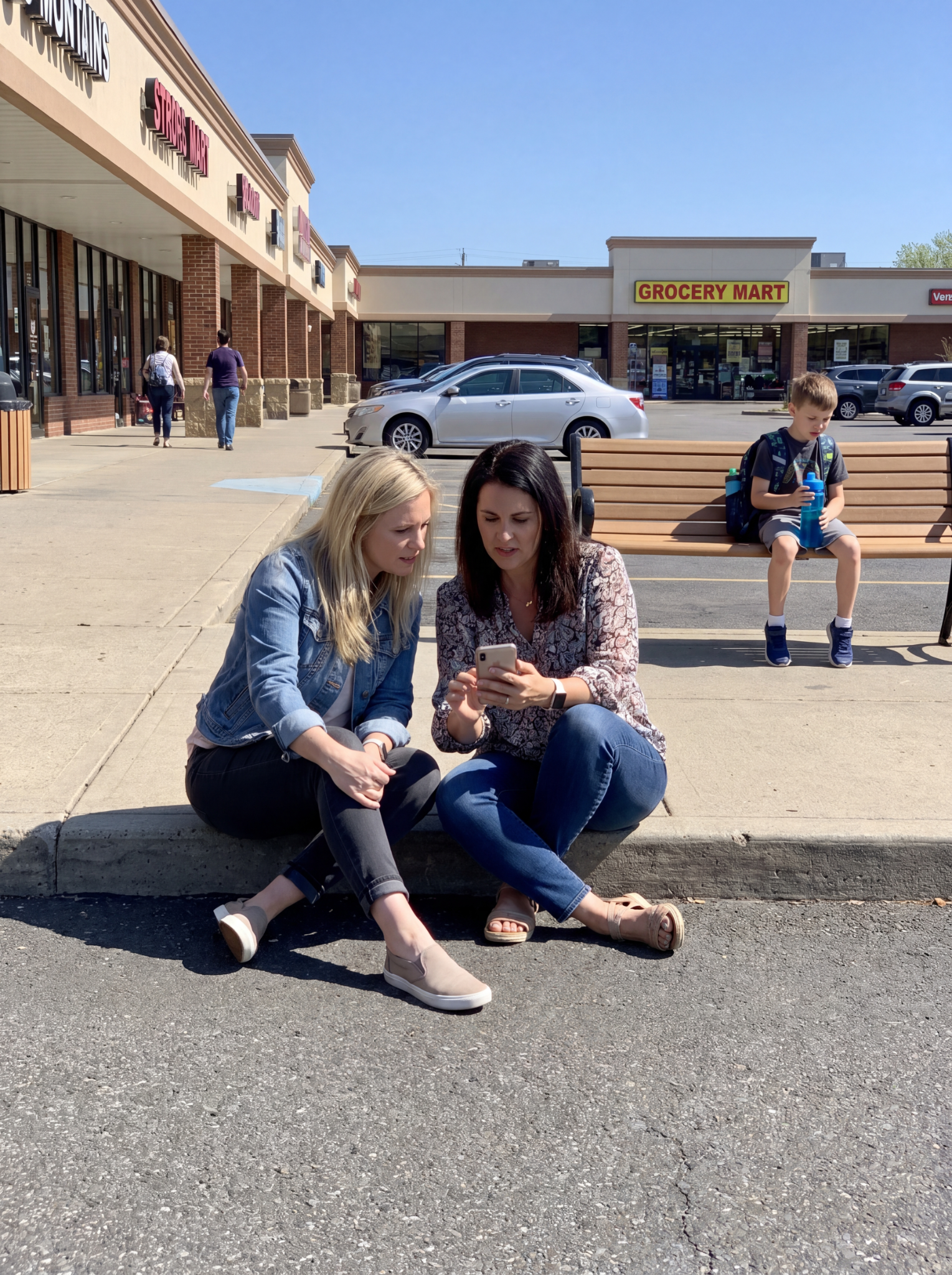
My son melted down in the middle of Target. And a stranger in the parking lot changed everything. I want to tell you exactly what happened, because I've never told anyone the full story. Not my husband. Not my sister. Not the mom friends I text every day. It was a Wednesday afternoon. We needed shampoo and cereal. That's it. Two things. We made it through the parking lot fine. We made it through the entrance fine. We made it past the dollar section, past the clothes, past the electronics. I remember thinking: okay. Today is one of the good days. We turned down the cereal aisle. He wanted the Cocoa Puffs. I said we were getting the one we always get. He said that one tastes like cardboard. I said we weren't having this conversation. He said we were. I don't know exactly which word flipped the switch. I never do. What I know is that within thirty seconds, my nine-year-old was on the floor of the cereal aisle. Not sitting. Collapsed. Body rigid. Screaming at a volume that I felt in my chest. Kicking the bottom shelf. A box of granola fell. People were stopping at the end of the aisle and looking in, then quietly backing away. A teenage employee came around the corner with a cart, saw us, and turned around. I crouched down next to him. Kept my voice low. Tried the things. The breathing. His name, repeated. "Hey. Hey. Look at me. Look at my eyes." Nothing. He was somewhere I couldn't reach him. I looked up at one point and there was a woman standing about ten feet away. Cart stopped. Watching. I felt my face go hot. The specific shame of that moment, being watched in the worst second of your week, is something I can't fully describe. It's not embarrassment. It's something older and heavier than that. It's the feeling of being seen as someone who can't manage her own child. I mouthed "sorry" at her. I don't know why. She wasn't owed an apology. But I mouthed it anyway. She didn't leave. I finally got him up, got the box of cereal off the floor, put it back. Held his hand and walked to the front. Didn't get the shampoo. Didn't get the cereal. Left the cart in the middle of an aisle and walked out with my son, who was still hiccuping and shaking, his face blotchy from crying. We sat on the curb outside. I gave him my water bottle. He drank. Stared at the parking lot. "Sorry, Mom." "I know, buddy." And I meant it. I knew he was sorry. I also knew it would happen again. That was the part I couldn't figure out how to hold. I heard footsteps behind me. Then the woman from the cereal aisle sat down on the curb next to me. Not close enough to be intrusive. Just close enough to talk. "I'm not going to tell you he's going to grow out of it," she said. "Because nobody told me that and it would have saved me three years." I looked at her. "My daughter. She's thirteen now. Two years ago she was exactly that." She nodded toward my son. "We called it the switch. One second she was fine, next second she was gone and there was nothing we could do until it passed." I didn't say anything. I didn't need to. "The thing nobody told us," she said, "was that it wasn't behavioral. It wasn't discipline. It wasn't diet, or screens, or anything we were doing or not doing. It was her brain chemistry. Her brain wasn't producing enough serotonin to regulate the emotional swings. So when something went sideways, there was no buffer. Zero. The emotion hit full force with nothing to absorb it." She said a pediatric psychiatrist finally explained it to them after two years of behaviorists, reward systems, and one very expensive therapist who kept telling them to "stay consistent." "The meltdowns weren't tantrums," she said. "They were a nervous system in freefall. You can't discipline your way out of a chemistry problem. You have to address the chemistry." She pulled out her phone. Not to show me a product. Just to show me a study. A 2019 clinical trial. Kids with emotional dysregulation and attention issues, ages 6 to 17. One group got Ritalin. The other got high-dose saffron extract, a specific compound called crocin and safranal, concentrated at 95% purity. The researchers measured focus, emotional regulation, and behavior. Rated by parents and teachers, both. The results were comparable. Not "almost as good." Comparable. Statistically. Without the appetite suppression. Without the sleep problems. Without the personality going flat. Without the look in your kid's eyes that tells you something has been turned down inside them. "The key," she said, "is the concentration. Most saffron on the shelf, in the teas, in the cheap supplements, runs about 20% active compounds. That's why it does nothing. The study used 95% pure crocin and safranal. Below that, it doesn't cross into the brain in the amounts that matter." I asked her what her daughter took. She wrote the name on the back of a receipt from her purse. Gave it to me. Said: "I'm not telling you it works for everyone. I'm telling you it worked for her. And it's the first thing in three years that made me feel like I had my daughter back." She stood up. Gave my son a small smile. Walked to her car. I sat on that curb for another five minutes. My son leaned against my arm and said: "Can we get the cereal next time?" "Yeah," I said. "Next time." I threw the receipt away that night. I told myself I wasn't going to do another supplement. Another promise. Another letdown. We'd already done the gummies from the pharmacy. The omega-3 oil he gagged on every morning. The magnesium powder I tried to hide in his juice. None of it did anything measurable. Nothing I could point to and say: that. That's the difference. I dug the receipt out of the trash at midnight. Mood Balance. Clinical-dose saffron extract. I looked up the study she mentioned. Found it. Read it. Read the follow-up study from 2022. Read the reviews. Went to bed at 2 AM. Ordered it in the morning before I made coffee. I didn't tell anyone. Not my husband. Not my mom. I could not survive one more person waiting for me to fail. He chewed the first one Tuesday morning. Said it tasted like candy. Asked if he could have another one. I said one was enough. I wrote in my notes app that day: "Day 1. Don't hope yet." Week one: I couldn't tell. Maybe the edges were slightly softer. Maybe one transition went smoother than it should have. I talked myself out of reading into it. Week two. Friday afternoon. He was playing outside and I called him in for dinner. I stood at the back door. Braced. The reflex is in my body now, not just my mind. My shoulders go up. My jaw sets. Because the transition from outside to inside has been a source of conflict in our house for four years. "Coming." That was it. Just: coming. He picked up the ball, put it by the fence, walked inside. Washed his hands without being asked. Sat down. I stood at the stove and didn't move for a moment. Because it was nothing. A completely ordinary, invisible moment that most parents don't even register. But in our house, that moment had been a landmine for as long as I could remember. Week three. The grocery store. Not Target. I wasn't ready for Target. We went to the smaller one near our house. He wanted a snack from the bakery section. I said we'd get one on the way out if he stayed with me the whole time. He said okay. We went through the whole store. He stayed next to me. He read the back of a cereal box while I compared prices on pasta. He asked me a question about whether oat milk was better than regular milk and I said I didn't know and he said "I think it tastes weird." We got to the checkout. I said: "You did really well. Pick something from the bakery." He picked a chocolate chip muffin. We walked to the car. He ate it in the backseat and told me about something that happened at recess. I didn't cry until we got home. Week four. The email from his teacher. "I wanted to reach out because I've seen a noticeable change in how he's handling transitions this week. He moved from recess to reading without incident three days in a row, which is new for him. He also sat through the full group discussion on Thursday without leaving the carpet once. I don't know what's different at home but I wanted you to know it's showing up here too." She didn't know what was different at home. Neither did I, completely. I just knew that something had shifted in the space between the signal and the explosion. That space used to be zero. Now there was something there. Some gap. Some buffer. Some small amount of room for the feeling to exist before it detonated. That's what had been missing. Not discipline. Not structure. Not a better reward chart. A buffer. A nervous system that had enough serotonin and dopamine to hold the emotion for one extra second before it overflowed. One second is enough. One second is everything. It's been four months. We went back to Target last week. All three of us. We needed shampoo and cereal and a birthday card for my nephew. We walked in. We got everything. He pushed the cart for part of it and accidentally knocked a display of travel-size lotions and we both laughed and picked them up together. We went through checkout. Walked out. Got in the car. No meltdown. No standing on a curb. No mouthing apologies to strangers who aren't owed one. He still has hard days. He's a kid. Some transitions are still bumpy. But the switch, that thing that used to flip with no warning and take us both down with it, it doesn't have the same power anymore. The emotions are still there. They just don't run the house. I think about that woman on the curb a lot. I never got her name. I never said anything to her that was worth saying. But she sat down next to me in the worst moment of my week, on a curb outside a Target, and told me the thing I hadn't heard in three years of looking. It wasn't behavioral. It was chemistry. And you can't discipline your way out of a chemistry problem. I don't know if she'll ever read this. I don't know why I'm posting it except that I was that mom on the curb, and if you're reading this, you might be her too. You don't have to fix his behavior. You have to fill the gap. EDIT: Several people have messaged asking what he takes. It's Mood Balance, clinical-dose saffron extract with magnesium glycinate, lion's mane, L-theanine, B6 and B12. The real concentrations. He takes it every morning, ten seconds, no fight. Link here: uselumexa.com/pages/saffron-2
Where the ad sends people
uselumexa.com
Why Your Child Goes From Laughing To Screaming In 30 Seconds
Lumexa
Learn more: uselumexa.com(opens in a new tab)