The Wellness Research Report
The Wellness Research Report Facebook ad: “My sister did everything right. Her liver failed anyway”
Ran for 9 days, from July 6 to July 15, 2026, the last day Crush saw it.
Run by The Wellness Research Report on Facebook. Crush is not the advertiser and does not verify its claims. See this ad in Meta's Ad Library(opens in a new tab)
Want an ad like this for your product?
Crush makes new ad images for your product from this ad: your logo, your product photo, your offer.
Trials from $19.95 USD, then $79.95 USD a month. Cancel anytime.
About this ad
- Meta Ad Library ID
- 2193239324791609
- Platforms
- Facebook, Instagram, Audience Network, Messenger and Threads
- Relaunches
- 0
Ad text
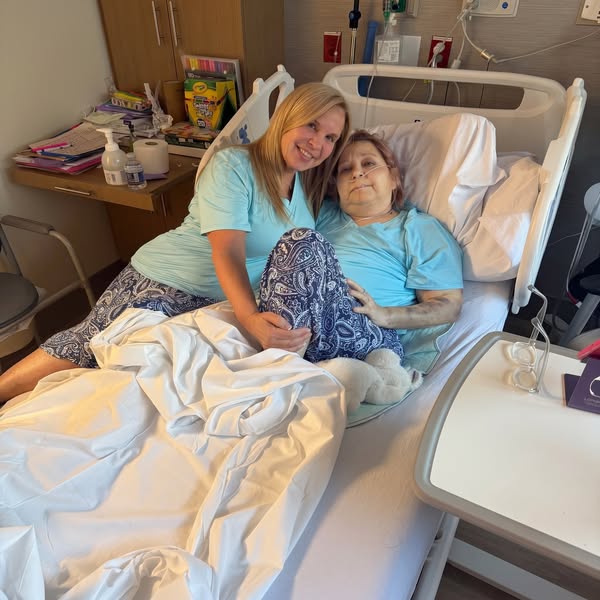
My older sister quit drinking on 8th July 2024. Poured every bottle down the sink. Went on the Mediterranean diet. Walked three miles a day. Started juicing kale, of all things. She did everything the GP told her. She died of liver failure on 19th October at 4:17 am. She was 61 years old. Quit drinking on 8th July. Ate nothing that wasn't approved. Lost a stone and a half. Walked three miles a day, rain or shine. The private medical bills were £45,000 because we couldn't wait on the NHS. The funeral was £9,400. The birthday card she sent me last March — the last one — is still on my fridge. I can't take it down. If I take it down, she's really gone. I need to tell you what happened to Caroline. Because I'm seeing the same posts on Facebook that I was making just months before she died — "my sister's GP told her her liver enzymes are too high, any tips?" — and it makes me physically ill. If you're a woman over 45 who drinks wine, or someone you love is, please read this entire thing. I know it's long. I know you're scrolling. I know you have things to do. Fifteen months ago I would have given anything — everything — for someone to tell me what I'm about to tell you. Caroline went in for a routine health MOT on 28th June 2024. She felt fine. Better than fine. She'd just turned 61. She still helped out at the local Sunday school. She still walked the dog every morning. She thought she had decades left and honestly so did I. Two days later her GP called. ALT of 168. AST of 154. "Your liver enzymes are very elevated, Caroline. We need to talk about your drinking." Caroline called me the second she hung up with the doctor. The way she always called me about everything — kids, marriages, mammograms, our mother's funeral, the lump that turned out to be nothing in 2019. Five years older than me and she still called me first. "Maggie, I think I'm in trouble." She told me about the call. The numbers. What the doctor said. "How much do you drink?" "A glass or two of wine with dinner. Sometimes three on a Friday. Maybe a little more on holidays." "That's enough to do this. You need to stop. Completely. No exceptions. We'll retest in three months." She was quiet for a long time. That night she stood up, walked to the wine fridge, and took everything out. I know because she FaceTimed me while she did it. I watched her pour out a £90 bottle of Chablis. A £40 bottle of Sancerre. The Pinot Grigio she liked on Sunday afternoons. The rosé her daughter brought back from her trip to Provence. The whole fridge — gone in under an hour. "That's it," she said. "I'm done." And she was. For 103 days, she didn't touch a drop. No wine. No champagne. Not at her daughter's anniversary party in August. Not at my granddaughter's christening in September. Not at her own birthday dinner in October where her best friend Diane ordered a Chardonnay right in front of her and Caroline drank sparkling water with a slice of lemon. She stopped going to her Thursday night book club because she couldn't sit there sober while everyone else enjoyed themselves. She lost her friend Linda, who told her "you're no fun anymore" and stopped inviting her. She lost the Friday wine nights on the patio. She lost a piece of herself she'd been carrying for thirty years. And she did it anyway. Because the doctor said to. She lost a stone and a half in those three months. She bought a juicer — Caroline, with the juicer, I still can't picture it. She started walking three miles every morning before work. She took the milk thistle her GP "wasn't against." She took a multivitamin. She ate a salad every day, the woman who used to call iceberg lettuce "the saddest vegetable." She did everything right. The follow-up bloods came back on 7th October. ALT: 159. AST: 148. She'd quit drinking entirely for 90 days and the numbers had barely moved. The doctor said "give it more time. The liver heals slowly. We'll retest in 6 months. Keep doing what you're doing." Caroline called me that night. Her voice sounded different. "Maggie, I gave up everything. Everything. And it didn't work." I told her to give it time. I told her the doctor said six months. I told her to trust the process. I told her she was the strong one and she could do this and we'd get through it together. She nodded. She kept walking. She kept juicing. She kept taking the milk thistle. Five days later — five days — she woke up at 2 am with a pain in her right side that doubled her over. Her husband drove her to A&E and called me from the car park at 4 am. I got in my car in my pyjamas. By the time I got there at 5:30, the whites of her eyes were yellow. Not "a little off." Yellow. Like a highlighter. Like someone had switched the lights out behind them. The A&E doctor — a young woman, couldn't have been 35 — looked at Caroline's bloods and her face did this thing. "Your bilirubin is 7.8. Your ALT is now 791. Your liver is in acute decompensation. We're admitting you to the ICU." "But I quit drinking three months ago," Caroline said. The doctor just looked at her. "I know. I'm sorry." Caroline spent 11 days in the ICU. I learned things about the liver I never wanted to know. I learned that when a liver shuts down, the toxins your body produces every single day — ammonia, mostly — start building up in your blood and crossing into your brain. They call it hepatic encephalopathy. It means your sister stops being your sister. She looks at you like she's trying to remember who you are. She says things that don't connect. On day 6, Caroline asked me three times in twenty minutes if our mother was back home from work. Our mother died in 2012. I learned that they inject something called NAC intravenously when a liver is shutting down. The nurse told me it's the same compound they use for paracetamol overdoses. She said it forces the liver to mount a massive antioxidant defence to try and put out the oxidative fire destroying the tissue. She said it's a desperate measure, and at this stage they were hoping it could buy her time. It bought her 11 days. Day 8, her kidneys started failing. The doctors talked about a transplant. Then they talked about her not being a candidate because of how fast she was declining. Then they stopped talking about transplants altogether. Day 10, her belly swelled up like she was nine months pregnant. They drained 4 litres of fluid out of her abdomen. Four litres. The nurse called it ascites. I called our youngest sister Patty. Day 11 — 19th October — I was in the family room down the corridor. They'd asked me to step out while they intubated her. At 4:09 am I heard the long beep. At 4:17 am, a doctor I'd never seen walked into the family room. I knew. "I'm so sorry. We did everything we could." I drove home at 6 am. When I walked into my own kitchen, the birthday card she'd sent me in March was still on the fridge, exactly where it had been since spring. Caroline's handwriting on the front. Maggie — 56 looks good on you. Love always, your big sister. I stood in front of the fridge and I read it nine times. Where it is today. I sat at my kitchen table. I didn't move for six hours. The house was so quiet I could hear the fridge hum. 56 years she'd been my sister. And now the only sound in my house was the fridge. The funeral was 19th January. Caroline's daughter flew in from Edinburgh with the grandkids. Our youngest sister Patty drove up from Manchester. The grandkids wore dresses that were too big for them. Caroline's six-year-old granddaughter asked me: "Auntie Maggie, when is Nan coming home?" I told her Nan was in heaven now. She said: "Can we call her there?" I had to walk out of the room. After the funeral, I tried to go back to normal. I couldn't. Because every time I opened my phone I saw women my age — women I went to school with, women in my book club, women I'd watched Caroline share a bottle of Pinot with on her patio for twenty summers — posting things like "GP said my liver enzymes are a little high, anyone tried milk thistle?" or "annual MOT, slightly fatty liver, no big deal, just cutting back on the wine." And I knew — I KNEW — some of them were doing exactly what Caroline did. Quitting. Eating clean. Walking. Juicing. Taking the milk thistle. And dying anyway. I couldn't just sit there and watch it happen. Not when my own bloods from my last check-up had come back with the same word the doctor used on Caroline. Borderline. ALT of 64. "Nothing to worry about yet, Margaret, but let's keep an eye on it." I couldn't just sit there and watch it happen to me, either. So I started researching. Not because I wanted to. Because I had to. Because if Caroline gave up everything for nothing — if I can't save even one woman from what happened to her — then I can't live with that. And because I am next. I read for weeks. Medical journals I barely understood. Hepatology forums. Clinical studies out of Japan and Germany. And one thing kept coming up, over and over, that no doctor ever told us: The reason Caroline's numbers didn't come down is that quitting drinking only stops adding fuel to the fire. It doesn't repair the micro-vessels that have already been choked off. Specifically: oxidative fire and endothelial dysfunction. Your liver is one of the most vascular organs in your body. It relies on a massive micro-network of blood vessels to filter everything that passes through your body — every medication, every toxin, every glass of wine, every greasy meal, every breath of polluted air. And here's what no one told us. After age 40, your natural antioxidant production declines by about 10% every single year. Modern life — processed food, medications, environmental toxins — burns through what's left even faster. By 55 most women have lost nearly half their defence capacity without knowing it. And here's the part that made me sit up straight: When your antioxidant defences are low, the wine that's supposed to be processed harmlessly now triggers a massive oxidative fire. Caroline's liver wasn't damaged just because she drank wine. It was damaged because a chronic oxidative fire had physically choked off her liver's blood supply. Read that again. Her liver wasn't damaged by the Pinot. It was damaged by the choked-off blood vessels the Pinot was being processed through. And here's why quitting alone didn't save her: stopping the drinking stops adding fuel to the fire. It doesn't put out the fire that's already burning. It doesn't reopen the choked-off blood vessels. Her micro-vasculature was already choked off by the time the doctor told her to quit. Eating clean, exercising, juicing kale — those things slow how fast you destroy what's left. They don't reopen what's already closed. That's why her numbers wouldn't move. She gave up everything she loved to stop the bleeding from a wound that had already choked off her liver's blood supply. I sat with that for three days. And then I started looking at what I'd been doing. I'd thrown out Caroline's milk thistle the week after the funeral. But I bought a new bottle for myself. Because I'm 56. Because my bloods were "borderline." Because I drink the same wine my sister drank. Because I was scared. I took it for three weeks. My GP — a different one from Caroline's, who I called because I trusted her — sighed when I told her. "Margaret, milk thistle protects the liver cells you still have working. But you cannot protect cells when their blood supply has been choked off. It sits on the surface. It doesn't reopen anything." Then she said something I'll never forget. "If Caroline had been on something that actually flooded her liver with nitric oxide and reopened those micro-vessels, the picture might have been very different." I stopped breathing for a second. "Why didn't her doctor prescribe that?" She was quiet for a long time. "Because we don't prescribe dietary flavanols. And the version that actually works isn't a prescription." I went to Boots the next day. I stood in that aisle for forty minutes. Milk thistle. Liver detox tea. Dandelion root capsules. "Liver cleanse" 30-day program. Multivitamins with "liver support." Generic cocoa capsules. I bought a premium cocoa extract. Took it for two weeks. No changes to my numbers. I started Googling and what I found made me throw the bottle in the bin. To reopen choked-off hepatic blood vessels, you need a massive, sustained dose of a specific flavanol called epicatechin. The most potent source on earth is raw cacao. But here is the catch. Commercial chocolate and standard "cocoa" capsules are dutched and alkalised. That manufacturing process destroys up to 90% of the active flavanols—the only part that actually does anything for your liver. And the brands that aren't dutched pack a tiny amount of flavanols into a bottle loaded with sugar, which spikes the exact liver inflammation you're trying to fight. You're paying for compounds that have been destroyed or corrupted before they ever reach your bloodstream. I had been doing the right thing in the wrong form. I was furious. I'm still furious. About a week later I was reading a thread on Facebook — one of those liver health groups, full of people like Caroline was, "elevated enzymes" people, "borderline NAFLD" people, women who'd had a glass of wine every night with dinner for twenty years and were now being told they'd done permanent damage — and a woman from Yorkshire posted something that stopped me cold. She said her sister had been told to quit drinking at 56. She quit. Her numbers barely moved for six months — sound familiar? — and then she found a pure, cold-processed raw cacao capsule that hadn't been destroyed by dutching. Her ALT went from 174 to 39 in ten weeks. Without stopping drinking. Without doing anything else different. I read that post six times. I started looking into the formula she mentioned. And what I learned is that there are five things a serious liver support has to do at the same time, or it's a waste of your money: It has to flood the bloodstream with nitric oxide to force open the choked-off hepatic blood vessels. That's epicatechin. It has to completely neutralise the oxidative fire that causes the scar tissue in the first place. That requires clinical-strength antioxidant power (gram for gram, 40 times the capacity of blueberries). It has to be strictly cold-processed so the delicate flavanols actually survive from the plant to your body. It must never be dutched or alkalised. And it must contain zero added sugar, no fillers, and no synthetic rubbish. Five things. All five. At the same time. I went through every product I'd looked at in Boots. Not one of them did all five. Most did one. The expensive ones did two. Not a single true, cold-processed epicatechin source in the whole aisle. That's when I found Florenix. It was the only formula I could find that hit all five. 1,200mg of real flavanols. 600mg of epicatechin per capsule. From raw cacao, strictly cold-processed, never dutched, zero sugar. 90-day money-back guarantee tied to your actual blood test results — if your numbers don't improve, you get every penny back, no questions asked. I almost didn't order it. After the Boots aisle. After the milk thistle. After Caroline. After everything. But I had a daughter who'd been drinking a glass of wine with dinner since her kids were born. I had a sister, my last sister, who drinks the same way Caroline did. And I had myself, with my "borderline" bloods and my dead sister's birthday card on my fridge. I ordered it. For all three of us. I started on it myself the day the box arrived. One capsule in the morning, every morning, no missed days. I went back to my GP four weeks ago for the follow-up she'd scheduled. ALT: 31. Down from 64. In ten weeks. I hadn't quit drinking. I hadn't started exercising more than I already did. I hadn't changed my diet. The only thing I'd changed was the capsule of flavanols I took in the morning. My doctor stared at the screen for a long time. She said: "Margaret, whatever you're doing, keep doing it." I drove home and I sat in my car in the driveway and I cried for forty minutes. Because Caroline never got those numbers. Because Caroline did everything and got nothing. And I did nothing and got everything. My youngest sister Patty. Bottle and a half a week, every week, for twenty years. "Borderline fatty liver" at her last check-up. ALT of 89. GP told her to "cut back" — same script Caroline got, just with smaller numbers. I sent her a bottle. I didn't ask. I just sent it. Wrote a note that said "If you don't take this every day I will never speak to you again, Patty, I mean it. I am not burying another sister." She took it. She kept having her glass of wine with dinner — she wouldn't quit, she's stubborn the way Caroline was stubborn — but she took it every morning. She went back to her GP three weeks ago for a follow-up. ALT: 36. Down from 89. In ten weeks. She hadn't stopped drinking. She hadn't changed her diet. She hadn't started exercising. The only thing she changed was the capsule she took in the morning. She called me crying. My baby sister. 53 years old. Crying on the phone like she did when she was nine. She said: "Maggie, I think Caroline died because nobody told her about this." I had to hang up. Then there's my daughter Sarah. 34, two kids, drinks a glass of wine every night after she puts the kids to bed because that's what mothers in their thirties do now. Started taking it six weeks ago — she didn't argue when I asked, she'd been at the hospital, she'd seen her aunt's eyes go yellow. She says her afternoon energy is back. She says the brain fog she'd been blaming on the kids is gone. She says she finally slept through the night for the first time since the funeral. I told my niece — Caroline's daughter. I told Caroline's university housemate. I told the women in Caroline's old book club when I went to drop off the rest of her cookbooks. I told the church ladies who brought casseroles for three months after the funeral. I'm not a doctor. I'm not a scientist. I'm not selling anything and I don't get a penny from any of this. I'm a 56-year-old woman sitting at my kitchen table at 2 in the morning because I can't sleep and I can't stop thinking about my baby sister and my daughter and whether the same thing is sitting inside them that was sitting inside Caroline. Here's what I know because I lived it: Quitting drinking stops adding fuel to the fire. It doesn't put out the fire. It doesn't reopen the choked-off blood vessels. Milk thistle protects cells. It doesn't restore the blood supply those cells are starved of. Commercial chocolate and alkalised cocoa capsules destroy the very compounds your liver needs. Cold-processed raw cacao bypasses this. Caroline gave up everything she loved for 103 days and it didn't save her because nobody told her what was actually broken. I wish someone had told us before 28th June 2024. Before the routine health MOT. Before the wine fridge emptied into the sink. Before the 103 days of sparkling water with lemon. Before 19th October at 4:17 am. I can't go back. Caroline can't come back. Her birthday card is still on my fridge and it's going to stay there. But you can still go forward. Your sister can. Your daughter can. Your mother can. You can. The page that explains all of this — the oxidative fire mechanism, why the numbers don't move when you quit, what your doctor doesn't know about dutched cocoa, and exactly what Florenix contains — it's the page I found at 3 am. Not protecting. Reopening. That's the line that finally made it click for me. I want you to read it. Not for me. For whoever you'd leave behind. Or whoever would have to bury you. 👇 https://florenix.com/products/florenix-cocoa-flavanols Caroline used to say: "The only thing you can't fix is the thing you don't know is broken." Now you know. P.S. The birthday card is still on my fridge. I still can't take it down. Every morning I walk past it and for one second I forget. For one second I think my phone is about to ring and it's going to be Caroline asking if I watched The Chase last night. It's not. £45,000 in private medical bills. £9,400 for the funeral. 103 days of her giving up everything she loved for nothing. And a capsule of pure flavanols that costs less than a bottle of the wine she used to drink — a capsule her own GP told me could have changed everything if we'd known. Please. Don't end up here. Don't let someone you love end up here. 👇 https://florenix.com/products/florenix-cocoa-flavanols P.P.S. I don't work for Florenix. I don't get a penny from this. I'm writing this at 2:14 am because I can't sleep and my big sister is gone and my baby sister is stubborn and my daughter is pouring a glass after the kids go to bed and I'm scared every time the phone rings. Share this with any woman you love who drinks wine. Even a glass with dinner. Even "just on weekends." Even if they already quit. Please.
Where the ad sends people
florenix.com
My sister did everything right... Her liver failed anyway
Let me tell you my story, because it's probably gonna sound familiar.
Learn more: florenix.com(opens in a new tab)