David Hudgens
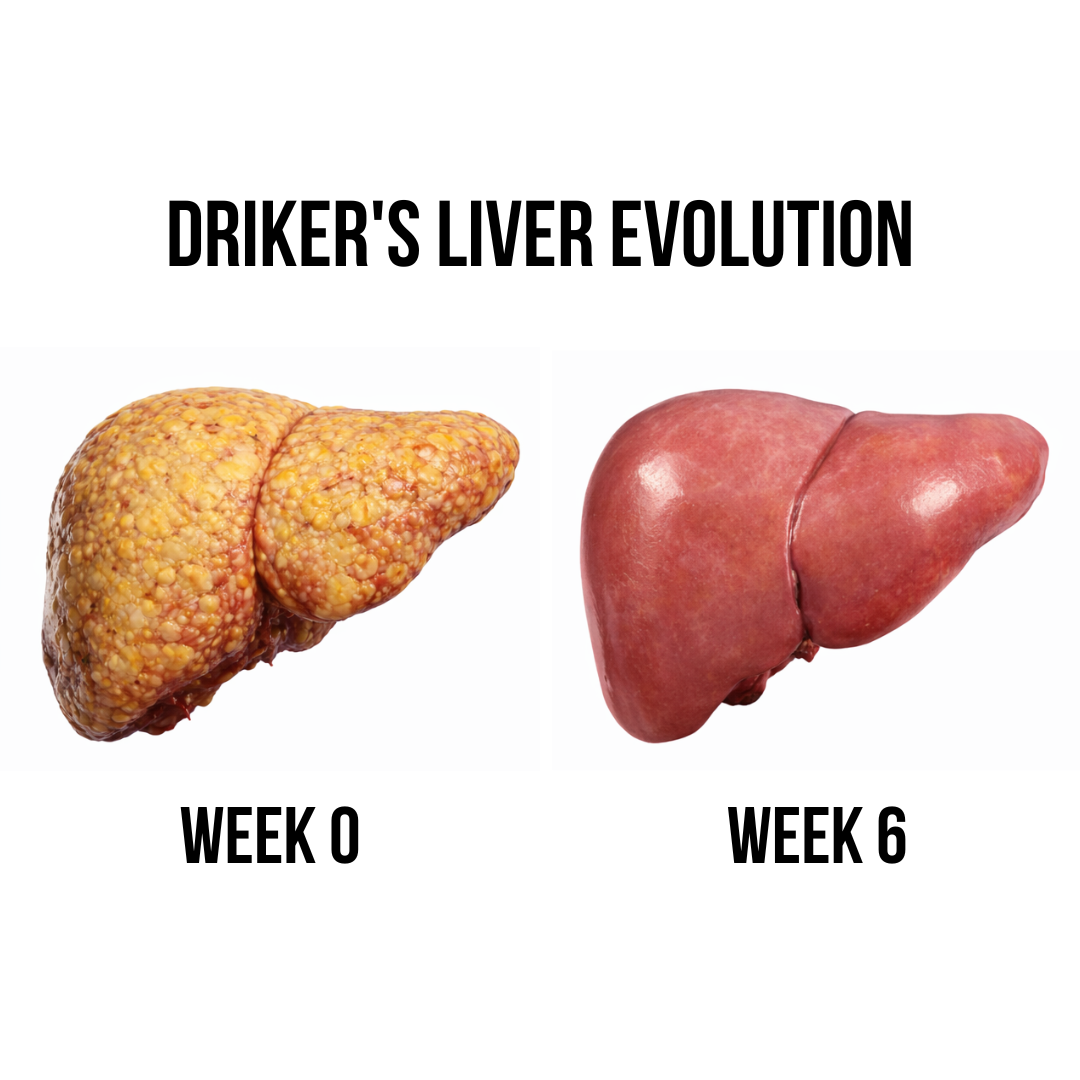
David Hudgens Facebook ad: “Save your liver”
Ran for 72 days, from July 21 to October 1, 2026, the last day Crush saw it.
Run by David Hudgens on Facebook. Crush is not the advertiser and does not verify its claims. See this ad in Meta's Ad Library(opens in a new tab)
Want an ad like this for your product?
Crush makes new ad images for your product from this ad: your logo, your product photo, your offer.
Trials from $19.95 USD, then $79.95 USD a month. Cancel anytime.
About this ad
- Meta Ad Library ID
- 2199689034219914
- Platforms
- Facebook, Instagram, Audience Network, Messenger and Threads
- Relaunches
- 0
- Niche
- Parenting & Kids
Ad text
My belly was the thing that bothered me the most. Not fat, exactly. Fat is soft. This was tight. Puffed up and firm, like I was holding pressure inside, and it got worse as the day went on. I’d wake up looking almost normal and by the evening I’d look like I’d swallowed a basketball. And around the same time, my ankles started swelling by nightfall too. I’d take my socks off and there’d be a ring pressed into my skin. I’m 55, and I’m a reasonably active guy. I’m not sitting on the couch all day. I have a drink now and then, but I’m not a big drinker, never have been. So the whole thing didn’t fit any of the stories you’re supposed to have when your midsection goes weird. I wasn’t overeating. I wasn’t a heavy drinker. I was moving around. And still, this tight, pressurized, worse-by-evening belly. I did what I think most people do, which is start with the obvious explanations and work my way down the list. First I assumed it was just weight. So I ate cleaner for a couple of months. Cut the junk, watched the portions. I lost a little around my body, but the tight belly and the puffy ankles didn’t really care. They stayed. Then I figured it had to be salt and water retention, because that’s what everybody says. So I cut way back on salt. Read the labels, stopped adding it, avoided the obviously salty stuff. A little better, maybe, on a good day. Mostly the same. Then someone told me the counterintuitive thing, that if you’re retaining water you should actually drink more water, to flush it. Which feels backwards but people swear by it. So I started drinking water like it was my job. And again, maybe a hair better, but nothing that solved it. I tried cutting carbs for a while, because carbs make you hold water too. I tried an over-the-counter water pill for a few days, which made me run to the bathroom constantly and lose a couple pounds that came right back the moment I stopped. I tried elevating my legs in the evening for the ankles, which helped the ankles for about an hour and did nothing for the belly. I even went and got it checked out properly, and I want to flag that clearly, because I’ll come back to it. A tight, swollen belly and puffy ankles can be a sign of something serious, a heart thing or a kidney thing, and I was not about to just guess with something like that. My doctor ran the tests. Heart, kidneys, the important stuff. Everything came back fine. He looked at the puffiness, agreed it was there, and basically had no explanation for it. Which is a strange place to be left, healthy on paper and visibly bloated in the mirror. That’s the reason I ended up reading on my own. When the system tells you you’re fine and you can plainly see that you’re not, you go looking. The thing that finally clicked for me was learning that the liver has its own drainage system, and I mean a real one, beyond the blood supply everybody knows about. Here’s what I came to understand. Your liver produces an enormous amount of lymph. Lymph is the fluid that carries waste out of your tissues, the stuff your bloodstream doesn’t directly haul away. And running through your liver there’s an entire network of tiny drainage vessels whose whole job is to move that fluid and waste along, out and away, so it can be cleared from the body. When that network is working well, everything moves. Waste gets carried off, fluid doesn’t build up, your tissues stay, for lack of a better word, drained. But that drainage network can get congested. Sluggish. Backed up. It happens with age. It happens after decades of processed food and general wear. And when the drainage slows down, the fluid and the waste that are supposed to be carried away don’t move like they should. They pool. They sit. And you get exactly the tight, firm, pressurized, worse-in-the-evening thing I’d been living with. Plus the ankle swelling, because the fluid your system can’t move efficiently settles where gravity takes it. Nobody had ever once mentioned drainage to me. Not my doctor, not any of the advice I’d read. It was always framed as either fat or salt or water. Once I read about the lymphatic side of it, it was the first explanation that actually matched the specific feeling I had, which was firm and pressurized, not soft, and not the simple puffiness of eating too much salt. So I stopped thinking of it as a fat problem, and I stopped thinking of it as a salt problem, and I started thinking of it as a flow problem. A drainage problem. And once I framed it that way, the things to try were completely different from anything I’d been doing. I looked into the herbs people use to support lymphatic movement and liver drainage. Cleavers kept coming up over and over, it’s apparently got this old nickname as a lymphatic mover, something traditional herbalists used specifically to get stagnant fluid going. Dandelion again, which shows up in half of these liver stories because it nudges the liver and bile along. I found a liver support formula that leaned in that direction, rather than trying to hunt down and assemble a dozen separate herbs myself. And I did something that I now think might have done as much as anything in a bottle, which is I started moving more deliberately, specifically walking after dinner. Because lymph doesn’t have a pump the way blood has the heart. The main thing that moves lymph is muscle movement. Your body physically pumps it by you moving around. So a sedentary evening is the worst thing for it, and an after-dinner walk is one of the simplest things that actually helps it move. Let me give you the timeline, because it was gradual, not a lightning bolt. The first week or two, honestly, I couldn’t tell much. The evening walks felt good but the belly was still tight. By around week three, the firmness started letting up. I noticed my belly in the morning was properly soft, normal, instead of already a little tight the way it had been. By week four or five, the pattern of it ballooning up as the day went on had mostly broken. I could get to the end of a normal day without looking pregnant by dinner. The ankle swelling was the last to go and the most stubborn. It got less reliable first, then it mostly stopped. I’d take my socks off at night and there wouldn’t be a deep ring pressed into my skin anymore. I’m not going to hand you a lab report or a scan, because this was never that kind of thing for me. It was about how my body felt to live in day to day. Lighter. Less like I was carrying around pressure I couldn’t release. Less like I was slowly inflating from the moment I woke up. I’ll be honest that I can’t perfectly separate the walking from the formula, because I started both at the same time. The evening walk might genuinely be the bigger piece, and if you only take one thing from this, take that one, because it’s free. But the combination is what worked for me, and I wasn’t interested in running a controlled experiment on myself, I just wanted my body back. I keep a note in my phone now that says: puffy isn’t always fat, and it isn’t always water, sometimes it’s just flow. That one line saved me from another year of cutting salt and quietly getting nowhere. Now, I want to repeat the serious part, because it matters and I don’t want anyone skipping it. If your ankles are swelling and your belly is tight, please get the real possibilities ruled out first, the heart and the kidney stuff, by an actual doctor. I got a clean bill of health and still felt like a water balloon, which is what pointed me toward drainage. But not everyone’s swelling is harmless, and mine could just as easily have been something that needed real medical attention. Get checked. Then, if you’re cleared like I was, the drainage angle might be worth a look. Let me go back and describe how much this actually affected my life, because “my belly was tight” undersells it, and if you’ve got it, you’ll understand why. It got into my head more than I expected a physical thing to. I stopped tucking my shirts in, because by afternoon the tightness would make me self-conscious. I started declining evening plans, especially anything involving eating out, because I knew that by the time dessert came around I’d be uncomfortable and looking six months pregnant in a room full of people I didn’t know. I bought pants a size up and wore them loose. For a guy who’d never been particularly vain, I was spending a surprising amount of mental energy on managing how my midsection looked and felt at different hours of the day. And the not-knowing was its own weight. When my doctor ran all the tests and everything came back clean, I should have felt relieved, and part of me did. But another part of me was almost frustrated, because “everything’s fine” didn’t square with what I was plainly seeing in the mirror. There’s a specific kind of loneliness in being told you’re healthy while your own body is clearly doing something it shouldn’t. You start to wonder if you’re imagining it, or exaggerating it, or if it’s somehow your fault. That’s the real reason the drainage explanation meant so much to me. It wasn’t just a mechanism. It was the first thing that told me I wasn’t crazy, that there was a real, physical, sensible reason for the specific thing I was experiencing, and that it had a name and a direction to work in. Sometimes that matters as much as the fix itself. Let me walk through the timeline more carefully, because I tracked it fairly closely. The first ten days or so, I noticed nothing except that the after-dinner walks felt pleasant and I slept a bit better on the nights I took them. Around the two-week mark, I had my first genuinely soft morning belly in as long as I could remember, and I actually stood in front of the mirror surprised by it. Weeks three and four, the daily ballooning got less severe and less reliable. It still happened on big-meal days, but a normal day stopped ending with me unbuttoning my pants. By week five or six, the whole worse-as-the-day-goes-on pattern had mostly broken, and my belly stayed pretty much the same from morning to night, which it hadn’t done in a couple of years. The ankles, like I said, were the stubborn holdout. They improved last and slowest. But by somewhere around the two-month mark, I stopped getting the deep sock-rings pressed into my skin at night, and I stopped noticing my ankles at all, which is exactly how it should be. You’re not supposed to think about your ankles. I want to be careful not to oversell the mechanism, because I’m a layman and I don’t fully understand the biology, and I’d be a hypocrite to criticize doctors for hand-waving and then hand-wave myself. What I can tell you is that thinking about it as a flow-and-drainage problem, rather than a fat-or-salt problem, pointed me toward things that actually helped, after a long stretch of things that didn’t. Whether every detail of the explanation is perfectly right, I can’t swear to. But the reframe led me somewhere useful, and the somewhere useful is what I care about. And I’ll keep repeating the walking part, because I think it’s the most underrated and it’s completely free. Your lymph doesn’t have a pump. Movement is the pump. A sedentary evening lets everything settle and pool. A twenty-minute walk after dinner literally helps move the fluid your body is struggling to shift. If you take one single thing from this whole story and ignore everything else, take the after-dinner walk. It cost me nothing and I suspect it did as much as anything I bought. One more thing worth saying, for the guys especially. We tend to either ignore a body thing completely until it’s an emergency, or grab the first quick fix, the water pill, the crash diet, and move on. I did both, in that order, and neither worked, because I hadn’t taken the ten minutes to understand what was actually happening. The tight belly and the puffy ankles weren’t a willpower problem I could out-diet, and they weren’t a salt problem I could pill away. They were a flow problem, and until I understood that, everything I tried was aimed at the wrong thing. So I’d gently suggest doing the unglamorous middle thing that men are worst at: get it properly checked to rule out the serious stuff, and then actually spend an evening understanding the mechanism before you start throwing solutions at it. It saved me a lot of wasted effort once I finally did it, and I only wish I’d done it a year earlier instead of guessing. I take a liver support formula that leans that direction now, and I walk after dinner most nights. That’s genuinely the whole of it. Nothing dramatic. If you want to see the one I use 👉 https://rituallabs.shop/products/happy-liver13 But start with the walk. It’s the part I underrated the longest, and it costs nothing but twenty minutes.
Where the ad sends people
rituallabs.shop
Save your liver
Your liver processes everything - alcohol, medications, junk food, environmental toxins. Happy Liver provides daily protection with clinical doses of Milk Thistle, Turmeric, Pueraria, and Inositol
Learn more: rituallabs.shop(opens in a new tab)