
Inactive· since May 29, 2026
- 68
- days it ran
- 0
- relaunches
Ad copy
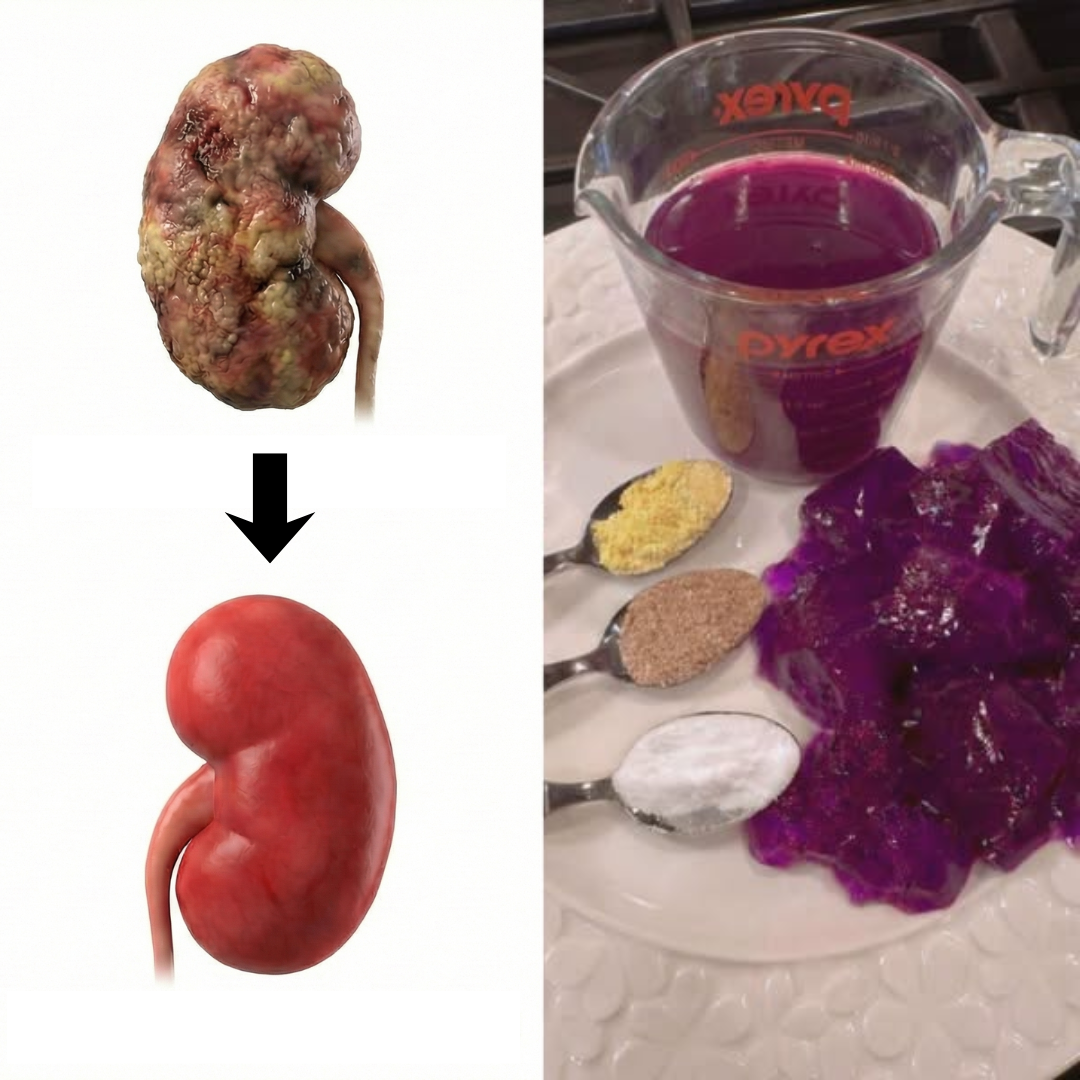
The Japanese eat more sodium than Americans - soy sauce, miso soup, pickled vegetables, salt-cured fish - and have 40% less kidney disease. Nephrologists have been trying to explain this for over 30 years. They said it was the green tea. Then the smaller portions. Then genetics. None of it held up. Here's what they missed. I'd heard about the Japanese Paradox before — most people have. It was on 60 Minutes back in 1991. The basic idea: Japanese people eat a diet that should be sending them straight to dialysis, yet they have some of the lowest rates of kidney failure in the developed world. Researchers have been arguing about why ever since. But I never thought much about it. Until I went to Tokyo with my husband last fall. My best friend Barbara moved there 14 years ago with her husband James. He took a job teaching at a university and they never came back. We'd kept in touch — birthdays, Christmas cards, the occasional FaceTime — but I hadn't seen them in person since 2019. My husband Calvin and I are both 64. He'd been talking about visiting them for years. We finally booked the trip last October — partly because Barbara kept begging, partly because I was scared that if we waited any longer, he wouldn't be able to make the flight. He'd been declining for a while. I didn't want to say it out loud. But it had been going on for months. He spent more and more of his afternoons asleep. He'd sit down to watch the game and be out cold by halftime. The hacking cough that started in the spring never really went away. His ankles swelled by 6 PM every evening — so much that his wedding ring stopped sliding on. He's stubborn — he kept refusing to see anyone past his PCP, no matter how much I pushed. And I'd already started reading on my own at night. Comment sections on Facebook health videos. Reddit threads. Kidney forums full of women just like me trying to figure out what was happening to their husbands. The numbers I was tracking quietly: his creatinine had gone from 1.6 to 2.1 to 2.4 over 18 months. His eGFR had dropped from 48 to 34. Stage 3B and falling. But you'd never know it from his doctor. "We're managing the progression." Managing it where? Toward the dialysis chair? I wasn't going to ask out loud. I just kept buying the supplements, organizing his pills, making the appointments, driving him to them. And booking this Japan trip while we still could. — When we landed in Tokyo, Barbara and James were waiting at arrivals. I almost didn't recognize James. Not because he looked different — because he looked like a version of himself that time had been kinder to. He's Calvin's age. They went to the same kind of schools, ate the same kind of food growing up, both Black men in their mid-60s. But James stood up straight. Carried both of our suitcases like they weighed nothing. Walked us to the car at a pace I knew Calvin couldn't match. He looked like he did in his 40s. I watched Calvin shuffling behind him, breathing a little heavy, already asking how long the drive was because he wanted to lie down. — That first night, Barbara and James took us to a restaurant near their apartment. What they ordered would've made Calvin's nephrologist pass out. Salt-cured mackerel. Miso soup drowned in soy sauce. Pickled radishes. Soy-glazed pork belly. Sake. I sat there with my jet lag and watched James eat like it was nothing. Because for him, it was. "You eat like this every night?" I asked Barbara. She laughed. "This is light. On weekends we do heavier." I looked around the restaurant. Tables of men in their 60s and 70s — lean, sharp, animated, drinking sake and laughing with their wives. Nobody slumped. Nobody dozing off after the meal. Nobody bloated and gray. Then I looked at Calvin. He'd ordered grilled chicken and steamed rice. The "safe" option. Nothing fried. Nothing salty. Following the diet his doctor had been preaching at him for three years. And he was the most tired man in the restaurant. I watched him push the food around his plate. Watched him try to keep up with James's conversation. Watched him glance at his watch and I knew he was counting down to bed. Three years of cutting salt. Three years of measuring sodium milligrams. Three years of refusing the food he loved at Sunday dinner because the doctor said it would kill him. And he was the one declining. While James was eating salt-cured fish and looking 15 years younger. Something wasn't adding up. — The next morning, James took Calvin on a walk while Barbara and I sat in her kitchen drinking tea. I waited until they were out the door. "Barbara. How is James so healthy? Seriously. He's eating more sodium in a day than Calvin has touched in a year. And he looks 45." She shrugged. "I asked the same thing when we first moved here. Took me a couple years to figure it out." "And?" "It's not the food. That's what we always got wrong back home. We spend all our energy worrying about what goes in. Cut the salt. Cut the protein. Watch the potassium. Count every milligram. But honey, that's only half of it." "What's the other half?" "Whether his body can actually clear what goes in." She tapped the rim of her cup, thinking about how to say it. "Think about it like the drain in your kitchen sink. You can pour the cleanest water in the world down it, but if the drain is clogged, the water just backs up. Sits there." I nodded slowly. "The Japanese don't have cleaner water going in. If anything, what they're eating is way worse for their kidneys. They just have cleaner drains. Their bodies move waste out the way bodies are supposed to." She leaned forward. "Sis — your kidneys aren't just filters. They have their own drainage system inside them. Tiny little vessels that pull waste and toxins out of the kidney tissue every single day. When those vessels are clear, your kidneys work no matter what you eat. When they're clogged…" She trailed off. "That's your creatinine climbing. That's your eGFR dropping. That's the foam Calvin's been leaving in the toilet every morning." I didn't say anything for a second. I was thinking about two years of Calvin choking down dry chicken at Sunday dinner. Lisinopril every morning. Walking three miles around the block until his ankles swelled up. And his creatinine still climbing. His doctor adjusting his dosage, suggesting new restrictions… What if the drain was clogged this whole time? She took a sip of her tea and smiled. "And not one doctor back home has ever mentioned those drainage vessels to you, have they?" I shook my head. "That's the part nobody back home talks about. Over here, they do. The Japanese understand it. The whole culture is built around keeping that drainage moving. They've known about it for centuries." "How?" "Honestly? It's a bunch of little things stacked together. Way less processed food. Way fewer chemicals — Japan bans stuff that's still sitting on shelves in American grocery stores. And then there's all the herbal stuff. Plants you can't even find back home. We even bought this herbal syrup that’s supposed to help drain things. I don’t know what’s in it but James takes it every day.” She set her cup down. "This whole culture has little habits built in that keep the drainage in your kidneys moving. It's just how they live.” “Back home we have ACE inhibitors. That's about it." — I was thinking about Calvin. Lisinopril, 10mg every morning for two years. Doesn't move the numbers. The kidney teas from Whole Foods. The dandelion root capsules I'd ordered off Amazon. The cranberry extract. The renal support stack from the supplement store that cost $89 a month and did absolutely nothing. The low-protein diet his doctor put him on. Dry chicken at Sunday dinner. Skipping the oxtails my sister made for Christmas. Counting sodium milligrams like it was going to save his life. Three years of all of that. And his creatinine still climbed from 1.6 to 2.4. He’d been pouring cleaner and cleaner water down a clogged drain for three years. And I was watching him fade the whole time. That night I couldn't sleep. Calvin was snoring next to me, exhausted from a day of walking that James had handled like a stroll. I lay there in the dark thinking about every appointment I'd sat in. Every doctor who blamed something different. Every supplement I'd ordered hoping THIS one would be the one. The retirement we'd been planning for years — the road trip down the coast, the visits to the grandkids, the cruise Barbara had been telling us to book — it was slipping away from me one nap at a time. And his doctor wasn't going to save him. I knew that now. If I didn't figure this out, nobody would. — When we got back home, I sat at the kitchen table with a cup of coffee and started researching. I stopped searching for kidney supplements and I started searching for the mechanism. "What clogs the kidney lymphatic drainage." I found a 2021 study from the Mayo Clinic. Researchers had used high-tech microscopes to look directly inside the kidneys of CKD patients. What they found was straight out of a science fiction movie. The lymphatic vessels inside the kidney tissue were smothered in a toxic blanket of “zombie” cells. Cells that were supposed to die off years ago — but instead just lingered, refusing to die. The scientists called them senescent cells. Not quite dead. Not fully alive. Just clumping together inside the drainage vessels like grease in an old pipe. Until nothing can move through. Imagine trying to breathe with your nose pinched shut. That's what was happening inside Calvin's kidneys every single day. And no ACE inhibitor touches those zombie cells. No low-protein diet clears them out. Cutting out salt won’t do a damn thing. That's why his Lisinopril wasn't doing anything. That's why three years of dry chicken hadn't moved his numbers. That's why every supplement I'd ordered had piled up in the bathroom cabinet next to everything else that didn't work. Nobody had been treating the zombie cells. Nobody had been clearing the drain. — That's when it all clicked. The exhaustion that hit him by 10 AM — clogged drain, waste backing up into his bloodstream. The foam in the toilet every morning — clogged drain, protein leaking through kidneys that couldn't filter anymore. The swollen ankles by 6 PM, the ring that wouldn't slide past his knuckle — clogged drain, fluid his body couldn't move out. Barbara was right. Calvin’s kidneys were clogged this whole time. — Now I had the problem figured out. I still needed to know what to actually do about it. I started researching what the science says about dissolving zombie cells inside the lymphatic system. I found a 2019 review on botanical compounds. A 2022 meta-analysis. Multiple studies from different research teams all pointing to the same handful of natural ingredients that could actually destroy senescent cells while leaving healthy ones alone. Six of them kept coming up. The first was Astragalus Root. Chinese emperors had used it for 2,000 years to extend their lives. Turns out they were onto something huge. Because Astragalus is one of the only plants on earth that directly hunts down senescent cells. Think of it like a bounty hunter — it tracks zombie cells one by one and drags them out of the kidney tissue for good. A 2019 study showed it reduced senescent cell markers in kidney tissue by 47% over 8 weeks. The second was Burdock Root. Traditional medicine called it "the blood purifier." Modern research shows it flips on a switch in your body called autophagy — your body's own self-cleaning process where it identifies damaged parts and recycles them out. The most powerful self-healing mechanism we have. On top of that, Burdock is one of the strongest lymphatic movers on the planet. It flushes years of accumulated waste straight out of the kidney tissue. The third was Echinacea. Most folks know it for colds and flu. Almost nobody knows what it actually does on a deeper level. It supercharges your NK cells — your body's Natural Killer cells. The specialized assassins your immune system uses to hunt down and destroy damaged cells. For someone like Calvin, whose immune system had been asleep at the wheel while zombie cells piled up for decades, this was the missing piece. And the last three were a specific blend of lymphatic drainage herbs: Cleavers. Red Clover. Calendula. Because breaking down the zombie cells is only half the battle. Once they're dissolved, you've got years of toxic sludge sitting inside the drainage vessels with nowhere to go. If you don't flush it out, it just settles right back in. Cleavers acts like a power wash for those lymphatic vessels. Red Clover reactivates the circulation that pumps waste through the system. Calendula calms the inflammation in the vessel walls so the drainage can finally hold open instead of closing right back up. Together, all six ingredients targeted the actual mechanism. Not what was going in. What couldn't get out. — At 4 AM I searched: "lymphatic kidney supplement zombie cells." One product kept coming up. Reviews from women just like me. Women that had been watching their husbands decline and had finally found something that moved the numbers. Flow+ by Elavyn. Liquid drops under the tongue. Tastes like honey. All six compounds in clinical doses. Third-party tested. Formulated specifically for declining kidney function. I ordered a 3-month supply that night. I didn't tell Calvin. I knew if I told him I'd ordered another supplement, he'd roll his eyes and tell me to stop wasting money. — The package came on a Thursday. That first morning, I just set the little bottle next to his coffee cup at breakfast. Same as I'd been setting his Lisinopril for two years. "What's this?" "Something to help with energy. Take it under your tongue, it tastes like honey." He looked at me sideways. Shrugged. Did it anyway. I didn't say another word about it. I just set it next to his coffee every morning. — Week 1 — nothing dramatic. He commented once that it tasted "better than that nasty kidney tea you had me on." Week 3 — I noticed it first. The foam that had been sitting in his toilet bowl every morning for two years was thinner. Breaking up sooner. I didn't say anything to him. I just kept watching. Week 5 — he came in from the garage one evening and sat down at the kitchen table to talk to me. He hadn't done that in months. He usually came in and went straight to the recliner. We talked for an hour about nothing in particular. I almost cried right there at the table. Week 8 — we drove down to my sister's place for Sunday dinner. He stayed awake the entire meal. Laughed at one of my brother-in-law's stories so hard he had to set his fork down. Drove us home himself. Week 10 — he asked me when we were going to book the road trip. The one we'd been putting off for three years. Week 12 — he went in for his regular labs. His doctor called two days later. "Mr. Williams. Your creatinine came back at 1.7. Your eGFR is up to 51." Long pause on the line. "What have you been doing?" Calvin put the phone on speaker and looked at me from across the kitchen. I just smiled. — I called Barbara that night. She laughed. "His doctor's gonna run those labs twice." He did. They came back the same. That was four months ago. This morning Calvin's labs came back at creatinine 1.4. eGFR 58. Back into Stage 2. His doctor used the word "remarkable." Last week we booked the trip. — Here's what I keep coming back to. The Japanese paradox has been studied for over 30 years. Hundreds of papers. Thousands of scientists. They analyzed the soy sauce, the miso, the green tea, the fish, the walking, the portions, the genetics — almost everything the Japanese put IN their bodies. But almost nobody asked WHY their bodies were so much better at processing it. The kidney lymphatic drainage was hiding in plain sight the whole time. The Japanese don't have a secret diet. They don't have magic genetics. They just haven't let the drain inside their kidneys get clogged. And their culture — whether they realize it or not — has natural compounds that keep that drainage moving. We don't. We've been hammering our kidneys with processed food, chemicals, stress, and decades of medications that don't touch the real problem. I didn't move my husband to Japan. I didn't change his diet. I didn't adopt some new lifestyle. I just started giving his body what it needed to clear the drain and do the job it was built to do. And all he did was put a few drops under his tongue every morning. Same diet. Same lifestyle. Just now with a drain that works again. You have 30 days to see if you feel different. If not, you get your money back. The Japanese Paradox was never a paradox. They just take care of their drain and we don’t. — — P. EDIT: A lot of you keep asking me where I get the Elavyn Flow+. Here's the link: https://getelavyn.com/pages/adv-2-k2-nd
Why your kidney numbers get worse every 90 days even when you do everything right (it's not what your doctor told you)
Elavyn
LEARN MORELike this ad? Make it yours.
Crush rebuilds this exact creative around your product — your brand, your colors, your offer — in about a minute.