Paul Mitchell
Paul Mitchell Facebook ad: “Ceylon Cinnamon 7200mg Equivalent with MCT Oil”
Ran for 20 days, from August 19 to September 8, 2026, the last day Crush saw it.
Run by Paul Mitchell on Facebook. Crush is not the advertiser and does not verify its claims. See this ad in Meta's Ad Library(opens in a new tab)
Want an ad like this for your product?
Crush makes new ad images for your product from this ad: your logo, your product photo, your offer.
Trials from $19.95 USD, then $79.95 USD a month. Cancel anytime.
About this ad
- Meta Ad Library ID
- 2212835569508152
- Platforms
- Facebook, Instagram, Messenger, WhatsApp and Threads
- Relaunches
- 1
- EU reach
- 7
Ad text
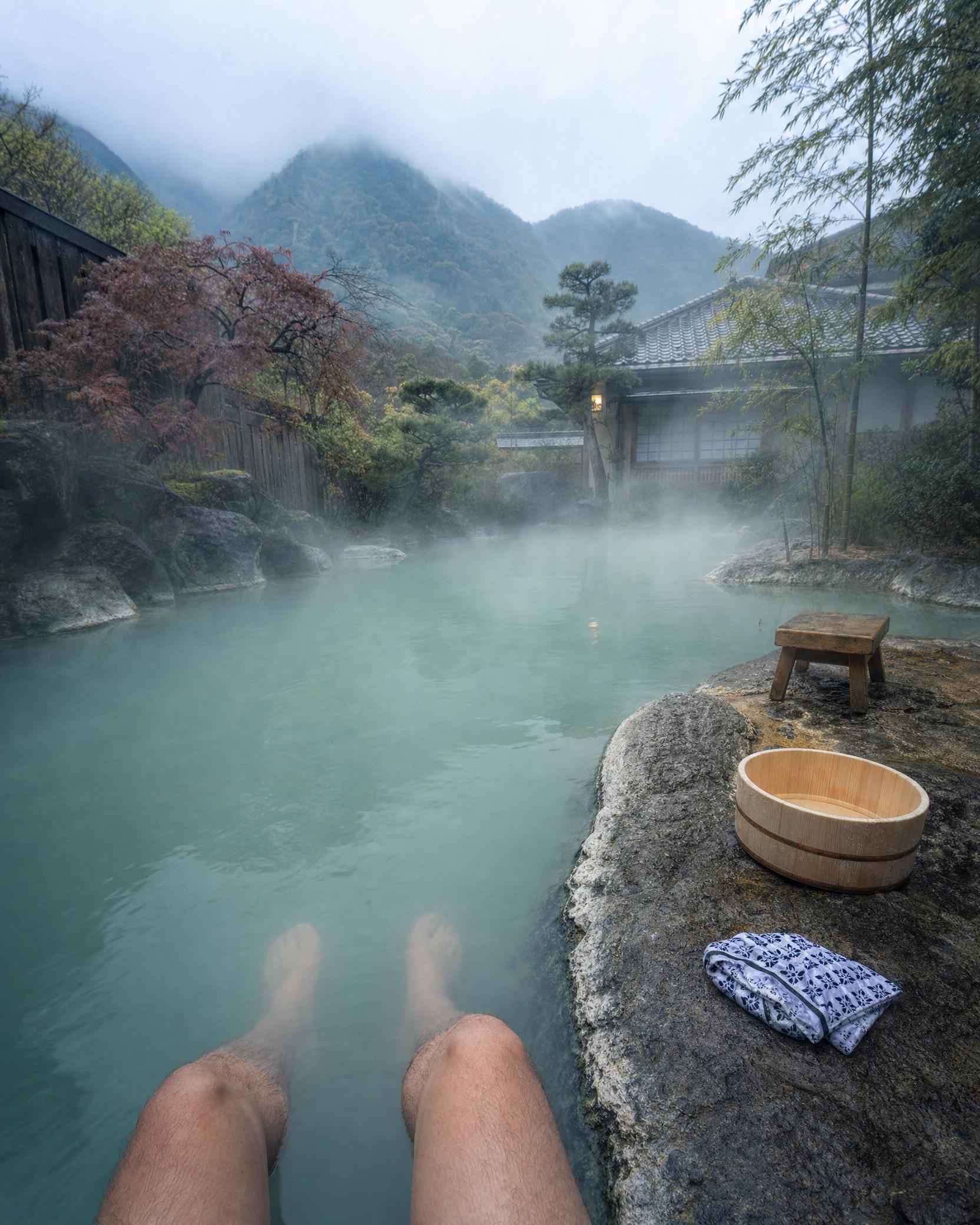
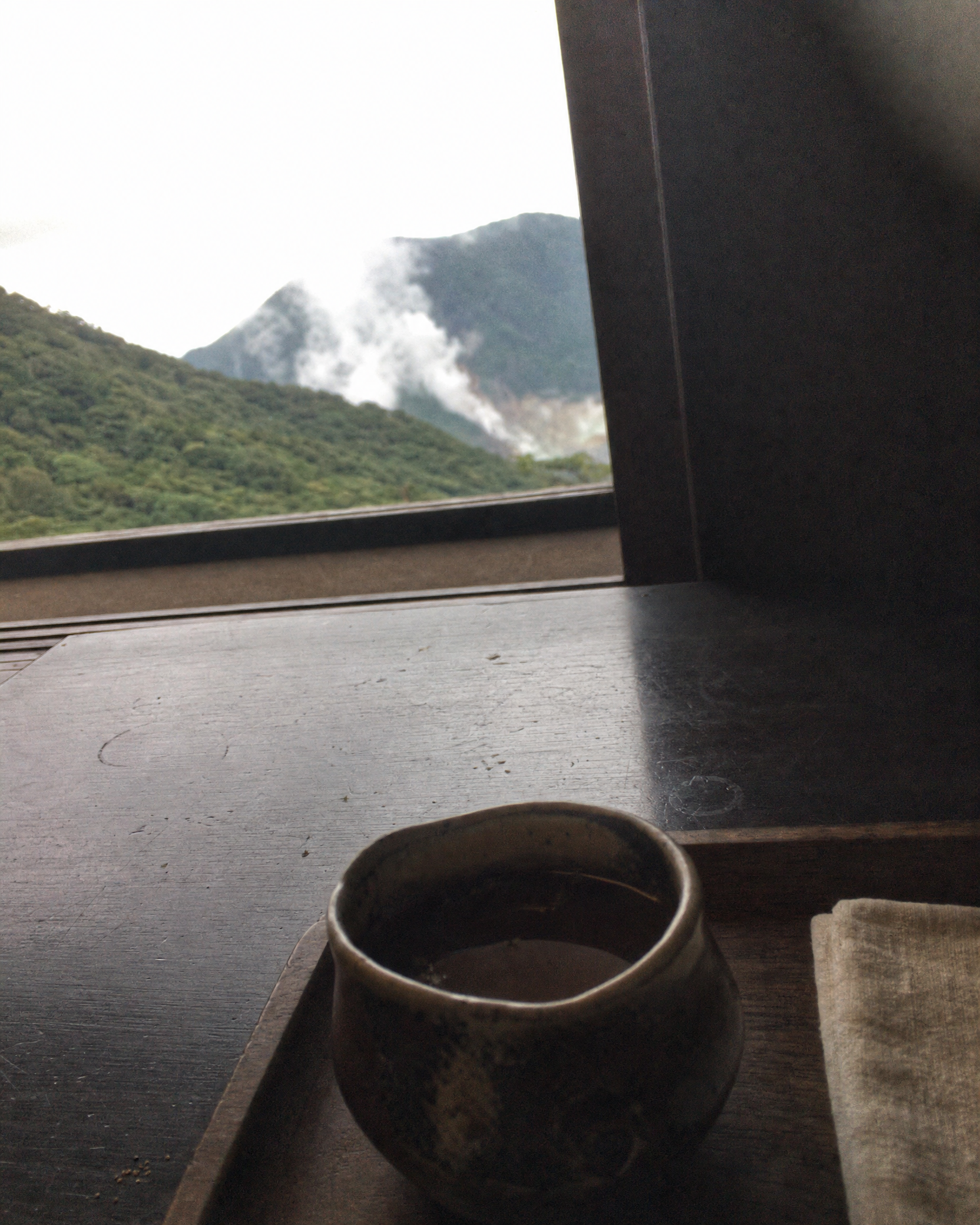
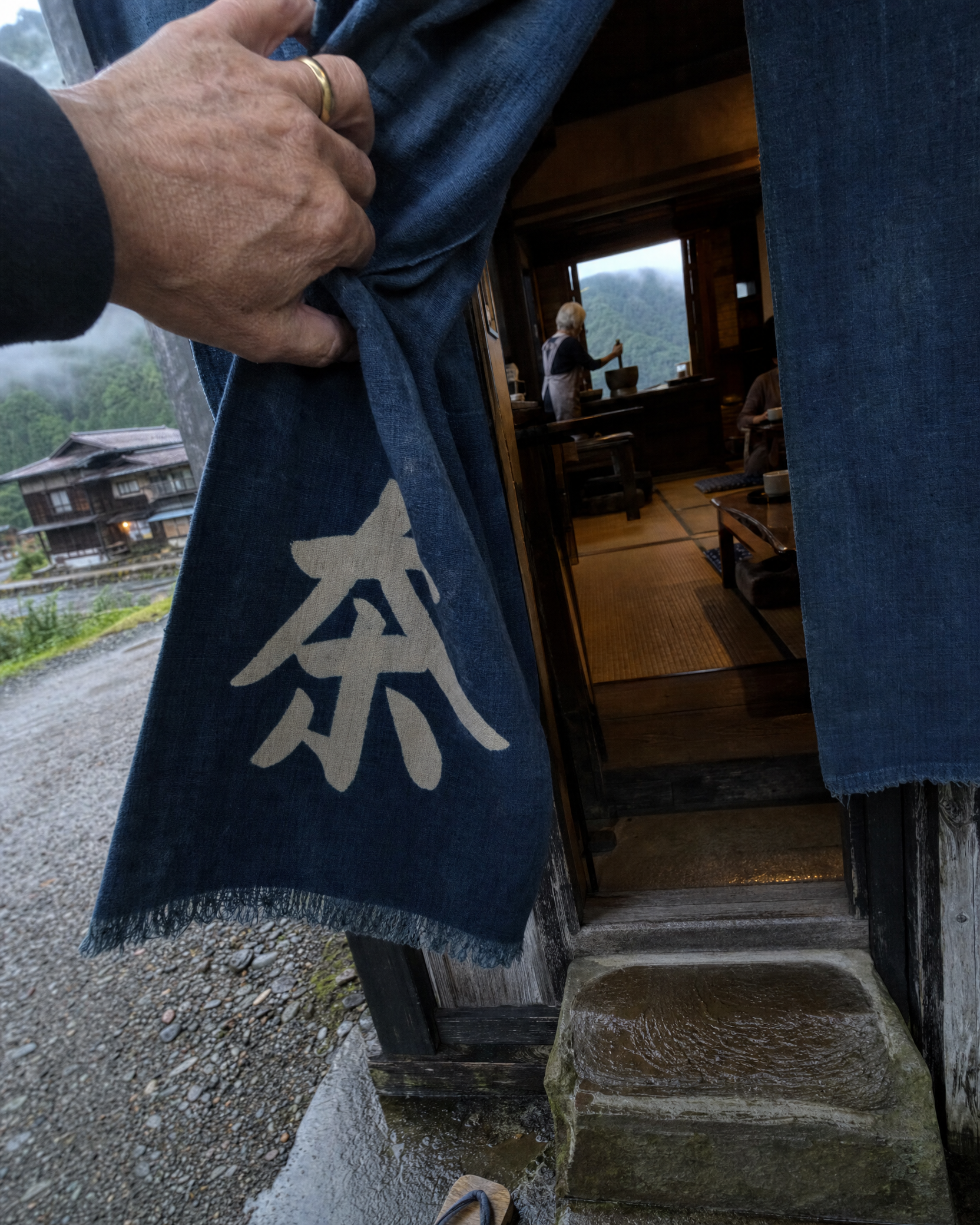
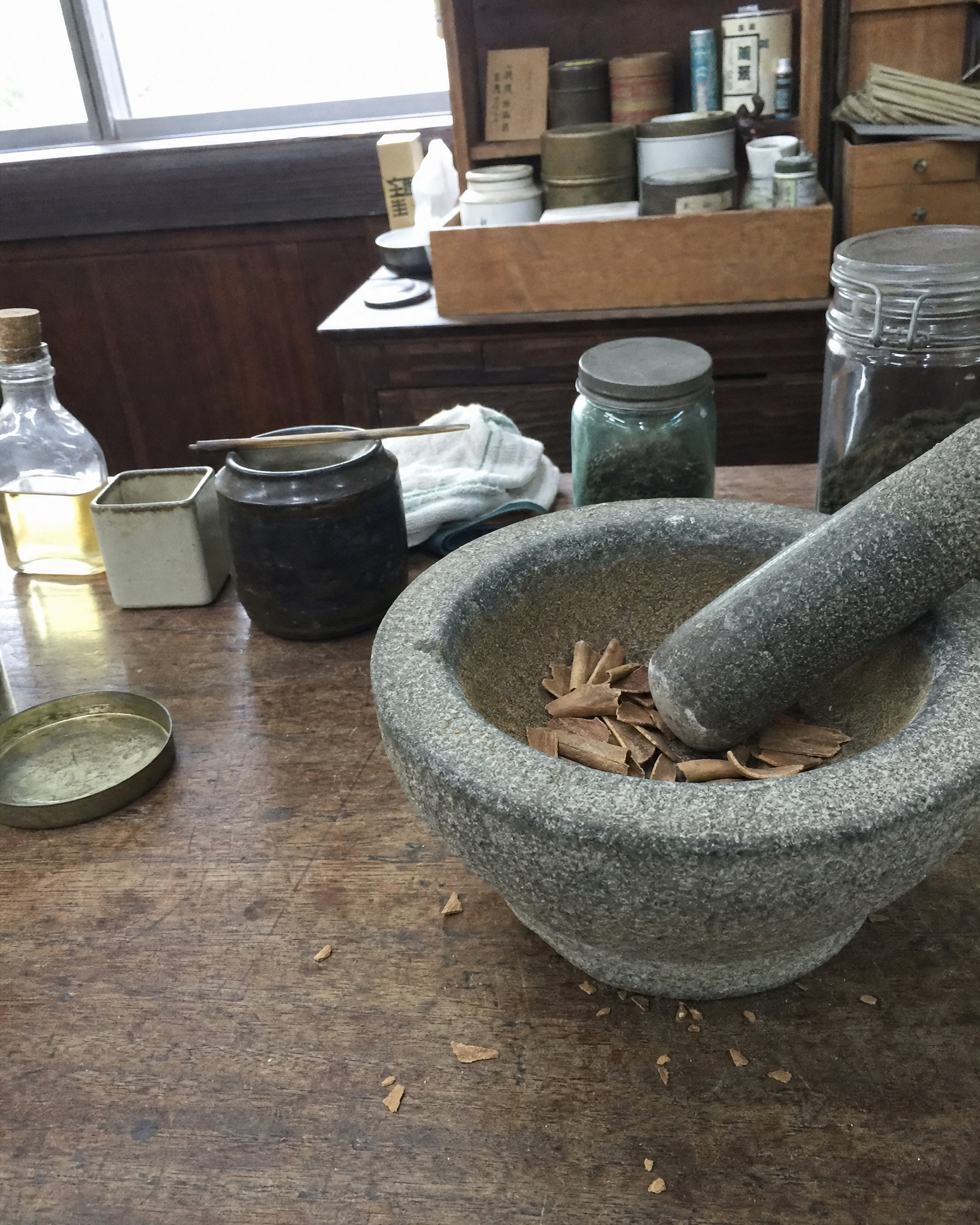
I’m diabetic. A woman at a bathhouse in Japan told me something about my disease in two minutes that my American doctor hasn’t mentioned in eight years. She wasn’t a doctor. She worked at the front desk. You can’t not think about it. That’s the thing nobody tells you about diabetes. It doesn’t take vacations. It boards the plane with you. Goes through customs with you. Sits at every restaurant table with you. Reads every menu with you. The disease travels. I’m 56. Type 2 since 48. Metformin twice a day for eight years. A1C sitting between 7.2 and 7.9 the entire time. The standard trajectory. The standard medication. The standard quarterly appointments where my doctor looks at the chart and says stable and schedules the next visit and I drive home and eat something measured and wait three months. Eight years of stable. Eight years of nothing getting better. Eight years of the number holding while I hold my breath and eat grilled chicken and pretend this is fine. We were six days into the trip. Hakone. A small town in the mountains south of Tokyo. Hot spring town. The whole town smells like sulfur and steam. My wife had booked us a night at a traditional ryokan with a private onsen. A Japanese bathhouse. Hot spring water piped into stone pools. The thing tourists do in Hakone because the thing tourists do in Hakone is soak in volcanic water and pretend they’re a thousand years old. We checked in. The ryokan was small. Eight rooms. Wooden hallways. Paper screens. The smell of tatami and cedar and sulfur drifting in from the baths. A woman at the front desk greeted us. She was maybe 60. Small. Calm in the way that Japanese hospitality workers are calm. The calm that makes American hospitality look like a performance. She walked us through the check-in. Showed us the room. Explained the meal times. Then she asked about the onsen. “Before using the bath,” she said, “I must ask about medical conditions. The water is very hot. It affects circulation and blood pressure. Do either of you have any conditions we should know about?” My wife said no. “I’m diabetic,” I said. “Type 2. On medication.” She nodded. Wrote something on a small card. Not alarmed. Not concerned. The nod of a woman who has heard this answer many times from many guests and has a protocol for it. “The hot water will lower your blood sugar temporarily,” she said. “Please eat before bathing. Not after. And please limit your time to fifteen minutes in the hottest pool.” Standard medical guidance for a bathhouse. I’d read the same thing online before the trip. Then she said something else. “Many guests with your condition visit Hakone,” she said. “The mineral water is good for circulation. But if you are interested, the tea room beside the ryokan can help more than the water.” She said it casually. The way she said the meal times. The way she said the checkout time. Just information. Part of the briefing. “The tea room?” I said. “Kobayashi-san has operated the tea room for forty years. She prepares a traditional drink. Many guests with blood sugar concerns visit her. Some every morning while they stay with us.” She bowed slightly. Moved on to explaining the yukata robes and the slippers and where to find the ice machine. The tea room comment was one sentence in a five-minute check-in. A footnote. A passing mention between the bath instructions and the breakfast schedule. I almost didn’t go. We bathed that evening. The onsen was beautiful. Stone pools cut into a hillside. Steam rising into cold mountain air. The water was mineral-rich and hot enough that getting in required a slow negotiation with your own nerve endings. My wife was in the far pool. I was in the near one. The mountains visible above the steam. The sky going dark. The silence of a place that has been quiet for centuries. I sat in the water and didn’t think about my blood sugar for twenty minutes. That might not sound like much. Twenty minutes without thinking about the number. But when you’ve been diabetic for eight years, twenty minutes without the mental arithmetic of glucose and carbs and medication timing feels like someone turned off a noise you forgot was playing. I got out when the fifteen minutes in the hot pool were up. Sat on the stone edge. My blood sugar was probably low from the heat. I should have tested. I didn’t. I sat on the edge of a stone pool in the mountains and watched the steam and for twenty minutes I was just a man at a bath instead of a diabetic man calculating his next meal. The next morning I woke early. My wife was still sleeping. The ryokan was quiet. I put on the yukata robe and the wooden sandals and walked outside. The tea room was next to the ryokan. Small. A traditional wooden building. Sliding doors. A cloth noren curtain hanging in the entrance. The curtain had a character on it I couldn’t read. The building looked like it had been there longer than most things in America have been standing. I almost didn’t go in. I almost walked past and went to the convenience store down the road for a coffee. But the front desk woman had mentioned it and I was awake and my wife was asleep and the tea room was right there and I had nothing else to do at 6:30 in the morning in a mountain town in Japan. I pushed the curtain aside and went in. The room was small. Maybe six tables. Low tables. Cushions on the floor. A wooden counter at the back. Behind the counter, a woman. Kobayashi-san. She was maybe 70. Maybe older. The kind of age that Japanese women carry differently from American women. Not fighting it. Wearing it. Her hair was white and pulled back. She was wearing a simple apron over a dark outfit. She was preparing something behind the counter when I came in. Grinding something in a mortar with a pestle. The sound of stone on stone. Two other people were in the tea room. Both Japanese. Both older. Both sitting at separate tables with small cups in front of them. Drinking slowly. The quiet morning ritual of people who come here regularly. I sat down at a table near the window. The window looked out at the mountains. Steam was rising from somewhere. The onsen or a natural vent in the hillside. The morning light was gray and soft. The mountains were partially hidden in cloud. Kobayashi-san came to my table. She brought a menu. A single sheet of paper. Handwritten. Japanese on one side. English on the other in careful handwriting. Someone had translated it by hand. The menu had four items. Different teas. Different preparations. Each one had a short description. One entry caught my eye. “Morning bark drink. Ceylon bark dissolved in oil. Traditional preparation for blood vitality. Served warm. Taken before first meal.” Blood vitality. The Japanese phrase translated into English on a handwritten menu in a tea room in the mountains. I didn’t know what blood vitality meant. But I knew what blood sugar meant. And a woman at the front desk had told me that guests with blood sugar concerns visited this tea room. And the menu said taken before first meal. And something about the specificity of the preparation, bark dissolved in oil, felt more like a protocol than a beverage. I pointed to it. “This one please.” Kobayashi-san nodded. Went behind the counter. I watched her prepare it. She worked slowly. Not rushed. The movements of a woman who has made this preparation thousands of times over decades. She took bark from a jar on the shelf behind the counter. Thin curled bark. Light brown. She placed it in the mortar she’d been using when I came in. Ground it. Not to powder. To fragments. The bark broke into small pieces under the pestle. She transferred the ground bark to a small ceramic pot. Added oil from a bottle. Not a branded bottle. A simple glass bottle with a cork. The oil was clear. She added hot water. Not boiling. Warm. She stirred the mixture with a wooden stick. Slowly. The bark fragments swirling in the oil and water mixture. The liquid turning dark amber. She poured it through a small strainer into a ceramic cup. The cup was rough. Handmade. The kind of cup that looks like it was made in a kiln behind the building. She set the cup on a small wooden tray with a cloth napkin and brought it to my table. The liquid was dark. Not black. Dark amber-brown. The surface had a slight oily sheen. The fat from the oil visible on the surface. The cup was warm in my hands. The smell was unfamiliar. Not cinnamon the way I know cinnamon from American kitchens. Deeper. Earthier. More complex. The smell of raw bark in oil. I drank it. Slowly. It tasted like the earth and the tree it came from. Not sweet. Not bitter. Warm and deep and slightly medicinal in the way that something functional tastes different from something decorative. The oil coated my mouth slightly. The bark flavor lingered. I set the cup down. Kobayashi-san was at the counter watching me the way a host watches a guest try something for the first time. “You are the guest with the blood sugar,” she said. It wasn’t a question. The front desk woman had told her. Or she knew because guests who order the bark drink at 6:30am before their first meal are always the guests with the blood sugar. “Yes,” I said. She came to my table. Sat down across from me on the cushion. Slowly. The way a 70-year-old woman sits on the floor when she’s been doing it her whole life and it’s as natural as sitting in a chair. “My grandmother served this drink,” she said. “Her grandmother served it before her. This tea room has been here for over a hundred years. The drink has been the same the entire time.” “The bark is from Ceylon,” she said. “Sri Lanka. It comes on a ship. The same route it has come for a very long time. The bark is specific. Not the common cinnamon. The true bark. My grandmother called it the blood bark. She said it keeps the blood thin and the energy steady and the mind clear.” “Many of your countrymen come here,” she said. “Americans. With the blood sugar problem. They take medication. Many medications. But their energy is low. Their feet hurt. They are tired. They avoid food. They are afraid of food.” She touched the cup on my tray. “This is not medication. This is what we give the body so the body can do its own work. The bark helps the cells wake up. The cells that stopped listening. My grandmother did not know the word for it. She just knew the men who drank it every morning stayed strong and the men who didn’t grew slow.” “The oil is important,” she said. “The bark must be in oil. Without oil it passes through. The body cannot use it. My grandmother always used oil. Sesame oil. Camellia oil. Whatever oil she had. The bark in water does nothing. The bark in oil does everything. She knew this. Her grandmother knew this. I don’t know how they knew. They just knew.” She looked at my cup. “You drink this every morning before food. Before the rice. Before the fish. Before anything. The bark enters the blood before the food. When the food comes, the cells are ready. They receive the sugar from the food because the bark woke them up. The sugar goes into the cells. The blood stays clean. The energy stays. The mind stays clear.” She stood up. Slowly. Went back behind the counter. “Tomorrow morning,” she said. “Come again. Same time. Before food. Every morning you are here.” I went back every morning. Four mornings. Same time. Same table. Same preparation. Same cup. Same dark amber liquid with the oily sheen. Before breakfast. Before the rice. Before the fish. Before anything. I tested on the second morning. After the bark drink and after the ryokan breakfast. The traditional Japanese breakfast. Rice. Grilled fish. Miso soup. Pickles. Egg. The full breakfast with rice and everything I’d normally avoid. After white rice. After a full Japanese breakfast. After eating the meal without modification. Without restriction. Without removing the rice bowl from the tray. 127. I tested the next morning. Same breakfast. Same rice. Same everything. 124. Fourth morning. 119. I sat in the tea room on the fourth morning holding my empty cup and looking at 119 on my meter and thinking about eight years of Metformin. Eight years of restricted meals. Eight years of stable that never moved in this direction. And four mornings of bark in oil in a tea room in the mountains and the number was doing what eight years of American protocol couldn’t make it do. Moving. Downward. Toward normal. On the last morning I asked Kobayashi-san about the bark. Where it comes from. What it’s called. How I could continue taking it at home. She told me the bark is true Ceylon cinnamon. From Sri Lanka. Not the cassia that fills American grocery shelves. A different species entirely. She said her grandmother always insisted on Ceylon. Never cassia. Cassia was cheaper. Easier to get. But her grandmother said cassia doesn’t work the same. Cassia strains the body if taken daily. Ceylon is gentle. Ceylon is the one you take every day for a lifetime. She told me the dose matters. A small amount does nothing. Her grandmother used a generous amount. Enough to make the drink dark. Enough to taste the bark. Not a sprinkle. A real dose. She told me the oil is everything. Without oil the compound passes through the body. The oil carries it into the blood. Her grandmother knew this without knowing the word fat-soluble. She just knew oil worked and water didn’t. I asked her how I could continue this at home. I can’t grind bark into oil every morning in my kitchen in Ohio. She reached under the counter. Pulled out a small card. Handwritten. English on one side. She handed it to me. “Some of your countrymen ask the same question. I give them this. A company in America makes the same preparation. In a softgel. The bark in oil. The same principle. Same bark. Same oil. Different form.” The card said Resia. True Ceylon cinnamon. Sri Lanka. 7,200mg. MCT oil. She’d been giving this card to American guests for years. The Americans who came to her tea room with blood sugar problems and drank the bark preparation and tested their glucose after breakfast and saw the numbers they’d never seen at home and asked her how to continue. The information traveling from a tea room in the mountains of Japan to kitchens in Ohio and Texas and California and Florida. Handwritten on a card. Given to guests who asked. The same route the bark itself traveled from Sri Lanka to Japan for centuries. The information following the trade route. I ordered Resia the night we got home. From the kitchen table at midnight. Jet-lagged. My wife asleep upstairs. The card from Kobayashi-san on the table next to my phone. The Metformin bottle on the counter behind me. The glucose meter beside it. The order confirmation on my phone screen. The handwritten card beside it. The old protocol on the counter. The ancient protocol on the card. Both in my kitchen at midnight. I started the next morning. One softgel with coffee. Before breakfast. Before food. The same timing Kobayashi-san told me. The same timing her grandmother used. Before anything else. First two weeks. Fasting glucose dropped. 156. 147. 139. 131. Numbers I hadn’t seen in years. Moving in a direction they didn’t move in eight years of Metformin alone. The meter on the kitchen counter every morning showing a number that started with 13 instead of 15 or 16. The number getting smaller. The direction that eight years of stable never went. Week three. I made rice for dinner. White rice. A normal portion. My wife looked at me. She’d watched me avoid rice for eight years. She didn’t say anything. She waited. She knew I was going to test. After white rice. At my own kitchen table. The same number I got in the tea room in Hakone after the Japanese breakfast. 126. The rice that eight years of American protocol told me was the enemy. 126. Week four. My doctor looked at two weeks of logs. The numbers lower and more stable than anything in my chart in eight years. “What changed?” I told him. Japan. The bathhouse. The tea room. Kobayashi-san. The bark in oil. The grandmother’s recipe. Four hundred years of preparation. Ceylon versus cassia. The oil delivery. The card she handed me. Resia. He listened. Quiet. “I haven’t been trained on this. But your numbers have improved more in four weeks than in eight years. Let’s reduce the Metformin and recheck.” Three months in. A1C 6.2. Down from 7.7. Metformin reduced twice. My doctor is talking about reducing again. I eat what my wife eats. Rice when she makes rice. Pasta when she makes pasta. Bread when there’s bread on the table. The food that eight years of American protocol told me was dangerous. The food that a 70-year-old woman in a tea room in the mountains of Japan told me was never the problem. The cells were the problem. Wake the cells up and the food becomes food again. The 2pm crash is gone. The fatigue that I was calling age. Gone. The tingling in my feet that started two years ago. Quieted. Almost gone. The 3am wake-ups. Stopped. The fog that descended every afternoon. Lifted. The symptoms that my doctor was managing separately with separate explanations and separate appointments were all the same thing. Sugar in the blood that the cells wouldn’t take. The cells are taking it now. Everything downstream changed. Two things I wish someone had told me eight years ago. The cinnamon in most kitchen cabinets and most supplements is cassia. Different species entirely. Cassia contains roughly five percent coumarin, which is why European regulators cap daily intake. It strains your liver. Never meant for daily use at real doses. True Ceylon from Sri Lanka carries a trace of coumarin. Same word on the label. Different plant. The only one you can take daily long term. And dose matters. Most supplements sit at 500mg. Well below what the published research used. You could take those for a year, see nothing, and decide cinnamon doesn’t work. Wrong conclusion for a reason nobody explained. Resia. True Ceylon cinnamon from Sri Lanka. DNA-verified. 7,200mg equivalent. Suspended in MCT oil so it actually absorbs. Third-party tested for purity, which matters more than it should given the FDA has flagged lead contamination in eighteen cinnamon brands since 2024. One softgel a day. Link is below. Ninety-day guarantee. Your numbers move or you don’t pay. The card from Kobayashi-san is on my refrigerator. Held up by a magnet from the ryokan. Her handwriting. Resia. The card she’s been handing to American guests for years. The Americans who come to her tea room before breakfast and drink the bark in oil and test after and see numbers their doctors back home have never produced in years of medication. The tea room is still there. In the mountains. Next to the ryokan. The noren curtain hanging in the entrance. The mortar and pestle on the counter. The bark in the jar. The oil in the glass bottle with the cork. The same preparation her grandmother made. The same timing. Before food. Before rice. Before anything. Four hundred years of a family recipe in a tea room in Japan. The same compound. The same bark. The same oil delivery. The same timing. One softgel. Every morning. With coffee. Before food. The modern version of a drink that a woman in the mountains has been making since before America existed. My doctor managed my diabetes for eight years and called it stable. A woman in an apron in a tea room in Hakone managed it in four mornings and called it the blood bark. The blood bark worked. Eight years of stable didn’t. The best medical advice I got in eight years came from a woman grinding bark with a stone pestle at 6:30 in the morning in a building that’s been standing longer than my country. She didn’t have a medical degree. She had a grandmother. And a mortar. And four hundred years of knowing exactly what the bark does when you dissolve it in oil and drink it before food. That was enough. It was always enough. The information was just in the wrong room. In the wrong country. Behind a curtain I almost didn’t push aside. I pushed it aside. Now I eat rice.
Where the ad sends people
tryresia.com
Ceylon Cinnamon 7200mg Equivalent with MCT Oil
resia
Learn more: tryresia.com(opens in a new tab)