
Active· since Jul 3, 2026
- 74
- days running
- 0
- relaunches
Ad copy
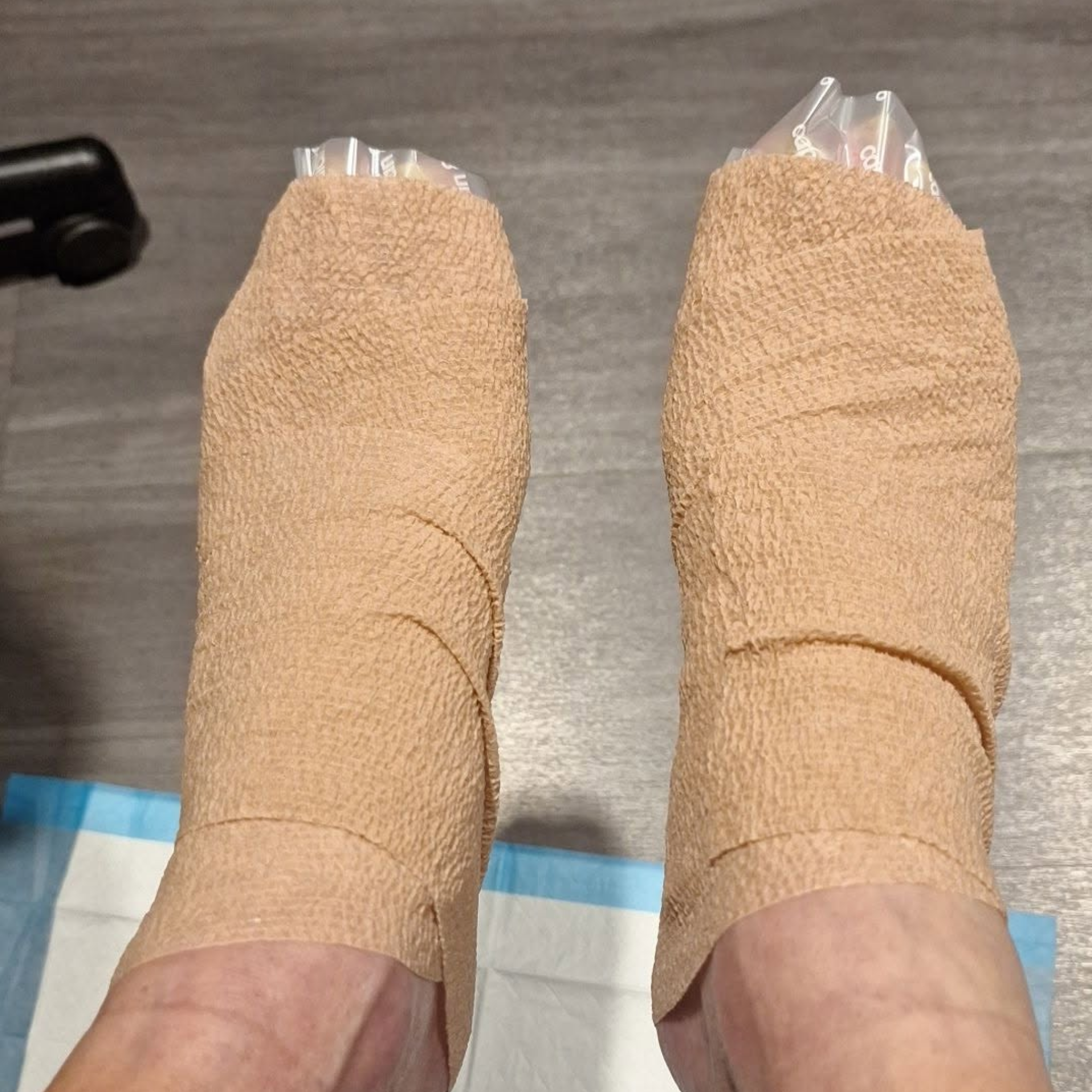
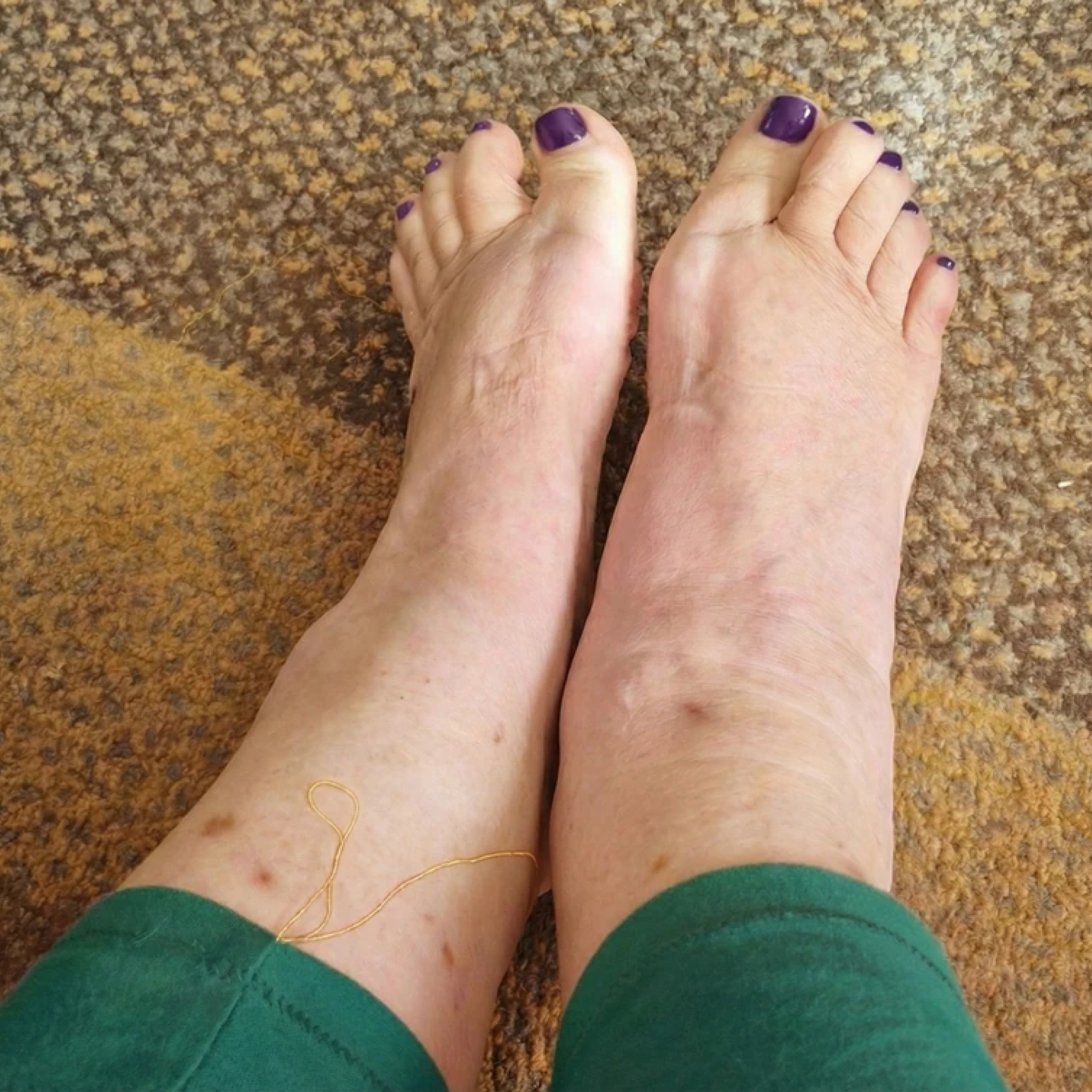
Japan has some of the highest rates of Type 2 diabetes in the developed world. Nearly 1 in 6 Japanese adults over 50 has it. The numbers are comparable to the United States. In some age groups they're higher. But Japanese diabetics lose their feet at a fraction of the rate Americans do. The amputation rate from diabetic complications in Japan is roughly one fifth of what it is here. Researchers have been arguing about why for thirty years. They blamed the genetics, then the fish, then the walking culture, then "they just present differently." I never thought much about it until I went to Osaka. My college friend David moved there eighteen years ago. Married a Japanese woman named Keiko, built a business, stayed. We'd kept in touch but I hadn't seen him in person since 2019. Last spring I flew out for ten days. We're both 61. When he met me outside arrivals I did a double take. Not because he looked dramatically different. He just looked like a version of himself that the years had been unusually kind to. Lean face. Good color. Moved without thinking about moving, the way you do when your body isn't costing you anything. I caught my reflection in the glass doors behind him and the contrast hit me before I could stop it. I looked a decade older than him, easy. Heavier through the middle. Moving carefully the way I'd been moving for two years since the burning in my feet started. We grew up eating the same cafeteria food. Drank the same cheap beer for four years straight. We looked like different generations. That first night David and Keiko took me to a small place near their apartment. What they ordered would have looked strange back home. Grilled mackerel. Miso soup with clams. Natto, which is fermented soybeans with a smell I wasn't prepared for. Pickled vegetables. Cold tofu with bonito flakes. A small glass of sake. No bread. No appetizers. No dessert. I sat there with my jet lag and my carefully chosen diabetic-friendly meal from the airport watching them eat like this was a normal Wednesday. Because for them it was. I looked around the restaurant. Old men at the corner table. A couple in their seventies sharing mackerel and miso. An elderly woman eating alone, straight-backed, moving without the careful deliberateness I'd been using for two years. Nobody in there looked like me. I'd spent the last two years doing everything right. Got my A1C down from 10.4 to 6.8. Changed every meal. Lost nineteen pounds. Walked forty minutes every morning. Took the metformin twice a day without missing once. And the burning in my feet had started at month three and gotten worse every month since. My neurologist called it diabetic peripheral neuropathy. Said it was consistent with years of elevated glucose. Gave me gabapentin. Said we'd monitor it. These Japanese men in their seventies were eating fermented soybeans and grilled fish and their feet were clearly doing something mine weren't. Something wasn't adding up. The next morning I brought it up with David over green tea and rice. "How is everyone here so healthy?" I asked. "Seriously. The diabetic complication rates here are a fraction of what they are back home. The amputation numbers. The neuropathy. It doesn't match." He nodded like he'd thought about this before. "I asked the same thing when I first moved here," he said. "Took me a few years to understand it." "And?" "It's not what you think. Back home we focus on the blood sugar number. Get the A1C down and you've done your job. Here the thinking is different. Managing the sugar is the beginning. What you do for the nerves is a separate conversation." "What do you mean separate." He was quiet for a second. "Think about it like this. Your blood sugar damaged your nerves over years, right. Like a wire that's been running too hot for too long. The insulation starts to fray. So you fix the power source, you get the voltage under control. But the insulation is still frayed. Fixing the power doesn't un-fray the wire." "Okay." "The Japanese approach has always included something for the wire. Not just the power source. The traditional diet here is extraordinarily high in B12. Mackerel. Clams. Natto. Seaweed. Salmon. These people get more B12 from Tuesday dinner than most Americans get from a month of supplements. And B12 is what the body uses to maintain and repair the myelin sheath. The insulation around the nerve." I set down my tea. "So the reason their diabetics don't lose their feet at the rate ours do." "Is partly because their nerves have been getting what they need to repair themselves their entire lives. Not from a pill. From dinner. Every night. For decades." He refilled my cup. "The American diabetic gets the A1C number down and calls it done. The Japanese diabetic has been eating for nerve health since childhood without thinking about it. Two different problems. Only one of them getting addressed back home." I sat with that for a long time. I couldn't stop thinking about that conversation on the flight home. I'd done everything they told me. Changed my diet. Lost nineteen pounds. Got the A1C down from 10.4 to 6.8. My doctor was shaking my hand every three months. My neurologist was monitoring things. Nobody had said one word about the wire. Nobody had mentioned that the years of high blood sugar had been fraying the myelin sheath around my nerve fibers. Nobody had mentioned that myelin requires B12 to repair itself. Nobody had mentioned that there was a second problem underneath the first one that my metformin and my gabapentin and my forty minute morning walks were not touching. When I got home I went deep on the research. Here is what I found. Myelin is not permanent. The body rebuilds it continuously, or it is supposed to, using B12 as the primary raw material. This is established neuroscience. It has been in every neurology textbook for decades. B12 is essential for myelin synthesis. The reason B12 deficiency causes peripheral neuropathy is that without it the body cannot maintain the sheath around the nerve fiber. The signals go wrong. Burning. Buzzing. Electric jolts at 2am. The feeling of walking on hot gravel or wads of paper towel. That is frayed myelin. Here is the part that stopped me cold. Metformin depletes B12. It is in the prescribing information. Has been documented since the 1960s. Studies show that between 10 and 30 percent of long-term metformin users develop significant B12 deficiency. One study found deficiency in 22 percent of patients, rising to 29 percent in patients who had been on metformin for three or more years. The American Diabetes Association guidelines recommend monitoring B12 in long-term metformin patients. I had been on metformin for two years. Nobody had checked my B12 once. The medication fixing my blood sugar was depleting the one nutrient my nerve tissue needed to repair itself. Both things happening simultaneously. Only one of them anyone had mentioned. I got my B12 tested the next morning. 196 pg/mL. Normal starts at 300. I had been severely deficient for who knows how long. While my doctor was shaking my hand about my A1C, my nerves had been starved of the material they needed to rebuild myelin. I went to the pharmacy and bought B12 that afternoon. Took it every morning for eight weeks. Exact same number. I called David. He wasn't surprised. He said oral B12 has a delivery problem that most people don't know about. Your stomach acid degrades it before it reaches your bloodstream. Studies show less than 2 percent of an oral B12 dose makes it through intact in patients over 50. You can take it every day for months and your nerve tissue can still be completely starved because almost none of what you swallow is arriving. He said the Japanese aren't getting their B12 from supplements. They're getting it from food in a form the body absorbs directly. Clams. Mackerel. Natto. The B12 in whole food arrives differently than the B12 in a capsule that has to survive your stomach acid first. He said if I wasn't going to eat mackerel three times a week, I needed to find a delivery method that bypassed the stomach entirely. Sublingual, he said. Under the tongue, directly into the bloodstream. No stomach acid involved. Full concentration reaching the tissue that actually needs it. And the form matters too. Methylcobalamin is the active form nerve cells use directly. Most supplements use cyanocobalamin, a cheaper converted form that your body processes less efficiently as you age. Wrong form plus wrong delivery means almost nothing reaches the nerve even if you take it every day. He told me to look up Nuvel. Said he'd had it shipped to him in Osaka after he'd researched it for his own father, who'd had tingling in his hands for two years. Sublingual methylcobalamin B-complex. Active forms of the full B-complex the nerves need, delivered under the tongue at a concentration that actually reaches nerve tissue. I ordered it that night. I want to be honest about the timeline because I nearly quit at week two and I'm glad I didn't. Week one nothing changed. The burning was the same. I kept taking it. Week two I slept through the night twice without waking up at 2am. I lay there the first time waiting for the burning to start. It didn't start. I stayed still in the dark with the blanket on my feet and nothing happening and I didn't know what to make of it. Week three the morning fog started lifting. I was present at breakfast instead of vacant. My wife said something over coffee. She said I seemed less somewhere else. I asked her what she meant. She said I don't know. You just seem more here. Week four I noticed I was making it to the end of the afternoon without the burning taking over my attention. Not gone. Quieter. Enough that I could finish a thought without the burning interrupting it. Week six I cut the gabapentin in half. Talked to my doctor first. He was skeptical. Said let's monitor it carefully. He didn't think it would hold. My A1C at my next appointment was 6.6. Doctor shook my hand. Said excellent work. This time I told him about the B12. About the 196. About the two years on metformin with no B12 check. About the sublingual delivery and the methylcobalamin and what David had told me over green tea in Osaka. He was quiet for a moment. Then he wrote it in my chart. He said B12 monitoring in long-term metformin patients was something that should be routine and too often wasn't. He said he was going to start checking it at every quarterly appointment. That was the most useful thing a doctor had said to me in two years. Week nine I walked the full morning route. Forty minutes. Same route I'd been doing since the diagnosis, except for the months when the burning made me shorten it or skip it entirely. I didn't think about my feet once. I came home and my wife was in the kitchen and I said I did the full route. She turned around. She looked at me for a second. She said, "How did it feel?" I said, "Like it used to." She didn't say anything. She just came over and put her hand on my arm for a moment. That was enough. I'm not telling you the Japanese never get neuropathy. They do. I'm telling you there's a reason their diabetics lose their feet at one fifth the rate ours do and it isn't genetics or willpower or some mystery the researchers can't crack. They've been feeding their nerves what nerves need since childhood. Every dinner. Every Tuesday. Mackerel and clams and natto and seaweed. B12 in a form the body absorbs directly, at quantities most Americans never come close to through any supplement routine. The American diabetic gets the A1C number down and calls it done. The wire is still frayed. The myelin is still breaking down. The gabapentin makes the signal quieter while the damage underneath it continues. Two problems. Only one getting addressed. The second problem needs B12. Active form. Delivered in a way that actually reaches nerve tissue. Not destroyed by stomach acid before it gets there. That's what Nuvel is. Sublingual methylcobalamin B-complex. The form and delivery method that actually arrives. What your nerves have been waiting for while you've been focused on the number. 30 days to see if you feel different. 90-day money-back guarantee. Full refund if you don't. I spent two years doing everything right and watching my feet get worse. David told me about the wire over green tea in Osaka. I wish someone had told me two years earlier. 👉 trynuvel.com/pages/nerve-repair P.S. David's father-in-law is 77. Has had Type 2 diabetes for fourteen years. Takes metformin. His feet work fine. He eats mackerel three times a week and has his whole life. He has never taken a B12 supplement because he has never needed one. I think about that every time I take mine. P.P.S. Get your B12 tested before your next appointment. If you've been on metformin for a year or more and nobody has checked it, there is a real chance your level is low and your nerve tissue has been paying for it. Anything under 400 should be taken seriously regardless of what the reference range says. P.P.P.S. If you've already tried oral B12 and felt nothing, you now know why. Less than 2 percent survives stomach acid in patients over 50. The supplement wasn't failing. It was just never arriving. Sublingual methylcobalamin is what actually gets there. P.P.P.P.S. Nuvel sells out. The diabetes and neuropathy communities talk fast. If they're out of stock when you click, get on the restock list. The myelin your nerves are trying to rebuild right now doesn't wait. 👉 trynuvel.com/pages/nerve-repair
"Japanese diabetics lose their feet at one fifth the rate Americans do. I didn't understand why until I visited my college friend in Osaka."
"I flew to Osaka to visit an old friend. He's 61, diabetic, and his feet work fine. Mine don't. I had to know why."
LEARN MORELike this ad? Make it yours.
Crush rebuilds this exact creative around your product — your brand, your colors, your offer — in about a minute.