
Inactive· since Jun 1, 2026
- 80
- days it ran
- 2
- relaunches
- 32,790
- EU reach
Ad copy
My mother lost my father eighteen months ago. Last spring I started paying closer attention to her. What I saw made me spend three months reading. What I read made me drive six hours to see her on a Tuesday. My mother is 66. Her name is Eleanor. She lives alone in the house I grew up in, in a small town in upstate New York, about six hours from where I live now. My father died eighteen months ago. He was 71. It was sudden, in the way these things sometimes are. He went to bed on a Tuesday night and didn't wake up Wednesday morning. My mother found him. She called me at 6:47 AM. I drove the six hours that day with my husband and my eight-year-old daughter in the back seat, and I have been driving versions of that six hours, in my head, every week since. My mother is doing well, by every objective measure. She is healthy. Her bloodwork is excellent. She walks the same two-mile loop around her neighborhood every morning that she has been walking for thirty years. She gardens. She reads. She volunteers at the library on Wednesday afternoons. She has lunch with her two oldest friends on the first Thursday of every month and she has not missed one in fifteen years. She is a competent, sturdy, capable woman who built a life and then lost her partner of forty-four years and is now figuring out how to live the rest of it. I am 38 years old. I am her only child. And I have been watching her, from a distance, the way an only daughter watches her widowed mother, which is to say: with my whole attention, even when I'm pretending not to. This is the story of what I saw, and what I did about it. I want to tell you about the visit last spring that started everything. I drove up in April for a long weekend. My husband stayed home with our daughter, and I drove up alone, which I had not done since before my own daughter was born. The drive was quiet. I listened to a podcast about something I cannot remember now. I pulled into my mother's driveway around 4 PM on a Friday. She came out of the house to greet me. I want you to understand what I saw, because this is the moment everything started. My mother was 66. She had been 66 for two months. The last time I had seen her was at Christmas, four months earlier, when she had driven down to spend a week with us. In four months, something had quietly shifted. She came out of the house in her gardening sweater and her sneakers, and she hugged me, and she felt different in the hug. Not lighter. Not heavier. Just different. There was less of her in the hug than there had been at Christmas. Her hair was the same. Her face was the same. Her voice was the same. But the woman in the driveway was running a slightly quieter version of herself than the woman who had been in our kitchen at Christmas. I want to be really careful about how I describe this, because I do not want to make my mother into a tragic figure. She is not tragic. She is a 66-year-old widow who is doing well. What I noticed was small. She was a little slower getting up from the couch when she sat with me that night to watch the news. Not infirm. Not struggling. Just a beat of consideration before she stood, where there had not been a beat at Christmas. She went to bed at 9:30 on Friday. I had been planning to stay up later with her. She apologized. She said she'd been tired all week. We hugged. She went up the stairs. Saturday morning she was up at 7. We had coffee on the back porch. She told me she'd been sleeping eight hours and waking up still tired, and that this was new in the last six months, and that her doctor had told her at her last physical that her bloodwork was excellent and she was healthy and some of this was just where the body was at her age. She said: "I just feel like I'm running about 75 percent of what I used to run at. Not 50. Not 30. Just 75. And it's been like that for a while now, and I have been telling myself it's grief, but it's been long enough that I don't think it's just grief anymore. I think it's also age. I think it's also the body." I sat on the back porch with my coffee and I looked at my mother and I noticed her hands. Her hands have always been beautiful. Long-fingered. Strong. The hands of a woman who has gardened for forty years and played piano for fifty-five and held her granddaughter through three years of bedtimes. The skin on the back of her hands had changed. I had not noticed it at Christmas, but I noticed it on the porch on Saturday morning. The skin was a little thinner. The little dents from where she had set the coffee cup down stayed in the skin for a second longer than they should have. Her hands looked like the hands of a woman in her late 60s. Of course they did. She was 66. But I had been carrying around a version of my mother's hands in my head from when I was a child, and the hands on the back porch were a different set of hands, and I had not let myself see them before that morning. I drove home on Sunday afternoon. I cried for about an hour on Route 87. I did not cry because anything was wrong with my mother. Nothing was wrong with my mother. My mother was a healthy 66-year-old widow doing exactly what 66-year-old widows do, which is grieve and live and adjust and continue. I cried because I had spent the weekend watching my mother run at 75 percent and I had not known what to do with the information. I am 38 years old. My mother is 66. If she is running at 75 percent at 66, what will she be running at when she's 70? When she's 75? When she's 80? I have a daughter who is 8. My mother is the only grandmother she has, on either side, because my husband's mother died before our daughter was born and my mother is the entire grandmother infrastructure of my daughter's life. I want my daughter to know my mother for as long as my daughter possibly can. I want my mother to be running at 90 percent, not 75. I want her to have the energy to come visit us for a long weekend without needing two days afterward to recover. I want her to come to my daughter's school play in May without telling me, ahead of time, that she's not sure she can stay for the whole thing. I want her to take my daughter to the children's museum when we visit, the way she used to take my daughter to the children's museum two years ago. I want her to be 66 and steady, not 66 and 75 percent. I cried on Route 87 because I did not know what to do with any of this, and because I had been told my whole life that this was the part where you watched your parents quietly recede, and I did not want to watch my mother quietly recede. I called my husband from a rest stop in Kingston. He listened to me cry for fifteen minutes. He said: "Sarah. What do you want to do." I said: "I don't know. I want to read. I want to understand what's actually happening. I don't want to be the daughter who watched her mother fade and called it normal." He said: "Then read." I read for three months. I am not a doctor. I am not a scientist. I am a woman who works in marketing for a small publishing company and who has a degree in English literature from a college that no longer exists in the form it existed in when I went there. But I am a reader. I have always been a reader. And when I do not understand something, my response is to read about it until I do. I read about post-menopausal women's health. I read about the long arc of what happens after estrogen decline, which is a thing my mother had walked through fifteen years ago and which is a thing that doesn't have a single ending — it has a slow long after, and the after is the part nobody really talks about. I read about sleep architecture in women past 60. I read about how recovery slows. I read about how the body's natural rhythms shift in ways that are not problems to be solved but are changes to be supported. I read about the cellular layer of getting older. I read about how the body produces free radicals as a byproduct of being a body, and how the body has its own internal balance system that keeps those free radicals in check, and how that balance system can use support as we get older. I read about the research on cellular wellness and what supports it. I read about specific foods. I read about exercise. I read about sleep practices. I read about hydration. I read about everything my mother was already doing right, which was most of it. I also read about a small molecule that has been studied for over twenty years for cellular wellness. The smallest molecule in existence. Two hydrogen atoms bonded together. Molecular hydrogen. H2. The research on it surprised me, the way it surprises everyone who comes across it. There's a substantial body of research. It's not fringe. It's not new. It's just not something most people are aware of yet because it doesn't get the marketing budget that newer wellness ingredients get. The research kept using the same careful language. Molecular hydrogen supports the body's natural antioxidant balance. It supports cellular wellness. It supports healthy cellular energy. It is not a treatment for anything. It is not a medicine. It is a supplement. It is something that supports the layer the body is already trying to maintain. I read for three months because I am not a woman who buys a supplement after a single article. I am the woman who reads everything, takes notes, prints out the papers, talks to my husband about it at dinner, asks my friend who is a nurse practitioner whether she's ever heard of it, sits with it for weeks before doing anything. My friend who is a nurse practitioner had heard of it. She said: "Sarah. I don't recommend it as a first-line anything because it's not first-line anything. But if your mother's bloodwork is excellent and she just wants to support the cellular layer of being a healthy 66-year-old, it's a reasonable thing to consider. Tell her to talk to her doctor before she adds anything. Tell her to start small. Tell her not to expect a miracle. It supports a layer. It doesn't cure a thing." That was the conversation that made me ready to talk to my mother. I called my mother on a Tuesday in July. I said: "Mama. I want to drive up on Saturday and stay for a couple of days. I want to talk to you about something I've been reading. It's not anything urgent. It's just something I want to talk to you about in person, not on the phone." She said: "Is everything okay." I said: "Everything is okay." She said: "Are you pregnant." I said: "No, Mama. I'm not pregnant." She laughed. She has wanted another grandchild for three years and I have been telling her one is enough. She lets herself ask about once a quarter. She said: "Then come up. I'll make pot roast." I drove up on Saturday morning. She made pot roast. We ate at the dining room table, where she has been eating pot roast with one fewer person at the table for eighteen months. After dinner I cleared the plates. She made coffee. We sat in the living room with our coffee. I told her what I'd been reading. I told her about the visit in April. About the moment in the driveway. About the hands on the back porch. About the conversation on Route 87 with my husband. About the three months of reading. About the conversation with my friend the nurse practitioner. I told her about molecular hydrogen. I told her what it was. The smallest molecule in existence. The structure-function research. The supplement category. The fact that it isn't a treatment for anything. The fact that it supports the body's natural antioxidant balance. The fact that I had read about it for three months and that my nurse-practitioner friend had said it was a reasonable thing to consider for a healthy 66-year-old whose bloodwork was excellent. I told her about the specific product I had landed on. PrimeCell H2. A rapid-dissolve tablet you drop into a glass of cool water and drink fresh, right away. The reason for the protocol — that hydrogen is so small it escapes the moment it's exposed to heat or left sitting, so the brand had chosen to deliver it as a tablet you dissolve fresh and drink immediately. Third-party tested for purity. Once a day. Added to whatever else she was already doing. Not replacing any of it. I told her I wasn't asking her to make a decision. I was asking her to call her doctor's office, give them the brand name, and ask whether it was a sensible thing to add to what she was already doing. If her doctor said yes, I had brought a bottle for her to try. If her doctor said no, I would take the bottle home with me. She listened the whole way through. She didn't say anything for a long time. Then she said: "Sarah. You drove six hours and made me pot roast nervous because you've been reading about a hydrogen supplement for three months." I said: "Yes, Mama." She said: "Why." I said: "Because I noticed something in April and I have not been able to stop thinking about it, and I wanted to bring you something that was based on three months of reading instead of three minutes of guessing." She looked at me. She said: "You noticed." I said: "I noticed." She started crying. I started crying. We sat in the living room and we both cried for a few minutes, my mother on her couch and me in the armchair I have been sitting in since I was a child. When she could talk again she said: "Sarah. Nobody else has noticed. Not the way you noticed. Not even me, really. I knew I was running quieter but I had been telling myself it was grief. To hear you tell me you saw it and that you drove up to do something about it. I don't know what to do with that." I said: "You don't have to do anything with it. I just wanted you to know that I see you, and that I would like for you to make a phone call to your doctor's office and have a conversation about something I've been reading about, and we can take it from there." She said: "I'll call on Monday." She did. The nurse called her back on Tuesday afternoon and said the doctor said it was a sensible thing to add. No interactions to worry about with anything she was on, which was a vitamin D supplement and a calcium supplement and that was it. Mention it at the next physical. I drove home on Wednesday morning. I left the bottle on her kitchen counter next to her coffee maker. I want to be careful about what I tell you next, because I do not want to overstate what I watched. My mother is one woman. Her body is her body. What happened for her might not happen for the woman you love. It might happen slower. It might happen differently. It might not happen at all. Bodies are different. What I can tell you is what she told me, in our weekly Sunday phone calls, in the weeks and months after she started. For the first two weeks, she didn't notice anything. She told me this on the third Sunday after she'd started, and she said it with a small note of disappointment that I tried to talk her out of. I reminded her that the body integrates this kind of support over weeks and months, not over hours and days. She said she knew. She just had been hoping for something dramatic. Around the start of the fourth week, on a Sunday call, she mentioned in passing that she'd been sleeping better. I asked her what she meant. She said: "I'm waking up rested. I have been waking up tired for so long that I'd forgotten what rested felt like. The last few mornings I've gotten out of bed and felt like I had something to do with the day. That hasn't been true for a while." She said it like an observation, not an announcement. She has always been an observer. She is the kind of woman who notices things slowly and is careful about whether to mention them. A couple of weeks after that, on another Sunday call, she told me she had been gardening for two hours on Saturday and had come inside and made dinner and watched a movie. She said: "I have not gone from a Saturday morning into a Saturday evening without sitting down for two hours in the middle in about three years." She said it the same way. Quietly. Observationally. Around two months in, she told me about a Wednesday afternoon at the library where she had spent the whole afternoon helping with a children's reading program and had not been wrecked afterward. She had come home and made dinner. She had called me from the kitchen while the chicken was in the oven. She said: "Sarah. I am calling you on a Wednesday at 6 PM. Not because anything is wrong. Just because I felt like calling you." I sat at my own kitchen table holding the phone and I cried quietly so she wouldn't hear. My mother had not called me on a Wednesday at 6 PM in about three years. The Sunday calls were our calls. The Wednesday call meant something. About four months in, I drove up to see her for a long weekend. My daughter came with me this time. My mother met us in the driveway in her gardening sweater. She hugged us both. The hug was different. I want to be careful again about how I describe this. My mother is 66. She is going to feel her age. She is not the woman she was at 50 and she will never be the woman she was at 50. But the woman in the driveway was steadier than the woman who had been in the driveway in April. She walked us into the house and she had energy in her step that I had not been letting myself remember. That weekend my daughter and my mother sat on the back porch together for two hours one afternoon and my mother taught her how to identify three different kinds of birds. My daughter is 8 and her attention span for things like this is around forty minutes on a good day. My mother sustained it for two hours. They came in for lemonade at the end of it and my daughter said: "Grandma knows everything about birds." My mother smiled. She said: "I used to know a lot. I'm remembering some of it." She winked at me when she said it. That weekend my mother took my daughter to the children's museum. She drove. She walked the whole museum with her. She did not need to sit down. She did not ask my daughter to slow down. She did not need to recover for two days afterward. She walked into her own kitchen at 6 PM on Saturday and started making dinner. I stood in the doorway of the kitchen and I watched my mother chop an onion and I had to leave the room because I could not let her see me cry. About six months in, my mother had her annual physical. She called me afterward. She had told the doctor everything. About the reading I'd done. About the bottle I'd left on her counter. About six months of one tablet in cool water every morning. About the sleep. About the Saturdays. About the energy. She said the doctor had listened to all of it without interrupting. She said the doctor had said: "Eleanor, your bloodwork is excellent. Same as always. You look rested. You came in here today and you joked with my receptionist on the way back. You told me about your granddaughter learning birds. I have seen you for fifteen years and I have not seen you this present in this office in maybe three. Whatever you're doing is part of a sensible routine. Keep doing it. Talk to me before you add anything else on top of it. I'll see you next year." My mother said the doctor walked her to the door at the end of the appointment, which she had never done before. My mother told me that on a Sunday call. She said: "Sarah. I think I needed someone to notice me. And I needed someone to bring me something I could try. I would not have done this on my own. I would have just kept getting quieter and telling myself it was grief and age and that this was what 66 looked like." She said: "Thank you for the six-hour drive. And the pot roast nervous. And the three months of reading. And the bottle on the counter." I said: "You're welcome, Mama." She said: "I love you, Sarah." I said: "I love you too." We hung up. I sat at my kitchen table for a long time. I want to be careful in the way I close this letter, because I do not want to make my mother into a story about a supplement, or my noticing into a story about being a good daughter. My mother is a 66-year-old widow doing the long work of being a 66-year-old widow. She lost the man she loved for forty-four years. She is alone in the house I grew up in. She gardens. She reads. She volunteers at the library on Wednesdays. She is the entire grandmother infrastructure of my daughter's life. She is steady now in a way she was not steady in April. I am telling you this because I think there's a chance you've been noticing your own mother — or your aunt, or your older sister, or your friend who is fifteen years ahead of you in the long arc — quietly running at 75 percent for a while now. She isn't sick. Her bloodwork is fine. Her doctor has been telling her some of this is just where the body is at her age. She has been doing all the right things. You have been watching her, the way only an only daughter (or any kind of daughter, or any woman who loves another woman who is older than she is) watches the people she loves: with her whole attention, even when she is pretending not to. I'm not a doctor. My friend the nurse practitioner isn't a doctor either, although she's close to one. PrimeCell H2 isn't a treatment for anything. It isn't a cure. It isn't a medicine. It isn't a hormonal anything. It doesn't address any condition. It is a rapid-dissolve tablet you drop into a glass of cool water and drink fresh, right away. It supports the body's natural antioxidant balance. It supports healthy cellular energy. It supports cellular wellness. That's the whole thing. It's added to whatever else she's already doing. Not replacing any of it. Whether her body responds the way my mother's body did, neither I nor anyone else can promise you. Bodies are different. Some women notice something in the first weeks. Others take longer. Some don't notice much at all. What I can tell you is what I watched. I watched my mother wake up rested. I watched her garden for two hours and make dinner afterward. I watched her spend an afternoon at the library and call me at 6 PM on a Wednesday. I watched her teach my daughter how to identify birds for two hours on the back porch. I watched her chop an onion in her kitchen at 6 PM on a Saturday. I watched her doctor walk her to the door. That's what I can tell you. The rest is your conversation with the woman you love, and her phone call to her doctor, and whatever the two of you decide to do from there. P.S. If you are the daughter reading this, and you have been quietly watching your mother run at 75 percent for a while now, you are not imagining it. You are not being dramatic. You are not making it up. You are paying attention to something real. Your mother is doing the long work of being a body in her 60s. The work is invisible to her doctor's chart. The work shows up in the small things — the beat before she stands, the hand on the back of the couch when she walks past, the apology when she goes to bed early, the Saturday afternoon spent sitting on the porch instead of in the garden. Pay attention to the small things. They are telling you the truth about a layer of your mother's body that does not have a number attached to it. P.P.S. My mother called me last Sunday and told me she had decided to take my daughter to the city for a long weekend in October, just the two of them. She would drive down to us. We would put her up for a night. Then she and my daughter would take the train into the city and stay in a hotel for two nights and go to a museum and a Broadway show and the bakery my daughter loves. She had not proposed something like this in three years. I told her I thought it was a wonderful idea. She told me she had been wanting to do it for a long time and had not felt up to it. She said she felt up to it now. They are going next month. P.P.P.S. Here's what I'd tell you to do: talk to her first. Tell her you've been noticing. Tell her you've been reading. Tell her you'd like her to call her doctor's office and ask whether adding one tablet of molecular hydrogen to her morning routine is a sensible thing for her to try. Give her the brand name. Let her make the phone call. Let her doctor be part of the conversation. If the doctor says yes, leave a bottle on her counter or order one for her. Drop a tablet into a tall glass of cool water in the morning. Watch it fizz. Have her drink it fresh, right away — that's the whole point of the protocol. Don't change anything else she's doing. Just add this. Give it at least a month before either of you decide anything. Some women notice something in the first weeks. Others take longer. Bodies are different. Be patient with hers. P.P.P.P.S. PrimeCell H2 has a 90-day money-back guarantee. If she's not satisfied for any reason, every penny back. No questions asked. That's a sensible policy for a supplement. It gives her time to actually see how her body responds. I'd take the full 90 days before either of you decide anything. P.P.P.P.P.S. PrimeCell is a small company. They've sold out before. My mother keeps an extra bottle in the house and I keep one in mine. If you decide to do this with her, get a couple of bottles so neither of you has to think about it again for a while. The thinking is the hardest part of any of this. Once you're past the thinking, it's just a tablet in a glass of cool water in the morning. https://track.getamalahealth.com/5548c06d-d9c3-4785-b466-fec64a6fdb28 Individual experiences vary. These statements have not been evaluated by the FDA. This product is not intended to diagnose, treat, cure, or prevent any disease.
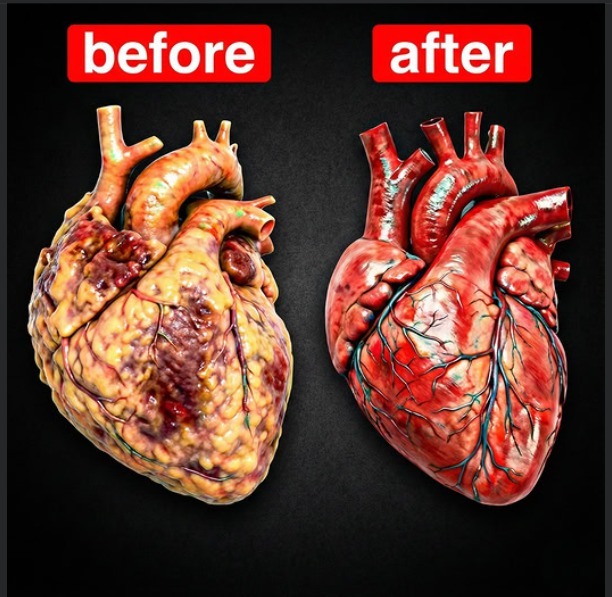
Fix Yourself at the Cellular Level
PrimeCell H2 is a next-generation molecular hydrogen tablet formulated to support your body's natural antioxidant defenses — helping you feel sharper, more energized, and more like yourself.
LEARN MORELike this ad? Make it yours.
Crush rebuilds this exact creative around your product — your brand, your colors, your offer — in about a minute.