
Inactive· since Jun 20, 2026
- 11
- days it ran
- 0
- relaunches
Ad copy
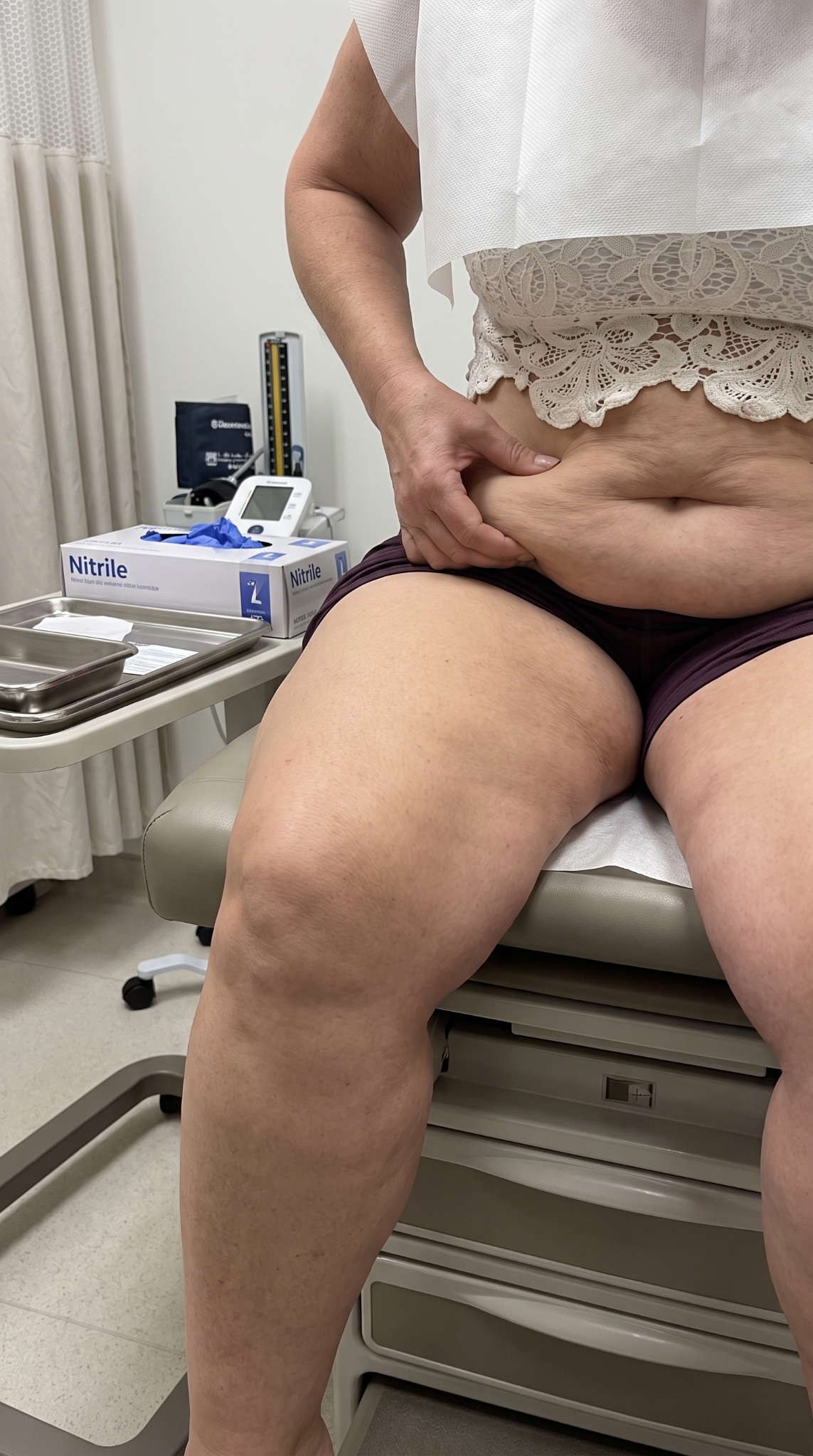
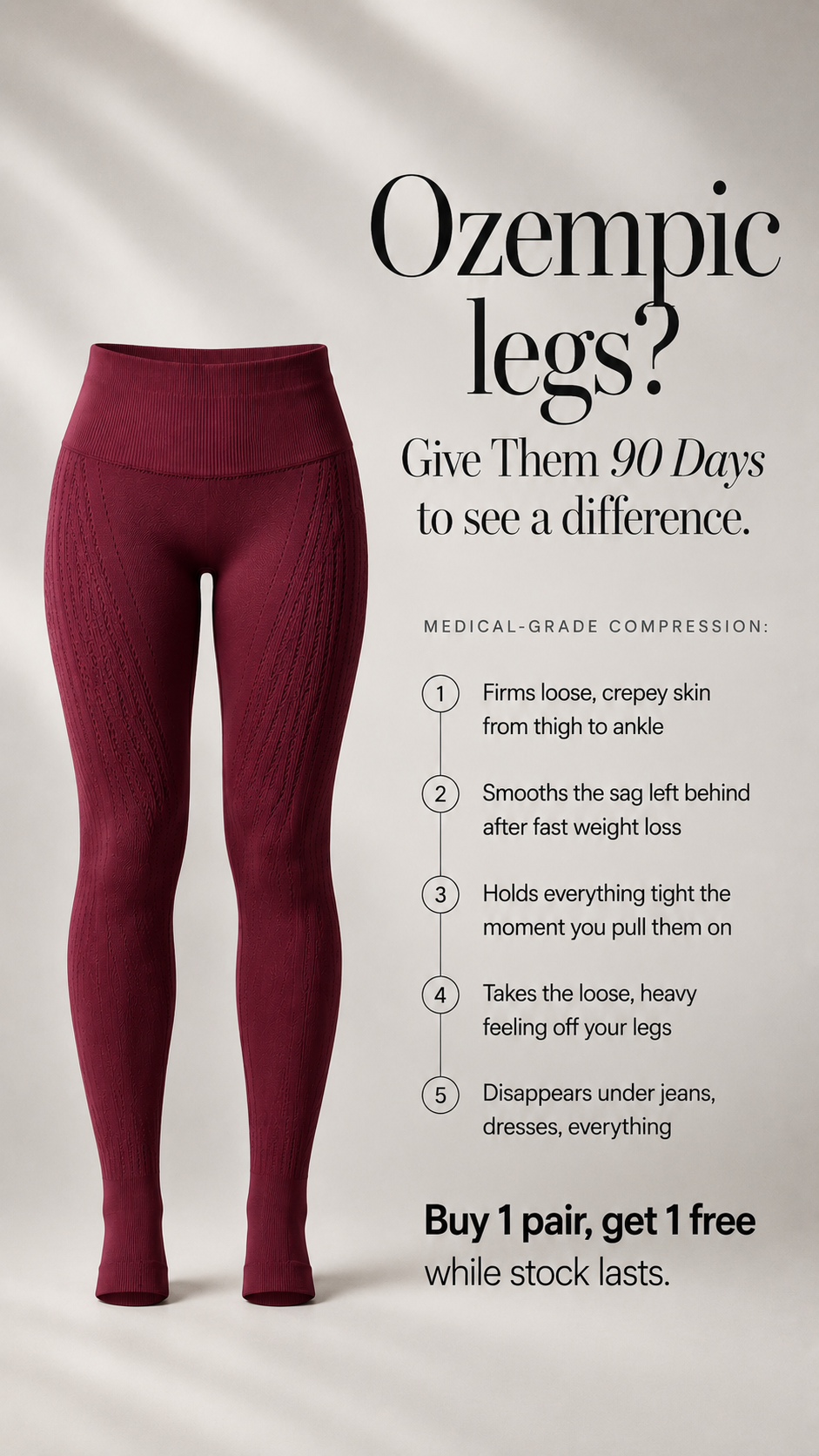
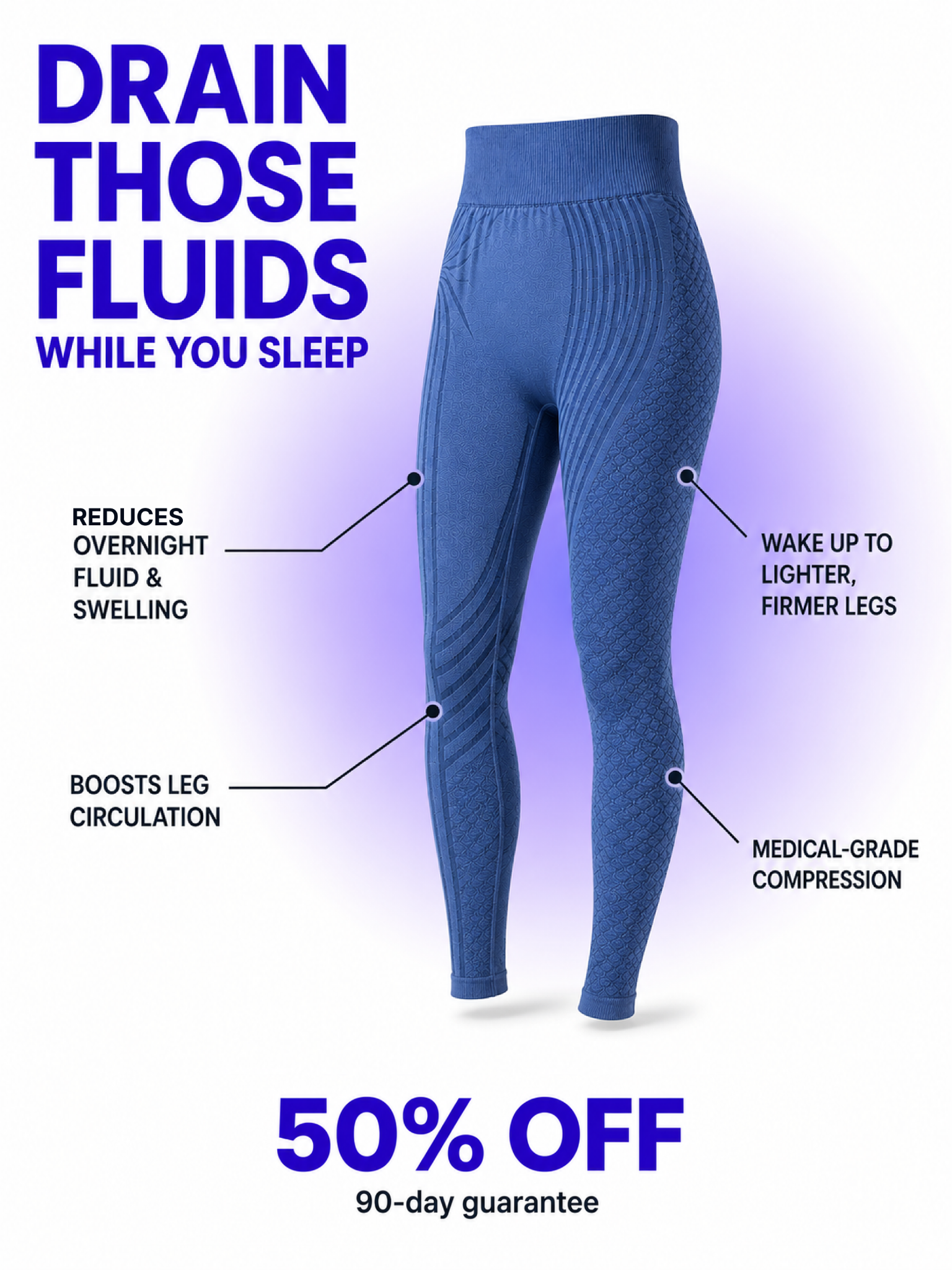
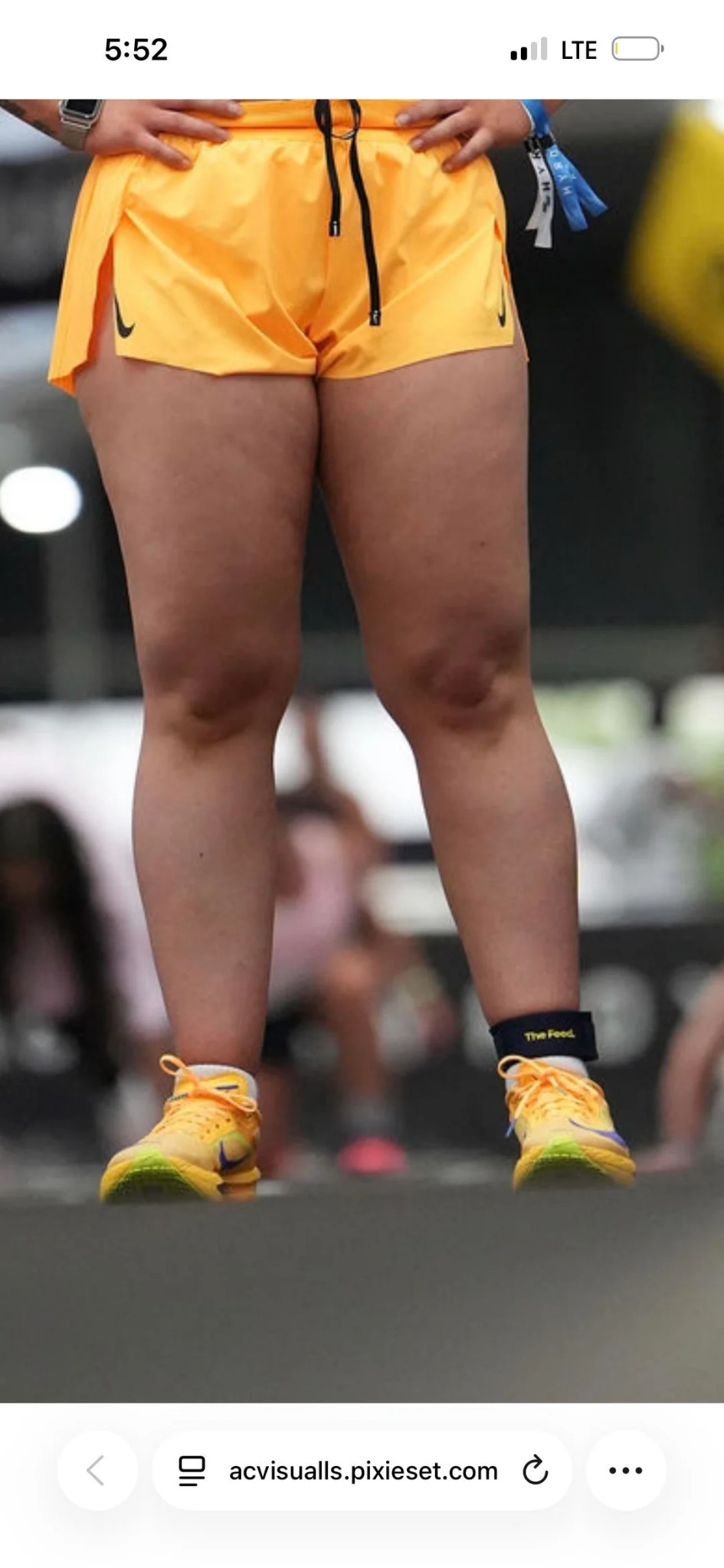
My grandmother had it. My mother has it. I have it. My seventeen-year-old daughter is starting to show the first signs. For three generations, we have all just called it "the family legs." I want to tell you what we have lived with, briefly, so that you know who is writing this. My grandmother was born in 1924. She wore stockings to her grave. I have one photograph of her in a swimsuit — taken at a lake in 1947, the year she got engaged to my grandfather — and after that, in eighty-some years of family albums, she does not appear in shorts or a skirt above the knee a single time. The skin and tissue on her legs, from knee to ankle, looked like a column. Same circumference top and bottom. No taper. Bruises that bloomed from any contact and stayed for two weeks. She told me, when I was nine, that this was just how the women in our family were built. My mother is seventy-three. She has not worn shorts since 1986, the year my younger brother was born and she gave up trying. Her legs have a similar column shape — not as pronounced as my grandmother's, but unmistakable to anyone in the family. She has been told by four different general practitioners over the past forty years to "lose some weight in the legs" and "walk more." She has tried every diet that existed in those four decades. The number on the scale moves. The shape of her legs does not. I am forty-nine. I have not worn a swimsuit in public since 2011. The disproportion between my upper body and my lower body is unmistakable in photos. My waist is small. My thighs and calves are large and dense in a way that does not match the rest of me. I bruise from sitting on a hard chair. The heaviness in my legs at the end of the day has been with me for so long I thought it was what aging felt like. My daughter Lily is seventeen. Last June, she came home from a pool party at her best friend's house. I heard her car pull into the driveway. I heard her come into the kitchen. I heard her go up to her room. I heard her close the door and start crying. I went up. She was sitting on the edge of her bed in a damp swimsuit, towel still in her hand. She had been at the pool for four hours. She told me one of the boys had made a joke about her thighs. I asked her what specifically he had said. She wouldn't tell me. She just kept saying she was never wearing a swimsuit again. I sat with her. I told her I understood. I told her I had been her age once, and I had heard the same joke from a different boy in 1990, and that I had not worn a swimsuit in public for the last twelve years because of it. Then I looked at her legs. She had just finished her sophomore year. She is athletic. She runs cross country. And the shape of her legs, from knee to ankle, was the early version of the shape I knew from my mother and my grandmother. The same column. The same density. A bruise on her right calf from track practice that was three weeks old and still purple. I did not say anything to her about it that night. I called a vascular specialist the next morning. I made two appointments — one for me, one for Lily. The receptionist asked me what the concern was. I said, "I think we both have lipedema. I have lived with it for almost fifty years and I think my daughter is in stage one." We went in three weeks later. The specialist examined my mother as well, who had come down from Cleveland that week to be in town for both appointments. The three of us sat in one exam room while the specialist looked at each of our legs in turn. She did the pinch test. She measured circumferences. She asked us about pain, about bruising, about whether diets had ever changed the shape of our legs. She turned to us at the end and said, "All three of you have lipedema. Your mother is stage three. You are stage two. Your daughter is early stage one. This is a genetic connective-tissue condition, not a fat problem, and it is not your fault — none of you." My mother started crying. My mother does not cry. The last time my mother cried in public was at her own mother's funeral. The specialist explained what nobody in my family had ever been told. Lipedema is the abnormal deposit of fat and connective tissue in specific zones of the body, almost always the legs and sometimes the arms. It affects roughly eleven percent of women. It is genetic. It runs in families. It is widely misdiagnosed as obesity. Diets do not work on the affected zones because the tissue is not normal adipose tissue — it is structural. The pain, the bruising, the heaviness, the disproportion — all of it has a name. The first-line management is daily compression at medical grade. Eighteen to twenty-two millimeters of mercury of graduated pressure. Worn ten to twelve hours a day. Plus manual lymphatic drainage. Plus avoiding restrictive clothing that compresses the lymph nodes at the groin. Plus lifestyle adjustments. She handed me a printed sheet of treatment recommendations. The top line said: Compression — daily, medical grade, full-leg. I went home with my mother and my daughter that afternoon and we ordered three pairs of medical compression stockings on the recommendation of the specialist. They were beige. They were ugly. They were hot. My mother wore hers for two weeks. My daughter wore hers for four days and then quietly stopped. I wore mine for three weeks and then could not bring myself to put them on for a meeting at work. The compression was right. The garment was wrong. I spent two months looking for an alternative. There are not many. Most "lipedema leggings" sold online are not at medical-grade compression — they are decorative shapewear that markets to the lipedema community. The few that meet the specs cost three hundred dollars a pair and have to be ordered from Germany. I found Ionix through a woman in a lipedema support group. She had posted a photo of a pair she had been wearing daily for six months. Italian textile manufacturing. Graduated 18-22 mmHg — the exact medical spec the vascular specialist had prescribed for my mother, my daughter, and me. A 3D-ribbed surface with 47 raised micro-massage contact points distributed across the thigh and glute zones, which provides the mechanical lymphatic stimulation that manual lymphatic drainage would. Full-leg coverage from ankle to upper hip, which covers the entire affected zone in lipedema. A 70/30 polyamide-elastane weave designed to be worn daily, under regular clothing, for ten or more hours. I ordered three pairs. One for my mother. One for me. One for Lily. It is now February. We have been wearing them for six months. My mother, who is seventy-three and has refused to wear shorts since 1986, wore knee-length capris to a family lunch in November. She did not say anything about it. She just wore them. We all noticed and none of us said anything. I am wearing a fitted dress to a work event this Thursday. The first one in eleven years. Lily wears hers under her school uniform every day. She wore them under her dress to the homecoming dance in October. She has stopped flinching when she sees pictures of herself from the side. She brought a friend over last weekend who has been complaining about similar leg pain — a friend whose own mother has been telling her to walk more for years — and Lily, my seventeen-year-old, sat her down and explained lipedema to her like she had been studying it. She had been studying it. The vascular specialist told us at our diagnostic appointment that my daughter is the first generation of women in our family who will know, before she is twenty, what we have all had since our own teenage years. She is also the first generation who can start compression management before stage two — which the clinical literature suggests may help slow the progression of the condition. My grandmother died in 2009 without ever having heard the word lipedema. My mother lived with it for fifty-five years before anyone named it. I lived with it for thirty-three. Lily was sixteen years old when she was diagnosed. If you have lived with what your family calls "the family legs" — the disproportion, the easy bruising, the lifelong pain at the end of the day, the diets that work above the waist and never below — please go to a vascular specialist before another generation in your family lives the way the women in mine did. If you already know, and you are looking for daily compression that you can actually wear from morning to night, under your work clothes and under your daughter's school uniform — the brand I found is called Ionix Labs. The garment is the Sculpt 3D. 90-day money-back guarantee. → getionix.com/products/3d-sculpting-anti-cellulite-leggings-instant-lift-smooth
I Lost The Weight. My Skin Didn't Get The Memo. Here's What Finally Wo
I know what it's like to look at your "before and after" photos and still not recognize the person in the "after". You did the hardest part. You meal-prepped on Sundays. You woke up early for the gym. You said no to the dessert, the drinks, the easy way out.
SEE DETAILSLike this ad? Make it yours.
Crush rebuilds this exact creative around your product — your brand, your colors, your offer — in about a minute.