The Heart Health Project
 Facebook ad: “Support stamina and heart health every day”
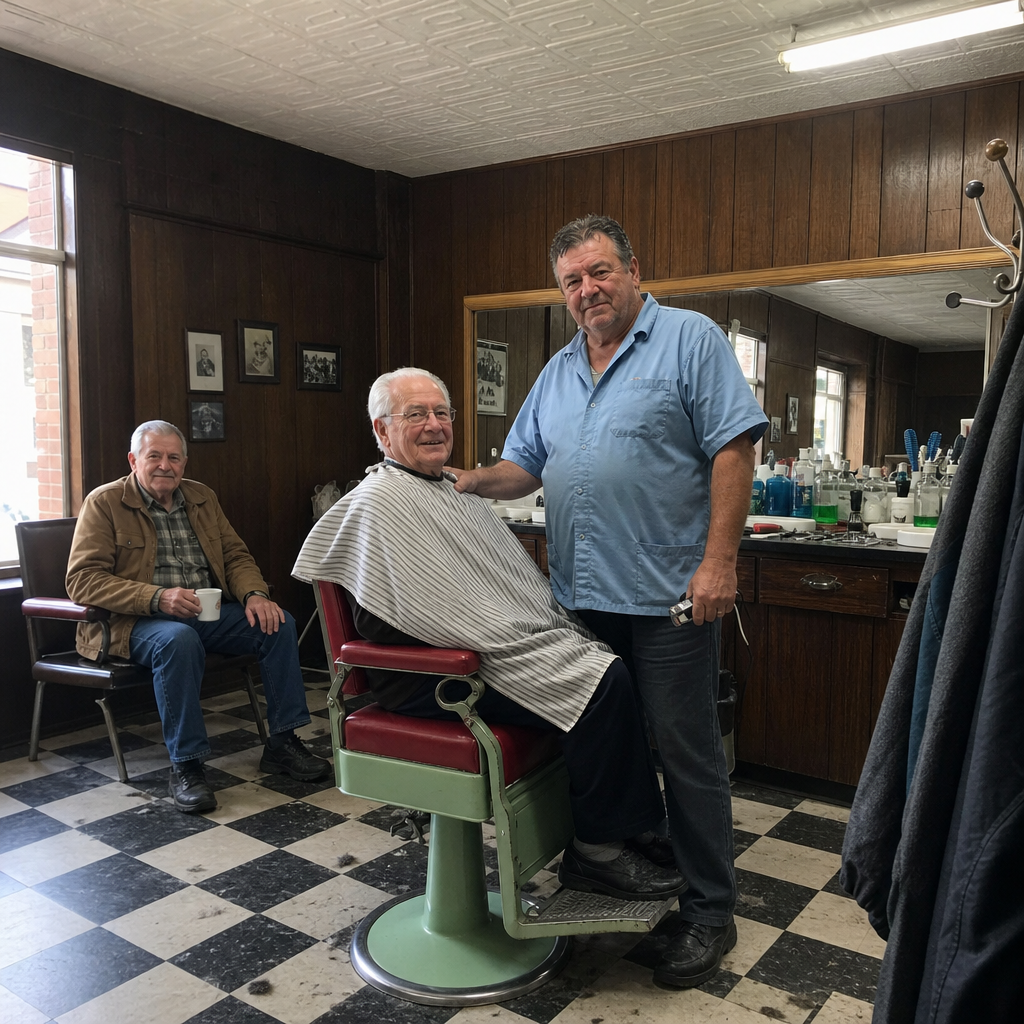
Ran for 1 day, from November 6 to November 7, 2026, the last day Crush saw it.
Run by The Heart Health Project on Facebook. Crush is not the advertiser and does not verify its claims. See this ad in Meta's Ad Library(opens in a new tab)
Make your own version of this ad
Crush makes it, launches it in your own Meta ad account, scales the winners and pauses the losers.
About this ad
- Meta Ad Library ID
- 2241082666752301
- Platforms
- Facebook, Instagram, Audience Network, WhatsApp and Threads
- Relaunches
- 0
- Niche
- Parenting & Kids
Ad text
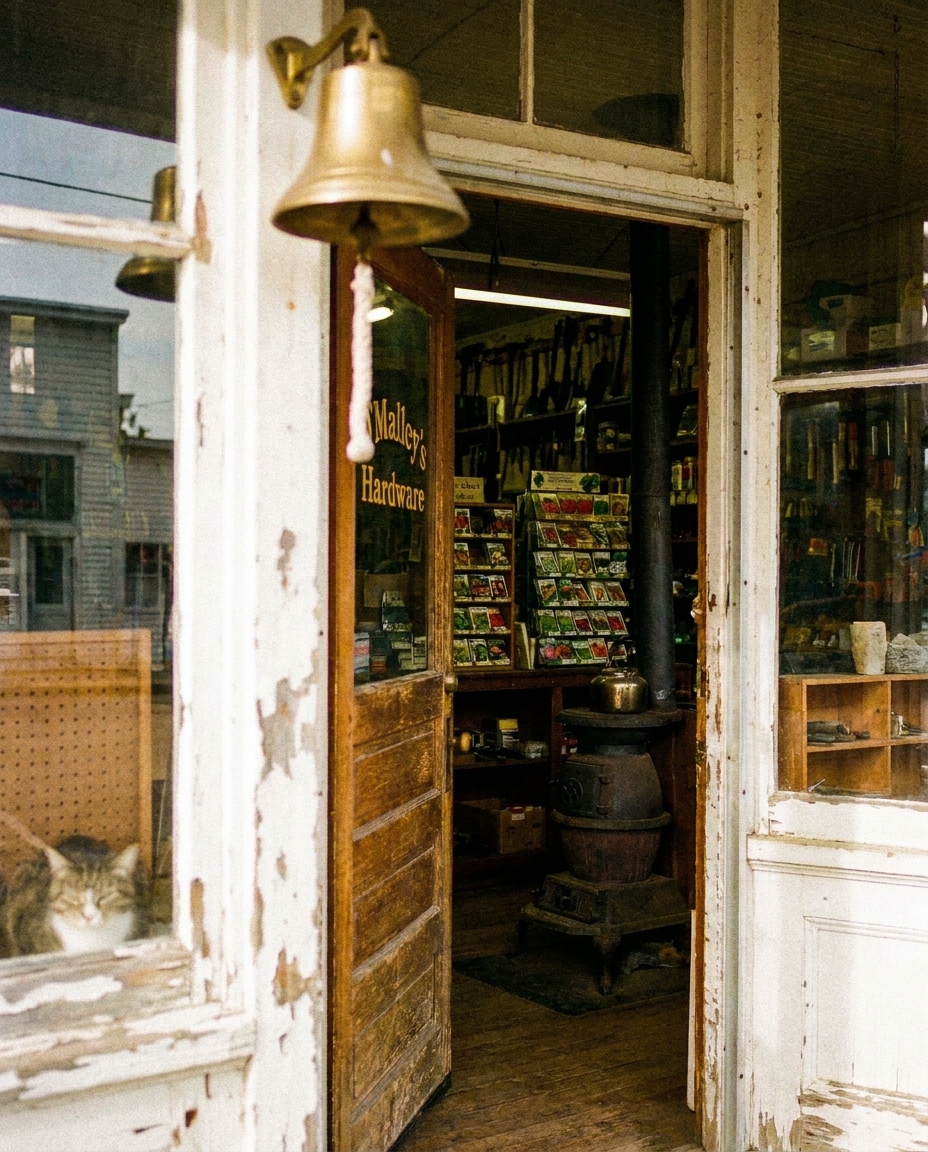
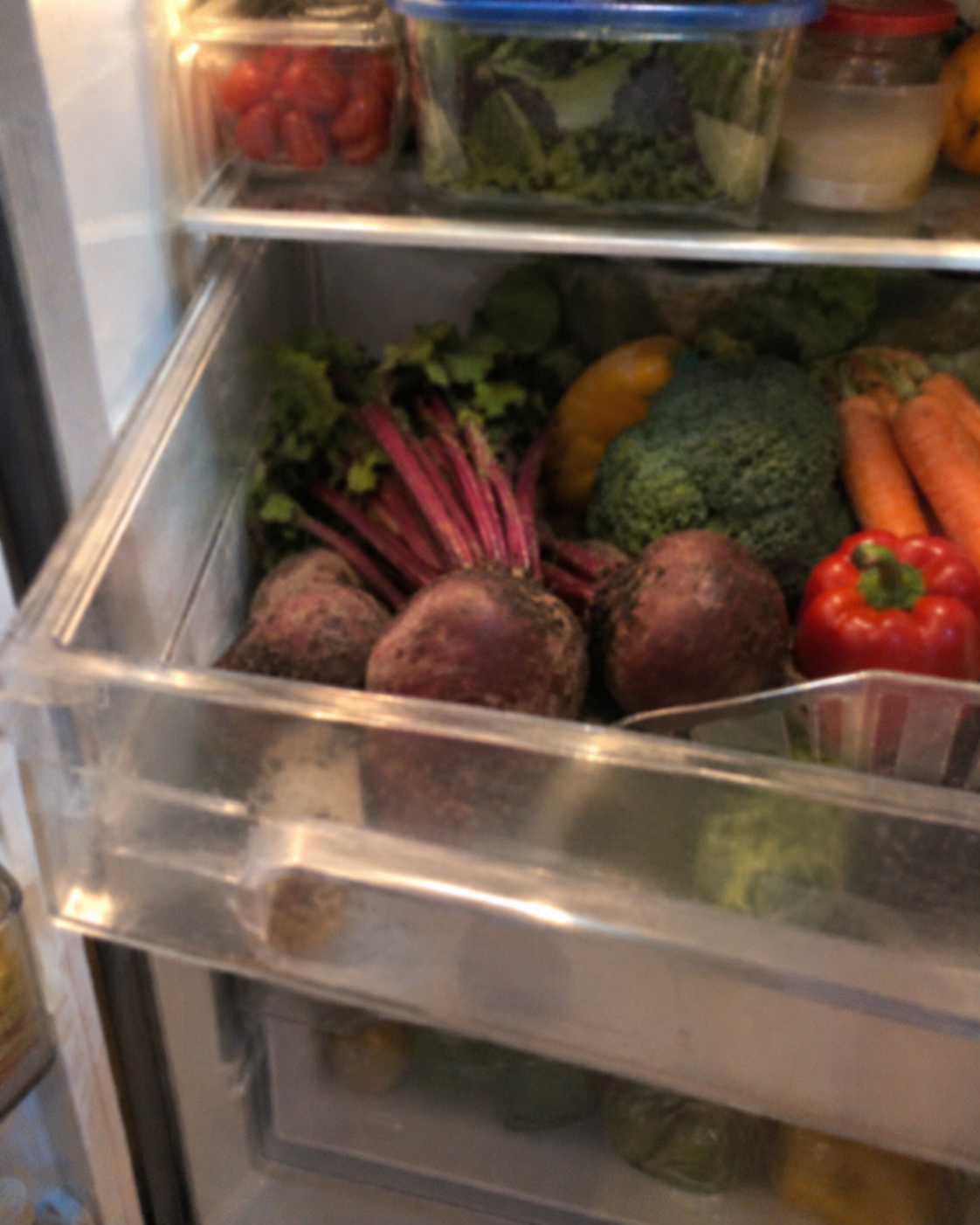
My oldest client hasn't come in for a haircut in five months. He used to come every three weeks like clockwork for 22 years. His name is Harold. Retired machinist. Seventy-six years old. His wife passed three years ago and he never missed an appointment after that. Not once. Every third Thursday at 9 AM — until he just stopped. When I finally drove to his house and he opened the door, he looked at me and said "I can't drive anymore, Tony. My legs don't work right." Then he started to close it. I don't know what made me say what I said next. I just knew that if I let him close that door I was going to drive home and he was going to disappear inside that house and nobody was going to stop it. My name is Tony. I'm 55 years old. I own a one-chair barbershop on Main Street and I've been cutting hair since I was 19. Loved almost every day of it. This story starts on a Thursday morning in August. I was setting up for my 9 AM like I always do. Hot towel on the warmer. Clippers charged. Coffee made — the good stuff, because Harold drinks a cup every visit and he's particular. Nine o'clock came. Nine-fifteen came. By nine-thirty I called his house phone. No answer. People forget things. It happens. Three weeks later his slot came around again. Empty chair at 9 AM. I called twice. Nothing. I told myself he was probably visiting family. Maybe a doctor's appointment ran long. Maybe he'd call tomorrow. Six weeks. Nine weeks. Twelve weeks. His name sat in my appointment book every third Thursday in my own handwriting — the same handwriting I'd used for 22 years. I stopped writing him in after the fourth missed visit. That felt worse than anything. Like erasing someone. It was Shirley who made me drive over. Shirley works the morning shift at the diner on Route 4 — been pouring coffee there for thirty years. I stopped in for breakfast on a Tuesday and she set my plate down and said "Tony, when's the last time you saw Harold?" "August," I said. "He stopped coming in." She wiped the counter slowly. "He stopped coming here too. Used to sit right there —" she pointed to the third stool from the end "— every morning at 7:15. Ordered the same thing. Two eggs over easy, rye toast, black coffee, read the paper cover to cover. Haven't seen him since August." She looked at the empty stool. "That man has eaten breakfast at this counter five days a week for eleven years. Something's wrong." I drove to Harold's house that Sunday. Route 11 past the machine shop he retired from, left on Birch, third house on the right. White aluminum siding. Chain-link fence. That morning the lawn was past my ankles — patchy and brown where it had grown too long and fallen over on itself. The newspaper pile by the mailbox stopped me cold. Two months of papers rubber-banded and soaking. Swollen into bricks from the rain. The recycling bin at the curb overflowing with flyers nobody had sorted. The flag on the mailbox still up — waiting for outgoing mail that was never put there. I stood on the porch and knocked. The storm door rattled. I waited a full minute. Then I knocked again. The inside door opened about five inches. Harold looked through the gap and I almost didn't recognize him. Five months of hair past his collar — thick and gray and matted where he'd been sleeping on it. Unshaven for weeks. Not stubble. Actual growth. A patchy white beard filling in unevenly across his jaw. The man I knew would have been horrified. Twenty-two years I'd cut Harold's hair and he never once let it go past three weeks. Used to joke that four weeks was "looking like a bum." He was in pajamas. Flannel pants and a white undershirt yellowed at the collar. One slipper on. One foot bare. "Tony," he said. Not surprised. Not embarrassed. Just flat. Like he'd been expecting someone eventually. "Harold. I've been calling." "I know. I hear the phone." "You haven't been in." He looked down at his bare foot. "I can't drive anymore, Tony. My legs don't work right. The pain started about six months ago — like somebody took a bat to my thighs every night while I slept. Then my calves started cramping so bad I couldn't keep my foot steady on the pedals. I'd grip the steering wheel and my hands would give out halfway to the grocery store. Almost rolled through a stop sign in July because my leg wouldn't push the brake hard enough. Haven't driven since." "Harold. I'll come to you. I'll bring the chair." "No." He shook his head. "I'm fine. You don't need to do that." "I'm coming Thursday at 9. Just like always." He looked at me for a long second through the gap in the door. The same look he used to give me when I'd suggest something different with the sideburns. Skeptical. Assessing. "You don't need to come here." "Thursday," I said. "Nine o'clock. I'll bring coffee." He didn't say yes. He didn't close the door either. He just looked at me and nodded once — barely — and then the door closed. I walked back to my truck and sat there for a minute with my hands on the wheel. I looked at the newspapers swelling in the rain by the mailbox. I looked at the lawn. I looked at the house and thought about Harold standing behind that door in one slipper with hair past his collar and I understood something I hadn't understood when I was just looking at an empty appointment book. This wasn't a man who stopped wanting haircuts. This was a man who was disappearing. Thursday morning I loaded my kit into the truck. Clippers. Guard set. Comb. Cape. Spray bottle. Scissors. The leather strop my grandfather gave me. A thermos of the good coffee — two cups, black, the way Harold takes it. He answered the door faster this time. Same pajamas. He'd shaved — badly. A nick on his jaw still had tissue paper on it. But he'd tried. That meant something. "Kitchen table," he said. "Best light's in there." The kitchen was clean enough but barely. A tower of frozen dinner trays rinsed and stacked by the sink. A single plate, a single fork, a single mug on the drying rack — the mathematics of eating alone. The trash can full. The recycling bag beside it fuller. A calendar on the wall still turned to June. His wife's handwriting on the March page — "dentist 2pm" — still visible three pages back if you flipped. I draped the cape around his shoulders and he gripped the kitchen chair armrests out of habit. The same way he gripped my barber chair for 22 years. I noticed his knuckles were white but his fingers were barely pressing down. Like the signal from his brain got weaker somewhere between intention and grip. "The usual?" I said. "The usual." I cut his hair at that kitchen table and for twenty minutes we were back to normal. He told me about a documentary he'd watched about steel mills. He told me the neighbor kid's dog had been getting into his trash cans. He told me the same story about the time he machined a replacement part for a 1967 Corvette from a block of aluminum in four hours. He'd told me that story maybe fifteen times over the years. This time he told it like it was new. When I finished he tried to push himself up from the chair. Both hands on the armrests. His arms shook. He got halfway up and dropped back down. He tried again. Same thing. I put my hand under his elbow and helped him to standing. "Getting old," he said. He said it the way people say things when they know it's not the real answer but the real answer is too heavy to carry out loud. I swept the hair from his kitchen floor. He stood by the counter watching. I noticed his hands — machinist's hands, the kind that used to take apart engines and reassemble them from memory — shaking against the countertop. Not a tremor. A weakness. Like they couldn't decide whether to hold on or let go. "Same time in three weeks?" I said from the door. "You don't have to keep coming." "Three weeks, Harold. Thursday. Nine." He nodded. I came back three weeks later. And three weeks after that. And three weeks after that. Thursday at 9. Coffee in the thermos. Kit in the bag. Twenty-two minutes in the kitchen chair and then we'd sit there for an hour drinking coffee. Harold told me about the machine shop. About his foreman Ernie who lost three fingers on a lathe in 1984 and came back to work the next Monday. About the smell of cutting oil in the morning. About the sound fifty machines make running at once — like a hive, he said. Like something alive. But each week the stories got foggier. He'd start one and stop in the middle. Look at the window like the ending was out there somewhere. Pick up a different one. He told me about the Corvette part three visits in a row and each time the story changed slightly — four hours became six, aluminum became steel, and the owner went from a doctor to a dentist to a lawyer. He didn't notice. Week by week. The man I'd known for 22 years — precise, particular, sharp as the tools he'd spent a lifetime running — was dissolving at the edges. One Thursday in November I asked to use his bathroom. Down the hallway past the bedroom with the door open — one side of the bed still made. Two pillows on the left. One pillow, dented, on the right. A water glass on the nightstand with a ring of dust around the base. The bathroom medicine cabinet was open. I wasn't looking for anything. I looked anyway. Six pill bottles on the top shelf. Atorvastatin. Rosuvastatin. A baby aspirin. A stool softener. A sleep aid. An antacid. The statins had the most prominent position — front of the shelf, labels facing out. Taped to the inside of the cabinet door was a sticky note in Harold's handwriting — but from years ago, when his letters were still firm and square. Block capitals. Machinist's hand. It said: "TAKE THESE OR DIE." I stood there and looked at that note for a long time. The handwriting of a man who still had his full strength writing an order to the man who was losing his. I went back to the kitchen. Harold was sitting where I'd left him. He was holding his coffee mug with both hands. I sat down across from him. "Harold. Can I ask you something?" "Sure." "Those pills in your cabinet. The statins. How long?" He looked at his mug. "Ten years. Atorvastatin first. Then they switched me to Crestor two years ago. Said it worked better." He turned the mug in his hands slowly. "My cholesterol was 260 when they started me. Now it's 175. Every appointment they tell me my numbers look great." "But?" He set the mug down. "But I feel like I'm dying, Tony." He said it simply. The way he'd tell me he wanted it shorter on the sides. A statement of fact. "My legs went first. Then my grip. Then my head started going. I used to do mental math all day long at the shop — tolerances, feeds, speeds — and now I can't remember if I ate lunch." He looked at the counter behind him. "Dorothy was on Lipitor when she died." I sat still. "Her doctor said she was fine. Numbers perfect. She was 73 and her LDL was 95 and her doctor said she was a model patient." He looked at his hands on the table. "She had a heart attack making breakfast. Standing at that stove right there. I found her on the floor between the counter and the refrigerator." The kitchen was very quiet. "Ten years I've been on these things, Tony. Same family of drug. My numbers look beautiful. My legs are numb. My hands don't close. My brain is full of holes. And my wife — my wife was on the same kind of drug the day she dropped dead with perfect numbers." He looked toward the medicine cabinet down the hall. "These things are supposed to save your life. They didn't save hers. And I'm disappearing on them." He looked at me directly. "I think I'm next," he said. I finished my coffee. I packed my kit. I drove home and I sat in my truck in the driveway for ten minutes before going inside. Because I was thinking about my father. My dad. Seventy-eight years old. On Lipitor for fifteen years. Excellent bloodwork at every appointment. Every single time. And in the last three years I'd watched him stop doing everything that made him who he was. Stopped driving last year — said he didn't trust his reflexes. Stopped calling me — used to call every Sunday, now I couldn't remember the last time my phone rang with his name on it. I'd visit and he'd be in his chair by the window. TV on. Eyes somewhere else. I'd been telling myself it was just Dad getting old. Just the natural thing. But Harold was telling me it wasn't natural. And I'd been watching the same thing happen in a different kitchen every third Thursday for four months. I went inside and sat at my computer. I typed: "Why do people on statins still have heart attacks." I read until 1 AM. Then I went back the next night. And the next. Four nights straight. Atorvastatin and Lipitor and Crestor and every statin on the market lower cholesterol by blocking an enzyme in the liver. They shut down production across the board — the harmful kind, the useful kind, the kind your brain needs to think and your nerves need to fire and your muscles need to grip. The number drops. The doctor says "great." But the drug does nothing about OXIDIZED cholesterol. And oxidized cholesterol is what actually causes heart attacks. I read that sentence and I thought about Dorothy with her perfect LDL of 95 dropping dead at the stove in their kitchen. About Harold holding his coffee mug with both hands because one hand couldn't manage it alone. About my dad in his chair by the window not calling anymore. Regular LDL isn't inherently dangerous. Your body makes it on purpose. The problem is when it gets attacked by free radicals and oxidized. Oxidized LDL embeds in arterial walls. Forms plaque. Causes the rupture that causes the heart attack. Not cholesterol. OXIDIZED cholesterol. For however many years Dorothy's Lipitor had been lowering her number. It had never once addressed the oxidation that built the plaque that killed her at the stove. For ten years Harold's statins had been doing the same thing. For fifteen years my dad's had been doing the same thing. Then I found the part that explained Harold. And my father. And every man I'd ever watched go quiet in my chair over the years. Statins block the same biochemical pathway that produces CoQ10 — the energy molecule your mitochondria use to power every cell in your body. Your heart needs it to beat. Your muscles need it to grip. Your legs need it to feel the ground. Your brain needs it to hold a thought. Statins can reduce CoQ10 production by up to 40%. Harold's legs. Harold's grip. Harold's stories dissolving mid-sentence. My father's reflexes gone. My father's voice gone quiet. Dorothy — fit, active, sharp — suddenly not. That's not age. That's not grief. That's pharmacological CoQ10 depletion. Sixty percent of people who quit statins do it because of muscle symptoms — but doctors keep writing "benefits outweigh the risks" while their patients watch their own hands forget how to work. And here's the part that breaks the whole system open: when cells are under oxidative stress the body produces MORE cholesterol as defense. More stress means more cholesterol means more oxidation. A vicious cycle the statin can't break because the statin only addresses the number, not the oxidation driving it. Dorothy's Lipitor suppressed the number while the actual mechanism kept spinning underneath. For years. Until the plaque ruptured at the stove on a Tuesday morning. I sat at my kitchen table at 1 AM and understood what I was looking at. The second night I found the research on betalains. Betalains are the deep red pigment in beetroot. Not an extract. The pigment IS the betalains. That deep red color that stains your fingers when you slice one — that's it. What betalains do is something statins can't do and were never designed to do. They get incorporated directly into LDL cholesterol particles. From the inside. They neutralize the free radicals that would oxidize the LDL — before it can embed in arterial walls, before it can form plaque, before it can rupture. In a twelve-week clinical trial, daily betalain supplementation reduced LDL by an average of 15.2 milligrams per deciliter — and reduced oxidized LDL by over 20%. Not by blocking liver enzymes. Not by shutting down the production line your brain and muscles and nerves depend on. By neutralizing the oxidation that actually causes the damage. Statins target the symptom. Betalains target the cause. The problem is that the beetroot you can buy at the grocery store has been bred for sugar. Decades of agricultural breeding optimized for sweetness — the kind of beets that go into juice and salads. Those modern beets have a fraction of the betalains of the original heirloom varieties. Except for one variety still grown the old way. Made by a small company called Rosabella that sources heirloom beetroot from Amish farmers in Lancaster County, Pennsylvania. The Amish there have some of the lowest heart attack rates in America. Researchers have studied them for decades. Amish families have been saving this seed line — called Blutwurzel — for over 150 years. Hand-harvested every fall. Never crossed with the sugar-bred commercial varieties. Ten times the betalain concentration of grocery store beets. And heat destroys betalains. Almost every beetroot supplement on the shelves is spray-dried at high temperature — which kills the active compound before it ever reaches a capsule. Most of what's on the shelves is red dust. Rosabella shade-dries every batch at low temperature. 1,300 milligrams of organic beetroot powder per serving, with the betalain intact. Hundreds of peer-reviewed studies. Dozens of registered trials. Used clinically in Europe for cardiovascular health. I ordered three bottles that night. One for Harold. One for my dad. One for me — because at 55, sitting in a barber chair all day, I'm not immune to what's coming either. The bottles came on a Tuesday. I opened one and counted. Sixty capsules. Two a day. A month's supply. I drove to Harold's that Thursday with the usual kit. Coffee in the thermos. And a bottle of Rosabella in the bag next to my clippers. After the haircut I set the bottle on the kitchen table between us. Next to it I put the research I'd printed at the library — twelve pages, stapled, highlighted in three colors. "Harold. I want to tell you what I found." He read for forty-five minutes while I sat across from him. He didn't say anything while he read. Machinist's focus — the same way he'd have studied a blueprint. When he finished he set the pages down and looked at the bottle. "Why didn't my doctor tell me any of this," he said. I didn't have an answer for that. He picked up the bottle. Turned it in his hands. "Dorothy tried everything near the end. Fish oil. CoQ10. Magnesium. She took them faithfully and nothing changed." He looked at the label. "She never found the right thing." He set the bottle down and looked at me directly. "She would've wanted me to try this." He took his first dose at the kitchen table while I was still sitting there. I drove to my dad's house that Saturday. Forty minutes on the interstate. He was in his chair by the window when I came in. TV on. Volume low. He looked up when I walked in and it took him a full second to focus. "Tony," he said. "You should've called." "I brought you something." I set the bottle on the table next to his chair. I put the research in his hands. "Just read it," I said. "And take two a day." He looked at the bottle. He looked at me. He didn't ask questions. My father's never been a man who asks questions when his son looks him in the eye. "Okay," he said. He took two capsules with the water on his side table while I watched. Harold called me six days later. A Tuesday evening. His voice was different — I heard it immediately. Not louder. Clearer. Like a radio station that had been between frequencies and suddenly locked in. "Tony. I walked to the mailbox this morning. All the way down the driveway and back. I felt the gravel under my feet." He called me the following week. "I read the paper this morning. Front to back. First time in months I finished the whole thing without losing the thread." Week three. My phone rang on a Thursday morning at 8:30. "Tony. I'm in my truck. In the driveway. I just backed it up and I could feel the brake. I'm driving myself in. I'll be there at 9." I stood in the doorway of my shop and watched Harold's blue Silverado pull into the space out front. He parked it straight. Turned off the engine. Opened the door and stepped out, and walked across the sidewalk and through my door like he'd done it a thousand times. Because he had. "The usual?" I said. "The usual." I draped the cape. He gripped the armrest to settle in — one hand, firm, no shake. I didn't say anything about it. Week five. I was pouring my morning coffee at the diner when Shirley stopped in front of me with the pot held mid-air. "Harold was here this morning." "Yeah?" "Sat at the counter. Third stool. Two eggs over easy, rye toast, black coffee. Read the paper cover to cover." She shook her head. "I almost dropped the pot when he walked in. Told me he'd been away for a while. Like he'd gone on vacation." She smiled. "He left me a five-dollar tip on a four-dollar breakfast. He's never tipped more than two." Week eight. Harold came in on his Thursday. I finished the cut and pulled the cape. He stood up from the chair — one motion, smooth, no hands on the armrest. He turned and stuck his hand out. I shook it. Firm. One pump. Machinist's grip. The kind of handshake that tells you a man spent forty years closing his fingers around cold steel and hot tolerances. "Thank you," he said. "For coming to the house when I couldn't come here." "That's what Thursdays are for," I said. My dad called me on a Sunday. Week four. My phone rang and his name was on the screen and I stood in my kitchen looking at it for two rings before I answered because I couldn't remember the last time it had happened. "Tony. I was thinking about driving down to see you next week. Maybe get a cut." "Yeah, Dad. Yeah. Come down." "Maybe Thursday?" "Thursday's perfect." Week six. My father walked into the shop at ten in the morning. He'd driven forty minutes on the interstate. Parked out front. Walked through the door under his own power. He sat in my chair and looked at himself in the mirror. "I missed this," he said. I cut my father's hair. He told me about a Cardinals game he'd watched the night before — the whole game, not just the first three innings. He told me about the backyard. How he was thinking about putting the vegetable garden back in this spring. His mother's tomato plants. The ones he hadn't grown in three years. When I finished he stood up from the chair and put his hand on my shoulder. Firm. Steady. "That stuff you brought me," he said. "I don't know what it is. But I feel like I woke up." I went to Harold's the following Saturday. Not a haircut day. Just a visit. He was in the side yard when I pulled up. Kneeling in the dirt next to the flower bed along the chain-link fence. His wife's flower bed — the one that had gone to weeds since she passed. "Dorothy's dahlias," he said when I walked over. He held up a bulb — brown and ugly and covered in dirt. "I found twelve of them still in the ground. They survived three winters on their own." He looked at the bulb. "I'm putting them back in properly this time. She'd want them to come up in June." He stood up from his knees without help. Brushed the dirt off his pants. Looked at me and smiled. "You want coffee?" "Always." We sat at his kitchen table. The calendar on the wall was turned to the right month now. The frozen dinner trays were gone — replaced by a cutting board and a chef's knife and a bowl of onions. A different kind of kitchen. "I went to my doctor last week," Harold said. "First time in four months." "What'd he say?" "Total cholesterol: 188. Down from 260. LDL: 108, down from 152. HDL: 58, up from 36. Triglycerides: 95, down from 198." He set his mug down. "He said they're the best numbers he's seen from me in ten years." "Did you tell him about the Atorvastatin?" Harold smiled. Not a big smile. The small, precise one I'd seen across a thousand haircuts. "I told him I stopped it eight weeks ago. He went quiet for a long time. Then he said 'Whatever you're doing — don't stop.'" My father went the same week. His bloodwork: Total cholesterol: 191. Down from 232. LDL: 114, down from 145. HDL: 54, up from 39. Triglycerides: 108, down from 187. His doctor said: "These are excellent. Whatever you've changed — keep it up." My father didn't tell him he'd stopped the Lipitor two months earlier. It's April now. Harold comes in every third Thursday at 9 AM. Same as he did for 22 years before the five months he lost. I drape the cape. I say "the usual?" He nods. Same as he always did. Like nothing happened. Except we both know what happened. He's back at the diner every morning. Third stool from the end. Shirley doesn't say anything about the months he was gone. She just sets his plate down — two eggs over easy, rye toast, black coffee — and he reads the paper cover to cover. Some mornings he and Shirley talk about the weather. Some mornings he just reads. That's enough. My dad drives down once a month now for a cut. Forty minutes on the interstate. He calls me on Sundays again. Last week he told me the tomato plants are in. Twelve of them. His mother's variety — the ones with the dark shoulders. I think about it sometimes. What would have happened if I hadn't driven to Harold's house that Sunday. If I'd looked at the empty appointment book and just accepted it. If I'd told myself it was none of my business. If I hadn't noticed the pill bottles in the medicine cabinet. If I hadn't read that sticky note in Harold's old handwriting — TAKE THESE OR DIE — and felt something turn over in my stomach. If Harold had stayed on those statins another year. Two years. Five. I think about Dorothy standing at that stove with perfect numbers. I think about Harold's voice saying "I think I'm next." I think about my father in his chair by the window, not calling, not driving, the TV on and the world shrinking around him one day at a time. I think about fifteen years of his doctor saying "your numbers look great" while my dad forgot how to live. And then I think about you. Maybe you have a father whose voice you haven't heard in weeks. Who used to call every Sunday. Who used to drive himself everywhere and now doesn't trust his own feet on the pedals. Whose doctor keeps saying his bloodwork looks great while you watch him disappear a little more every visit. Maybe you have a husband whose hands shake on his coffee mug. Who goes to bed before the news. Who used to fix things around the house and now can't grip the wrench. Whose numbers are perfect and whose life is getting smaller. Maybe you ARE that man. And you've been telling yourself it's just age. Just the years catching up. Just the way it goes. Maybe you're on Atorvastatin or Lipitor or Crestor right now and your bloodwork looks fine and you feel worse every year and your doctor has told you not to worry. The doctor is watching the chart. The people who love you are watching you. They're closer to the truth. Rosabella. Two capsules. One glass of water. The betalains target the oxidative stress the statin ignores. The shade-drying keeps them alive long enough to do their job. No CoQ10 depletion. No muscle wasting. No retired machinist losing the grip that defined forty years of his life. A small company. Heirloom seed. Lancaster County. Hand-harvested. Shade-dried. 1,300 milligrams per serving, intact. You can find it at the link below. https://track.tryrosabella.com/cdc16426-3e48-40a7-9fad-21098084f6cf P.S. — Harold called me last week. He'd been to the cemetery to put flowers on Dorothy's grave. He sat there for an hour, he said. Told her he's putting the dahlias back in. He said "I think she'd be glad I'm still on this side of the dirt." P.P.S. — The first dose is something. Two capsules. One glass of water. You're going to feel something shift in the first 20 minutes. A warmth across your chest. A clarity in your head. A feeling in your hands like something just woke up — like blood remembered where it was supposed to go. That first dose isn't doing the deep work yet — the deep work takes weeks. But it's the first signal that something different is finally happening in your body. Intact betalains reaching inside your LDL particles for the first time. P.P.P.S. — The 90-day guarantee. You try it for 90 days. If you don't feel a difference in your energy, your grip, your legs, the way you move through your day — you send back the empty bottles and they refund every dollar. Not just the unopened ones. The empty ones too. P.P.P.P.S. — Lancaster County's Amish farms produce a limited supply each harvest. There's no way to scale Blutwurzel the way commercial varieties scale. When the season's harvest is gone, it's gone until next fall. Bottles do go out of stock. P.P.P.P.P.S. — Harold keeps his bottle on the kitchen table next to the salt and pepper. Says it's part of breakfast now. My dad keeps his on the nightstand — takes it first thing when he wakes up, before his feet hit the floor. I keep mine in the shop. On the shelf next to the Barbicide and the hot towel warmer. I take it at 8:45 every morning — fifteen minutes before my first client sits down. I think about Harold every time I open the bottle. I think about the five months I almost lost him. https://track.tryrosabella.com/cdc16426-3e48-40a7-9fad-21098084f6cf
Where the ad sends people
get.tryrosabella.com
Support stamina and heart health every day
Learn more: track.tryrosabella.com(opens in a new tab)