Cat Magazine UK
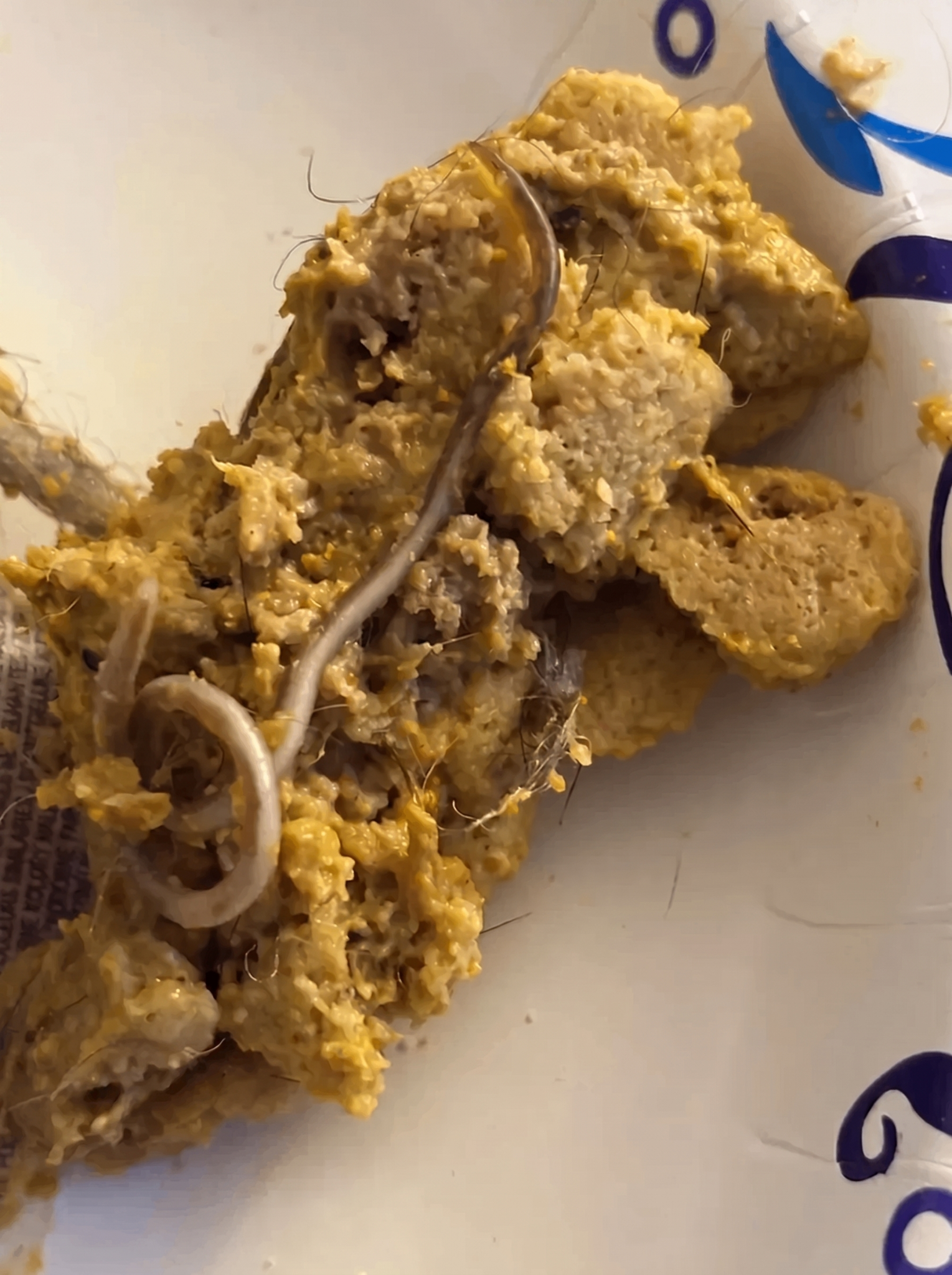
Cat Magazine UK Facebook ad: “My Indoor Cat Blinded My Mother.”
Ran for 2 days, from September 2 to September 4, 2026, the last day Crush saw it.
Run by Cat Magazine UK on Facebook. Crush is not the advertiser and does not verify its claims. See this ad in Meta's Ad Library(opens in a new tab)
Want an ad like this for your product?
Crush makes new ad images for your product from this ad: your logo, your product photo, your offer.
Trials from $19.95 USD, then $79.95 USD a month. Cancel anytime.
About this ad
- Meta Ad Library ID
- 2242148846567635
- Platforms
- Facebook, Instagram, Messenger, WhatsApp and Threads
- Relaunches
- 0
Ad text
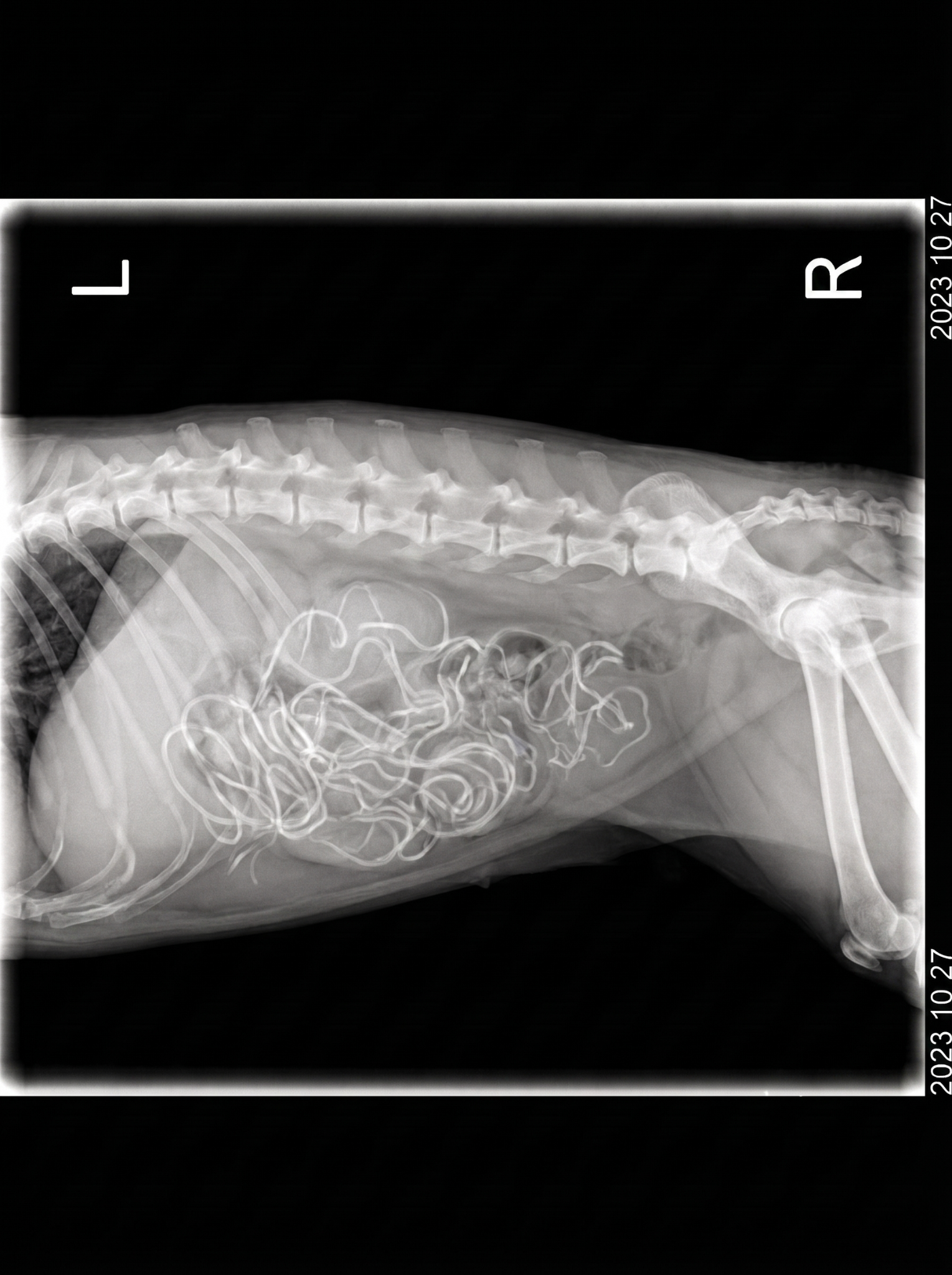
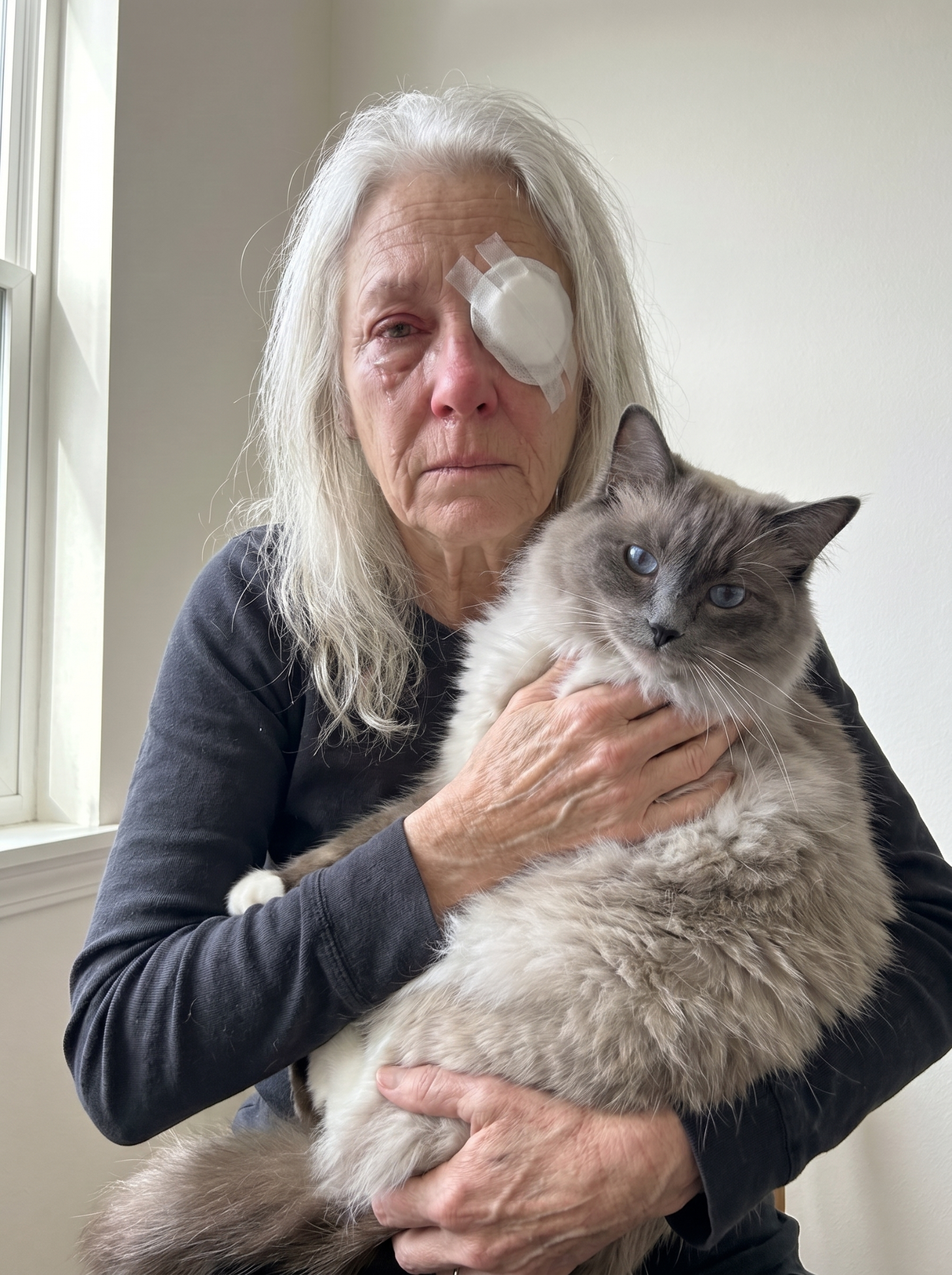
My cat blinded my mother, and the weapon was my litter tray. Not her claws. Not her teeth. Her litter tray, the one my mum kindly scooped every Sunday while I finished dinner. For two years, that tray was the most dangerous thing in my home, and I had no idea. Now my mother is partially blind. Permanently. If you have a cat, there is a landmine in your home your family walks past every single day. I never saw mine until it went off. My name is Anna Patterson. I am 34. My mum is 64. I live in Birmingham with Luna, a 6-year-old indoor tabby who has spent every day of her life inside my flat. Like every indoor cat mum I know, I thought I had her health handled. Closed windows. Premium food. Regular vet visits. I thought I had my family's health handled too. My mum lived alone across town. She came over every Sunday for two years. She would help me cook dinner. Luna would sit on her lap during films. Sometimes she would scoop the litter tray for me while I finished the sauce. Normal. Sweet. Boring Sunday routines. That was the whole point. The signs started small. In both of them. Luna first. About a year ago, she stopped jumping on the worktop to steal my toast. Then she stopped sprinting after her feather toy. She got picky at dinner. Ate less. I noticed her spine felt a little sharper when I stroked her. I told myself she was slowing down. She was six, then seven. Some cats just get less playful with age. Right? Because, and I am being honest here, she is an indoor cat. She had never been outside. Whatever was going on could not possibly be serious. The vet agreed. Yearly checkup. Blood panel came back "unremarkable." She said Luna was "in good health for her age." "They slow down. It's normal." So I stopped worrying. Meanwhile, my mum started ringing me on Tuesday mornings. "Anna, I saw a floater yesterday. It hasn't gone away." Two weeks later: "The floater is bigger. There's a shadow in the corner of my right eye." Then: "I couldn't read the newspaper this morning." Then: "I don't think I should be driving anymore." I told her the same thing every daughter tells her ageing parent. It is probably just age. Maybe you need new glasses. She was 64. She had cataracts on her mother's side of the family. My whole life I had been prepared for her vision to slowly go. So I told mum to make an appointment with the eye doctor. Cataracts. Probably cataracts. That was the lie I kept telling myself for months. Two eye doctors missed it before the third one found it. The first said cataracts. The second suspected macular degeneration and prescribed eye drops. Six weeks passed. Mum's right eye kept fading. By the time we got to the third ophthalmologist, mum could not recognise my face across the exam room. He put her in the imaging chair. Bright lights. Detailed photos of the back of her eye. He watched the screen for a long time. Then he leaned closer to it. Then he pulled up two chairs and asked us both to sit down. "Ms Patterson," he said carefully. "I want to show you something." He turned the screen so we could see. My mum could not make it out clearly, but I could. There were photos of her retinas, the light-sensing tissue at the back of the eye. He pointed at a series of round white scars. "These are chorioretinal scars. Classic ring pattern. This is caused by a parasite. It's called Toxoplasma gondii." My mum blinked. "Toxo-what?" "Toxoplasmosis. A parasitic infection. Once these scars form, we can't reverse them. Your right eye is already scarred beyond repair. Your left is inflamed and we need to start aggressive treatment today or you'll lose that one too." My mum sat very still. "You won't be able to read anymore. And I don't think you should be driving." She just nodded. She had already stopped driving three weeks earlier. Then the doctor closed her chart. He looked at both of us for a long moment. "Ms Patterson, do either of you own a cat?" My mum shook her head no. Then she looked at me. "But my daughter does." His face changed. "Your cat might be the cause of all of this." I do not remember the drive home from the ophthalmologist's office. I remember helping mum onto the sofa. Making her tea. Getting her set up in the spare room because she was not going home that night. Then I sat on the kitchen floor at 11 PM, staring at Luna asleep on the footstool. Six years of loving that cat. Six months of watching my mother go blind. And a doctor had just told me they were connected. I started shaking. Because the pieces were rearranging themselves in my head. Luna's slow decline. The vet saying "she's fine." The floaters. The wrong cataracts diagnosis. The doctors who kept saying "come back in three months." Every single one of them had missed it. If I kept trusting the system that had missed both my cat's illness AND my mother's disease, I was going to lose them both. That was the night I stopped listening to vets and started reading research papers. I spent three weeks digging. Not on pet blogs. Not on Facebook groups. On actual veterinary journals, parasitology databases, and human infectious disease publications. And what I found changed everything I thought I knew about indoor cats. Researchers estimate roundworms and tapeworms affect 25% to 75% of all cats, indoor or outdoor. Does not matter. A 2019 Royal Society study found more than 1 in 4 cats diagnosed with heartworm never went outside. Not once. Indoor does not mean safe. Indoor means undefended. Then I found the part that made me stop breathing. Toxoplasma gondii, the parasite that scarred my mother's retinas, infects an estimated 1 in 9 people. Most people never know they have it. Their immune system keeps it in check. Until their immune system weakens. Then it goes to the eyes. Or the brain. Or worse. Studies have linked Toxoplasma to depression, cognitive decline in older adults, muscle wasting, and vision loss. And it is not the only zoonotic parasite from cats. Roundworm larvae from cat faeces can migrate into a child's eye and cause blindness, the exact same way it happened to my mother, but in a five-year-old. Hookworm larvae burrow directly through the skin of bare feet on floors where a cat has walked. Some parasites cross into the human brain and form cysts. And here is how they get in. You scoop the litter tray. Wash your hands, sure, but were they perfectly clean? Then you touch your face. Or make a sandwich. Or hold your kid. You pet your cat. Then rub your eye. Kids crawling on carpets where a cat has walked. Sleeping in the same bed as your cat, with her paws pressed near your face. And these eggs are hard to kill. Roundworm shells survive bleach, disinfectant, and antibacterial wipes. A single female worm lays 24,000 eggs a day. Those eggs can live in your carpet for years. They ride into your home on the bottom of your shoes. In bags of potting soil. On flies. On a mosquito that gets in when you grab the post. Your house is not a sealed box. It is a porous ecosystem. Every indoor cat mum I know, including me, had been operating on the lie that closing the door was enough. But that still did not explain why Luna had gotten so infested that she had been silently shedding enough eggs to blind my own mother. What was different about Luna? That is when I found the parasitology paper that finally cracked it. A cat's gut is not supposed to let parasites take root, because her body has a defence system most owners never hear about. It is called bile acid. When her liver is working properly, it pumps a concentrated bile acid into her gut every time she eats. That acid melts the protective shell on parasite eggs before they can hatch. It dissolves the outer coating of larvae. It strips parasites of the armour that makes them survive everywhere else. The parasite is destroyed before it ever gets a foothold. No eggs shed into the litter tray. No parasites spread to the humans in the house. That is how Luna was supposed to be protected. That is how my family was supposed to be protected. From the inside. But here is the thing nobody told me. To produce that bile acid, your cat needs one specific nutrient: taurine. Not a little. A lot. Every single day. Cats cannot make taurine on their own. Their bodies literally do not have the enzyme. They have to get every milligram of it from food. Every cat food bag in this country has "Taurine Added" printed on the side. So how could my cat, eating a premium £70 bag, with "taurine added" on the label, possibly have a deficiency severe enough to collapse her defences? It comes down to how cat food is made. Almost all commercial cat food is manufactured using extremely high heat, over 120 degrees Celsius, applied for long periods to dry, sterilise, and shape the food. And taurine is an incredibly fragile amino acid. It does not survive that kind of processing. Studies have shown high-heat manufacturing destroys up to 65% of the taurine before the bag is even sealed. I call it the Taurine Blockade. And if you have been feeding "premium grain-free" food, like I was, it gets worse. When manufacturers pulled grains out, they replaced them with legumes. Peas. Lentils. Chickpeas. Cheap plant fillers that show up on the ingredient list as "natural" and "wholesome." Those legumes contain compounds called anti-nutrients. They bind directly to whatever taurine survived the cooking. They lock onto it. They block your cat's body from absorbing the tiny bit that is left. Double hit. Heat destroys most of the taurine. Legumes block the rest. Her liver runs dry. Her bile acid weakens. The first line of defence against parasites just stops working. So when the eggs come in, every day, on your shoes, on flies, on potting soil, there is no bile acid to kill them. They pass through untouched, hatch in her intestines, and start feeding. Multiplying. And every day, she starts shedding millions of new eggs, through her litter tray, on her fur, in every corner of your home. That is why Luna, a cat who had never been outside in six years, had been silently infested with parasites since who knows when. Her body had stopped protecting her. And because her body stopped protecting her, my mother's eyes had stopped protecting her too. The food I was paying premium for was the reason my mum could not see me anymore. I emailed everything I had found to a veterinary nutritionist in Edinburgh. Twenty years of practice. Specialises in feline gut health and bile acid disorders. Her reply came back the next day. Two paragraphs. I still have the email: "Your research is correct, and frankly, this is a problem most general-practice vets don't recognise. Bile acid is the cat's primary intestinal antimicrobial defence, and chronic taurine deficiency from modern commercial diets is now well-documented. The cat must be supplemented with bioavailable, free-form taurine — not the bound taurine in biscuits — to restore bile production. Until that's fixed, parasite resistance will keep failing, and the household zoonotic exposure risk will remain elevated. Address the taurine first. The rest follows." I read that email five times. "Household zoonotic exposure risk will remain elevated." Because it was not just my cat anymore. Then I went looking for the right kind of taurine. Here is the part most owners get wrong. Buying just any taurine supplement on Amazon does nothing. I tested four of them with Luna before I figured this out. Cheap powders. Mystery sourcing. Half of them had less taurine in the tub than the label claimed. What you actually need is pure, free-form taurine. Free-form means it is not bound to anything. No fillers. No legumes. No protein-bound taurine that needs to be broken apart in the gut. And critically, it is added to your cat's food after the cooking is done. The heat that destroys taurine never touches it. The blockers in legume fillers never get a chance to lock onto it. It is already in the form your cat's body can absorb directly. It skips the entire blockade. It goes straight to the liver and gets converted into bile acid within hours. When that bile acid comes back online, your cat's body restarts the defence system it was always supposed to have. The parasites already inside her get exposed. Her immune system finds them and starts attacking. The shedding stops. The household exposure drops. Which means everyone in your home, kids, parents, spouses, flatmates, stops being at risk. I went through six brands before I landed on the right one. Most "taurine supplements" on the market are rubbish. Cheap fillers. Maltodextrin. Magnesium stearate. Some had added flavours Luna refused to touch. Some were so contaminated I found heavy metal warnings buried in the fine print. I was about to give up. Then I found MeowSupps in a comment thread on a feline nutrition forum. Pharmaceutical grade. 98.5% pure. Lab-tested. Pure taurine powder, no fillers, no binders, no additives to block absorption. Formulated with veterinary nutritionists. One ingredient. Nothing else. I ordered one tub. One scoop a day mixed into Luna's food. I did not tell my mother. I did not tell anyone. I was terrified of getting anyone's hopes up. Including my own. Day 3, Luna ate her full meal with visible interest. First time in months. Day 7, she came out of the cupboard at night and sat on the sofa next to me. She had not done that since the summer. Day 14, she jumped on the worktop to steal my toast. I had not seen her do that in over a year. I sat down at the kitchen table and cried. Day 21, she was chasing her feather toy again. Rolling on her back. Purring like an engine. Then I started noticing things I had not seen in years. She kneaded my chest at night. Chirped at birds through the window. Slept belly-up in a sunbeam. All things I had called "old age." They were not old age. They were her body letting go of little pieces of joy, one by one, because it hurt too much to keep them. I took her back to the vet at week six. Blood panel: clean. Faecal test: clean. No more parasites. No more silent shedding. No more danger to the people in my home. The Luna I had before all of this came back. Luna has been on MeowSupps for eight months now. She purrs every morning. Chases her feather toy. Steals toast from the worktop. Sleeps on my chest. My flat is a different place. I have had my brother's kids over three times since the faecal tests came back clean. My four-year-old niece plays on the floor with Luna. My nephews chase her down the hallway. I sleep at night. But my mother is not the same. Her right eye is permanently scarred. Her left has stabilised after aggressive treatment, but she will always see the world through a blurry lens. She cannot drive. She cannot read her paperbacks. She lives with me now. I read to her at night. And every Sunday, Luna still curls up on her lap while I make dinner. My mum scratches behind Luna's ears and whispers, "You didn't mean it, sweet girl." And Luna purrs. That is the piece I could still save. Not the piece I already lost. Once Luna's story got out, other cat mums started reaching out. My neighbour Jess, her indoor cat Mochi had been being sick for months. Three vet visits. Negative tests. "Sensitive stomach." Two weeks on MeowSupps and the vomiting stopped. First back-to-back clean faecal panels in over a year. My friend Carla, she has twin daughters. They had been getting unexplained skin rashes the GP could not diagnose. Her indoor cat Theo had been shedding heavily. Six weeks on MeowSupps, and both the shedding and the rashes cleared up. My colleague Diane, she has an elderly father who lives with her. He had been getting fatigued in ways that seemed like just ageing. She heard my story. Put her cat on MeowSupps that week. Within three months her dad's fatigue lifted. Correlation? Maybe. She told me, "I'm not going to be the person who ignores it, Anna." Every single one had an indoor cat. Every single one had been told her cat was healthy. Every single one had a bile defence that had quietly collapsed, putting everyone in the house at risk. Nobody told us any of this. But now they know. If you have a cat, indoor especially, and you have kids, elderly parents, or anyone with a slightly weakened immune system in your home, please hear me out. Here is what I know now, after a year of failing my cat and losing my mother's sight. If your indoor cat's coat is dull, that is not just age. If she is slowing down at seven, eight, nine years old, that is not just normal ageing. If your vet keeps telling you "she's fine, she's an indoor cat," they might be missing what my three vets missed. And what three ophthalmologists missed in my mother. Because indoor cats can carry parasites. Just as heavily as outdoor ones. And every day they carry them, they shed millions of eggs into your home. Onto your rugs. Into their litter tray. On the pillow where your mum scratches behind their ears. Toxoplasma. Roundworms. Hookworms. Tapeworms. Any of them can cross to humans. And once they cross, some damage does not reverse. Your vet probably will not find it, because she is not looking for it. Faecal tests can come back "negative" even when parasites are present. But pure free-form taurine restores the bile acid. The bile acid kills the parasites. The parasites stop being shed. Your family stops being exposed. MeowSupps. One scoop a day. Mix it into whatever food you are already feeding. 90-day money-back guarantee. One thing to know before you order: MeowSupps is made in small batches and sells out fast. When this batch is gone, you might be waiting weeks for the next one. Three weeks from now, your cat could be tested clean. Your family could be safe going forward. Please do not wait until you are the one sitting in an ophthalmologist's office listening to a doctor ask if you own a cat. P.S. A lot of you keep asking where I get Luna's taurine. Here you go: https://getmeowsupps.com/products/meowsupps-taurine-supplement
Where the ad sends people
getmeowsupps.com
My Indoor Cat Blinded My Mother.
Two eye doctors said cataracts. The third asked one question: "Do you own a cat?" My mom's retinas were already scarred. My sweet indoor cat had been carrying it the whole time.
Shop now: getmeowsupps.com(opens in a new tab)