Amy Christine Delgado
Amy Christine Delgado Facebook ad: “Scalp trick to to stop menopausal hair loss fast”
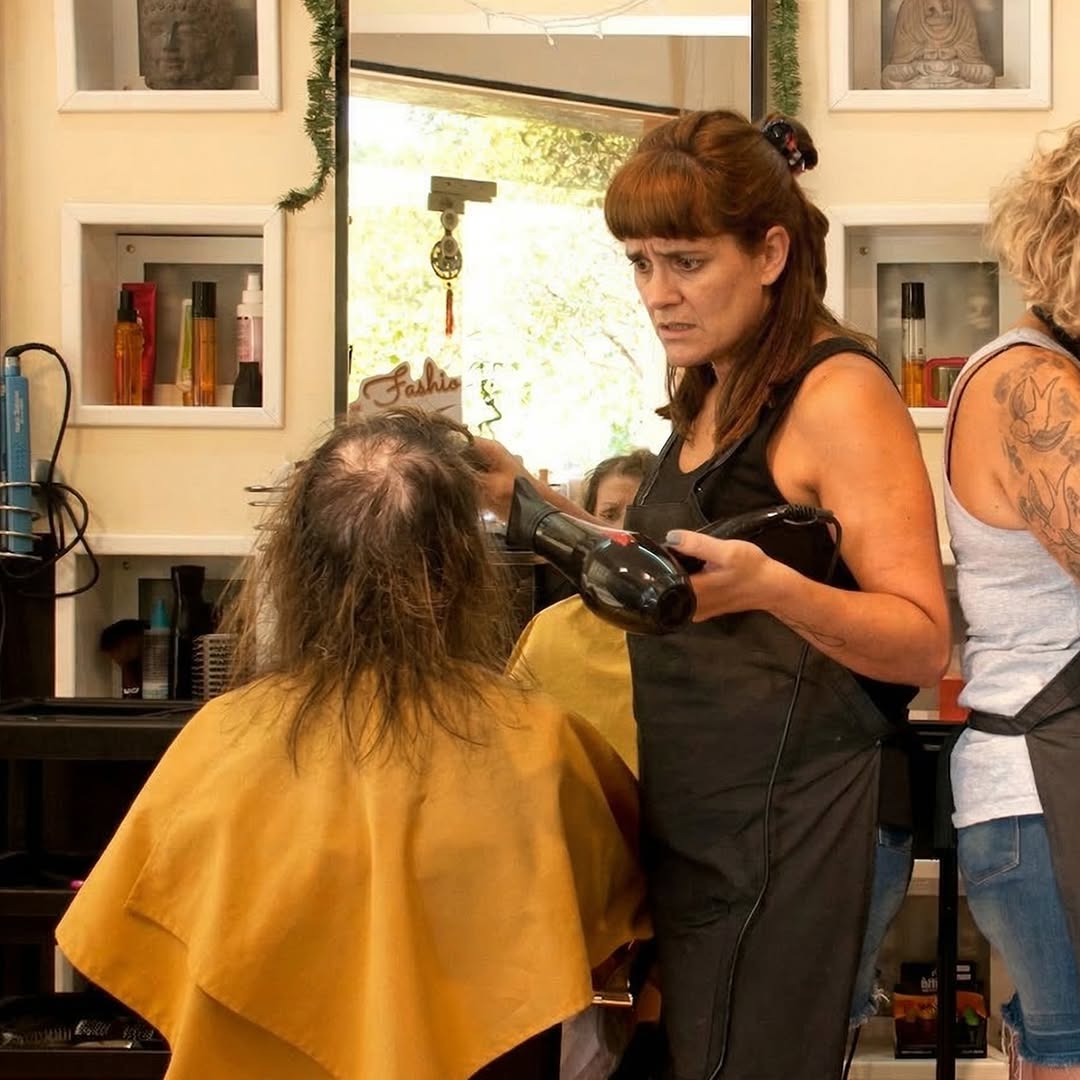
Ran for 2 days, from July 27 to July 28, 2026, the last day Crush saw it.
Run by Amy Christine Delgado on Facebook. Crush is not the advertiser and does not verify its claims. See this ad in Meta's Ad Library(opens in a new tab)
Make your own version of this ad
Crush makes it, launches it in your own Meta ad account, scales the winners and pauses the losers.
About this ad
- Meta Ad Library ID
- 2259165174854521
- Platforms
- Facebook, Instagram, Messenger, WhatsApp and Threads
- Relaunches
- 0
- Niche
- Hair Care
Ad text
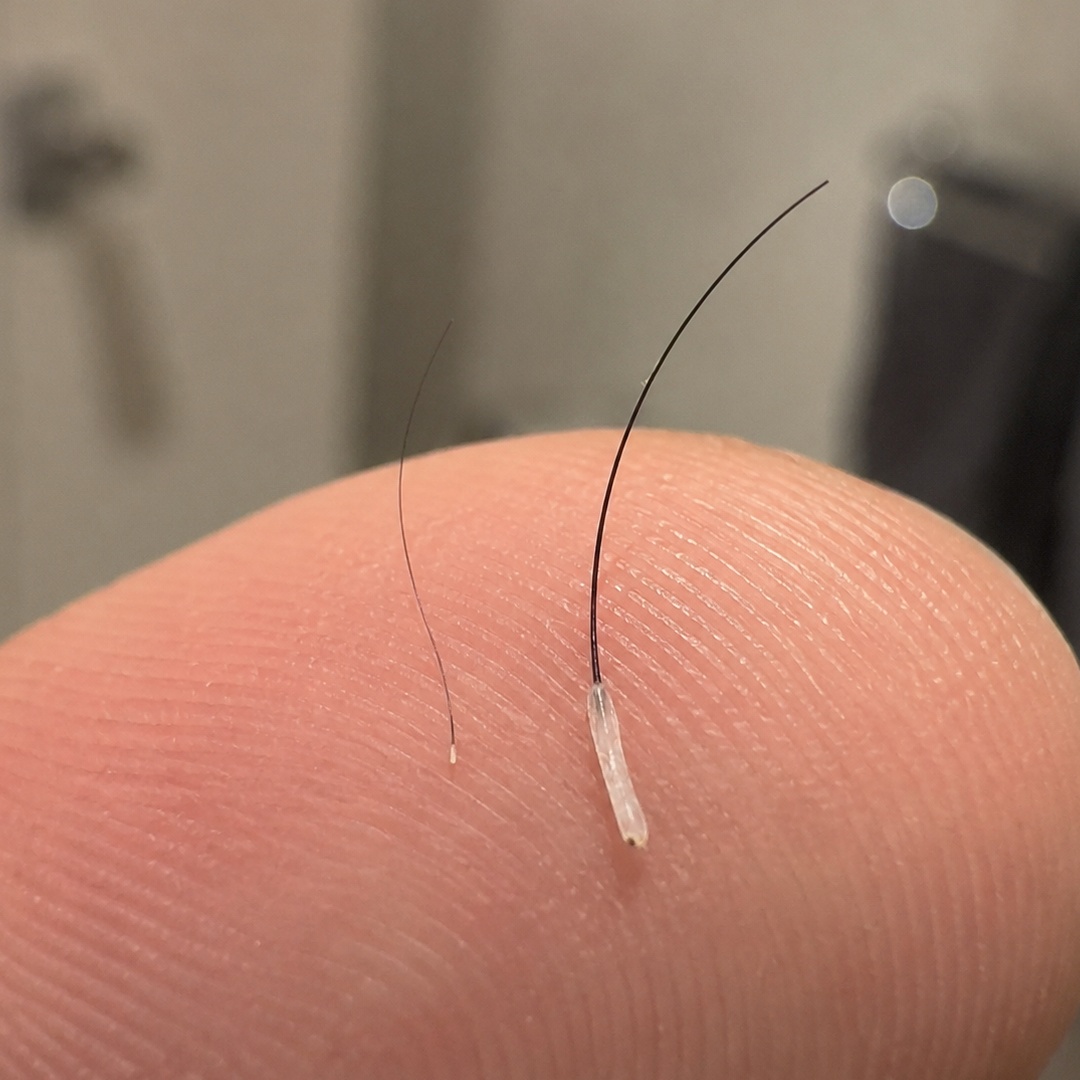
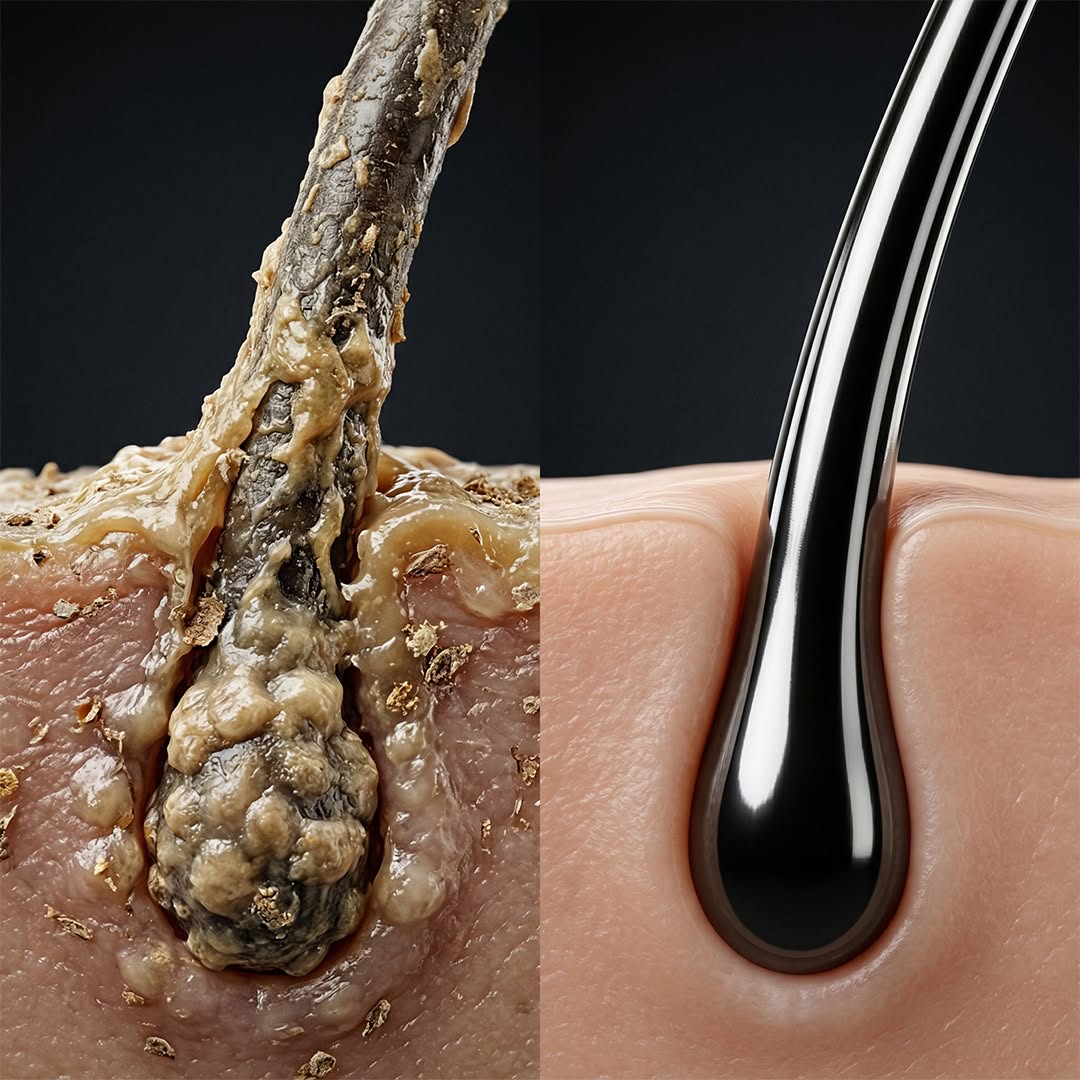
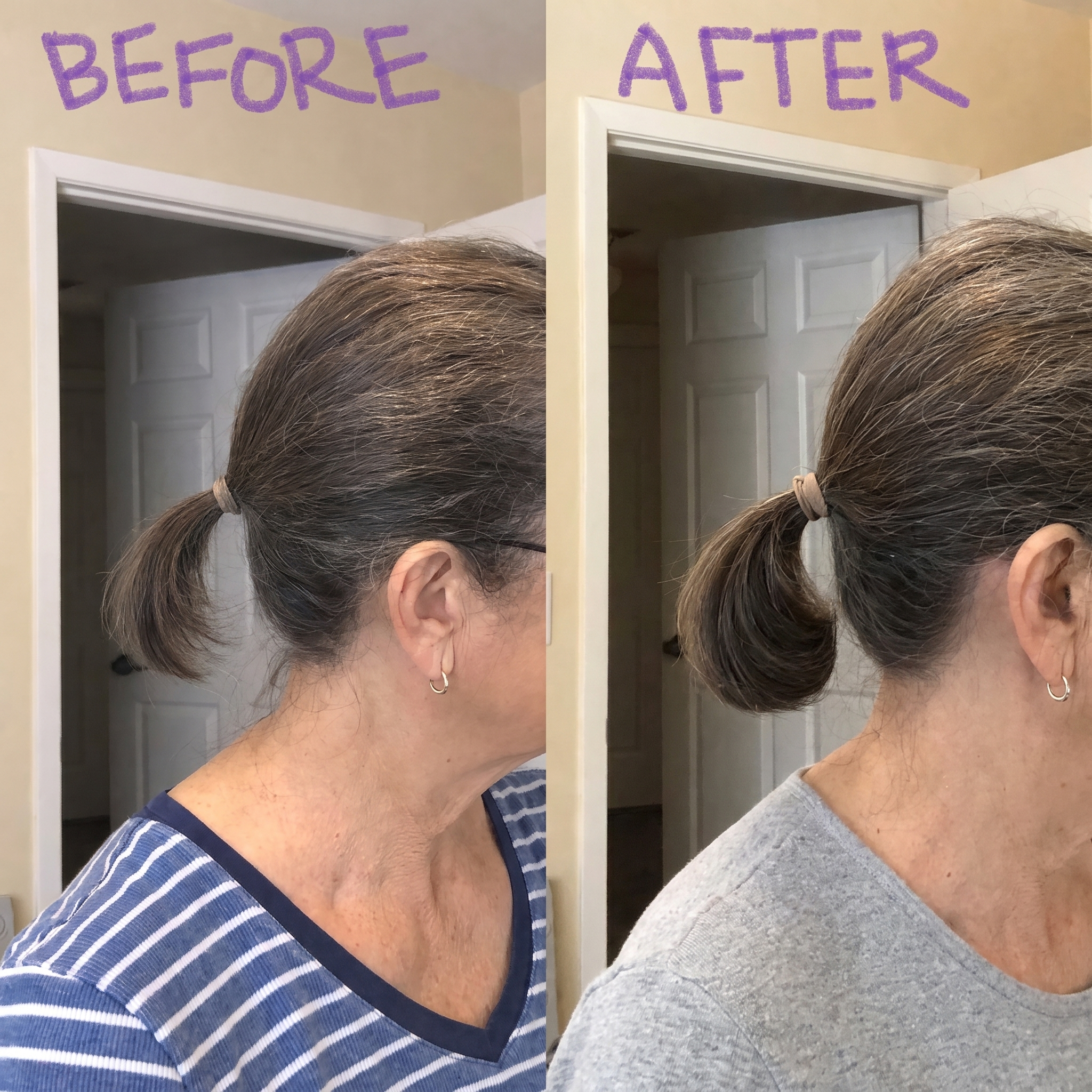
Please stop stretching your wash days. I know that sounds backwards. Every menopause hair loss forum says the same thing — wash less. Fewer washes means less shedding. Push it to every four days. Every five. "Train" your hair. It sounds logical. Hair falls out in the shower, so shower less. Basic math. Except it's wrong. And the reason it's wrong changes everything about how menopausal hair loss actually works. Women aren't shedding because they wash too often. They're shedding because by the time the wash starts, the strand was already on its way out. Reducing frequency doesn't fix that. It just spaces out the moment you see it. The shedding events get further apart but each one gets worse. Here's what's actually going on. Because almost nobody explains this properly. Your hair is only ever doing one of two things. It's growing, or it's shedding out. Dermatologists call those anagen and telogen. Forget the words. Growing, or shedding. There is no third thing. And normally the maths is heavily in your favour. Studies show a young scalp keeps about 9 in 10 hairs in the growing phase at once — quietly getting longer, for years at a time. Only a small handful are on their way out. That's why you never notice. A few fall each day, and there's a whole army still growing to cover for them. Then estrogen drops — which starts in a woman's early 40s, not at menopause — and the scalp starts aging faster than any other skin on your body. An aged scalp can't hold as much hair in the growing phase. Studies show it drops to 3 to 5 in 10. So it isn't a few strands a day anymore. It's a clump in the shower, a brush you don't recognise, a ponytail that's lost its weight. By the time you see the strand in your hand, the decision already happened underneath. The wash didn't cause the loss. The wash is just where you see it. That's why washing less doesn't help. The strand was already on the shedding side. You're not preventing anything by spacing out the wash — you're just collecting them in fewer, bigger handfuls. Monday handful. Thursday handful. Sunday handful. Worse each time. But the shedding isn't even the part that costs you your hair. Because when a hair sheds, a young scalp starts a new one straight away. One out, one in. That's how it's worked your entire life. An aged scalp stops keeping up. The hair falls, and instead of a new one starting behind it, the follicle just sits there empty. Two dermatologists tracked women with progressive thinning for two years and found up to a third of follicles sitting like that — empty for anywhere from three months to a year. They named the state kenogen, from the Greek for empty. And in a second paper, they put it in the title: the higher number and longer duration of these empty follicles is the main cause of thinning. Not a symptom of it. The cause. That's your part getting wider. Not because the hairs got smaller — because a chunk of them just aren't there. And the hair that does come back comes back finer. Studies show the ratio of thick hairs to fine ones drops from about 13 to 1 down toward 2 to 1. Which is the ponytail losing its weight even on the days nothing much came out. Three things, all at once. Less hair held in growth. Fewer follicles restarting after a shed. And thinner strands from the ones that do. That's what an aged scalp is. Not a number on a birthday card — a measurable loss of follicular capacity, and it's why every product on the market has been aimed at the wrong target. Biotin builds keratin. But the strand isn't breaking — it's being released, intact, with its full bulb attached. Build quality was never the problem. Collagen capsules get digested and routed to joints, bones, and skin first. Hair is last in the priority queue. By the time anything you swallow reaches a follicle after 40, there's almost nothing left. Rosemary oil sits on top of a scalp that's aging underneath it. It's polishing the floorboards while the foundation settles. Even minoxidil — the only FDA-approved option — works on blood flow to the follicle. It does nothing about the follicles that have already gone empty. Which is why so many women try it for a year and quietly stop. Nobody was treating the scalp itself. Until recently. Last year, a Stanford-trained dermatologist commissioned an independent clinical lab to run the first trial that ever counted shedding by hand — every strand from a clinical brush, every strand from a clinical wash, before and after, on women applying a topical for sixty seconds a night before bed. The wash count dropped by 68%. The brush count dropped by 60%. And 95% of the women in the trial were shedding less within six weeks. Then the second half. By week 12, nearly 10,000 new hairs were growing — from follicles that had been sitting empty. By week 18, that had become visible density on the Ludwig scale, graded by two independent board-certified dermatologists. The trial was peer-reviewed and published in the Journal of Drugs in Dermatology. What those women used is the first protocol built for all three capacities at once — holding more hair in the growing phase, restarting the follicles that had gone empty, and rebuilding the thickness of what grows back. That's the part nobody else is even attempting. Every other product on the shelf is aimed at the hair you've still got. Now, here's the reason I'm writing this rather than just linking a product. Because how far along you are changes what you need. How long you've been shedding, where it shows worst, what stage you're in — those decide how much of your hair is still recoverable and how fast. So his team built a short assessment that works it out. It scores your scalp age against your real age. It tells you when your shedding stops and when your density comes back. And it matches you to the plan built for your profile. No email. No sign-up. About a minute. And if your answers match the profile from the trial, it unlocks patient pricing at the end — the rate thousands of doctors give women losing hair. Take it here: https://kilgourmd.com/pages/hair-quiz-1mo P.S. Wash however often you like. Genuinely. Daily washing doesn't cause menopausal hair loss and stretching it out doesn't slow it — all you're changing is how often you have to look at it. P.P.S. The thing worth knowing before you buy anything: an empty follicle can restart. One that's been sitting empty for years may not. That's the whole reason the assessment asks how long it's been going.
Where the ad sends people
kilgourmd.com
Scalp trick to to stop menopausal hair loss fast
Dermatologist-developed, the best hair growth products for thinning hair. Reduce hair fall by 30% in two months, and stimulate hair follicle growth by 200%. No known side effects.
Learn more: kilgourmd.com(opens in a new tab)