
Inactive· since Aug 9, 2026
- 13
- days it ran
- 0
- relaunches
Ad copy
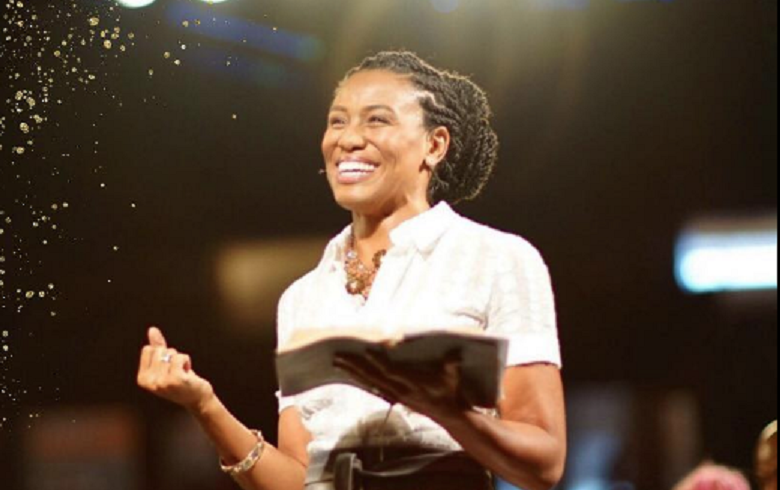
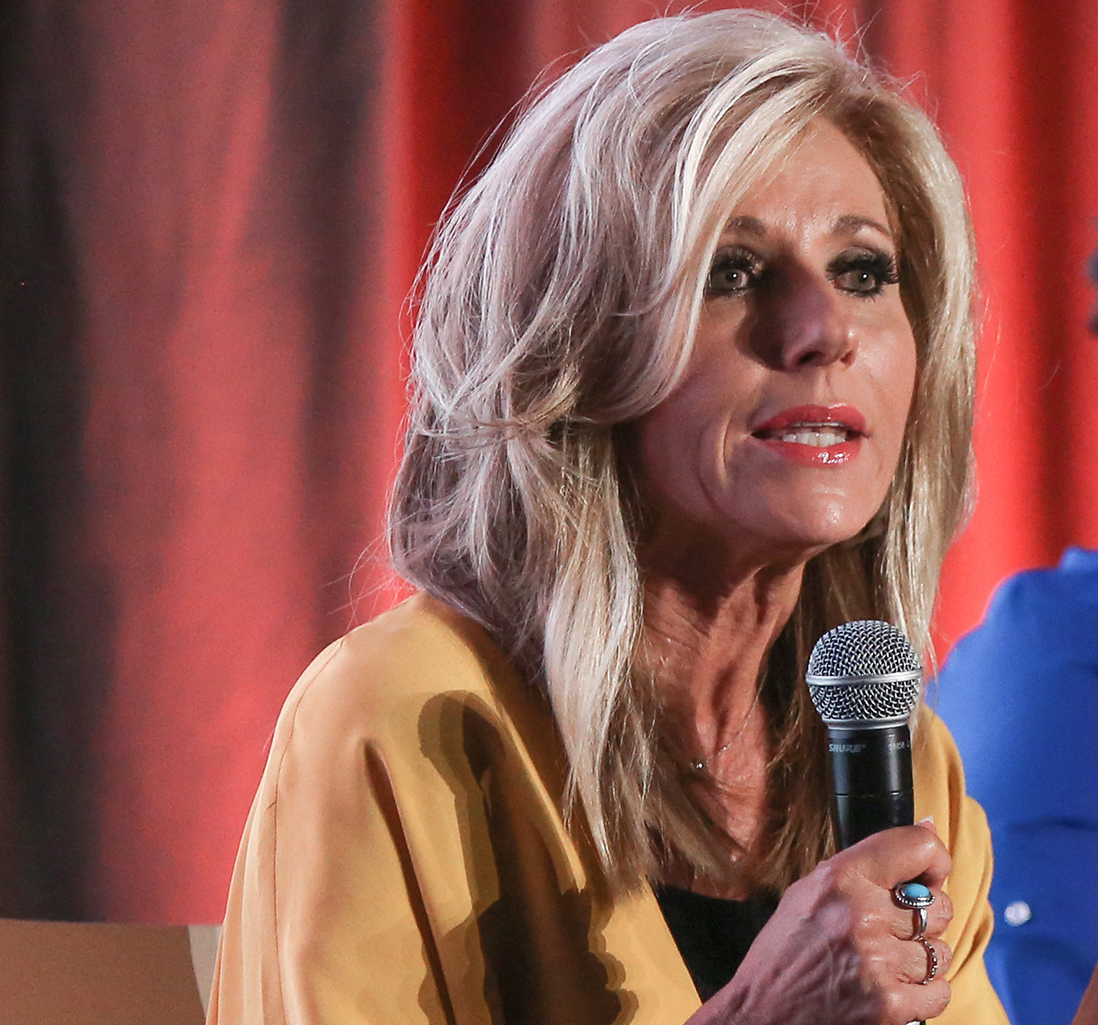
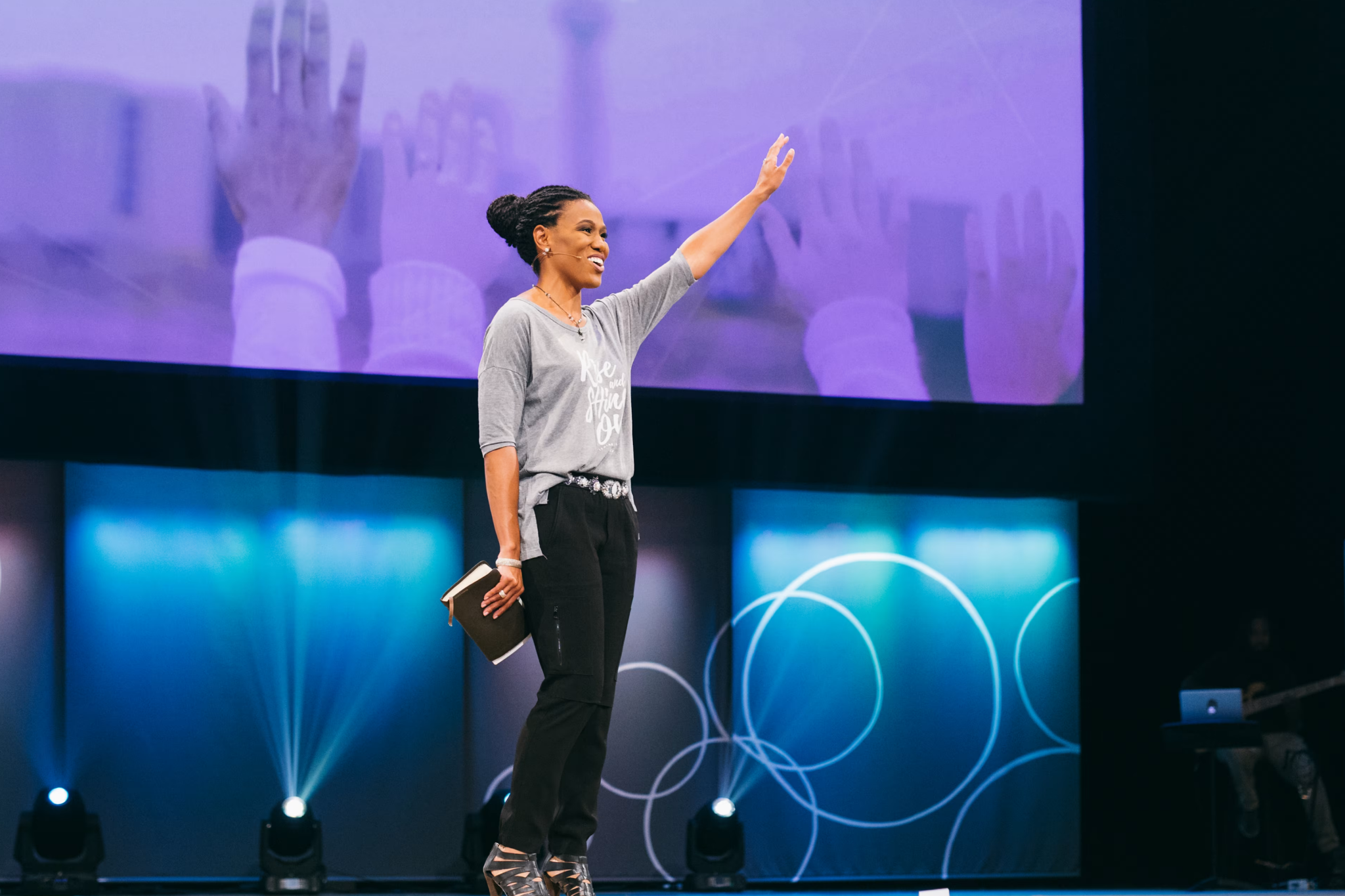
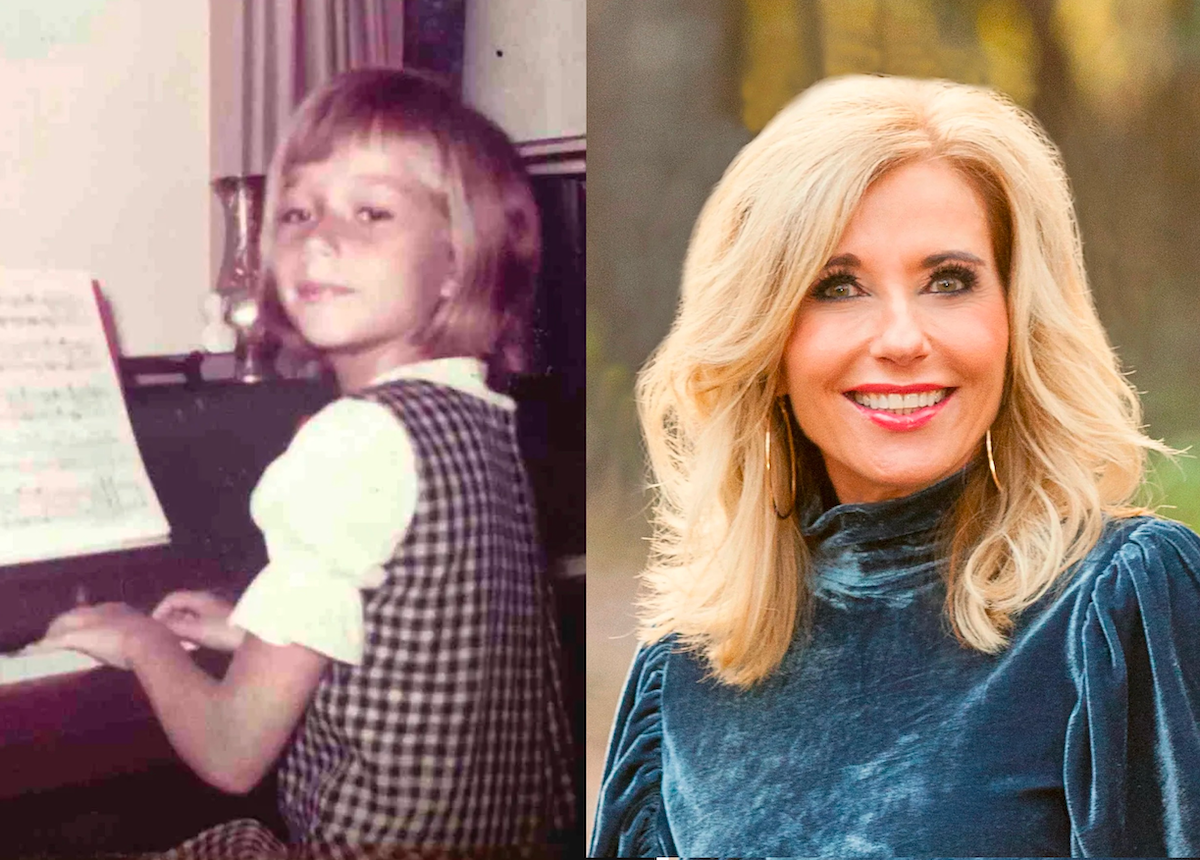
Lysa TerKeurst helped start one of the largest women’s ministries in America before she even knew Jesus personally. Today, Lysa TerKeurst is one of the most recognized Christian women in America. She is a bestselling author. A Bible teacher. A speaker. And the president of Proverbs 31 Ministries. Millions of women have listened to her teach about forgiveness, rejection, disappointment, boundaries, and trusting God through the hardest seasons of life. But when Lysa first became involved with Proverbs 31, she was hiding something almost nobody would have expected. She was not even a Christian. Lysa said she would have called herself one. She knew facts about God. She knew religious language. She understood that Christianity came with rules people were supposed to follow. But she did not know Jesus personally. She did not know her identity in Christ. She did not know how to have a relationship with God. And she was terrified to open the Bible. That is difficult to imagine now. The woman who would eventually teach Scripture around the world was once afraid someone might ask her to explain it. She wanted to stay behind the scenes. She told the women at Proverbs 31 that she was good at marketing. She could help with the newsletter. She could write an occasional article. But she never wanted to hold a microphone. She never wanted to stand on a stage. And part of the reason was simple. She knew enough about Christianity to know she did not understand it. She thought God was a collection of rules. She had not memorized all the rules. So she believed she had no business helping anyone else. But underneath her fear of the Bible was something even deeper. Lysa said that before she knew Jesus, she believed her identity was the sum total of two things. What had been done to her. And what she had done. That was how she measured herself. Every wound. Every rejection. Every painful memory. Every mistake. Every regret. Every choice she wished she could undo. She added it all together. And the conclusion she reached was devastating. She felt like a throwaway person. Not simply a person who had made mistakes. A person who could be discarded. A person whose story had already decided her value. A person God might tolerate from a distance, but never call, use, or choose. That is the part of Lysa’s story many Christian women understand more deeply than they admit. They know facts about God. They attend church. They believe the Bible matters. They may have called themselves Christian for most of their lives. But privately, their identity is still being calculated the same way Lysa calculated hers. What happened to me? What did I do? What does that say about the kind of woman I am? The divorce becomes evidence that she was not worth staying for. The betrayal becomes evidence that she was foolish to trust. The abortion becomes evidence that she could never be fully clean. The affair becomes evidence that she ruined everything God intended for her. The years she spent away from church become evidence that she has fallen too far behind. The angry words she said to her children become evidence that she failed as a mother. The addiction becomes her name. The rejection becomes her value. The mistake becomes her identity. She may know that the Bible says God loves her. But when she looks at herself, she still sees a total. What was done to me plus what I have done. And if that total feels ugly enough, every Bible verse begins sounding like it was written for someone else. That was Lysa’s relationship with Scripture. She knew information about God. But she did not yet know the God behind the information. She thought Christianity was about learning the rules well enough to stop disappointing Him. And many women are still reading the Bible that way. They open Scripture looking for instructions they have failed to follow. A better morning routine. A more patient attitude. A stronger prayer life. A command to forgive. A warning against fear. Another standard they know they should reach. But because they do not understand the larger story, they miss what the Bible is revealing before it asks them to do anything. Who God is. What He has done. How He responds to broken people. How He pursues people who hide. How He restores people who fail. How He gives new names to people who have spent years living under old ones. Lysa’s life began changing when her friends invited her into two Bible studies. One taught her about her identity in Christ. The other taught her how to experience a relationship with God. For the first time, she began understanding that she was not simply a collection of wounds and mistakes. What had been done to her mattered. What she had done carried consequences. But neither one had the final authority to name her. Jesus did. That is the difference between knowing facts about God and knowing Him. Facts tell you that Jesus forgives. Relationship allows you to believe His forgiveness applies to you. Facts tell you God has a purpose. Relationship helps you trust that your past has not cancelled it. Facts tell you that you are a new creation. Relationship slowly teaches you to stop introducing yourself by the chapter Christ already redeemed. Lysa did not become a Bible teacher because someone finally convinced her she was naturally qualified. She became one because Scripture changed the way she understood God and the way she understood herself. And that is what many women are missing. They do not need more Christian facts. They need enough understanding to see how the facts connect into one story. Because isolated facts rarely rebuild an identity. A verse here. A sermon there. A quote on social media. A promise written on a coffee mug. Those things can encourage us. But if we do not understand the larger story, the old identity often remains untouched beneath them. I know because I lived like that for years. I knew God created the world. I knew Jesus died on the cross. I knew David defeated Goliath. I knew Moses parted the sea. I knew God loved me. But those truths lived in separate boxes. I did not understand how Genesis explained the shame I carried. I did not understand why Adam and Eve hid after they sinned. I did not see how quickly people still do the same thing. We cover. We perform. We blame. We avoid being fully seen. I knew the story of Hagar. But I had never understood what it meant that God revealed Himself to an abandoned woman as the God who sees. I knew Ruth married Boaz. But I had never understood how much grief, poverty, uncertainty, and ordinary obedience came before the restoration. I knew Peter denied Jesus. But I had never slowed down enough to see how Jesus restored him without pretending the failure had not happened. I knew Paul wrote about being a new creation. But I did not understand the world he was speaking into or how radical it was to say that someone’s old identity no longer had the final word. So I kept reading the Bible as a book about people who were stronger than me. More faithful than me. More useful than me. I saw their victories. I did not understand the context that showed me their fear, confusion, failure, waiting, and dependence on God. Without that context, Scripture became another place where I felt behind. Then I started using this 52 Week Bible Study. It walks through the Bible from Genesis to Revelation, one guided week at a time. Before each reading, it helps explain the context. Who wrote the book. Who they were writing to. What was happening at the time. What themes to watch for. How the passage fits into the larger story. Then it gives you Scripture passages to read, reflection questions, a short prayer, and space to write down what God is showing you. For the first time, the Bible stopped feeling like sixty six separate books filled with facts I was supposed to remember. I began seeing one unfolding story. A God who creates people in His image. People who hide when sin and shame enter. A God who keeps pursuing them. A God who makes promises. A God who rescues. A God who warns. A God who disciplines without abandoning. A God who steps into the story through Jesus. A Savior who takes the weight of sin instead of telling broken people to repair themselves first. And a new identity that is received through Christ, not earned by finally becoming impressive. That larger story changed the way I read individual passages. When I read about Rahab, I stopped seeing only the label attached to her past. I saw a woman whose faith gave her a new future and placed her inside the family line of Jesus. When I read about Naomi, I saw a woman who called herself empty while God was already building restoration around her. When I read about the woman at the well, I saw that Jesus knew every chapter of her story and still chose to speak with her publicly. When I read about Mary Magdalene, I saw that the woman Jesus had delivered was trusted to announce the resurrection. The Bible was not filled with perfect people proving they deserved God. It was filled with people whose lives revealed what God can do with someone who finally lets Him define them. That was the truth I had been missing. I had been trying to use the Bible to improve the identity pain had given me. God wanted His Word to replace it. I was not only the woman who had been rejected. I was not only the woman who made the mistake. I was not only the woman who stayed too long. I was not only the woman who walked away. I was not only the woman who felt ashamed. Those things were part of my story. But they were not my name. And slowly, the questions inside the study helped me notice where I was still allowing the past to introduce me. What does this passage reveal about God? What does it reveal about how He sees His people? What belief have you carried that does not agree with what you just read? What would change if you allowed this truth to shape the way you see yourself? Some mornings, the answer was uncomfortable. I realized how much of my relationship with God was still built on trying to prove I was worth keeping. Other mornings, I saw how quickly I assumed His correction meant rejection. I had learned that from people. Not from Him. The study did not replace Jesus. It did not replace the Holy Spirit. It gave me the context and structure to stay in Scripture long enough for the truth to move beyond information. That is what happened to Lysa. She did not simply collect more facts about God. She began knowing Him. And once she knew Him, she could no longer define herself only by what had been done to her and what she had done. The woman who felt like a throwaway person became a woman God would use to help millions of others recognize that their stories were not over either. Not because she became perfect. Because daily obedience kept moving her toward the life she could not yet see. Lysa said that if someone had shown her where her life would be thirty one years later, she would have called it impossible. She had no platform. No followers. No speaking experience. She did not even know how to have a relationship with God. But the future God was building was not limited by the identity she had calculated from her past. And yours is not either. You may know facts about God. You may have called yourself a Christian for years. But He is inviting you into something deeper than religious familiarity. He wants you to know His character. His faithfulness. His mercy. His holiness. His patience. And the identity He gives to the people who belong to Christ. Right now, the Bible In A Year 52 Week Study is up to 62% off, and every order comes with a free pen pack. Do not spend another year reading Scripture only as a list of rules you are failing to follow. Do not let what was done to you and what you have done become the final calculation of who you are. Tap below and begin walking through the full story of Scripture with the context that helps you know God personally and understand who you are because you belong to Him.
She Started a Christian Ministry Before Knowing Jesus
Need Tools For Kids Faith Learning? Engage Them With Weekly Guided Bible Tasks. Shop Now. Curious How To Teach Bible At Home? Kid Friendly Workbook With Guided Learning.
LEARN MORELike this ad? Make it yours.
Crush rebuilds this exact creative around your product — your brand, your colors, your offer — in about a minute.