
Active· since Jun 22, 2026
- 36
- days running
- 0
- relaunches
- 157
- EU reach
Ad copy
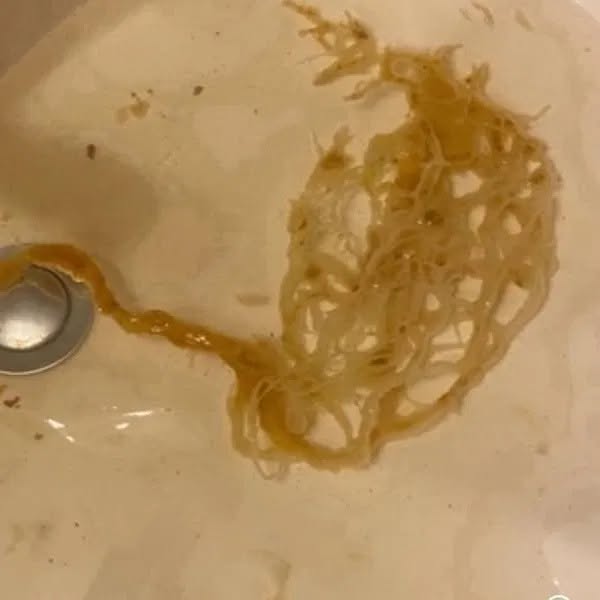
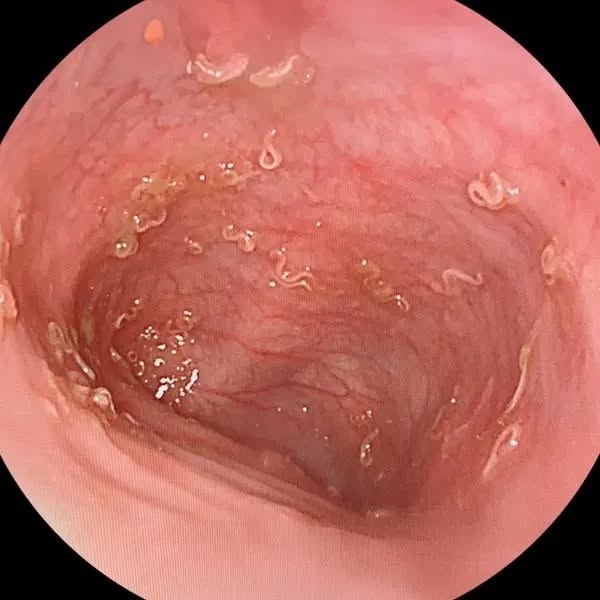
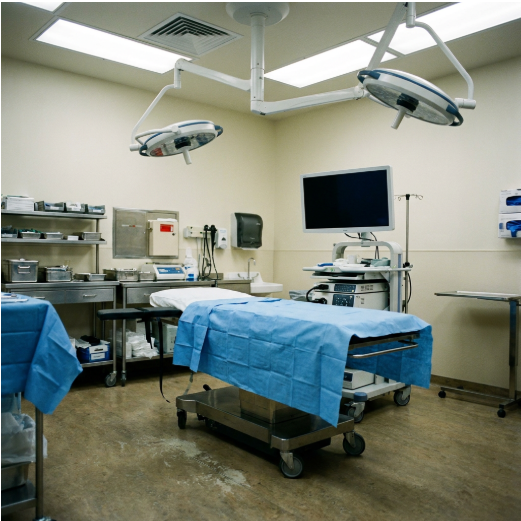
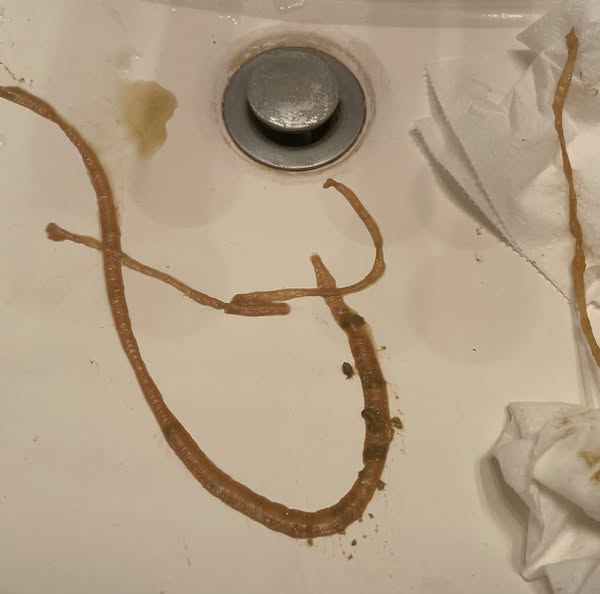
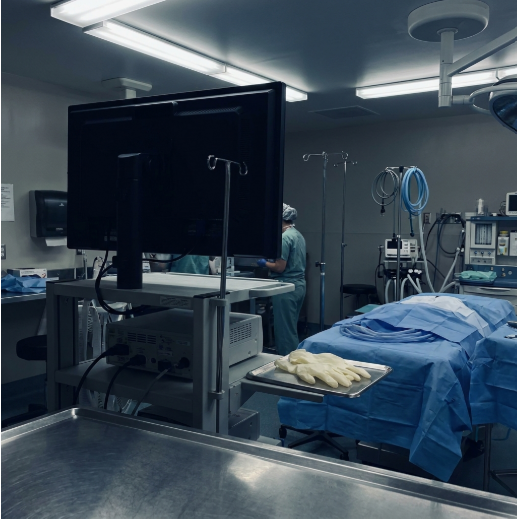
I assisted with colonoscopies for 26 years. I watched the scope travel through thousands of intestinal tracts on a monitor three feet from my face. And I watched thousands of women leave the GI suite with a clean report and an IBS diagnosis for a problem the scope was never designed to find. I need to tell you what the colonoscopy does not show. Because your doctor has told you the colonoscopy was clean. And clean colonoscopy is not the same as clean gut. I have spent 26 years knowing the difference and watching it matter. My name is Bernadette. I was a GI procedure nurse for 26 years at a large hospital-based gastroenterology practice. My job was to assist with colonoscopies and upper endoscopies. I prepared patients. I monitored them during the procedure. I was in the room when the scope went in. I watched the screen. I have watched thousands of colonoscopies. I know exactly what the scope sees. I know exactly what it misses. And what it misses is the thing your doctor has been attributing to IBS for years. A colonoscopy examines the large intestine — the colon — from the inside. The scope travels through the colon, a camera on its tip transmitting a live image to the monitor I watched for 26 years. The gastroenterologist looks for visible abnormalities on the surface of the intestinal wall. That is all it sees. What is visible, on the surface, inside the large intestine. It does not examine the small intestine. The small intestine is approximately 20 feet long and is the primary site of most chronic intestinal parasitic infections. A colonoscopy does not reach the small intestine. An upper endoscopy reaches the first portion of the small intestine — the duodenum — but not the middle or lower sections where the most significant chronic infections establish themselves. Even within what the scope can see, it misses organisms burrowed into the intestinal wall rather than floating free in the lumen. The scope camera travels through the center of the intestinal tube. It shows you the surface. It does not show you what is embedded in the wall beneath the surface, behind a biofilm that is essentially invisible to a camera traveling through the space between the walls. I watched thousands of colonoscopies come back clean. I kept a private count. Not in any official record. Not in any patient file. In a small notebook I kept in my locker, because I couldn't carry the number in my head anymore. The count was the women I recognized from previous procedures. Women I had seen in this GI suite before, whose faces I recognized from the previous preparation room, who had come back with the same symptoms years later for another clean colonoscopy and another IBS diagnosis. The count is 847. In 26 years. 847 women I saw at least twice in the GI suite. Same symptoms. Same clean colonoscopy. Same IBS diagnosis. Same departure from the suite with the same pamphlet. 847 women whose clean scope results were true — the colonoscopy genuinely showed nothing — and also meaningless for the problem they actually had. I want to tell you about one of them. Her name was Dorothy. I first saw her in 2008. She was 52. She had been referred by her internist for persistent bloating and what her chart described as "altered bowel habits." Her colonoscopy was clean. I watched it. She left the suite with an IBS pamphlet and a recommendation to try a low-fiber diet. She came back in 2013. Same symptoms, worse. Same clean colonoscopy. IBS. Low-FODMAP this time. She came back in 2018. She had lost 18 pounds in the previous year without trying to. She was exhausted in a way that showed in her face before the sedation took hold. She squeezed my hand before the procedure and said, "I just want to know what's wrong with me." Her colonoscopy was clean. I stood in the procedure room and looked at that clean scope result and felt 10 years of Dorothy's chart sitting in my chest. Clean. Clean. Clean. And the woman on the table had lost 18 pounds and couldn't stay awake past 7 PM and was squeezing the hand of a nurse she didn't know because she needed someone to tell her she wasn't imagining it. I filled out her post-procedure paperwork. I walked her to recovery. I told her the doctor would be in to discuss the results. I did not tell her what I thought. What I thought was that Dorothy had been coming to this GI suite for a decade with a problem that our scope was not designed to find, and that the problem was getting worse, and that we were going to hand her the same pamphlet a third time. I went home that night and I entered Dorothy's name in my notebook. I entered it in the column I had started two years earlier. Not the repeat-visit column. The different column. The one I labeled, in my own private shorthand: getting worse despite clean. That column had 200 names in it by the time I retired. The moment the notebook became something I could not carry anymore was not a patient. It was my mother. My mother's name is Vera. She's 74. She has been in and out of GI offices since she was in her early 60s. Bloating after every meal. Fatigue that never lifted no matter how much she slept. 3 AM wake-ups every single night for eight years — she had stopped mentioning them to her doctor because she'd been told twice it was anxiety. Brain fog so thick she had stopped driving on unfamiliar roads because she wasn't confident in her own attention. She'd had two colonoscopies. Clean. IBS. Low-FODMAP. Probiotics. Manage it. I had watched hundreds of women leave my GI suite with those exact words in their discharge paperwork. I had watched Dorothy squeeze my hand and ask to know what was wrong with her. I was not going to watch my mother spend the next decade in that same loop. I knew enough to know what the colonoscopy wasn't seeing. I didn't know enough to know what to do about it. So I called a doctor I had worked with for 12 years before he retired — Dr. Thomas Ashford, the gastroenterologist who had done more of the colonoscopies in our suite than anyone. We had worked together in that procedure room for a decade. He was one of the best technical scopes I had ever watched. And he had retired two years earlier, quietly, because he told me on his last day that he was tired of finding nothing and calling it a diagnosis. I called him about my mother. He was quiet for a long time. "Bernadette," he said. "Can I tell you something I couldn't say when I was still practicing?" "Yes." "The colonoscopy was never the right tool for chronic parasitic gut infection. It was the tool we had. It showed us the colon. Chronic parasitic infection in the small intestine, behind an established biofilm, was essentially invisible to everything in our diagnostic arsenal by the time most patients came to us. The standard stool test misses it. The scope can't reach it. We called it IBS because IBS was the honest description of what we didn't know." I asked him what he would do for my mother. "I would go transdermal. Ricinoleic acid in castor oil. Applied to the abdominal skin with compression, overnight. It absorbs through the skin into the tissue surrounding the small intestine. It bypasses the stomach. It reaches the biofilm from the tissue side. The direction the biofilm can't defend." He told me about the overnight timing — the overnight hours when the organisms are most active, when the biofilm is most disrupted, when the ricinoleic acid has its best opportunity to break down what it's reaching. "And the 3 AM wake-ups your mother has been having for eight years," he said. "That's the immune response to the feeding. That's her body fighting every night in the only window it can. The pack joins that fight. It doesn't replace it." I tried to make it myself that first night. Old cotton flannel, castor oil, an ACE bandage wrapped around my mother's midsection. By 1 AM the bandage had twisted. The flannel had shifted to one side. The oil had saturated through to the mattress cover. My mother was patient with me. She said she'd rather have a stained mattress cover than another IBS pamphlet. I called Dr. Ashford the next morning. He told me the approach had been consistent for people he knew personally. That was enough for me. I ordered it for my mother the same day. Week one: she called to tell me she'd had the most active bathroom morning in years. Something moving she said she hadn't felt move properly in a long time. Week two: the bloating after meals was less. Measurably less. She sent me a text that said: "Ate dinner and sat on the couch without unbuttoning anything." I knew what that meant. I knew how long it had been since she could do that. Week three: she called me at 7:30 in the morning. She said, "Bernadette, I slept until 6:45. I don't remember the last time I slept until 6:45." The 3 AM wake-up had not come. Eight years of clockwork disruption, and it hadn't come. I sat in my kitchen with the phone in my hand and I thought about Dorothy squeezing my hand in the procedure room asking to know what was wrong. Week four: my mother's neighbor Celia knocked on her door and told her she looked ten years younger. My mother told me this on the phone with the same tone she uses when she's trying not to cry. Week ten: my mother drove to her sister's house in a city two hours away that she had not driven to alone in three years because she hadn't trusted her own focus. She called me from the driveway when she arrived. She said, "I'm here. I didn't have to stop once." The 847 women in my notebook. Dorothy in the column I labeled getting worse despite clean. My mother who had been in that loop for a decade. I am not filling out discharge paperwork anymore. I am not watching a clean colonoscopy result leave the suite in the hands of a woman who deserved a different answer. If you have had a clean colonoscopy and an IBS diagnosis and you are still sick, I need you to understand something that 26 years in a GI suite taught me. Clean colonoscopy means the scope found nothing in the colon. It does not mean your gut is clean. It does not mean nothing is wrong. It means the tool we used was the wrong tool for the problem you have. The small intestine is where chronic parasitic infection lives. The colonoscopy does not reach it. The standard stool test misses it the majority of the time. The oral supplements you have tried could not deliver an effective dose through stomach acid and 20 feet of intestine to reach what is behind a biofilm wall. The pack goes through the skin. It reaches the small intestinal tissue from the outside. It breaks down what the scope couldn't see. It works overnight in the window when the organisms are most exposed. The pack is Tavio. One purchase. Washable. Reusable. 30 days. If you don't feel a meaningful difference, every penny back. My mother is 74 and she drove two hours alone for the first time in three years. I have 847 entries in a notebook I kept in my locker for 26 years. I should have found a way to tell those women sooner. I'm telling you now. Almost forgot the link. Here it is: https://buytavio.com/pages/parasite-infestation-discovery P.S. Dorothy came back to the GI suite a fourth time in 2021. I had retired by then. I don't know what happened at that appointment. I think about her. I think about the hand she squeezed in the procedure room in 2018. I think about the column in my notebook labeled "getting worse despite clean." I wrote this post partly for Dorothy. If she ever reads it, I hope she's well. P.P.S. Dr. Ashford told me something on his last day of practice that I have thought about every day since. He said, "Bernadette, the best diagnostic tool in this practice was always you. You watched more intestinal tracts than any doctor here. You recognized patterns I never saw in the chart. The problem was that your observations were never part of the diagnostic record." He was right. My observations were in a notebook in a locker. Now they're here. P.P.P.S. If your doctor has recommended a colonoscopy for your chronic gut symptoms, please get it. Colonoscopies find important things and those findings save lives. Get the scope. And then, if it comes back clean, please understand that clean means the scope found nothing in the colon, not that nothing is happening in the 20 feet of small intestine the scope did not travel. The pack reaches the small intestinal tissue from the outside — the area the scope was never designed to examine.
Like this ad? Make it yours.
Crush rebuilds this exact creative around your product — your brand, your colors, your offer — in about a minute.