
Inactive· since Apr 27, 2026
- 1
- days it ran
- 0
- relaunches
- 21
- EU reach
Ad copy
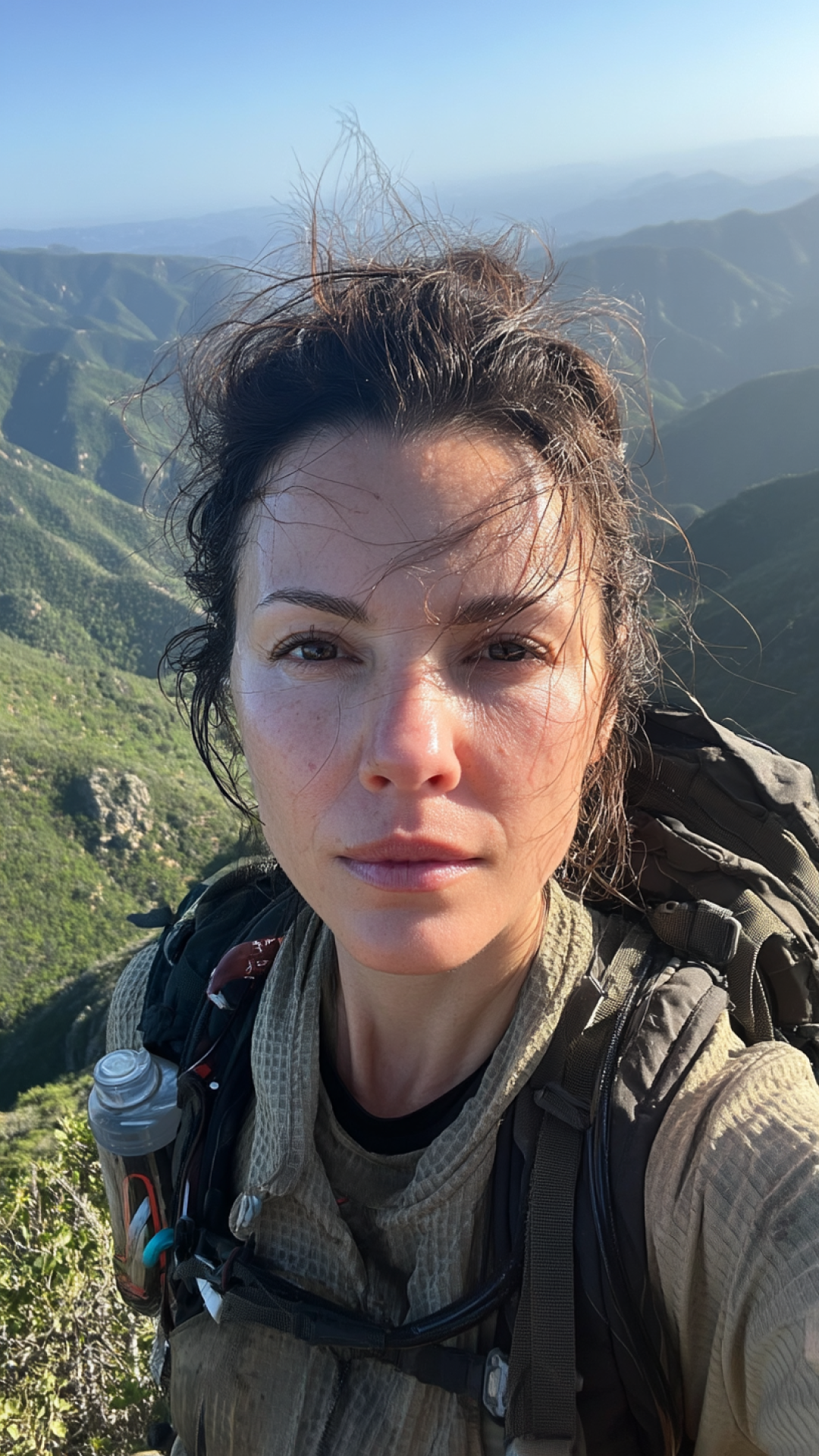
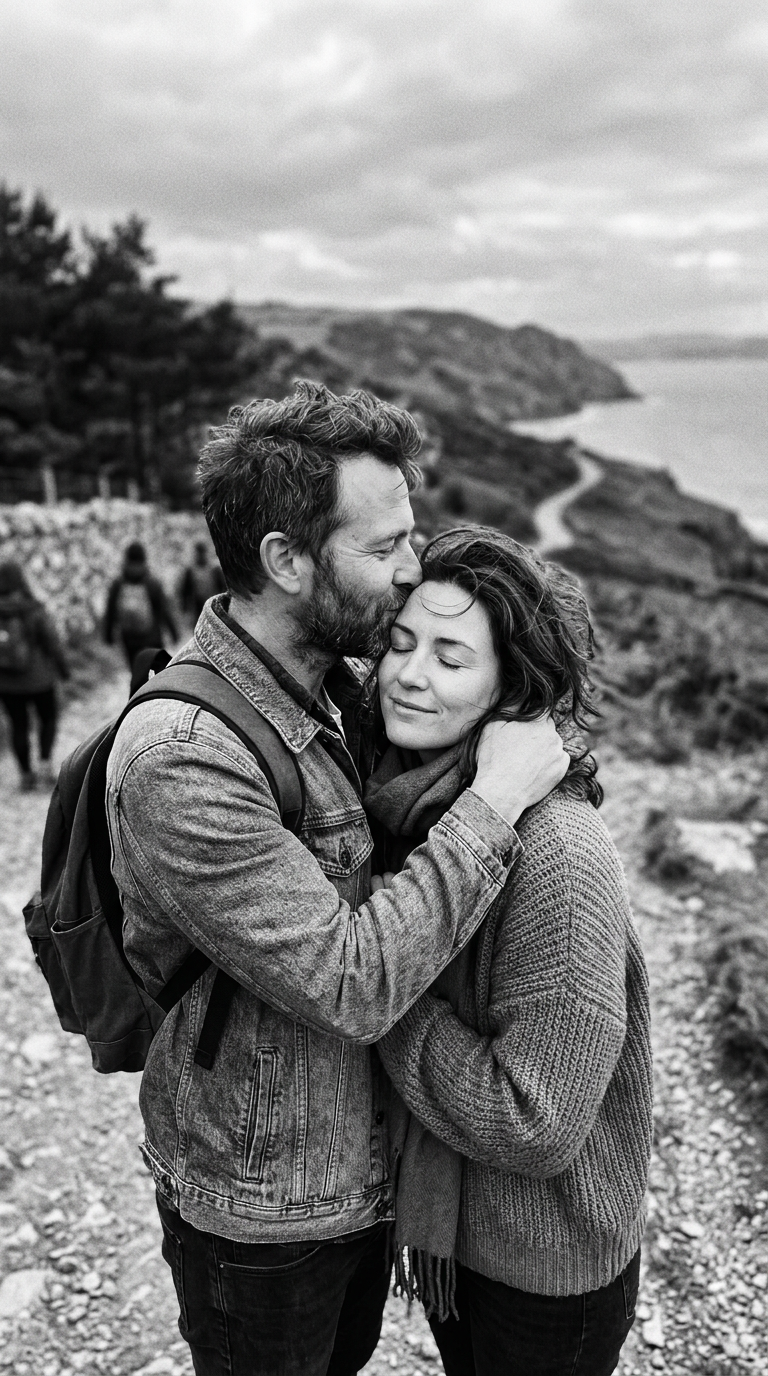
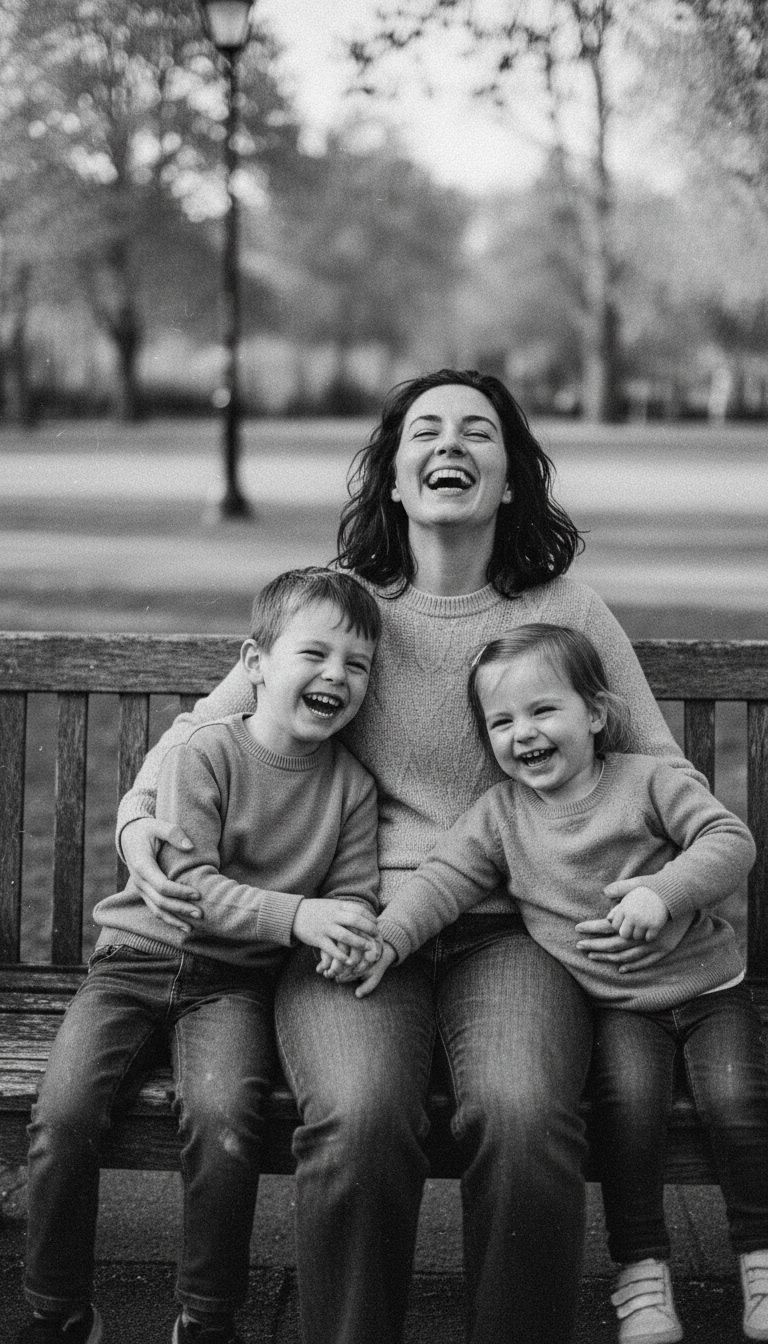
It was 6:14am on a Tuesday. My daughter had knocked over her cereal bowl — an accident, obviously, she's seven — and before I could stop myself, I heard my mother's voice come out of my mouth. Not similar to my mother's voice. Her voice. The exact pitch, the exact edge, the exact words I had heard a hundred times as a child and sworn, sworn, I would never use. My daughter's face did the thing my face used to do. She went very still and very small. I cleaned up the cereal. I apologized. I drove her to school. And then I sat in the parking lot and thought: I have spent my entire adult life trying not to be her. And I am her. I grew up watching my mother react to everything like it was an emergency. Small things — a spilled drink, a changed plan, a slightly raised voice — would trigger a response that felt completely disproportionate. I learned early to stay quiet, stay small, stay ready. I thought when I left home, I left that behind. What I didn't understand is that I had spent my entire childhood with my nervous system in a constant low-grade state of alert. Not because I chose it. Because that was the environment, and my body adapted to survive it. And a nervous system that spent fifteen years learning to stay braced doesn't unlearn that just because the address changes. I had carried the pattern with me the whole time. Not as a memory. As a body state. Here's what the research actually says: children who grow up in high-stress environments don't just learn anxious behavior — their nervous systems physically calibrate to expect threat. The threshold for the stress response gets set lower. The return to baseline gets slower. This isn't psychology. It's physiology. And it runs completely below the level of conscious intention. Which means: you can want with everything in you to be different. You can know exactly what you don't want to do. And in the moment — the 6:14am cereal moment — your body will run the program it was trained on before you were old enough to choose. This is not your fault. And it is not permanent. I found Liven on a night when I couldn't sleep, three weeks after the cereal incident. The quiz didn't ask about my childhood. It asked about my body. Jaw tension. Disproportionate reactions to small things. The inability to come down after a spike of stress. I answered yes to everything. Week 2: My son dropped his water bottle in the hallway. I heard the crash, felt the spike — and then nothing followed it. No cascade. No voice. Just a spill. Week 3: My daughter did something small and defiant at bedtime, the kind of thing that used to send me into a ten-minute spiral of guilt and overcorrection. I felt the edge come up. I took one breath. The edge passed. I said goodnight. She said goodnight. That was it. Week 5: She climbed into my lap after school. I held her without the background hum of depletion and irritation that used to make touch feel like one more demand. I just held her. I am not my mother. I was running her nervous system — the one she accidentally gave me, the one she was probably running from her own mother. The cycle doesn't break through willpower. It breaks when the body finally learns it's allowed to stand down. My daughter will not spend her childhood braced. That is the thing I can actually give her. Liven has a three-minute quiz that shows you what's happening in your body — not your history, your body. It's free. The link is below. 💙
You swore you'd be different. You heard her voice anyway.
LEARN MORELike this ad? Make it yours.
Crush rebuilds this exact creative around your product — your brand, your colors, your offer — in about a minute.