
Inactive· since Aug 30, 2026
- 2
- days it ran
- 1
- relaunches
Ad copy
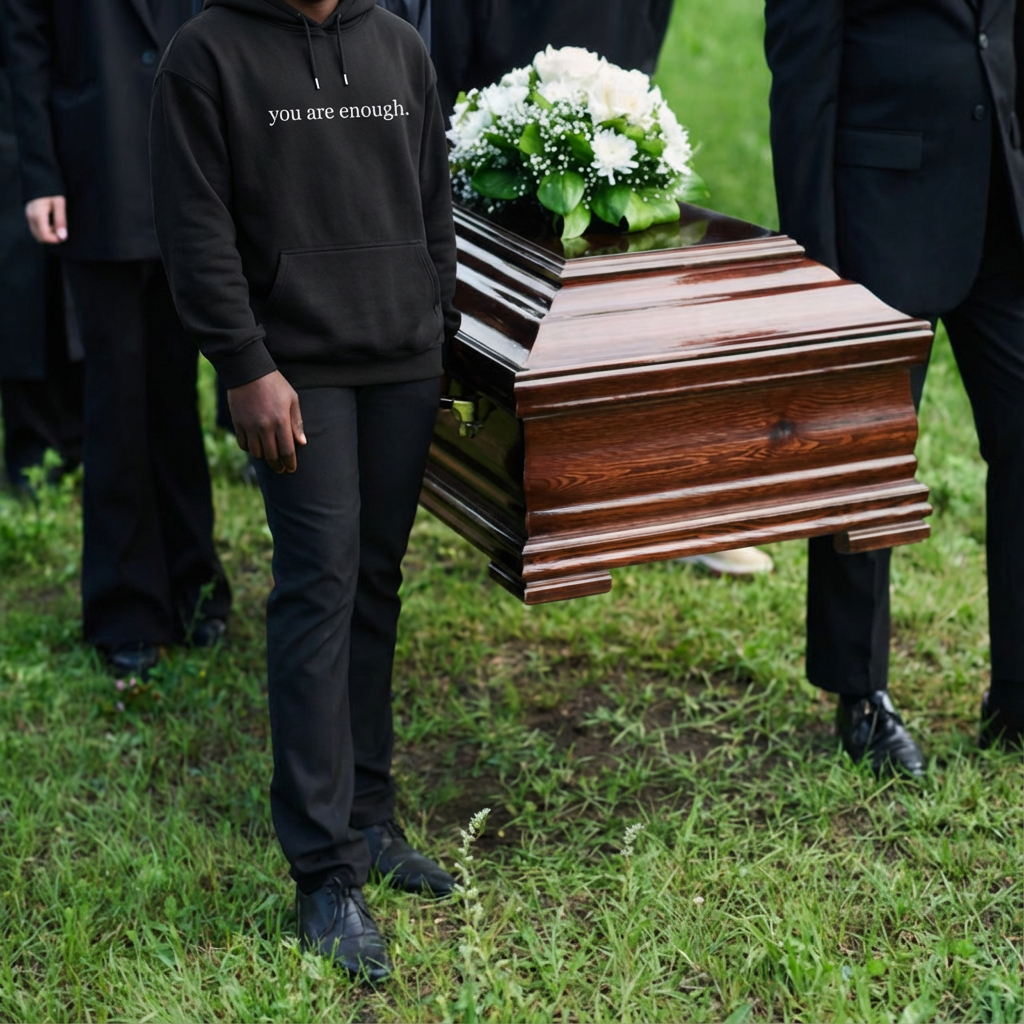
My best friend asked me to delete the mental-health post I wrote about her. I thought she was embarrassed. She said, “You made my pain about you.” My name is Rachel. I’m 36. I’ve worked in insurance claims for nine years. I have never had depression. I have never sat in a doctor’s office wondering how honest I could be. I have never had to explain why getting out of bed used everything I had. My best friend Leah has. We met when we were 14. I knew how she took her coffee. I knew which relative she avoided at weddings. I knew she still slept with the bedroom door open. All because of one horror film in 2009. I did not know she had been taking antidepressants for two years. When she finally told me, I reacted like a person desperate to prove she cared. I asked 23 questions. I sent her three podcast episodes. I ordered a book about supporting somebody with depression. I told her she could call me at any hour. Then I watched my phone like passing an exam. Leah barely replied. That frightened me. So I did the thing I knew how to do. I posted. I did not use her name. I still used enough details that every mutual friend knew. I wrote about checking on the strong friend. About people smiling while fighting battles nobody sees. About how silence costs lives. I ended with a row of support numbers and a heart. The post got 412 likes. Seventy-three people shared it. Four called me brave. I went to bed believing I had done something useful. At 7:06 the next morning, Leah sent me a screenshot. My post. One sentence underneath. “Please delete this.” I called her immediately. I expected tears. She sounded angry. “Are you ashamed of people knowing?” I asked. There was a long pause. Then she said: “I’m not ashamed of being ill.” “I’m angry you turned me into proof that you’re a good friend.” That was when she said the line from the top of this post. “You made my pain about you.” I deleted it. Then I got defensive. Only inside my own head, thankfully. I was trying to help. I had included support numbers. I had raised awareness. People had thanked me. Wasn’t that better than saying nothing? The honest answer was uncomfortable. I had spoken because listening made me feel useless. Her silence left no visible evidence that I was helping. The post fixed that problem for me. Not for her. For the next three weeks, I barely mentioned mental health. I became frightened of every sentence. Was “How are you?” too shallow? Was “How are you really?” too intense? Would advice sound patronizing? Would saying nothing make me another friend who disappeared? I had never experienced what Leah was living through. Now I felt unqualified to stand anywhere near it. So I returned to safe forms of support. – donated to a large organization – joined an awareness walk – shared posts written by professionals – wore a ribbon once a year – completed the workplace wellbeing course – saved crisis numbers in my phone – told people my messages were always open – read another book None of those things were bad. Professional help mattered enormously to Leah. Her doctor listened. Medication helped create room for better days. Therapy gave her somewhere she did not have to protect anybody else. But my safe support had one useful feature. It kept me far enough away that I could not get anything wrong. It also kept me far enough away that Leah could not reach me. The breaking point came on a Saturday afternoon. We had arranged coffee. I arrived with six supportive sentences prepared in my head. Leah arrived wearing yesterday’s clothes. She sat down and said: “I’ve had a rotten week.” I launched straight into sentence number one. “Have you tried writing down one small thing you can control?” She closed her eyes. Not angry this time. Tired. “Rachel, I already have a therapist.” “I need my friend.” That shut me up. For the first time, I stopped trying to earn my place beside her. I asked what she wanted from me. She said: “Don’t pretend you understand it.” “Don’t turn me into a project.” “And don’t disappear because you’re scared of saying the wrong thing.” Three rules. No expertise required. Just enough humility to let her experience remain hers. The following Monday, I was waiting for a train after work. A woman stood in front of me wearing a hoodie. On the back it said: “Dear person behind me, the world is a better place with you in it. Love, the person in front of you.” She was reading something on her phone. She did not turn around to see whether anybody noticed. She did not explain her connection to mental health. She did not claim to understand the person behind her. She simply carried the sentence. It was visible support that did not center the supporter. The reader remained the important person. The wearer did not need applause. Nobody had to answer a question. When the train arrived, the woman turned sideways. The front said: “You are enough.” I wrote the words in my phone. Then I searched them when I got home. I found ordinary people describing what happened when they wore the message. Strangers who tapped them on the shoulder. People who said they needed to read it that day. One person described a silent hug with somebody they had never met. Another bought the hoodie to support other people’s mental health. She had not expected the message to help her too. Half a million people were already wearing it. The strongest stories were not about the wearer giving a perfect speech. They were about being present when the message reached somebody. I call it the Quiet Amplifier. The wearer makes the message visible. But the wearer does not become the message. They do not borrow somebody else’s pain for credibility. They do not need to explain why they care. They create one ordinary place where judgment is less likely. Then the person reading decides what happens next. I left the hoodie in my basket for 13 days. The old questions came back. What if people thought I was pretending to have lived experience? What if somebody expected professional advice? What if Leah thought this was another performance? What if I wore it and nobody reacted? The last question exposed me. If nobody reacted, would the support still count? It had to. Otherwise I was still doing it to be seen doing it. So I ordered one. Day 1, I wore it to buy groceries. Nobody stopped me. I did not take a photograph or post about it. That was progress. Day 5, I wore it when I met Leah. She read the front first. Then she walked around me to read the back. I waited for her verdict. “That says it without telling me what to do,” she said. Then we talked about a terrible reality show for 40 minutes. She mentioned therapy once. I did not ask for a report. Day 12, a woman behind me at the grocery store said thank you. I nearly told her why I had bought it. Instead I smiled and said: “Of course.” Her moment stayed hers. Day 28, a colleague stopped beside my desk. She pointed at the hoodie hanging over my chair. “Can I sit with you for five minutes?” I said yes. I did not offer an app. I did not tell her about Leah. I did not try to turn five minutes into a breakthrough. I listened. Then I helped her find the professional support she asked for. Leah noticed the change before I did. One evening, she sent me a voice message that lasted six minutes. I replied: “That sounds exhausting. Do you want company or ideas?” She chose company. We watched television with hardly any talking. Before she left, she said: “You don’t rehearse being supportive anymore.” She was right. I had finally stopped trying to become qualified for friendship. If you care without having lived through a crisis yourself, listen to me. You are not disqualified from caring. You also do not need to borrow somebody else’s story to prove you care. You do not have to become an expert. You do not have to fix the silence. You do not have to post the private thing somebody trusted you with. Support can be smaller than that. Listen without waiting to speak. Ask what kind of help is wanted. Point toward trained support when it is needed. Stay when the conversation becomes awkward. Carry the words without standing in front of them. That is not passive. It is what respect looks like when you genuinely want to help. The hoodie is below this post if you want one. P.S. Leah posted six words herself last week. “Bad week. Still here. Fancy coffee?” I only pressed like.
Like this ad? Make it yours.
Crush rebuilds this exact creative around your product — your brand, your colors, your offer — in about a minute.