
Inactive· since Jul 16, 2026
- 13
- days it ran
- 0
- relaunches
Ad copy
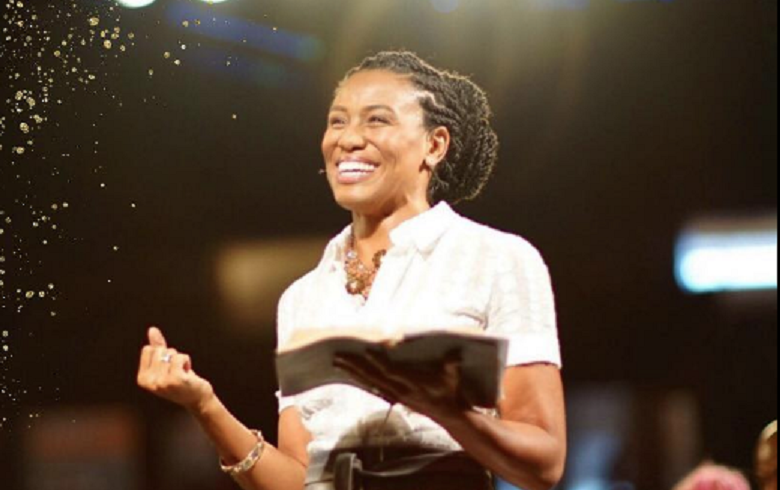
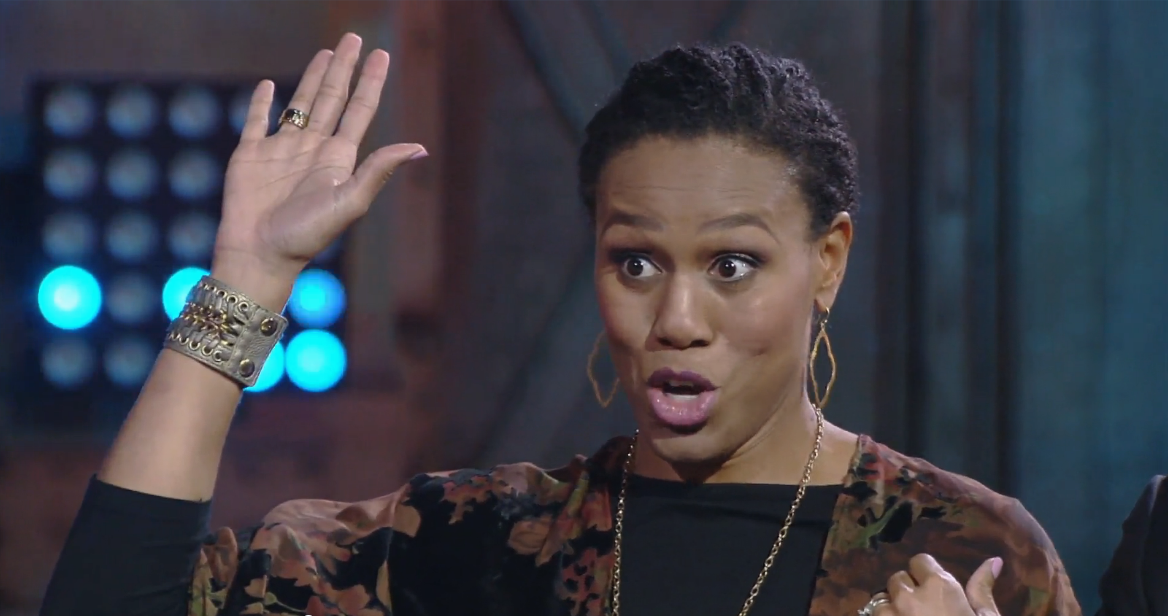
Sarah Jakes Roberts got pregnant at 14. She was T.D. Jakes' daughter — the most visible pastor's kid in America. She said: "My perception after I got pregnant was that I was disqualified from favor, from anointing, from being used." If the daughter of one of the most famous preachers alive felt disqualified from love — imagine how the rest of us feel trying to date in the church at 33. I need to tell you about the night I deleted every Christian dating app on my phone and cried on my kitchen floor. Not because I was giving up on love. Because I was giving up on the way the church told me to find it. I'd been trying to date as a Christian woman for eleven years. I need you to understand what that actually looks like — because the people giving advice have no idea. At 22, I was hopeful. Fresh out of college, new church, excited to meet someone who loved God the way I did. Everyone said the same thing: "Just look for someone at church!" I was literally the only single woman between 18 and 35 at my church. At 25, I tried the apps. Christian Mingle. Hinge with the faith filter. Every conversation started with "What church do you go to?" and ended with him asking for pictures I wasn't going to send. One guy told me on the second date that God told him I was his wife. We'd known each other for nine days. At 28, I tried letting friends set me up. My married friends — who hadn't been on a date since 2014 — suddenly became experts on my love life. "He's a really nice guy." He was nice. He also hadn't read his Bible since high school and thought Revelation was a movie. At 30, my small group leader pulled me aside and said maybe I should "lower my standards" because "what matters most is that he's a man of God." My standards weren't high. I wanted a man who loved Jesus, could hold a conversation, and had a job. Apparently that was asking too much. At 33, I sat in a church parking lot after another Sunday alone and thought: I have done everything the Christian dating world told me to do. And I am more single, more exhausted, and more ashamed than the day I started. Someone on Reddit described it exactly: "Christian dating advice is terrible. 'Just look for people at church!' — I'm literally the only person at my church between 18 and 30. 'You're idolizing dating!' — If I say I want a sandwich, I'm not idolizing a sandwich." That post had thousands of people agreeing. Because the advice isn't just bad — it's the SAME bad advice recycled by people who've never had to use it. "Just be patient. God's timing is perfect." "You need to be happy with your life first." "Just be confident! That's what girls like." "Have you tried online dating?" — get a load of this guy. Another woman on a Christian dating forum wrote: "The pressure from friends, family, and even potential dates about why I'm still single. It's frustrating how time passes, every new year, and I still haven't found that person." And another: "Asking someone out at church is too intimidating. Too many eyes watching. Too much pressure." And another: "The Christian dating scene is exhausting." And another: "Dating is rough nowadays. It used to be you'd meet someone through friend groups but even making friends is hard." These aren't complainers. These are faithful Christian women who've done everything the church told them to do — and the church's dating advice has left them alone, ashamed, and wondering if something is wrong with them. The breaking point for me wasn't a bad date. It wasn't another app. It was a Wednesday night Bible study. The topic was relationships. The teacher — married at 23, three kids, never spent a single Sunday alone — opened to Proverbs 31 and started describing the kind of woman a godly man wants. She read the whole chapter. The virtuous wife. The woman who cooks and sews and manages a household and wakes before dawn for her family. And then she looked at the room — half of which was single women — and said: "This is who you need to become so that when God brings your husband, you're ready." I sat there thinking: I'm 33. I've been "becoming ready" for eleven years. When does "ready" stop being code for "not good enough yet"? That night I went home and cried. Not because of the lesson. Because I realized I'd been trying to earn love for over a decade — by being patient enough, content enough, confident enough, spiritual enough, "ready" enough — and the church had been grading me the whole time without ever telling me the actual truth. Sarah Jakes Roberts knows what it's like to feel graded by the church. Pregnant at 14. The whole congregation watching. Divorced at 22. Single mom trying to date with a past that everybody knew about. She said: "My perception after I got pregnant was that I was disqualified from favor, from anointing, from being used." Disqualified. From FAVOR. Not just from dating — from God's favor itself. That's what the church does to single women. Not with cruelty. With silence. With couples' retreats that don't include you. With marriage sermons every Valentine's Day. With dating advice from people who last swiped right on a flip phone in 2008. But here's what Sarah figured out. And what took me eleven more years. She didn't find her husband by "being patient" or "lowering her standards" or "trying the apps." She found love AFTER she found her identity in God's Word. She stopped trying to earn love and started understanding that God had already defined her worth — on every page of the Bible — before any man ever would. She said: "I had to go through a teenage pregnancy to get here. You are standing in God's strategy for my life right now." She wasn't disqualified. She was being positioned. As the positioning didn't happen through a dating app. It happened in the Word. I sat in my kitchen that night reading her story and something cracked open. Because I realized the problem with my dating life wasn't my standards. It wasn't my church size. It wasn't the apps. It wasn't my patience or my confidence or my "readiness." The problem was that I'd spent eleven years trying to find my worth in a RELATIONSHIP — because the church never showed me where to find it in the WORD. That's when my older sister left a package on my counter with a note: "This changed everything for me. It'll change everything for you too." Inside was a Bible study I'd never seen before. I didn't open it for two weeks. Another Bible study. The last thing I needed was another devotional with a chapter called "Waiting Well" and a cover photo of a woman journaling in a field. Then one night after another failed date — a guy from the app who spent two hours talking about himself and then asked if I wanted to "come up for a bit" — I came home, kicked off my shoes, and sat on my kitchen floor. I was so tired. Tired of the apps. Tired of the advice. Tired of performing contentment so the church would stop worrying about me. Tired of being the single friend. Tired of trying to earn a love that everyone else seemed to get for free. I saw the package on the counter. And I opened it. I turned to the section about Ruth. Because Ruth was the story every church uses to tell single women "your Boaz is coming — just wait." And right there, before the reading started, there was a page explaining what I was about to read. Who wrote it. When. Why. What was actually happening. My Bible hadn't failed me. And the dating advice wasn't wrong because it was bad advice. It was wrong because it was built on a foundation I didn't have. You can't date with confidence when you don't know your own worth. And you can't know your own worth when the only thing the church ever showed you about women in the Bible is that they were wives. The study showed me something completely different. Ruth. The study explained this isn't a dating manual. Ruth was a foreigner. A widow. She had NOTHING. She followed Naomi out of loyalty — not to chase a husband. She changed a BLOODLINE through faithfulness and courage. Boaz noticed her because of her character. The story isn't "wait for your Boaz." It's "become the woman whose loyalty changes history." Nobody at church ever told me that. Deborah. She was a JUDGE over all of Israel. She led armies. She commanded generals. She held the highest authority in the nation. Nobody at any women's Bible study ever told me about Deborah when they were busy teaching me to have a "gentle and quiet spirit." Esther. She didn't save her people by finding a king. She saved them by RISKING HER LIFE. Walking uninvited into a throne room where she could have been killed. The study explained her story isn't about marriage — it's about a woman brave enough to stand alone in the most dangerous room in the world. Lydia. An ENTREPRENEUR. She planted one of the first churches in Europe from her own home. Not someone's wife in the story. A businesswoman. A church leader. A woman whose legacy was built on faith and trade — not on finding a husband. For the first time in eleven years, I saw women in the Bible who looked like ME. Single. Brave. Standing on their own. Defined by their faith and their courage — not by their relationship status. And something shifted. I didn't just understand the Bible better. I understood MYSELF better. For the first time, I knew my worth — not because a man confirmed it, not because the church validated it, but because I'd met the God who defined it on every page. Week by week, everything about how I approached dating changed. I stopped swiping out of loneliness and started choosing out of clarity. I stopped accepting "he's a nice guy" as a reason to say yes. I stopped performing contentment so the church would leave me alone. I stopped lowering my standards because a married woman told me to. Because a woman who knows who she is in Scripture doesn't settle. She doesn't chase. She doesn't accept the first man who shows up just because she's tired of waiting. She dates from a place of wholeness instead of desperation. Sarah Jakes Roberts didn't find Touré Roberts by lowering her standards or being more patient or trying harder. She found him after she'd found her identity in the Word — after the shame had been replaced by understanding, after the "disqualified" had been overwritten by God's actual definition of who she is. One morning my sister called and asked how the dating was going. Old me would have sighed and changed the subject. Instead I said: "I went on a date last week. First one in months. And for the first time I wasn't nervous. I wasn't performing. I wasn't wondering if he'd complete me. I was just... whole. Already. Before he said a word." She went quiet. Then she said: "You sound different." I said: "I am different. Not because I found a man. Because I finally found my worth in the Word instead of in a wedding." She started crying. I started crying. Two sisters on the phone — held together by a Bible that finally showed both of us that a woman's worth was established by God long before any man gets to confirm it. I don't know if God has someone for me. I genuinely don't. And for the first time in eleven years, that sentence doesn't scare me. Because my identity isn't hanging on the answer anymore. Sarah Jakes Roberts said it: "You are standing in God's strategy for my life right now." Not God's waiting room. His strategy. And a woman standing in God's strategy — whether she's dating, single, divorced, or somewhere in between — doesn't need the church's terrible advice. She needs the Word. With context. So she finally knows who she is before she tries to figure out who she's with. Right now it's up to 62% off — and every order comes with a free pen pack. Don't spend another year dating from desperation. Don't spend another year letting the church's bad advice define how you find love. Don't spend another year measuring your worth by your relationship status when the Bible has been defining it on every page this whole time. This is what Sarah Jakes Roberts figured out after years of shame. The Word doesn't disqualify you from love. It shows you the God who already loved you before anyone else got the chance. Tap below and grab yours before they sell out.
Like this ad? Make it yours.
Crush rebuilds this exact creative around your product — your brand, your colors, your offer — in about a minute.