
Active· since Aug 24, 2026
- 21
- days running
- 4
- relaunches
- 2,294
- EU reach
Ad copy
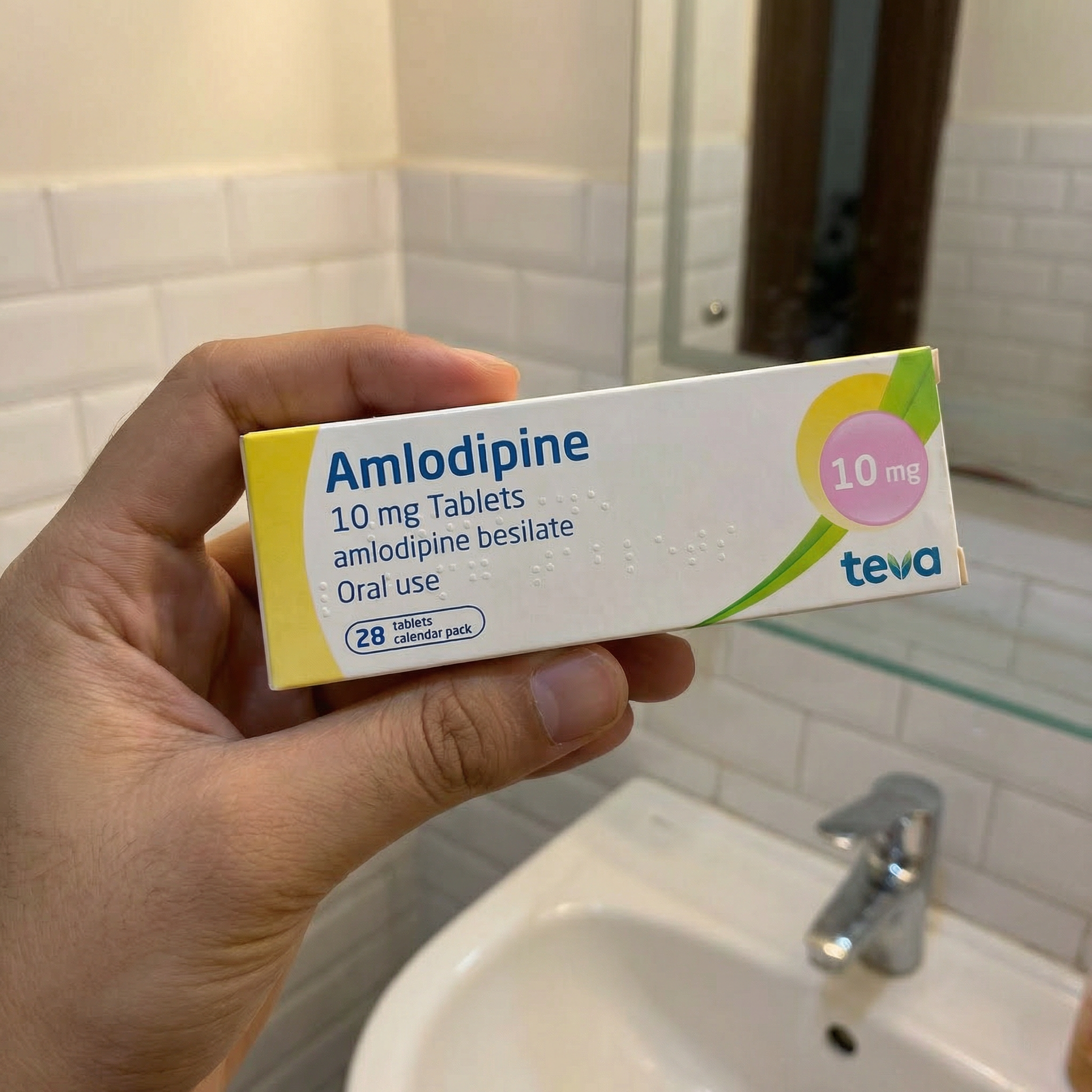
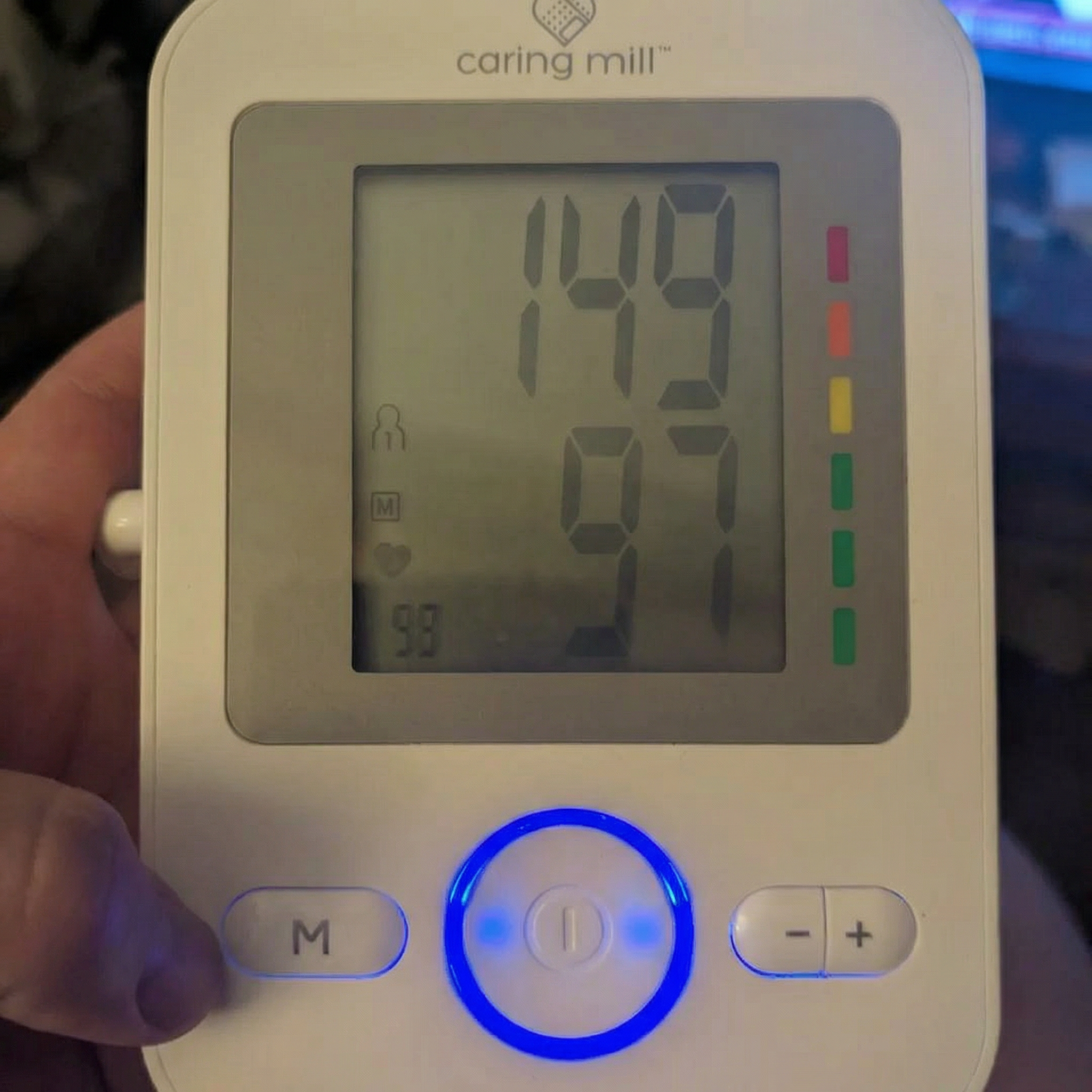
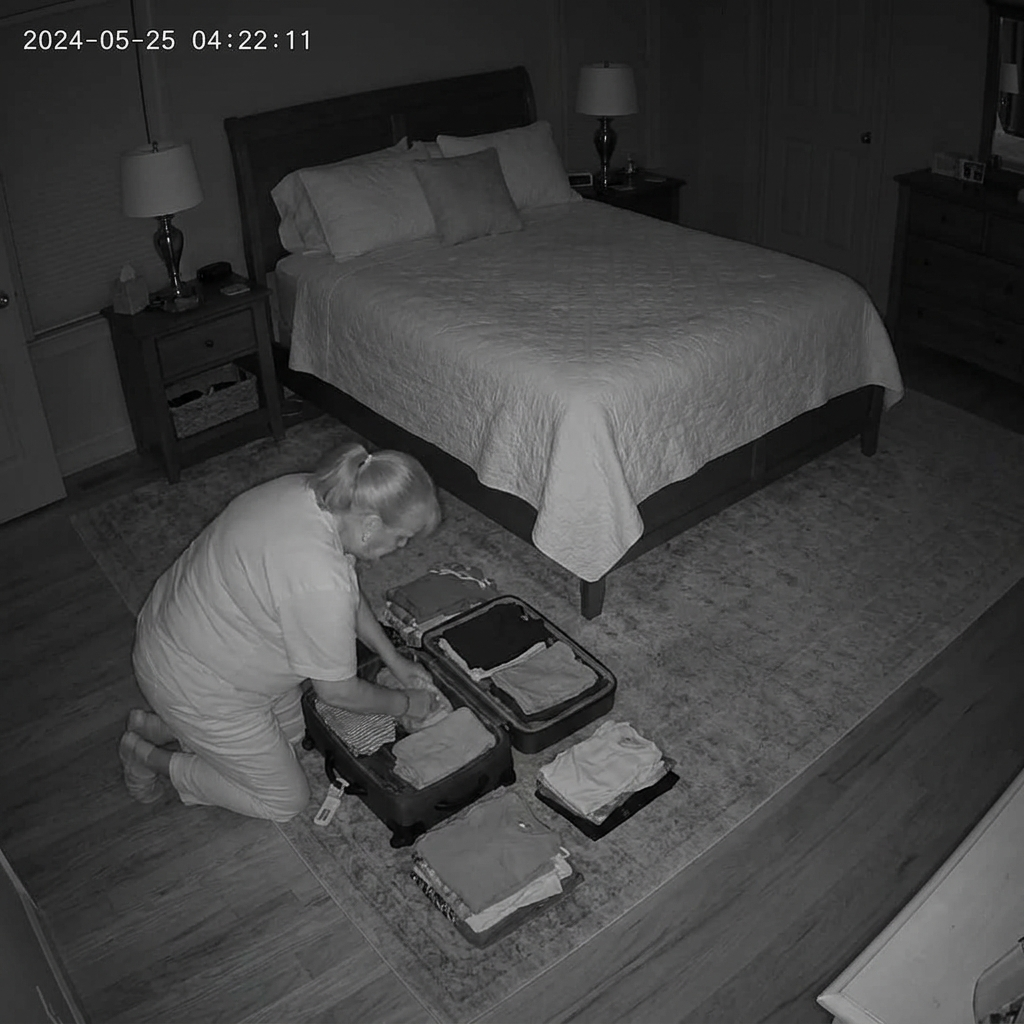
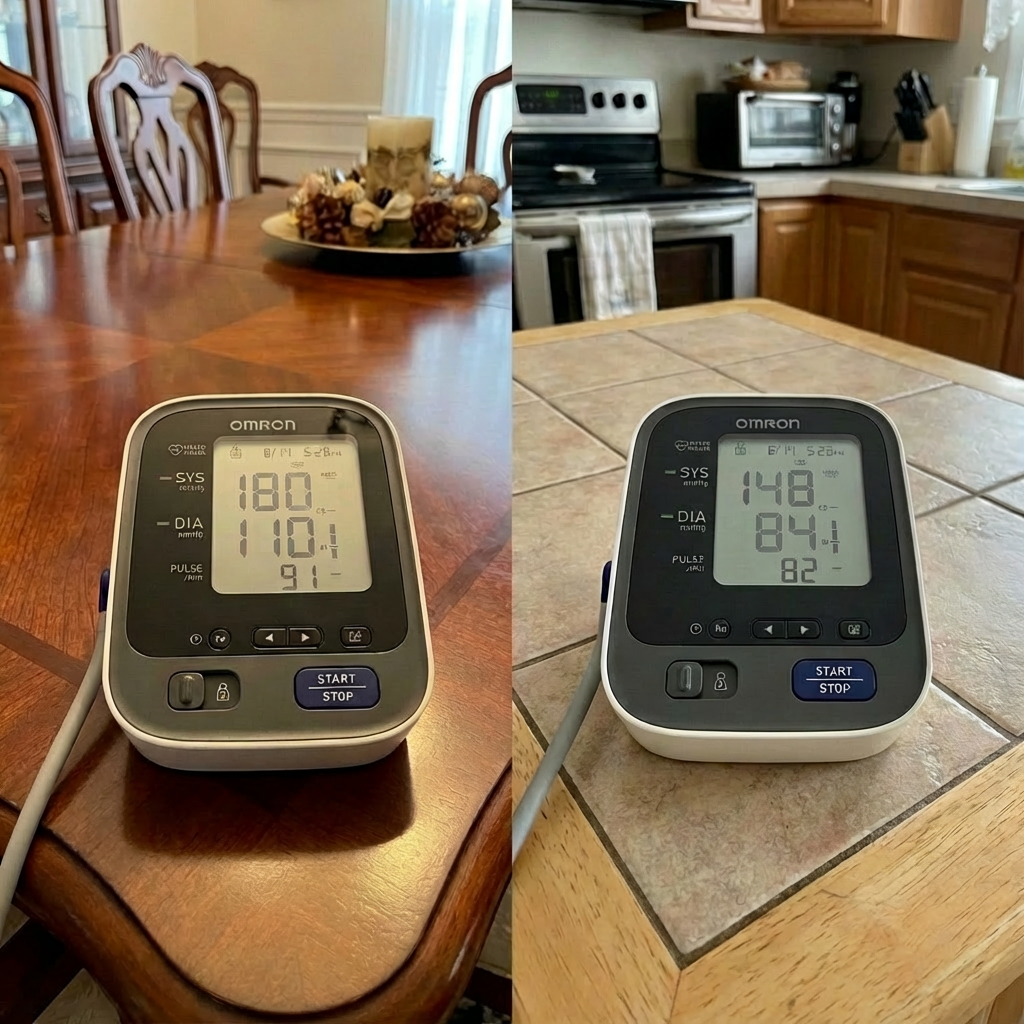
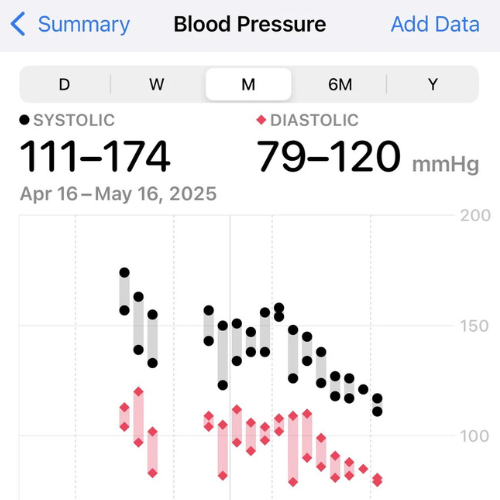
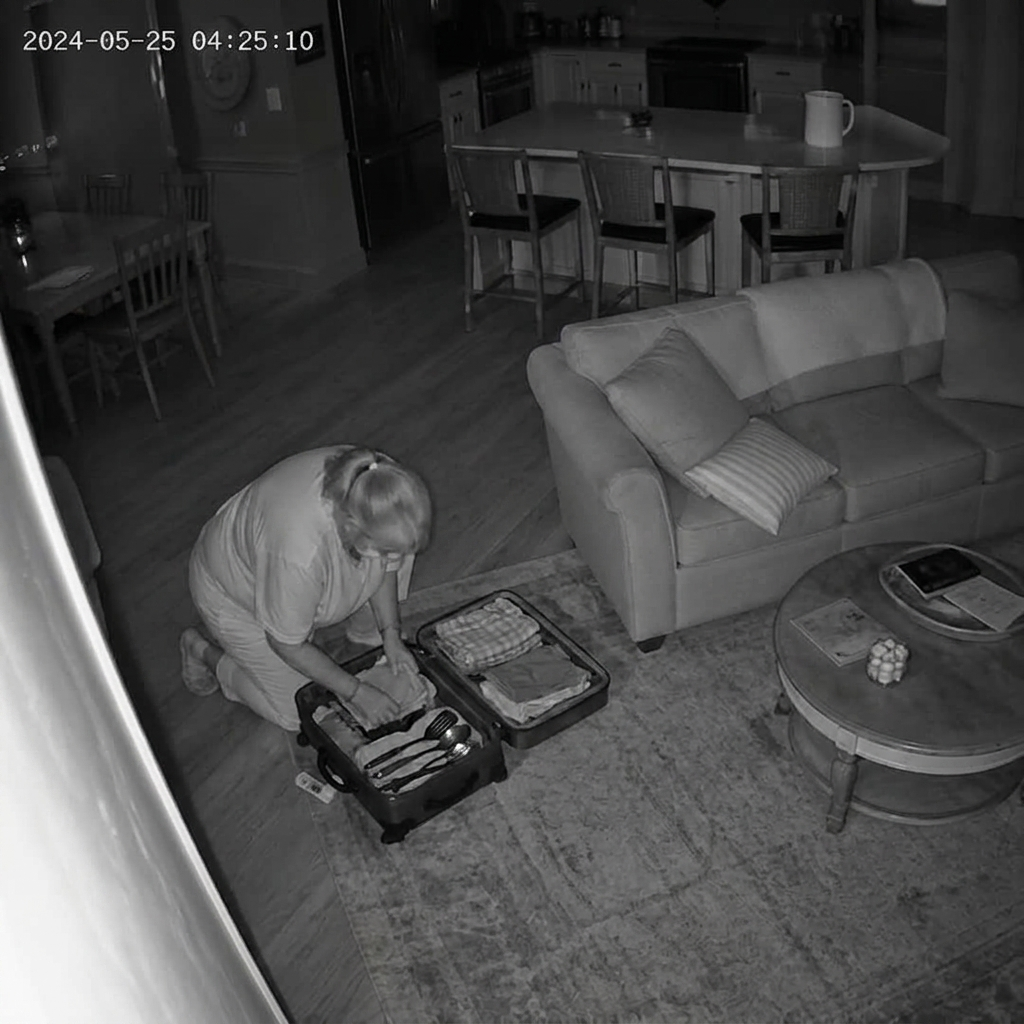
My Airbnb camera caught a guest at 5:22 in the morning, wrapping a glass jar in a dish towel and zipping it into her suitcase. Let me start from the beginning because this story is going to take a turn you won't expect. My husband Frank and I have been running a five-star vacation rental for the past 4 years. Lake house, sleeps six, wraparound deck, the works. We've hosted hundreds of guests. We've dealt with red wine on white couches, a guy who somehow broke the hammock on the first night, teenagers who thought the fire pit was a trash incinerator. Normal stuff. But about 6 months ago, something started happening that we'd never experienced in four years of hosting. Guests started asking about the kitchen counter. Not the granite. Not the backsplash. Not the coffee maker. The little glass jar next to the water pitcher. See, I keep a small wellness tray on the counter for guests. A filtered water pitcher, a few herbal tea bags, and a glass jar filled with dark red capsules. There's a handwritten card next to it that says: "Beetroot capsules. Take two with a glass of water in the morning. Good after a long drive." Most guests try them the way they'd try a complimentary coffee pod or a mint on a pillow. It's hospitality. Nobody thinks twice about it. But the checkout reviews started shifting. "Slept through the night every night of our second week. What did you put on that counter?" "More energy in week two at your place than I've had all year. What are those red capsules next to the water pitcher?" "By the end of our stay I'd stopped needing my afternoon nap. I'm taking the card home." And here's the thing I noticed right away. The weekend guests never said a word about that jar. Not one review, not one question, in six months. Two capsules on a Saturday does exactly nothing, and it should. Anyone who promises you three days is selling something. It was only ever the long-stay guests. The week-plus people. The retired couples who book two weeks on the lake. The energy shows up inside the first week. The number takes weeks longer. I'll explain how I knew that later. What I didn't expect was the consistency. The comments kept clustering around the same things. Sleeping through the night without getting up twice to use the bathroom. Afternoons without the nap. Evenings that didn't end at sundown. That wasn't vacation. That wasn't the lake air. That was the first-week effect I'd seen happen once before, in my own kitchen, happening to strangers who had no idea what they were taking. One couple in their late 60s, two-week regulars every June, rebooked for September specifically because the husband told his wife he hadn't had evenings like that in five years and he wanted to come back "to whatever was in those capsules." A retired teacher, nine days into a twelve-day stay, extended by two more nights. She'd started walking the lake loop every morning without stopping at the bench halfway, something she said she hadn't done in years. She kept looking back at the trail like it owed her an explanation. Something was happening. Something real. Then last month, something happened that still keeps me up at night. A woman named Marlene checked in on a Thursday with her husband. They'd booked two full weeks, their 38th anniversary trip. Nice couple. Mid-60s. She was warm, chatty, organized. She had the kind of energy where you could tell she was the one who held everything together. Her husband was quieter. Moved slowly. Smiled politely, but there was something behind it. Something dimmed. They stayed the full two weeks. On checkout morning, Marlene left the place spotless. Towels folded. Dishes done. A thank-you note on the counter. But when I went to flip the house for the next guest, something was wrong. The jar was gone. Not the tea bags. Not the water pitcher. The glass jar of capsules that sits on the kitchen counter. Gone. It wasn't in the recycling. Wasn't in the cabinets. Wasn't behind the coffee maker. I checked every drawer, every shelf, every bag in every trash can. The jar was simply missing. I pulled up the camera footage from the common area. We have a disclosed camera in the living room that guests know about. Standard Airbnb security. Nothing hidden. And there it was. 5:22 AM on checkout day. The kitchen was dark. Marlene walked out of the bedroom, crossed the living room, went straight to the counter. She picked up the jar. Looked over her shoulder. Wrapped it in a dish towel. Put it in her suitcase. Zipped it shut. She took the whole jar. My first reaction was frustration. Not because the capsules were expensive. They weren't, really. But the next guest was arriving in four hours and I'd have to drive 40 minutes to my house to grab more from our pantry. That frustration lasted about ten seconds. Because I thought about the retired teacher and the bench she stopped needing. The couple who rebooked. Every review from every long-stay guest who'd swallowed two capsules a day expecting a travel vitamin and gone home asking what was on my counter. This woman used those capsules for two weeks. And whatever happened in those two weeks, to her or to her husband, was enough that she couldn't leave without them. That's not theft. Not really. That's someone who found something and was terrified of losing it. I texted her: "Hi Marlene, hope you and your husband had a wonderful stay. I noticed the jar of capsules is missing from the kitchen counter. Everything okay?" Forty-five minutes later, my phone rang. She was crying. Not the polite kind. The ugly kind. The kind where someone has been holding something in for a long time and it finally comes out. "I'm so sorry," she said. "I know it was wrong. I'll pay for it. I'll pay you whatever you want. I just..." She stopped. Took a breath. Started again. "My husband Stan has been on blood pressure medication for almost six years. Amlodipine first. Then they added lisinopril. His numbers are fine now. His doctor is pleased. Every six months they check the chart and every six months the doctor says 'looking good, Stan, keep doing what you're doing.'" Her voice got harder. "But he's NOT good. He hasn't been good in years." "The tiredness came first. Somewhere around the diagnosis, or the second pill. I honestly can't tell you anymore. Before all this my husband ran circles around me. Now he can barely make the walk to the mailbox without needing the porch chair after. He used to build things in our garage. Our daughter's kitchen table. Our grandson's toy chest. Now the tools sit in a drawer and he pretends he doesn't notice." "Then the evenings went. That's what I miss most. The evenings. His body gives out at seven thirty. He'd start a story at dinner and lose the thread of it halfway, and just wave his hand like, you finish it. He stopped starting stories." "Last Thanksgiving he was asleep before the pie. Our grandson, the one whose toy chest he built, asked me why grandpa is always sleeping. He's SEVEN. What do I tell him?" I sat down on the bed. My legs went weak. "His doctor says the fatigue is common at his age. Told him to walk more. The cold hands, the naps, the seven-thirty bedtime? 'That's just aging, Stan. You're 66. It happens.'" Her voice broke. "It's not aging. I've been married to this man for 38 years. I know what aging looks like. This isn't aging. This is something else. Something is being taken from him, a little at a time. I've been watching it happen for six years and nobody will listen to me." I was gripping the phone so hard my knuckles were white. "Those capsules on your counter," she said. "I didn't know what they were. I thought they were a travel vitamin. Stan started taking two every morning because the card said they were good after a long drive." "And for the first four, five days, nothing happened. Nothing at all. I'd honestly forgotten about them." "Then around the sixth day, we were out on your deck after dinner. And he stayed. The sun went down and he was still there, still talking. I kept waiting for him to do the thing where he pats my knee and goes inside. He didn't do it. I can't remember the last time he made it past eight o'clock." "That night he slept through until morning. He hasn't slept through the night in two years. He gets up twice, sometimes three times. That night, nothing. Seven hours straight." "The second week he walked down to your dock and back every single morning. There's a bench halfway down that hill. He never sat on it once. He didn't even notice he'd stopped needing it. But I noticed. Noticing is all I've done for six years." "The last night, at dinner, he told a whole story about our daughter's wedding. Start to finish. Without losing the middle of it." "And here's the part I keep telling myself I imagined. You live with a man with blood pressure for six years, you pack the cuff. On checkout morning I put it on his arm, same as at home. 148 over 91. He has been parked at 153 for two years. I checked it twice more because I didn't trust the thing." "Five points in two weeks. I know five points doesn't sound like anything. But that number does not move. I've watched it not move through every pill change, every diet, every supplement I've dragged home. And there it was. Moving." "And then I looked at that jar on the counter and I thought: I cannot go home. I cannot take him back to what he was before we got here." "I panicked. I knew it was wrong. I took it anyway. Because I'd spent two weeks watching my husband come back to life and I could not, I could NOT, let that end." She was crying so hard I could barely hear her. "I haven't seen him like that in years. I forgot what he sounded like when he could finish his own stories. I forgot what our evenings were. I got him back for two weeks and then checkout was going to take him away again." I was crying too. Sitting on the edge of the bed in my own rental property, tears running down my face, listening to this woman describe my own life back to me. She could have been telling my story. Word for word. Because two years ago, I was Marlene. Frank was put on lisinopril at 58. His doctor called the numbers non-negotiable, and she was right. They were high, and they scared me too. Six months in, the office readings had come down out of the 160s. The doctor was pleased. And every night I sat across from a man who was fading behind his own eyes. The details were different but the shape was the same. Stan stopped walking to his dock. Frank stopped walking our driveway hill. Stan's tools sat in a drawer. Frank's sat on a pegboard he didn't look at anymore. Stan's doctor said "that's aging." Frank's doctor said the same thing. Same script. Same dismissal. Same woman sitting across from a doctor knowing in her bones that something else was happening. And here's the part that confused me most: the pill was doing its job. The numbers said so. High 140s, holding. "Managed," she called it. At his last visit she'd started talking about adding a second medication, because managed wasn't quite managed enough. What I need to tell you is what I found when I went looking for answers. Because that's the part nobody told me. And it's the reason that jar sits on my kitchen counter. One night, 1 AM, couldn't sleep, I was sitting at the kitchen table with my laptop. Frank was asleep in his recliner again. Not because he wanted to be. Because his body gave out at 7:30 PM and he couldn't make the walk to our bedroom. The TV was still on. His reading glasses were still on his face. His mouth was open. The man I married used to stay up with me on the deck until midnight. We'd talk about nothing. Share a bottle of wine. Listen to the lake. Now he couldn't stay conscious past sundown and the doctor called it aging. I started researching. Not "supplements for blood pressure." I'd already wasted months on that. Garlic pills, magnesium, CoQ10, amla, fish oil. A shelf full of bottles and none of it touched the exhaustion or moved his morning readings a single point. I'd even tried a beetroot powder for two months because a woman at church swore by beets. Nothing. I researched WHY. Why was this happening to him while the chart said everything was fine? And I found something that changed everything. It was a long post on a health forum. Written by a retired cardiologist. Thirty-one years of practice. He'd retired, he said, with one regret: that he'd spent three decades managing a number and almost no time explaining to families what the number couldn't tell them. I almost scrolled past it. The internet is full of cranks and conspiracy theorists. But his credentials checked out. His writing was precise. Clinical. Not angry. Just tired. Like a man who'd finally decided to say the thing out loud. He started by explaining what blood pressure medications actually do. "A blood pressure medication does one job," he wrote. "A calcium-channel blocker holds the vessel open from the outside. An ACE inhibitor blocks the hormone that squeezes it. They manage the pressure, and they are good at it. I prescribed them for thirty-one years and I would prescribe them again tomorrow. If your husband is on one, he should stay on it, and his doctor should be the only person who ever changes that." I remember relaxing a little when I read that. This wasn't going to be one of those posts. "But here is what I wish I had said to every family in my exam room. None of those medications restore the thing a healthy artery does for itself. A healthy vessel wall produces its own signal to relax. A molecule called nitric oxide. It tells the vessel to soften and widen so blood moves without a fight. Production falls as we age. It falls further with years of high pressure. And when it falls, the vessel stops doing its share of the work, and everything runs harder to compensate. The heart. The legs. The man." I thought about Frank's driveway hill. The one he used to walk up carrying two bags of groceries, talking the whole way. "The cuff tells you what the pressure is at that moment. It cannot tell you whether his vessels can still relax on their own. Nobody measures that in a routine visit. Nobody mentions it. The number gets managed, and the thing underneath the number goes on quietly stiffening. So a wife sits in my office and says he's not himself, and I look at a chart that says 132 over 80 and tell her everything looks good. She was watching the right man. I was watching the wrong number." I read that line four times. She was watching the right man. I was watching the wrong number. Then he wrote something I will never forget. "I had a patient. Sixty-three years old. Controlled on two medications for eleven years. 128 over 80 at almost every visit. His wife brought him to every appointment. She told me once that he'd stopped fishing because he was too tired, and I told her fatigue was common at his age. He had his stroke on a Tuesday morning in his own driveway. He survived it. He buttons his shirt with one hand now. She does the other sleeve. The medication had done its job. The pressure was managed, and managed is far better than unmanaged, make no mistake. But I had spent eleven years reassuring that woman with a number. And the number was never the whole man." I looked across the room at Frank. Asleep. Glasses on. Mouth open. His doctor had never once talked about what his vessels were doing. Not in four years. Every six months they ran the cuff, checked the chart, said "holding steady," and sent him home with a refill and a conversation about maybe adding a second pill. Frank was 60. The cardiologist's patient was 63. Managed number. Fading man. And nobody looking at the space in between. I kept reading. I wasn't tired anymore. "So the question becomes: can you give the vessel wall back the signal it has stopped making? The answer has been sitting in the research for decades. The raw material your body uses to make nitric oxide is dietary nitrate, and the richest common source is the beetroot. You eat the nitrate, your body converts it, and the end product is nitric oxide. The same molecule whose discovery won the Nobel Prize in Medicine in 1998. University trials using 300 to 500 milligrams of dietary nitrate a day have measured 8 to 10 point reductions in blood pressure. Not overnight. Over weeks. The energy tends to come first, inside the first week. The pressure follows, usually starting in the third or fourth week." Beets. I'd tried beets. Two months of that powder and Frank's readings hadn't blinked. Then the next paragraph explained my own pantry to me. "Here is why most people who try beetroot feel nothing. Researchers tested the beet capsules and powders sold on store shelves and found 5 to 10 milligrams of nitrate inside. The trials used three to five hundred. And most products are made with high-heat spray drying. It's fast and cheap, and it destroys the nitrate before the bottle is ever sealed. So people take a spoonful of what is essentially cooked beet dust, feel nothing, and conclude beets don't work. They never took what the studies tested. Not even close." I got up and found the beet powder in the pantry. Turned the tub around. Nowhere on the label, nowhere, did it say how much nitrate was in it. Just "beetroot extract." A weight. Not a dose. The garlic pills I'd bought Frank? The magnesium, the CoQ10, the amla, the fish oil? All of them circling the problem from the outside. The beet powder? Ten milligrams of the right idea, cooked to death. Nobody, not one bottle on that shelf, not one pill in that drawer, was giving his vessels back the signal they'd stopped making. This cardiologist had spent thirty-one years watching the number get managed while the man in the chair kept dimming. He couldn't say it in an exam room anymore. I closed my laptop at 3 AM. Opened it again at 5. In a follow-up post he described what to actually look for. Beetroot capsules that are cold-extracted. No heat, so the nitrates survive. Cold extraction takes four times longer than spray drying, which is why almost nobody does it. Standardized to 400 milligrams of dietary nitrates per serving, the clinical dose, stated as a number, right on the label. Third-party tested, with the lab certificate published so you can read the exact nitrate content yourself instead of taking anyone's word for it. I found one company that checked every box. I ordered a bottle that morning. BeetWise. Frank thought it was another one of my supplements. I didn't correct him. I just set two capsules next to his coffee the next morning and said "take these." He looked at them. Looked at me. Shrugged. Took them. I didn't tell him what I was watching for. I just watched. For five days, nothing. If anyone tells you day one feels like magic, walk away. Day one feels like nothing. So does day three. Day six, he was doing his crossword in the recliner. The one his doctor told him to do to "keep his brain sharp." Most nights he'd get through half of it and give up. Set it on the armrest. Drift off. Day six, he finished the whole thing. Then he put it down, looked over at me and said, "It's nice out. You want to sit on the deck?" We sat on the deck until it got dark. He talked about redoing the dock ladder. I barely said a word the whole time. Then I went into the kitchen and cried. The cuff said nothing that first week. Nothing the second week either. I checked it like a lunatic, every morning, same chair, same arm, same time. That's how it's supposed to go. The energy comes first. The number takes weeks. If it had happened faster, I'd have poured the bottle out. Week two brought the evenings back instead. The recliner stopped swallowing him at 7:30. We watched an entire movie together for the first time in over a year. He stayed awake for the whole thing. Talked about it after. Had opinions. Remembered the characters' names. Week three, the log moved for the first time. 145 over 90, down from the 148 over 93 it had been parked at for a year. Three points. I know how that sounds. But that number hadn't moved in a year. Not for the garlic, not for the magnesium, not for two months of beet powder. Three points was the first crack in the wall. Week four: 143 over 89. Week eight: 137 over 85. He started taking the driveway hill with the groceries again. Didn't announce it. Just did it. Week twelve: 132 over 82. Then came his appointment. I went with him. Sat in the room while his doctor pulled up his chart, and I handed her the log. Twelve weeks of morning readings, dated, same arm, same time. She scrolled. Stopped. Scrolled back up. Read something again. Then she took off her glasses and looked at Frank. Really looked at him, not at the screen. "You look different," she said. "Before I even opened this. You walked in here differently." Frank shrugged. "I feel different." She put her glasses back on. Ran the office cuff herself. 134 over 84. She was quiet for a while. Then she said: "Whatever you two have changed, keep doing it. Keep the lisinopril exactly as it is. That's not negotiable today. We'll check again in eight weeks. If this holds, we can have a conversation about the dose. That's my call to make, not yours." She didn't ask what it was. Didn't endorse anything. But she didn't argue either. And the second prescription she'd been warming us up to for a year? She never mentioned it again. That was eight months ago. Frank still takes his pill every morning. Same dose, her call, not ours. And right next to it, two red capsules. His numbers have held. He refinished two chairs last month. He sleeps through the night. He carries the groceries up the driveway hill without stopping at the bend. He stays up for the whole movie, the whole conversation, the whole evening. He's not the man fading in the recliner. He's the man I married. A few weeks after that appointment, we were at the rental doing a maintenance weekend between guests. Frank took his two capsules at the kitchen counter out of habit. It's just part of his morning now. I watched him. And I thought about all the guests who come through this house. The ones who move slowly. The ones whose wives hover near them with that look I know too well. The ones who grip the deck railing a little too hard when they stand up. I went home that afternoon and filled a glass jar with capsules. Wrote a card: "Beetroot capsules. Take two with a glass of water in the morning. Good after a long drive." Set it on the counter next to the water pitcher. Didn't overthink it. Just did it. That was six months ago. And those guest reviews I told you about at the beginning? Now you know why they don't sound like travel-vitamin reviews. And why it's only ever the two-week guests who write them. Because they're not travel vitamins. They're what gave me my evenings back. So here's what I told Marlene on the phone that day: "Keep the jar. Keep every capsule. But let me send you the link so you can order your own supply. Because that jar will run out. And when it does, I don't want Stan to go back to the way he's been. And Marlene, bring his doctor the cuff log. Let her see it and make the calls." She laughed through her tears. "Deal." I sent her the link that afternoon. She ordered three bottles. Last week, exactly three weeks after their stay, she texted me a photo. Stan at his workbench. Sanding the little side table he'd left half-finished two years ago. Both hands on the block. Sawdust on his forearms. Five words underneath the photo: "I have my husband back." That's the message from the beginning of this story. That's what made me cry. Not the theft. Not the confession. A photo of a man back at his workbench, sent by a wife who thought she'd lost him. I printed it. It's on my fridge next to the thank-you note she left on the counter. If you're reading this, I know exactly where you are. You've been watching someone you love disappear. The hands that used to build things. The energy that used to carry him through a full day. The man who used to be present, really present, at dinner, at family gatherings, in the evenings that used to belong to the two of you. And the doctor keeps saying the numbers look good. The chart looks good. Keep doing what you're doing. But the chart isn't married to him. You are. You've been watching the wrong number. The whole time. One path: change nothing. Keep the prescription. That part was never the question, and it never will be. But keep watching the slow fade too. Keep hearing "that's just aging" while you know in your bones it isn't. Keep letting the cuff number stand in for the whole man. Another path: keep the prescription AND give his body back the raw material his vessels stopped making. The clinical dose, cold-extracted, with the lab report published where you can read it. Track the mornings. Same cuff, same chair, same time. Expect nothing on the cuff for the first couple of weeks. Expect the evenings first, inside the first week. The first few points around week three or four. The real movement by month two or three. Then put the log in front of his doctor and let her make every call from there. I chose the second path. Marlene chose the second path. Frank is living proof. Stan is becoming proof. https://zenther.co/pages/listicle -Jessica Whitney P.S. Marlene left us a five-star review last week. It didn't mention the lake or the deck or the coffee maker. It said: "This place gave me my husband back. I don't know how to rate that. Five stars isn't enough." Frank read it over my shoulder and squeezed my hand, and then went back out to the garage, because he was in the middle of something, because these days he's always in the middle of something. If your husband's chart says fine and your eyes say otherwise, the slow walk, the seven-thirty bedtime, the stories he stopped starting, then the capsules on my counter are BeetWise by Zenther. That's what was in the jar Marlene took. That's what Frank takes every morning next to the pill his doctor prescribed. That's what I leave for every guest who walks through our door. I'm dropping the link again below because I want you to have it. P.P.S. Here's my challenge for you. Don't watch the cuff the first two weeks. The cuff takes three to four weeks to say its first quiet word, and anyone who promises you days is lying to you. Watch the evenings instead. Two capsules every morning, and pay attention to seven thirty. If after the first full week nothing about the evenings has changed, maybe this isn't for him. But when he's on the deck with you when it gets dark, talking, staying, himself, that's not placebo. That's the nitric oxide pathway waking up, the thing the university studies measured first. The number follows in the weeks after, a few points at a time, the way real things move. The evenings come back first. P.P.P.S. BeetWise has a 90-day money-back guarantee. Track his mornings for twelve weeks, and if the log doesn't move, every penny back, no questions asked. Nobody refunded me for the garlic pills. Or the magnesium, the CoQ10, the amla, the fish oil, or two months of heat-processed beet dust with no nitrate number on the label. A shelf full of bottles, and the only one that came with a guarantee is the one that worked. P.P.P.P.S. BeetWise is a small operation with one third-party-tested supplier, and they sell out. I know because I tried to restock the rental jar after Marlene took it and had to wait for the next batch. I keep three bottles in the house now. One for Frank, one for me (vessels don't care who's married to whom, mine get the same two capsules), and one backup for the rental. If his next appointment is in the next 60 to 90 days and you want him to walk in with a dated log instead of the same conversation, check if they have stock today, not next week. Twelve weeks of mornings has to start on a morning. Don't let it be next month's. P.P.P.P.P.S. Do not forget about their 90-day money-back guarantee. https://zenther.co/pages/listicle
read this if you have hypertension
Zenther Beetwise, 400mg verified nitrates per serving not 5mg like most brands. Cold-extracted beetroot supplement with published lab results. 90-day guarantee. Try BeetWise today.
LEARN MORELike this ad? Make it yours.
Crush rebuilds this exact creative around your product — your brand, your colors, your offer — in about a minute.