Active Court Community
 Facebook ad: “Read This Before Your Next Pickleball Session”
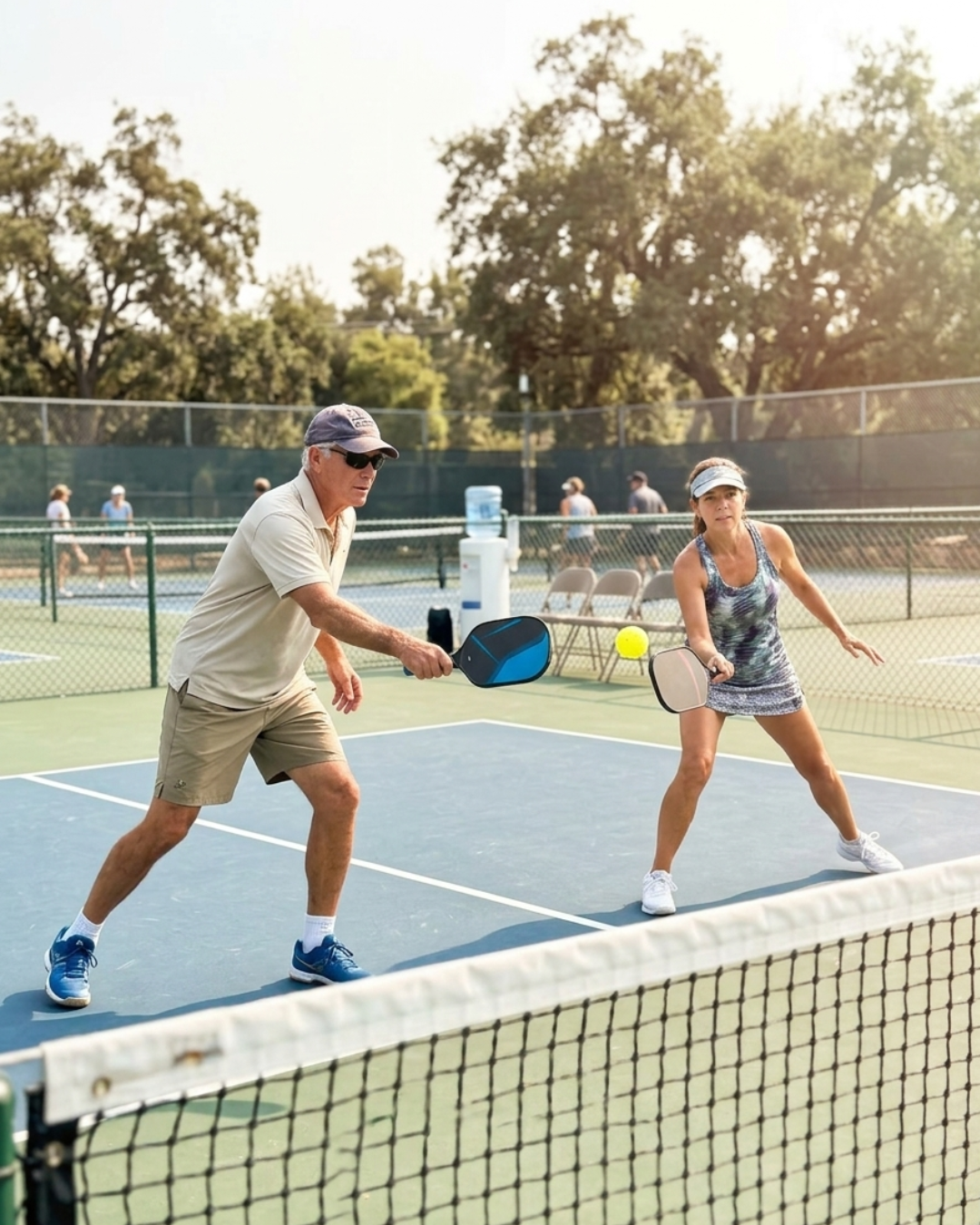
Ran for 97 days, from July 30 to November 4, 2026, the last day Crush saw it.
Run by Active Court Community on Facebook. Crush is not the advertiser and does not verify its claims. See this ad in Meta's Ad Library(opens in a new tab)
Make your own version of this ad
Crush makes it, launches it in your own Meta ad account, scales the winners and pauses the losers.
About this ad
- Meta Ad Library ID
- 2306059686817779
- Platforms
- Facebook, Instagram, Audience Network, Messenger and Threads
- Relaunches
- 0
- Niche
- Fashion & Apparel
Ad text
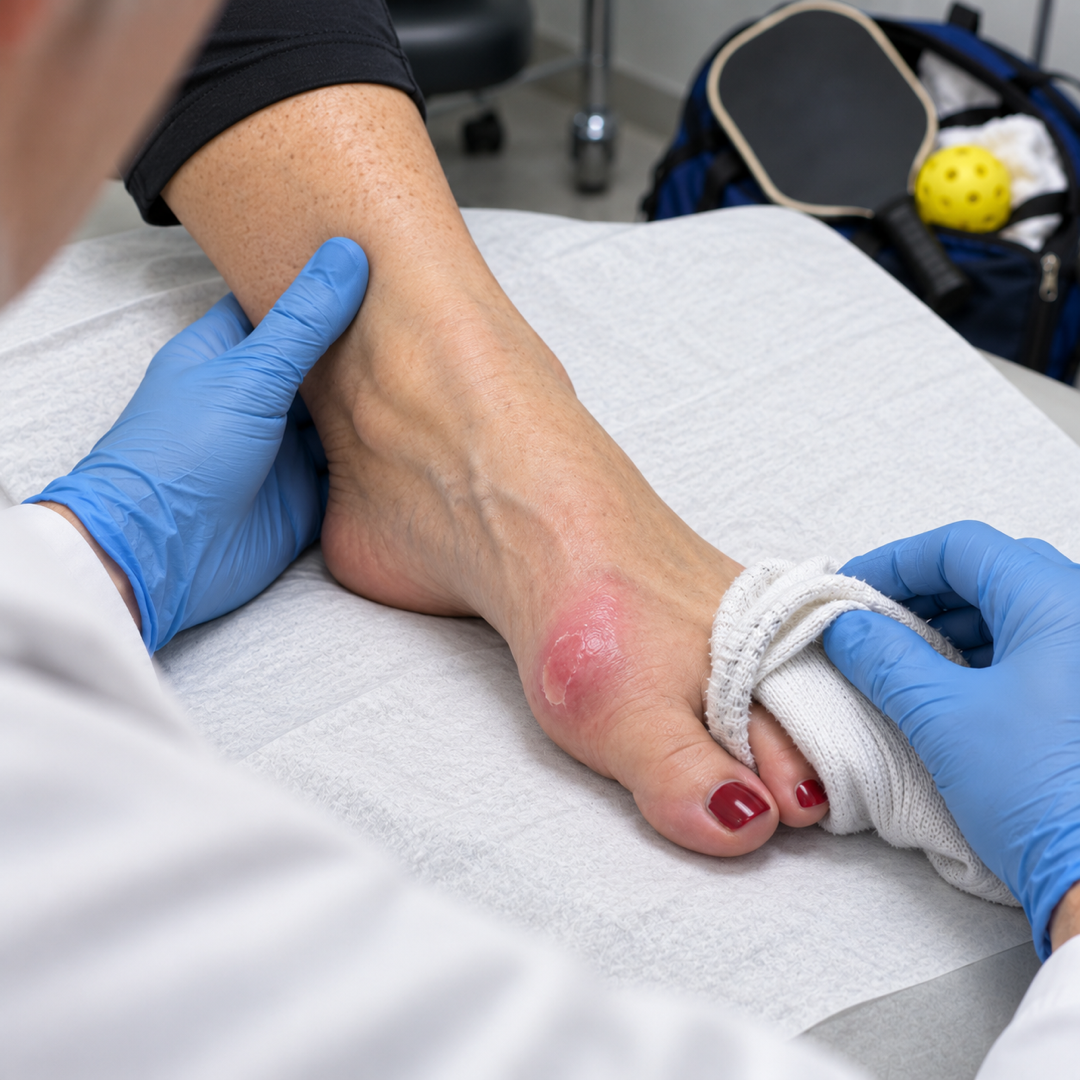
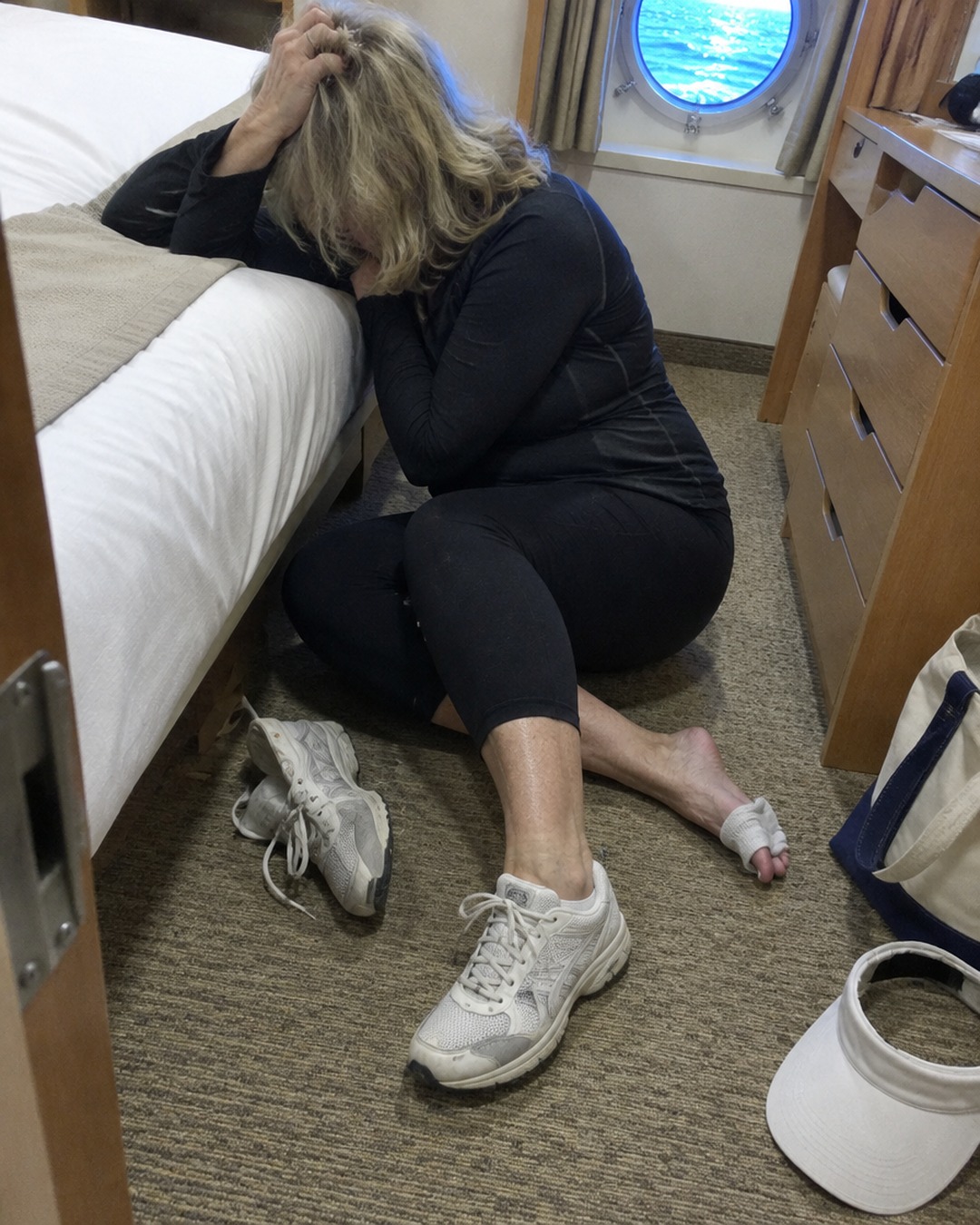
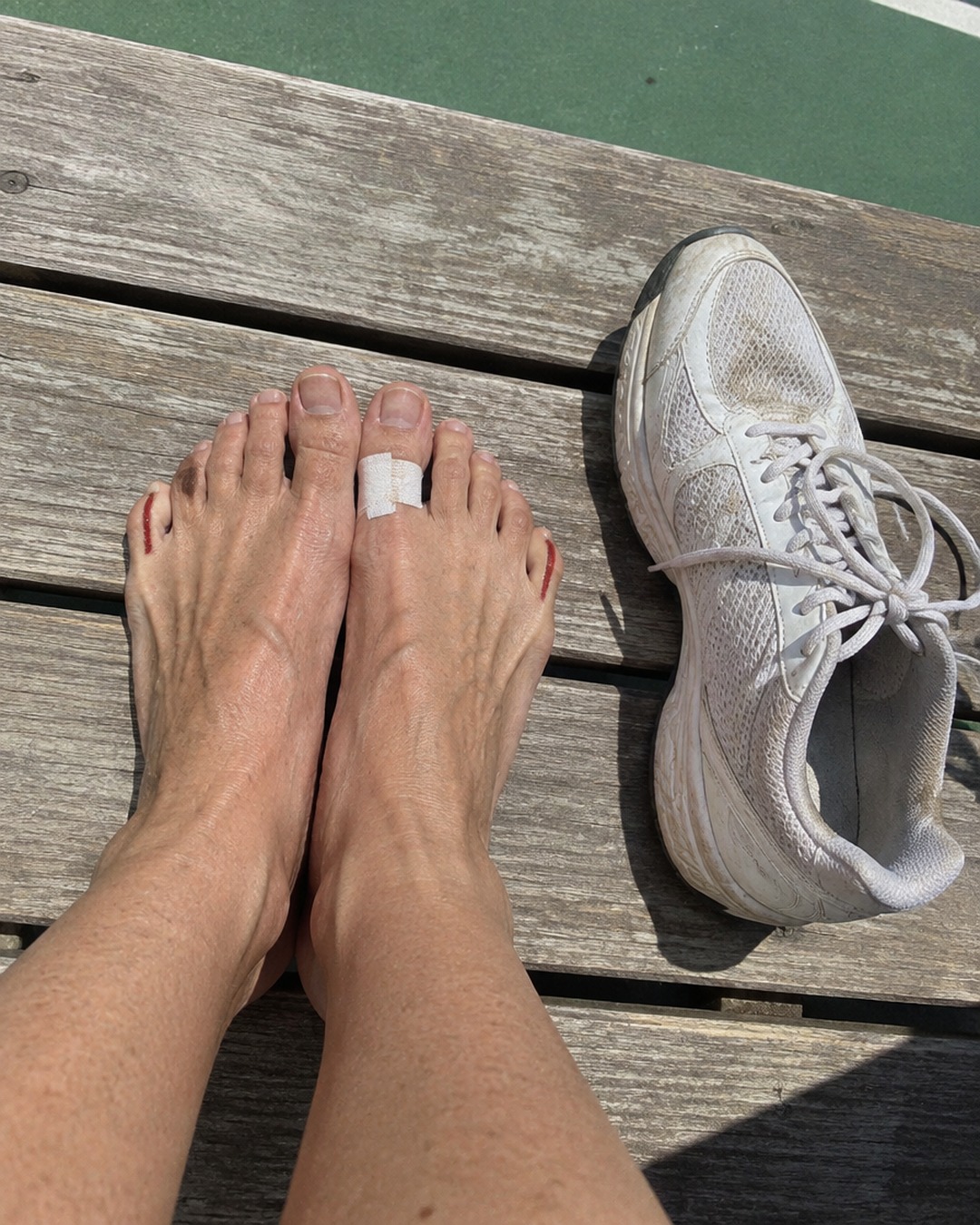
STOP wearing your running shoes on the pickleball court. I know they're comfortable. I know they're expensive. But every lateral cut you make in them is a rolled ankle waiting to happen — and most people find out the hard way. I say that as a chiropractor who treats pickleball players every week. And I say it because I've watched the same injury happen to good players in good shoes that were completely wrong for this sport — and nobody warned them before it did. Let me tell you what I see. A player comes in — sixty, maybe sixty-three — and she's rolled her ankle on a routine shot. Not a sprint. Not an aggressive play. A standard lateral cut she's made five hundred times. She's confused more than anything. She wasn't doing anything wrong. She wasn't playing recklessly. She just went for a ball and her ankle gave. First thing I ask before I touch her: what shoes were you wearing? Nine times out of ten, one of three answers. Hokas. Brooks. On Clouds. Sometimes ASICS or Adidas — the players who already upgraded once and thought they'd fixed it. Here's what I explain to every single one of them. Running shoes are engineered for forward motion. Everything about the design — the elevated heel, the thick foam midsole — exists to propel you forward efficiently. That's the whole point. And for running, it works perfectly. But pickleball is a lateral sport. Almost entirely lateral. Every split step, every cut, every hard stop at the kitchen line — the movement is sideways. And when you load a thick foam midsole in a lateral direction, that foam doesn't support you. It becomes a pivot point. Your ankle rolls over the top of it. The more cushioning you have, the higher the stack, the worse the mechanical leverage against you. Your running shoes feel like protection. On a pickleball court they are doing the opposite. I hold up the shoe and show every patient what I mean. I squeeze the midsole from the side. Watch it compress. Watch the sole tilt. That's what happens under your ankle when you cut hard to your left. The shoe tips. You tip with it. If your ankle is strong enough you recover. If it isn't — or if it's just the wrong day — you go down. Then I show them the toe box. The players who switched to ASICS or Adidas — the proper court shoes — they solved the pivot point problem. Lower profile, more stable. But then they developed a different issue. Toes jamming on lateral cuts. Pulling back on wide balls. Playing a smaller game without quite understanding why. The narrow toe box is the reason. When your toes are compressed together in a tight shoe they cannot splay and grip the court. Your toes are the foundation of every lateral movement you make. They're supposed to spread when you plant — creating a stable base, absorbing force, helping your foot do the stabilizing work your ankle shouldn't have to do alone. Cram them into a triangle and your ankle picks up the slack. More load. More vulnerability. Most court shoes on the market — including the performance brands your pro shop recommends — are built for the photo shoot, not for the court. Narrow toe box because it looks athletic in photos. Elevated heel carried over from running shoe geometry. A twenty-year-old design that nobody questioned. I explain this to patients after they've rolled an ankle. I wish I could explain it before. The player who came in last Tuesday — sixty-four, plays four times a week — she rolled her ankle going for a backhand. Not hard. Not reckless. Just a normal cut she'd made a hundred times. Her ankle just gave. I asked her how many times she'd grabbed a net post or stumbled on a wide ball in the past year. She thought about it. Said maybe three or four times. Laughed a little. Those weren't clumsiness. Those were near-misses. The shoe failing at lower speed, lower force. The ankle catching it just in time. What I sent her home with was simple. Wide toe box — room for the toes to actually spread and grip. Level platform — no heel elevation creating forward tilt and pre-loading the Achilles. Low profile — close to the court, not floating above it on foam that tips under lateral force. She came back five weeks later. Not for treatment. Just to tell me she'd gone for every wide ball without thinking about her ankle once. That's what I want for every player I see. If you're wearing running shoes on the pickleball court right now — or if you switched to branded court shoes and you're still pulling back on wide balls, still not fully committing to hard cuts — please understand what's actually happening. Your shoe was not designed for the direction this sport moves. And your ankle is working much harder than it should every single session to compensate for that. You don't have to find out the hard way. Most of my patients already did.
Where the ad sends people
cuurt.com
Read This Before Your Next Pickleball Session ☝️
Pain-Free Pickleball
See details: cuurt.com(opens in a new tab)