
Inactive· since Sep 4, 2026
- 11
- days it ran
- 2
- relaunches
Ad copy
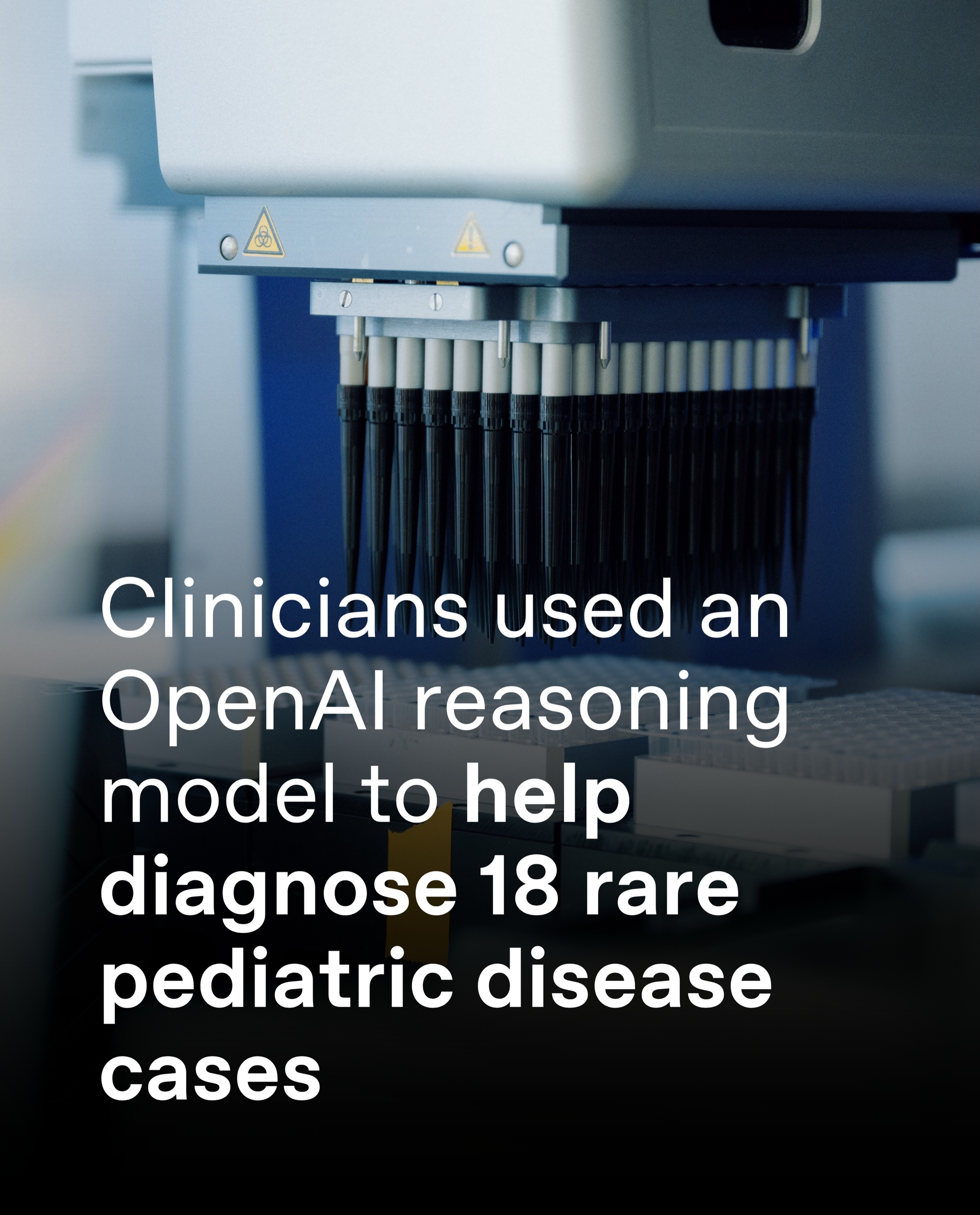
Together with researchers at @bostonchildrens and @harvard, clinicians used o3 Deep Research to help revisit previously unsolved rare pediatric disease cases, and find answers for families who had waited years. The team reanalyzed 376 de-identified cases that had already gone through genetic testing and expert review, helping identify 18 diagnoses across neurodevelopmental disorders, rare neuromuscular disease, sudden unexpected death in pediatrics, and early-onset psychosis. Many of these cases had evaded years of expert analysis. o3 Deep Research helped connect clinical features, inheritance patterns, variant evidence, and scientific literature into hypotheses for specialists to review. Every result went through human adjudication and clinical confirmation. This study suggests AI could make expert-led periodic reanalysis more scalable, helping clinicians revisit old cases as medical knowledge advances, identify leads worth investigating, and potentially bring answers to more families.
Using AI to help physicians diagnose rare genetic diseases affecting children
Researchers used an OpenAI reasoning model to help diagnose rare diseases, identifying 18 new diagnoses in previously unsolved cases.
LEARN MORELike this ad? Make it yours.
Crush rebuilds this exact creative around your product — your brand, your colors, your offer — in about a minute.