Linda Miller, RN
 Facebook ad: “Natural Relief in Weeks”
Ran for 32 days, from September 29 to October 31, 2026, the last day Crush saw it.
Run by Linda Miller, RN on Facebook. Crush is not the advertiser and does not verify its claims. See this ad in Meta's Ad Library(opens in a new tab)
Make your own version of this ad
Crush makes it, launches it in your own Meta ad account, scales the winners and pauses the losers.
About this ad
- Meta Ad Library ID
- 2313206259519287
- Platforms
- Facebook, Instagram, Audience Network and Threads
- Relaunches
- 0
Ad text
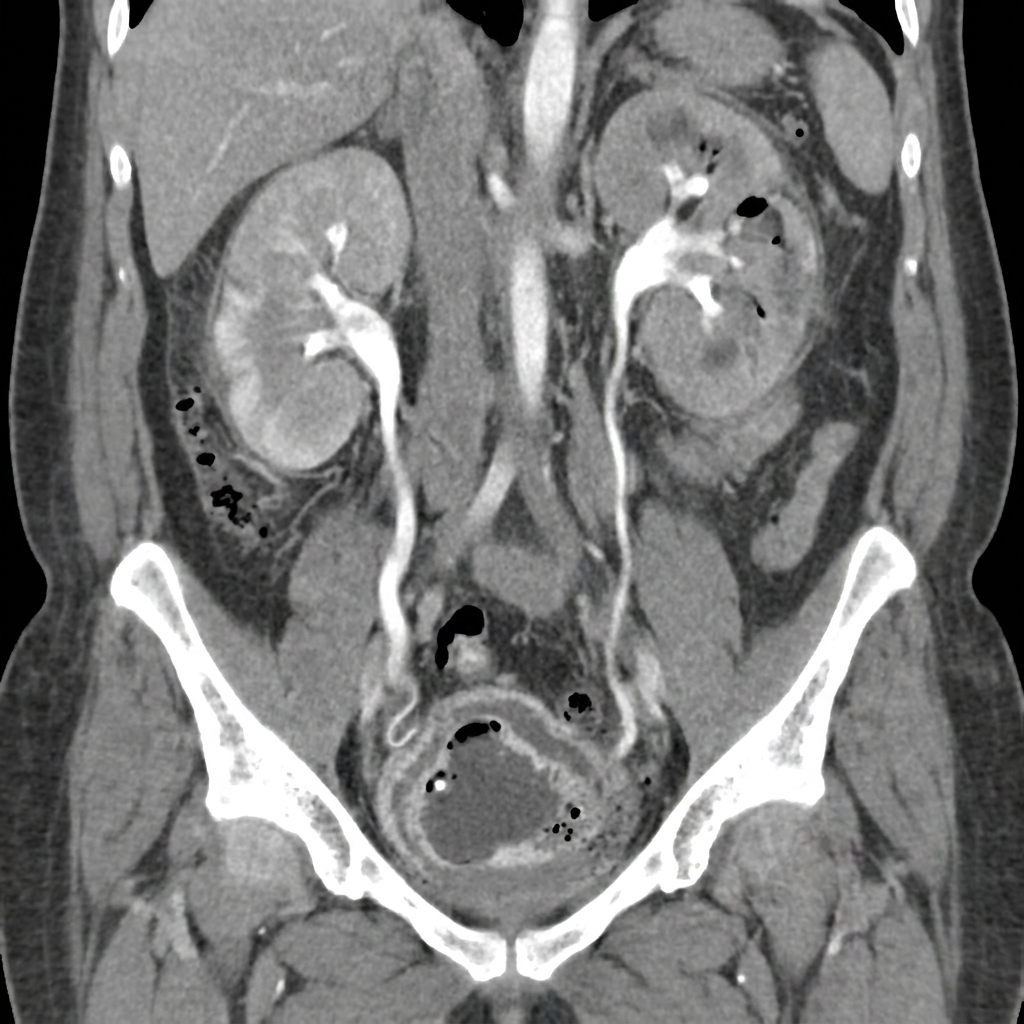
These bleeding gums are not a brushing problem. And if you're switching to a softer toothbrush, rinsing with mouthwash, or paying your dentist for a deeper clean — you're spending money and guilt on something that usually comes right back. Because nobody told you why they're actually bleeding. I know. I've been watching this play out on my patients for years. I'm Linda Miller. I've been a dental hygienist for 25 years. I've watched gum disease destroy bone, tissue, and teeth. I've seen patients lose every tooth they had. I've held hands during the conversations nobody wants to have. And one of the things I started noticing early on — before the blood work always catches up — is the bleeding. Your gums. Your toothbrush. The sink when you spit. Blood that wasn't there a few years ago. Most dentists will tell you it's brushing too hard, or aging, or nothing to worry about. But in my experience, they're often one of the first visible signs that something is going wrong with your insulin. Nobody seemed to connect the dots. And honestly, I didn't fully either. Not until I watched something in my unit that I still think about. The bleeding gums, the receding gum line, the weight that won't budge, afternoon energy crashes, brain fog, getting up multiple times at night — a lot of these can trace back to the same underlying issue. Insulin resistance. If you have this bleeding — or someone close to you does — it may not just be a dental problem. It could be an early signal that your body is heading toward type 2 diabetes. That's what the research increasingly suggests, and it lines up with what I've seen over and over in 25 years at the bedside. Because I had the same problem. My fasting glucose had been stuck around 187. A1C at 7.2. Periodontal pockets had deepened to 5mm, which put me at Stage 2 periodontitis. I was up two or three times a night. My brain would shut down by mid-afternoon. And I had bleeding gums. Every morning on the toothbrush. Every time I flossed. A pocket deepening on my lower left side. I'd been telling myself it was nothing — the same thing I'd casually told patients when they asked. I wasn't going to brush it off anymore. She said most people — including most of us in healthcare — treat gum disease like it's mainly a hygiene problem. Bacteria builds up, clean it off. More scraping. More pressure on the gums. Here's what she walked me through, and what I later looked into myself. Your cells are like a kitchen sink that backed up years ago. Insulin is supposed to help glucose drain into your cells where it gets used for energy. But when cells become resistant to insulin — when the drain clogs — glucose just overflows into your bloodstream. It has nowhere to go. Your body responds by producing more insulin. It pumps harder, trying to force glucose through a drain that isn't working. And here's where the gum connection starts to make sense. But the deeper issue, she said, is insulin resistance. And those bleeding, I'd been noticing on patients for years? They can be one of the most visible early symptoms. Insulin is a growth hormone. When there's too much of it in your blood — which is what tends to happen when your cells aren't responding and your body keeps making more — it can trigger chronic inflammation. A breakdown in the tissue anchoring your teeth. Gums that pull away, bleed easily, and lose the ability to heal the way they should. That's generally not your brushing technique causing that. It's likely insulin doing what chronic elevation does when levels stay too high for too long. The drain is still blocked. Your body is still producing too much insulin. And as long as that's going on, the gums can keep receding and the pockets can keep deepening. Meanwhile, the metabolic damage keeps building in places you can't see. You can scale them. Rinse with mouthwash. Have them cleaned every three months. But if the underlying insulin issue hasn't changed, they tend to come back. Because the gums were never really the problem. The problem is what's happening underneath. I'd tried everything I could think of. Oil pulling. Salt rinses. Charcoal toothpaste. Prescription chlorhexidine rinse. Nothing moved the needle more than a few points. That night, around 2:47 AM — I was still awake, because my own blood sugar had been wrecking my sleep for over a year — I started looking into the research. Three studies stood out. One from Japan showed clinical-dose Ceylon cinnamon extract improved insulin sensitivity and fasting glucose over 12 weeks. One from India showed reduced oxidative stress markers in patients with metabolic syndrome. One from Italy showed that cinnamaldehyde — the main active compound in Ceylon cinnamon — reduced inflammatory markers and appeared to protect the insulin-producing cells in the pancreas. Then I started connecting the mechanism to what that doctor had explained. Cinnamaldehyde seems to work on the inflammation that contributes to the blockage. There's an inflammatory pathway researchers call the NLRP3 inflammasome — think of it like an alarm system in your cells that's supposed to turn on during infection, then shut off. In metabolic disease, it appears to get stuck on. That low-level chronic inflammation may be part of what keeps insulin receptors from functioning properly. The research suggested cinnamaldehyde helps quiet that stuck alarm. Not shut down all inflammation — the body needs that. But ease the chronic kind that may be contributing to the clog. When that inflammation reduces and receptors start responding better, glucose can begin moving into cells again more naturally. The body doesn't need to keep overproducing insulin. And when insulin levels come down — the inflammatory signal that may be driving that gum breakdown starts to ease. Bleeding can stop. Existing tissue may begin to recover. It's not adding more pressure to force glucose through. It's helping clear the blockage so things can drain on their own again. But I also learned something important. Even Ceylon cinnamon often doesn't work the way people expect — because most people take it in a form that doesn't deliver. I ordered generic cinnamon capsules from Amazon first. $14.99. After two weeks, my blood sugar had dropped maybe 10 points. And my gums looked exactly the same. Nothing close to what I'd watched happen with that patient. Then I dug into why. First, species. A lot of what's sold as cinnamon is actually Cassia — from China, not Ceylon. Cassia has significantly more coumarin, a compound that can stress your liver with daily use over time. So you could be trying to address one issue while quietly creating another. Second, dosage. Most capsules have 500 to 1,500 milligrams of ground powder. The studies that showed meaningful results used concentrated extracts equivalent to 6,000 to 7,200 milligrams a day. Most people aren't getting anywhere close. Third, and this is the one I hadn't considered — delivery. Cinnamaldehyde is fat-soluble. If it's in dry powder form, most of it passes through your digestive system without being absorbed. The active compound that may help with the inflammation never actually reaches your cells. That explained why so many patients told me cinnamon didn't do anything. What made the difference, based on both the research and what that patient had been using, was a concentrated Ceylon extract in MCT oil. The oil helps carry the fat-soluble compounds into your system where they can actually work. MCT oil also appears to have its own modest benefit for insulin sensitivity. The specific brand was Metabolae. True Ceylon cinnamon from Sri Lanka. DNA-verified — not just labeled. 12:1 concentrated extract, 7,200 milligrams equivalent per softgel. Suspended in MCT oil. Third-party tested. GMP-certified. Coumarin levels verified safe for daily use. P.P.S. If you've tried cinnamon before and didn't notice anything — that's actually common, and there's a reason. Most supplements use Cassia instead of Ceylon, in doses way below what the research used, in dry powder that your body can't absorb well. The active compound is fat-soluble — without oil to carry it, it mostly passes through. Metabolae is DNA-verified Ceylon, 7,200mg equivalent, in MCT oil. It's a different product entirely. Worth knowing before you write off cinnamon based on something that was never going to work in the first place. A patient was admitted with blood sugar over 400. A1C of 13.4. He was in rough shape. The kind of case where you're watching for organ damage in real time. His gums were severely inflamed. Periodontal pockets measuring 7 and 8mm on his lower jaw. Pretty typical for someone whose blood sugar had been out of control for a long time. Three days later, I walked past his room and saw his glucose reading come back. I looked at it twice. Checked his medication list to see what they'd changed. Nothing had changed. Same meds. Same doses. So I asked his doctor. And what she told me shifted how I think about blood sugar, insulin, and a lot of what I'd been seeing in patients' mouths for 25 years. She said he'd started taking a Ceylon cinnamon extract his daughter brought during a visit. And she explained the mechanism in a way I hadn't heard before — not in school, not in 25 years in the unit. Now here's the part that really changed things for me. That patient — the one who came in with glucose over 400 — I kept watching him over the next several days. The gums that had been bleeding on contact looked noticeably less inflamed. The pockets on his lower jaw seemed shallower when we probed. By discharge, two of his worst sites had already started to close. His A1C dropped from 13.4 to 11.2 during his stay. I heard later that six months out, it was down to 6.3. He hadn't been hospitalized again. His doctor said something that stayed with me. She said his cells weren't broken permanently — the blockage just needed to clear. I ordered three bags. First week, my energy smoothed out. And for the first time in about 14 months, I slept through the night. No 3 AM trips to the bathroom. Second week, I checked my fasting glucose three mornings in a row because I didn't quite believe it. 142. Down from 187. Third week, the hunger swings that had been running my day started calming down. The brain fog was noticeably better. I could stay focused past 3 PM. By week six, my morning glucose was between 98 and 110. First time below 100 in over two years. And my gums had visibly less inflammation. The bleeding on my toothbrush had nearly stopped. At week ten, I went in for my periodontal check. My hygienist pulled up the measurements and just sat there for a moment. A1C had dropped from 7.2 to 5.8. Pocket depth reduced from 5mm to 2 to 3mm across the board. She told me periodontal attachment doesn't usually regenerate once you've reached that stage. The typical goal is just to slow it down. But mine had actually gotten better. I think it's because when you start addressing the underlying insulin resistance — the inflammation, the oxidative damage — you're reducing the stress that's been wearing down the tissue and bone over time. You're not just managing the overflow. You're giving the system a chance to recover. She told me to keep doing whatever I was doing. That was about seven months ago now. My fasting glucose sits between 90 and 100 most mornings. A1C is 5.6. I sleep through the night. No fog. No crashes. The bleeding has stopped entirely. My last pocket check came back at 2 to 3mm across the board. I honestly feel like I did ten years ago. I've recommended Metabolae to six patients since then. Most of them came back with similar experiences — though everyone's timeline was a little different. Better sleep tended to come first, usually within the first week or so. Then steadier energy. Lower morning glucose within the first month for most. One patient mentioned that the bleeding she'd been dealing with for years — had her gums scaled and cleaned twice by her periodontist, and it kept coming back — had started calming down noticeably on its own after a few weeks. That was a first for her. Another patient's A1C went from 7.4 to 6.1 over about three months. Her doctor told her to stay on whatever she was doing. I can't guarantee everyone will see the same thing. But what I've watched happen — in that first patient, in myself, and in the people I've recommended this to — feels like more than coincidence. If you've got bleeding gums, or receding tissue, or gum changes that keep showing up no matter what you do — it might be worth looking past the mouth. Because what I've come to believe, after 25 years of watching this from the bedside, is that those gums are often your body's way of telling you something deeper is off. And addressing that deeper issue is what seems to make the difference. If there's even a chance this could help you, I think it's worth trying. One softgel daily with breakfast. They offer a 90-day money-back guarantee — no questions asked. If your numbers don't move, if nothing changes, you get your money back. That takes the risk out of finding out for yourself. ~ Linda Miller, Dental Hygienist, 25 years P.S. There's a promotion going right now — I picked up three bags at a decent discount. They're a small company and tend to sell out. If you see Out of Stock, sign up for the notification. But if it's available, I wouldn't wait.
Where the ad sends people
metabolae.com
Natural Relief in Weeks
Supports healthy blood sugar levels and metabolism with premium Ceylon cinnamon. Shop Metabolae's science-backed supplements. Free shipping available.
Learn more: metabolae.com(opens in a new tab)