
Inactive· since Jan 29, 2026
- 29
- days it ran
- 0
- relaunches
Ad copy
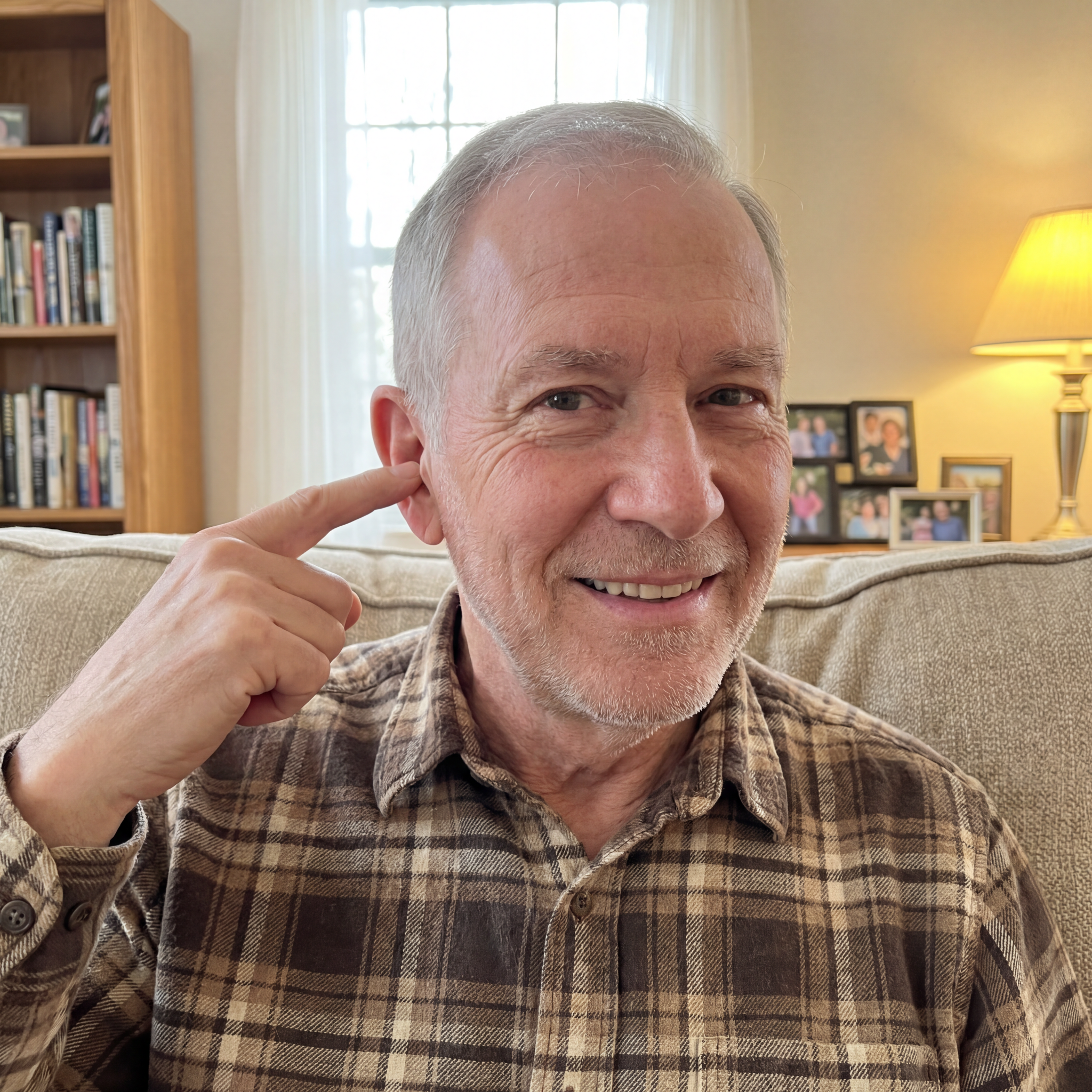
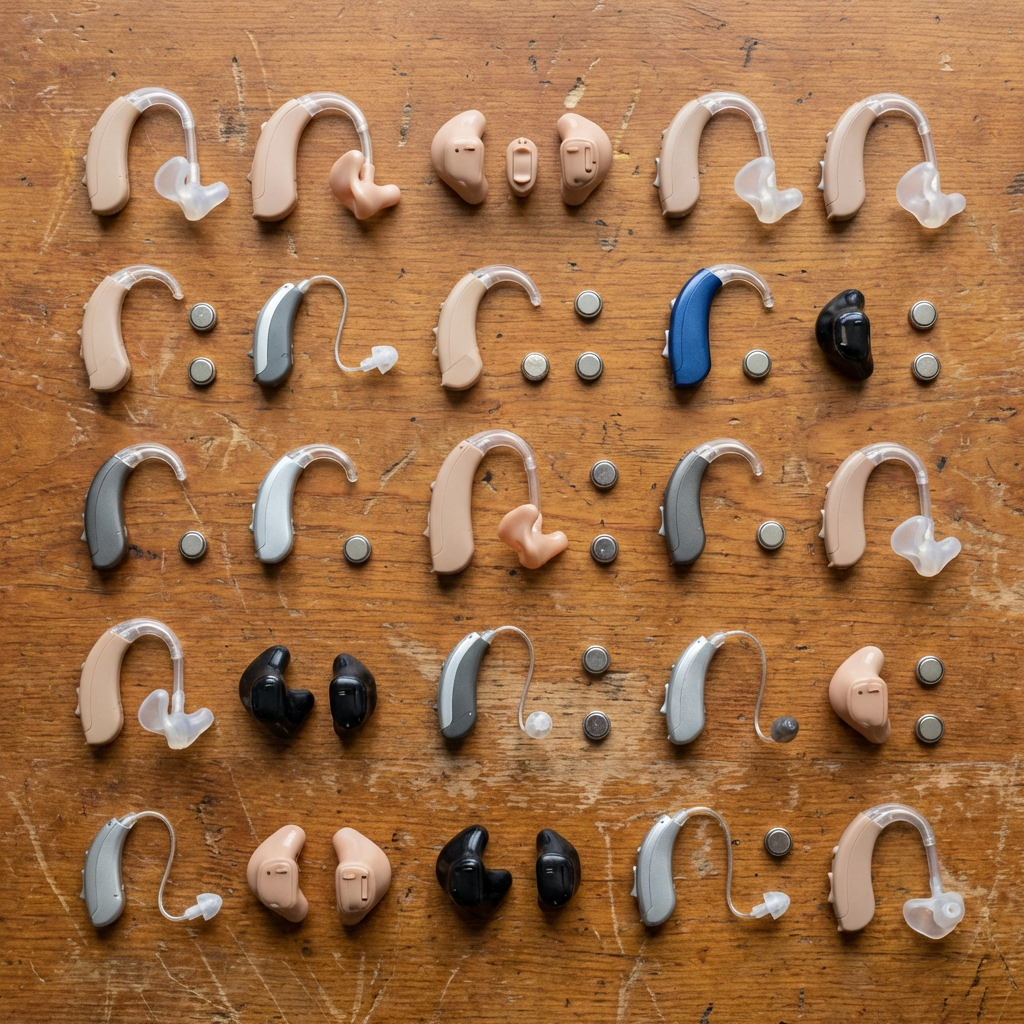
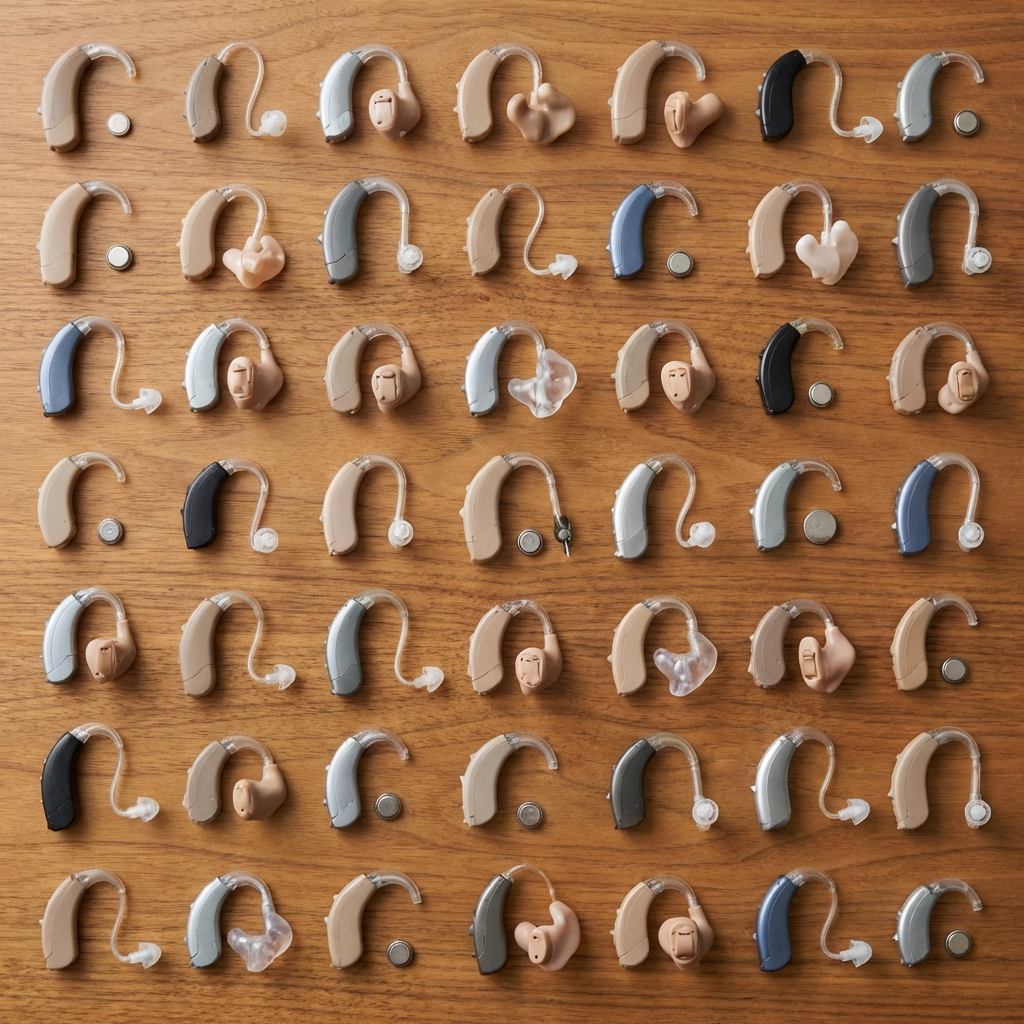
My name is Robert, I'm 73 years old, and I'm about to tell you how I nearly wasted £4,000 on hearing aids I couldn't afford—until I discovered something that changed everything. Let me start from the beginning. About three years ago, I started noticing my hearing wasn't what it used to be. At first, I thought it was just the TV. "They don't make shows like they used to," I'd tell my wife Margaret. "Everyone mumbles now." But deep down, I knew. When my grandson would visit and tell me stories about school, I'd catch maybe half of it. I'd smile and nod, pretending I understood. He'd eventually just give up and go play on his tablet. That hurt more than I let on. When friends would invite us to the pub, I'd make excuses. "Too tired," I'd say. But the truth? I couldn't follow conversations anymore. All that background noise—the music, the other tables, the kitchen sounds—it all just became one loud mess. I couldn't pick out what anyone was actually saying to me. Margaret would look at me with this sad expression. She knew why I was avoiding things. "You need to get your hearing checked," she'd say gently. "I'm fine," I'd lie. But I wasn't fine. I was withdrawing from everything I used to enjoy. Sunday dinners with the family. Card games with my mates. Even just watching a film with Margaret on the sofa—I had the volume so loud she'd leave the room. I was becoming a stranger to my own life. Finally, six months ago, Margaret insisted I see an audiologist. I made the appointment. They did all the tests. Confirmed what I already knew—mild to moderate hearing loss in both ears. "Very common for your age," they said cheerfully. Then came the quote. £4,200. Four thousand, two hundred pounds. For a pair of hearing aids. I sat there in that clinic chair, doing the maths in my head. That was nearly half my yearly pension. That was the money we'd saved for our 50th wedding anniversary trip to Scotland. That was three months of our household budget. The audiologist could see my face. She started talking about payment plans, finance options, spreading the cost over 24 months. But that just made it worse. Going into debt at 73? For hearing aids? I smiled politely, thanked her for her time, and left. In the car park, Margaret asked, "So what are we doing?" "I don't know," I said honestly. "I just... I can't justify spending that much. Not with what we have." She squeezed my hand but didn't argue. She knew our budget as well as I did. So I did what I thought was the only option—I just carried on without them. TV volume stayed at 45. I kept missing conversations. Kept avoiding social situations. Kept watching my grandson's mouth move without understanding half the words. Margaret stopped suggesting we go out. She'd just sigh when I asked her to repeat herself for the third time in one conversation. I could feel us both giving up. Then one morning, about three months ago, I was at the corner shop getting milk. Old Harry, the bloke who runs the place, he's about my age. Always had hearing problems—worse than mine, actually. But that morning, something was different. I said something to him from across the shop, and he just... responded. Normally I'd have to go right up to him and speak directly into his ear. "Harry," I said, "you're hearing better." He grinned. "Got myself some new hearing aids, didn't I? Cost me £69." I laughed. "You mean £6,900?" "No, mate. Sixty-nine pounds. Ordered them online. They're brilliant." I thought he was having me on. But he showed me. These tiny little things, barely visible in his ear. He pulled one out and showed me—proper rechargeable hearing aids, came in a nice charging case. "They've got some AI chip thing," he said. "Filters out all the background noise. I can hear conversations in here even with the radio on now. And the best part? No audiologist. No prescription. Just ordered them, they arrived four days later, popped them in, and that was it." I was skeptical, obviously. How could £69 hearing aids possibly work as well as £4,000 ones? "Look," Harry said, "they've got a 60-day money-back guarantee. If they don't work, you send them back. But mate, I'm telling you—they work. I can hear my wife again. I can watch the telly at normal volume. I go to the pub quiz now. For the first time in five years, I'm not sitting there feeling useless." That night, I told Margaret about it. She looked them up online—iPureHear, they're called. ClarityPro CIC hearing aids with something called AI ClearSound technology. The reviews were incredible. Thousands of them. People our age, on pensions, saying the same thing Harry said—they work just as well as the expensive ones, but cost a fraction of the price. "What have we got to lose?" Margaret said. "It's £69. If they're rubbish, we send them back." So I ordered them. They arrived four days later, just like Harry said. I opened the box expecting... I don't know. Cheap plastic. Something that looked like a toy. Something that screamed "you get what you pay for." But the packaging was really nice. Professional. The charging case felt solid—better than my mobile phone case, honestly. And the hearing aids themselves? Tiny. I mean really tiny. They sit completely inside your ear canal. You can't see them at all once they're in. I read the instructions. Simple enough. Just put them in your ears, adjust the volume dial if needed, and that's it. No apps. No complicated setup. No audiologist needed. I put them in that first morning. Margaret was in the kitchen, and I was in the living room. She said something—I don't even remember what—and without thinking, I responded. She came to the doorway. "You heard me?" "Yeah," I said, surprised. "Clear as day." Her eyes welled up a bit. "Robert, I was speaking at normal volume from another room." That's when it hit me. I'd actually heard her. Not just the sound of her voice, but the actual words, clearly, from a different room. That first day was like... I don't know how to explain it. It was like someone had turned the world back on. I could hear the birds outside. I'd forgotten what that sounded like. I could hear the kettle whistling in the kitchen. When Margaret put the radio on, I could actually hear the lyrics to the songs, not just the music. We went to the shops that afternoon. Usually, shops are a nightmare for me—too much background noise, can't hear anything. But with these hearing aids, I could hear Margaret when she asked me which bread I wanted. I could hear the cashier when she told me the total. It sounds like such a small thing, but I nearly cried in the car park. "I can hear again," I said to Margaret. She was crying too. That week, we went to the pub for the first time in over a year. Our friends were shocked to see us. We sat in our usual spot—the noisy corner by the bar. Normally, that would've been impossible for me. All that background noise, the music, people talking, glasses clinking—I wouldn't have been able to follow any conversation. But these AI ClearSound hearing aids, they somehow filter all that out. I could hear my mates clearly. I heard the jokes. I laughed at the right moments instead of laughing five seconds late because I'd just figured out what was said. My friend Tom noticed. "You're hearing better, Bob." "Got hearing aids," I said. "Those prescription ones? Must've cost you a fortune." "£69," I said. Everyone at the table went quiet. "You're joking," Tom said. "I'm not. £69. Ordered them online from iPureHear. They've got the same AI technology as the £4,000 ones, just without the clinic markup." Tom's wife Linda looked at him. Tom's been struggling with his hearing for years, worse than mine. But they're on a pension too. Can't afford the expensive ones. "If Bob's hearing aids work," Linda said to him, "you're getting some." Two weeks later, Tom ordered his. Now he wears them every day. Says they changed his life. I've been wearing mine for three months now. I hear my grandson's stories. Every word. He doesn't give up halfway through anymore. I answer the phone without anxiety. I can actually hear people on the other end clearly. Margaret and I watch films together with the TV at volume 20. She's stopped leaving the room. We go to the pub every Friday now. I'm part of the conversations again. Last Sunday, we had the whole family over for dinner. All the kids, all the grandkids, everyone talking at once—normally my worst nightmare. But I sat at that table and followed every conversation. I heard my granddaughter tell me about her new job. I heard my son tell a funny story about his holiday. I was part of it all. After everyone left, Margaret hugged me in the kitchen. "I got you back," she said. And that's the truth of it. For three years, I was disappearing. Withdrawing. Becoming quieter and more isolated. Not because I wanted to, but because I couldn't afford the £4,000 solution everyone said was the only option. But it turns out, there was another option all along. ClarityPro hearing aids from iPureHear. Same technology. £69. I've done the maths. I saved £4,131. That's Scotland paid for. That's our emergency fund topped back up. That's peace of mind that we're not going to struggle financially. And I'm hearing clearly. Crystal clear. In restaurants, in the pub, on the phone, watching TV, talking to my family—everywhere. Here's what nobody tells you about hearing loss: It's not just about missing words. It's about missing life. Missing your grandchildren's laughter. Missing conversations with your wife of 50 years. Missing the sounds that make life worth living. I nearly accepted that as my reality because I couldn't afford £4,000. But for £69, I got it all back. Now, I know what you're probably thinking. Because I thought it too: "If they're only £69, they can't be as good as the expensive ones." But here's what I've learned. Those £4,000 hearing aids? You're not paying for better technology. You're paying for the clinic's rent. The audiologist's salary. The manufacturer's markup. The receptionist. The fancy waiting room. The commission on the sale. The actual technology—the AI chip that filters background noise and makes voices clear? That costs a fraction of what they charge. ClarityPro uses the same digital signal processing technology. The same AI ClearSound chip. The same noise-filtering system. They just sell it direct to you. No middlemen. No clinic markup. No audiologist fees. That's why it's £69 instead of £4,000. It's not worse. It's just honest pricing. And here's the thing that really gets me. If Harry hadn't mentioned it in the shop that day, I'd still be sitting at home with the TV on volume 45, slowly withdrawing from everything, thinking there was no option for someone like me. How many other people are out there right now, in their 60s, 70s, 80s, on fixed incomes, struggling with hearing loss, thinking they just have to live with it because they can't afford £4,000? That's why I'm sharing this. If you're reading this and you're in the same situation I was—you know your hearing isn't what it used to be, you know you need help, but you can't justify spending £4,000 on hearing aids—then you need to know about ClarityPro. They're the real deal. Proper hearing aids with AI technology. Rechargeable. Invisible. Crystal clear sound. And £69. They come with a 60-day money-back guarantee. If they don't work for you, you send them back and get a full refund. But I'm telling you—they work. I'm 73 years old. I'm not a salesman. I don't work for iPureHear. I'm just a retired electrician on a pension who nearly lost three years of my life to hearing loss because I thought I couldn't afford the solution. But it turns out, I could afford it all along. I just didn't know it existed. Margaret and I are going to Scotland next month. Our 50th wedding anniversary trip. I'll be able to hear everything—the tour guides, the restaurant servers, Margaret when she points out the beautiful scenery. All because of £69 hearing aids that I almost didn't buy because I thought they'd be rubbish. Best £69 I've ever spent. If you want to try them, they're at iPureHear.com. Look for ClarityPro CIC hearing aids. Just know that they're a small family company, and they sell out sometimes. When I checked this morning, they had stock, but I've heard from Tom that sometimes you have to wait a few weeks for them to come back. If you're dealing with hearing loss and living on a pension, don't wait three years like I did. £69 could change your life. It certainly changed mine. ~ Robert M., Age 73, Manchester --- **P.S. - A few things I wish I'd known before ordering:** The 60-day guarantee is real. You literally have two months to try them. If they don't work, you get every penny back. Right now they're running an 80% off sale—that's how they're £69 instead of the usual price. I don't know how long that lasts. They come with multiple ear tip sizes, so they'll fit comfortably no matter what size your ear canal is. The battery really does last 48 hours. I charge them every other night. You don't need a smartphone or any apps. They just work. Harry from the shop told me he bought a second pair as a backup, just in case he loses them. I'm thinking of doing the same. If you can't find them in stock, keep checking. They restock every few weeks. **👉 Check if they're in stock:** https://ipurehear.com/products/the-claritypro-cic-rechargeables-hearing-aids-pair
Like this ad? Make it yours.
Crush rebuilds this exact creative around your product — your brand, your colors, your offer — in about a minute.