Healthy Heart Tips
Healthy Heart Tips Facebook ad: “Your Blood Pressure Doesn't Have to Control Your Life”
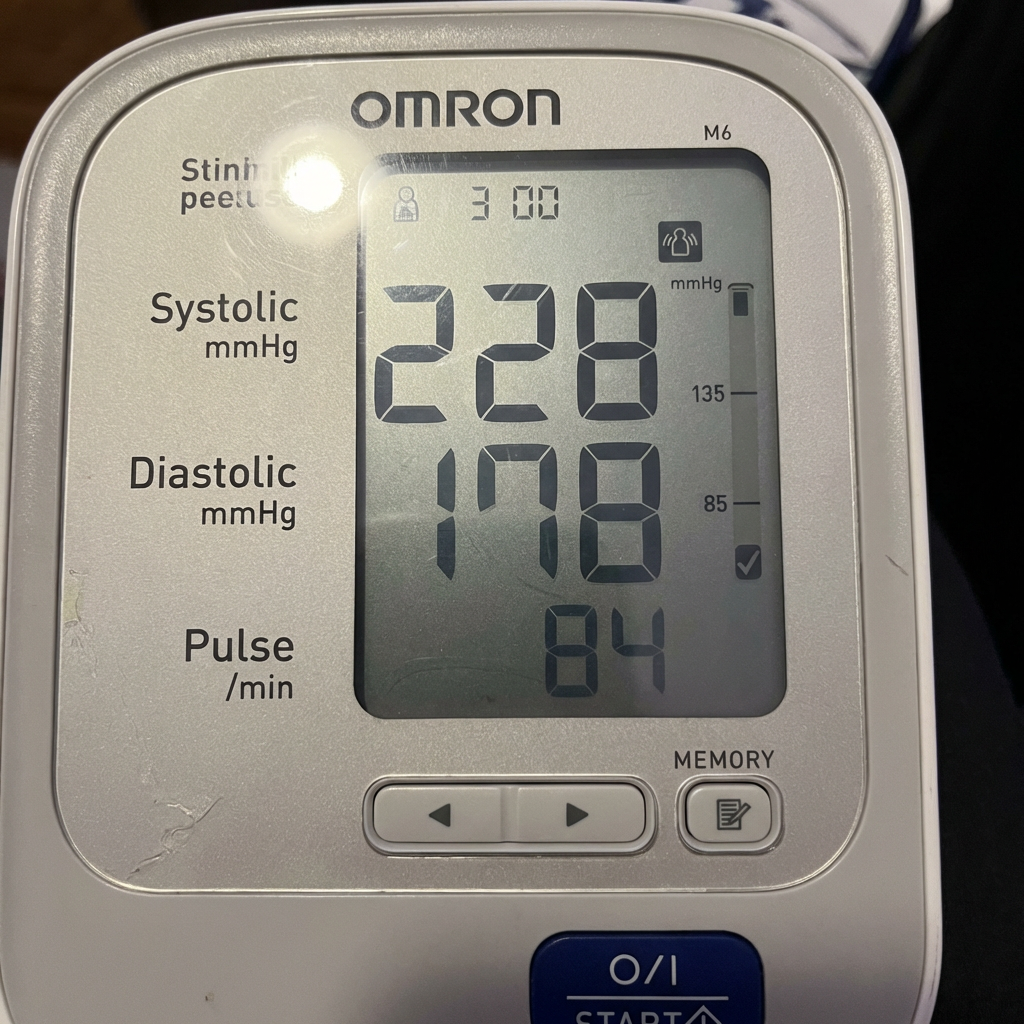
Ran for 22 days, from March 8 to March 30, 2026, the last day Crush saw it.
Run by Healthy Heart Tips on Facebook. Crush is not the advertiser and does not verify its claims. See this ad in Meta's Ad Library(opens in a new tab)
Want an ad like this for your product?
Crush makes new ad images for your product from this ad: your logo, your product photo, your offer.
Trials from $19.95 USD, then $79.95 USD a month. Cancel anytime.
About this ad
- Meta Ad Library ID
- 2358217231272192
- Platforms
- Facebook, Instagram, Audience Network, Messenger and Threads
- Relaunches
- 0
- EU reach
- 2,501
- Niche
- Jewelry & Watches
Ad text
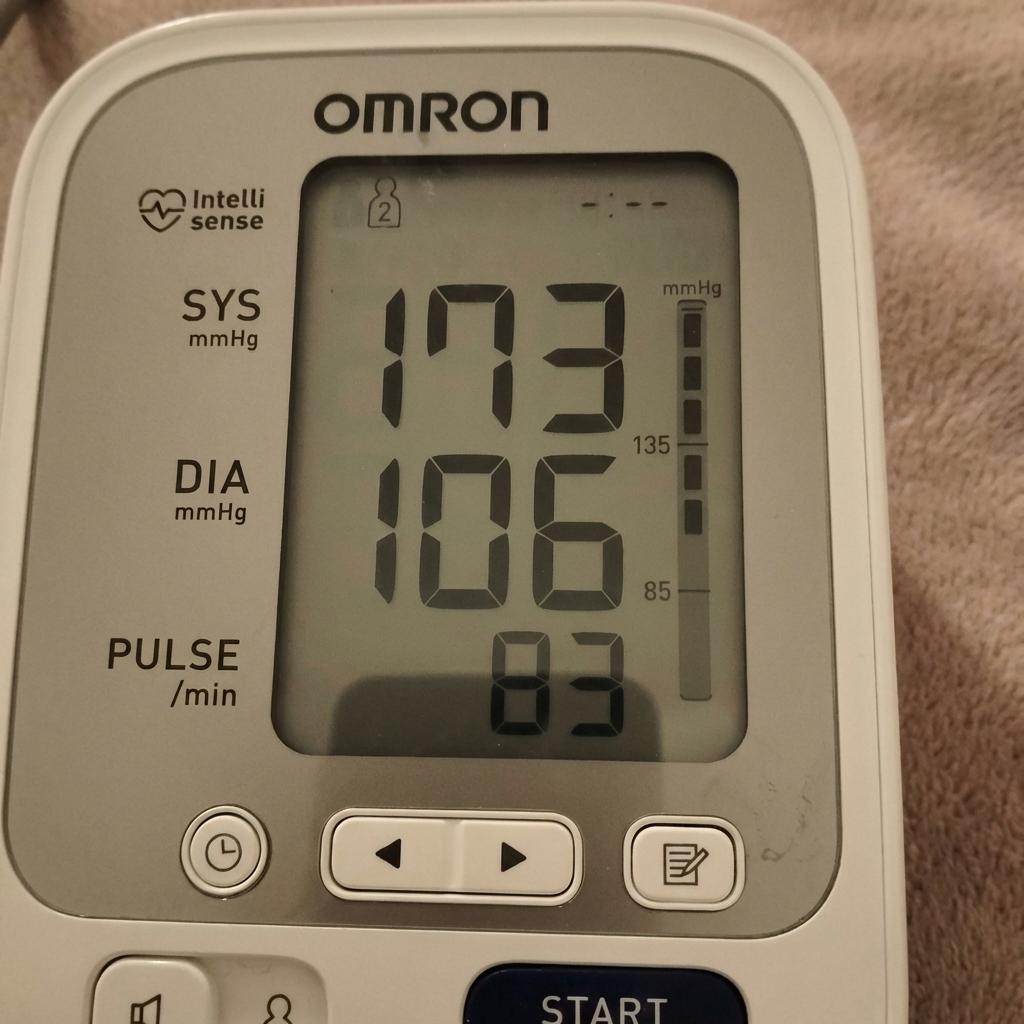
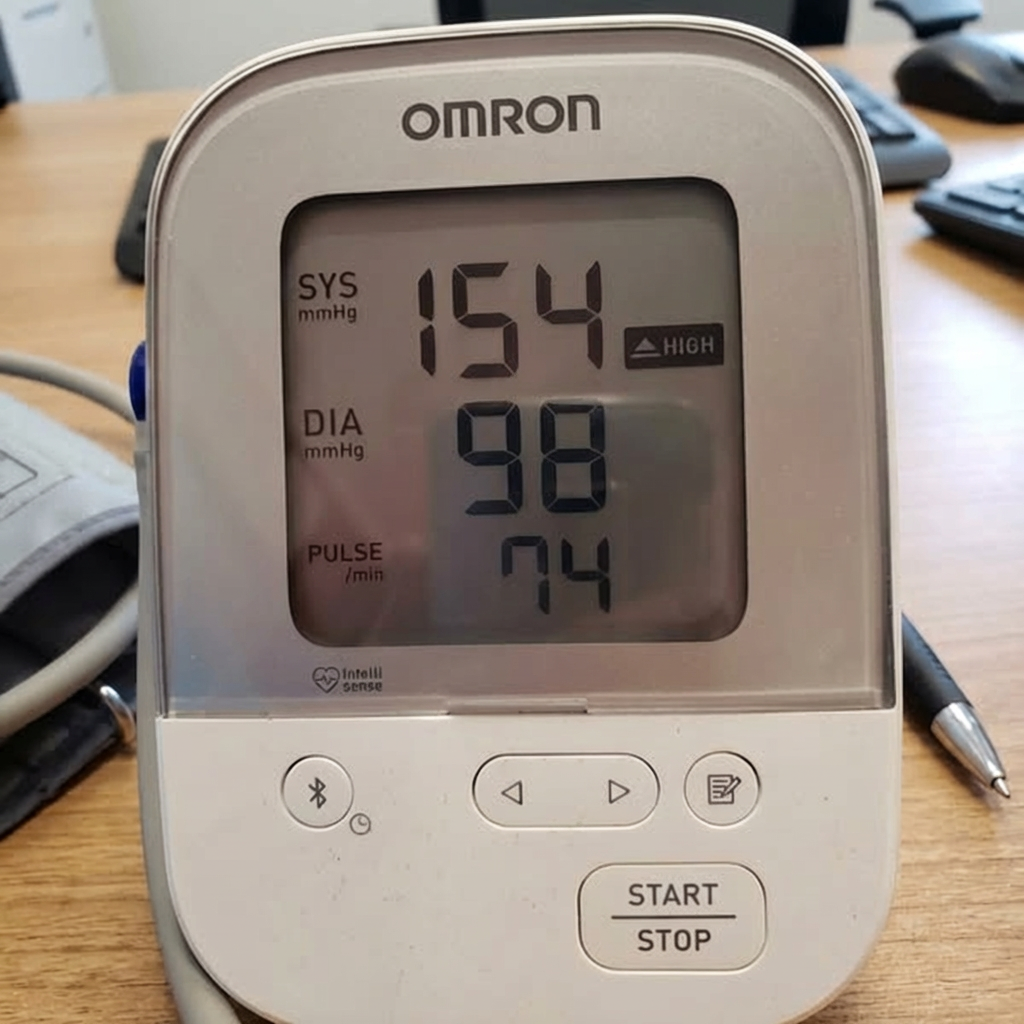
I Refused Blood Pressure Medication for 14 Months. After 28 Years as a Cardiac Nurse, Here's Why — and What I Did Instead. I've worked in cardiac care for 28 years. I've held the hands of patients coding on my unit. I've watched families say goodbye. I've been the one in the room when the monitor flatlines and there's nothing left to do but document the time. I tell you this not for sympathy. I tell you because after 28 years in cardiology, I understand high blood pressure in a way most people never will. I've seen what it does over decades. I've seen what the medication does over decades. And I've seen what happens when neither one is enough. About 14 months ago, it happened to me. My own blood pressure started creeping up. Years of night shifts, stress eating in the breakroom, not sleeping properly, telling other people to take care of themselves while I ran on caffeine and adrenaline. It caught up with me. First it was occasional spikes. Then consistent. 144/92. 148/94. 146/93. My doctor — a man I've worked alongside for eleven years — sat me down. "Pearl, your numbers are elevated. Consistently. I want to start you on Lisinopril. 10 milligrams." I felt my stomach drop. Not because I didn't understand the medicine. I understand it better than most patients ever will. I know how ACE inhibitors work. I know the mechanism. I know the clinical data. I also know what I've watched them do to people for 28 years. The cough that starts month two or three. Dry. Persistent. Wakes you up at night. Interrupts every conversation. Patients carry cough drops like a second wallet. I've seen it last years. The swelling. Ankles that balloon until shoes don't fit. Fingers so thick wedding rings have to be cut off. I've held patients' hands while they cried about that. Forty years wearing a ring and now it's gone. The fatigue. Not tiredness. The kind of bone-deep exhaustion where you're asleep on the couch by 6:30 PM and your family is in the next room living a life you're too drained to participate in. The dizziness that leads to falls. I've admitted patients to my own unit with hip fractures from falling in the bathroom because Lisinopril dropped their blood pressure too fast when they stood up. And the kidney function. This is the one nobody talks about. Year after year, creatinine climbing. GFR dropping. Stage 3 kidney disease. Stage 4. Dialysis. I've watched it happen so many times I could write the chart notes from memory. My mother was one of them. Lisinopril for twelve years. The cough. The swelling. The fatigue that turned a woman who hosted every holiday dinner into someone who couldn't stay awake through dessert. And then the kidneys. Slow decline. Predictable decline. The kind of decline her doctor called "expected progression." Expected. Dialysis three times a week for the last eighteen months of her life. She died of heart failure. On the medication that was supposed to prevent it. So when Dr. Herrera said "Lisinopril," I heard my mother's dialysis machine. I told him I wanted to try managing it myself first. He wasn't happy. He respected my medical knowledge enough to give me time, but he made it clear: if my numbers weren't down in three months, we were starting medication. I did everything I knew to do. Everything I've told patients for 28 years. Cut sodium under 1,500 milligrams. Lost twelve pounds. Walked every morning before my shift. Reduced caffeine. Practiced stress management techniques I'd recommended to a thousand patients and never done myself. Three months later. 142/90. Two points. In three months. Dr. Herrera looked at my numbers. Looked at me. Didn't say anything. He didn't need to. We both knew what was next. I asked for three more months. He sighed. "Pearl, you know what uncontrolled hypertension does." "I've watched it kill people, David. I've also watched the medication kill people. Give me three more months." He gave me three more months. That's when something happened that changed everything. A patient I'd been caring for over two years came in for a routine follow-up. Margaret. 64 years old. High blood pressure for a decade. On two medications. Numbers still running in the high 130s despite full compliance. I knew her chart by heart. But this visit was different. Her numbers were different. 124/76. The nurse checked it twice. I looked at the chart. Twelve months of 136-142. And now 124/76. I pulled Margaret aside during her post-visit. "What happened?" She told me she'd been doing research on her own. She said she found out that blood pressure isn't one problem. It's three things failing at the same time. And every medication and supplement she'd tried only addressed one of the three. I almost dismissed it. I've heard patients explain their own theories about their conditions for 28 years. Most of the time they've read something on the internet that's incomplete or wrong. But Margaret wasn't most patients. She was a retired biochemist. And what she told me next made me go home and spend five hours reading research I should have read years ago. She said the first problem is arterial stiffness. As you age, the inner lining of your blood vessels loses flexibility. It stops producing nitric oxide efficiently. Your vessels constrict. Blood has to push harder through rigid pipes. That's the problem blood pressure medication addresses — it forces the vessels open. But it doesn't repair the underlying stiffness. It overrides it. Which is why you need the medication forever and why the side effects never stop. The second problem is blood viscosity. A protein called fibrin accumulates in the bloodstream over years. It makes your blood thicker. Heavier. Harder to push through arteries that are already narrowing. Your heart has to generate more force. Pressure rises. No blood pressure medication dissolves fibrin. No lifestyle change dissolves fibrin. Your doctor doesn't even test for it. The third problem is cellular energy depletion. Your heart is a muscle. It runs on a compound called CoQ10. As cardiovascular strain increases year after year, CoQ10 gets depleted. The heart has less energy to pump against the resistance of stiff arteries and thick blood. This is the afternoon exhaustion. The brain fog. The falling asleep at 6 PM. And here's what made my chest tighten — statins and any compound that works like a statin actively deplete CoQ10 further. The medication is draining the fuel tank while asking the engine to work harder. Three systems failing simultaneously. Every medication I'd administered for 28 years addressed one. Usually the first. None addressed all three. I sat at my kitchen table that night and felt something I rarely feel. Uncertainty. Because Margaret's explanation didn't sound like internet nonsense. It sounded like physiology. And the research backed it up. She told me she'd found three compounds — each one addressing a different piece of the breakdown. Red yeast rice for the arterial stiffness. Contains compounds that support endothelial function and vascular flexibility. Used in China for over a thousand years. Research in the European Journal of Preventive Cardiology showing it protects the inner lining of blood vessels from oxidative damage. Nattokinase for the blood viscosity. An enzyme from a Japanese fermented food consumed for over a thousand years. Dissolves excess fibrin. A double-blind clinical trial showing 5.55 mmHg systolic reduction over eight weeks by reducing blood thickness. CoQ10 for the energy depletion. Replenishes the molecule your heart cells depend on. Restores what cardiovascular strain and cholesterol-lowering compounds take away. Three compounds. Each one addressing a different system. Together. She told me the brand she used. Herbnutra. All three ingredients at listed doses. Not a proprietary blend. Third-party tested. Made in the USA. I was skeptical. After 28 years I'm skeptical of everything. But I also had ten weeks until Dr. Herrera's deadline. And I'd already proven that lifestyle changes alone weren't enough. I ordered it that night. First two weeks. Nothing I could measure. I almost stopped. Week three. The afternoon crash didn't come. I work twelve-hour shifts. By hour ten, I'm usually running on fumes. That Tuesday I finished my shift and realized I wasn't exhausted. Not wired. Not caffeinated. Just... not drained. Week four. My hands were warm. I've had cold hands for three years. I assumed it was circulation. It was. But not the kind I thought. The blood was flowing differently. Less resistance. I could feel it. Week five. I checked at home. 136/84. Then 134/83 the next morning. In five weeks, my numbers had moved more than they moved in six months of lifestyle changes. Week seven. 129/81. Consistent. Morning and evening. Week nine. The morning of my appointment with Dr. Herrera. I checked at home before driving in. 126/78. In his office, the nurse wrapped the cuff. 125/77. David pulled up my chart. Fourteen months of readings. The lifestyle plateau at 142. And now 125. He looked at me for a long time. "Pearl. What did you do?" I told him. The three-system breakdown. The arterial stiffness. The blood viscosity. The CoQ10 depletion. The three compounds. The research behind each one. He listened the way he listens — quietly, completely. Then he pulled up PubMed on his computer. Spent two minutes reading. Looked back at me. "Your numbers are excellent. No medication necessary. I want to see you in three months. Continue what you're doing and bring me the research." No medication necessary. I've said those words to patients hundreds of times when their numbers improved. I never knew what it felt like to hear them about myself. I drove home with the windows down. Called my sister. She's 56. Same family history. Same blood pressure creeping up. Same terrified of starting medication. "125 over 77," I told her. "No Lisinopril. No medication. Fourteen months of refusing it and I found something that actually works." She started crying. Because she'd been watching me the same way I watched our mother. Waiting for the decline to start. That was five months ago. This morning. 121/75. I have energy at hour ten of a twelve-hour shift. My hands are warm. My brain is clear. I sleep through the night without the 3 AM wake-ups that plagued me for years. Last month, my niece asked me to take her to the zoo. She's four. It was 87 degrees. We walked for three hours. She rode on my shoulders for the last quarter mile because her legs were tired. Mine weren't. After 28 years as a cardiac nurse, I thought I understood blood pressure. I understood the measurement. I understood the medications. I understood the side effects and the progression and the outcomes. What I didn't understand — until a retired biochemist in exam room 6 explained it to me — was that blood pressure isn't one problem. It's three. And nothing I'd ever administered in 28 years addressed all three at once. If you're dealing with blood pressure that won't come down despite doing everything right. If your doctor is pushing medication and you're terrified because you've watched someone you love suffer through the side effects. If you've tried supplements before and they didn't work. Now you know why. They were addressing one piece. Not three. Herbnutra. Red yeast rice, nattokinase, and CoQ10. Together. After 28 years of watching patients struggle, this is the first thing I've found that addresses what the medication misses. I take it myself. I've told my sister, my coworkers, and three patients who asked. I don't say that lightly. I've never recommended a supplement in my career. This is the first one that made clinical sense to me. Here's where I got mine: https://herbnutrition.us/products/red-yeast-rice-blend — Pearl Evans, RN, BSN Cardiac Care, 28 years P.S. — Herbnutra has a money-back guarantee. If your numbers don't improve, you pay nothing. I wish I'd found it sooner. I spent six months trying lifestyle changes alone and got two points. I got 17 points in nine weeks with the triple combination. The lifestyle changes helped my overall health. But they were never going to be enough by themselves. Not for people like us. P.P.S. — I've had three coworkers ask me for the name after watching my energy change on shift. Two of them have ordered it. One of them texted me last week: "Pearl, my hands are warm for the first time in two years." That's when I knew it wasn't just me.
Where the ad sends people
herbnutrition.us
Your Blood Pressure Doesn't Have to Control Your Life
Herbnutra
Learn more: herbnutrition.us(opens in a new tab)