Healthy Lifestyle
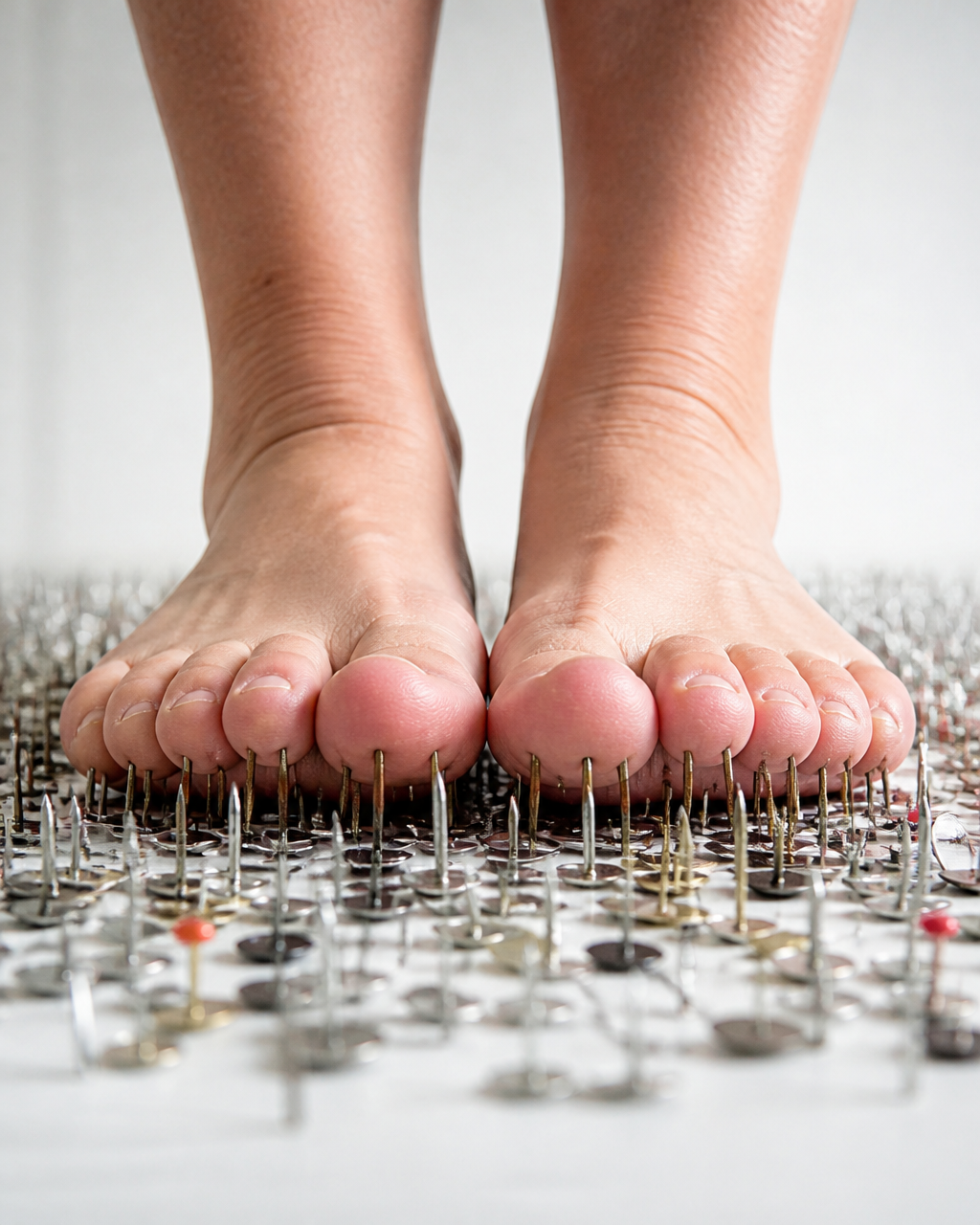
 Facebook ad: “Neuropathy did not kill your nerves. It starved them. This…”
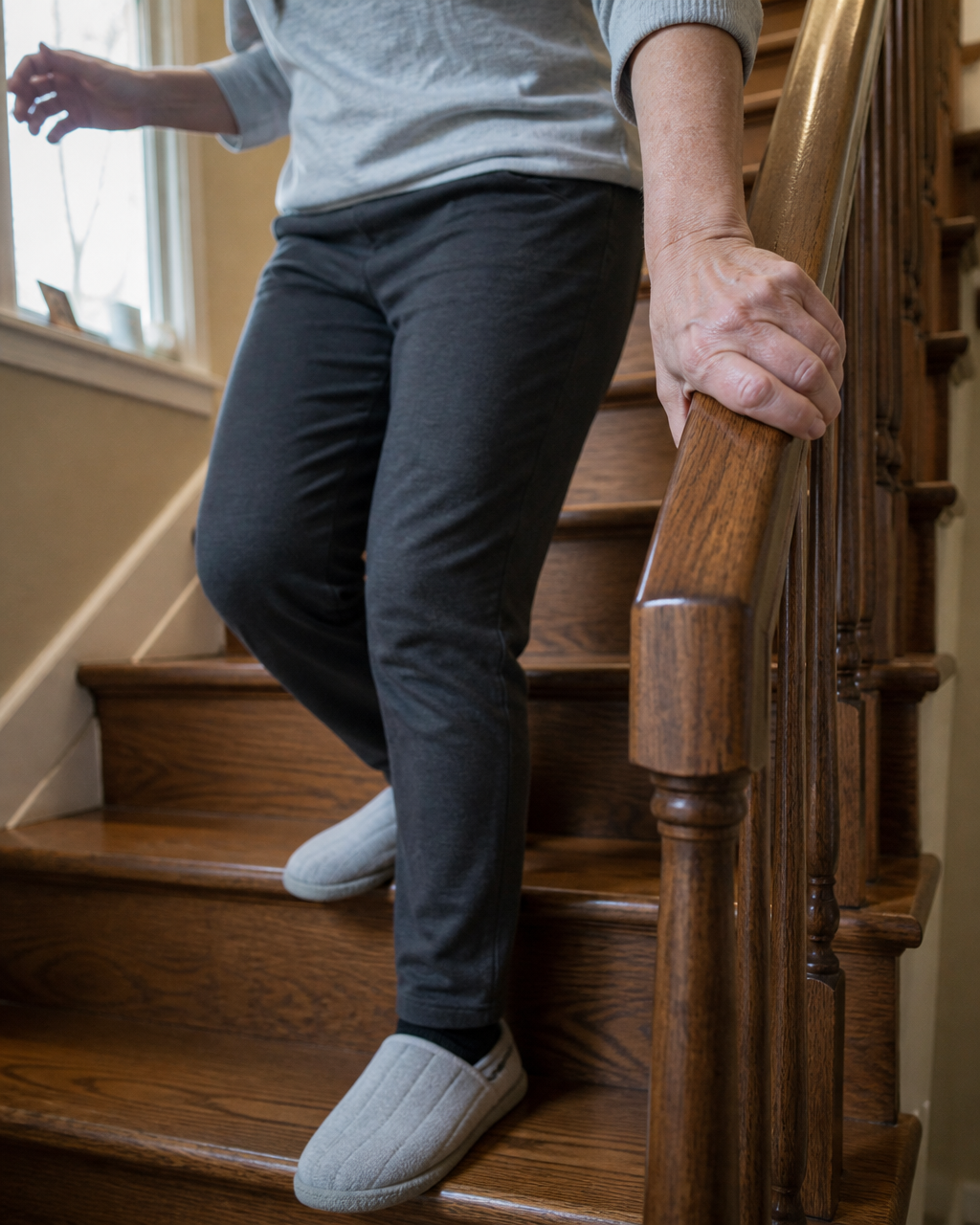
Ran for 1 day, from October 13 to October 14, 2026, the last day Crush saw it.
Run by Healthy Lifestyle on Facebook. Crush is not the advertiser and does not verify its claims. See this ad in Meta's Ad Library(opens in a new tab)
Make your own version of this ad
Crush makes it, launches it in your own Meta ad account, scales the winners and pauses the losers.
About this ad
- Meta Ad Library ID
- 2377364099702138
- Platforms
- Facebook, Instagram, Audience Network and Threads
- Relaunches
- 0
- Niche
- Fashion & Apparel
Ad text
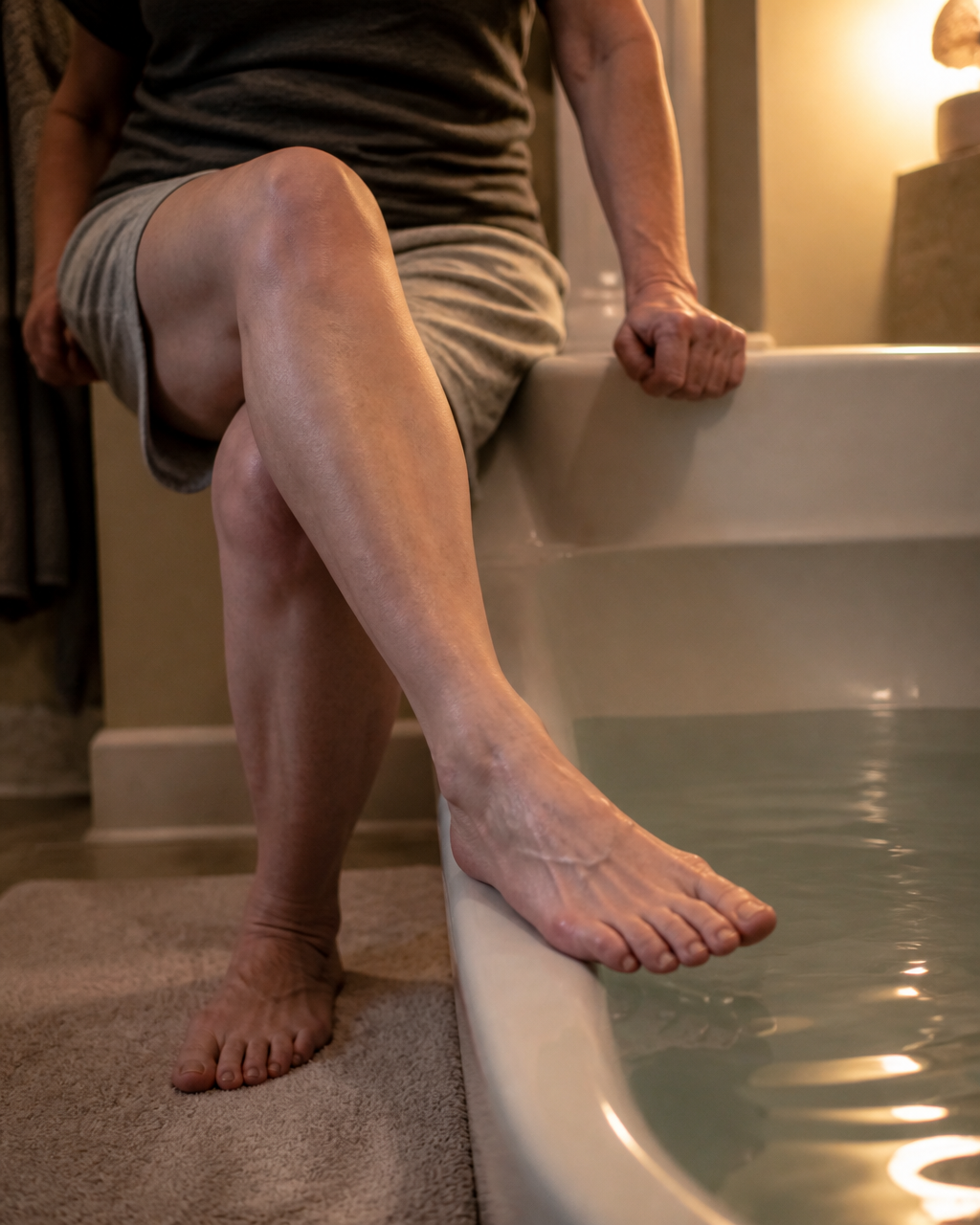
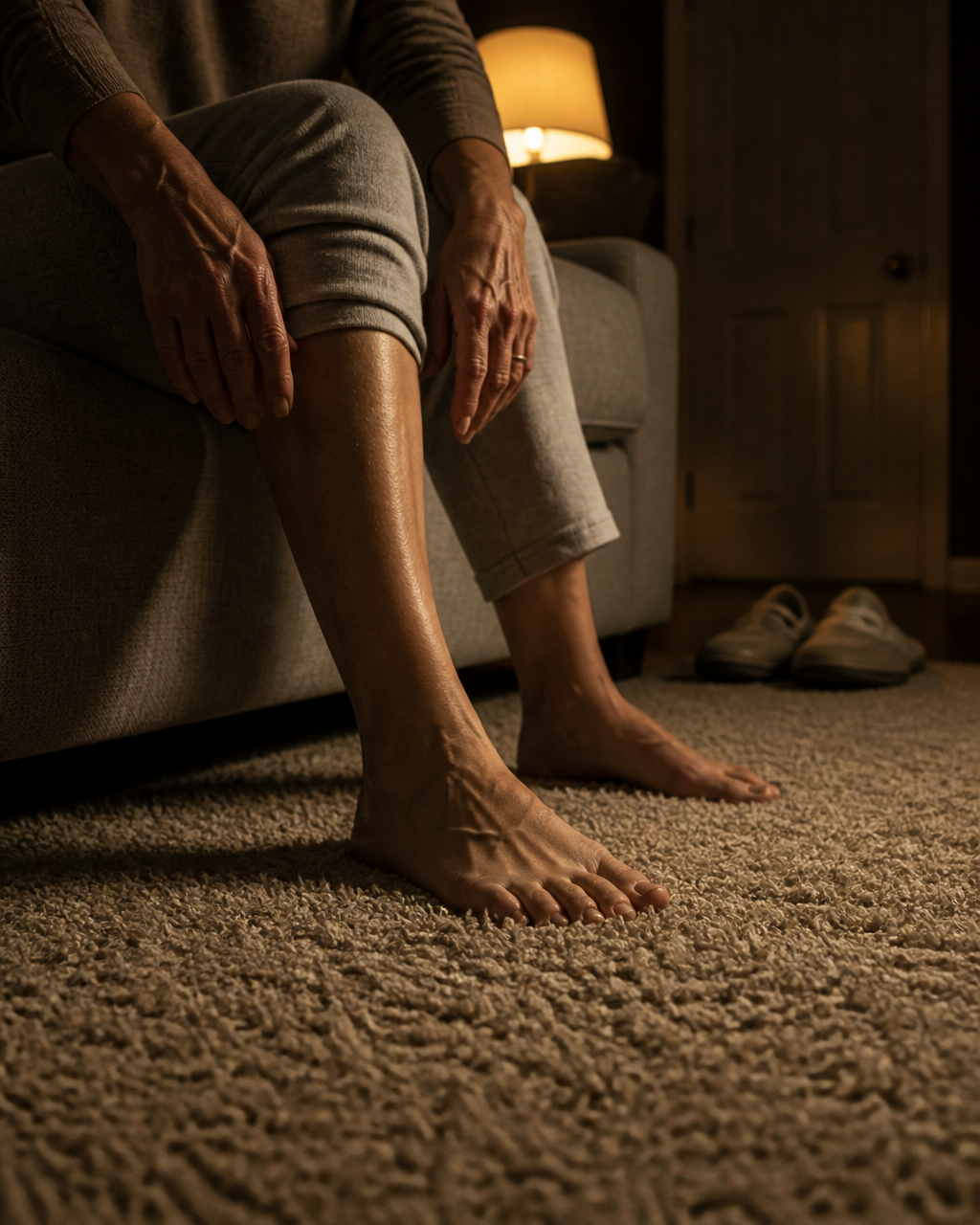
If your feet feel numb, heavy, or like they don't fully belong to you anymore… And every pair of shoes you buy just makes it worse… I need you to read what I found. Because I spent 4 years and more money than I want to admit trying to fix the wrong problem. It started so gradually I almost missed it. A dullness under my feet. Not pain exactly. Just… less. Less feeling when I stepped out of bed. Less awareness of the floor under me. Less connection between my feet and the ground. Like someone had slowly wrapped my soles in gauze. I figured it was circulation. Getting older. Standing too long at my daughter's soccer games when she was coaching. I'm 61. And for the last 4 years, I have been watching my feet slowly go quiet on me. I stopped noticing textures. The cool tile in the kitchen. The difference between carpet and hardwood. The gravel on the driveway. Everything underneath me started feeling the same. Flat. Muffled. Far away. Then came the instability. Not dramatic. Not falling. Just… hesitation. A half second pause before stepping off a curb. Gripping the railing harder than I used to. Avoiding the brick path at the garden center because the unevenness made me nervous. My husband noticed before I said anything. "You used to walk faster than me." I laughed it off. But he was right. I was slowing down. Choosing the shorter route. Sitting when everyone else was still standing. Planning every outing around where I could rest. And my feet felt less like feet and more like two blocks of wood I was balancing on. I went to my doctor. She looked at my feet. Checked my reflexes. Ordered bloodwork. Everything came back normal. She used the word I had been dreading. "It could be early peripheral neuropathy." She said the sensation loss could be progressive. She said there were medications to manage symptoms. She referred me to a neurologist. The neurologist ran a nerve conduction test. Checked my responses. Looked at the results. "Some decreased sensitivity in the extremities." He said it was common at my age. He said Gabapentin might help. He said to wear supportive shoes with good cushioning to protect my feet since I could not feel the ground as well. So I did. I bought the thickest, most cushioned walking shoes I could find. $160 for a pair that felt like walking on pillows. Then insoles on top of that. Then gel inserts. Then a second pair of cushioned shoes for the house because my podiatrist said I should never walk barefoot on hard floors. I followed every piece of advice. More cushion. More padding. More protection. And every single month, my feet felt less. Not more. Less. The numbness was not improving. It was quietly spreading. By year three, I could barely tell if the bathwater was warm or hot with my feet. I stopped wearing sandals because I could not feel them on my feet properly and it made me anxious. I avoided grass because the uneven surface made me feel like I was going to lose my balance. I was 60 years old and I was afraid of grass. That is what this does to you. It makes your world smaller one careful decision at a time. Then one night, I was sitting in the living room at 11 something at night. My husband was asleep. The house was quiet. And I was staring at my feet on the carpet. I could see the carpet underneath them. But I could barely feel it. I pressed my toes down. Nothing. I curled them. They barely moved. My toes were stiff and pressed together like they had forgotten they were individual parts of my body. I looked at my shoes sitting by the door. Big. Padded. Heavy. Supportive. And a thought crossed my mind that I was not ready for. What if the cushioning is not helping. What if it is making it worse. I picked up my phone. "Can cushioned shoes make feet more numb" "Foot sensation loss from thick soles" "Why do my feet feel worse in supportive shoes" "Sensory deprivation feet footwear" That last search changed everything. I found a long article written by a movement specialist who had spent over a decade working with people who had gradually lost foot sensation, balance, and stability. The first paragraph made me put the phone down. He was not talking about nerve damage. He was talking about sensory input. Here is what he explained. The soles of your feet contain roughly 200,000 nerve endings. More per square inch than almost any other part of your body. These nerve endings are not just there for pain. They are there for information. They detect pressure. Texture. Temperature. Slope. Shifting weight. Surface changes. They send all of this information up through the nervous system to help the brain understand where the body is in space and how to keep it balanced, stable, and coordinated. This is how your feet were designed to work. Not as two dumb blocks. As a sensory organ. Here is the part nobody told me. Those nerve endings need input to stay responsive. When you wrap the foot in thick cushioning, elevate the heel, squeeze the toes together, and walk on the same soft padded surface regardless of what is underneath… You are not protecting the foot. You are muting it. You are slowly turning the volume down on 200,000 sensors. The article compared it to wearing earplugs every day for twenty years and then wondering why sounds seem quieter. The ears are not broken. They just stopped receiving enough stimulation to stay sharp. That analogy hit me so hard I had to read it twice. Because that was exactly what happened to my feet. Nobody damaged my nerves. I had been smothering them. Decade after decade of thick soles, narrow toe boxes, rigid arch supports, and foam cushioning had slowly reduced the amount of sensory information reaching my feet to almost nothing. My toes had been pressed together for so long they barely moved independently anymore. My arches had been propped up for so long they had nothing to do. My soles had been padded so heavily that the ground had become a uniform blur of… nothing. And then when the sensation faded, the medical answer was to add more cushioning. Which reduced the input further. Which made the feet even less responsive. Which made me feel even more numb and unsteady. A cycle no one recognized because it looked like it was helping. The article explained that this is different from true nerve damage. Nerve damage is structural. Sensory disuse is functional. And the difference matters enormously. Because nerve damage may not reverse. But sensory responsiveness can often be rebuilt. You just have to start giving the feet information again. That line sat in my chest for a long time. Giving the feet information again. Not more support. Not more cushion. Not more protection from the ground. The opposite. More contact with it. More texture. More variation. More of the signals those 200,000 nerve endings were designed to receive. Now, before I go further, I want to be clear about something. I am not saying every person whose feet feel numb has this problem. Real neuropathy exists. Diabetes-related nerve damage exists. There are serious medical conditions that require professional care. I am not a doctor. I am not giving medical advice. But the article made a point that stuck with me. If your feet have spent years in thick, cushioned, narrow footwear… And the sensation has been declining gradually… And you keep adding more padding and the feeling keeps getting worse… Then maybe, before you accept that the nerves are gone, you should consider whether they have simply stopped being asked to work. So I did what the article suggested. I started reintroducing sensory input slowly. Walking on different surfaces. Letting my toes spread. Standing on textured ground. Feeling things under my feet that I had not felt in years. It was uncomfortable at first. My feet were weak. My toes did not want to separate. My arches ached after five minutes without support. But something happened in the first week that made me keep going. I felt the carpet. Not just pressure. Texture. For the first time in I do not know how long, I could feel the difference between the carpet and the tile when I walked from the living room to the kitchen. It was small. But it was not nothing. The problem was practical. I could not walk around outside barefoot. The ground was too rough. Too unpredictable. Too many sharp things. And I was not about to take up some extreme barefoot running lifestyle at 61. I needed something that would give my feet more input without leaving them completely exposed. I tried thin-soled shoes. Better than the cushioned ones, but my toes were still squeezed together. The sole was still a uniform flat surface. No texture, no variation. Just thinner padding. I tried toe spacers. They spread the toes while I was sitting on the couch. Then I put my shoes back on and the toes went right back together. It felt like stretching before climbing into a body cast. I tried walking barefoot on a yoga mat. Nice for 10 minutes. Useless for the other 15 hours of the day. Nothing gave me what the article was describing. Sustained, varied, textured sensory input during ordinary daily movement. Walking. Standing. Going about life. Not a 10 minute exercise. A way of moving through the day. Then my daughter sent me a link. She had seen something online and thought of me. It was a barefoot sock with individual toe compartments and a textured sole. KONJOUN SuperSocks. The Wood Carved Edition. My first reaction was skepticism. They looked strange. Five individual toes. A thin, flexible construction. A sole with some kind of carved texture that mapped different zones under the forefoot, midfoot, and heel. I almost closed the page. But the description stopped me. It was not talking about cushioning. It was not talking about support. It was talking about sensory feedback. About giving the foot more information from the ground. About allowing the toes to spread and move independently. About a textured sole that was designed to provide varying pressure under different areas of the foot. Forefoot. Midfoot. Heel. Not a flat uniform surface. A carved pattern that gives each area its own feedback. That was the missing piece. Not just thin. Not just flexible. Not just barefoot. Targeted sensory input built into something I could actually wear. I ordered a pair. The first time I put them on, I stood in my kitchen and did not move for a full minute. I could feel the tile. Not through a pillow. Through a thin, textured sole that let the floor talk to my feet. My toes were separated. Each one in its own space. I could feel them independently for the first time in years. The carved texture under the ball of my foot felt unusual at first. Almost strange. But I could feel it, and that was the point. I wore them for 20 minutes the first day. My feet were tired. Muscles I had not used in years were suddenly being asked to participate. Day three, I wore them around the house for an hour. I noticed my toes were starting to spread on their own without me thinking about it. Week one. I could feel the difference between the kitchen tile, the carpet, the wooden porch. My feet were starting to detect surfaces again. Not perfectly. But the volume was slowly turning back up. Week two. I wore them outside on the patio. Then on the walkway. The grip held on the concrete. The thin sole let me feel the texture underneath without sharp edges poking through. The Dyneema-blend material did not tear. I realized I was standing without holding on to anything. Not because I told myself to. Because I did not feel like I needed to. Week four. I wore them to the garden center. The brick path I had been avoiding for a year. I walked it. The uneven surface did not make me nervous. It made my feet work. I could feel the variation. The slight pressure shifts. The edges and the flats. My feet were not numb blocks anymore. They were talking to me again. Week eight. My husband and I walked the long loop at the park near our house. The one I had quietly stopped doing two years ago. He did not say anything about my pace. He did not have to. I kept up. I want to be honest about what these did and did not do. They did not cure anything. They did not reverse nerve damage. They did not magically fix my balance overnight. But they gave my feet something that no cushioned shoe, no insole, no gel insert, and no arch support ever gave them. A reason to work again. The toes spread. The sole feels. The foot participates. And the more the foot participates, the more it wakes up. That is the difference no one explained to me for four years. More cushion does not make feet more capable. More input does. The Wood Carved Edition is not a sock. It is the closest thing I have found to giving my feet their job back. Five individual toe compartments so the toes can move. A thin, zero-drop sole so the foot sits naturally on the ground. Over 3,000 NanoGrip Fusion Points for traction on tile, wood, stone, and wet surfaces. A carved sole that maps different textures to the forefoot, midfoot, and heel because the foot is not one single surface. Dyneema-blend fabric designed to be 15 times stronger than steel by weight. Machine washable. Quick drying. Breathable. They adapt to your foot. They do not force your foot into their shape. And the texture is not random. It is designed to encourage the different parts of the foot to sense pressure and respond the way they were built to. Not massage. Not electrical grounding. Not some magical vibration. Just varied, deliberate sensory information delivered to a part of your body that has been starved of it for years. If your feet feel numb… If the ground feels the same everywhere you step… If you have been adding more cushion and more support and more padding and the feeling keeps getting worse… I am not telling you to ignore your doctor. I am telling you to consider one question nobody asked me for four years. Are your nerves damaged? Or have they just stopped receiving enough input to stay responsive? Because those are two very different problems. And one of them has a practical answer that does not involve another pill or another pair of $160 padded shoes. Your feet were designed to feel the ground. 200,000 nerve endings did not show up by accident. They need information. They need texture. They need variation. They need their toes free and their soles in contact with something real. That is what the Wood Carved sole does. It does not carry your feet. It gives them a reason to participate again. I got my life back one step at a time. Not because I found a cure. Because I stopped muting the only part of my body that connects me to the ground. See how the Wood Carved sole is designed to work → P.S. I started with 20 minutes a day around the house. Your feet will be tired at first. That is the muscles waking up, not a problem. Increase gradually. P.P.S. My husband ordered a pair after watching me for three weeks. He has not gone back to his walking shoes around the house since.
Where the ad sends people
konjoun.com
Neuropathy did not kill your nerves. It starved them. This sole feeds them again.
Move like you were meant to.
Learn more: konjoun.com(opens in a new tab)