
Inactive· since Mar 18, 2026
- 15
- days it ran
- 0
- relaunches
Ad copy
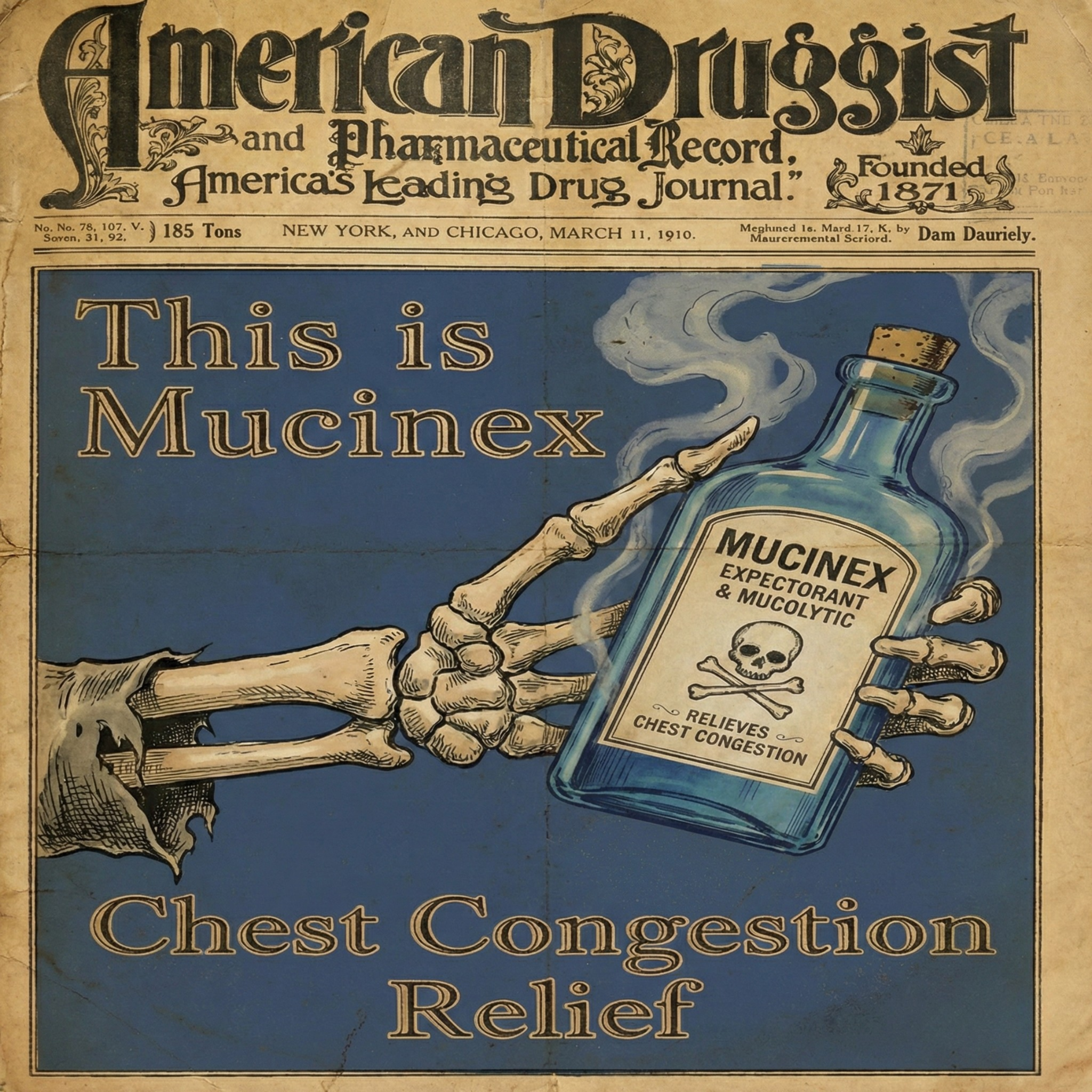
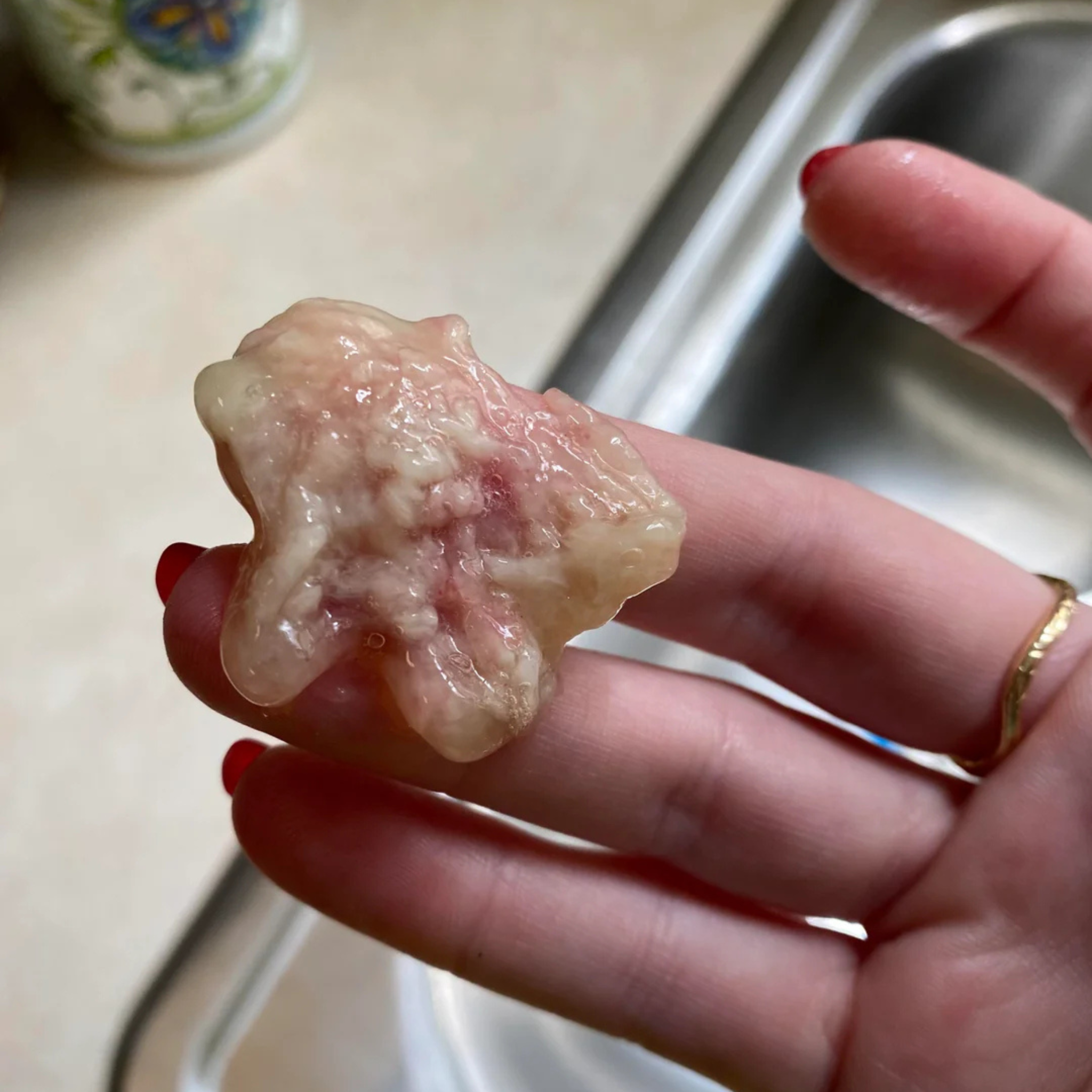
I can tell which COPD patients will end up suffocating in a recliner just by asking one question… And it's not "What stage is your COPD?" It's "How long has that mucus been stuck?" I've been a respiratory therapist for 22 years, and I can predict with unsettling accuracy which patients will slowly lose the ability to sleep lying down... Not because I'm psychic. Because I understand what that stuck mucus is actually telling me. Let me tell you about Eleanor. She was diagnosed with COPD at 63. Moderate. Her doctor put her on inhalers and Mucinex. She did breathing exercises every morning. For two years, she thought she had it under control. Then the mucus got thicker. Harder to cough up. She'd spend twenty minutes over the bathroom sink every morning and barely anything would come out. Her husband urged her to tell her doctor. She brushed him off. "It's just COPD, honey. This is normal." When she started waking up choking at 3 AM: that's when everything changed. "I can't breathe lying down anymore," she told me. "When I lay flat, it rises up and blocks my throat." Here's what Eleanor's doctor never explained: Mucinex thins the fresh mucus on top. It doesn't touch the old mucus underneath. When you have COPD for years, mucus doesn't just sit there—it layers. The fresh mucus you cough up every day? That's on the surface. But underneath, there's an older layer that's been building for months. Sometimes years. Like sediment at the bottom of a glass that never gets cleaned, this bottom layer becomes dense, sticky, and nearly impossible for your body to expel. And that's when it becomes truly suffocating. Because this hardened mucus doesn't just block airflow. It buries your cilia. Your cilia are the tiny hairs that sweep mucus out of your lungs—your body's natural cleaning system. When that bottom layer hardens and presses down on them, they can't move. They're paralyzed underneath the weight. And because the mucus has hardened into something your body can't expel naturally, it just... sits there. Getting thicker. Denser. Slowly suffocating you from the inside. Your Mucinex can't save you anymore. When mucus is fresh, expectorants can thin it. But once it hardens—once it becomes cement-like—your medications slide right off it. Eleanor moved to the recliner three months later. It was the only way she could breathe at night. Gravity kept the mucus from rising into her throat. Her husband slept alone in their bed for the first time in 41 years. She'd hear him get up at night and walk past the living room. He'd look at her in that recliner—oxygen tubes in her nose, propped up like an invalid—and his eyes would fill with tears. She stopped going to her grandson's soccer games. The walk from the parking lot left her gasping. The other parents would stare at her coughing fits. "I feel like I'm drowning on dry land," she told me. "Every single day. And nothing I take makes it better." Her daughter started coming over to help with housework. Then with cooking. Then with bathing. Eleanor couldn't bend over the tub anymore without feeling like she was suffocating. "I'm a burden," she whispered to me once. "I'm stealing my daughter's life. She has her own kids to raise." Her son stopped visiting. He said it was work. But Eleanor knew. He couldn't stand watching his mother disappear. After watching Eleanor decline, I became obsessed with one question: Why do some COPD patients stabilize while others slowly suffocate despite taking everything prescribed? The difference wasn't genetics. It wasn't how bad their COPD was. It was whether their body successfully expelled the hardened mucus layer. But here's the tragedy: Most people try to clear their lungs. Eleanor tried. Maybe you have, too. You feel it—that weight in your chest, that stuck feeling that never goes away, that mucus that rises when you lie down but won't come out no matter how hard you cough. You know something's trapped. So you reach for Mucinex. Mullein tea. NAC supplements. Those "lung detox" pills on Amazon. You're doing something. You're trying. But you're fighting cement with water. Here's what you've probably tried: Mucinex - Thins surface mucus while the hardened layer stays put Mullein tea - Goes to your stomach, gets diluted through digestion NAC supplements - Same problem, working from the inside out Nebulizers - Delivers moisture that slides right off the dense bottom layer Here's the truth: You can't clean sediment at the bottom of a glass by pouring water in from the top. You have to reach the sediment directly. Your lungs aren't part of your digestive system. Swallowing pills and hoping they'll "reach" your lungs is like drinking floor cleaner and expecting your kitchen to get clean. I researched a different approach: What if we could dissolve that hardened layer and turn it back into liquid so the body could finally cough it out? Not through the stomach. Not through the bloodstream. Directly to the airways. When you spray and inhale, the compounds go straight to your lungs and make direct contact with the layer. No stomach. No dilution. Direct hit. But I needed compounds that could actually break down the bonds holding the hardened mucus together. Eucalyptus - Breaks the mucin protein bonds holding the layer together Licorice Root - Reduces inflammation that makes mucus sticky and thick Peppermint - Relaxes airways so loosened mucus can finally move Calendula - Supports cilia regeneration so they can start sweeping again Upon contact, they work like a solvent on that hardened sediment—breaking down what's stuck, turning it back into something your body can actually cough out. A team of respiratory researchers formulated these into a lung support spray. Direct delivery. Maximum potency. The first two weeks are absolutely disgusting. Week 1: Dark, thick mucus. Brown or gray. Sometimes with chunks. That's the old layer finally breaking down. Week 2: Heavier volume. Darker colors. Years of trapped material finally loosening. Week 3: The color starts getting lighter. The stuck feeling starts lifting. Your cilia are waking up. Week 4: Clear or light yellow mucus. Normal volume. Healthy lung function. That dark, heavy sludge you're coughing into the sink? That was coating your airways yesterday. That hardened layer was pressing against your cilia, suffocating you from the inside. Every dark chunk in the sink is material that's no longer blocking your breath. Better in the sink than in your lungs. But here's what scares me: That bottom layer gets harder every single day you don't address it. The longer it sits, the denser it becomes. The more it buries your cilia. The harder it gets to dissolve. If you've had COPD for 3+ years and that stuck feeling keeps getting worse, your window is already narrowing. Eleanor didn't know. She thought Mucinex was enough. It wasn't. You have two choices: You can deal with a disgusting sink for four weeks. Or deal with a recliner for the rest of your life. You can cough up dark chunks in private for a month. Or have your daughter bathe you because you can't bend over without suffocating. You can dissolve the hardened layer now, while there's still time. Or wait until you can't sleep lying down anymore and your husband sleeps alone. Eleanor's daughter wrote me: "I used to have a mom who gardened and cooked Sunday dinners. Now I have a patient. I don't know when she stopped being my mother and started being my job." Eleanor waited. She thought what she was taking was enough. You cannot cough out the hardened layer. Your body cannot dissolve it naturally. Mucinex cannot reach it. But you CAN give your lungs compounds that dissolve that hardened layer and finally clear it out. You CAN support your cilia before they're buried too deep to recover. Don't wait for the recliner. Don't wait until your spouse sleeps alone. Don't wait until your kids become your caretakers. Your lungs are screaming for help. Maybe it's time you listened.
Pulmonologist Exposes the Hidden Mucus Layer That’s Suffocating 87% of COPD Patients (And Why Most Treatments Can’t Reach It)
Naturva
LEARN MORELike this ad? Make it yours.
Crush rebuilds this exact creative around your product — your brand, your colors, your offer — in about a minute.