
Inactive· since May 16, 2026
- 32
- days it ran
- 4
- relaunches
- 30,947
- EU reach
Ad copy
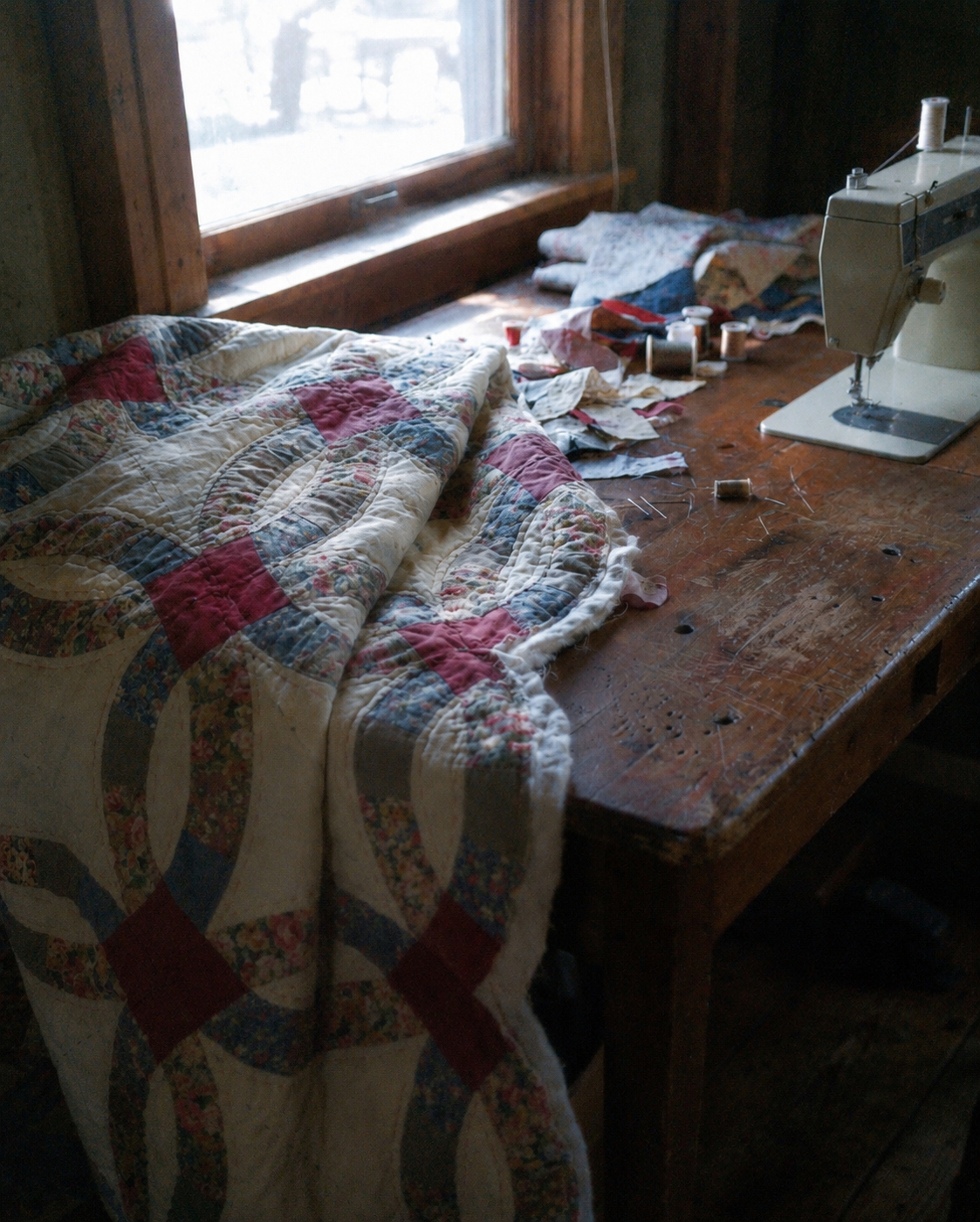
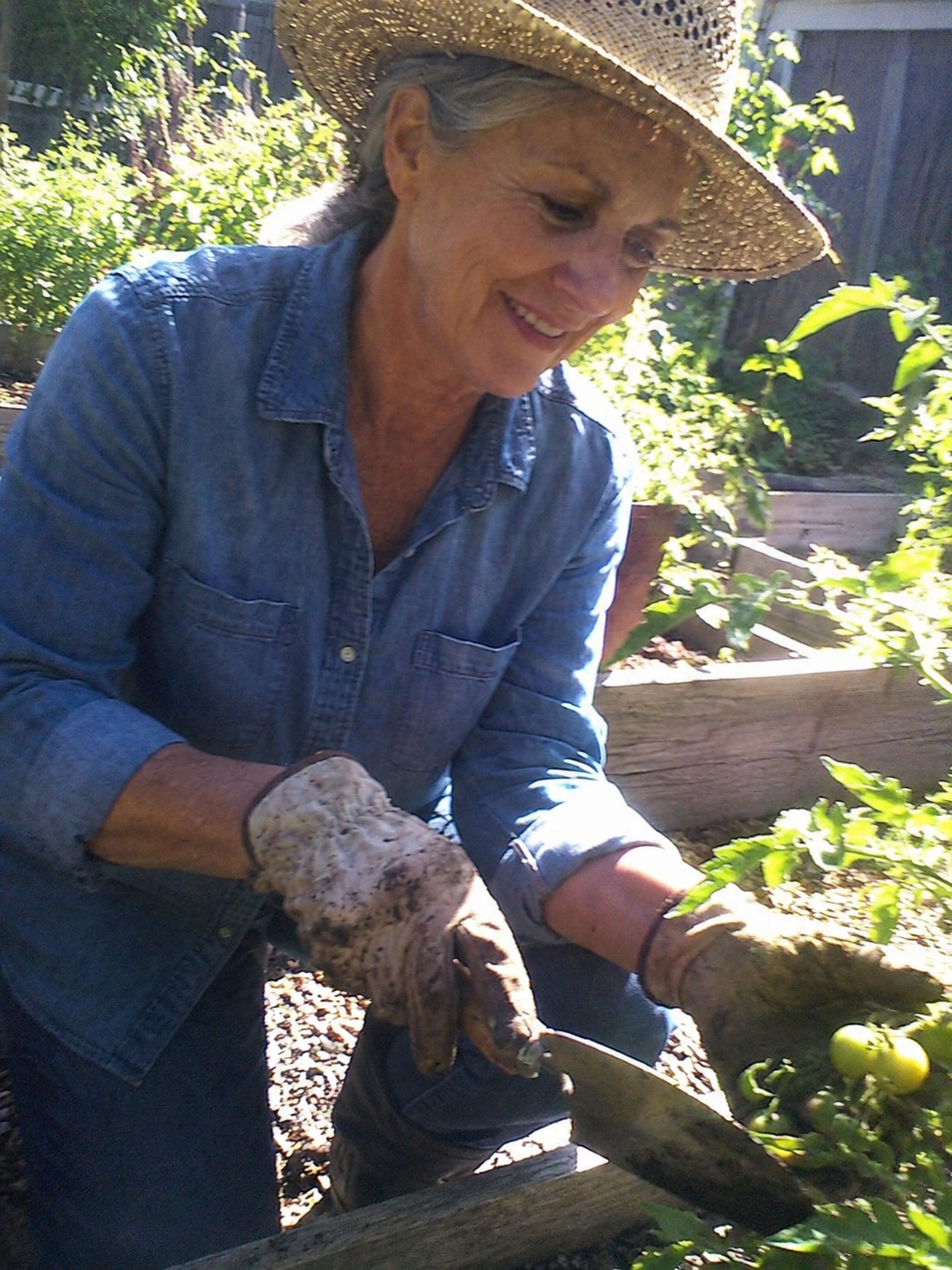
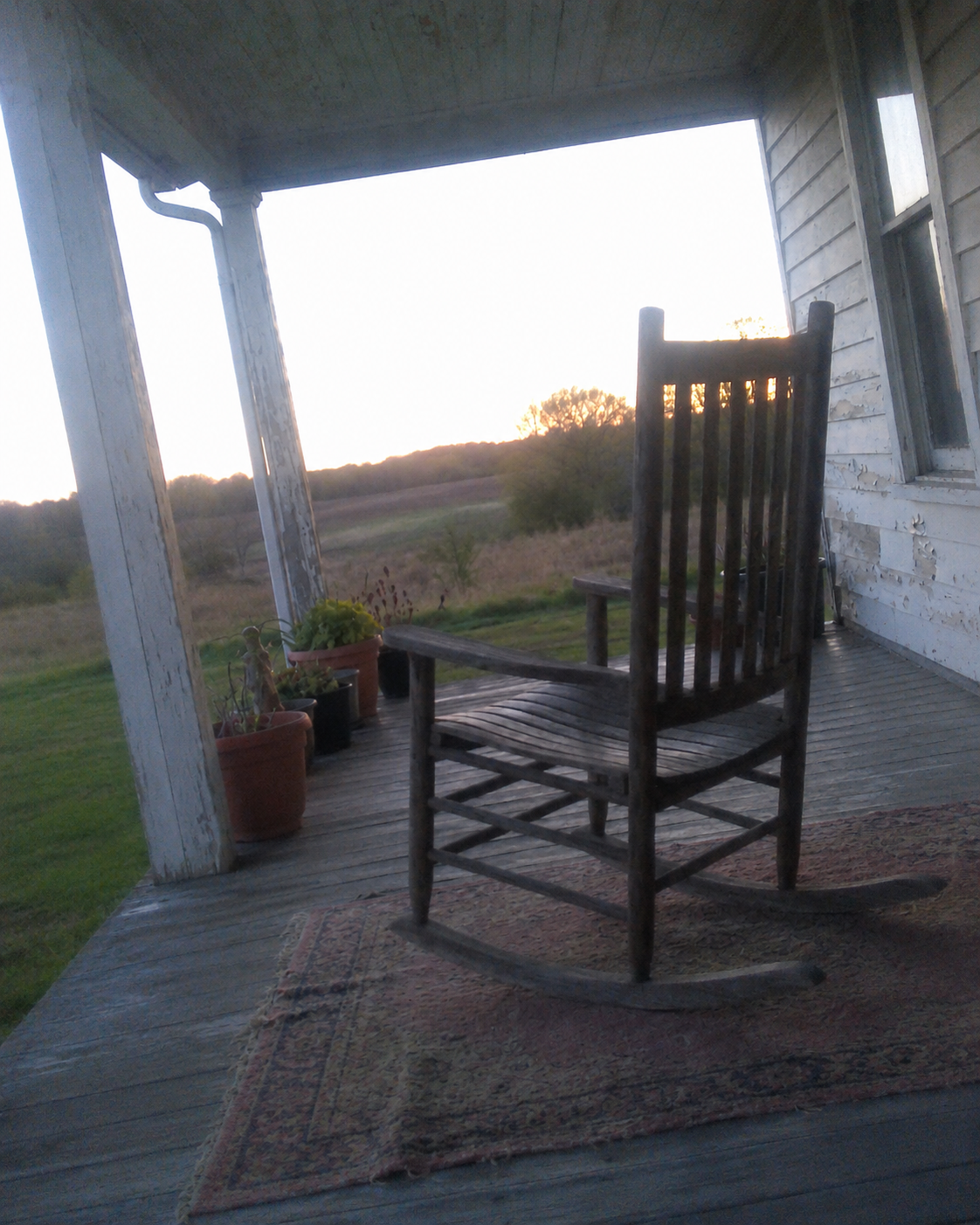
I had been ignoring my body for eighteen months when a seventy-eight-year-old Amish woman sat down on a porch swing next to me at my daughter's wedding. My name is Theresa. People have called me Terri since high school. I am fifty-six. I live with my husband, Roy, outside Nashville, Tennessee, in the small house we have been in for twenty-two years. Roy is fifty-eight. He is two years from retirement at the state forestry department. We have one daughter. Her name is Emma. She is twenty-seven. Last May, in Lawrence County, Tennessee, she married an Amish man named Daniel Hostetler. I work part-time at our local historical society, where I have been the archivist for eighteen years. I am on no prescription medications. My doctor — Dr. Henderson, a careful woman in her mid-forties whom I have been seeing for nine years — tells me at every annual visit that my bloodwork is in the ranges she wants it in. My cycle stopped fifteen months ago. That is the part I want you to hold while you read this. I want to tell you, plainly, about the quiet question I had been carrying for the eighteen months before my daughter's wedding. It was not a medical question. It was not a question I had been keeping from my doctor. I had told Dr. Henderson about it at my last two annual visits. She had heard me out. She had told me what she had to tell me, which is what a good doctor tells you: that perimenopause is a long stretch and that the body settles in its own time and that there were a few things she could prescribe if I wanted to talk about them. I did not want to talk about them yet. I wanted to give my body time. I wanted to give myself time. The quiet question was this. For the previous eighteen months, I had been a slightly different woman in my own body than I had been at fifty. I am going to tell you what I mean. It looked like sleep. I had been a seven-hour-a-night sleeper for forty years. For the previous eighteen months, I had been waking at three in the morning, lying in the dark for an hour and a half, and falling back asleep an hour before my alarm. I had told Dr. Henderson about it. She had told me that was a thing that happens. I had been quietly waiting for it to stop being a thing that happens. It looked like the afternoons. I had been a woman who worked a full day at the historical society from nine to two-thirty without thinking about my energy. For the previous eighteen months, I had been hitting a wall somewhere around one-thirty in the afternoon and finishing my day's work in pieces, with a small break in between. I had been doing my filing at home in the evening, because the filing required less focus than the cataloging did. I had been telling myself it was the new project I was working on, which was a long cataloging of old town photographs. It was not the project. It looked like the brain fog. I had spent eighteen years putting away the small things of our town's history. I knew where every box was. I knew which photograph was in which folder. I had been forgetting in the previous eighteen months which folder I had just been looking at. I had been walking back to my desk and not remembering, for two seconds, what I had stood up to get. I had been telling myself it was age. I had been a woman who could be told a name once and remember it for thirty years. I had been forgetting names of people I had met three weeks earlier. None of it was alarming. Dr. Henderson had told me, at every visit, that this was within the wide variation of what a woman's body does in the year and a half after the cycle stops. That was true. That did not make the eighteen months feel less long. I had been carrying the question of whether there was one small additive thing I could add to my mornings. Something general. Modest. Structure-function. Something that supported what my body was already trying to do, alongside whatever else I was doing. Without claiming to fix any of it. For eighteen months, I had not found anything I trusted. I had read carefully — I am, by temperament, a careful reader — and most of what I had read had disqualified itself. I am fifty-six. I have spent eighteen years putting away other people's careful records. I am hard to sell. None of what I had read had felt like the right shape. Emma had been coming home from Etheridge every six weeks or so for the year before her wedding. She had been doing her master's research in the Hostetler community, on the traditional dietary and herbal practices of the women of the community. She had been spending most of her time with Lydia, who is Daniel's mother, and with the older women. She would come home with notebooks and tell me about what she had been learning. I had been listening the way mothers listen to their daughters tell them about a world they were not raised in. Which is closely, but with a little distance. I had not realized how much of her research was going to be relevant to me. The wedding was at the Hostetler farm. A long farmhouse with a porch that runs the full length of the south side. Tobacco fields. A small herd of milk cows. A barn that had been there since 1908. It was a Tuesday in May. Amish weddings happen on weekdays, mostly Tuesdays and Thursdays. It started at nine in the morning with the service. The service was three and a half hours. Roy and I sat on a bench at the back of the front room of the farmhouse, with the other non-Amish guests. I cried twice during the service. Both times because Emma looked like a woman I had given birth to who had also become a woman I had not given birth to. She was wearing a dark blue dress Lydia had sewn for her. She was being baptized into a church I had not been raised in. She had chosen a life I had spent the previous year trying to understand. The reception was after. Two long tables under the maple trees, set up in the side yard. The Amish women had cooked since four in the morning. Roast chicken. Mashed potatoes. Creamed celery. Green beans. Pickled beets. Fresh bread. More pies than I had seen in one place since the church bake sale in 1987. I sat next to Lydia at the women's table. Lydia is fifty-four. She is two years younger than me. She has had six children. Her oldest son is twenty-nine. Daniel is her fourth. She is a small woman, sun-tanned, with hands that have been working since she was a girl. I watched her eat her bread. I watched her cut a piece of chicken for the child next to her. I watched her, the whole afternoon, move through that yard, talking to women who were her own age and women who were older. She had been through the same eighteen months I had been through. I knew that because Emma had told me. She did not look the way I had been feeling. I did not know yet whether that was something I could ask about. The toasts came after the meal. In Amish weddings, the toasts are quiet. People speak from the bench, not from a head table. Eli, Daniel's father, spoke first. Then a brother of Lydia's. Then Roy, who had not given a speech in our thirty-three years together that was longer than three sentences, stood up and spoke about Emma. About teaching her to swim when she was four. About the morning she left for college and what I had been like in the kitchen after she drove away. He cried. I cried. Emma cried. It was the kind of toast a father gives his daughter exactly once in his life. After the meal, the women went into the farmhouse to wash dishes. The men gathered in the side yard for horseshoes. I was not Amish enough to wash dishes and not man enough for horseshoes. I went and sat on the long porch swing on the south side of the farmhouse, looking out toward the tobacco field. It was three o'clock. It was warm but not hot. The chickens were murmuring somewhere behind the barn. Mariam came out of the farmhouse and sat down on the swing next to me. Mariam is Daniel's grandmother. She is seventy-eight. She is Eli's mother, and Lydia's mother-in-law, and a woman whose life had been on those hundred and twenty acres since she had walked onto them as a bride at twenty. I had been introduced to her in the morning before the service. She had taken both of my hands in both of hers and she had told me, in slow careful English, that she had been looking forward to meeting Emma's mother. She had not spoken to me again since. She sat down on the swing. She did not say anything for a long time. She was watching the men play horseshoes in the side yard. Then she turned to me, slowly, the way an old woman turns when she has decided what she wants to say. She said: Theresa. Emma told me, last fall, that you have been having a hard year and a half in your own body. Is this still so? I had not expected the question. I sat with it for a moment. I said: yes. I have been waking at three in the morning. I have been tired in the afternoons. I have been forgetting small things. I have been telling myself it is fine, because Dr. Henderson tells me it is fine, but I have been a different woman in my body for eighteen months. I do not know how to say it any plainer. Mariam nodded once. She rocked the swing. Then she said three sentences. She said: A woman's body asks different things of her at fifty-six than it did at twenty-six. The body keeps asking, all your life. The question is whether you keep answering. She did not say anything else. I sat there on the swing with her for almost ten minutes. I did not say anything either. I watched the men play horseshoes. I watched Lydia come out of the farmhouse with a bowl of fresh-shelled peas and walk them over to the table where the older women were sitting. I watched the afternoon move. I thought about what Mariam had said. It was not advice. It was not a prescription. It was an observation from a woman who had been a woman for seventy-eight years, said to a woman who had been a woman for fifty-six. I sat with that. Mariam stood up after a while. She put her hand on my shoulder. She said: the body keeps asking. That is the good news. The asking is not the problem. The asking is the body still trying. The trouble is when we stop hearing it. She walked back into the farmhouse. I sat on the swing alone for another half an hour. I went home that night with Roy. We drove the three hours back to Nashville mostly in silence. I sat with what Mariam had said for three weeks. Emma drove up from Etheridge on a Saturday in June. She was wearing plain dress now, the dark blue and the white cap. I made coffee. She sat at our kitchen table. She set a small bottle in front of me. Mom, she said. I am not a doctor. I am not pretending to be one. Nothing I am about to say is medical advice. I am your daughter, and I have been doing my research, and I have come across something I think might be worth talking to Dr. Henderson about. Go ahead, sweetheart. She took a breath. My research with the women at the Hostetler farm wasn't really about menopause. But the women of Mariam's generation go through what we go through. They have hot flashes. They have sleep that gets broken. They have the tiredness in the afternoons. They have the small forgetting. Some of how they carry it differently is hard physical work and routines. Some of it is community. Some of it is having seen their own mothers and grandmothers go through it without making it a story. But part of it is the food. They eat a lot of root vegetables, and they eat a lot of beets specifically. The deep red pigment in the beet is a class of compounds called betalains. They are one of the more potent antioxidants in the food supply. The research community talks about beetroot in the context of supporting healthy circulation, supporting cardiovascular wellness, and supporting the body's own cellular energy. She slid a folder across the table. Mom. I want to be careful with you about what I say next. This is not a treatment for menopause. It is not a treatment for hot flashes. It is not a treatment for sleep. It is not a treatment for any of it. It is one small structure-function thing you could add to your mornings, with Dr. Henderson's blessing, alongside everything else. She slid the bottle gently toward me. The brand I came across is called Rosabella. The betalain pigment is heat-sensitive — that is the chemistry of the molecule — and the way the beetroot is processed matters for what makes it from the field into the capsule. Rosabella cold-presses the root at low temperatures, because they want as much of the compound as possible to survive the processing. The capsules are a deep crimson. That is the betalain being intact. She looked at me carefully. Mom, I do not know if it will do anything for you. Bodies are different. Some women notice something within the first week or two of adding something like this. Some women take much longer. Some women don't notice much at all. That is the honest version. Anyone offering you a cleaner one is selling you harder than I am. Talk to Dr. Henderson first. Call your pharmacist. Make sure there is nothing that would interact with anything. If she says it is a sensible thing to add, give it a few weeks. If it does nothing, you have lost a few weeks. If it helps, it might be one small additional thing that supports what your body is already trying to do. I picked up the bottle. I held it in my hand. It was a Saturday in June. The kitchen was warm. My daughter had moved into a life I was still learning the shape of. She had driven three hours to bring me a careful small thing she had thought about for a year. I told her thank you. That afternoon I called Dr. Henderson's office. I spoke to her nurse first. I told her what Emma had brought, what brand, what the dosage was, what I was currently taking. I am on no prescription medications. I take a multivitamin and a vitamin D. The nurse listened. She told me she would talk to Dr. Henderson and call me back. She called back inside an hour. She told me Dr. Henderson had said it was a sensible thing to add — antioxidant support, no concerns at the dosage on the label, nothing to interact with what I was taking — and to let her know how I was doing at my next appointment. I also called my pharmacist that afternoon. His name is Anthony. He has been the pharmacist at the small independent pharmacy three blocks from our house for fifteen years. I told him the brand and the dosage. He pulled up my profile. He confirmed there were no concerns at the dosage on the label. He told me, before we got off the phone, that he wished more of his patients made the call I had just made. I want to say something now, plainly, to every reader of this letter. If you are on any prescription medication — hormone therapy, antidepressants, anything for sleep, anything cardiovascular — please make the call before you add anything new. I made two calls. I was on nothing. I would have made three if I had been on a prescription. So should you. The two minutes the call takes is the most important two minutes of your engagement with any supplement. I started on a Monday in late June. I set the bottle on the counter next to the coffee maker. I took the two capsules with my first sip of coffee. The first two weeks I felt nothing in particular. I had read enough alongside what Emma had told me, and what Mariam had said on the swing, to know that bodies are different. Some women notice something within the first week or two. Some women take much longer. Some women don't notice much at all. I was prepared to land in any of those camps. I was prepared to be honest with myself about the result. What I noticed, I noticed slowly. The first thing I noticed, around week six, was a Tuesday morning. I woke up at six. The alarm had not gone off. I had not been awake at three. I lay there for a moment trying to remember the night. I had gone to bed at eleven. I had slept until six. Seven hours. I had not done that since the cycle stopped. I did not say anything about it. I did not want to make a thing of it. I had read enough not to make a thing of one observation. A week after that, it happened again. Two weeks after that, three nights in a row. By the end of the second month, I was sleeping the way I had been sleeping at fifty. The second thing I noticed, around week ten, was the cataloging. I was at my desk at the historical society on a Wednesday. I had been working on the same long photograph cataloging project for the previous year. I was working on a folder of pictures from the 1928 fair. I started in at nine. I looked up at the clock and it was twelve-fifteen. I had been working for three hours and fifteen minutes. I had not hit a wall. I had not gone to the break room. I had not lost my place. I closed the folder. I went to lunch. I came back at one and worked another two hours. I went home that night and I made dinner without sitting on the couch first. I told Roy I had gotten more done that day than in the previous two weeks. I made a quiet note. I kept paying attention. The third thing I noticed was a weekend in Nashville with my college friends. Three women I had been close to for almost forty years drove up from Atlanta and from Memphis and from Chattanooga the third weekend of October. We did the Centennial Park in the morning. We had brunch at a small place on Twelfth Avenue. We went to a concert at the Belcourt Theatre on Saturday night. We had Sunday breakfast together before they drove home. I had not lain down once. I had not needed to. I had laughed and I had walked and I had eaten and I had stayed up later than I had stayed up in two years and I had gotten up the next morning at the normal time. When they left, I sat in my kitchen and I let myself notice it. I had not had a weekend with those women like that one since I was fifty-three. I want to be careful with what I am telling you. I am not telling you Rosabella did any of those things on its own. I had been walking more deliberately for several weeks after Mariam. I had been going to bed at the same time every night. I had been listening to my body, in Mariam's phrase, the way I had not been listening for eighteen months. I had been doing the careful things I had been doing for forty years, just a little more carefully. Something had unlocked in me on the porch swing that had nothing to do with a capsule on a saucer. There were several things changing at once, the way there are when a fifty-six-year-old woman finally hears herself say out loud, on a porch swing in Tennessee, what she has been carrying quietly for a year and a half. All I am telling you is that I added one small thing to a long list of things I was newly doing. I kept everything else exactly the same. And a stretch of months followed that was qualitatively different from the eighteen months that had preceded it. That is the honest version. I would not give you a cleaner one. I went back to see Dr. Henderson for my annual physical in March. She did the bloodwork. She looked at me across her desk. She said: Terri. Your numbers look about the same as last year. But you look more rested than you have looked in two years. I told her about the sleep. I told her about the cataloging project. I told her about the weekend with my friends. I told her about the beetroot, and about Anthony, and about her own nurse's call. She nodded. She said: that is a sensible thing to add. The research on antioxidant support is good. Keep doing what you are doing, and keep listening to your body. Come back at your usual time. I drove home from her office that afternoon. I had been driving home from Dr. Henderson's office for nine years. That afternoon I drove home thinking about Mariam on the swing, and about Emma at the kitchen table, and about a careful small thing I had added to my morning that the women at the Hostetler farm had been eating for a hundred and forty years without making a fuss about. We drove down to Etheridge in late April. To see Emma. To bring her some books she had asked for. Mariam was on the porch swing. I had not seen her since the wedding. She looked at me when I came up the steps. She did not say anything. She just nodded. The kind of nod a seventy-eight-year-old Amish woman gives another woman when she sees, without asking, that the woman has been doing the work. Lydia brought me coffee. I sat next to Mariam on the swing for almost an hour. She told me about the tobacco harvest the previous fall. She told me about her great-granddaughter, who was three. She told me about a quilt she was finishing. She did not say anything more about being a woman in her body. She had said her three sentences. She had been a woman for seventy-eight years. She did not have to say it twice. I am telling you all of this because I think you might be where I was the morning of my daughter's wedding. Sitting somewhere in your fifties, in fine shape on paper, in a body that has been asking you different things than it used to ask. Tired in a way the chart does not name. Sleeping in a way that is new. Forgetting small things. If you have been telling yourself it is fine because your doctor has told you it is fine — which it probably is — but the eighteen months have started to feel long, I want to say a few things plainly. I do not know you. I do not know your bloodwork, your hormone history, or what your doctor has told you. Bodies are different. Some women notice something within the first week or two of adding something like this. Some women take much longer. Some women don't notice much at all. That is the honest version. Anyone offering you a cleaner one is selling you harder than I am. Here is how I think about Rosabella now, in the words I would actually use. It is something the body uses. The research community talks about it in the context of supporting healthy circulation, supporting cardiovascular wellness, and supporting the body's own cellular energy. In people whose numbers are already in the range their doctors want them in. It is not a fix for anything. It is not a substitute for hormone therapy or any other treatment a doctor might prescribe. It is not a treatment for menopause. It is not a treatment for hot flashes. It is not a treatment for sleep that has gotten broken. It is not a treatment for the quiet eighteen months a woman can have at fifty-six. It is one small thing you add to the long list of things you are already doing for yourself, alongside everything else. Please call your pharmacist or your doctor's office before you add it. If you are on any prescription medication, any hormone therapy, anything cardiovascular at all, this is non-negotiable. I called Anthony. I called Dr. Henderson's office. I would not have added anything to a prescription without those calls. Neither should you. The people who know your chart will tell you in two minutes whether the supplement is safe for you to add given what you are already taking. I am a fifty-six-year-old part-time archivist in Tennessee. I am not the person to ask. Your pharmacist or your doctor is. The company has a ninety-day satisfaction guarantee. If you are not satisfied — for any reason at all, including just changing your mind — they refund you. It is not tied to anything you have to prove. If you are not satisfied, you are not satisfied. That is the whole policy. The beets are grown on a small operation that harvests on its own schedule. There are stretches when they are in stock and stretches when they are not. I mention that not to push you — please do not let anybody push you into a health decision — but so that if you go to the site and they are out, you know why. That is all I have. Thank you for reading this far. I hope something here was useful to you. I hope, somewhere today, your own Mariam is sitting on her own porch swing, looking out at her own afternoon, waiting for you to come sit next to her. — Terri P.S. I want to come back to the cold-press for a second. The betalain pigment — the deep crimson, the part the research community keeps circling back to — is heat-sensitive. That is the chemistry of the molecule. Process beetroot the standard way, with heat, and you lose some of the compound to the heat. Rosabella chose the slow way. Cold-press. Low temperatures. More of the compound through to the capsule. It costs them money. It costs them time. They made the choice anyway. At fifty-six, after eighteen years of putting away other people's careful records, I have come to believe that the small decisions companies make when no one is watching tell you everything. P.P.S. Two capsules. In the morning. With a glass of water. That is the entire protocol. No powder to mix. No afternoon dose to remember. No schedule taped to the inside of the cupboard. I keep the bottle on the counter next to the coffee maker. I take the capsules with my first sip. That has been the rhythm of my morning for almost a year. A simple morning. I have earned one. P.P.P.S. I am going to say it one more time, because I have to. Please. Call your pharmacist or your doctor's office before you add anything new to what you are already taking. Especially if you are on any hormone therapy, any prescription medication, or anything cardiovascular. They have your whole picture in front of them. I have written you a letter. There is a difference, and the difference matters. The two minutes it takes to ask are the most important two minutes of your engagement with any supplement. P.P.P.P.S. The guarantee, again, in case you skimmed. Ninety days. Any reason at all. You do not have to prove a single thing — not to them, not about your numbers, not about how you feel. If you tried it and you are not satisfied, you are not satisfied. They send the money back. That is the whole policy. A small-company policy. The kind of thing companies used to do when companies still answered the phone. P.P.P.P.P.S. The three sentences Mariam said to me on the porch swing — a woman's body asks different things of her at fifty-six than it did at twenty-six; the body keeps asking, all your life; the question is whether you keep answering — have been with me every day for almost a year. I had been doing my best to ignore my body for eighteen months before Mariam said it. I had not realized, until she said it, that the body had not stopped asking. The body had been asking the whole time. I had been the one who had stopped answering. If you are a woman in your fifties who has been sleeping a little less, working a little harder for the same hours, forgetting the smaller things, I want you to know you are not alone. You are not imagining the change. You are not being dramatic. Your body is asking. It will keep asking, all your life. The question is whether you keep answering. I hope you find your own Mariam on your own swing. I hope you sit with her for a while. I hope you read carefully. I hope you make the call before you add anything. I hope, in a year from now, you are at your kitchen table on a Tuesday morning, having slept seven hours, with a piece of fruit and a cup of coffee and a piece of work you are looking forward to doing. I hope that for you. That is the whole reason I wrote this. — T. https://track.tryrosabella.com/14309c20-4d60-44e3-9565-5ba6bb358986 DISCLAIMER Individual experiences vary. These statements have not been evaluated by the FDA. This product is not intended to diagnose, treat, cure, or prevent any disease.
Support stamina and heart health every day
"Best customer support ever. My issue was resolved quickly and professionally. I so love how the beetroot capsules are helping manage my blood pressure."
LEARN MORELike this ad? Make it yours.
Crush rebuilds this exact creative around your product — your brand, your colors, your offer — in about a minute.