
Inactive· since Jul 27, 2026
- 17
- days it ran
- 0
- relaunches
Ad copy
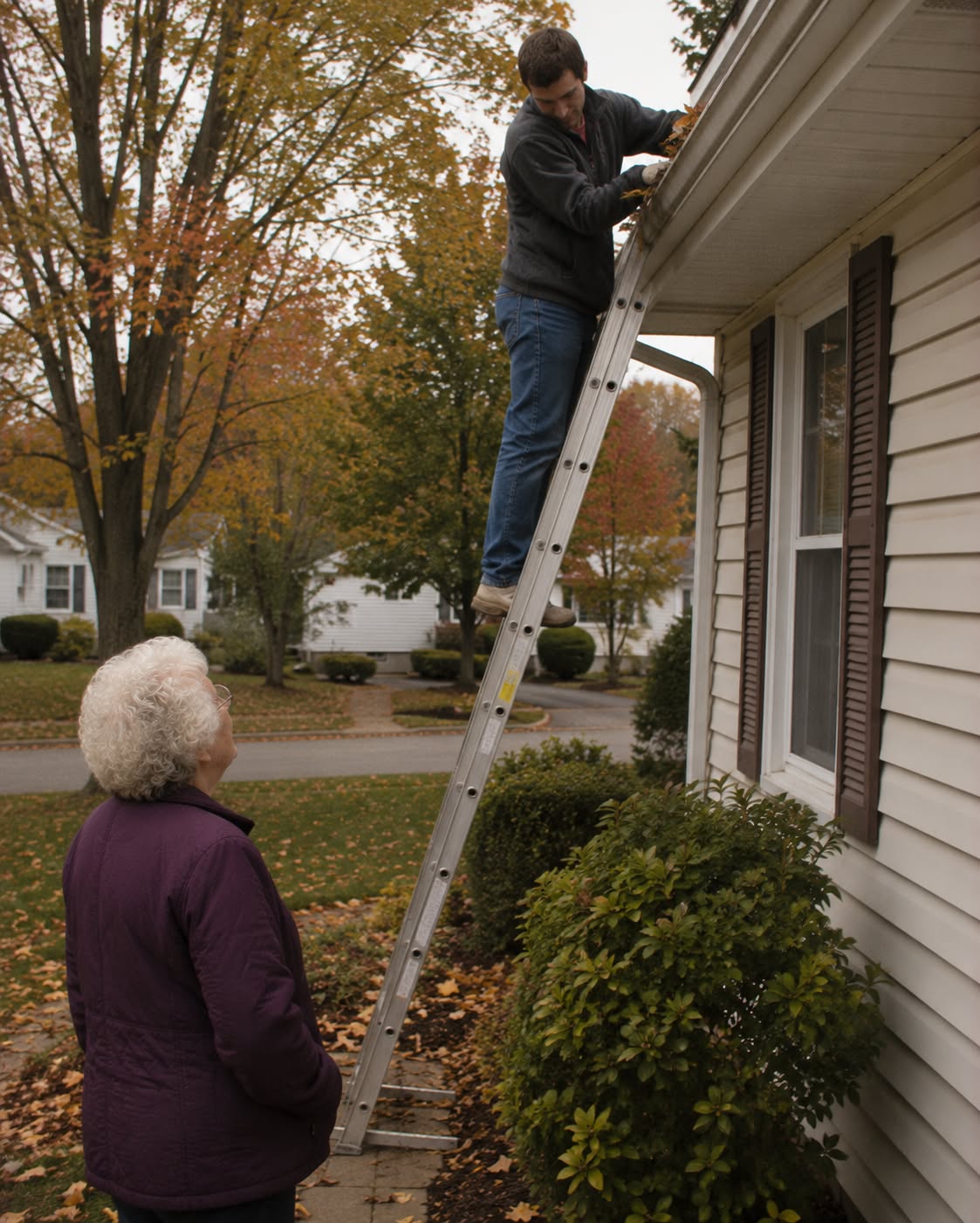
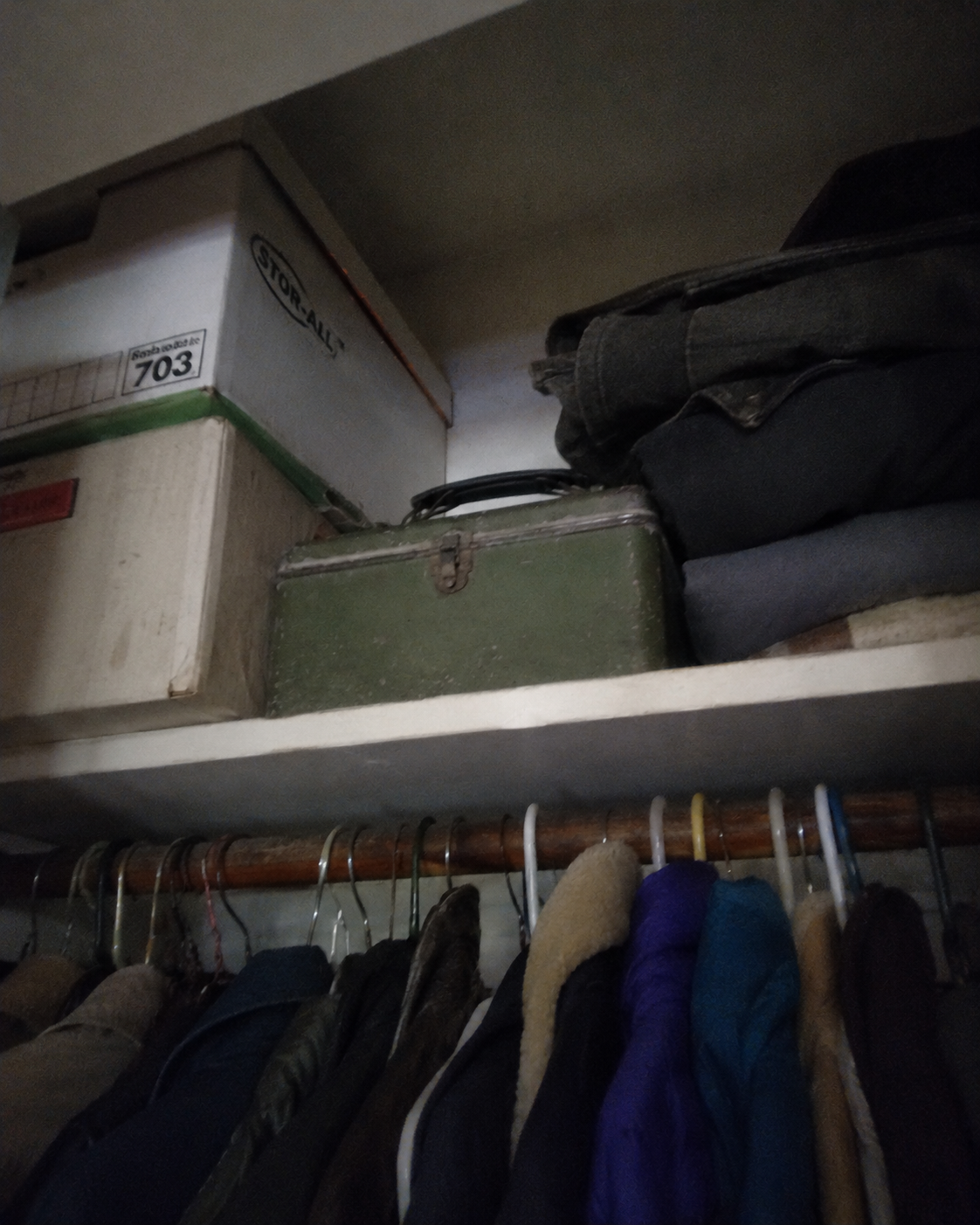
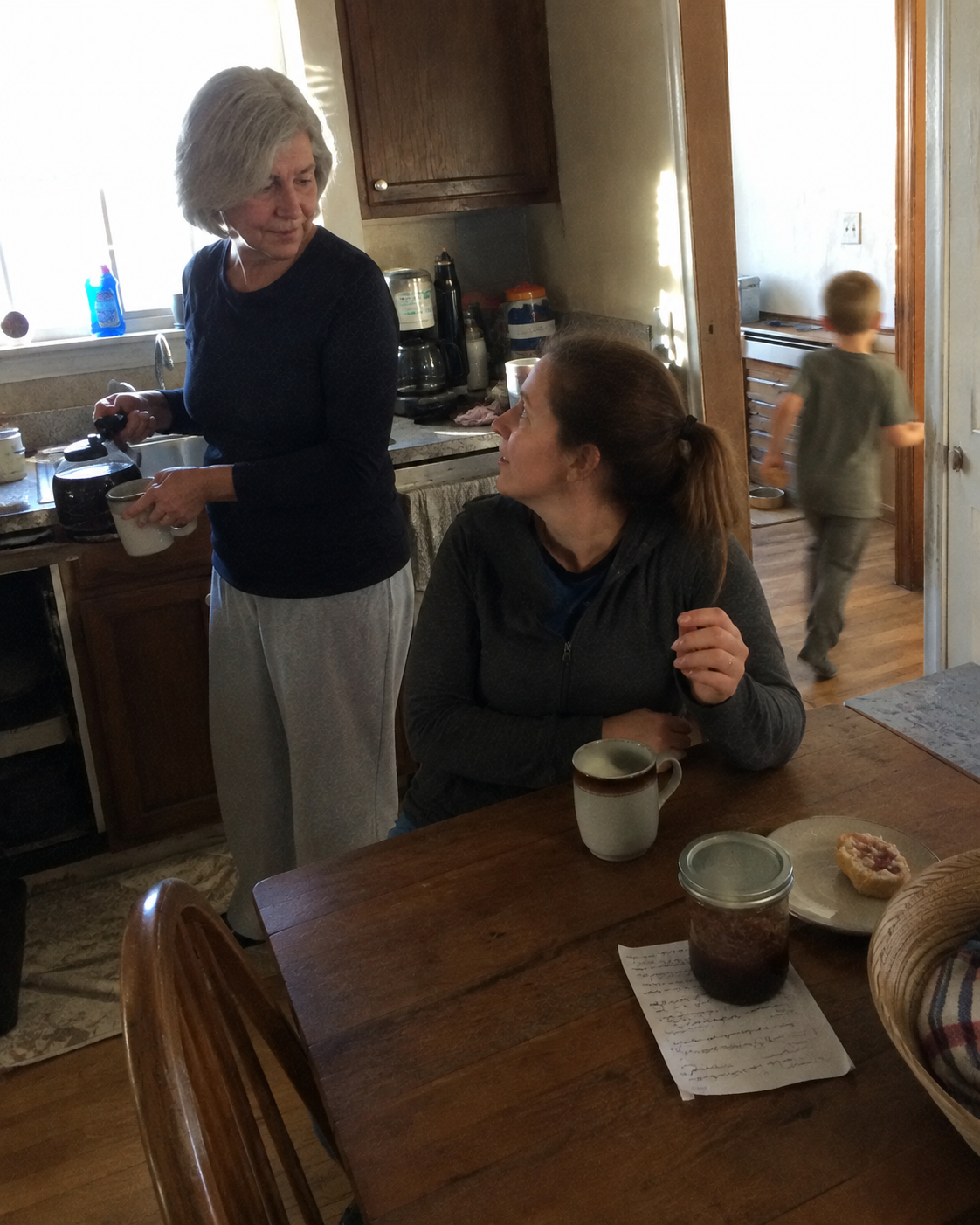
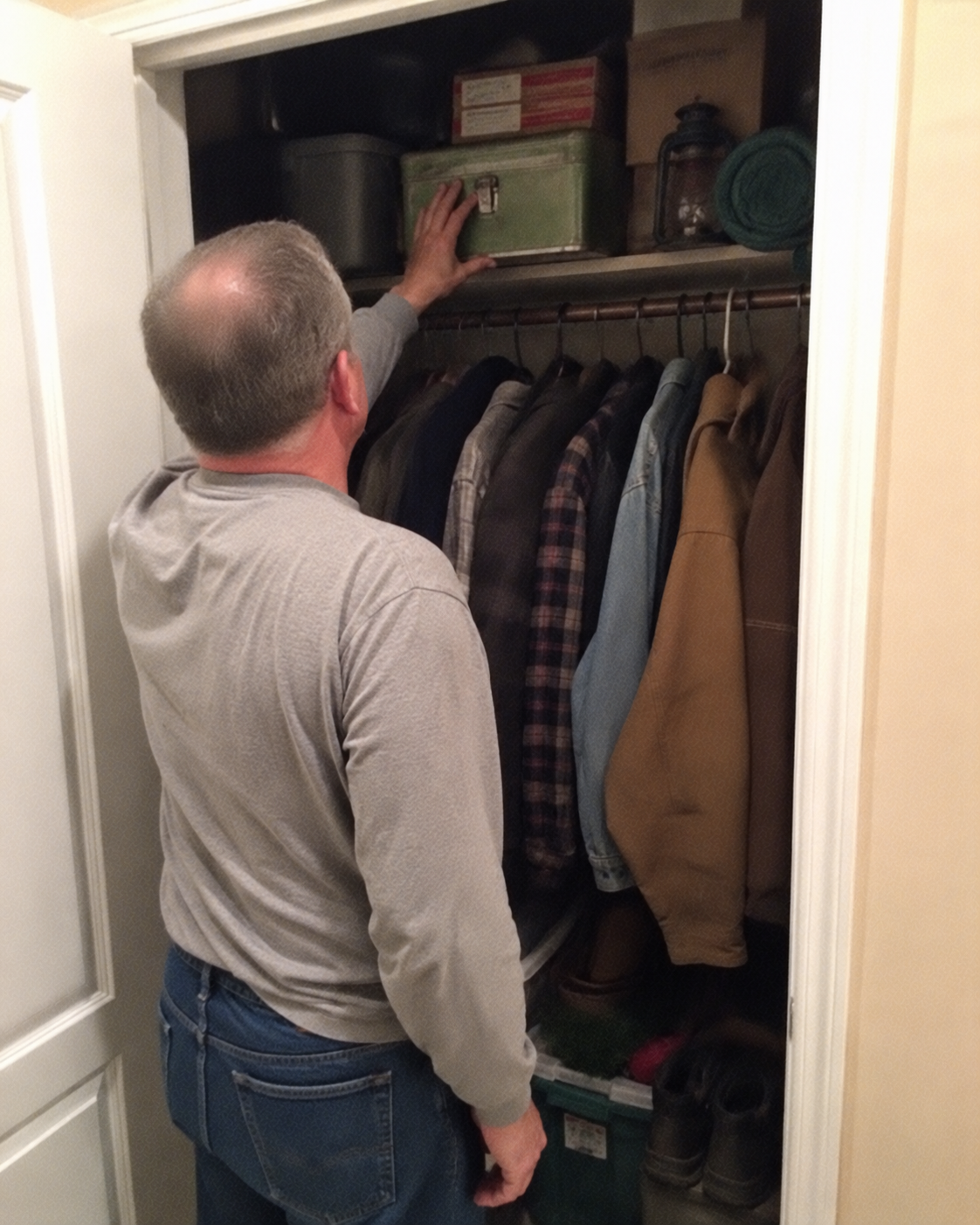
I took care of my 85-year-old neighbor for her inheritance, but she left me nothing — the next morning, her lawyer knocked and said, "Actually, she left you ONE THING." Her name was Dorothy Rhode. Everyone on the block called her Mrs. Rhode and nobody called her Dorothy except the mailman, and she didn't like the mailman. I was nineteen. Just aged out of foster care. No family. No one. I'd been renting the basement apartment in the duplex next to her house for two months when she knocked on my door on a Saturday morning and said: "You. The tall one. My rain gutters are full of leaves and I'm not climbing a ladder at my age. I'll pay you forty dollars." That was the beginning. She didn't need a caretaker. She needed someone to do the things her body wouldn't let her do anymore — gutters, storm windows, the heavy bags of salt for the water softener. She was sharp. Funny in a way that took you off guard because she'd say something devastating with a completely straight face and then go back to watering her tomatoes like nothing happened. One afternoon she watched me reset a sticking hinge on her back door and said: "You've got a craftsman's hands. Somebody should've put you in a trade." Nobody had ever said a thing like that to me. Nobody had ever looked at the one thing I was good at and given it a name. She insisted on cooking me dinner every Tuesday and Thursday. I told her she didn't have to do that. She told me she wasn't asking. "You eat like a boy who raised himself," she said once, watching me microwave a gas station burrito through her kitchen window. "Come over at six. Bring nothing. Don't be late." I came over at six. I brought nothing. I wasn't late. For four years. Every Tuesday and Thursday. Pot roast. Chicken and dumplings. A meatloaf she said was Harold's recipe but she'd changed so many things about it that Harold wouldn't recognize it anymore. She talked about Harold sometimes — her husband. Dead eleven years by the time I met her. The sugar took him at seventy-one. She kept his photo on the mantle and his work boots by the back door and his reading glasses on the side table next to his chair and she never moved any of them in the four years I knew her. I sorted her pills every Sunday night. The plastic Monday-through-Sunday organizer, the six prescriptions, the calcium supplement she took with dinner. I'd sit at her kitchen table on Sunday evenings and fill the little compartments while she told me stories about the neighborhood, about Harold, about the world. She watched me. I didn't know how carefully. I thought the arrangement was simple. She needed help. I needed something I couldn't name. She gave me forty dollars for the gutters and what she really gave me was a kitchen table to sit at and a person who expected me to show up. In four years in the foster system nobody ever expected me to show up. Mrs. Rhode expected it. And not showing up was not an option. "James. You're three minutes late." "I was —" "You were across the street. I watched you sit in your car for four minutes looking at your phone. Come in. The chicken is getting dry." It was on one of those Sunday evenings that I told her the one thing I knew about the family that gave me up. That the men in it had the sugar, and it took them young. My father. His father before him. I didn't know much else about them — not a face, not a town, not a reason. But I knew that. She didn't say anything for a long moment. Just set down the pill she was holding and looked at me. "Harold's doctor told him his numbers were perfect," she said. "Right up until they took his foot." She picked the pill back up. Put it in the compartment. Didn't say another word about it that night. I didn't think anything of it. I didn't know she was already turning it over. She was the closest thing to a mother I'd ever had. I didn't say that to her. I think she knew. She got sick fast. The kind of fast that doesn't give you time to prepare. Three weeks from normal to gone. I drove her to the hospital. I sat in the waiting room. I went home and sorted her pills into the organizer even though she wasn't there to take them because I didn't know what else to do with my hands. She died on a Thursday. One of our dinner nights. I found out about the will from her lawyer. He called me and said there'd be a reading. That I was invited. He said it in a way that made me think being invited meant something. The lawyer's office was small. Wood paneling. A conference table that seated eight. I sat at the end. There were four of us. Me. A woman from the church — Mrs. Rhode had been a member for forty years. A representative from a children's charity. And a woman I'd never seen before, mid-forties, wearing a gray blazer and checking her phone. The lawyer opened the folder. The house — a three-bedroom colonial Mrs. Rhode and Harold had owned since 1971 — went to the children's charity. To be sold, proceeds to the organization. The savings account — I didn't know how much, the lawyer didn't say — went to the church. All of it. Building fund. The jewelry — Harold's mother's ring, a pearl necklace Mrs. Rhode wore to church every Sunday, two bracelets I'd seen in the velvet box on her dresser — went to the woman in the gray blazer. A great-niece. I learned later she'd visited twice in four years. Once at Christmas. Once when Mrs. Rhode was already in the hospital. That was it. The lawyer closed the folder. The church woman shook his hand. The great-niece signed something and left without looking at me. I sat there. Four years. Every gutter. Every storm window. Every bag of salt. Every Tuesday and Thursday. Every Sunday evening sorting pills at her kitchen table while she told me about Harold. Nothing. Not a sentence. Not a mention. Not my name anywhere in the document. I drove home with my hands tight on the wheel and my jaw clenched and I told myself I didn't do it for the money. I told myself it wasn't about that. And it wasn't about the money — it was about the fact that she didn't think of me at all. Four years of showing up and she walked out of this life without putting my name on a single piece of paper. I sat in my apartment that night and I was twenty-three years old and I had no one again. The knock came at 8:15 the next morning. Her lawyer. Standing on my doorstep in a coat and tie, holding something under his arm. A dented metal lunchbox. Green. The paint chipped at the corners. The kind of lunchbox a man would carry to a factory in 1965. "Mrs. Rhode left specific instructions," he said. "This was to be delivered to you separately. Not at the reading. The morning after." He held it out. "She was very clear about the timing." I took it. It was heavier than it looked. "There's a letter inside," he said. "And a key. She asked that I tell you the key opens a safe deposit box at First National on Carroll Street. Box 7414. She added your name to the access list six months ago." He paused. "She also asked me to tell you — and these are her words — 'He's going to be angry. Tell him to read the letter before he does anything stupid with the key.'" That sounded exactly like her. I closed the door. Set the lunchbox on my kitchen table. Sat down and stared at it. I didn't open it. I was too angry. Too raw. I'd spent the night convincing myself I meant nothing to her, and now here was this object — Harold's lunchbox, I recognized it from a photo on her mantle — with a letter inside that I didn't want to read because what if it made it worse? What if it was an apology? What if it was an explanation that didn't explain anything? I picked it up. Carried it to the closet in my hallway. Set it on the top shelf behind a box of winter clothes. Closed the door. I was twenty-three. I was grieving. I was angry at a dead woman for not loving me the way I thought she did. I didn't open that lunchbox for twenty-five years. I'm forty-eight now. Sitting in a paper gown on an exam table. The paper crinkles every time I shift my weight. Dr. Adler pulls up my bloodwork on his laptop. Turns the screen toward me. "James, your A1C is 6.8. Your fasting glucose is 141. That's well into the range where we need to act." "What does that mean?" "It means we need to have a conversation about medication. I'd like to start you on Metformin. Five hundred milligrams twice daily. It's the gold standard for —" "No." The word came out before I'd thought about it. He looked at me. "James, this is a straightforward —" "I said no. Not yet. Give me time." He leaned back. Put his hands on his knees. "I can give you ninety days. But if these numbers don't improve, we're having this conversation again. And next time I'm going to be less flexible." I drove home. Sat on the edge of my bed. My hands were shaking and I didn't know why. I knew the signs, even if I hadn't named them yet. The heavy crash after lunch that hit like someone had unplugged me — I'd started eating at my desk just so nobody would see me fade. The mornings my hands trembled before breakfast, a fine shake I could only see when I held them flat over the table. The feeling of never knowing which direction my body would go — foggy and dragging by three o'clock, then wide awake at two in the morning with my heart racing and my shirt damp. My body couldn't decide what to do with the sugar it had, and I couldn't predict it from one hour to the next. Something about the word — Metformin. Something about the way he'd said it. Gold standard. Take this. Trust me. And then it hit me. Harold. Harold Rhode. The photo on the mantle. The work boots by the back door. The sugar took him at seventy-one. Perfect numbers every checkup, Mrs. Rhode had said. Never missed a dose. The pill bottles I'd seen on her kitchen counter. Harold's bottles. She'd kept some of them even after he died. I remembered now. A brown prescription bottle with Harold's name on it. I couldn't remember the drug name then. But sitting on the edge of my bed at forty-eight, with Metformin ringing in my ears, I could see the bottle. Metformin. Harold had been on Metformin. I got up. Walked to the hallway closet. Reached past the winter coats, past the boxes I'd never unpacked from my last move. Back behind everything. Top shelf. The lunchbox was still there. Dusty. The green paint still chipped. Twenty-five years in a closet. I carried it to the kitchen table. Sat down the same way I used to sit when I sorted her pills. The latch was stiff. I had to work it with my thumbnail. It opened with a click that echoed off the walls. Inside: a sealed envelope, yellowed at the edges. My name on the front in her handwriting — the same handwriting I'd seen on grocery lists and recipe cards for four years. Steady. Precise. The handwriting of a woman who'd learned penmanship when penmanship still mattered. And a key. Small. Brass. Taped to an index card that read: First National. Carroll Street. Box 7414. I picked up the envelope. Slid my finger under the seal. The paper was dry and it tore unevenly. A stack of pages. Her handwriting filling every line. James, If you're reading this, I'm gone. And if you're reading this the morning after the will reading, you're angry. I know you. You're sitting at your kitchen table with your jaw tight and you're thinking I forgot you. I didn't forget you. I could never forget you. You were the best thing that walked into my life after Harold died and I need you to understand that what I left you is worth more than the house or the savings or Margaret's ring. I left you Harold. Not his things. His story. The one his doctors never told him. The one I spent the last four months of my life figuring out because it was too late for Harold but it is NOT too late for you. Harold took a pill for his sugar for twelve years. Every morning. Never missed a dose. His doctor checked his numbers every six months and every six months the number was beautiful. The doctor would smile. Harold would smile. They'd shake hands. See you in six months. They took his foot at sixty-seven. His number was still beautiful the week they took it. Then a second sore came on the same leg. It didn't heal either. The infection got into his blood, and a few winters later he was gone before the spring. Seventy-one years old. Twelve years of medication. Twelve years of perfect numbers. And they buried my husband with one leg. But the foot wasn't the only thing the pill did to him, James. I want you to understand that. The amputation was the ending. The medication wrote a different story first. Year three, Harold started getting tired. Not normal tired. Bone tired. The man who built our back deck with his own hands couldn't mow the lawn without sitting on the porch steps for twenty minutes afterward. I told his doctor. His doctor said it was age. Year five, the feeling started leaving his feet. He'd get out of bed in the morning and have to stand there, pressing his soles into the cold floor, waiting until he trusted them enough to walk. Then his hands — the hands that built everything in this house. He'd wake up and run hot water over his fists trying to get them to open. The doctor said it was neuropathy. "Common with the diabetes." That was the word he used. Common. Manageable. Year eight, I noticed the fog. Harold would start a sentence and lose the end of it. He'd walk into a room and stand there. He forgot our neighbor's name — a man he'd known for thirty years. I thought it was dementia. I was terrified. His doctor said it was "age-related cognitive changes." Not the medication. Not the sugar. Never the disease. Always age. I watched my husband disappear in pieces, James. First his energy. Then his feet. Then his hands. Then his mind. Then a sore he never felt begin because by then he couldn't feel his foot at all. Then his leg. Then his life. And the whole time, the number was perfect. For years after he died, I accepted it. Bad luck. Genetics. These things happen. That's what the doctor said. That's what the church said. That's what the world says when a man dies of the thing the medication was supposed to manage. Then I got angry. And when I get angry, I don't yell. I read. I spent four months at the library. At the computer. Printing articles. Talking to a pharmacist at the Walgreens on Fifth Street who was patient enough to explain things to an old woman who wouldn't stop asking questions. Here's what I found, James. And I'm going to say it plain because I'm not a scientist and I'm not going to pretend to be: Harold's medication lowered a number. That's what it does. It goes to the liver and tells it to release less sugar into the blood, so the reading drops and the chart looks clean. The doctor is happy. But the number wasn't the problem. The problem was what was HAPPENING to Harold while the number sat there looking beautiful. Something was burning him from the inside. The pharmacist had a word for it — oxidative stress. A specific kind of molecule called a hydroxyl radical — the most destructive thing the human body produces — was attacking the lining of Harold's blood vessels, his nerves, the cells in his pancreas that were supposed to manage his sugar in the first place. The pharmacist told me to think of it like acid eating through the rubber coating on an electrical wire. Once the coating is gone, the wire can't carry a signal anymore. That's what was happening to Harold's nerves. That's why he lost his feet. That's why his hands stopped working. The acid was eating through the coating, and the medication was watching a number while it happened. The medication never touched the burning. It was never designed to. It lowered the amount of sugar in the blood and it stopped there. It did nothing — nothing — about the fire already eating him alive underneath. And the burning did something else nobody ever told Harold or me. It attacked the cells in his pancreas — the beta cells, the ones that make insulin. The same fire that was eating his nerves was eating the machinery his body needed to manage sugar on its own. Every year the fire burned, Harold's body got a little worse at doing the job the medication was supposed to be helping with. The pill was managing a number while the disease was destroying the organs. The pharmacist said it plainly: "The medication kept the score. But the house was on fire." But it wasn't just the nerves and the pancreas. The pharmacist explained something else that nobody had ever mentioned in twelve years of Harold's appointments. The same burning that was destroying Harold's nerves was also destroying the lining of his blood vessels — the tiny ones that carry glucose from the blood into the cells that need it. Every time Harold ate a meal, sugar flooded into his blood the way it does for everyone. That part is normal. What's supposed to happen next is the body clears it — moves it out of the blood and into the cells for energy. The flood comes in, the flood clears out. But the burning was stiffening those vessels. Scarring the lining. Making them less flexible, less responsive, less able to do their job. So the sugar lingered after every meal. Sat in his blood longer than it should have. And the longer it sat, the more damage it did — which made the vessels stiffer, which made the next meal's sugar linger even longer. A cycle. The fire feeds the stiffening. The stiffening feeds the lingering. The lingering feeds the fire. The pharmacist put it this way: "Everyone was trying to reduce how much sugar went in. Nobody was fixing the system that moves sugar out." The pill reduced how much sugar went in. It never fixed the system that was supposed to move it out. Harold's clearance system was breaking down for twelve years and nobody ever looked at it because the number on the chart was beautiful. And here's the part that made me sit down in the pharmacy aisle, James. The pill managed Harold's sugar from the outside. But nobody — not his doctor, not the pharmacist who filled the prescription, not one person in twelve years — ever checked whether Harold's body had what it needed to manage sugar on its own. Harold's cells were trying to respond to insulin. They couldn't. Not because the insulin wasn't there — because the mineral that lets the cell hear the insulin signal was missing. Magnesium. The pharmacist said seventy-five percent of people don't have enough of it. And magnesium is required for over three hundred things in the body — including the one that mattered most for Harold. Insulin sensitivity. His cells couldn't hear the signal because they were missing the one thing that carries it. Twelve years of medication. And nobody ever asked whether Harold's body had the mineral it needed to do the job the pill was trying to do for it. The pharmacist told me there's something that stops the burning — something that goes after the specific molecule doing the damage and leaves everything else alone. He said it's in the safe deposit box with everything else. I couldn't fit it all in a lunchbox, and I know you, James. If I handed you a folder full of medical studies at twenty-three, you'd throw it in the same closet you're about to throw this lunchbox in. I also put a checklist in the box. The pharmacist helped me write it. Five things to look for when you find the treatment. Five things that matter. Follow it exactly. Don't skip steps. Don't buy the cheap one. Promise me, James. You'll need all of this someday. I know because I watched you, James. When you weren't looking, I saw how tired you were by four in the afternoon. I saw you sit down on my porch steps after carrying the salt bags and not get up for five minutes. I saw you eat like a man who doesn't know what food does to him and doesn't think he needs to care. I noticed the things you didn't want me to notice because that's what I do. That's what I did with Harold for thirty-eight years and I wasn't fast enough. I won't make that mistake twice. When your doctor says the word "Metformin" — and he will, someday — open the box. Read what I found. And then decide for yourself. Harold trusted his doctor. I trusted his doctor. We were all trusting the wrong thing. Don't trust the number, James. Ask what the sugar is doing to your body. That's the question that would have saved Harold's life. I won't let it go unasked for yours. I love you like you were my own. Dorothy I read it three times. Then I put my head on the kitchen table and I cried. Not the angry crying from the night before. A different kind. The kind that comes when you realize someone saw you — really saw you — and you didn't know it. The kind that comes twenty-five years too late. She hadn't forgotten me. She'd been watching me the entire time. The way she watched Harold. The way she watched everything — quiet, careful, noticing the things no one else noticed. She saw how tired I was. She saw me sit on her porch steps and not get up. She saw a pattern she recognized because she'd watched it destroy her husband, and she spent her last months alive trying to make sure it didn't destroy me. And she was right. Twenty-five years later, sitting at my own kitchen table with an A1C of 6.8 and a doctor pushing the same pill that failed Harold — she was right about all of it. I drove to First National the next morning. Hadn't been inside a bank in years. Showed my ID. They looked up the box. My name was there, just like the lawyer said. Added six months before she died. The safe deposit box was small. Inside it was a manila folder, thick, held shut with a rubber band that snapped when I tried to slide it off. Studies. Printed from medical journals. Some highlighted in yellow, some in pink. Margin notes in her handwriting — the same steady hand as the letter, but smaller, more cramped, as if she was running out of time and trying to fit more on each page. And paper-clipped to the inside of the folder, a single index card. Her handwriting. Block letters. Underlined twice at the top: JAMES — FOLLOW THIS. DO NOT SKIP STEPS. Must be a TABLET. Not water. Not a machine. Tablets that fizz in water and you drink immediately. The pharmacist said this is the only way the hydrogen gets into your blood at the right strength. Must dissolve COMPLETELY. No residue. No chunks. If there's powder at the bottom of the glass, it's not working. Must be at least 10 PPM. (Parts per million — this is the concentration. The pharmacist said most products are 2-4. The studies that worked used 10-12. Don't settle for less.) Must have a Certificate of Analysis. (This means a lab tested it and published what's actually in it. If they won't show you what's in it, don't buy it.) Don't trust the reviews. Trust the lab results. That was Mrs. Rhode. Even from the grave, she was handing me a grocery list and telling me not to come back with the wrong thing. I set the checklist on the passenger seat and started reading the studies. The first printout was from something called the Journal of Clinical Biochemistry and Nutrition. She'd highlighted a section and written next to it: "THIS. This is what happened to Harold." I had to put the folder down before I finished the first page. The studies described what the letter only hinted at. Hydroxyl radicals — the most destructive free radical in the human body — attacking the beta cells of the pancreas, the cells responsible for producing insulin. Attacking the lining of blood vessels. Attacking the myelin sheath — the protective coating around nerve fibers, the same insulation the pharmacist had described to Dorothy. The acid and the wire. Once the coating is gone, the signal dies. That's the numb feet. That's the hands that can't feel. That's the wound you never notice forming because the nerve that was supposed to tell you is already dead. Harold's feet at year five. His hands. The sore he never felt. All of it — confirmed in black and white in a study his doctor never mentioned. And the medication — Metformin, Januvia, all of them — aimed at the sugar in the blood. The amount. Not one of them designed to reach the fire burning in the nerves and the vessels and the pancreas. Not one of them within a mile of the hydroxyl radicals doing the actual taking. Harold's Metformin never touched the oxidation. Twelve years. The number looked clean. The burning never stopped. I sat in my car in the bank parking lot and stared at the page. Mrs. Rhode had written in the margin next to the study: "The number was the cover of the book. Nobody ever read what was inside." She'd read past the pills, too. There were pages on the things people reach for when they want to manage it naturally — cinnamon capsules, berberine, chromium, the blood sugar support supplements off the pharmacy shelf. A line drawn through every one, with a note on why. Every single one was chasing the same thing the pill chased: the number. The amount. Not one of them went anywhere near the fire. I kept reading. My hands were shaking. Not from the cold. From anger. From grief. From the realization that an old woman with a library card and a patient pharmacist had figured out what Harold's doctor missed for twelve years. The next section of the folder was about something called molecular hydrogen. H2. Mrs. Rhode had printed studies from research institutions in Japan, Korea, Germany. Over two thousand peer-reviewed publications. Eighty-one clinical trials. She'd highlighted the key finding in three different studies with the same yellow marker: Molecular hydrogen selectively neutralizes hydroxyl radicals — the specific free radicals that destroy nerves, blood vessels, and pancreatic beta cells — and converts them into water. It doesn't touch beneficial free radicals. No side effects. She'd written in the margin, in her own words: "Most antioxidants are like setting off a bomb in your own house to kill a mouse. This one only kills what's killing you." That was the difference. Most things people call antioxidants work like a carpet bomb — they flood the body and knock out every free radical they touch, including the ones you need for fighting infection, for healing, for cell signaling. Vitamin C, turmeric, the supplements on the pharmacy shelf — all carpet bombs. You can't blanket-bomb your own bloodstream and expect it to go well. Molecular hydrogen doesn't do that. It hunts one specific target — the hydroxyl radical — and neutralizes it while leaving the beneficial free radicals your body needs completely alone. A smart missile instead of a carpet bomb. And because hydrogen is the smallest molecule in existence, it goes where nothing else can reach — across cell membranes, into the mitochondria, through the blood-brain barrier. Into the exact places where the burning is happening. The places no pill, no supplement, no antioxidant capsule has ever been able to reach because they're all too large to pass through the door. Harold's brain fog at year eight. The fog his doctor called age. H2 could have crossed the barrier the Metformin couldn't. Could have reached the oxidative fire in his brain that no blood sugar medication was ever designed to touch. She'd written in the margin: "H2 can cross it. The Metformin couldn't. Harold's brain needed this." But the next page was the one that tied everything together — and I had to read it twice because the first time I didn't believe what I was seeing. The studies showed that molecular hydrogen doesn't just put out the fire in the nerves. It protects the endothelial lining — the inner wall of the blood vessels, the same lining the pharmacist had told Dorothy was stiffening and scarring under the oxidative assault. When the fire is put out and the lining is protected, the vessels become more flexible. More responsive. More able to do the job they were built for — moving glucose out of the blood and into the cells after every meal. The drain starts working again. Not forcing the sugar down harder. Helping the body clear it properly. Mrs. Rhode had underlined a sentence in the study and written beside it: "Not about lowering the number. About fixing why it stayed high." One study showed participants taking molecular hydrogen experienced improvements in fasting glucose and insulin sensitivity. But more importantly — and Mrs. Rhode had underlined this twice — their markers of oxidative damage dropped. The burning was being put out. The nerves and vessels that were being eaten alive were being protected. And the glucose that used to linger after every meal was clearing the way it was supposed to. I found one more margin note, near the back. She'd written "too late for Harold" and then crossed it out. Pressed so hard with the pen that the cross-out tore the paper slightly. Underneath it, the one she let stand: "In time for James." She'd assembled all of this in four months. Dying. Printing studies at the library. Asking a pharmacist to explain words she'd never heard before. For me. I closed the folder. Pressed it against my chest. And I sat in that bank parking lot and let twenty-five years of anger dissolve into something I didn't have a word for. She didn't leave me nothing. She left me everything. I went home and did what any man in my position would do. I ignored the checklist. Not completely. I read it. I understood it. I set it on my kitchen table next to the folder and I told myself I'd follow it. But I also found a bottle of molecular hydrogen tablets on Amazon for $22 with four and a half stars and two thousand reviews, and I ordered it because I'm the kind of person who buys the first thing he finds even when a dead woman specifically told him not to. Mrs. Rhode knew me better than I knew myself. The tablets arrived in three days. Small. Thin. I dropped one in water. It took almost four minutes to dissolve and left a chalky white residue at the bottom of the glass. I drank it anyway. Day four, I thought I felt something. A little clearer at my desk after lunch. A little less foggy. I got excited. I told myself Mrs. Rhode's research was right, and the Amazon reviewers were right, and my $22 had been well spent. Day seven, the lift was gone. Day ten, I was crashing at four again. Day twelve, I noticed my hands were shaking over breakfast the way they had before I started. But I kept taking them. Every morning. Waiting for the shift Mrs. Rhode's studies had described. Because I wanted them to work. Because I'd bought hydrogen and I didn't want to admit I'd bought the wrong hydrogen. Two and a half weeks in, I couldn't wait for Dr. Adler's ninety-day recheck. I went to a walk-in clinic and paid $89 out of pocket for a fasting glucose and A1C. A1C: 6.8. Unchanged. Fasting glucose: 138. Down three points from 141 — inside the margin of measurement error. Seventeen days of tablets. Not a millimeter of movement. I sat in the clinic parking lot with the printout in my hand and I said out loud to no one, "Another thing that does nothing." That night I was sitting at the kitchen table staring at the bottle and Mrs. Rhode's checklist was right there. Right next to it. Where it had been the entire time. I picked it up. Step two: Must dissolve COMPLETELY. No residue. No chunks. If there's powder at the bottom of the glass, it's not working. Chalky residue. Every morning. Failed. Step three: Must be at least 10 PPM. I went to the Amazon listing. The product page. The manufacturer's website. The FAQ section. Nowhere — not in the listing, not in the description, not in any fine print — did they list their PPM concentration. Step four: Must have a Certificate of Analysis. Nothing. No lab results. No third-party testing. No way to verify what was actually in the tablet. Three out of five criteria. Failed. Failed. Failed. I'd spent two and a half weeks taking a product that Mrs. Rhode had already told me wouldn't work. She'd written the checklist. She'd underlined it twice. She'd said DON'T BUY THE CHEAP ONE. And I did it anyway because I was forty-eight years old and still the same kid who tries to fix a gutter with the wrong screws. I threw the Amazon bottle in the trash. And then I did what I should have done from the start. I sat down with Mrs. Rhode's checklist and I went through every molecular hydrogen product I could find online, one by one, checking each against her five criteria. Hydrogen water machines — failed step one. Not a tablet. Pre-made hydrogen water bottles — failed step one. Cheaper tablet brands — most didn't list PPM. The few that did were 2-4. Failed step three. Some dissolved poorly — videos showed residue at the bottom of the glass. Failed step two. I was crossing off everything. Then I found one that passed all five. PrimeCell H2. Magnesium-based effervescent tablet — step one. Full dissolution in under two minutes, no residue — step two. 12 PPM concentration, the clinical threshold Mrs. Rhode's studies described — step three. Certificate of analysis published on their website with exact H2 concentration, purity testing, heavy metal screening — step four. Third-party verified — step five. Every line on her checklist. Check. Check. Check. Check. Check. And the magnesium — 80 milligrams of elemental magnesium in every tablet. The missing mineral Mrs. Rhode had written about in her letter. The one Harold's body had been starved of for twelve years while the pill managed a number. The one that lets the cell hear the insulin signal. In every single tablet, alongside the hydrogen. I could almost hear her: "See? Was that so hard?" I ordered it. More expensive than the Amazon brand. Mrs. Rhode didn't send me to a safe deposit box to save fourteen dollars. When it arrived, I could tell the difference before I opened the bottle. The tablet was larger. More substantial. I dropped it in a glass of water and it fizzed immediately — aggressive, complete dissolution. No residue. No chalky film at the bottom. A completely different product. I drank it and sat down at the kitchen table. The same table where I'd read her letter. Where I'd ignored her checklist. Where I'd wasted two and a half weeks on a product she'd already told me wouldn't work. Seventeen minutes. That's when I felt it. A lift. Like someone had turned up the oxygen in my blood. The fog that usually settled over my brain by late afternoon — it wasn't there. My head was clear. Sharp. Present. That could be placebo, I told myself. But I'd taken the Amazon tablets for seventeen days and felt nothing. This was different. This was real. End of week one: the afternoon fatigue that had been my constant companion for three years was gone. Not reduced. Gone. Week two: I noticed it in the mornings. I'd wake up and swing my feet out of bed and they were there. No stamping them into the floor. No waiting for the tingling to quiet down enough to trust my weight. I just stood up and walked. Like it was nothing. Like it had always been nothing. And the swinging stopped. That was the thing I didn't expect. The heavy crash after meals, the shaking hands before breakfast, the feeling of never knowing which direction my body was going to go — it just leveled out. For the first time in years, my body wasn't lurching between too high and too low. It was clearing the sugar the way it was supposed to. Steadily. The way Mrs. Rhode's studies said it would when the system underneath was actually being supported. Week three: I was in my shop — I'd gone into furniture-building, the slow kind, hand-cut joinery, the craft Mrs. Rhode had told me to make a life out of when I was nineteen. I reached into the hardware tray for a screw and my fingers found it by feel, in the dark, the way they used to. I didn't notice I'd done it until it was already in my hand. My hand just knew what it was touching again. I stood there for a long time. Because a month ago, I'd been dropping screws. Fumbling them. Reaching into that same tray and not being sure what my fingers were closing around. And I'd been calling it age, the same way Harold's doctor had called everything age. Week four: I got my blood drawn. Sat in the lab waiting room and thought about Harold sitting in his own waiting room. Thought about Mrs. Rhode sitting at the library, printing one more study, writing one more margin note, trying to finish before her body finished first. The results came back. A1C: 6.1. Down from 6.8. I stared at the number. Took a photo. Stared at it again. Week eight: went back for a full panel. Asked them to add the tests that measure the damage — the oxidative stress markers, the inflammation, the tests Harold's doctor never ran. The tests Mrs. Rhode spent her last months learning about. A1C: 5.7. Normal range. Fasting glucose: 104. Down from 141. Oxidative stress markers: normal. And then the one test I'd asked for that you can't argue with — the nerve conduction study. The one that measures whether your feet can still feel. Two years ago, I'd started losing it. The tingling. The numbness. The mornings where I'd press my soles into the floor and wait. The feeling was back. I sat in my car outside the lab and I called no one. Because I had no one to call. Mrs. Rhode was dead. Harold was dead. I had no wife, no family, no one to read the numbers to. So I drove to the cemetery. But that's not where the story ends. The story ends in Dr. Adler's office. Dr. Adler pulled up my chart at the ninety-day appointment. Looked at the screen. Looked at me. Back at the screen. "James." A pause. "What did you do?" "Changed some things." He scrolled. Read the numbers again. His eyebrows pulled together. "Your A1C dropped from 6.8 to 5.7. Your fasting glucose is 104. Your inflammation markers are —" He shook his head. "These are excellent numbers." He closed the laptop halfway. Leaned forward. "Whatever you're doing, don't stop." "No Metformin?" "No Metformin. Not with these numbers. Not even close." He opened the laptop again. "I'm ordering another panel in six months. I want to see if this holds. But James — this is remarkable progress." He didn't ask what I was taking. Didn't endorse it. Didn't say the word "supplement." Just shook his head the way a mechanic shakes his head when you bring in a car he expected to be totaled and it runs clean. I drove to the cemetery that afternoon. Her headstone is small. Gray granite. Next to Harold's. Dorothy Mae Rhode. Beloved wife of Harold. I stood there with the folder in my hands. The one she'd assembled. The studies. The margin notes. The checklist on the index card. The sticky note that said "the number was the cover of the book." "You left me everything," I said. The wind moved through the trees. "I thought you forgot me. For twenty-five years I thought you forgot me. And you were the only person who ever really saw me." I set my hand on the stone. Cold granite. The October sun low behind me. "Harold would be proud of you. You figured out what his doctor couldn't. And you left it for a kid who wasn't smart enough to open it. Or follow the checklist." A long pause. "Thank you, Mrs. Rhode." I drove home. Set the folder on my kitchen table. Dropped a PrimeCell tablet in a glass of water. Watched it fizz. And I sat in the same chair where I used to sort her pills and I drank it. That was seven months ago. My last blood panel: A1C 5.5. Fasting glucose 98. Oxidative stress markers normal. No medication. No Metformin. No side effects. No four-o'clock collapse. No numb feet in the morning. No fog. No version of Harold's twelve years playing out in my body. Not forcing lower. Clearing better. That's the line Mrs. Rhode would have used if she'd lived long enough to see it work. I'm forty-eight years old. I grew up with no one. But I had Mrs. Rhode. And Mrs. Rhode left me the one thing that mattered more than a house or a savings account or a ring. She left me the truth about what took her husband. And it saved my life. I'm writing this because Mrs. Rhode can't. She spent four months assembling research for one person — me. She didn't have Facebook. She didn't have a platform. She had a library card and a pharmacist and a lunchbox and not enough time. If she'd had more time, she would have told everyone. I know that because I knew her. She would have knocked on every door on the block. So I'm knocking for her. You're standing where I stood seven months ago. Where Harold stood for twelve years. Your doctor is saying the same words — the number, the medication, the gold standard. One path leads where Harold's led. Fill the prescription. Start the Metformin. Watch the number drop and trust that the number means you're safe. Hope the tiredness is just aging. Hope the numbness in your feet is just neuropathy. Hope the fog doesn't mean what you think it means. Hope the sore heals. Hope the next one heals too. And every six months, sit in that exam room and shake hands and hear "looking good" while the oxidative fire nobody is testing for eats your nerves one fiber at a time and the clearance system nobody is watching breaks down one meal at a time. Harold walked that path for twelve years. Perfect numbers. Perfect compliance. They took his foot. Then they buried him. There's another path. The one Mrs. Rhode spent her last four months building. The one I was too angry and too young to walk for twenty-five years. Ask for the tests Harold's doctor never ordered — oxidative stress markers, inflammation, nerve function. Find out whether the sugar is actually doing damage, not just sitting at a number. Address the oxidation that Metformin was never designed to stop. Support the clearance system that nobody is looking at. Track your numbers. Verify the results with your own blood work. Walk into your next appointment with data your doctor can't argue with. That's what I did. That's what Mrs. Rhode wanted me to do. It's what she would have wanted for Harold if she'd found it in time. She ran out of time for Harold. She didn't run out of time for me. And you're reading this now. Which means she didn't run out of time for you, either. P.S. — The product Mrs. Rhode's research led me to is called PrimeCell H2. You can check availability here: 👉 https://track.getamalahealth.com/5548c06d-d9c3-4785-b466-fec64a6fdb28 When I first ordered it, I didn't know they had a 90-day money-back guarantee. I wish I had — would have saved me the anxiety during those first few weeks of waiting for results. If PrimeCell doesn't work for you, you get every penny back. No questions asked. In twelve years, nobody ever offered Harold a refund when the disease took his foot and then his life. The system doesn't do refunds. PrimeCell does. Mrs. Rhode would have appreciated that. She hated wasting money almost as much as she hated being lied to. P.P.S. — Here's what I'd tell you to do, because it's what I did: drop one tablet in water. Wait ninety seconds for it to dissolve. Drink it. Set a timer for twenty minutes. You're going to feel something shift — a clarity, a lift, like someone adjusted the brightness on a screen you didn't know was dim. That's not placebo — I took the Amazon tablets for seventeen days and felt nothing. The first day on PrimeCell I felt it in seventeen minutes. That's the smallest molecule in existence crossing your blood-brain barrier for the first time in your life. Something your Metformin was never designed to do. Something your cinnamon capsule and your berberine and your chromium couldn't do in a thousand years because they never reach where the oxidation actually starts. Mrs. Rhode's checklist had a note at the bottom I didn't mention: "If you feel it, it's real. If you don't feel it, the concentration is too low and you bought the wrong one." Even from a safe deposit box, she was still telling me what to do. P.P.P.S. — PrimeCell is a small company. They sell out. When I tried to reorder my second bottle, it took over a week to come back in stock. I keep two bottles in my apartment now. If your next blood panel is in 30 to 60 days, check availability now. They currently have a buy 3 get 2 free deal that I used to stock up. Not next week. Now. Mrs. Rhode ran out of time. Harold ran out of time. You still have yours. P.P.P.P.S. — For the women reading this — the ones who found this post because you're up at midnight worrying about your husband's sugar the way Mrs. Rhode worried about Harold's, the way she worried about mine without me knowing: PrimeCell works the same way in women as it does in men. The oxidation mechanism doesn't care about gender. If YOUR sugar is high, if YOUR doctor is pushing medication, if YOUR feet have started to go numb despite doing everything right — this is for you too. Mrs. Rhode didn't just research this for Harold. She researched it for me. She researched it for anyone she loved enough to leave a lunchbox for. You're reading this because someone — maybe you — loves someone enough to stay up at midnight looking for answers. Mrs. Rhode would have understood. She was you. P.P.P.P.P.S. — Do not forget about their 90-day money-back guarantee. 👉 https://track.getamalahealth.com/5548c06d-d9c3-4785-b466-fec64a6fdb28
Fix Yourself at the Cellular Level
PrimeCell H2 is a next-generation molecular hydrogen tablet formulated to support your body's natural antioxidant defenses — helping you feel sharper, more energized, and more like yourself.
LEARN MORELike this ad? Make it yours.
Crush rebuilds this exact creative around your product — your brand, your colors, your offer — in about a minute.