James Walsh
James Walsh Facebook ad: “Read this if pet hair is ruining your washing.”
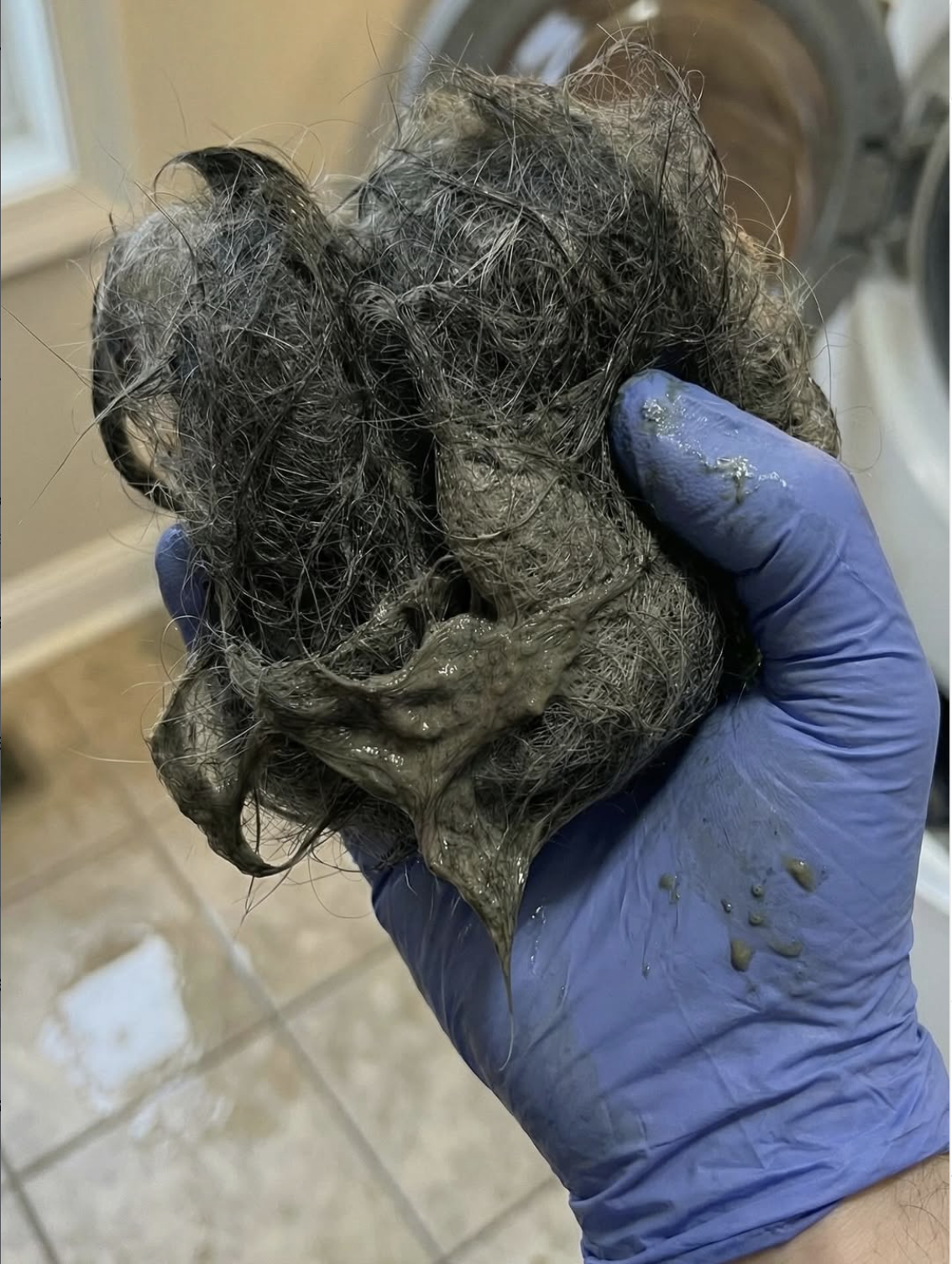
Ran for 9 days, from May 8 to May 17, 2026, the last day Crush saw it.
Run by James Walsh on Facebook. Crush is not the advertiser and does not verify its claims. See this ad in Meta's Ad Library(opens in a new tab)
Want an ad like this for your product?
Crush makes new ad images for your product from this ad: your logo, your product photo, your offer.
Trials from $19.95 USD, then $79.95 USD a month. Cancel anytime.
About this ad
- Meta Ad Library ID
- 2433324960462900
- Platforms
- Facebook, Instagram, Audience Network, Messenger and Threads
- Relaunches
- 2
- Niche
- Pets
Ad text
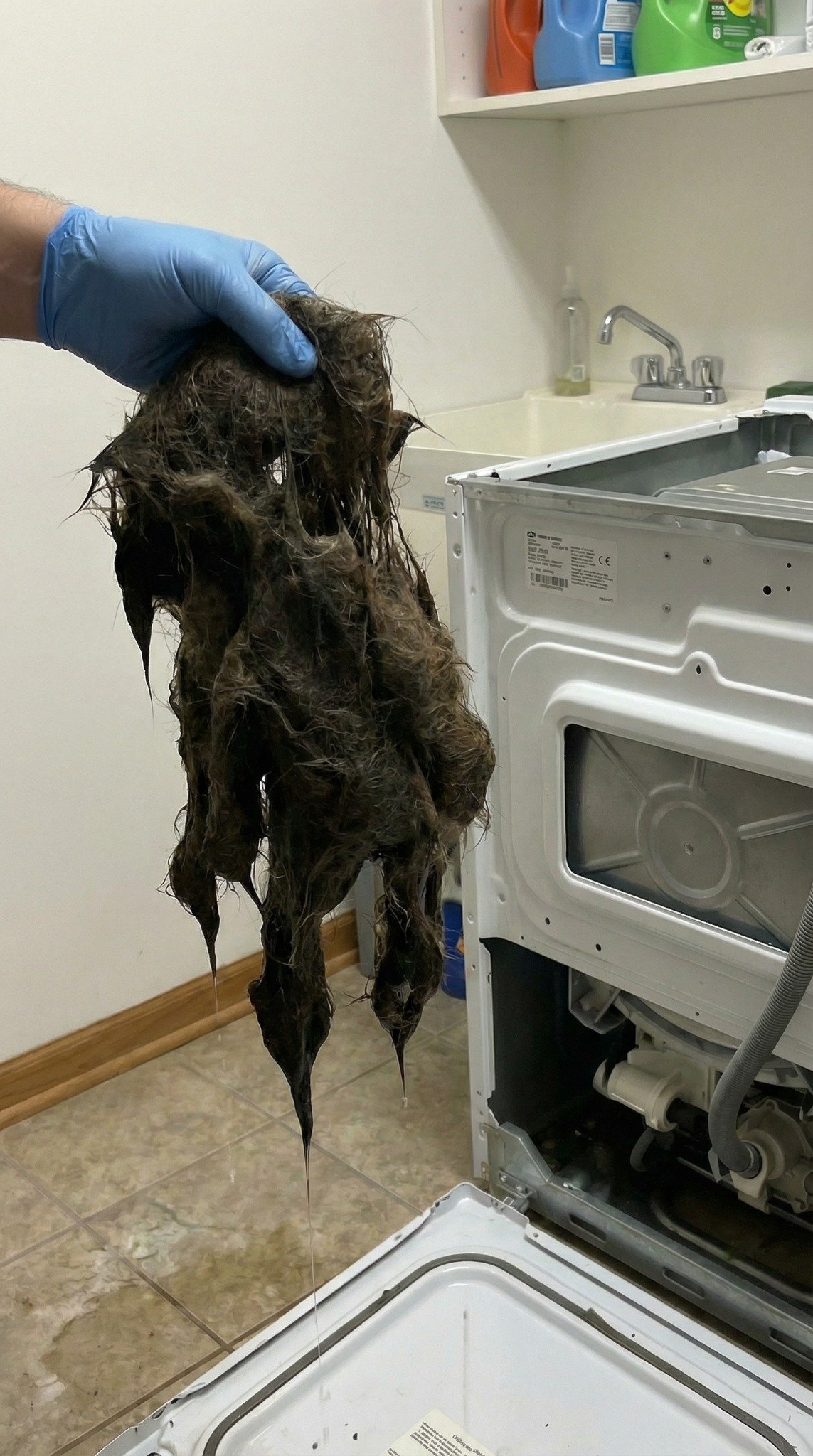
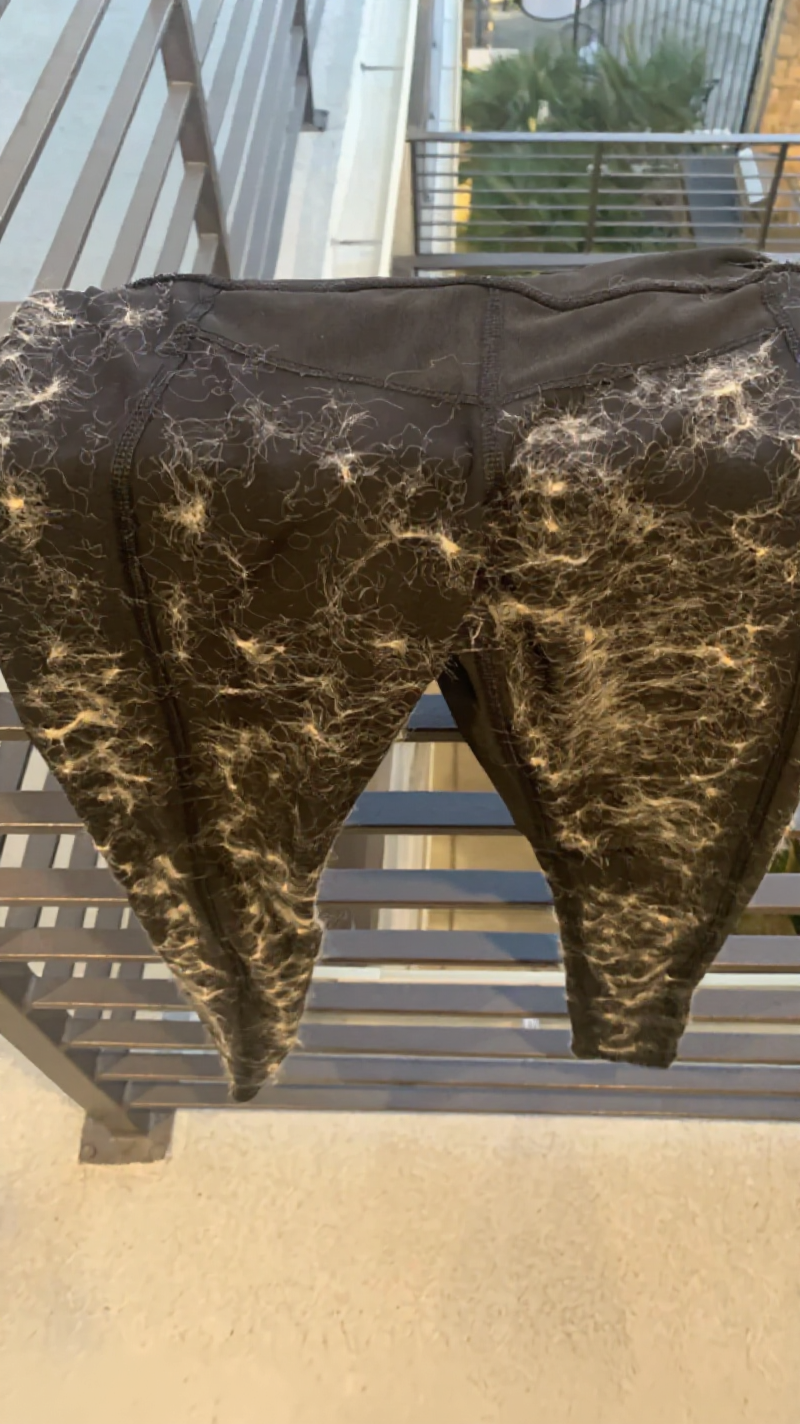
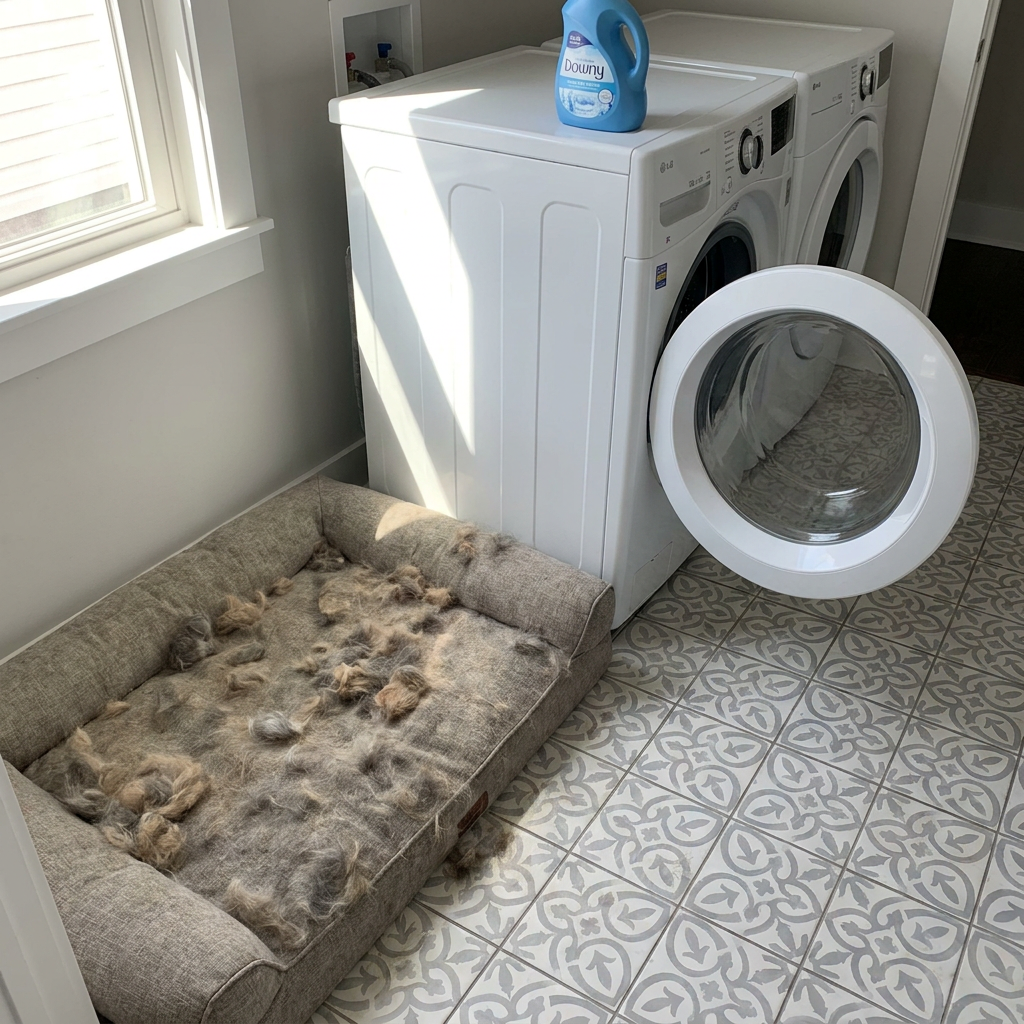
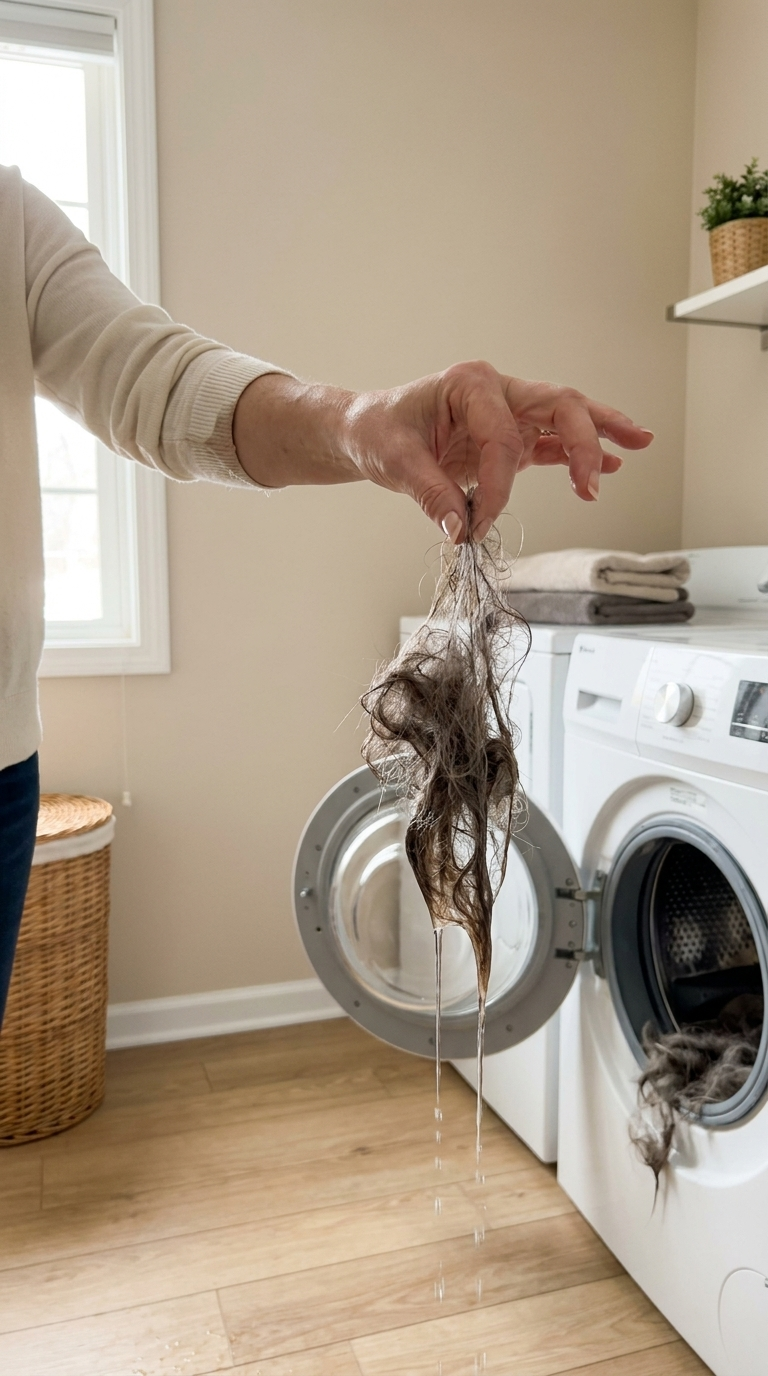
Retired plumber here. Please STOP washing your dog's bedding in your washing machine like most of my customers did. I replaced 200+ drain pumps because of it, and every single one was a £350-580 bill that could've been prevented. Maybe you've noticed standing water pooling at the bottom of the drum after a cycle finishes. Or your clothes are coming out with fine threads of fur still woven into them no matter how many times you re-wash. Maybe the drain pump has started making a high-pitched whine during the spin cycle. Or your washes are running ten, fifteen minutes longer than they used to, like the machine is straining to finish. Those aren't separate problems. They're all warning signs of the same thing: pet hair is building up inside your washing machine where you can't see it. And it's slowly destroying the drain pump. I once watched a grown man sit down on his utility room floor and cry when I told him the repair cost. He was a fifty-six year old electrician. Hands like leather. Hadn't cried in front of another adult in twenty years, he told me. His washing machine was twenty-two months old. He'd spent £2,050 on it. The drain pump had seized completely and taken the motor with it. For thirty-two years, I worked on washing machines, pulled apart hundreds of them, and told homeowners the same thing over and over: "Pet hair killed your drain pump. That'll be £465." And every single time, they looked at me like I'd just told them their house was on fire. Because nobody warns you about this. Nobody tells you that those Saturday wash loads are slowly killing the machine you saved six months to buy. Nobody explains what's actually happening inside that drum whilst you're doing what you think is the responsible thing. I pulled my first hair-clogged drain pump in 1989. Old English Sheepdog owner. Lovely older lady in Cheltenham. The pump housing was packed so tight with grey, matted hair that I couldn't get my fingers in to clear it. It looked like someone had stuffed felt insulation into the mechanism. "How long have you been washing the dog's blankets in here?" I asked. "Two years," she said. "Why?" "Because that's what killed it." She didn't believe me at first. She thought I was trying to upsell her. But I showed her the pump. I showed her the felt-like wad of hair that had wound itself around the impeller blades so tight it had stalled the motor. "This is what £180 of dog hair looks like," I said. That was customer number one. By the time I retired in 2023, I'd replaced over two hundred drain pumps destroyed by pet hair. Maybe more. I stopped counting after 200. Same problem. Every single time. Labrador. Golden Retriever. Bernese Mountain Dog. Newfoundland. Saint Bernard. Didn't matter the breed. The hair was killing the machine. And it didn't matter how much you spent on the washer either. Bosch owners, I quoted £495. LG owners £520. Samsung £410. Hotpoint £350. Brand didn't matter. Price didn't matter. What killed them was the same thing every time: protein hair, packed into the drain pump, week after week after week. And here's what most of those customers didn't realise until it was too late: the drain pump isn't even the whole bill. It's just the first one. By the time the pump fails, the motor's been straining for months pushing water through the clog. The drum bearings are worn from the constant imbalance. The outer drum seal is packed with hair you can't even see. The control board has been throwing error codes the machine has been ignoring. So you pay the £495 for the pump. Five months later, the motor goes. Another £420. A year after that, the bearings start grinding. Another £380. Then the seal finally gives up and you've got water on your utility room floor. Another £180. Until you're four bills deep into a machine that should've lasted ten more years. And the engineer finally tells you it's not worth fixing — start saving for a new one. That's how a £35 problem becomes a £2,000 problem. And here's what made me angry: most of those repairs were completely preventable. If just one person had told these homeowners what was actually happening inside their washing machine, they could've saved themselves five, six, seven hundred pounds. But nobody tells you. The appliance salesman doesn't mention it. The manual doesn't explain it. Your vet doesn't bring it up. So you wash the dog bed every Saturday because you have to. You can't have your dog sleeping on a filthy bed. You can't leave it sitting damp in the utility room. You're doing the responsible thing. And fourteen months later, you're writing me a cheque for £465 because the drain pump seized up and the warranty doesn't cover pet damage. I retired two years ago. Sold my business. Thought I was done with drain pumps forever. But two months ago, my daughter rang me crying. She and her husband had been in their first house just over a year. Beautiful semi-detached in a quiet cul-de-sac. They'd painted every room before moving in. Saved up for a year to do it properly. And they'd bought one of those high-efficiency Bosch Series 8 washing machines for the utility room. Spent £1,895 on it. They have a Golden Retriever named Bailey. Friendliest dog in the whole street. Sheds enough fur every week to knit another Bailey. "Dad," she said, "the washer's stopped mid-cycle. It won't drain. There's water sitting in the drum and an error code on the panel." My stomach dropped. "Are you washing Bailey's bed in there?" "Yeah, every Saturday morning. Why?" I drove over that afternoon. I pulled the front panel off. Opened the drain pump access. And there it was. The same thing I'd seen two hundred times before. A clump of black-gold matted hair the size of my fist, wedged into the pump housing. The pump was trying to push water through it and couldn't. The error code was the machine telling her exactly what was wrong, in language she didn't have a way to translate. "How much is this going to cost?" my son-in-law asked. "Five to seven hundred for the pump," I said. "Maybe more if the motor's already strained. And once one component fails, the others usually aren't far behind. So you'll likely be back at this within the year." My daughter started crying. Not because of the money, though that hurt. But because they'd done everything right. They compared three brands before buying. They paid extra for the eco-rated model. They cleaned the lint filter weekly. They ran the drum-clean cycle on the first Sunday of every month. They were being responsible homeowners. And the machine was dying anyway. "I don't understand," she said. "We do everything we're supposed to do." "I know," I said. "But nobody told you about the hair." "We can claim this on the warranty though, right?" my son-in-law asked. I had to tell him the truth. "No, you can't," I said. "Bosch, LG, Samsung, Hotpoint, Beko — every major brand specifically excludes pet damage from their warranties. I've read the fine print on hundreds of them. Your extended warranty won't cover it. Your home insurance won't touch it. When this happens, it's 100% out of pocket. Every penny." He sat down heavily on the kitchen step. "That can't be legal." "It's in the small print of the contract you signed when you bought the machine. Every brand has the same clause. They've all known about pet damage for decades. They just don't mention it when they're selling." That night, I couldn't sleep. I kept thinking about all those customers over thirty-two years. All those £465 cheques. All those homeowners who thought they were doing the right thing. And I got angry. Because the problem isn't that people are careless. The problem is that nobody explains what's actually happening. So let me explain it to you now. The way I wish I could've explained it to all two hundred of those customers before they needed me. Here's what's actually happening when you put the dog bed in the wash. You think the water and detergent are rinsing the hair away through the drain. They're not. Dog hair is protein. Same stuff your hair and fingernails are made of. Same stuff that ends up clogging your shower drain when someone in the house has long hair. Water doesn't break down protein. Detergent doesn't break down protein. They just make it wet and slippery. Here's what actually happens: the washing machine agitates the dog bed. The hair releases from the fabric. And because water and detergent can't break down that protein structure, the hair doesn't dissolve. It just floats around in the drum. Then the spin cycle kicks in. The water drains. The hair goes with it. And because the drain pump is the narrowest point in the whole drainage system, that's where the hair gets stuck. Not all at once. Just a little bit each time you wash. Week one, a few strands catch in the pump. Week two, a few more strands wrap around those first strands. Week three, the clump starts forming. Week four, the clump is big enough to slow down the drainage. By week eight, the pump is working harder to push water through the clog. By week twelve, the motor is straining. By week sixteen, you start hearing that whine on the spin cycle. By week eighteen, the pump can't drain at all and you've got an error code on the panel. And here's the part that made me the angriest: regular detergent makes it worse. Because detergent is designed to clean fabric. It's not designed to break down protein. So when you add detergent to a load with dog hair on it, the detergent makes the hair slippery. Slippery hair slides right through the drum, right past the lint filter, and straight into the drain pump where it packs itself tighter with every load. Here's something else nobody tells you. A modern washing machine should last ten to twelve years. That's what they're built for. That's what you paid for. But in pet households, I was watching them die at three years. Four years. Five at the most. I'd see two identical machines on the same street — one in a no-pet house running fine at year ten, one in a pet household already replaced twice in the same time. You're not just paying for repairs. You're buying a new washing machine twice as often as anyone without a dog. Just because nobody told you what's actually happening when you wash the dog bed. I explained all of this to my daughter that afternoon in her utility room. "So what do we do?" she asked. "Stop washing Bailey's bed?" "That's what most people end up doing in some form," I said. "Some hand-wash it in the bath every month and ruin their backs. Some take everything to the laundrette and destroy someone else's machine instead. Some buy a stack of cheap blankets and bin them every fortnight, which costs more than the wash ever did. Some just live with a stinking dog bed and hope the dog doesn't mind." "That's insane," she said. "And Bailey's two. Goldens live ten, twelve years." "That's potentially six pump replacements between now and then. Six times £465. Or one £1,895 replacement washer in a year, then another one five years later when the new one dies the same way. Either path, you're looking at thousands of pounds across the rest of his life — just to keep washing the bed he sleeps on." "There has to be a better way." "There is," I said. "But I only learned about it six months ago." Here's what happened. Last winter, I was at a Wickes picking up some bits for a kitchen tap I was helping my brother fit. I ran into a fellow I used to work with named Dave. Retired three years ago. We got to talking about the old days, the strangest service calls, the customers we still remembered. "You remember all those drain pumps we replaced because of dog hair?" I said. "God, yes," Dave said. "I did at least sixty of those over the years." "I did over two hundred." "Brutal." Then he said something that stopped me cold. "You know there's a product now that actually breaks down the hair before it gets to the pump, right?" I didn't know that. He pulled out his phone and showed me. It was called Sorvaq Pet Hair Dissolver. "My sister-in-law's got a Bernese," Dave said. "Biggest dog you've ever seen. Sheds enough every week to make a coat. She was about to replace her drain pump last summer — engineer had quoted £610. I told her about this stuff. She's been using it for nine months. No problems." "What is it?" I asked. "It's a sachet you drop into the empty drum twice a month, and you run the machine's drum-clean cycle," he said. "It actually breaks down the protein in the hair. Turns it into something that rinses away instead of building up in the pump." I was sceptical. I'd been sold every miracle laundry product going over thirty-two years. The vinegar-and-baking-soda routines. The £30 "eco" tablets. The peroxide cleaners. The enzymatic formulas that didn't touch hair. None of them worked on the actual problem. "How is this different?" I asked. "It works on the drum-clean cycle," Dave said. "Your machine's drum-clean cycle runs hotter than any normal wash cycle — hot enough to actually break down protein. Most people don't even know their machine does that. That heat is what makes the powder work. It breaks down the protein structure and the hair just rinses away." "And it doesn't damage the machine?" "No," Dave said. "That's the genius of it. You're not putting it in with your laundry. You're running it on an empty drum. So there's no fabric in there to damage. The powder only touches the hair that's already stuck in the machine. Then it flushes everything out through the drain." He showed me a photo on his phone. Before and after of a drain pump filter. The before photo looked exactly like the pumps I used to pull. Packed solid with black matted hair. The after photo was clean. Completely clean. "That's from the same machine?" I asked. "Same machine," Dave said. "Three months apart." I didn't want to believe him. But I'd known Dave for over two decades. He wasn't the type to fall for marketing hype. And that before photo looked exactly like every drain pump I'd ever replaced. "You really think this works?" I asked. "I've seen it work," he said. That night, I told my daughter about it. "I don't know," she said. "We've already spent so much money trying to fix this. What if it's just another thing that doesn't work?" "Then we're out thirty-five quid," I said. "But if it works, you save five hundred. And another five hundred. And another five hundred. For the rest of Bailey's life." She ordered it that night. It arrived two days later. The instructions were simple. Add one pouch to the empty drum before you start the cycle. Run your washing machine's drum-clean cycle. Let the cycle complete. That's it. Do it twice a month. Every modern washing machine has this cycle. Some call it drum-clean, some call it self-clean, some call it sanitise. Different name, same thing. It's the one your machine was built to run on an empty drum. My daughter had been running that cycle every month with just water. She thought she was doing the right thing. But water alone doesn't break down protein. It just rinses the visible stuff and leaves the buildup forming deeper in the system where you can't see it. She ran the first cycle on a Wednesday evening. The next morning, before her coffee, she pulled the filter cover. She'd never opened it before. Didn't even know it was there. I'd shown her how to find it when I came over to diagnose the error code. It's behind a small panel at the bottom front of most machines. She popped the panel. Twisted off the filter cap. And a stream of black sludge poured out into the towel she'd put down. She rang me immediately. "Dad, there's gunk everywhere. It looks like motor oil." "That's the hair," I said. "That's what was clogging your pump." "There's so much of it." "I know." "This was sitting in my machine this whole time?" "Yes." She ran a second cycle two weeks later like the instructions said. Less sludge came out that time. But still some. By the third cycle, the filter was completely clean. The error codes had stopped. The machine was draining properly within the first minute of the spin. "It worked," she said. "It actually worked." I asked her to save the filter and show me next time I came over. When I saw it, I couldn't believe it. The filter that had been packed solid with hair six weeks earlier was spotless. Clean metal. No buildup. No hair. Nothing. "How much did that cost you?" I asked. "Thirty-five pounds for a month's supply," she said. "So just over a pound per cycle." "Versus five hundred for a new pump. Plus another four hundred when the motor goes. Plus three hundred for the bearings. Plus a new washing machine in three years instead of twelve." "Exactly." I thought about all those customers. All those £465 cheques. All those destroyed drain pumps sitting in my van on the way to the dump. And I got angry all over again. Because this is so simple. This is so preventable. If someone had just told those homeowners that dog hair is protein that water and detergent can't break down, and that there's a powder that actually breaks down that protein using the heat from the drum-clean cycle before the hair clogs the pump, they could've saved five hundred pounds. Or two thousand pounds. Or the cost of an entire new washing machine they shouldn't have needed for another decade. But nobody tells you. The appliance companies don't tell you because they make money on repairs. The detergent companies don't tell you because they don't make a product that solves it. Your vet doesn't tell you because it's not a pet health issue. So you find out the hard way. Fourteen months after you bought your washing machine. When you see that error code on the panel and you call a plumber and he tells you it's going to be £465 and your warranty doesn't cover it because pet damage is excluded. Here's what I understand now that I didn't understand for thirty-two years: The drain pump failures I saw weren't caused by careless homeowners. They were caused by a simple problem nobody explained. Dog hair is protein. Water doesn't break down protein. Detergent doesn't break down protein. They just make it slippery so it slides into the drain pump faster. You need something that actually breaks down that protein structure. Something that turns the hair from a solid clump into something that rinses through the drainage system. That's what the powder does. It breaks down the protein using the heat from your drum-clean cycle. The hair dissolves and flushes out instead of packing into the pump. It's plant-based. Septic safe. Works on both top loaders and front loaders. And it doesn't care what kind of hair it's dissolving. Dogs, cats, even human hair. It all breaks down the same way. Within two to three cleaning cycles, you'll start noticing the difference. Your machine will drain faster. Run quieter. Stop throwing error codes. And your regular laundry will come out cleaner because the machine itself is actually clean. When you run it twice a month on an empty drum, you're clearing out the hair buildup before it becomes a clog. Before it damages the pump. Before it seizes the motor. Before you need a £465 repair. Then another £420 when the motor goes. Then another £380 when the bearings fail. Then another £1,895 when the engineer tells you it's time for a new machine. It's preventive maintenance. The kind I wish I could've told every single one of those two hundred customers about before they needed me. My daughter's washing machine is two years old now. She runs the powder twice a month like clockwork. She washes Bailey's bed every Saturday morning. The drain pump filter stays clean. No error codes. No clogs. No £465 repair bill. The machine she thought was dying at fourteen months is running perfectly. If you're reading this because you just got an error code on your washing machine, or because you just got quoted £400 for a drain pump replacement, or because you're trying to figure out if you should stop washing your dog's bedding, I need you to understand something: You're not doing anything wrong. You're not careless. You're not irresponsible. You're washing your dog's bedding because you're trying to keep a clean home and a clean dog. That's the right instinct. But nobody told you that dog hair is protein. Nobody told you that water and detergent can't break down protein. Nobody told you that the hair is packing itself into your drain pump every single week. Nobody told you the warranty on your £1,895 washer doesn't cover the one thing most likely to break it. And now you're looking at a £465 repair bill for a machine you just bought. That repair is preventable. You don't have to stop washing pet bedding. You don't have to hand-wash the dog bed in the bath every month. You don't have to take everything to a laundrette. You don't have to replace your drain pump every fourteen months for the rest of your dog's life. You just need to break down the protein before it clogs the pump. Sorvaq Pet Hair Dissolver does that. Twice a month. Empty drum. Drum-clean cycle. The machine does the rest. I don't work for Sorvaq. I don't get paid for this. I'm a retired plumber who replaced over two hundred drain pumps that didn't need to fail. I'm telling you this because I wish I could've told all two hundred of those customers before they wrote me that cheque. Your washing machine doesn't have to die at fourteen months. Your drain pump doesn't have to seize. You don't have to choose between a clean home and a working appliance. You don't have to face a £465 bill out of your own pocket because the warranty company knew this would happen and decided not to cover it. You just need to break down the protein before it destroys the pump. Now you know. Now you can prevent the £465 repair instead of paying for it. Now you can prevent the £420 motor replacement that follows. Now you can prevent the £1,895 new washing machine you shouldn't need for another decade. Now you can keep washing Bailey's bed every Saturday without killing your washing machine. Like my daughter finally can. Last week she rang me just to tell me Bailey had wandered out of the back garden after a swim in the pond and shaken himself off all over the freshly folded laundry. A year ago, that would've ruined her whole weekend. The hair. The mud. The re-washing. The error code on the panel reminding her the machine was dying. Now she just laughed. She tossed everything back in the washer along with the dog bed she'd been planning to do anyway. Ran her regular cycle. Didn't think twice about it. Because she knows the powder is handling what the detergent can't. She's not afraid of her washing machine anymore. She's not watching her bank account waiting for the £400 repair bill she knows is coming. She's not running cycles twice. The standing water is gone. The whine on the spin cycle stopped. The cycles run their proper time again. And when she runs that drum-clean cycle twice a month, she doesn't dread what's building up where she can't see it. She has her £1,895 washing machine. And she has her dog. And she doesn't have to choose between them. That's what confidence looks like. Not wondering if you're doing it right. Knowing you are.
Where the ad sends people
sorvaq.com
Read this if pet hair is ruining your washing...
Sorvaq™
Shop now: sorvaq.com(opens in a new tab)