
Inactive· since May 27, 2026
- 23
- days it ran
- 0
- relaunches
- 69
- EU reach
Ad copy
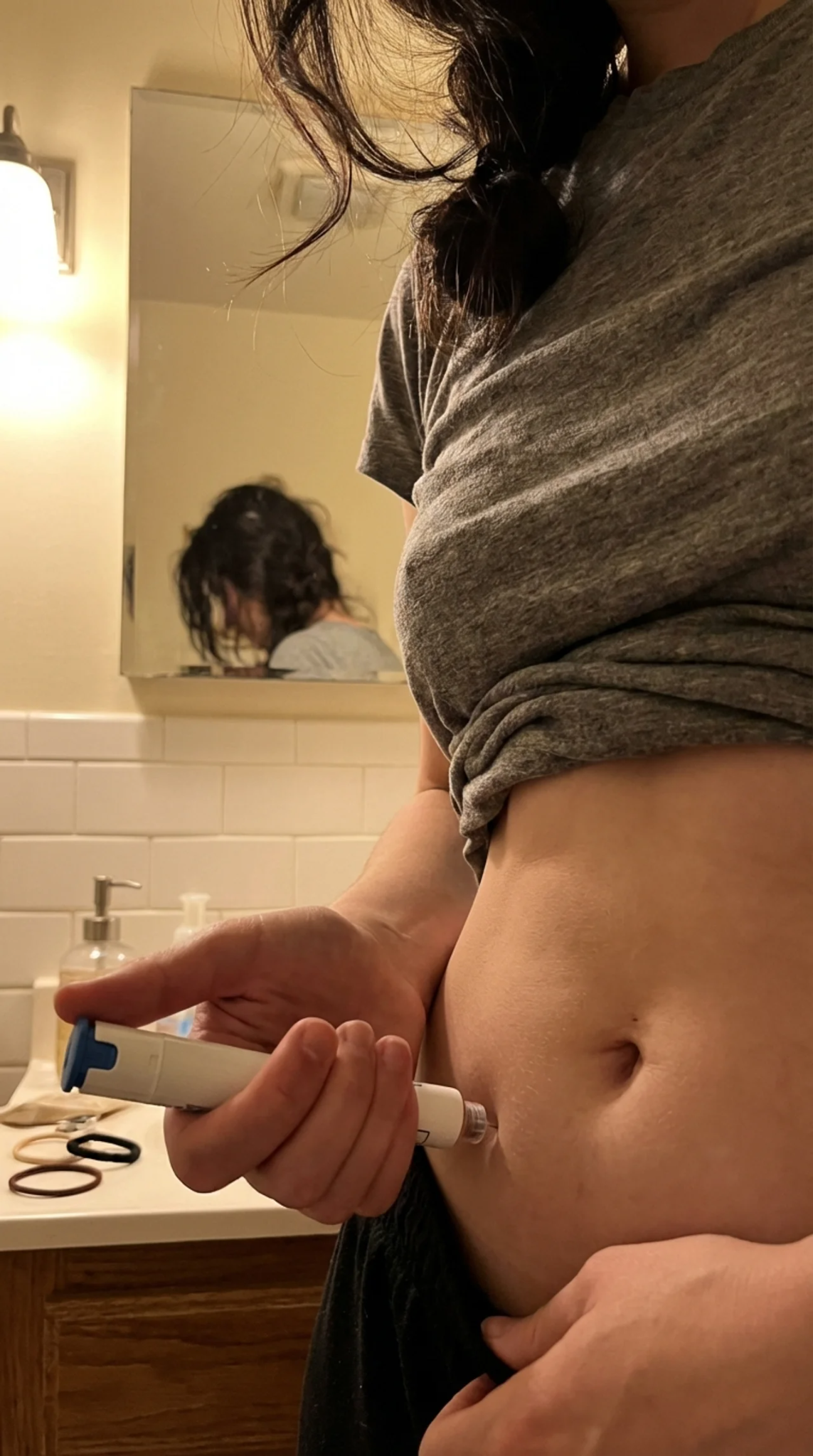
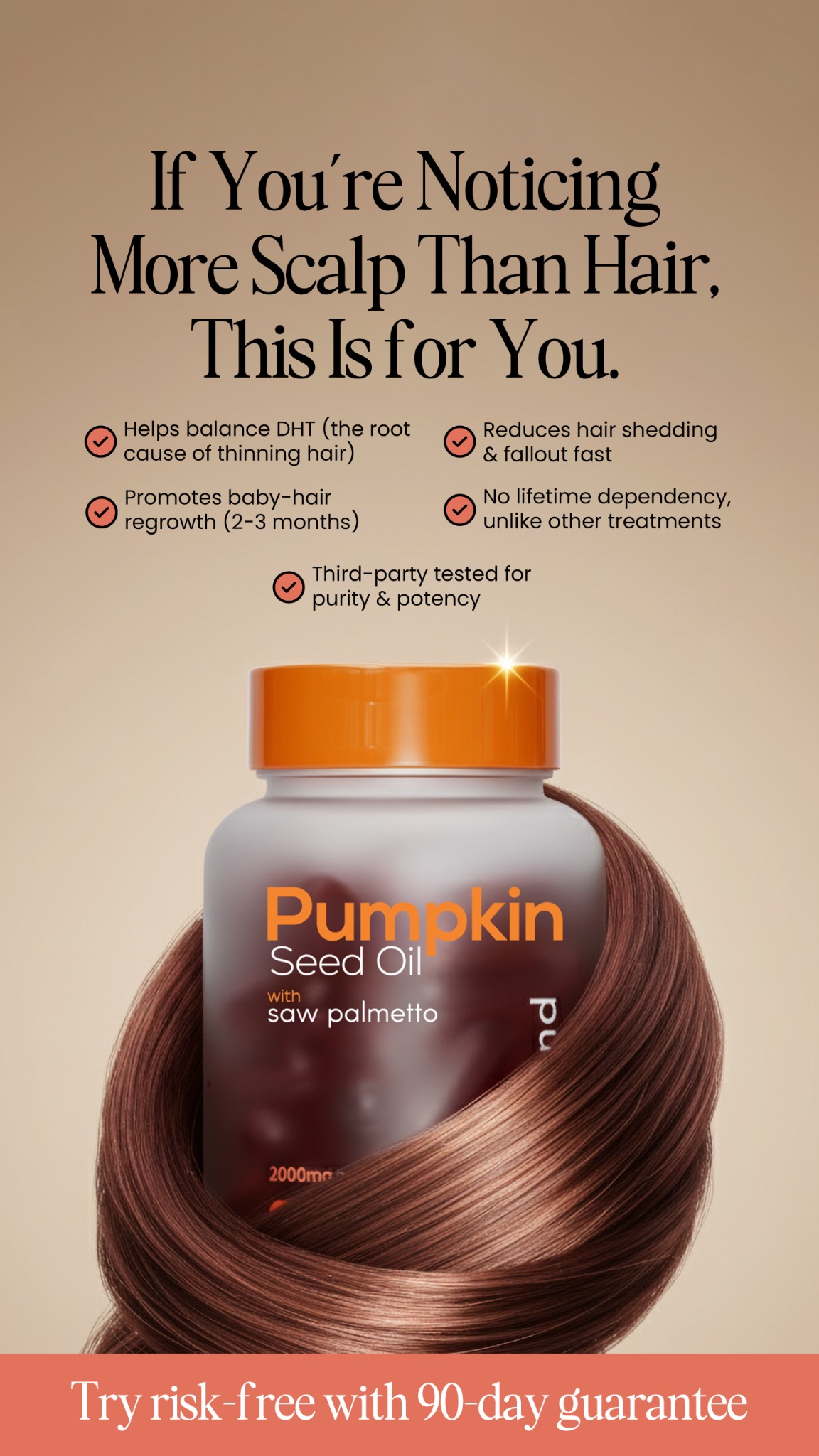
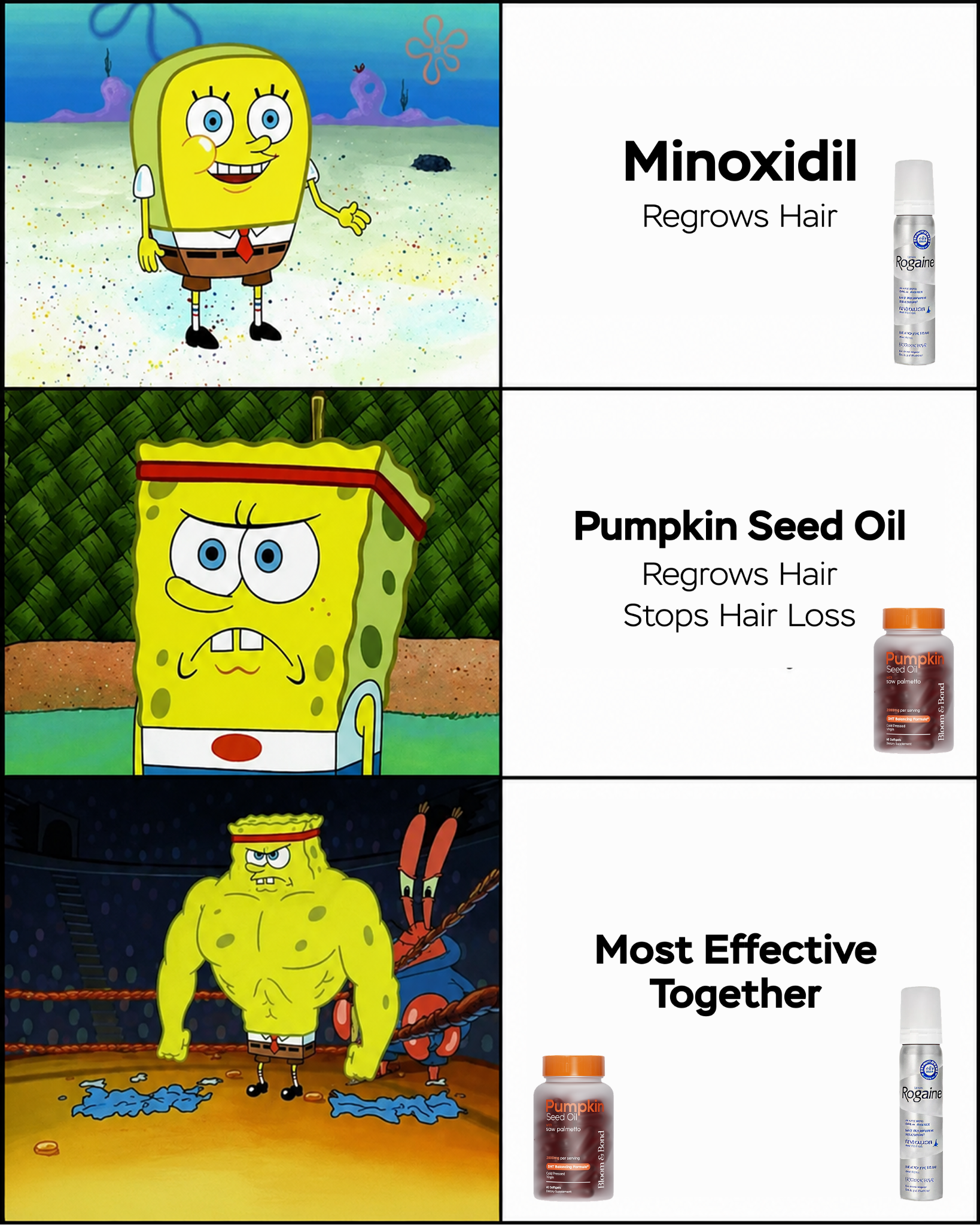
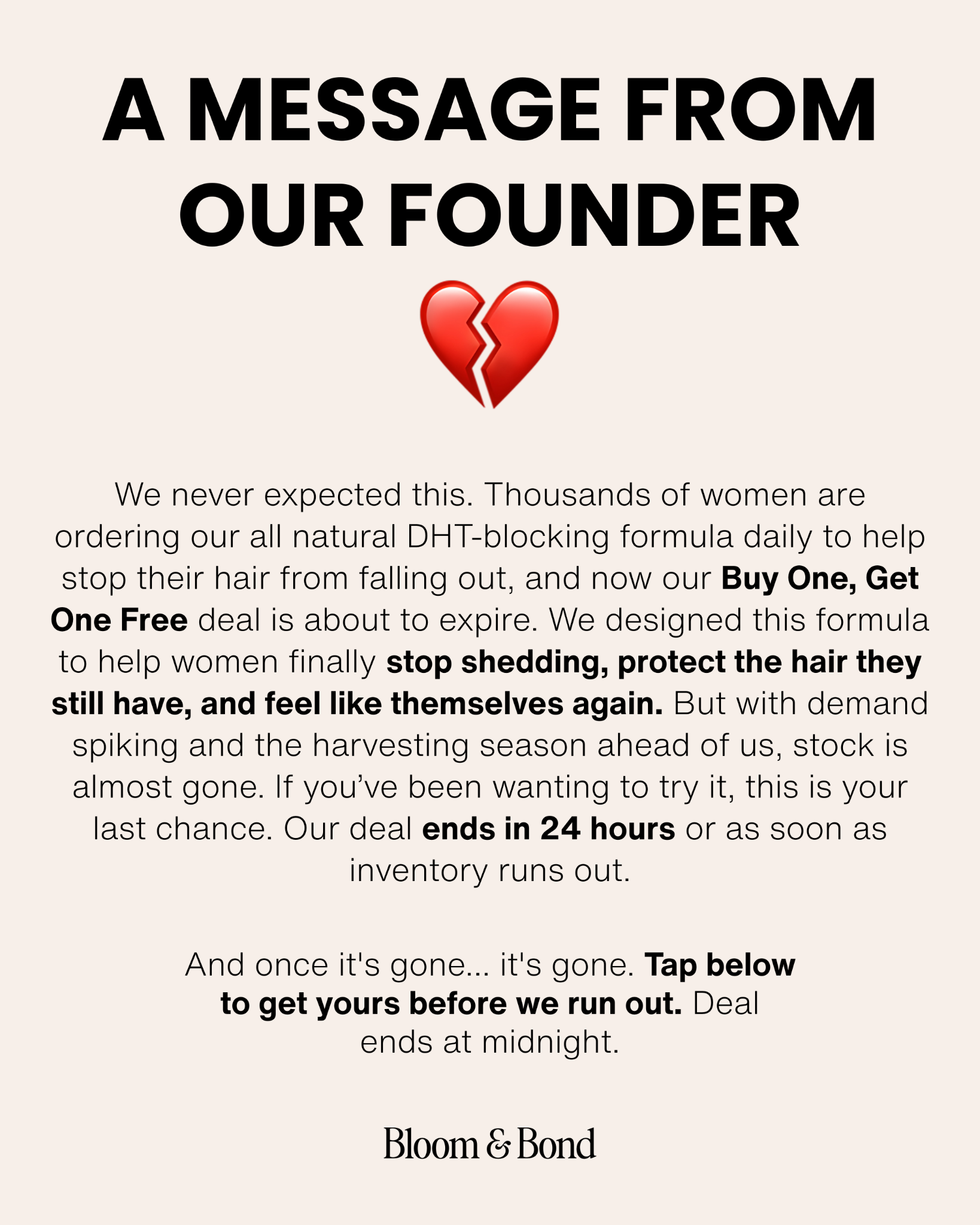
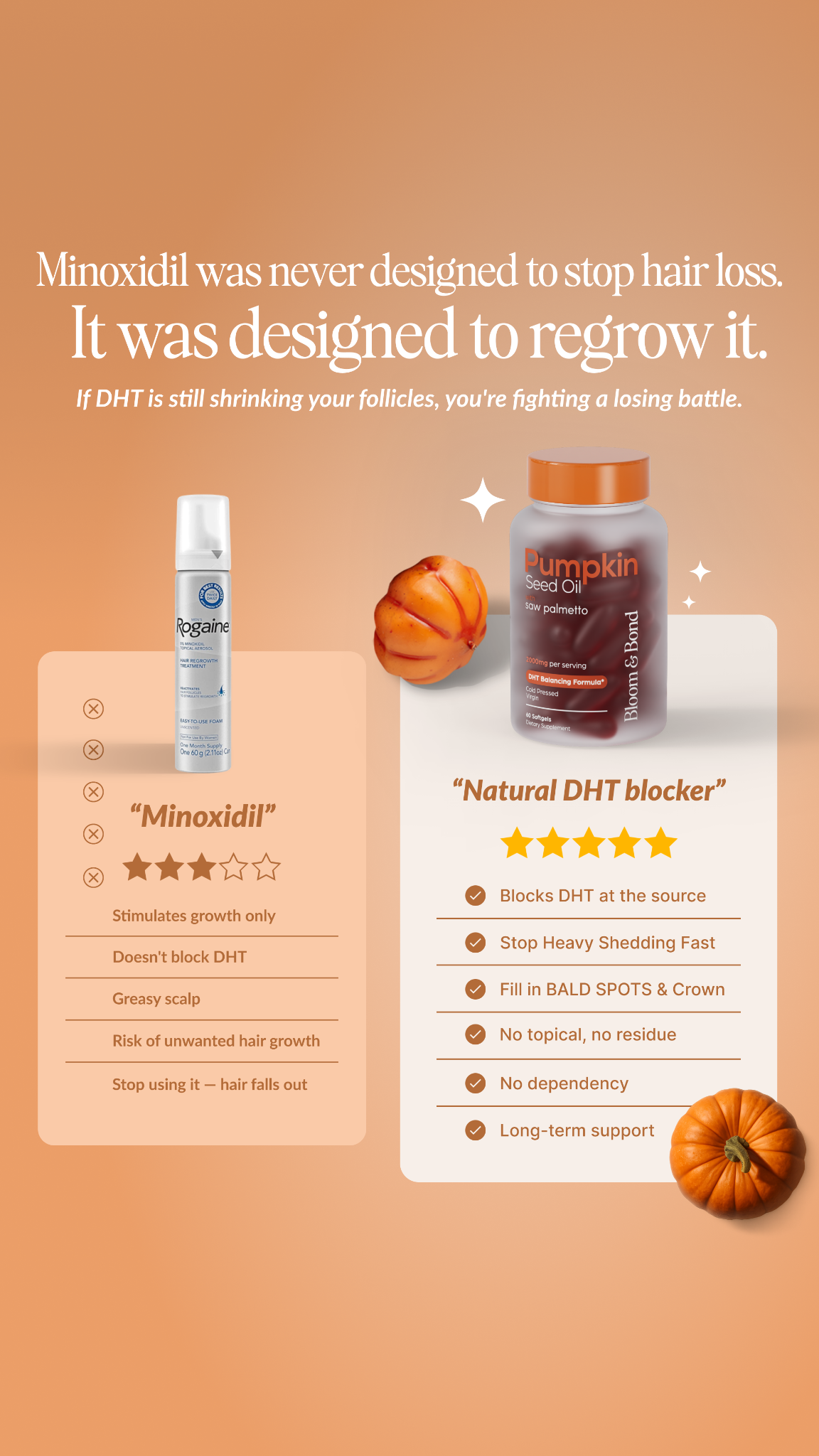
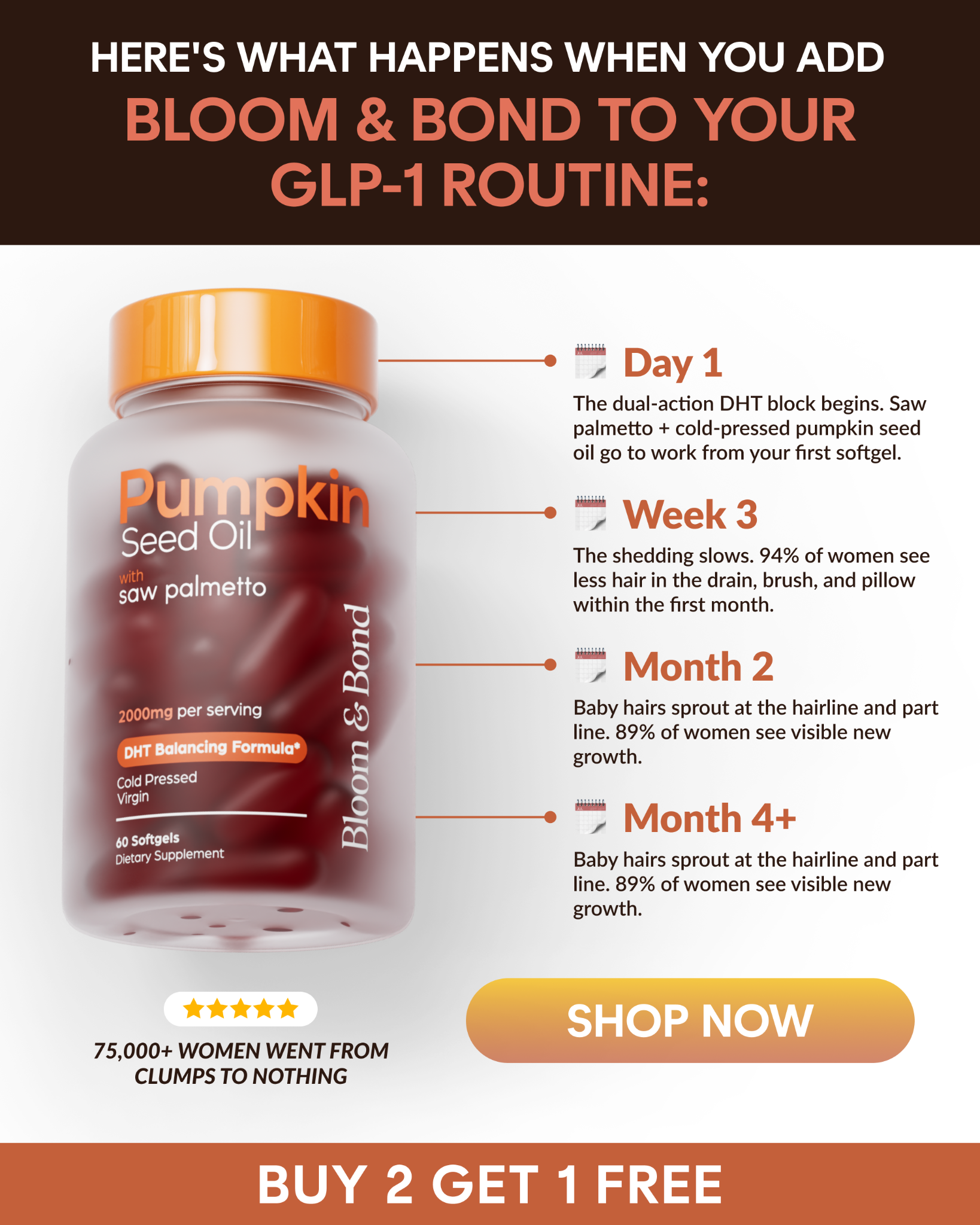
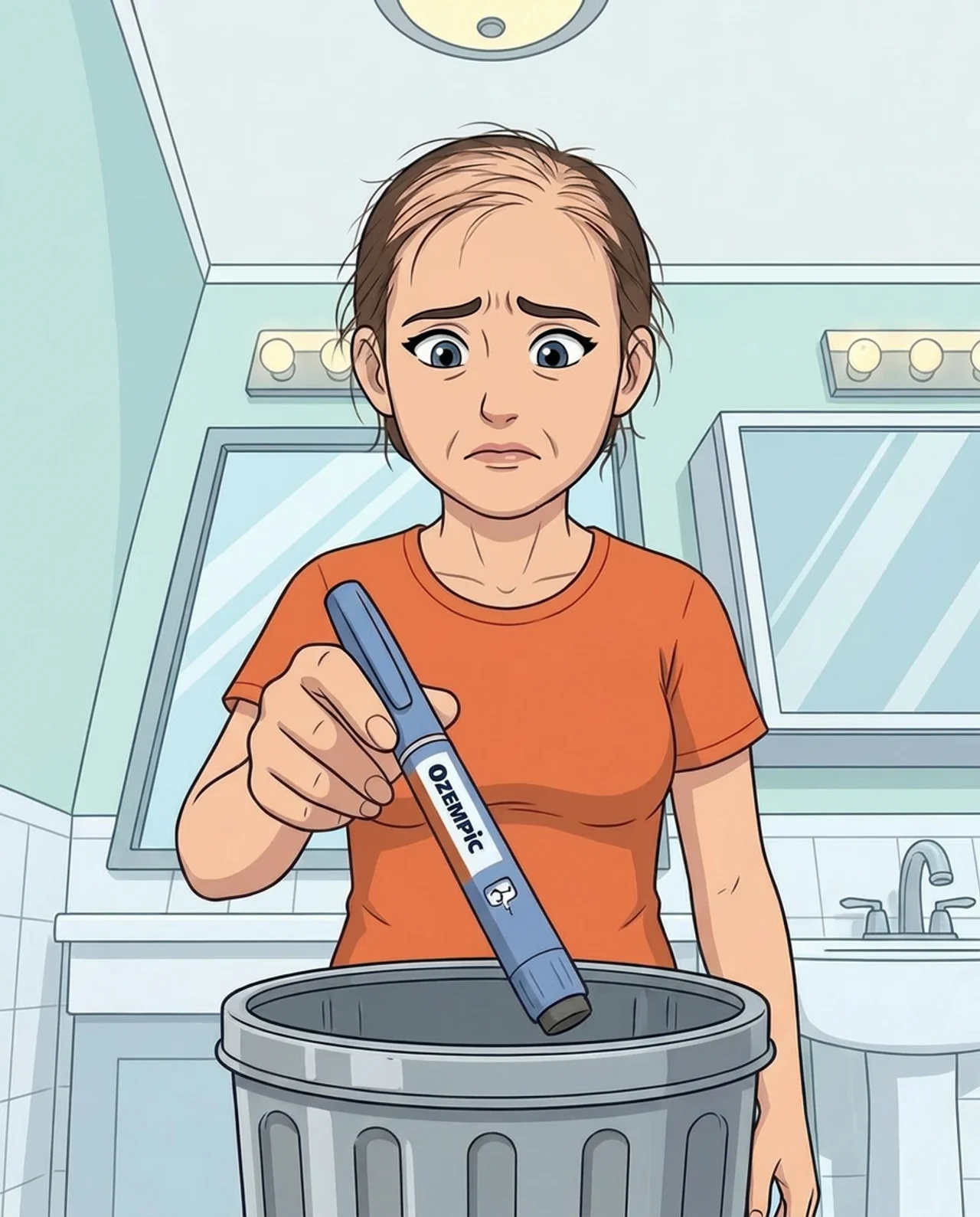
Your GLP-1 f*cked your hair. And "just eat more protein" is making it worse. I need to tell you something about the advice you've probably already been given. The "just wait, it'll grow back" advice. Because I've watched that advice hurt more women than it's helped. And I need to explain why before another month goes by. My name is Dr. Patricia Sullivan. I've been a dermatologist for 17 years, and I specialize in hormonal hair loss in women. Over the last two years, something in my practice has changed. I used to mostly see women in the middle of shedding. Hair in the shower. The drain clogged. The pillow covered. Terrified. That kind of appointment I know how to handle. The appointments that break my heart now are different. They're women who aren't shedding anymore. The scary part is over. The drain looks normal. And they still sit down, pull out their phone, and show me two photos. Their hair two years ago. Their hair now. Not gone. Not bald. Just thin. Flat. Like someone turned the volume down on their hair and it never came back up. One of them was Michelle. 46, on Wegovy, down 41 pounds. She was proud of that weight loss. She should be. Then the shedding started. Four months in, like clockwork. Her GP told her what your doctor probably told you. "It's telogen effluvium. Temporary. A stress response to fast weight loss. Keep your protein up, take your biotin, give it six months." So she did everything right. She forced down 100 grams of protein a day on an appetite the Wegovy had killed. She bought the 10,000mcg biotin with all the before-and-after reviews. She waited. And the shedding did slow down. She thought, finally. Then she waited for the regrowth. For the fullness to come back. For her ponytail to feel like her ponytail again. It never did. Months went by and her part was still twice as wide as it used to be. The hair around her face was still wispy. She could still see her scalp in the bathroom light. The shedding had stopped. Her hair had not come back. "Did I do something wrong?" she asked me. She hadn't. The advice she was given wasn't wrong. It was just incomplete. And that incomplete advice cost her almost a year she can't get back. Here's what nobody explains to women on GLP-1s. What's happening to your hair isn't one problem. It's two. And the "just wait" advice only deals with one of them. The first one is telogen effluvium. The shedding. When your body drops fat fast, it reads that as stress and pushes a wave of follicles into the resting phase. A few months later they all let go at once. That's the drain-clogging phase. And here's the part the advice gets right. It is real, it is temporary, and it does stop on its own. But while that shedding has all your attention, something quieter is happening underneath it. And this is the one that doesn't stop on its own. To understand it, you need to know what your estrogen was doing for your hair this whole time. Estrogen was your follicle's protection. Not in a vague way. It did two specific jobs. First, it sat around your follicles and held them in growth mode, the long phase where hair grows thick and stays put. Second, it kept a protein called SHBG high. SHBG quietly mops up loose testosterone in your blood before that testosterone can ever be converted into DHT, the hormone that shrinks hair follicles. So estrogen was doing two things at once. Keeping your follicles growing, and keeping DHT from ever being made in large amounts. Now here's what GLP-1 medications do that almost no one is telling you. Fat cells don't just store energy. They produce and store estrogen. When you lose fat quickly on Ozempic, Wegovy, or Mounjaro, you lose a real share of your estrogen along with it. Fast. And when your estrogen drops, both of those protections fail at the same time. Your follicles lose the signal to stay in growth mode. And SHBG falls, so more testosterone is now free to be converted into DHT. DHT reaches your follicles. And it does more damage than you've been told. Everyone talks about DHT shrinking the follicle. That part is true. But it's not the whole story, and it's not why your regrowth keeps coming in wispy. DHT also sets off inflammation around the follicle. A low, slow burn. You can't feel it. No redness, no itch, nothing you'd notice in the mirror. Scientists have even identified the specific molecule behind it, called PGD2, and shown it directly causes follicles to miniaturize. That quiet inflammation is what scars the follicle. It's what sets the damage. And it keeps smoldering long after the shedding stops. So picture what actually happened to Michelle while she was being patient. The telogen effluvium ran its course and slowed down. Good. But underneath it, her estrogen shield was down, DHT had reached her follicles, and a slow inflammatory burn had started scarring them. When her follicles finally tried to regrow, they were trying to grow inside a follicle that was still inflamed and still being scarred. That's why the regrowth came in thin. Wispy. Like baby hairs that never become real hair. That's not telogen effluvium. That's a follicle trying to recover in an environment that's still working against it. And here's the hard truth about waiting. ❌ Waiting doesn't rebuild the estrogen shield you lost. ❌ Waiting doesn't put out the inflammation scarring your follicles. ❌ Biotin, protein, and collagen don't do either of those things. They support hair that's growing in a healthy environment. They cannot fix an environment that's still hostile. It's like watering a plant in soil that's been poisoned. You can water all you want. The problem isn't the water. I've watched patients spend $85 a month on Nutrafol for half a year. I've watched them try minoxidil, with its dread shed at the start, the daily dependency, and hair that falls out worse the moment they stop. I've had patients ask me about spironolactone, a blood pressure drug used off-label that pushes on hormones you really don't want pushed while your body is already in hormonal freefall from rapid weight loss. None of them rebuild the shield. None of them calm the inflammation. So the follicle keeps trying to recover in the same hostile environment, and the woman concludes that nothing works for her. There are two things that actually do address this. And they need to work together, because they do two completely different jobs. The first is pumpkin seed oil. Pumpkin seed oil contains plant compounds, lignans and beta-sitosterol, that are shaped closely enough to estrogen that your follicle's receptors recognize them. They're not hormones. They're not synthetic anything. They're plant compounds your body already knows how to use. What they do is step into the role your lost estrogen used to play. They send the growth-mode signal back to your follicles. And they help lift SHBG again, which means less testosterone gets converted into DHT in the first place. In other words, pumpkin seed oil rebuilds the shield you lost when the fat came off. The second is saw palmetto. And this is the part most people get wrong about it. Saw palmetto's real value here isn't blocking DHT. It's putting out the fire. Remember that quiet inflammation, the PGD2, the slow burn scarring your follicles? Saw palmetto shuts that cascade down. It calms the inflammation around the follicle so the follicle can finally do what it's been trying and failing to do, which is recover. So you have two jobs, done by two ingredients. Pumpkin seed oil rebuilds the protective shield. Saw palmetto puts out the inflammatory fire that's already burning. One restores the environment. One clears the damage. Your follicle needs both. Now, before you go to Amazon and buy them separately, I've watched patients try exactly that, and come back four months later with almost nothing to show for it. Here's why. Most generic pumpkin seed oil capsules are low-dose, unrefined seed powder, not concentrated extract. To get the phytoestrogen levels your follicles actually need from cheap capsules, you'd have to eat close to two pounds of raw pumpkin seeds a day. And most standalone saw palmetto? It's a prostate supplement. Repackaged with a softer label and sold to women. Wrong dose, wrong extraction, never formulated for follicle inflammation in women going through hormonal disruption. So you end up with two supplements that aren't delivering a real dose of either thing. And then you stop. And you decide natural solutions don't work. They do. The formulation has to be right. That's why I recommend Bloom & Bond to the women I see dealing with GLP-1 hair loss. It's the only formula I've found that puts both ingredients together at doses that actually do something. 2,000mg of concentrated pumpkin seed oil extract, not seed powder, with real phytoestrogen levels. Plus saw palmetto dosed for inflammation control in women, not prostate support in men. No biotin filler. No collagen fluff. No synthetic additives. Just the two ingredients your follicles need, in the right form, at the right dose. Here's what I tell patients to expect. ✅ Weeks 2 to 4: The shedding eases. The brush and the drain stop frightening you. Your follicles are getting protection they haven't had in a long time. ✅ Weeks 4 to 8: Shedding drops off noticeably. A lot of women tell me this is the first time in months they can wash their hair without their stomach dropping. ✅ Weeks 8 to 12: Baby hairs. Along the hairline, at the part. New growth that actually establishes this time, because the follicle isn't being scarred while it's trying to grow. ✅ Month 3 to 4: Real density coming back. A ponytail that feels like something again. A part that's closing. A scalp that isn't staring back at you in every photo. Some women move faster than this, some slower. But the women who address the real problem get a recovery that waiting never gave them. I saw Michelle again about six weeks after that first visit. She didn't pull out her phone this time. She just pulled her hair back into a ponytail when she walked in, looked at me, and smiled. "It's different," she said. "I can feel it." Not finished. Not back to where she started before the GLP-1. But moving, finally, after almost a year of standing still. If you've been waiting for your hair to come back on its own, I'm asking you to stop waiting. Not because the shedding won't slow down. It probably already has. But the shield is still down. And the inflammation is still quietly scarring follicles while you wait. Every week that passes is another week that damage gets harder to undo. You don't have to choose between your GLP-1 and your hair. You don't have to accept thin and wispy as your new normal. Rebuild the shield. Put out the fire. Give your follicles back the environment they need to recover. That's what Bloom & Bond does. And it's what I wish every woman on a GLP-1 had started the day she filled her first prescription. If you've already waited, start now. 👉 https://bloomandbonds.com/products/new-pumpkin-seed-oil-softgels
Like this ad? Make it yours.
Crush rebuilds this exact creative around your product — your brand, your colors, your offer — in about a minute.