Sarah Johnson
Sarah Johnson Facebook ad: “Natural Relief in Weeks”
Ran for 2 days, from September 1 to September 3, 2026, the last day Crush saw it.
Run by Sarah Johnson on Facebook. Crush is not the advertiser and does not verify its claims. See this ad in Meta's Ad Library(opens in a new tab)
Make your own version of this ad
Crush makes it, launches it in your own Meta ad account, scales the winners and pauses the losers.
About this ad
- Meta Ad Library ID
- 2451705271988511
- Platforms
- Facebook, Instagram, Audience Network, Messenger, WhatsApp and Threads
- Relaunches
- 5
Ad text
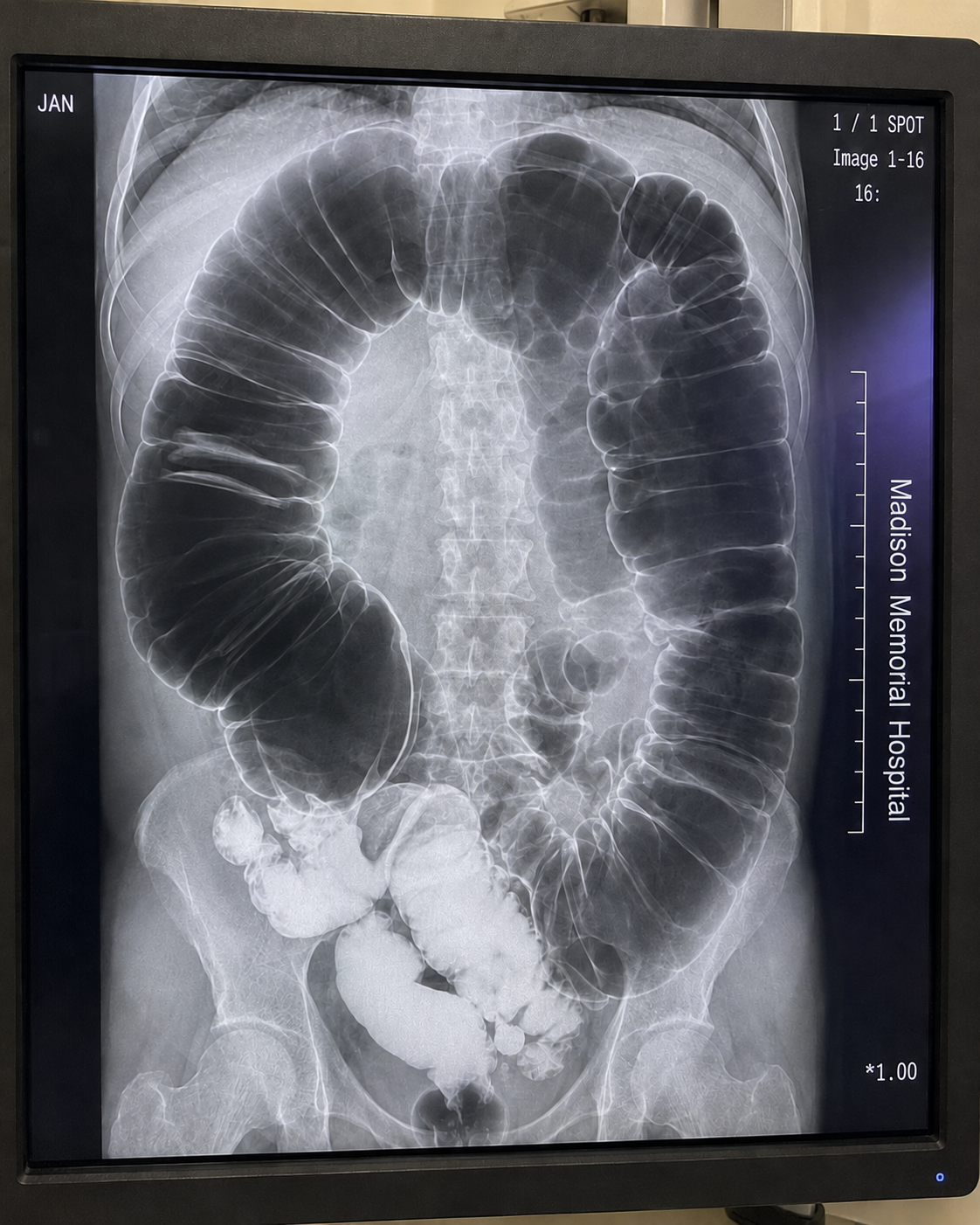
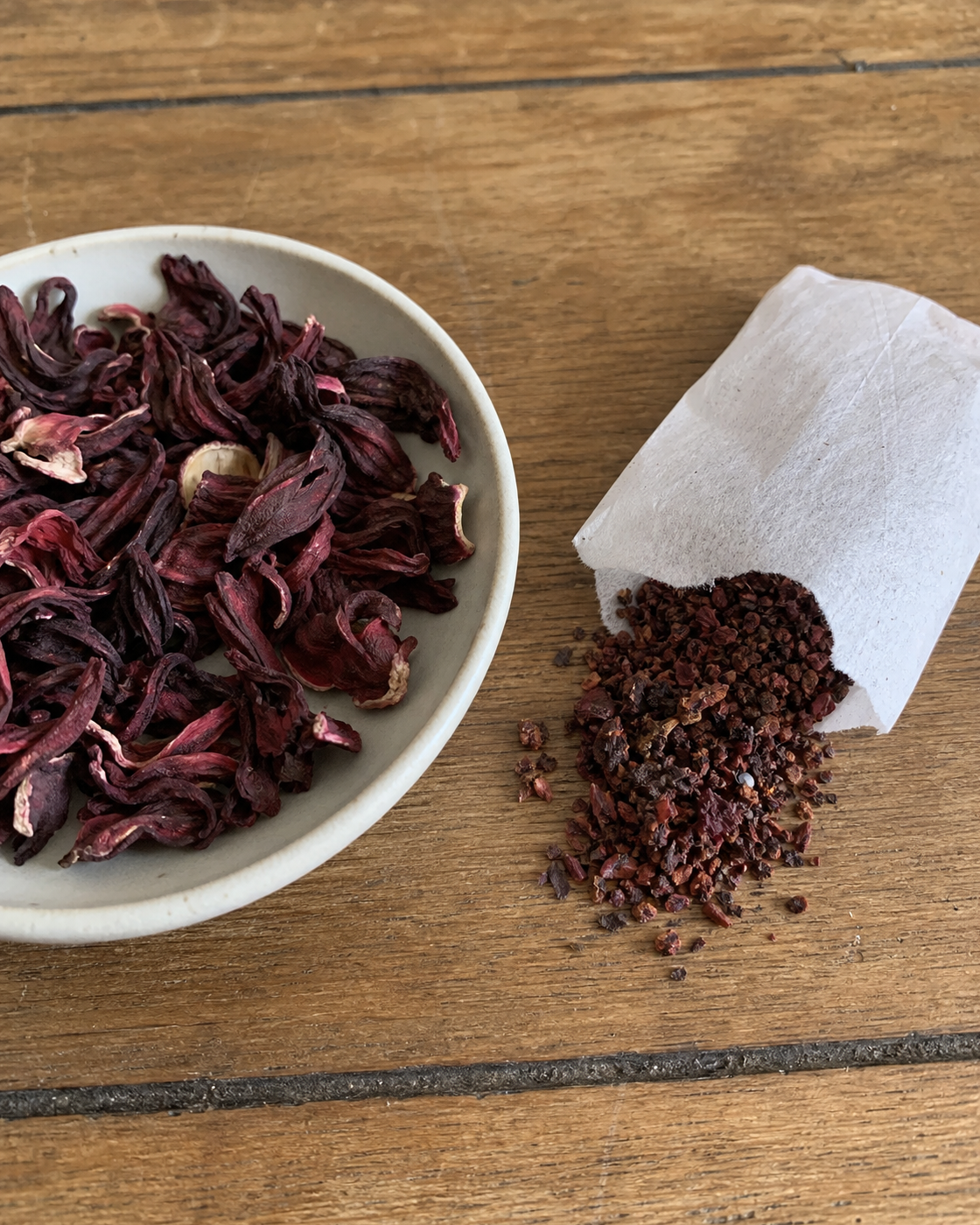
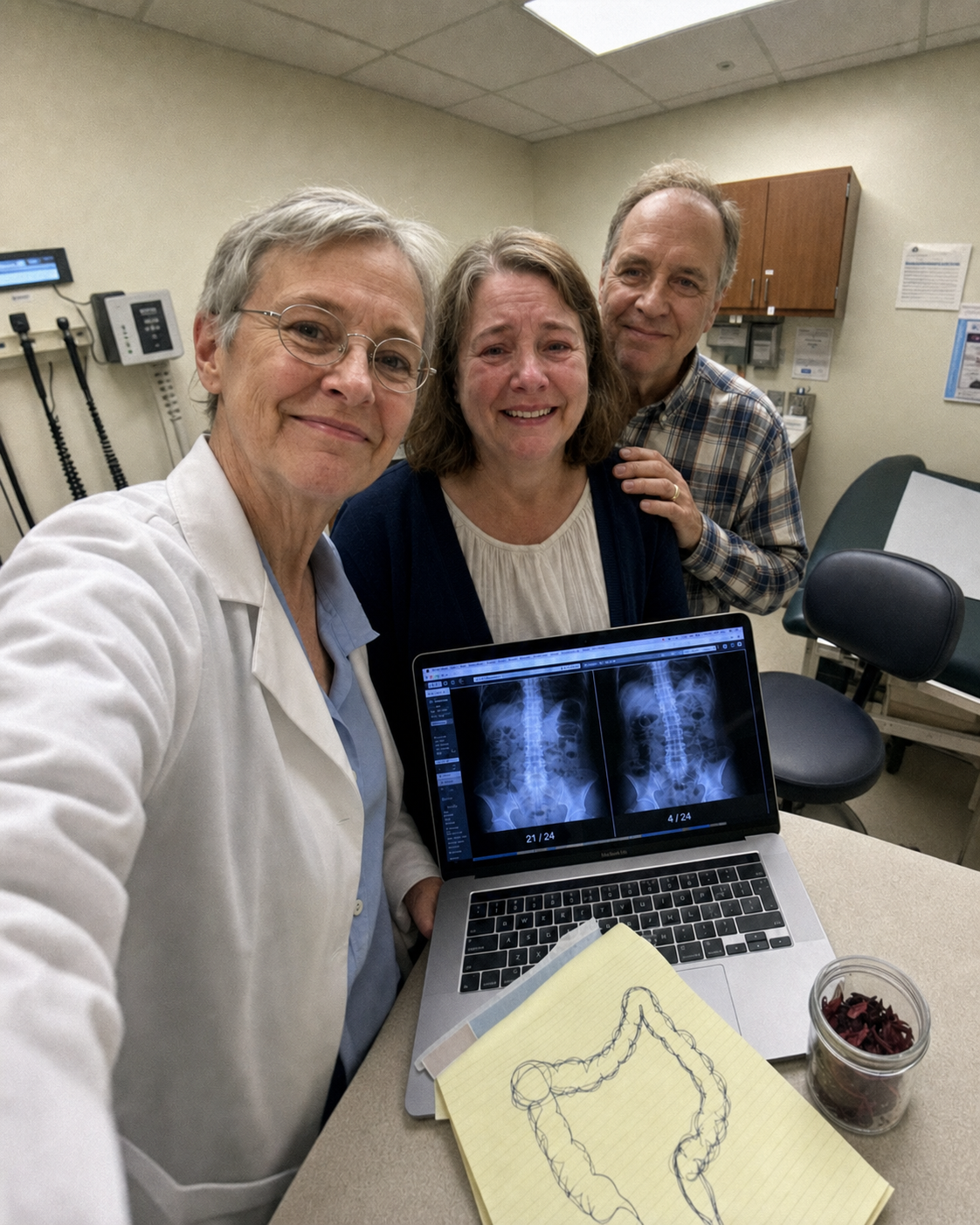
My 71-year-old mother drove herself to the emergency room at 5 in the morning after she had not been able to go to the bathroom in 9 days. None of us knew she was there. She was alone in the car. She was alone in the house, too. My father, Ed, passed 5 years ago. So when the cramping got so bad in that hospital parking lot that she could not breathe through it, and the edges of everything started to go gray, the thought she had was not “help me.” The thought she had was, “Nobody even knows I am here, and nobody would know for hours.” I did not know any of this until my phone rang later that morning. I am her daughter, Karen. I live 90 minutes away and have 2 kids in middle school. My mother almost died that morning because of something she had been told her whole life was no big deal. Constipation. I am writing this tonight because 3 days later, while she was lying in a hospital bed with a tube down her nose, a doctor finally told us the truth about her body. It was a truth that 19 years of laxatives and 3 specialists never once mentioned. If you are a woman past 60, and you need MiraLAX, senna, Dulcolax, magnesium, or anything else to go to the bathroom, I am begging you to read this before your daughter gets the call I got. And if your mother lives alone, please read every word. Let me start at the beginning. Before that morning, I thought I knew what was happening with Mom. I knew she had been constipated since she was 52. It started right around the change, the way it does for so many women. Her OB handed her MiraLAX and told her she could take it as long as she needed. She took it for 19 years. By 55, she needed it every single morning. By 60, she had added senna at bedtime. By 65, she was using magnesium citrate 2 times a week on top of that. Then Dad died when she was 66. I thought the grief had done something to her. When I called at night, she would tell me she had eaten. Later, she admitted she would sit at the kitchen table with a plate in front of her and barely touch it. Cooking for 1 did not feel like cooking at all. By 67, she was reaching for Dulcolax every few days. By 70, she had a whole system. I did not learn what that meant until the hospital. During those 3 days, 1 detail at a time, Mom finally told me what the last 19 years had actually looked like. She kept 1 box of MiraLAX under the sink. A backup box behind it. Magnesium in the pantry. Senna in the nightstand. Dulcolax in her purse, in the car, and in her desk drawer at the library where she volunteers. My mother was 71 years old, and she had not had a normal bowel movement on her own in 15 years. I had no idea. Each detail made me realize how much of her life she had edited before she handed it to me. I knew she had “stomach trouble.” That was what she called it. I did not know that every morning she would sit on that toilet for 30 minutes, 40 minutes, and sometimes 60 minutes. Pushing. Straining. Gripping the edge of the counter and bearing down until she was damp with sweat. After everything she had swallowed the night before, what came out was not anything you would call normal. Little dry pellets. Rabbit droppings. Hard as gravel. Or dry, packed clumps the size of golf balls. She told me they would drop into the bowl with an actual clunk. They left nothing on the paper because there was not a drop of moisture left in them. One would claw its way out, it was so dry, and she would grab the sink and go white. She said it felt like giving birth. Any woman who has lived this knows she was not being dramatic. And the cruelest part, every single day, was that she never felt empty. She would stand up feeling exactly as clogged and full as she felt when she sat down. She could feel it if she pressed low on the left side of her belly. There was a hard lump that would not move. It felt like a fist of something packed inside her that simply would not come out. And the gas. She had never told me about the gas. All day, every day. A smell that mortified her. Pain that would fold her right in half some afternoons until she had to sit down and wait for it to pass. She could not sit through a church service, a meeting at the library, or lunch in a quiet room without clenching the whole time and praying nothing slipped out where someone might hear or smell it. That is the part she believed she could not tell her own daughter. It was not only the pain. It was the shame. She never told a soul. She did not tell me. She did not tell her friends. She did not even tell the whole truth to the doctors she was paying to fix it. Slowly, the problem took her whole life. She stopped taking her morning walk because the cramping would start before she got her shoes on. She stopped having the girls over for lunch because she never knew when the laxatives would decide to hit. She stopped driving down to Connecticut for my daughter’s school plays because 4 hours in a car with no bathroom she could trust was more than she could face. She stopped taking weekend trips with Janet, her friend who lost her husband the same year Mom lost Dad. Her whole world had shrunk down to her house and the 1 bathroom in it. From 90 minutes away, I had mistaken all of that for age and grief. Mom felt gross. She felt anxious every morning there was nothing. She felt old in a way that had nothing to do with the number. Mostly, she felt defeated. She told me, “I used to be somebody.” By 71, she was a woman organizing her entire life around her own bowels, alone in a quiet house. She wanted to feel normal again. She was so tired. Like everyone had told her, she figured her colon had simply gone lazy. She thought it was worn out. She thought the muscles had quit and the food just sat there. One doctor called it a redundant colon. Another called it a slow colon. All of them said it was her age. She had even started to feel like the laxatives were making her weaker. The more she leaned on them, the less her body seemed able to do on its own. And she had tried everything else. She took Metamucil every day for 2 years. It only made the gas worse. She tried 4 different probiotics. Not one of them did a thing. She drank warm prune juice every morning for 18 months. She tried Smooth Move tea. Digestive enzymes. Magnesium glycinate. Aloe juice. She even tried a $99 cleanse from a doctor on the internet. She saw 3 gastroenterologists. The 1st told her she had IBS-C and should keep taking MiraLAX. The 2nd told her the colon was kinked and there was nothing to be done. The 3rd gave her Linzess. It worked for 2 months, and then it quit on her too. None of it ever fixed the problem. The whole time, she kept climbing the ladder. She needed more dose. She needed a stronger pill. She needed a little more every year just to do what a healthy body does once a day without a thought. Until the week it nearly killed her. It started on a Sunday. Mom realized late in the afternoon that she had not gone since Friday. 2 days. So she did what she always did. She doubled the MiraLAX that night. She took senna at bedtime. By Tuesday, it had been 4 days. She took magnesium citrate. She added Dulcolax. By Friday, it had been 7 days, and the cramping had started. By Sunday, it had been 9 days with nothing. She was doubled over in her own kitchen, holding the counter, unable to stand up straight. She had been doing the only thing she knew how to do. Pushing the dose. Adding to the pile. Telling herself it would break loose eventually. It did not break loose. By 11 that night, she started throwing up. She could not lie down because the cramping got worse when she was flat. So she sat in Dad’s old recliner in the dark, all night, breathing through the waves of it. At 4:45 a.m., she went and tried 1 more time. Nothing. The cramping was so bad that she could not catch her breath between the waves. She knew something was very wrong. She pulled a sweater on over her nightgown. She picked up the keys. She sat in the car in the dark garage for 2 full minutes and told herself she should call 911 instead. She did not. My mother is the kind of woman who drives herself. So she drove at 5 in the morning with her hands shaking on the wheel to the same hospital where Dad spent his last week. The emergency room was nearly empty. She told the nurse she had not gone in 9 days and could not breathe through the cramping anymore. The nurse did not ask a single other question. She put Mom in a wheelchair and took her straight back through the doors. By 5:30 a.m., Mom had an IV in each arm. By 6:30 a.m., she had a CT scan. By 8 a.m., a doctor was standing at the foot of her bed and telling her she had a partial bowel obstruction. The good news was that it was not complete. The bad news was that they had to admit her and put a tube down her nose to pump out what could not pass on its own. If it did not clear in 48 hours, she might need surgery. That was when Mom called me from the hospital phone. I picked up expecting her usual morning hello. Instead, she said, “Karen, I’m in the hospital.” I was there by 11 a.m. The tube went in at 1 p.m. A nurse fed a length of plastic up Mom’s nose and told her to swallow when she said swallow. Mom gagged. She cried. It took 90 minutes to get it sitting right. I held her hand through all of it. The whole time, I could see her thinking about Dad. Finally she said, “Your father would have known to put a pillow behind my back.” Dad would have held her hand the way I was holding it. Dad would have driven her so she did not have to drive herself. Mom missed him more in those 3 days than she had in the 5 years since we lost him. Those were the worst 3 days of her life. She had no food. Only ice chips. The tube in her nose. A machine pulling at her stomach every few hours. The hospitalist came by twice a day. Dr. Lindgren. About Mom’s age. Nearly 30 years at that hospital. On the 3rd day, the obstruction had finally cleared. They were sliding the tube back out when he pulled a chair up next to the bed. I was sitting on the other side, close enough to hear every word. He said, “Mrs. Whitaker, I want to talk to you about what put you in here.” Mom asked if she was going to be okay. He said yes. Then he said, “But if you go home and keep doing exactly what you have been doing, you will be right back on this floor within a year.” “And next time it may not be a partial obstruction.” “It may be a complete one.” “And that one needs surgery.” I felt my own hand tighten on Mom’s arm. “How long have you been taking laxatives every day?” Mom told him 19 years. He nodded slowly. “I admit 1 or 2 women your age to this floor every single month with exactly what you came in with.” “Every one of them has been on daily laxatives for years.” “And every one of them was told by her own doctor that they were safe to take forever.” Then he looked at both of us and said, “They are not.” He took out a notepad. “Let me show you what has actually been happening inside you for 19 years.” “Because nobody has told you, and you need to hear it before you walk out of here.” He drew a circle on the pad. “Your whole life, a colony of good bacteria has kept the inside of your gut slightly sour.” “Slightly acidic.” “On purpose.” “That sourness was never an accident.” “It was a wall.” “It kept the wrong things out.” “When you went through the change, and your estrogen fell, 2 things happened at once.” “Your gut slowed down.” “And the good bacteria that kept it sour began to thin out.” “Then the wall came down.” He paused. “There is a methane-making bacteria called Methanobrevibacter smithii.” “It had been pressing against that wall for years, waiting.” “It cannot live in a sour gut.” “The acid keeps it out.” “But the moment your wall softened, it poured through and multiplied.” “It does 1 thing around the clock.” “It pumps out methane gas.” “Methane is not just a smell or the gas you have been so ashamed of.” “It is the cause.” “It paralyzes the muscle of your colon.” “It is a chemical signal that tells those muscles to freeze, to stop squeezing, to stop moving at all.” Then he said the line I wish every daughter could hear before her mother decides this is simply what aging feels like. “Your gut was never lazy.” “It was never worn out.” “It was paralyzed.” “Frozen by a gas you couldn’t see.” “That is the real reason you have needed laxatives for 19 years.” “Not because you are 71.” “Not because of menopause.” “Not because you have IBS.” He looked at Mom. “And not because of the grief.” “Not because Ed died.” “Not because you live alone and stopped cooking for yourself.” Mom had not said a word about any of that in front of me. She started to cry anyway. For the first time, I understood that the doctor was not only explaining her colon. He was giving my mother back the part of herself she had blamed for 19 years. “Think of your colon as a slow, turning drum,” he said. “When it turns, waste moves through soft, in hours.” “But methane freezes the drum.” “Everything stops and just sits.” “And your colon never quits one job.” “Pulling the water back out of whatever sits in it.” “So it pulls, and pulls.” “What should have passed easily dries out and packs down into cement.” “That is your rabbit pellets.” “That is the lump you could feel.” “That is why, in 15 years, you never once stood up off that toilet feeling empty.” I looked at Mom when he said that. Those were the exact details she had been too ashamed to tell me until that hospital room. “More fiber just piled bulk in behind the jam.” “More water could never soften cement that was already set.” “And what put you in this hospital is what happens when you fight that for 19 years with laxatives.” “Forcing fluid through a colon that is already frozen.” “The wall weakens.” “The bacteria multiply.” “Everything slows further.” “And eventually nothing passes at all.” “Not stool.” “Not even gas.” “There is a word for that.” “Obstipation.” “It is the last stop before the bowel gives out.” “That is what we spent 3 days clearing out of you.” Mom lay there with a raw throat and listened to a stranger explain, in 5 minutes, the answer to a problem she had been fighting for 19 years. I was angry for her. Mom asked why not 1 of the 3 specialists had ever told her this. “The research is recent,” he said. “Most of them do not know it yet.” “The standard of care in this country is still to write you a laxative and tell you to come back in 3 months.” Mom asked what she was supposed to do. He said, “3 things have to happen.” “And almost nothing out there does even 1 of them right, let alone all 3.” “First, you have to quiet the methane.” “You do that by feeding the good bacteria again until they crowd the methane bacteria out and help pull the gut sour again.” “A sour gut is a gut Methanobrevibacter cannot live in.” “As methane clears, the muscle thaws out of that freeze.” “Then the contractions can come back on their own.” “Second, you have to rebuild the wall.” “The good bacteria you lost, especially Bifidobacteria and Faecalibacterium prausnitzii, need to be fed.” “They eat a specific kind of plant pigment.” “When you give them that food, they multiply.” “As they come back, they make a substance called butyrate.” “Butyrate helps pull your gut sour again.” “Sour enough that methane bacteria cannot survive there and cannot move back in.” “That is why every laxative failed you.” “Every laxative you took forced one more flush and left the door open behind it.” “So the problem walked right back in by morning, and you reached for the bottle again.” “Third, that same butyrate does one more thing.” “It is the fuel the cells lining your colon actually run on.” “For years, starved of it, that lining had almost nothing to work with.” “Feed it again, and the wall has energy again.” “A colon wall with energy is one that can finally move things through on its own.” Then he wrote 3 short sentences across the page. “Quiet the methane.” “Rebuild the wall.” “Wake the muscle.” “Do all 3, and you are not managing this anymore.” “You are finished with it.” “There is 1 thing I know of that does all 3 at once, if it is the right form,” he said. “And it is not a drug.” “It is a single food.” Hibiscus. But it had to be the right kind. Not the candy-red tea bag kind. Not the pale powder in a cheap herbal blend. Not the dusty petals that sit in a box until they taste like sour water. He meant whole hibiscus flowers. The deep-ruby kind. The kind where the dark color is still alive in the flower. He said, “The dark-ruby color is not decoration.” “It is the food the good bacteria have been missing.” “Here is why that matters.” “The compound in hibiscus that the good bacteria feed on is a pigment called anthocyanin.” “It is fragile.” “Heat, air, rough processing, and old crushed tea dust can weaken it before it ever reaches the colon.” “You want whole flowers because the pigment is better protected.” “Careful drying matters because the color has to stay deep.” “High-altitude growing and hand-picking matter because the pigment has to stay strong enough to do the job.” “It has to survive the trip down to arrive where the good bacteria live.” “It has to arrive in the lower colon, exactly where the methane bacteria had been camped for 19 years.” “And because it is a food and not a drug, it is gentle enough for a gut that has been beaten up by laxatives for 19 years.” Mom told him she would stop at the grocery store on the way home and buy hibiscus tea. He shook his head right away. “Please do not assume it is the same thing,” he said. “Most of what you see in the tea aisle will not be what I am talking about.” Most hibiscus on a store shelf, he said, is broken petals and tea dust. Some of it is blended with rosehips, lemongrass, flavoring, or other herbs. Some of it is pale. Some of it has been sitting in little paper bags for months. He said the form mattered as much as the plant. Mom needed whole flowers, the deep-ruby color, the kind that had been grown high, picked carefully, and dried in a way that kept the pigment intact. Then he wrote a name on the back of her discharge papers. PiPi Tea. “It is the only 1 I have found that uses organic whole hibiscus flowers, high-altitude growing, and hand-picking.” “It brews dark because the pigment is still there.” “You will not find it in a regular tea bag aisle.” “Online only.” “Brew 1 deep-ruby cup in the morning.” “Then 1 more after dinner.” “Stay on MiraLAX for the 1st couple of weeks.” “We will wean it off slowly.” “And I want to see you back here in 3 months.” I drove Mom home that afternoon in her own car. I stayed 2 more days before I had to get back to my family. Mom later walked me through exactly what she did after I left. I wish I could tell you she listened to Dr. Lindgren right away. She did not. She was tired. She was scared. She had just spent 3 days in the hospital. Part of her wanted 1 simple thing to be simple for once. PiPi Tea was an online purchase, and it would take days to arrive. The grocery store was 8 minutes away. She told herself she could try the cheap box first and maybe avoid ordering anything at all. So the day after I went home, Mom did the least dramatic thing possible. She went to the grocery store. The tea aisle had 3 kinds of hibiscus. There was a red box with a flower on the front. There was a blended herbal tea. There was the store brand. She bought the red box because it was $3.79 and said hibiscus on the front. She told herself hibiscus was hibiscus. She started drinking 2 cups a day. She did that for 21 days. 1 in the morning. 1 after dinner. Week 1, she was still using MiraLAX every morning. She was still sitting there 45 minutes. She had gone 0 mornings on her own. Week 2, she was still reaching for Dulcolax. The hard pressure was still there under her left side. The gas still folded her over 5 afternoons that week. Week 3, she was sitting at the kitchen table with the empty box beside her. She turned it over and read the ingredients again. Hibiscus. Rosehips. Lemongrass. Peppermint. Natural flavor. That was the part she could not ignore. She had bought a tea that happened to contain hibiscus. She had not bought the thing Dr. Lindgren was actually describing. That night, she pulled the discharge papers back out. She read the notes she had scribbled while I sat beside her. Whole flower. Deep ruby. Pigment intact. Grown high. Picked carefully. Dried carefully. The anthocyanins were the point. Not flavor. Not a pretty red box. Not a sour cup of tea. The intact flowers had to carry enough dark pigment to reach the colon. Then Mom understood what she had missed. Most grocery-store hibiscus was broken petals and dust. It was blended with other herbs. It was crushed into little tea bags and left on shelves because it made a cheap red cup. But the doctor had not been talking about red water. He had been talking about whole flowers. He had been talking about the pigment that feeds the bacteria. It was not that hibiscus had failed. Mom had bought the version with none of the qualities he told her to look for. That was when she finally pulled out the name he had written on her discharge papers. PiPi Tea. It was organic whole hibiscus flowers. High-altitude grown. Hand-picked. The kind that brews dark because the pigment is still there. Mom ordered PiPi Tea that night, sitting alone on the couch with her discharge papers in her lap. She ordered it from https://shop.pipitea.com/hbt/kd/c/sp-nm. It came in 3 days. The flowers were whole. They were dark red. They looked nothing like the pale, dusty tea bags she had wasted 3 weeks on. She brewed 1 cup the next morning. The water turned deep ruby in 3 minutes. It tasted tart, clean, and simple. She drank it with breakfast. She brewed 1 more cup after dinner. After that, Mom kept a small calendar beside the kettle. Every morning, she marked whether she had gone, what she had taken, how long she had sat, and whether the gas had folded her over that day. She read those numbers to me during our calls. Here is exactly what her calendar showed once my mother started PiPi Tea. PiPi Week 1 was not dramatic. She still used MiraLAX because Dr. Lindgren told her not to stop too fast. She still sat there longer than she wanted. But by the end of the week, she had gone 2 mornings in a row. She had not gone 2 mornings in a row without Dulcolax in years. The gas still came back in the afternoon, but it folded her over 2 days that week instead of all 7. She nearly called Dr. Lindgren’s office to tell him it was not working. She had promised him 30 days, so she held on. PiPi Week 2 was when she noticed the 1st real change. By the middle of the week, she was not quite as backed up. She did not need Dulcolax once. She cut out magnesium. She still used MiraLAX, but she used 1 scoop instead of the 2 scoops she had been reaching for. PiPi Week 3 was the week my phone rang again. It was Wednesday morning at 7:10. I picked up on the 2nd ring because after the hospital, an early call from Mom scared me. She said, “Karen, I had a full bowel movement.” It happened on its own. Soft. Easy. Without senna, without magnesium, without a single thing the night before. That was the 1st time in 15 years. Mom had sat there for 10 minutes afterward in plain shock. Then she called me. I went quiet for a moment. Then I said, “Mom, I have not heard you say those words since I was a teenager.” She sat on the edge of her bed and cried alone in her house. For the 1st time in years, she was crying for a good reason. PiPi Week 4 was the week she started to believe it. She went 6 mornings out of 7. She went on her own. No pill. No powder. Nothing the night before. She was down to half a scoop of MiraLAX, and some mornings she did not need it at all. The hard lump under her left side was smaller. The gas was quieter. She stood up feeling empty for the 1st time in years. By PiPi Week 8, she had a rhythm. She brewed 1 deep-ruby cup with breakfast. She brewed 1 more after dinner. She went 27 mornings out of 28. She was not bracing against the counter. She was not sweating through her nightgown. She was not planning her whole day around whether the laxatives would hit. By PiPi Week 12, it was time to go back to Dr. Lindgren. I drove her to the appointment and sat beside her again. He looked at her chart. Then he looked up at her and smiled. He asked, “How are you doing with the bowel movements?” Mom said, “Every morning.” She said, “On my own.” He said, “Good.” “I do not want to see you back on this floor.” “Keep doing exactly what you are doing.” Mom has not taken MiraLAX in 14 weeks. Not a senna. Not a Dulcolax. Not a magnesium. Not anything except her 2 cups of PiPi Tea each day. Last month, I was at her house when she threw the whole stash out. She threw out the box under the sink. The backup behind it. The magnesium in the pantry. The senna in the nightstand. She threw out the Dulcolax in her purse, in the car, and in the desk at the library. She threw 19 years of laxatives into 1 trash bag. She cried while she did it. I did too. She was crying because she had her body back. She got her life back with it. Mom drove down to Connecticut and sat through my daughter’s spring play in the 3rd row. She did not think about a bathroom once. She took a weekend trip up to Maine with Janet. It was the 1st trip they had taken in 3 years. She had the girls over for lunch and did not spend it watching the clock. The gas is gone. The lump is gone. For the 1st time since she was a much younger woman, she feels empty in the morning. She feels clean. She feels light. I thought my mother was getting old. I did not know she was disappearing around a problem she was too ashamed to name. If you have been living this, you already know every word she finally told me. You know the 45 minutes on the toilet. Pushing and praying for something to move. You know the rabbit pellets, the dry little rocks, and the golf balls that drop with a clunk and leave nothing on the paper. You know the feeling of gripping the sink and going white when 1 piece finally claws its way out. You know what it is to never feel empty. To stand up as clogged as you sat down. You know the gas. The smell you are terrified someone will catch. The pain that folds you in half. You know the hard lump low in your belly that never seems to pass. You know what it is to plan your whole life around the nearest bathroom. To skip the trip. To skip the play. To tell people you are “busy” because you cannot bear to explain. And if you live alone, the way my mother does, you know the quiet fear she could barely put into words. That 1 morning it will be bad, and there will be no 1 in the house, and no 1 will know. You know what it is to feel like a shell of the woman you used to be. Defeated. So tired of it you could cry. And you know what it is to be told, year after year, that your colon is just lazy, to drink more water and eat more fiber, and to watch every bit of that make you worse. Your colon was never lazy. It is not broken. It is not just old age. The explanation Dr. Lindgren gave us was that it had been paralyzed by methane, a gas made by bacteria that expanded after menopause when the gut lost the acidic wall that had kept them down. And every laxative had only forced fluid past the problem while the problem continued underneath. Before I wrote this, Mom reached out to the people at PiPi Tea and told them everything. The 9 days without a bowel movement. The vomiting. Driving herself to the ER alone at 5 in the morning. The tube. The 3 days. All of it. She told them about throwing 19 years of laxatives into 1 trash bag. It moved them. They wanted to get this into the hands of as many women as they could. So right now they are running a deep promotion, with significant savings on the multi-bottle bundles. Because if you are suffering with this, your sister probably is too. Your best friend probably is too. Your mother may be too, even if she tells you she is fine. The widow on your street, living alone the way Mom does, almost certainly is too. Every order is backed by a 90-day money-back guarantee. If after 90 days you do not feel your morning rhythm returning, you can send it back. You can send back the bag even if you tried it. You get your money back. No drama. No restocking fee. So please do not wait. Do not wait until you are the woman driving yourself to the ER at 5 in the morning with your hands shaking on the wheel. Do not wait until your daughter gets a phone call from a hospital 90 minutes away. Do not wait until they are feeding a tube down your nose to clear what your body could not. Do not wait until a doctor is sitting beside your bed and telling you that you nearly needed surgery. You already know what this is costing you. You have known for years. Tap the link below to see if PiPi Tea is still available. https://shop.pipitea.com/hbt/kd/c/sp-nm There is 1 thing to know. PiPi Tea uses organic whole hibiscus flowers. The flowers are high-altitude grown. They are hand-picked. They brew deep ruby because the pigment is still there. That is the difference Mom missed when she wasted 3 weeks on the $3.79 box. When a batch sells out, the next batch can take time because whole flowers are not the same as cheap tea dust. If it is available, do not sit on it. Get 1 for yourself. Get 1 for your sister. Get 1 for your mother. Get 1 for the widow down the street who has been quietly suffering the way my mother was. She may be alone. She may be sure this is just what getting old feels like. It is not. My mother is 71 years old. 3 months ago, she drove herself to the emergency room alone at 5 in the morning. She had an obstruction that 19 years of laxatives had helped build inside her. Today, she goes every single morning. She goes by herself. She goes like a normal woman. She goes without 1 laxative. It can be the same for you. https://shop.pipitea.com/hbt/kd/c/sp-nm
Where the ad sends people
shop.pipitea.com
Natural Relief in Weeks
Learn more: shop.pipitea.com(opens in a new tab)