
Inactive· since May 13, 2026
- 8
- days it ran
- 0
- relaunches
Ad copy
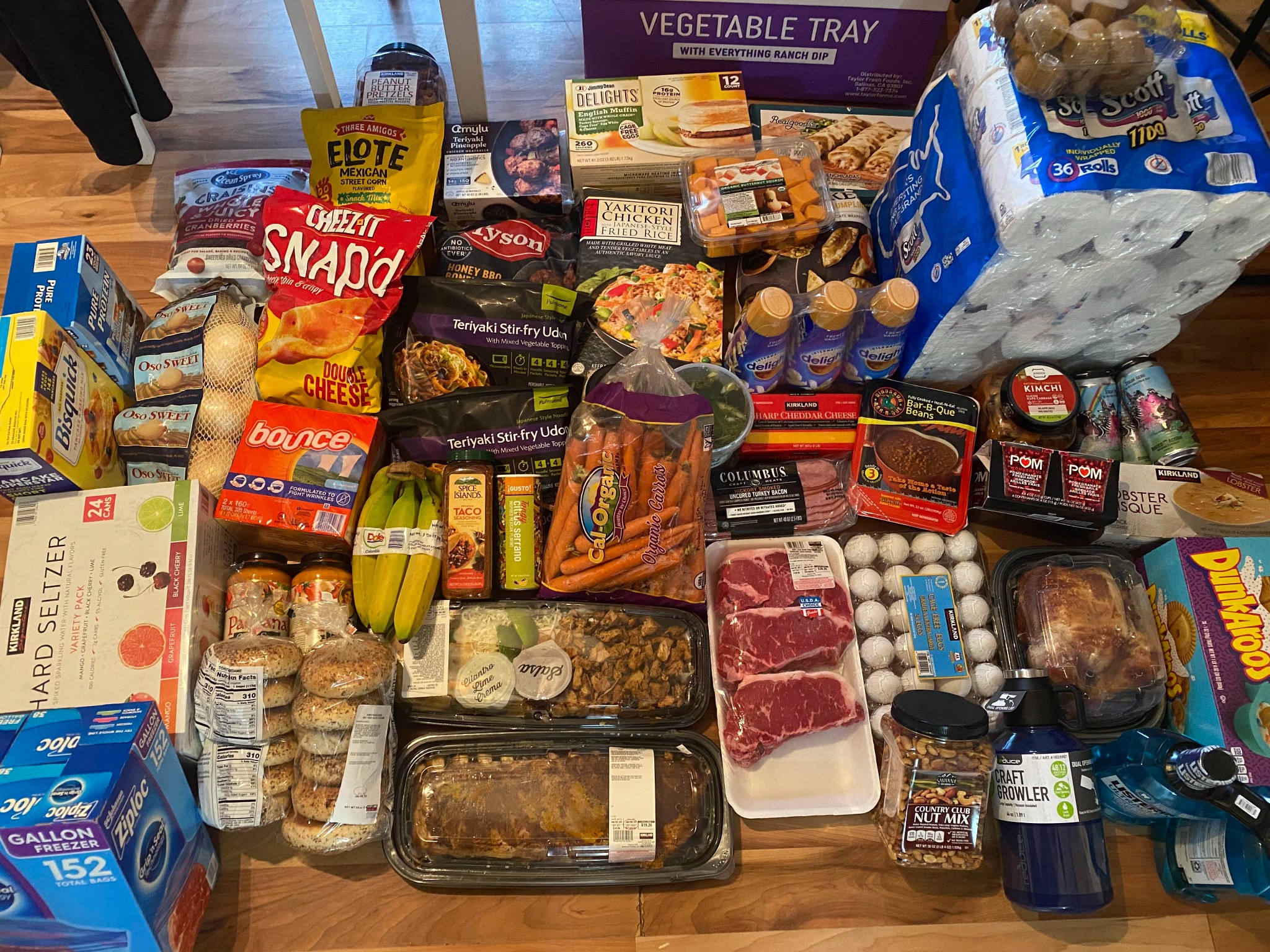
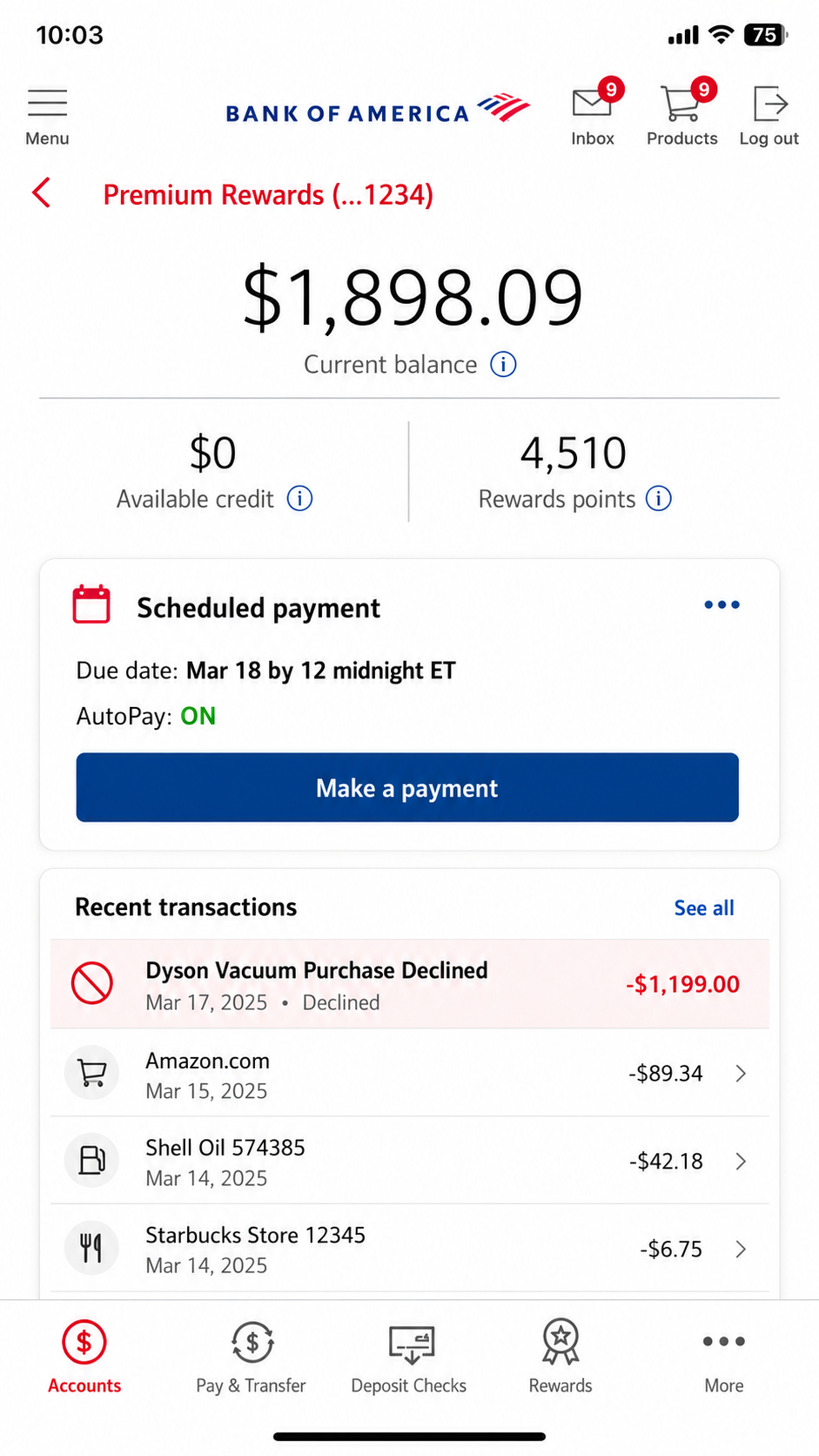
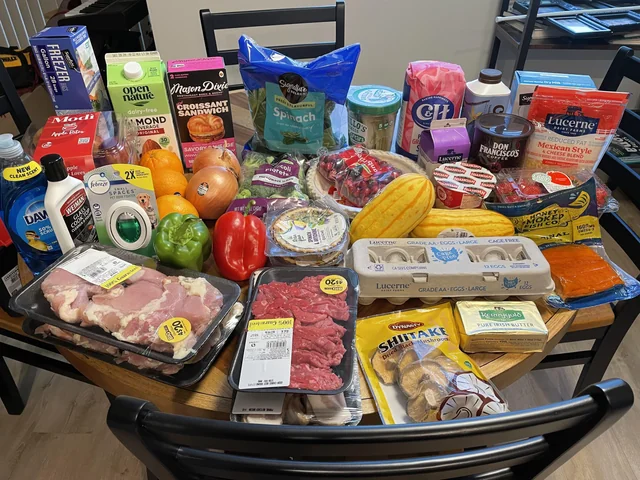
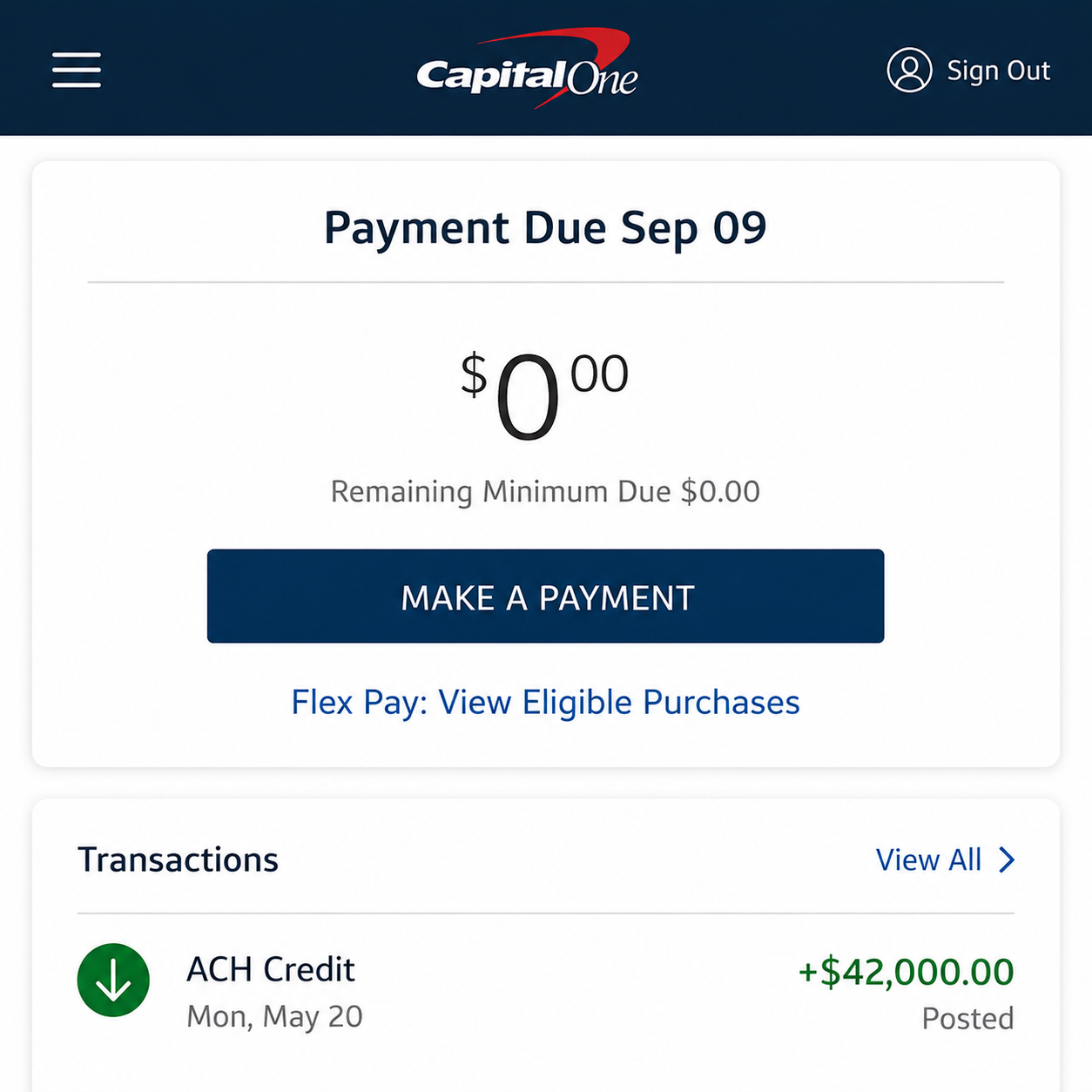
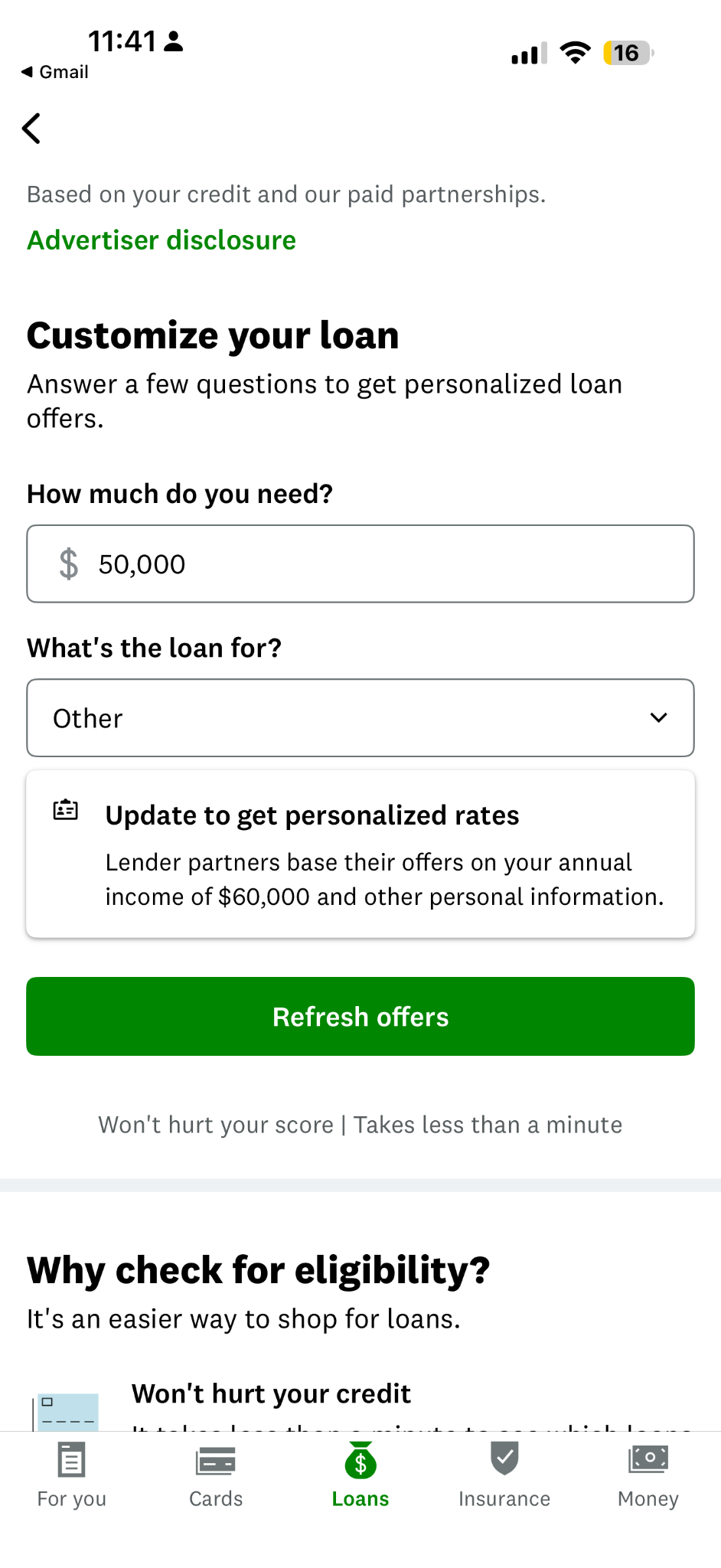
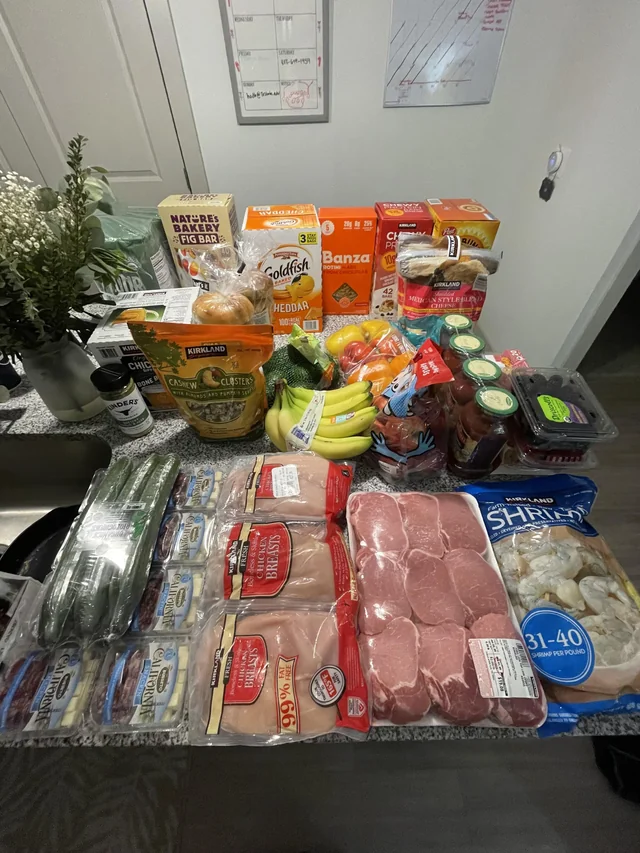
My wife and I hosted a backyard barbecue last Saturday for friends visiting from New York. I financed the burger meat through Afterpay. Six payments of $14.36 to feed people who told me, over their second beer, that they envied my life. I have $34,000 in debt across six credit cards, an Afterpay account, and a Klarna account I forgot I even had. That night I had wanted to scream into my own backyard. Instead I smiled and put more chicken on the grill. They said it was such a relief to see a couple who "had it together." The house. The kids. The job. The barbecue area. They had been crammed in a 600-square-foot apartment in Brooklyn for eleven years and they finally drove out to see us because they said they needed to see what real life looked like. I had bought the burger meat three hours before they arrived. The total was $86.18. I hit Afterpay at the checkout because every one of my credit cards was already maxed out and I did not want my wife to see another decline notification on her phone while she was getting our daughter dressed. That is the part nobody tells you about Afterpay. They make it feel responsible. "Pay over time. No interest if you pay on time." That is what the cashier app says. So you split the chicken thighs and the ground beef and the buns and the watermelon into four payments and you tell yourself it is the smart thing because no interest. You also forget you already split last week's grocery run. And the pediatrician copay. And the pull-ups in bulk from Target. By Saturday I had eleven active Afterpay charges and four Klarna charges I had not opened the app to look at in three months. After our friends went back to their hotel I sat in the kitchen alone at 11pm. My wife was upstairs putting our daughter back to bed. I had been avoiding this for almost a year. I knew the number was bad. I had not let myself look at the total. I opened every account and added them up. Main Visa from before we got married, $7,840 at 26.74% APR. Home Depot card from the year we bought the townhouse, $4,180 at 29.99% APR. Medical card from when my wife had the accident, $6,520 at 27.49% APR. Car repair card we opened after the body shop quoted us $3,000 cash, $2,340 at 30.99% APR. Costco store card we used for groceries the three months I was between jobs, $3,610 at 25.99% APR. Balance transfer card that was supposed to "save us," $5,890 at 28.99% APR. Afterpay across eleven open charges, $1,840. Klarna across whatever I had not been brave enough to open, $1,780. Total: $34,000. Minimum payments: $812 a month. $9,744 a year just to stand still. Then I did the math I had been avoiding for almost a year. I added up every interest charge and every late fee from the last four years. The number that came back was $21,360. Twenty-one thousand three hundred sixty dollars. Gone. That is the down payment on a bigger house. That is two years of preschool for our daughter. That is the second baby my wife and I have not let ourselves talk about because we know we cannot afford one right now. Handed to the credit card companies one $185 minimum payment at a time. And I still owed almost everything. Here is the part nobody tells you. I was not buying boats. I was not gambling. I was not even buying nice things for myself. Diapers. Groceries. Birthday gifts. A new water heater in October. The deductible after my wife's accident. The normal stuff a normal family needs to be normal. And every time I could not cover it, a piece of plastic or a "buy now pay later" button was right there saying "don't worry, we got you." Run the math on any single card. $6,500 at 28% APR with a $145 minimum payment. $151 of that goes to interest. Negative six dollars to principal — meaning every month the balance actually grows. Not because I missed a payment. Because the minimum is designed to be less than the interest accrues. That is how a $6,500 card on autopay can sit at $6,500 for eight years while you pay them $1,740 a year. That is not a loan. That is rent on a feeling. They engineered it. The 0% intro that resets to 29.99%. The minimum payment that's larger than the principal it pays. The "Pay in 4" buttons on every checkout page that quietly compound late fees of $7 each into another $87 every month if you miss them. The balance transfer card that "saves you" while charging you 3% just to move the debt sideways. The Costco card that gives you 2% cash back to lure you into spending money you do not have. The Klarna account that you forget about because the app does not send notifications until they are about to send you to collections. None of it is an accident. They built it that way on purpose because it works on people exactly like me. People who looked, from across a barbecue grill, like they had it together. I sat there at 11pm and I knew I could not carry this alone for another week. So I went upstairs. I sat on the edge of the bed and I told my wife everything. The Afterpay on the burger meat. The number — $34,000. The minimum payments. The interest I had paid. The fact that I had been hiding this from her for almost a year because I had not wanted her to know. She did not say anything for a long time. She did not yell. She did not cry. She just held my hand. Then she said, "I knew. Not the number. But I knew." We started calling banks the next morning. We sat at the kitchen table together with my laptop and our phones and we tried to do the obvious thing — get a consolidation loan from the same banks that had issued the cards we were trying to pay off. The bank that held my main Visa. The one we had been with for eleven years. Forty-five minutes on hold. Twenty more giving them my information. Decision in seven to ten business days. The bank that issued the Home Depot card. Same process. Different hold music. Different department. Same wait. Our credit union. The one where we have had our checking account for twenty-three years. The one with "you are part of our family" stickers on every counter. They asked us to come into a branch on a Wednesday at 10am — knowing we both work full-time — and then explained at that branch that based on our debt-to-income ratio, they could not approve a consolidation product at this time. Three more banks online. Two sent automated denials within forty-eight hours. The third never responded. Almost a week. Twelve calls. Seven applications. Five hard inquiries on each of our credit reports. The same banks that had given us $30,000 in available credit limits over four years. That had raised those limits unsolicited every twelve months without us ever asking. That had made thousands on our interest payments and our late fees and our balance transfer fees. Those exact banks looked at the same income and the same numbers and decided we were not "suitable candidates" for a loan to escape what they had helped build. Think about that. We were qualified enough to pay them 28% APR for four years. We were not qualified enough to be allowed to leave. That Saturday night my wife and I sat at the kitchen table again. I had a notepad with seven rejection letters and one unreturned voicemail on top of it. She had a cup of tea. Then she opened her laptop and typed something different. Not the name of another bank. Just "compare loans soft pull." The first result was not a bank. It was a comparison site. Not a single lender — a marketplace that puts your application in front of multiple lenders at the same time. Soft pull. No mother's maiden name. No "for verification." Four minutes. After five hard inquiries that had already cost us almost 30 points across both our credit reports, the words "soft pull" landed in my chest like air. It took about four minutes. Basic info. No interrogation. Instead of one bank deciding, it showed several options at once. Three offers came back. Two were bad. One actually made sense. $36,000 over 60 months. Fixed rate. One payment. $730 a month — eighty-two dollars less than the $812 we had been bleeding in minimums. After four years of climbing card APRs that reset every promo cycle, the new rate felt like a different planet. I took the loan that same night. Three days later the funds were in our checking account. Within a week I had paid off the six cards. I closed the Afterpay. I closed the Klarna. I kept two cards open for credit history. The silence after that is hard to describe. I had not realized how much background noise the eleven open Afterpay charges and the four Klarna accounts had been making in my head until they all went away. We are not rich now. I still drive the 2015 Subaru with 167,000 miles. We still live in the same townhouse with the same water heater I am pretty sure is going to die again this winter. But for the first time in four years I know exactly when this ends. May 2031. Sixty months. One payment instead of eight. One due date. One number. Last weekend my wife made burgers for our daughter. Same recipe. Same ground beef. Different total at the register because I paid for it in one transaction with money that was actually mine. She handed me the spatula and said, "We are okay now." Three words. That was the whole conversation. I called one of the New York friends a few weeks later. The one who had said he envied us. I told him the truth about the burger meat that Saturday. There was a long pause on the phone. Then he said, "I bought my kid's birthday cake on Affirm last month. Six payments. I did not tell my wife either." That is when I realized I had been part of a much bigger room than I knew. If you have got multiple cards open right now, plus a few of those "Pay in 4" tabs still sitting in your email, and some part of you is afraid to add it all up — I already know why. Because I did the exact same thing for a year. It takes about four minutes. Soft pull. It does not touch your score. You do not need permission. You do not need to walk into a bank with your hat in your hand. You do not need to keep financing burger meat in six payments to feed people who think you have it together. Worst case, nothing changes. Best case, you stop scrolling Afterpay before checkout and you finally start paying for your own life.
Our Friends Said They Envied Us
SEE DETAILSLike this ad? Make it yours.
Crush rebuilds this exact creative around your product — your brand, your colors, your offer — in about a minute.