
Active· since Feb 16, 2026
- 207
- days running
- 0
- relaunches
Ad copy
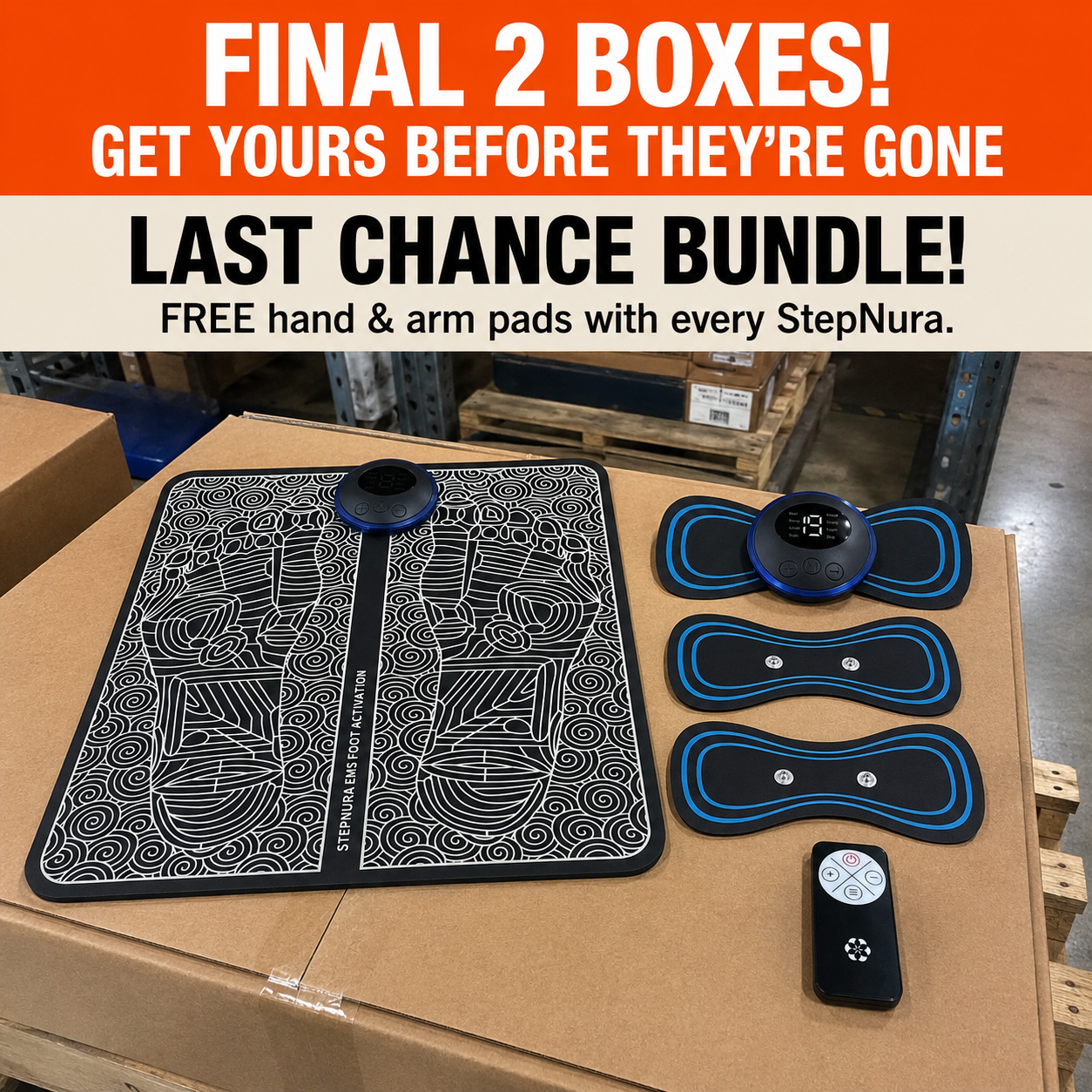
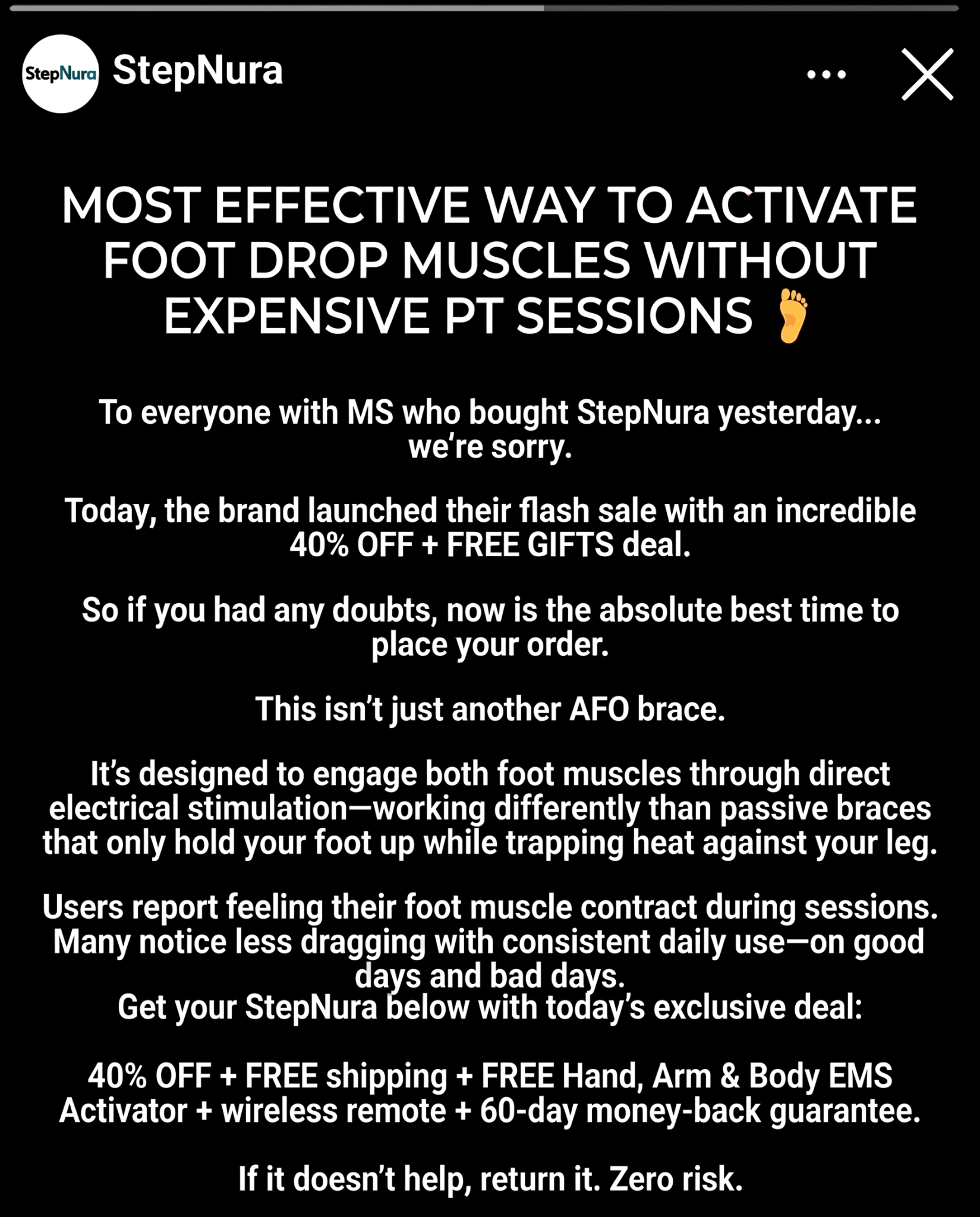
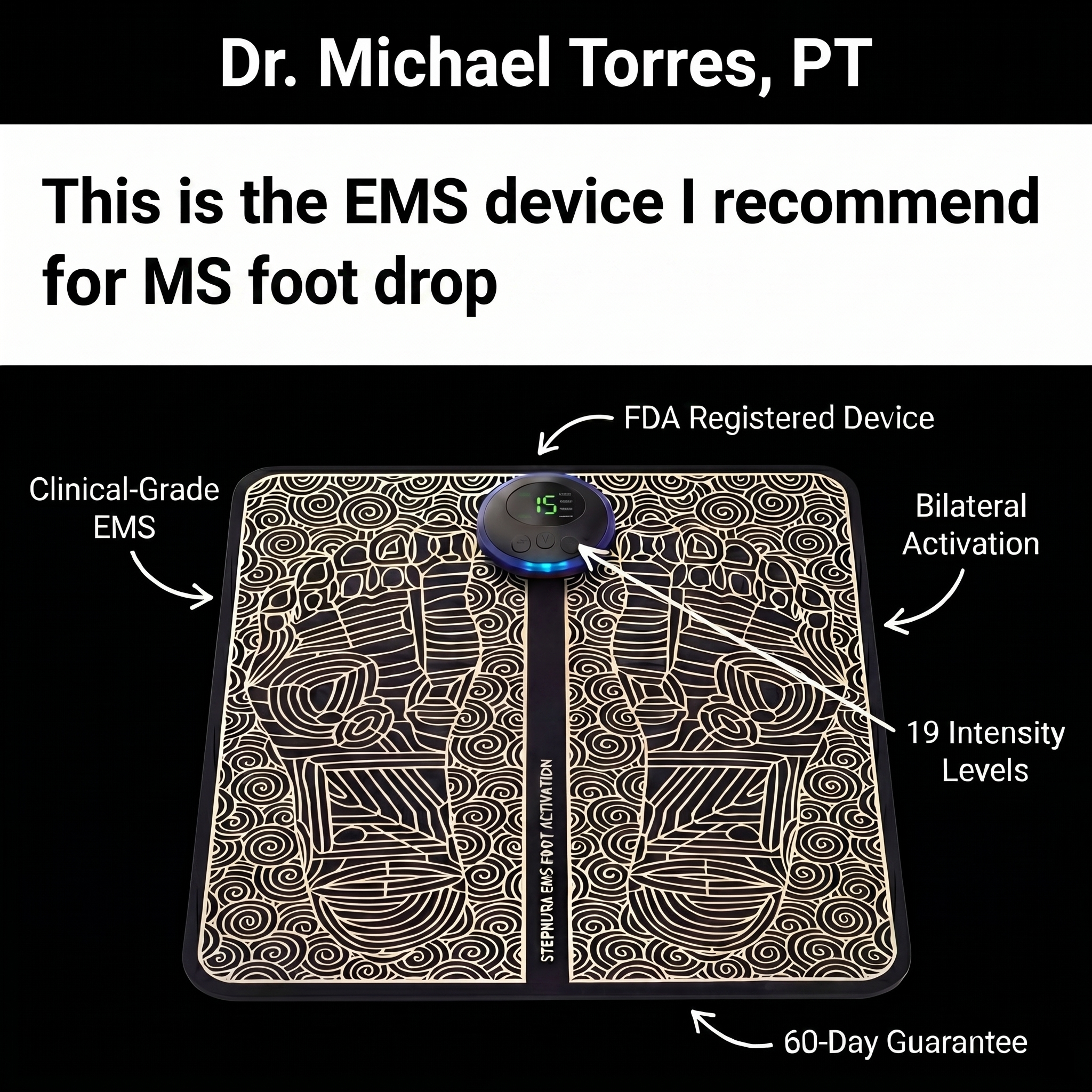
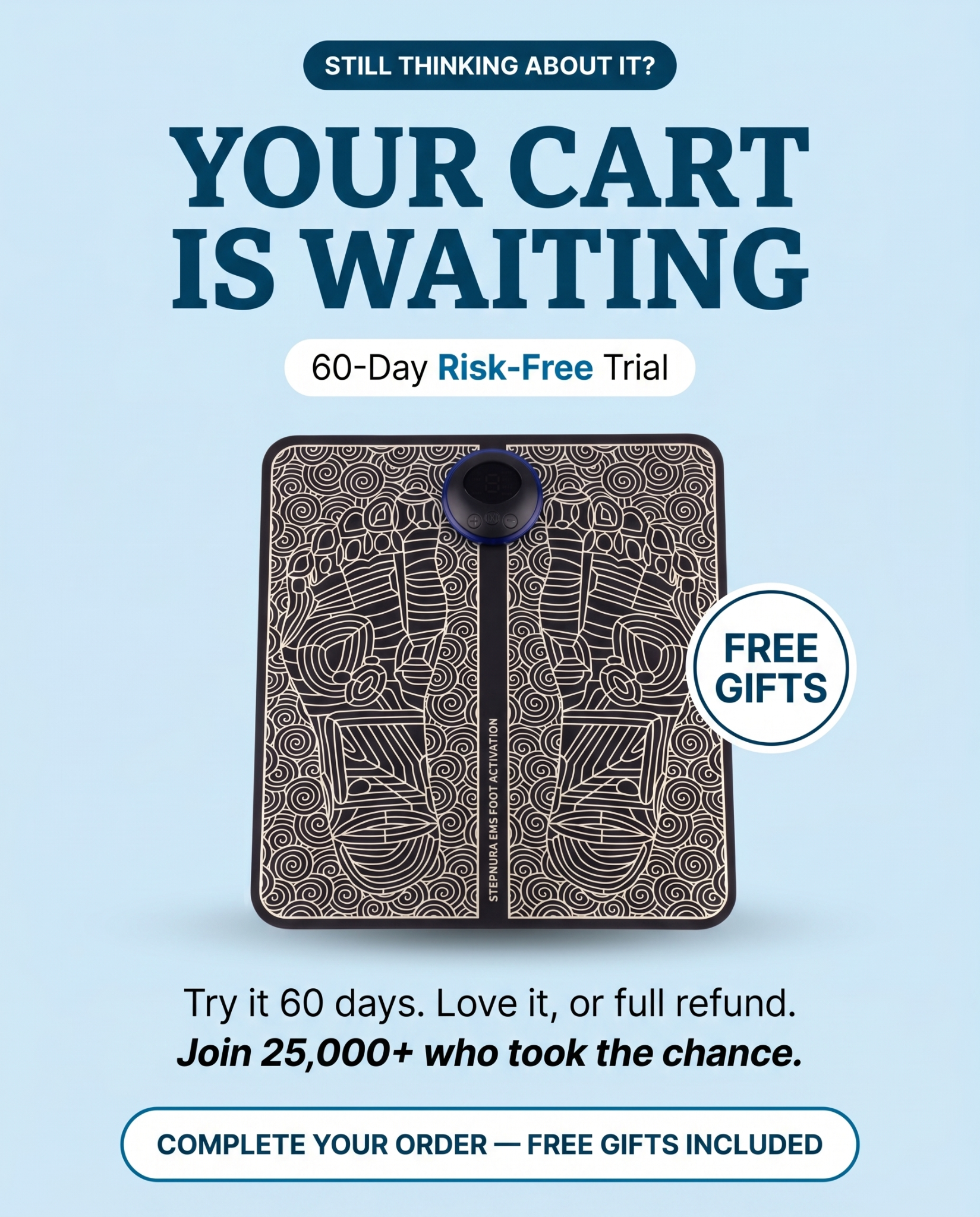
IF YOU WANT TO WALK INDEPENDENTLY AFTER STROKE, WATCH OUT FOR THESE 7 SIGNS 🚨 Your foot drags like dead weight when you walk. You hold onto walls and furniture just to stay steady. Stairs terrify you more than anything. You shuffle constantly to avoid tripping. Your toe catches on rugs and thresholds out of nowhere. You wake up anxious about walking that day. You avoid going places because you're scared of falling. You might go to your doctor and ask why your foot won't respond. And what do they say? "This is as good as it gets after stroke." But that's not the truth. 👉 The truth is, your foot muscle isn't dead.. Your nerve pathway is just blocked. But most stroke survivors tragically ignore these signals until one day they realize they've lost even more mobility and independence. Now, I'm a rehabilitation specialist, I work with stroke survivors in a neurological recovery center and I've helped my clients find technologies that are going to actually help their foot respond. And I see this all the time. These symptoms aren't just "permanent stroke damage" - they're actually warning signs your foot muscle is starving for the nerve signal it can't receive anymore. Most of the people I help are stroke survivors in their 60s and 70s, juggling recovery, family support, and endless frustration with plateaued progress. That damaged nerve pathway prevents signals from reaching your foot… But that's not the main cause for your foot staying dormant. After a stroke, your nerve pathway from brain to foot becomes blocked - the electrical signal that normally tells your muscle to contract simply can't get through anymore. Signals like the command to lift your foot, maintain balance, or respond when you're about to trip. Without these nerve signals, your foot muscle stays in a constant state of dormancy - the muscle atrophies from lack of activation, fear builds up, and your confidence never fully returns. And combine that with the physical therapy system here in America, where standard PT protocols rely completely on your nerve pathway working properly. That exercise your PT gave you? It only works if the nerve signal can reach your foot muscle. You'd need your damaged nerve to magically repair itself for those exercises to have the effect they're designed to create. Most people don't even realize it's the blocked nerve pathway causing BOTH the foot dragging AND the constant fear of falling. Maybe you've told your doctors about these symptoms, but they will never tell you that there's a way to bypass the damaged nerve completely, because keeping you dependent on braces and ongoing PT appointments makes them billions of dollars. I personally use a couple of different approaches myself to help stroke survivors, and I recommend my clients implement these nerve bypass strategies. But the one thing that makes the biggest difference is a simple technology I've been recommending for years to stroke survivors who come to me at 60, 70 years old exhausted from shuffling, terrified of stairs, and frustrated that nothing's working. And three weeks later, they always come back telling me their foot is responding better. Their faces have changed, they're walking with more confidence, they're not shuffling constantly anymore, and they can move without that constant fear of falling. This technology is called EMS - Electrical Muscle Stimulation. And every time I mention it to stroke survivors, I get the look. Wide eyes. Raised eyebrows. That "You mean those electrode pad things?" face. And honestly? I get it. It sounds too simple. But I've recommended it to stroke survivors for over 12 years. And I've seen it help thousands of people with foot drop. Why? Because it bypasses your damaged nerve pathway completely and sends electrical signals directly to your dormant foot muscle. It provides your foot muscle with the exact activation it needs when your damaged nerves can't send the signal - forcing the muscle to contract, which helps maintain muscle tone and supports better foot response. Direct electrical stimulation activates your muscle when nerves can't. 19 intensity levels penetrate through reduced post-stroke sensation. Bilateral activation works both feet to support balance and prevent overcompensation. And consistent daily muscle contraction helps maintain the muscle-nerve connection instead of letting atrophy progress. Together, this technology creates what I call a Nerve Bypass Effect - helping your foot muscle contract when your damaged pathway can't send the signal, maintain tone instead of wasting away, and gradually respond better with consistent daily use. I've said all along, I don't think there's such a thing as a single device that fixes foot drop completely. But EMS comes pretty close - because it actually delivers the direct muscle activation your foot desperately needs when your nerve pathway is blocked. Just one 15-minute session of this technology every morning could help you: ✨ Reduce foot dragging and shuffling naturally ✨ Walk stairs with less fear and better control ✨ Move through your home without holding walls ✨ Lift your foot more naturally when walking ✨ Stop that constant anxiety about falling ✨ Maintain muscle tone and prevent atrophy ✨ Practice daily activation at home ✨ Support independence without total brace dependence It's safe. It's powerful. And when used consistently, many stroke survivors report improvement. No surgery. No harsh interventions. Just direct muscle stimulation when your nerves can't do it. But before you go buy any EMS device for foot drop, you need to be careful because most foot massagers on the market are complete garbage for stroke survivors. They sell weak generic devices with "massage modes" that barely tickle the surface, bulk them up with relaxation settings that don't target the specific muscles affected by stroke, and use such low intensity that they can't penetrate post-stroke reduced sensation. So you're basically getting a foot warmer, not muscle activation. And I saw my stroke survivor clients wasting money on devices that didn't deliver. For EMS to actually help foot drop after stroke, it has to be: Powerful enough to penetrate reduced sensation and actually contract dormant muscle tissue. Using bilateral activation - both feet simultaneously, because even your "good" foot is overcompensating and getting weaker. Targeting the right muscles - specific placement for foot lift, not just general leg massage. 19 intensity levels minimum - stroke survivors need stronger stimulation to break through reduced sensation. Easy to use at home daily - consistency is what helps maintain muscle tone when nerves can't. I've looked at dozens of devices trying to find one I could trust for my stroke survivor clients. I tried so many with my patients - some were too weak to feel anything, others targeted wrong muscle groups and did absolutely nothing for foot lift. Then a colleague at my recovery center who specializes in stroke rehabilitation recommended a small company called StepNura. I was skeptical at first, but when I looked into how they designed it specifically for stroke survivors with foot drop, I realized this was different. It checked every single box I needed. StepNura's device contains: ✨ 19 intensity levels (strong enough to break through post-stroke reduced sensation and actually contract dormant muscle) ✨ Bilateral activation (works both feet simultaneously - supporting balance and preventing overcompensation) ✨ Direct muscle targeting (sends impulses exactly where stroke survivors need them for foot lift) ✨ 15-minute daily sessions (consistency is what helps maintain tone when nerves can't signal) ✨ Easy to use at home while sitting (no clinic visits, no appointments, just daily activation) I recommend it to nearly every stroke survivor I work with who has foot drop. It's become a daily ritual. Sit. Place feet. Press start. Repeat. 💪 If you read the thousands of reviews from stroke survivors, you'll see why people with foot drop only trust this specific device. This little device changed their walking confidence and it could change yours too. Most people buy it at regular price, but right now they're doing a special promotion where you can get 40% off plus free bonus massage pads for a limited time. And here's the best part: 60-day money-back guarantee. If your foot doesn't respond better after consistent daily use, you get every penny back. Zero risk. The only problem is that demand from stroke survivors is high, so stock moves quickly. So I want to apologize because if you click the link below, they might be running low on inventory. But I suggest you click the button so you can see for yourself if they have anything left. So if you want to help your foot muscle respond, reduce dragging, and walk with confidence again, I'd act quickly before this promotion ends. 👉 https://stepnura.com/pages/stepnura2 "I had a stroke survivor who couldn't walk without holding furniture, experienced constant fear of falling, had terrible foot dragging, and was completely dependent on his AFO brace every single day. He'd tried everything - months of PT that plateaued, expensive brace adjustments, even gave up on ever walking normally again. After 3 weeks using StepNura daily, he called amazed. His foot was responding better, his dragging had reduced significantly, and he walked to his mailbox without his walker for the first time since his stroke. The direct muscle activation had bypassed his damaged nerve pathway and given his foot exactly what it needed when his nerves couldn't." Why Most Doctors Never Connect Nerve Damage to Foot Drop Recovery Potential: Because they treat foot drop as permanent muscle weakness that can't improve. But when your nerve pathway is blocked after stroke, it means your foot muscle simply isn't receiving the activation signal anymore. Blocked pathway means your muscle doesn't get the electrical impulses it needs to contract and maintain tone. EMS technology's direct electrical stimulation bypasses your damaged nerve pathway - sending activation signals straight to your muscle tissue, helping maintain tone and supporting better response. When your muscle receives daily activation and tone is maintained instead of wasting away, you get: Reduced foot dragging and shuffling Less fear when facing stairs Better foot lift during walking More confidence in every step Maintained muscle tone instead of atrophy Improved balance and stability It's not just masking symptoms like AFO braces do. It's activating the dormant muscle when your damaged nerves can't send the signal. Ready to help your foot respond better and walk with confidence? 👉 https://stepnura.com/pages/stepnura2
Unlock Your Foot's Full Potential
⭐ Trusted by 25,500+ users | Limited Stock | Free Gifts Included
LEARN MORELike this ad? Make it yours.
Crush rebuilds this exact creative around your product — your brand, your colors, your offer — in about a minute.