Uproot Clean
Uproot Clean Facebook ad: “I Clean 20 Homes a Week. Pet Carpets Are Never Clean”
Ran for 4 days, from April 27 to May 1, 2026, the last day Crush saw it.
Run by Uproot Clean on Facebook. Crush is not the advertiser and does not verify its claims. See this ad in Meta's Ad Library(opens in a new tab)
Want an ad like this for your product?
Crush makes new ad images for your product from this ad: your logo, your product photo, your offer.
Trials from $19.95 USD, then $79.95 USD a month. Cancel anytime.
About this ad
- Meta Ad Library ID
- 2479379935910363
- Platforms
- Facebook, Instagram, Messenger and Threads
- Relaunches
- 2
- Niche
- Pets
Ad text
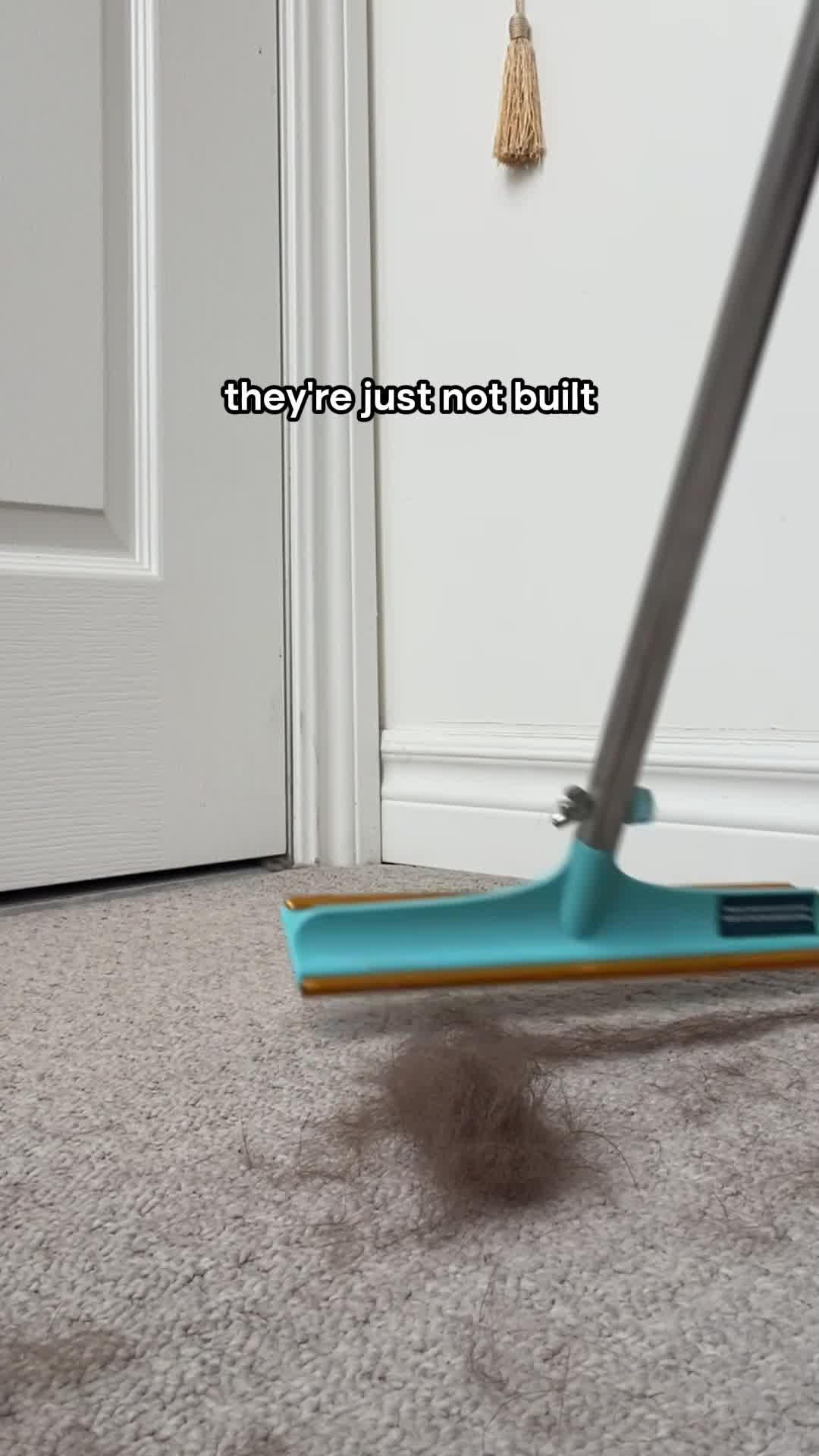
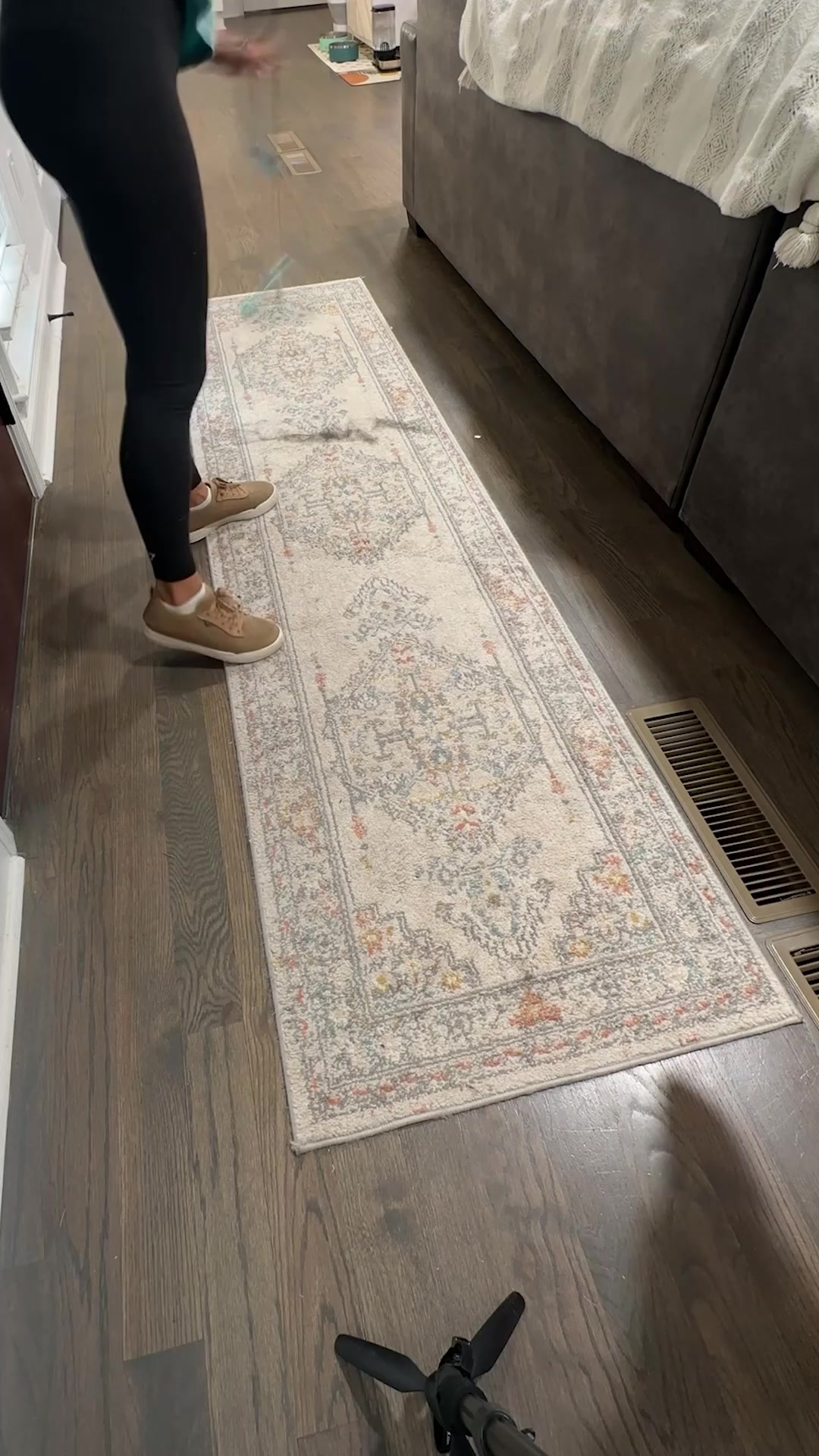
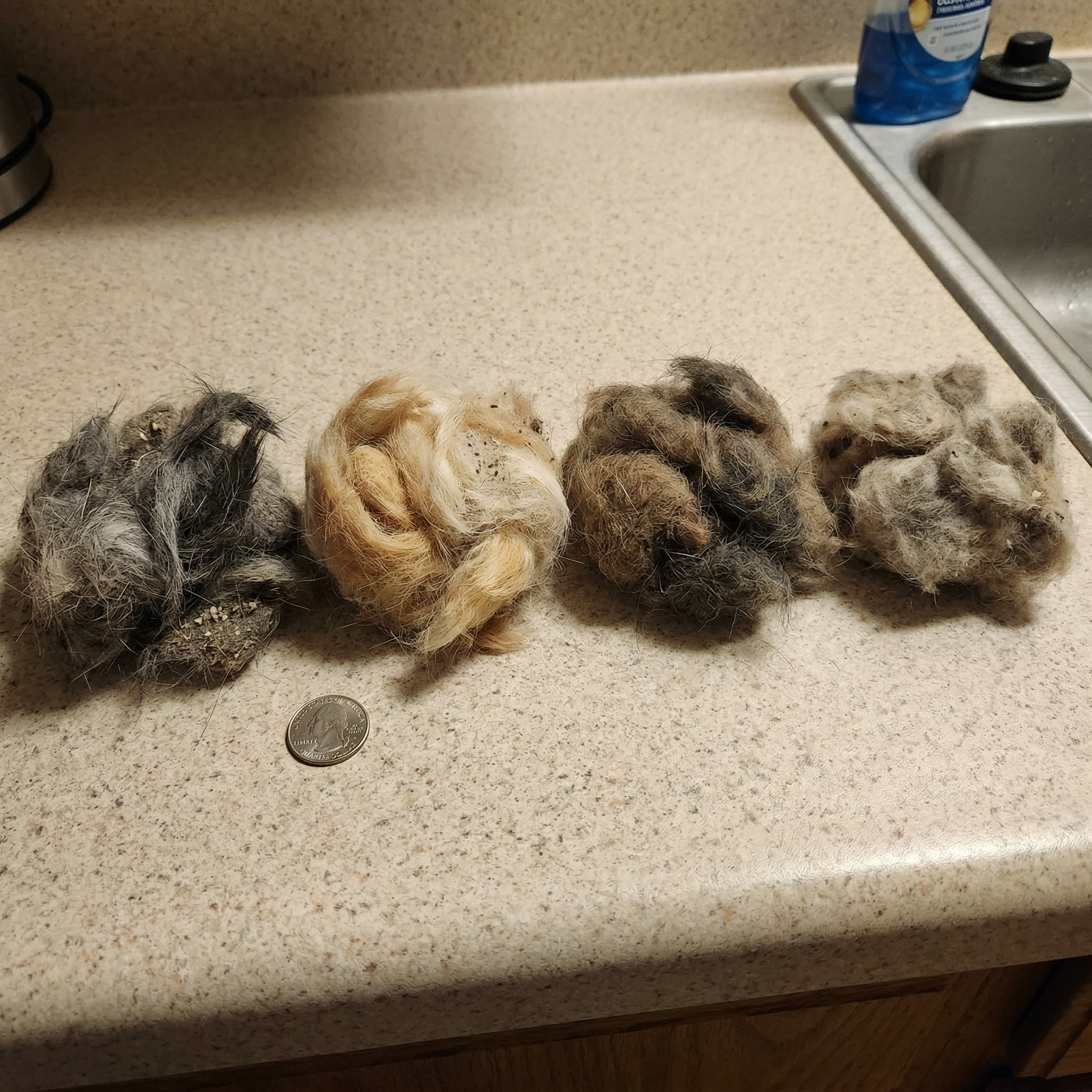
I clean houses for a living, about a third of my clients have dogs, and every single one of those homes has the same problem hiding in their carpet that the homeowner has no idea about. I've known about it for years - and every cleaner who works pet households knows. We talk about it amongst ourselves. But we don't say anything to clients because it's not our place. I'm saying something now. Because last week, I watched a 14-month-old crawl face-down across a carpet I'd just spent 45 minutes cleaning, and I couldn't keep quiet anymore. My name is Maria. I've been cleaning houses on my own for 11 years, and roughly a third of my clients have dogs. Labs, goldens, huskies, shepherds, doodles that shed way more than the breeder promised. I love dogs - I have a lab mix at home myself. My kids grew up wrestling with him on the living room floor every night after dinner. So I'm never going to be the person who blames the pet for anything. What I want to tell you about is something I've been noticing in your carpets for a very long time, and I kept it to myself because it felt like it wasn't my place to say anything. When I clean a home that has a dog, the carpet feels different under my hands and knees. There's a gritty, matted layer packed into the base of the fibers, almost like a thin sheet of compressed fur and dust sitting right above the carpet backing, and I can feel it with my fingertips every single time. I've gone over these carpets twice with commercial equipment that most homeowners have never even seen, and that layer stays. The hair has basically woven itself into the fibers sideways over months and years, interlocked at the root, and every vacuum I've ever used pulls straight up with suction. It's the wrong direction for the wrong problem, and I've known that in my gut for a long time before I had the words to explain why. My friend Diane, who's been cleaning houses even longer than me, told me years ago that she gave up trying to get the deep layer out of pet carpets. She just makes the surface look good and moves on. I've been doing the same thing for over a decade now. Making it look clean, which I can tell you from years of doing this with my hands three inches from the fibers, is a very different thing from it actually being clean. The moment that changed things for me happened about a month ago at one of my regular clients' homes. Beautiful family, a golden retriever named Bauer, and a toddler, maybe 14 months old. The mom vacuums almost every day between my visits - she really does care about keeping that house right for her kids. I had just spent 45 minutes on the living room carpet, and I felt good about it. It honestly looked great. Then the baby crawled out from behind the baby gate, face down on those fibers, mouth maybe three inches from the carpet, little hands grabbing at everything, and I just stood there watching her, thinking… “That carpet is not clean.” I can feel what's packed into the base of those fibers every time I'm down on my knees in this room - and that baby's face is right in it. I smiled, said goodbye, and drove to my next job. But that night I went home, and for the first time in 11 years of cleaning houses, I actually sat down and looked up what's living inside embedded pet hair in carpet fibers. I spent about 30 minutes reading, and it confirmed everything I'd been feeling under my hands but couldn't quite put into words. Pet dander, which is microscopic flakes of dead skin that trigger allergic reactions in kids and adults. Mold spores growing in the moist, packed-down hair layers near the carpet backing. And I read that carpet can hold several times more bacteria per square inch than a toilet seat. Dust mite waste, because the mites feed on the dander trapped in the fibers, and it's actually their waste that causes the severe allergic reactions. All of it sitting there, compounding, in a layer that I have been leaving behind in every pet home I've cleaned for 11 years. Then I found the part that made me feel genuinely sick about my own work. The American Lung Association says that vacuuming can actually launch these embedded particles into the air instead of removing them. So every time my clients vacuum their carpets, thinking they're keeping the house safe for their kids, they could be stirring up the allergens and sending them airborne, right into the air the family breathes, while the embedded source underneath stays exactly where it is. I thought about all the clients over the years who've mentioned their kids having seasonal allergies that never seem to go away, the stuffy noses in July, the little coughs that linger through the fall. And I'm wondering now how many of those families have kids crawling and playing on carpets where this buildup has been compounding quietly for years, and nobody, not me, not the vacuum company that charged them $389 for a machine with "pet" written on the label, ever thought to mention what was actually hiding at the base of those fibers. Here's what I now understand about why none of our tools work on this, and I say "our" because I mean my professional equipment too. Pet hair has barbed, scaled shafts that interlock with carpet fibers horizontally - they grip the fiber at the root level and weave in sideways. Every vacuum ever made pulls vertically with suction. The "pet vacuum" label that Dyson, Shark, and Bissell charge extra for is the same suction mechanism in a different colored box. The engineering never actually changed. For centuries, people cleaned rugs by physically beating them and raking them, grip and pull, and it worked because it reached the embedded layer through direct mechanical contact. When wall-to-wall carpet became standard after World War II, you couldn't take it outside and beat it anymore, so the industry shifted to suction because it was convenient. The method that actually worked on embedded hair was just quietly forgotten. I found a tool called the Uproot Clean Pet Hair Remover through a cleaning forum online, and I almost didn't order it because I've wasted money on so many gadgets and attachments over the years that I'd stopped getting my hopes up. But the way it works matched everything I'd just learned. It’s a precision-engineered metal teeth that grip hair at the fiber level and physically pull it out, the same principle as the old carpet beaters, just in a handheld tool you can use on wall-to-wall carpet without ripping anything up. I tried it on my own carpet first, a section I had vacuumed that same morning before work. The pile of hair and grayish debris that came up was embarrassing. I clean houses for a living, and my own carpet had that exact same compressed layer I'd been feeling in my clients' homes for years. The carpet underneath looked brighter, like the original color had been hiding under a film I couldn't see from standing height, but was obvious now that it was gone. There's an article that lays out everything I've been telling you about, the research on what's living in that embedded layer, why suction fundamentally can't reach it, and how physical extraction actually solves the problem at the fiber level. Read the full article here: https://uprootclean.com/products/uproot-lint-pro They also have a 60-day money-back guarantee, so if you try the tool and it doesn't pull up what I've been describing, you send it back. But I've used it across hundreds of square feet of pet carpet at this point, mine and my clients', and every single time the extraction pile tells the same story I've been feeling under my hands for 11 years
Where the ad sends people
uprootclean.com
I Clean 20 Homes a Week. Pet Carpets Are Never Clean
Discover the Uproot Cleaner Pro™, the #1 rated lint and pet hair remover. Use it to easily clean lint, pet fur and more from clothes, upholstery and more.
Shop now: uprootclean.com(opens in a new tab)