Nutrition Stories Robert Kellerman
Nutrition Stories Robert Kellerman Facebook ad: “Here is what NOT to do for your BP”
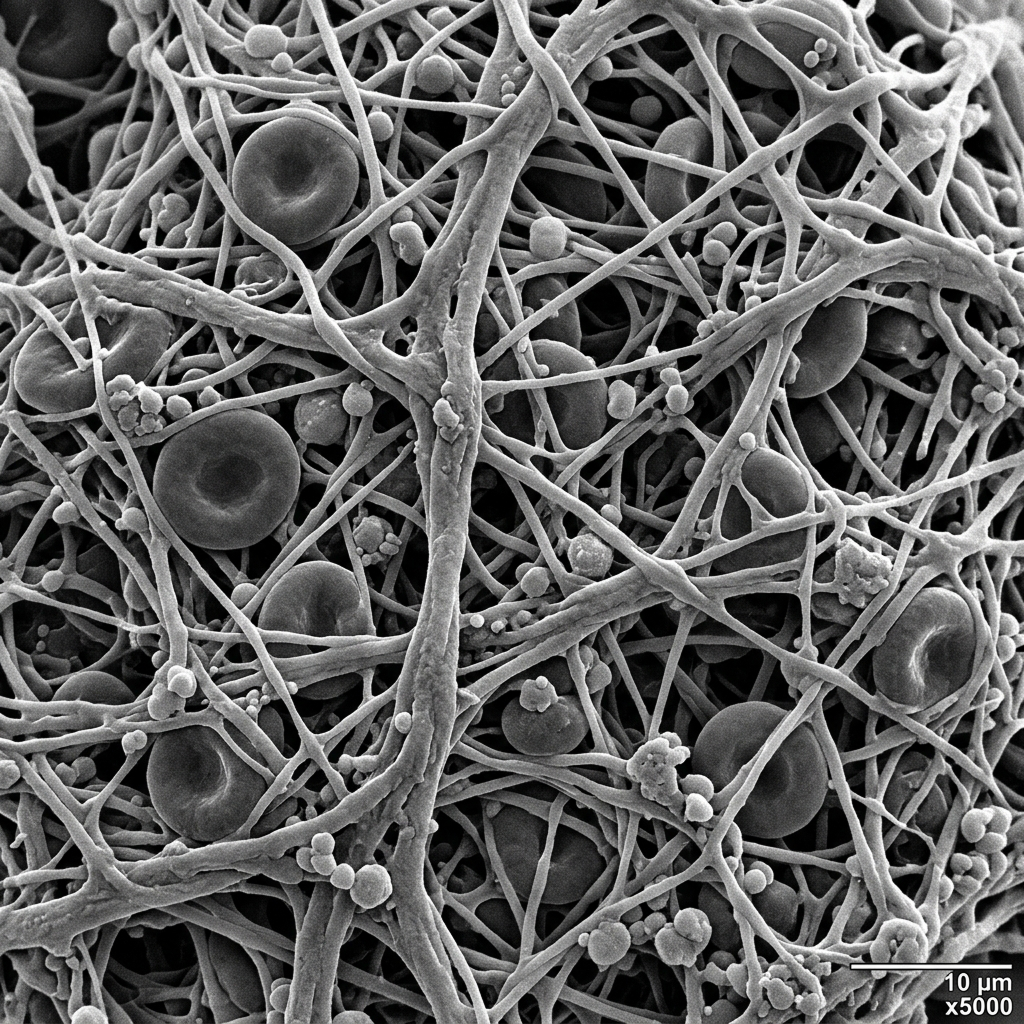
Ran for 10 days, from August 6 to August 16, 2026, the last day Crush saw it.
Run by Nutrition Stories Robert Kellerman on Facebook. Crush is not the advertiser and does not verify its claims. See this ad in Meta's Ad Library(opens in a new tab)
Want an ad like this for your product?
Crush makes new ad images for your product from this ad: your logo, your product photo, your offer.
Trials from $19.95 USD, then $79.95 USD a month. Cancel anytime.
About this ad
- Meta Ad Library ID
- 2483833225422494
- Platforms
- Facebook, Instagram, Audience Network, Messenger and Threads
- Relaunches
- 0
Ad text
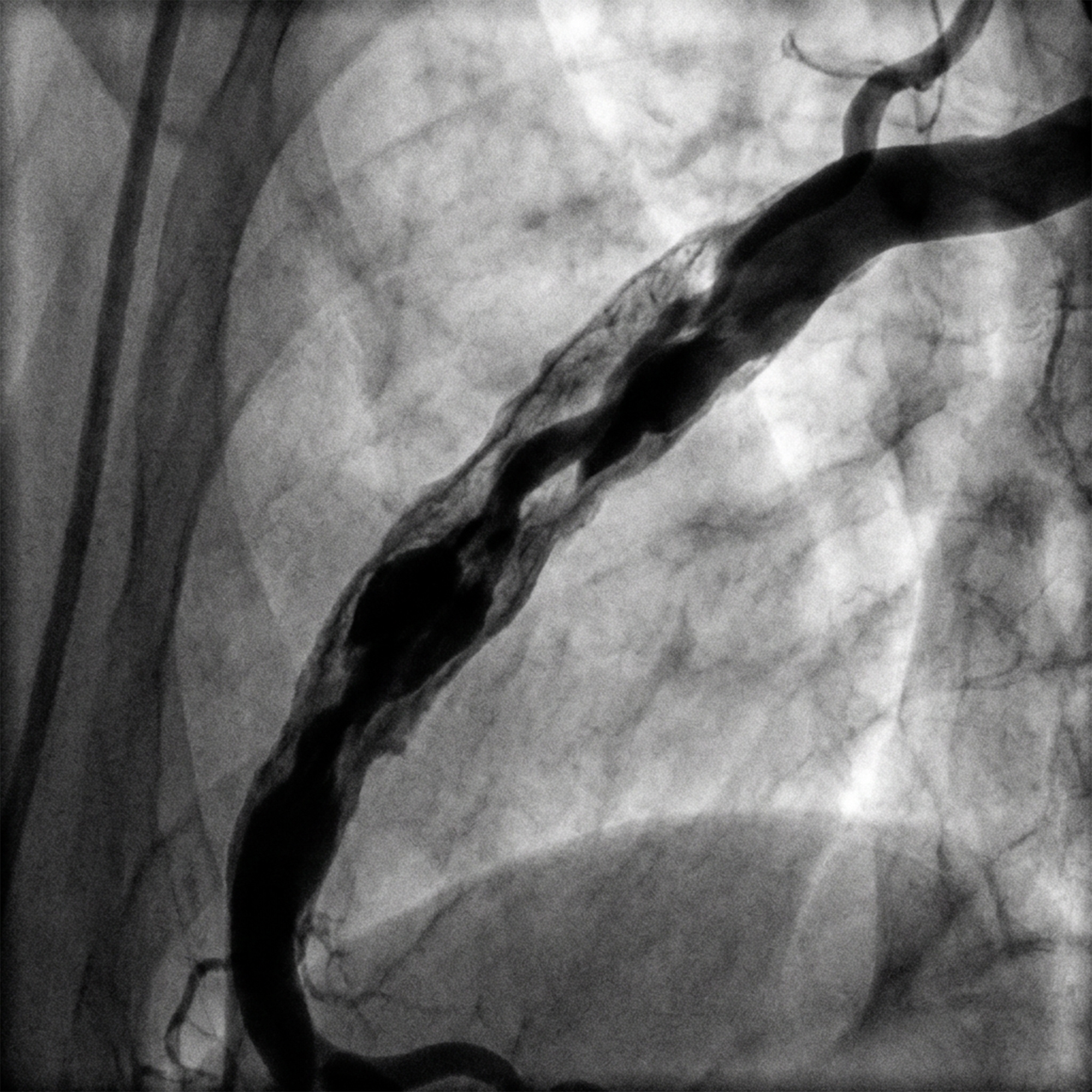
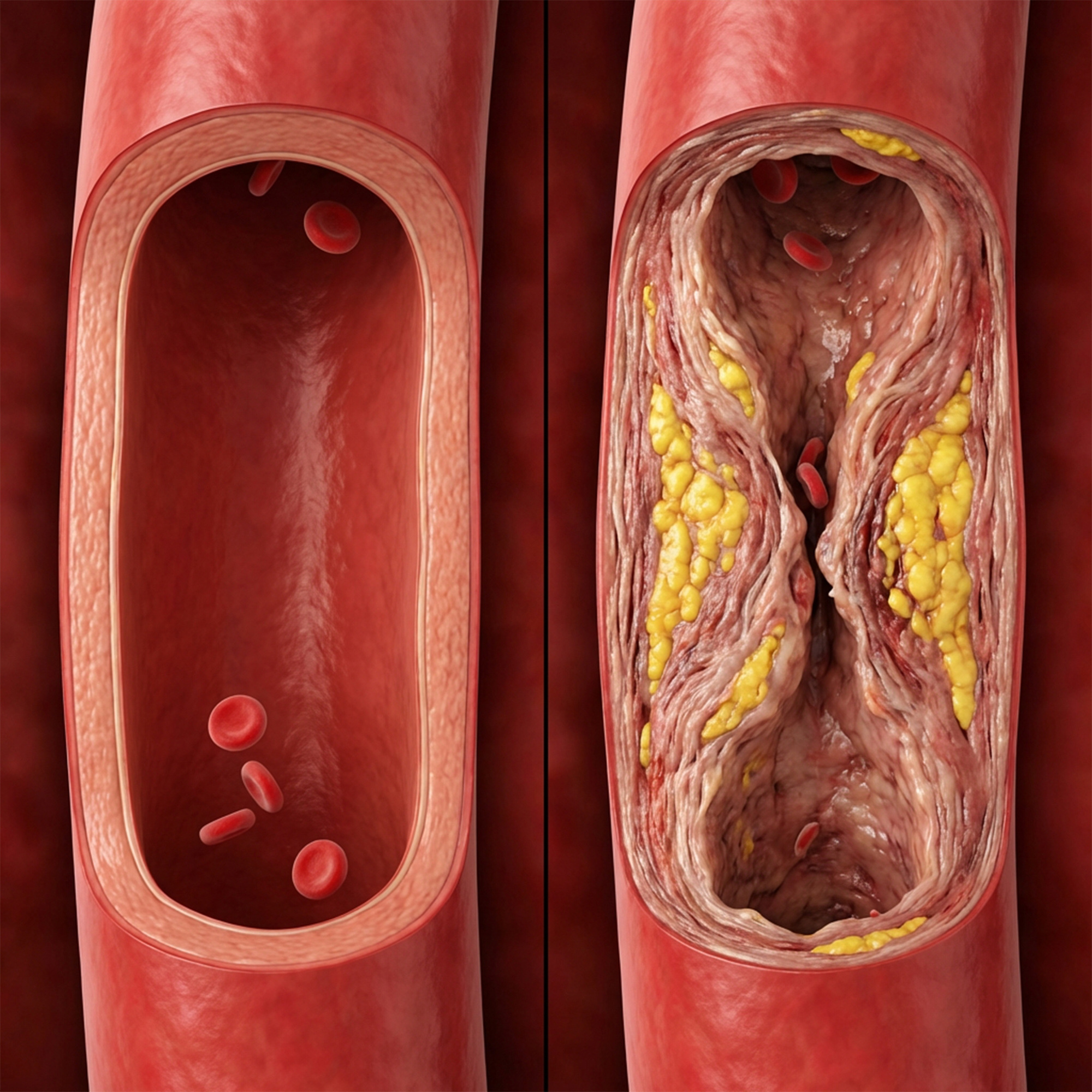
The best way to protect your heart is NOT cutting salt, NOT just watching your LDL number drop on a chart, and definitely NOT waiting for a cardiac event to tell you something's wrong. If your doctor has called your blood pressure "controlled" or your cholesterol "improving" while you still feel off, you need to hear this. What they don't tell you is what comes next. I've spent eleven years working with people managing their numbers, sitting with patient after patient in the days right after their world changed. And I used to ask every new one the same thing. How long has your blood pressure been controlled? How long has your doctor been calling your cholesterol improving? After hundreds of patients and the same answer every single time, I stopped asking. It was always years. Always a number that looked fine on paper. Always someone who'd been told to cut salt, take the pill, and come back in six months. The beds in that unit aren't full of people who ignored their heart. They're full of people who trusted the wrong number. I'm telling you this now because last month I sat in my own doctor's office and heard my own numbers read back to me in that same familiar tone. "A little high, but we'll keep an eye on it." I've heard those exact words come out of doctors' mouths before, in charts belonging to patients I later admitted. I felt something I hadn't felt in eleven years around that unit. Not for a patient. For myself. Let me tell you what that world actually looks like, if you've never seen it up close. The ambulance bay doors swinging open. The rush to the cath lab. A stent placed, or worse, a bypass and a chest full of stitches. Then the medication stack for the rest of your life, the fear of the next one sitting quietly under every good day that follows. I've watched a man in his sixties flinch at a single flight of stairs, because the last time his chest tightened on stairs, he ended up on a table. I've watched the side effects pile on top of the fear. The muscle pain and fatigue from the statin that never quite goes away. The dizziness from a blood pressure medication dosed a little too aggressively. The constant low hum of "is this the pill or is this my heart" that never fully lets a person relax again. Some patients tell me they've started keeping a little notebook of symptoms just to figure out which pill is causing what, because at a certain point nobody can tell anymore. I've watched spouses change their whole lives around the fear. Watched grandchildren get handled carefully, kept quiet, told not to jump on Grandpa anymore. Watched people go from the ones who used to lead the family hikes to the ones who sit in the shade and watch everyone else, holding a water bottle they're not sure they're even allowed to drink from anymore because someone mentioned sodium content once and it stuck. One patient, a woman named Carol, 66, three weeks after her stent, told me something I still think about. She said, "I did everything they told me. I don't understand how I still ended up here." I hear a version of that sentence more than I'd like to admit. So here's the trap most people are stuck in. Two paths. Both lead to the same place. Path one. Follow doctor's orders. Take the statin, deal with the fatigue and the muscle aches that come with it. Take the blood pressure pill, deal with the dizziness or the swelling in your ankles that nobody warned you about. Watch your numbers "improve" on the lab report every six months while you still get that same pounding in your chest walking up your own stairs. Path two. Do nothing. Ignore the cold hands at night. Ignore the afternoon headaches. Ignore the fatigue that doesn't quite make sense for how much you're sleeping. Wait for a number bad enough that someone finally acts with urgency. Most people over 50 tragically wait until the numbers force action instead of asking what the numbers are actually hiding underneath them. Because here's what nobody sits down and explains to you. Your blood pressure and your cholesterol are not two separate problems being separately managed by two separate pills. They are two symptoms of the exact same thing happening inside your artery walls. I started asking a different question about my own numbers. Not how do I bring these down. But why is my artery narrowing in the first place. Here's the mechanism, laid out the way it was finally explained to me, piece by piece, until it stopped sounding like two unrelated lab values and started sounding like one continuous process. Think of the inside of your artery like a pipe. Years of inflammation, stress, and aging cause tiny scrapes and damage along the inner lining, the way sand scrapes the inside of a hose over time, small and invisible at first, the kind of damage that never shows up on a standard blood panel because nobody's measuring the wall of the pipe itself. Your LDL cholesterol, the exact number your doctor keeps trying to lower, rushes to that damaged spot along with cellular debris, the same way dirt sticks to a wet surface. It's not floating harmlessly in your bloodstream the way the lab report makes it sound. It's actively collecting at the site of the damage. Your body tries to patch that damage the way it patches a cut, using a protein called fibrin. In a small cut on your skin, that's exactly what you want, a clean patch that seals and heals. But inside an artery, instead of healing cleanly, that fibrin hardens around the trapped cholesterol like cement. That hardened mixture is plaque. As plaque builds year after year, it physically narrows the space inside the artery. Blood flow slows. Your heart has to push harder to force blood through a smaller opening. That is why your blood pressure climbs. It is not a separate condition happening alongside your cholesterol. It is the exact same buildup, showing up as two different numbers on two different lines of a lab report, measured by two different specialists who rarely talk to each other about the same artery. Once I understood that, I finally understood why my own two treatments had never made me feel any different, even while the numbers looked technically fine. My statin lowers the cholesterol circulating in my blood right now. That's useful, and the number on the chart drops. But it does nothing to the fibrin already hardened around the plaque sitting in my artery walls. It doesn't dissolve what's already cemented in place. The narrowing continues whether I take the pill or not. It manages the number while the actual structure underneath keeps building, quietly, underneath the good report. My blood pressure medication forces the pressure reading down by relaxing the vessel walls or reducing fluid volume. It can genuinely help in the moment, and I won't pretend otherwise. But it doesn't touch the hardened fibrin narrowing the artery itself. It doesn't restore the flexibility the artery lost years ago. And it comes with its own quiet cost, the dizziness some mornings, the fatigue that settles in by early afternoon, the small tradeoffs nobody mentions when they hand you the prescription. Two pills. Two numbers brought down. Two sets of side effects to manage on top of it. And the actual disease, the hardened plaque narrowing the artery, completely untouched by either one. When I started pulling research, one thing kept surfacing again and again. An enzyme called nattokinase, produced during the fermentation of a soybean dish that's been part of the Japanese diet for over a thousand years, called natto. Unlike a statin or a blood pressure pill, nattokinase doesn't lower a number on a lab report and stop there. Think of the plaque sitting in an artery wall like old cement poured around a pipe fitting, hardened, gripping tight, not going anywhere on its own. A statin can stop new cholesterol from arriving at the site. It cannot touch the cement that's already set. Nattokinase works differently. It acts like a solvent poured directly onto that hardened cement, slowly breaking the fibrin bonds holding it together until the whole structure starts to loosen and let go. When fibrin dissolves, several things happen at once. The plaque that's been cemented together starts to loosen. The cholesterol trapped inside gets released and processed by the liver instead of sitting stuck in the artery wall. The artery, no longer pressed outward by hardened plaque, can begin to flex and relax again the way it did years earlier, the way a hose softens once whatever was crimping it is gone. And the blood loses some of its tendency to form the dangerous clots that trigger a cardiac event in the first place. It doesn't manage a number the way my two pills do. It addresses the actual structure that's been narrowing underneath those numbers for years, quietly, without a side effect list attached to it. A tracking study followed over 29,000 Japanese adults for sixteen years, looking specifically at people who ate natto regularly as part of their diet. Those who consumed it daily had a 25 percent lower rate of death from cardiovascular disease compared to those who rarely ate it, and a 33 percent lower rate of death from stroke. Sixteen years. Twenty-nine thousand people. Published research, not a supplement company's marketing page. I get the skeptical look every time I bring this up with someone whose numbers are climbing. The raised eyebrows. The "you mean the stuff my grandmother used to eat, that's supposed to help my heart" face. I understand it. I had the same reaction the first time I read it. But the deeper I got into the research, the more one detail kept repeating across every study that actually showed results. The effect only held at a specific dose, 10,800 FU. Not close to it. Not roughly around it. That exact threshold kept appearing as the point where the enzyme actually did meaningful work breaking down fibrin instead of just passing through the body. That became the whole search. Not "does nattokinase work," the research had already answered that. The question was who actually makes it at the dose the research used. I typed every combination of keywords I could think of into the search bar over the next hour. Nattokinase 10,800 FU. Clinical dose nattokinase. High dose nattokinase brand. Most of what came back didn't even come close, buried in blends with five or six other ingredients, or sitting at a fraction of the number I was looking for. And then I finally found Ultimate Nattokinase, from a company called Healthletic. 10,800 FU per serving. Single ingredient. Not blended down with five or six other things I couldn't verify the amounts of. That number actually matched the clinical dose the research pointed to. I checked it three separate times to make sure I wasn't seeing what I wanted to see. It matched every time. I ordered it that night. Two capsules a day, first thing in the morning, on an empty stomach, thirty minutes before breakfast. That was the whole regimen. No measuring, no mixing, nothing to remember beyond the same two capsules every morning. I won't pretend the first week felt dramatic. I just took my two capsules every morning with a full glass of water and went about my day like normal. By the second week, my hands weren't as cold at night. A small thing, but I noticed it right away, the way you notice something's been missing once it's back. Into the third week, the afternoon headache that had become part of my routine started showing up less. Some days it didn't show up at all. I remember catching myself halfway through a shift realizing it was already 4 PM and my head hadn't started pounding yet. By the fourth week, I got through a full day without that familiar wall of fatigue hitting around two in the afternoon, the one I'd been blaming on my schedule for years. I actually had energy left over that evening to sit outside for a while instead of collapsing on the couch the second I got home. At my six-week follow-up, my blood pressure read lower than anything I'd seen at that office in years. My LDL had come down as well, more than it had moved in the six years I'd been on the statin by itself. My doctor looked at the numbers, then back at me, and said the same thing I've heard patients dream of hearing in the recovery unit. "Whatever you're doing, keep doing it." I told Carol what I'd found. She looked at me with tears in her eyes and said, "Tell everyone. Don't let them end up in that chair like I almost did." That's why I'm writing this. You're in a window right now. The "we'll keep an eye on it" phase is the only phase where the trajectory can still change. Every patient I've sat with after their event was in that window once. Every one of them would give almost anything to go back to it. One side, nothing changes. The plaque keeps hardening. The pressure keeps climbing. The cold hands, the headaches, the fatigue keep showing up until one day it isn't a lab number anymore. It's an ambulance bay and a stent and a medication stack with its own side effects for the rest of your life. The other side. Two capsules, first thing in the morning. A few quiet weeks of change you can actually feel, not just read on a chart. And at your next appointment, your doctor looking at the numbers and telling you to keep doing whatever you're doing. Ultimate Nattokinase is dosed at 10,800 FU, matching the clinical research instead of the diluted amounts sold nearly everywhere else. Right now you can buy two and get a third free, and every order comes with a 60-day guarantee. You can find it at https://healthletic.io/products/ultimate-nattokinase-offer?abtr=true The window is still open. Don't wait for someone else to tell your story with the words, "I wish someone had told me sooner."
Where the ad sends people
healthletic.io
Here is what NOT to do for your BP
Clinical-grade 10,800 FU nattokinase formula proven in studies on 30,000+ people
Learn more: healthletic.io(opens in a new tab)