
Inactive· since Aug 30, 2026
- 20
- days it ran
- 1
- relaunches
Ad copy
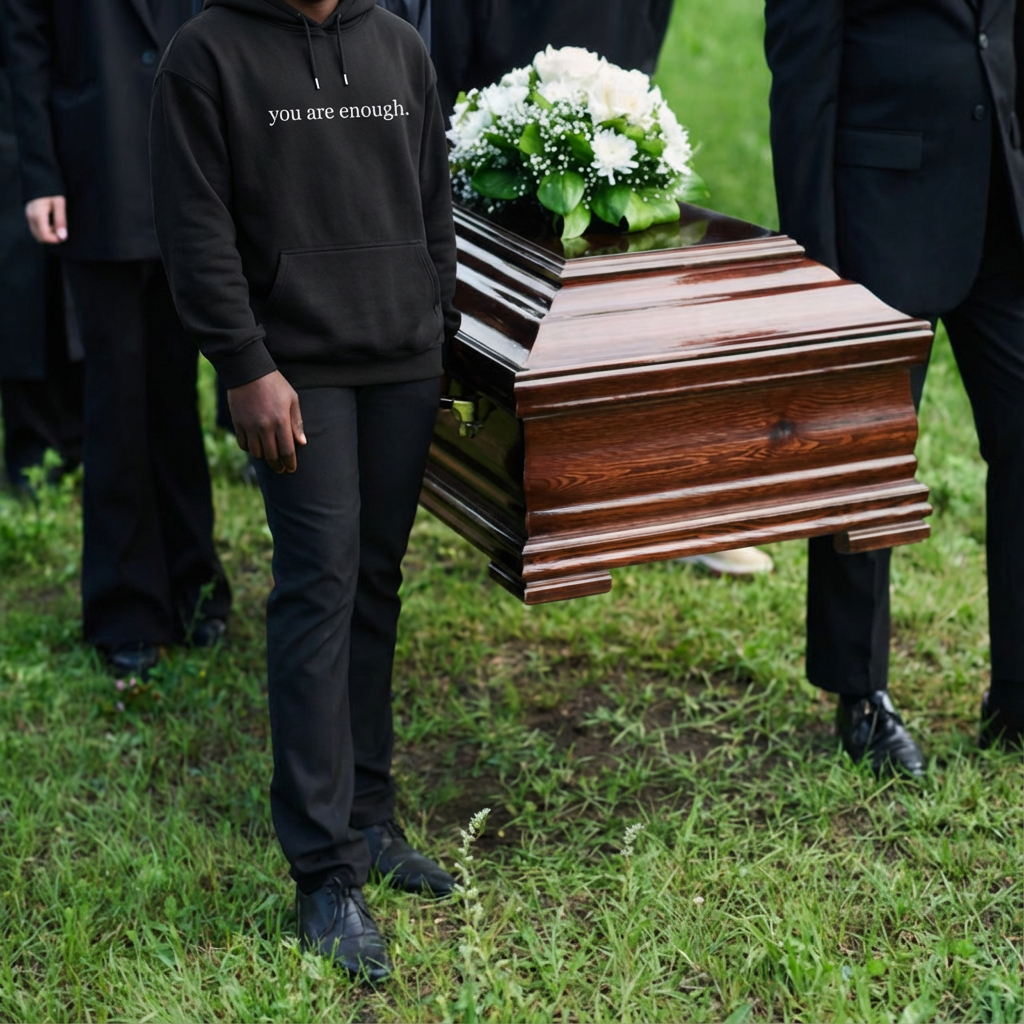
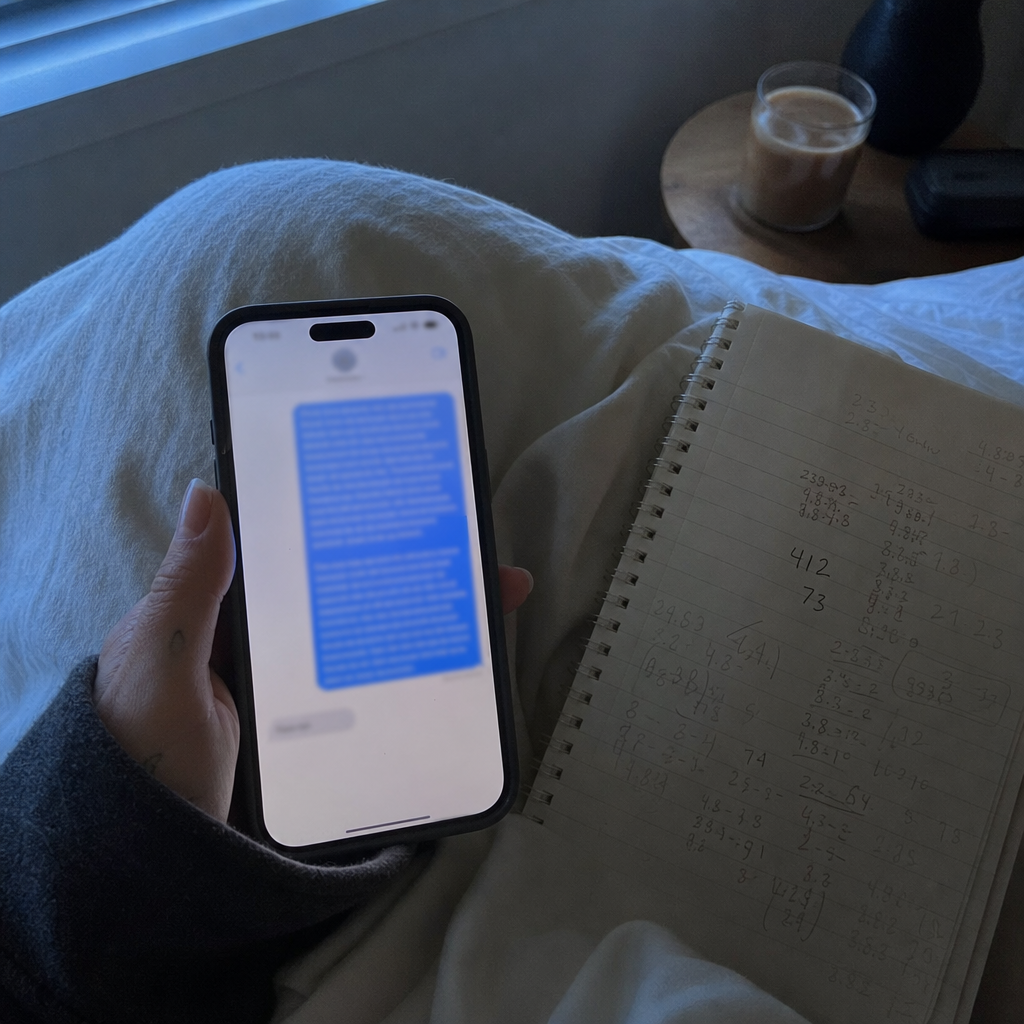
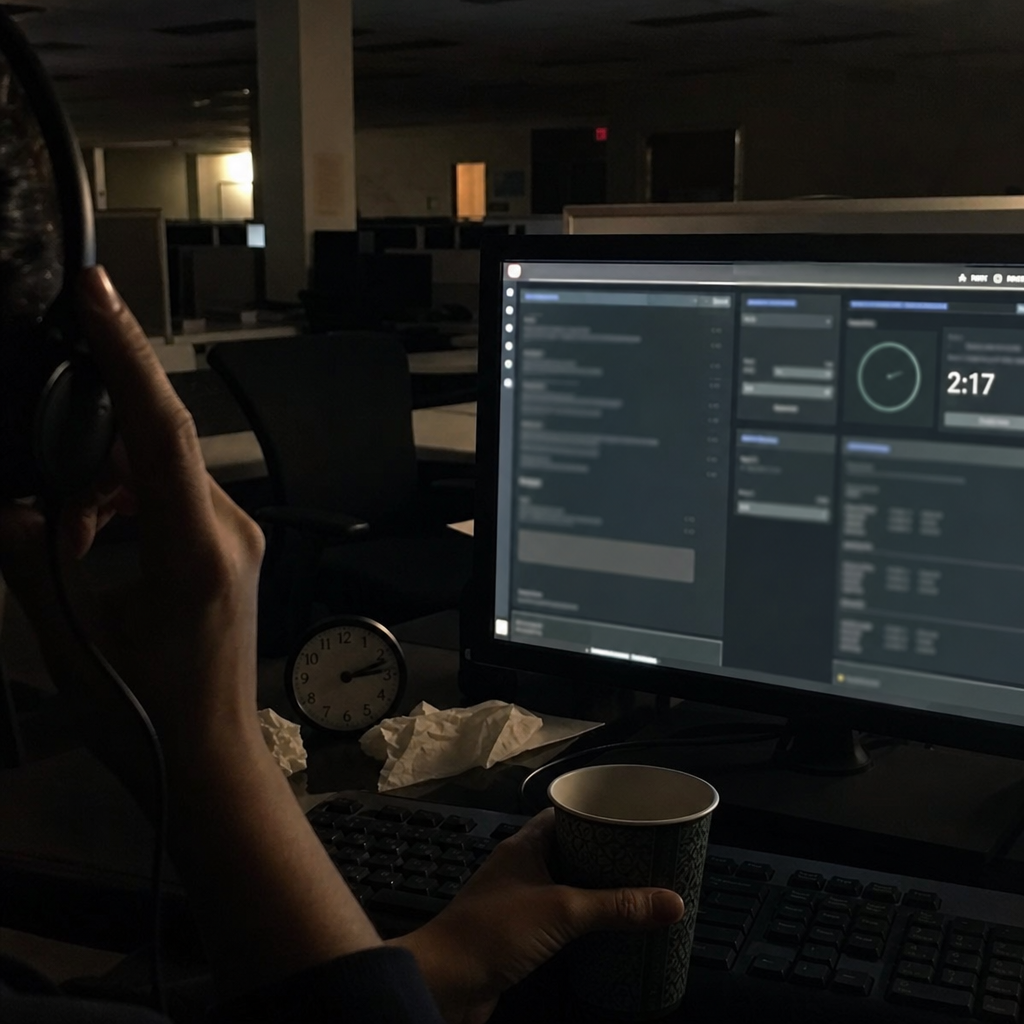
I helped a stranger stay alive at 2:17 in the morning. Three weeks later, my daughter blew out her 16th birthday candles without me. My name is Jennifer. I’m 43. I’ve answered overnight crisis calls for eight years. The woman on that call never told me her name. She didn’t have to. She said: “I don’t want to die.” “I just don’t want to live like this.” Then she went quiet for 14 seconds. Fourteen seconds is a long time when somebody has said that. I could hear a clock. A car passing outside. Her breathing changing whenever I asked a question. My job was not to give her a beautiful speech. It was to keep the next minute possible. Then the one after that. We made a plan together. She let somebody safe come into the room. Professional help took over from there. Before the call ended, she said: “Thank you for not making me promise I’ll be okay.” Then the line went dead. I never learned what happened next. That is part of the work. You help somebody reach the next pair of hands. Then you release the call and make room for another voice. At 2:29, the screen lit up. NEXT CALL. So I clicked it. For the next six hours, I spoke to 17 people. A father who had been sleeping in his car. A student who hadn’t told her family she had stopped attending class. A woman who kept apologizing for crying. A man who said everybody would be better without him. Each call ended. The voices didn’t. They followed me through the building doors. Into the grocery store. Into bed beside my husband. I started hearing danger inside normal sentences. “I’m tired.” “Work was rough.” “Leave me alone.” My daughter would close her bedroom door. I would stand outside listening for movement. My husband would miss a call. I would ring again before checking whether he was in a meeting. At dinner, I stopped asking how people were. I asked whether they felt safe. There is a difference. One is love. The other is fear wearing a staff badge. I knew the rules about boundaries. I had completed every training module. I attended supervision. I used the support available to our team. Those things mattered. They kept me doing the job safely. But outside work, everybody had their own advice. – leave it at the office – stop checking the news – try a mindfulness app – take a bath after difficult calls – come to the staff wellbeing webinar – write down what went well – remember you can’t save everyone – switch off Switch off. As if caring was a lamp beside the bed. I could lower the volume. I couldn’t forget the woman at 2:17. Or the fact that thousands of people would never call us. Some were afraid. Some didn’t know where to start. Some had asked for help before and felt unheard. Some were still telling jokes at work while privately deciding how long they could continue. That was the part eating me alive. Not only the calls we received. The people beyond the ringing phone. I started volunteering for extra shifts. First one a month. Then two. Then every open overnight slot I could fit around the rest of my life. My husband stopped asking when I would be home. My daughter began sending important news to him first. I told myself they were proud of me. They were. They were also losing me. The breaking point came on my daughter’s 16th birthday. We were eating cake when my husband’s phone rang in the kitchen. He ignored it. I couldn’t. I left the table to check the screen. It was a delivery notification. When I came back, my daughter had blown out the candles. She looked at me and said: “Do you ever see us without checking whether we’re about to disappear?” I had no professional answer for that. The following week, I told my supervisor everything. I expected a warning about burnout. Instead, she said: “Your care is real.” “Your fear is real too.” “But being permanently available is not the same as helping.” She helped me name what I actually wanted. I wanted people to feel seen before they reached a crisis call. Without offering treatment in a grocery store. Without inviting every stranger to hand me their whole life. Without turning my family into people I monitored. Care with a boundary. A message without a promise. Something useful that did not require me to be on duty. Three mornings later, I stopped for coffee after my shift. A woman stood in front of me wearing a hoodie. The back said: “Dear person behind me, the world is a better place with you in it. Love, the person in front of you.” I had spent eight years saying careful things to people in pain. That sentence did something none of my training was designed to do. It reached me before I had identified myself as somebody who needed reaching. The woman did not turn around. She did not assess my risk. She did not offer a number or ask me to explain. She simply carried the message while ordering coffee. For once, I was not the helper. I was the person behind her. And I needed it. When she turned to leave, I read the front. “You are enough.” I wrote the words on a receipt. Then I searched them from my car. I found an emergency mental-health nurse who wore the hoodie over her scrubs. A crisis-prevention counselor who had bought two. A therapist who heard people in pain daily. She wanted to give a little more. They were not claiming a hoodie replaced professional support. They knew better than anyone that it couldn’t. They were using it in the ordinary hours between appointments and calls. That was the gap I had been trying to fill with my entire body. I call it the Quiet Handoff. The wearer carries one sentence. The person behind receives it privately. Nobody owes the other a disclosure. If a conversation begins, it can be passed toward appropriate help. If it doesn’t, the message still arrived. No diagnosis. No promise. No pretending kindness is treatment. Just a human hand between the places formal support can reach. Half a million people were already wearing it. I still left the hoodie in my basket for nine days. Professional helpers can find risk inside anything. Would strangers think I was offering counseling? Would colleagues see it as unprofessional? Would wearing it make me feel even more responsible? Would I become the crisis line everywhere I went? I set one rule before ordering. The message could make me approachable. It could not make me endlessly available. I could listen for a few minutes. I could point someone toward proper support. I could say I did not have the capacity to hold more. Those were not failures of compassion. They were what made compassion sustainable. Day 1, I wore it to buy groceries. Nobody spoke to me. I came home with bread and no one else’s emergency. That mattered more than it sounds. Day 7, a man read the back while we waited for a train. “Good message,” he said. I said thank you. Then the train arrived. Nothing more was required from either of us. Day 15, I wore it into work before changing for my shift. One of my colleagues read it and started crying. She had taken 611 calls that year. Nobody had asked whether she needed the words too. We spoke to our supervisor together. She reduced two extra shifts and used the team support she had been postponing. Day 31, a woman outside a grocery store touched my shoulder. “I needed that today,” she said. The old version of me would have started asking questions immediately. Instead I said: “I’m glad you saw it.” She smiled and kept walking. I let her. My daughter noticed the real change before I did. One evening, she complained about an exam. I listened. I did not ask whether she was safe. I did not scan her face for signs. I did not turn one bad day into an emergency. When she finished, she said: “You heard what I actually said this time.” That hurt. It also meant I was learning. The hoodie did not reduce the number of people in pain. It did not shorten waiting lists. It did not replace crisis lines, therapy, medication or emergency care. It gave me a way to care without claiming I could personally hold everybody up. If you help people for a living, you may know this feeling. The guilt of going home. The voice you remember during dinner. The fear that rest means somebody else goes without. You are allowed to be off duty. You are allowed to receive the words you spend all day giving away. Boundaries do not make your care less real. They are how your care survives. Wear the message. Let it do its quiet part. Then let trained help do the work only trained help can do. The hoodie is below this post if you want one.
Like this ad? Make it yours.
Crush rebuilds this exact creative around your product — your brand, your colors, your offer — in about a minute.