Uk Sleep Forum
 Facebook ad: “AHI perfect. Still exhausted.”
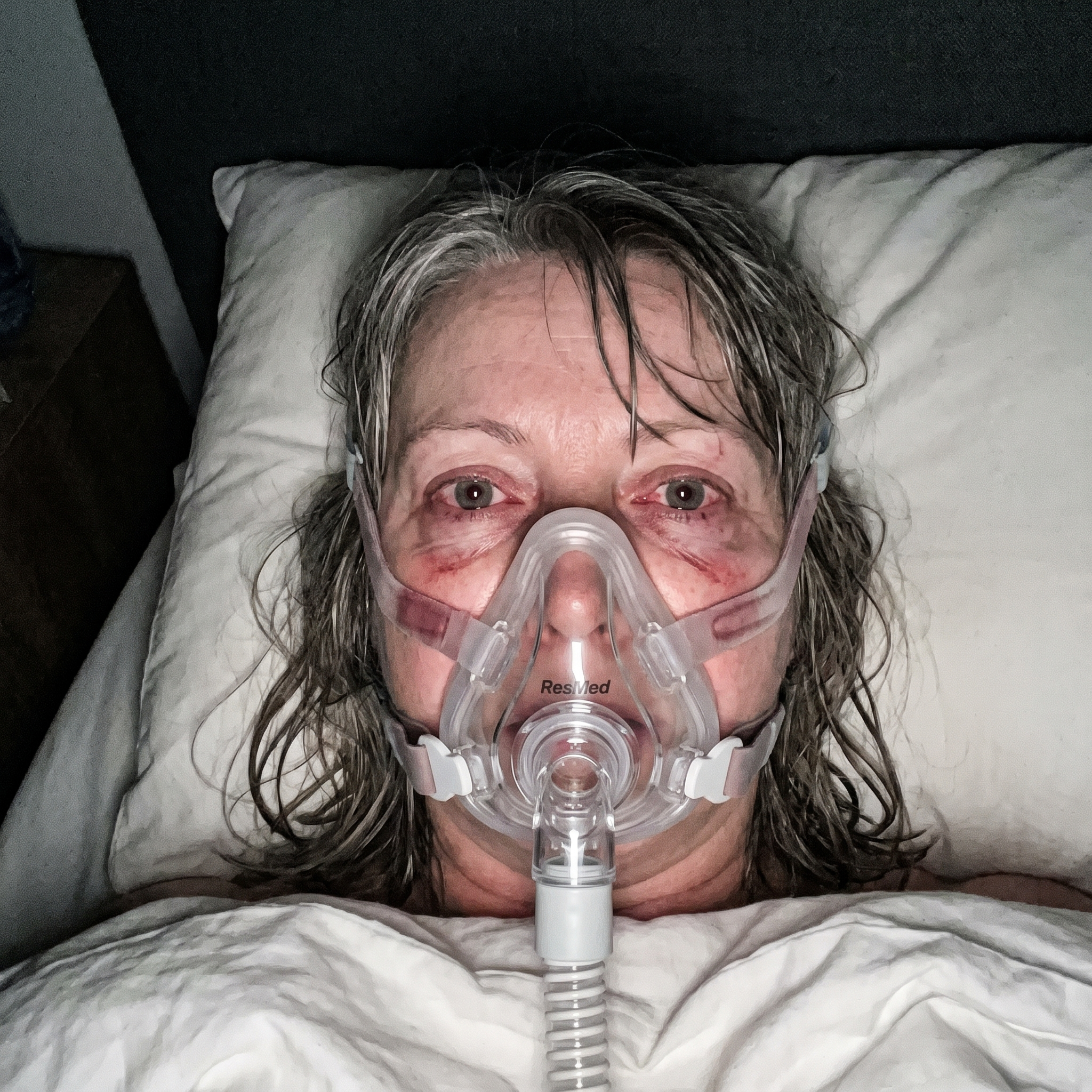
Ran for 6 days, from October 15 to October 20, 2026, the last day Crush saw it.
Run by Uk Sleep Forum on Facebook. Crush is not the advertiser and does not verify its claims. See this ad in Meta's Ad Library(opens in a new tab)
Make your own version of this ad
Crush makes it, launches it in your own Meta ad account, scales the winners and pauses the losers.
About this ad
- Meta Ad Library ID
- 2500451817112394
- Platforms
- Facebook, Instagram, Audience Network and Threads
- Relaunches
- 0
- Niche
- Jewelry & Watches
Ad text
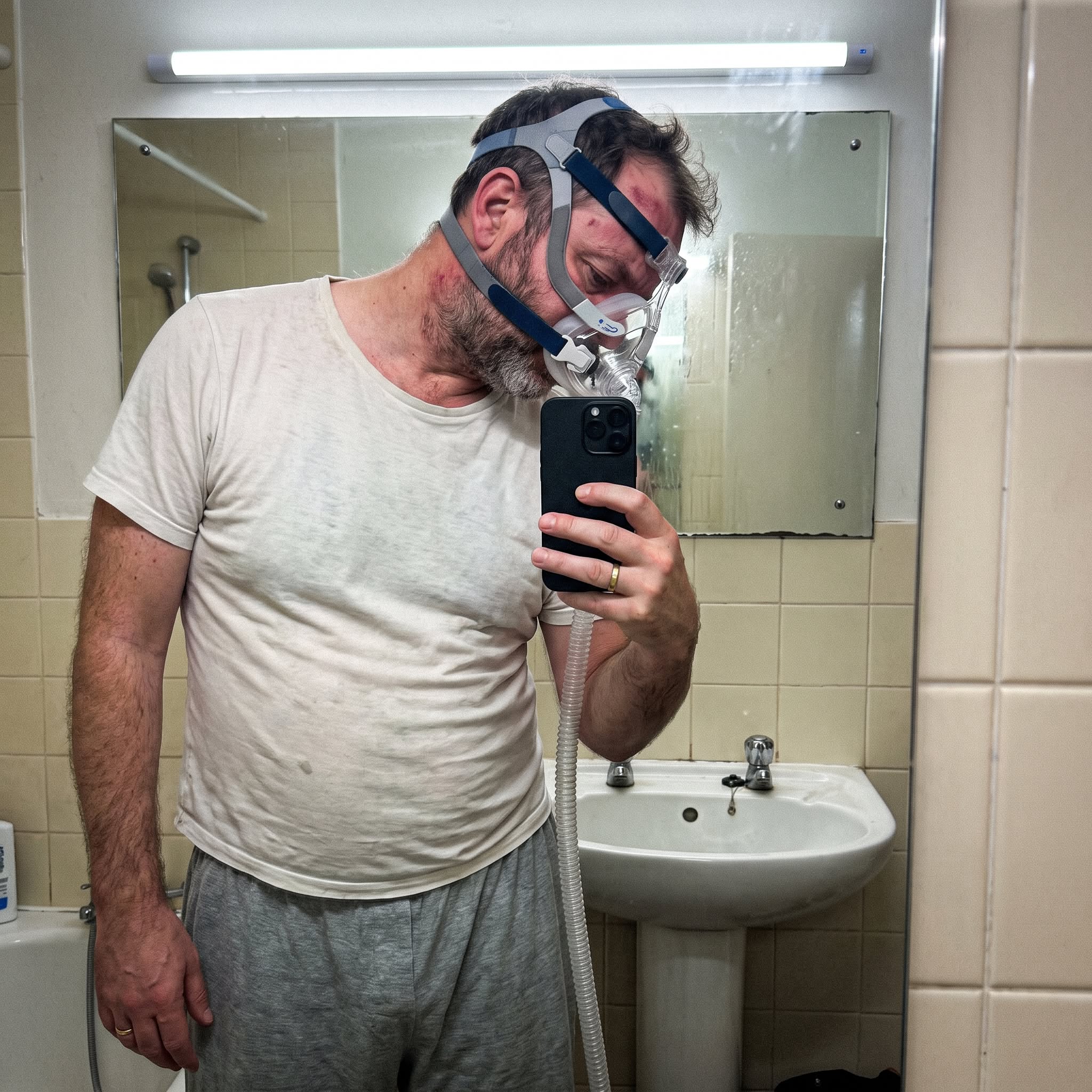
CPAP "fixed" my sleep apnoea. I still wake up exhausted every morning. My GP told me to persevere. That was 14 months ago. I need to tell you something I've never told anyone. Not my friends. Not my sister. Not even my husband. I'm 49. Married 23 years. Two kids — one at uni, one doing his GCSEs. I'm a practice manager at a GP surgery in Warwickshire. Been there eleven years. Fourteen months ago I was diagnosed with severe sleep apnoea. AHI of 51. I got a CPAP six weeks later. I have worn it every single night since. My AHI is 0.6. I wear the mask eight hours a night. On paper the CPAP is working perfectly. I've done everything they told me to do. And I'm writing this at 2:47 AM because I woke up exhausted again — like I do every morning — and nobody can tell me why. Who I Used To Be I used to have energy for everything. I ran a GP surgery. Eight doctors, four nurses, 11,000 patients, the appointment system, the complaints, the rotas, the budgets. I held the whole thing together. I remembered every patient name that came through reception. Every deadline. Every audit date. At home I ran everything too. School trips. Parents' evenings. The weekly shop. Birthdays. Dentist appointments for the whole family. Christmas — the whole thing, every year, me. I still had something left at the end of the day. I was the woman David married. I haven't been her for over a year now. And here's the thing I can't accept. The CPAP didn't bring her back. What Started Happening Before The Diagnosis I've always snored a bit. I knew it. David mentioned it years ago — gently, carefully, the way you tell someone something you know they don't want to hear. I was mortified. For a woman it makes you feel not feminine. It's not something you tell people. I never mentioned it to a friend. Not once. Then it got worse. The snoring got louder. David said I was stopping breathing at night. He'd lie there counting the seconds until I started again. I didn't believe him. I thought he was exaggerating. Then the other things started. I'd be at my desk and forget what I was doing mid-task. Just — gone. Staring at the screen. I'd read the same email three times and still not know what it said. I lost a patient's name in a phone call. Someone I'd spoken to every month for six years. I had to put her on hold and check the system. I came home from work one evening and sat in the car on the drive for twenty minutes. I didn't go in because I didn't have the energy to walk through the door and be a mum. My mother had dementia. I watched her forget my dad's name. I was terrified I was going the same way. I'm 49 years old. I finally went to my GP that March. The Diagnosis And The Promise I should say — I didn't walk in and get taken seriously straight away. My GP asked about my sleep. I told him I was exhausted. He said it sounded hormonal. Perimenopause. He suggested HRT. I went back four months later. Still exhausted. This time I asked for a sleep study myself. He looked surprised. I don't think he expected me to ask. I'm not overweight. I'm 49. I don't fit the profile. He referred me. The home study came back in August. AHI of 51. Severe. I stopped breathing 51 times an hour. Every hour. Every night. The sleep clinic put me on the list. The CPAP came six weeks later. ResMed AirSense 11. The specialist said: "You'll feel like a new woman in three months. The damage reverses once we get the AHI under control." I believed her. The first two weeks were horrible. The mask. The straps. The air pressure. I felt claustrophobic. I ripped it off at 2 AM the first three nights. Then I got the right cushion. Figured out the settings. Persevered. By month two my AHI was under 1. The snoring stopped. David slept through the night for the first time in years. He thought it was fixed. From his side, it was. The noise was gone. The specialist said: "You're doing everything right. Give it three months." I gave it three months. Nothing changed in how I felt. I went back. Told her I was still exhausted. She looked at the numbers. "Your AHI is 0.6. The machine is doing its job. Sleep debt takes time. Give it another three months." I gave it another three months. Nothing changed. I stopped going after that. At fourteen months I still wake up exhausted every morning. My head still feels full of wool. And I haven't been back to my specialist in eight months, because I already know what she'll say. The Number Says I'm Fixed. I'm Not. AHI: 0.6. Eight hours a night on the mask. Perfect numbers. I wake up at 4 AM most mornings. Heart racing. No reason. I sit on the edge of the bed for five minutes before I feel ready to stand up. I can't remember words in meetings. I had the practice partners' monthly last Tuesday and lost my train of thought twice. In front of seven people. I read the same page three times. I drink four coffees before noon just to get to lunch. There's a box of Pro Plus in my desk drawer. Nobody at work knows it's there. Last Sunday my son asked me for help with his GCSE English. Macbeth. I've read Macbeth. I studied it at school. I sat down to help him. Halfway through a sentence I lost my thread. Completely. I started again. Lost it again. He waited. Then he said, "It's fine, Mum. I'll figure it out." I went upstairs. Ran the tap so nobody could hear. Cried for about two minutes. Came back down and made dinner. I know what my GP would offer if I went back. Antidepressants. Every woman I know my age who goes to her GP exhausted gets offered antidepressants. I don't want antidepressants. I want to feel like myself again. What Nobody Sees Every night I strap a mask to my face. Tighten the headgear. Press the button. The machine starts and the air pushes into my nose. I lie next to David looking like a hospital patient in my own bed. In the morning there are red lines on my face from the straps. I get up before him so they've faded by the time he sees me. I hate needing this thing. I can't sleep without it. None of my friends know I use a CPAP. When we went away for a weekend in April — four of us, old university friends, sharing a cottage — I packed the machine in a bag inside another bag. Set an alarm for 5 AM so I could take it off before anyone was up. I spent the weekend exhausted because I'd barely used it. They said "you look shattered, Sarah." I said "not sleeping well at the moment." That's what I always say. Not sleeping well. Four words so I don't have to explain the machine, the mask, the straps, the apnoea, any of it. I just want to sleep like a normal person. I just want to go to bed without strapping something to my face. David thinks the problem is solved. The snoring stopped. He sleeps through. From his side, everything is fine. I'm alone with this. I've been alone with it for over a year. What Else I Tried Private sleep consultant — £340. Looked at my numbers. Told me the machine was doing its job. Offered me a different mask. CBT-I through the surgery's private health scheme — 6 sessions. Helped me fall asleep faster. Made no difference to how I felt in the morning. Vitamin D. Magnesium. B12. Iron panel. £200 in supplements across fourteen months. Nothing. HRT — I was already on it for perimenopause. Upped the dose in January hoping it would help. The hot flushes calmed down. The exhaustion didn't. A £40 sleep tracker on my wrist. Confirmed I was sleeping. Didn't explain why I still felt like this. An anti-snoring mouthguard off Amazon — £22. Bulky. I gagged putting it in. Threw it away the next morning. Two weeks off work in the summer. Slept nine hours a night. Woke up feeling exactly the same. Total: £602 across fourteen months. Nobody — not my GP, not the specialist, not the private consultant — ever explained why the machine was working perfectly and I still felt like this. A Walk With My Oldest Friend I met Kate last month. Saturday morning. We walked the loop round the reservoir we've done every fortnight for years. She's my oldest friend. Known her since teacher training — she went into teaching, I went into practice management. Halfway round I told her everything. The exhaustion. The mask. The perfect numbers that don't mean anything. The fact that I can't remember words. I don't talk about this. Not properly. I'd never told anyone the full version. Kate listened. Didn't say much. Then she said: "My brother-in-law's a dentist. Down in Cheltenham. He mentioned something about this once. Let me text him." I laughed. A dentist. Right. The following Saturday, same walk, she had it on her phone. She'd called him the night before and typed notes. She read them to me. What Her Brother-in-Law Said "When you fall asleep, your jaw muscles relax. Your lower jaw drops backwards. It pulls your tongue with it. The tongue slides towards your airway. The airway narrows." "When it closes all the way — that's an apnoea. That's the A in AHI. That's what CPAP is designed to stop." Kate looked up from her phone. "But your jaw is still dropping back every night. Every time you fall asleep. The machine doesn't prevent it from falling backwards. It just forces air past it." I stopped walking. Kate kept talking. "So the jaw drops back. The tongue slides. The airway narrows. It doesn't close all the way — the pressurised air keeps it just open enough. But it's still narrower. Your chest is still working harder. Your brain still wakes up briefly to reset your breathing." "You don't remember it. It doesn't count as an apnoea. Your AHI stays at 0.6. But it happens every few minutes. All night. For over a year." "That's why you're still exhausted. Your sleep is being fragmented and no machine picks it up." I stood on the path and read her phone screen three times. Fourteen months of perfect numbers. Fourteen months of my jaw falling back every single night. Fourteen months of nobody telling me the number was only half of it. Kate scrolled down. "He said: when someone stops breathing in an ambulance, the first thing a paramedic does — before oxygen, before anything — is push the jaw forward. It's called the jaw-thrust manoeuvre. It's in every first-aid manual. It opens the airway in about a second." "He said: what if you did that. Gently. All night. With something designed to hold the jaw in the right spot." Fourteen months of specialists. Two GPs. A £340 private review. And a dentist in Cheltenham, in notes on my friend's phone, had asked the one question none of them had. I Looked It Up That Night I got home at half six. David was watching the football. The kids were upstairs. I opened the laptop at the kitchen table. I manage a GP surgery. I know how to read clinical evidence. I found it. The TOMADO trial. Papworth Hospital. NHS-funded. Compared mouthpieces that hold the jaw forward against CPAP. The mouthpieces cut apnoea events in 70% of patients. A 2024 study — American College of Cardiology. Same finding. A 2019 paper — European Respiratory Journal. Up to 40% of compliant CPAP users still feel exhausted. I read that twice. Up to 40 per cent. In the UK that's around 100,000 people. I wasn't the 5% who don't respond to CPAP. I was one of tens of thousands whose CPAP was fixing half the mechanism and leaving the other half alone. For the first time in fourteen months, I understood what was happening to me. I could wear that mask for the rest of my life. My jaw would still fall back every night. My airway would still narrow. My brain would still be waking up. My sleep would still be broken. Kate's brother-in-law had recommended something called AirVex Pro. £29.99. Medical-grade. Thin. Adjustable. Designed to hold the lower jaw forward all night. Same principle as the £1,500 custom ones private dentists fit. Without the private pathway. I went to the AirVex website. 35,000+ customers. 4.7 stars. 60-day money-back guarantee. Free returns. After £602 and fourteen months and every specialist I'd sat in front of — this was £30 with a full refund if it didn't work. I ordered it at 11:23 PM. David was asleep. I didn't tell him. Night One It arrived on Wednesday. I opened it in the kitchen after work. Smaller than I expected. Thinner. Nothing like the bulky Amazon one I'd gagged on. I put it in. Bit down. Moved my jaw. It sat where it was supposed to. Didn't press on my gums. Didn't make me gag. David came in. "What's that?" "Something I'm trying. One night." He didn't push it. He could tell I didn't want to talk about it. We'd been here before. The supplements. The mouthguard. The different mask. The two weeks off work. Every one started with hope and ended with nothing. I put the CPAP away. Put the mouthpiece in. Turned the light off. I lay there waiting for the 4 AM wake-up. The heart racing. The ceiling. It never came. Alarm at 6:20. I sat on the edge of the bed. Waited for the exhaustion to hit. It didn't. Not amazing. Not energised. Just — not exhausted. My head felt clear. I came downstairs. David was in the kitchen. He looked at me. “You didn’t snore. I woke up at two and you weren’t making a sound. No machine. Nothing.” He said it like he couldn’t quite believe it. I didn’t know what to say. I didn’t want to jinx it. Night Three Night two was the same. I didn't reach for the coffee first thing after waking. That was new. Night three I woke up to the alarm. Got up without sitting on the edge of the bed. Didn't take the Pro Plus out of my drawer at work. Didn't need it. I drove to the surgery and realised halfway there I hadn't turned the radio on. I always have it on. Background noise to keep my brain from drifting. I'd driven twenty minutes in silence and not noticed. I ran the practice meeting that afternoon without checking my notes once. Remembered every agenda item. Answered a question about our QOF figures off the top of my head. It was the best I'd felt in over a year. I sat in the car park afterwards. Three good nights. Three good mornings. But three isn't a pattern. Maybe it was placebo. Maybe I was running on the relief of trying something new. Maybe next week the exhaustion would come back. I didn't tell David what I was thinking. I just kept wearing it. Week Two By day five I stopped calling it placebo. I was waking up before the alarm. Not to a racing heart. Just — awake. Ready. I stopped the four coffees. Stopped the Pro Plus. Started reading at night again — actually reading, not staring at a page until I fell asleep. My son asked me for help with his English on the Tuesday. Macbeth again. I sat at the kitchen table and walked him through the whole scene in ten minutes. He looked at me for a second afterwards. Didn't say anything. Just went back to his revision. The partners' monthly was on the Wednesday. Same meeting I'd lost my train of thought in last month. Same meeting I'd started prepping for a week early because I didn't trust my brain. I walked in. Sat down. Ran the whole thing. Answered every question. Held every thread. Closed with the Q3 budget figures from memory — numbers nobody else in the room had. I got in my car afterwards. I sat there for a few minutes. I said it out loud. "How long has my brain not been working properly?" Month Two Blood pressure: 146/90 down to 126/76. Resting heart rate: 82 down to 64. I went back to my GP for the first time in months. Told her everything. She wrote down the name of the device. She said: "I've got patients on the sleep clinic list who are on CPAP and still struggling. My hands are tied on a referral. But I can tell them to look it up." I work in her surgery. I manage those referrals. I know how many patients are on that list. I know how long they wait. I hadn't needed the CPAP in six weeks. I just slept. Like a normal person. Month Three Saturday morning. Autumn. I woke up and lay there for a minute. No mask. No straps. No red lines to wait out. Just me and the pillow and the alarm I didn't need. I think this is what rested feels like. Kate and I did our walk the following Saturday. Same loop. Same reservoir. Halfway round she stopped and looked at me properly. "Sarah. You're back." I didn't know how to explain that a £30 mouthpiece had done what fourteen months on the gold-standard machine couldn't. So I said: "I think I'm sleeping properly for the first time in years." My sister tried it the week after. She rang me on the Tuesday morning. “First time I’ve woken up without a headache since I don’t know when.” Every person I’ve told has tried it. Every one of them has stopped using their CPAP. Why This Worked Every night for fourteen months my jaw dropped back while I slept. The CPAP lowered my AHI. But the CPAP doesn't hold your jaw. It just forces air past it. So the jaw kept dropping. The tongue kept sliding. My airway kept narrowing all night, every night, for over a year. No machine picked it up. No specialist looked for it. I spent fourteen months exhausted, foggy, and terrified I was losing my mind — while everyone told me the machine was doing its job. AirVex Pro holds the jaw forward all night. Same thing a paramedic does in an emergency. Just gently. All night. The jaw can't drop. The tongue doesn't slide. The airway stays open. And for the first time in over a year, my brain got the sleep it needed. The Way I See It, You've Got Three Options Option 1. Stay on the CPAP. Keep watching your AHI stay perfect. Keep waking up exhausted every morning. Keep strapping that mask on every night and telling yourself this is just what life is now. Option 2. Accept it. This is your baseline. More caffeine. Maybe antidepressants. Maybe it's just perimenopause. Maybe this is just being 49. Option 3. Try the one thing that fixes what the CPAP doesn't. £29.99. 60-day guarantee. Tonight. What I'd Recommend AirVex Pro. Holds the lower jaw forward all night. Stops the airway from narrowing in the first place. Same principle a paramedic uses to open an airway in an emergency — just gentle, and all night long. Medical-grade. Thinner than a credit card. Adjustable. 60-day money-back guarantee. If it doesn't work, they pay for the return. £29.99. Based on 35,000+ customers and what it did for me — I think it's going to work for you too. WHERE I GOT IT FROM → https://www.airvex.shop/products/airvex-pro™-1 Why I Wrote This I know how this sounds. If someone had shown me this a year ago I'd have scrolled past it. I was on the gold-standard treatment. My AHI was 0.6. My specialist told me I was doing everything right. But I spent fourteen months on that machine. Fourteen months strapping a mask to my face every night. Fourteen months waking up exhausted and being told to give it time. Fourteen months hiding the machine from my friends, getting up early to let the strap marks fade, and telling everyone I was just not sleeping well. I needed something that actually worked. Not on paper. Not on a number. Something that made me feel like myself again. If you're on the CPAP. If your AHI is perfect and you still wake up exhausted. If your specialist keeps telling you to persevere and it's been months — you're not making it up. You're not being ungrateful. You're not just hormonal. You're not just getting older. You've been told CPAP is the only answer. It isn't. There's something that fixes what the CPAP doesn't. £30. Full refund if it doesn't work. You don't have to keep living like this. I didn't. — Sarah, 49, Warwickshire
Where the ad sends people
airvex.shop
AHI perfect. Still exhausted.
"I think clearly again. Feel 10 years younger. My brain was oxygen-starved all night. I thought it was aging. This device fixed it entirely."
See details: airvex.shop(opens in a new tab)