
Active· since Dec 30, 2025
- 258
- days running
- 0
- relaunches
Ad copy
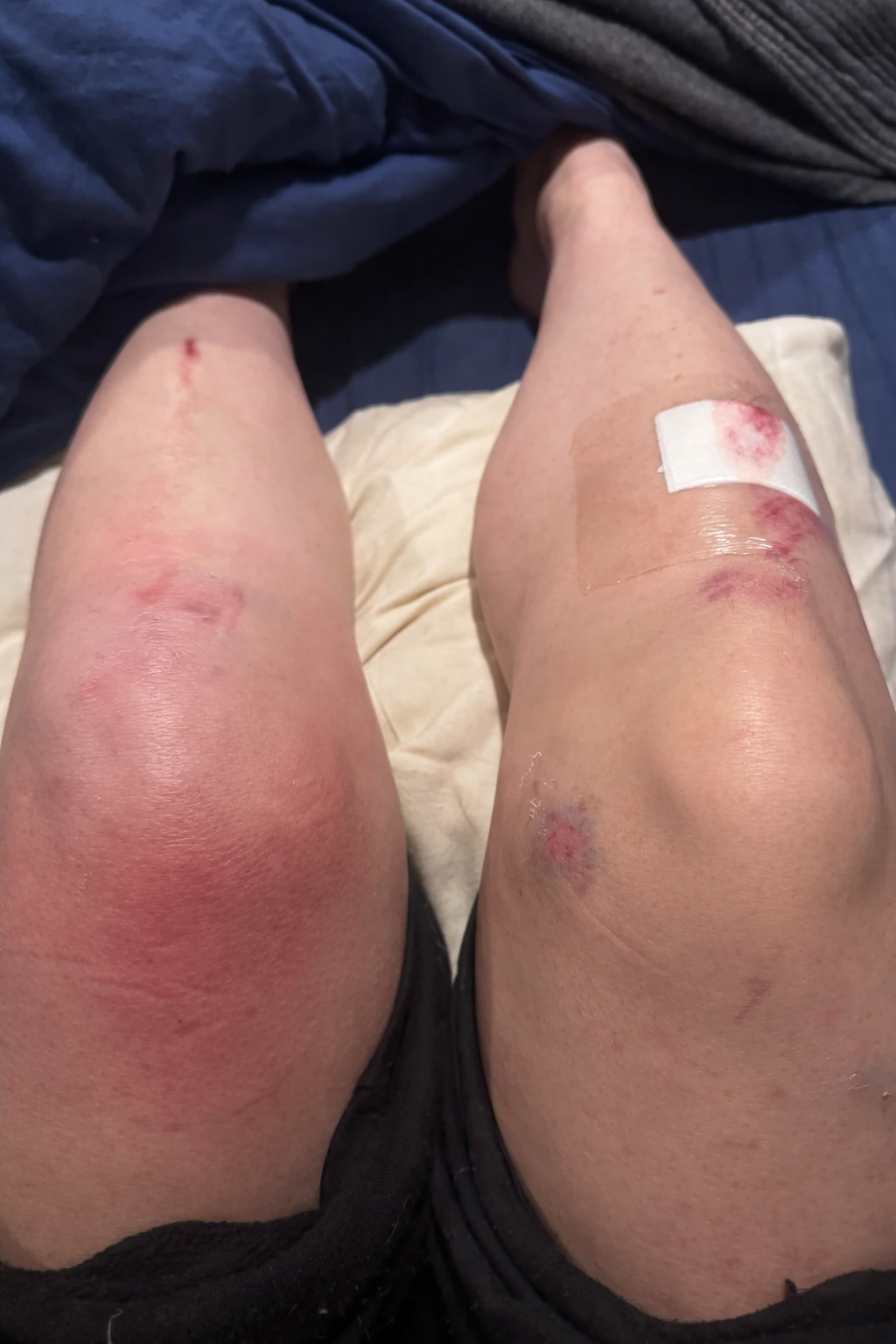
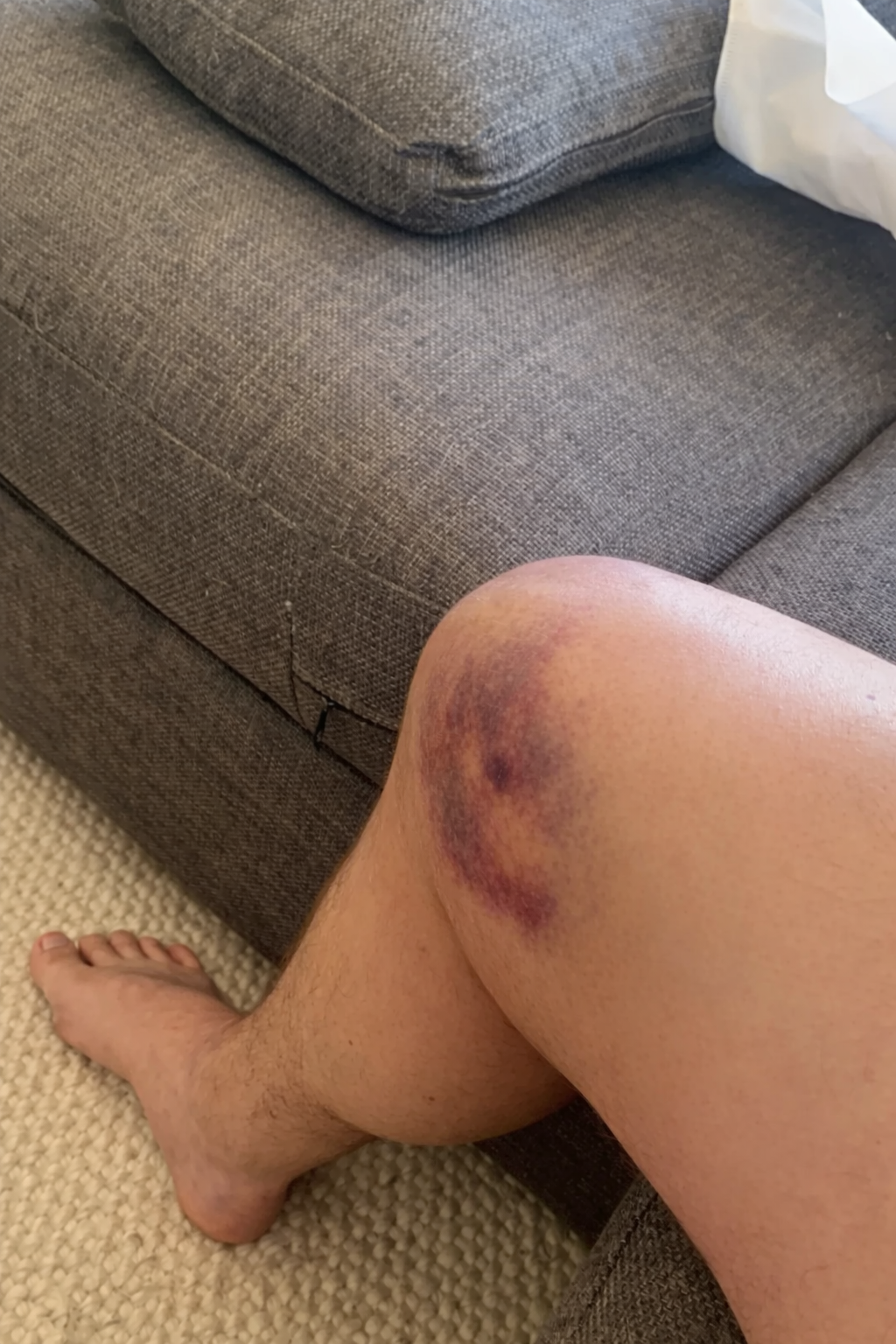
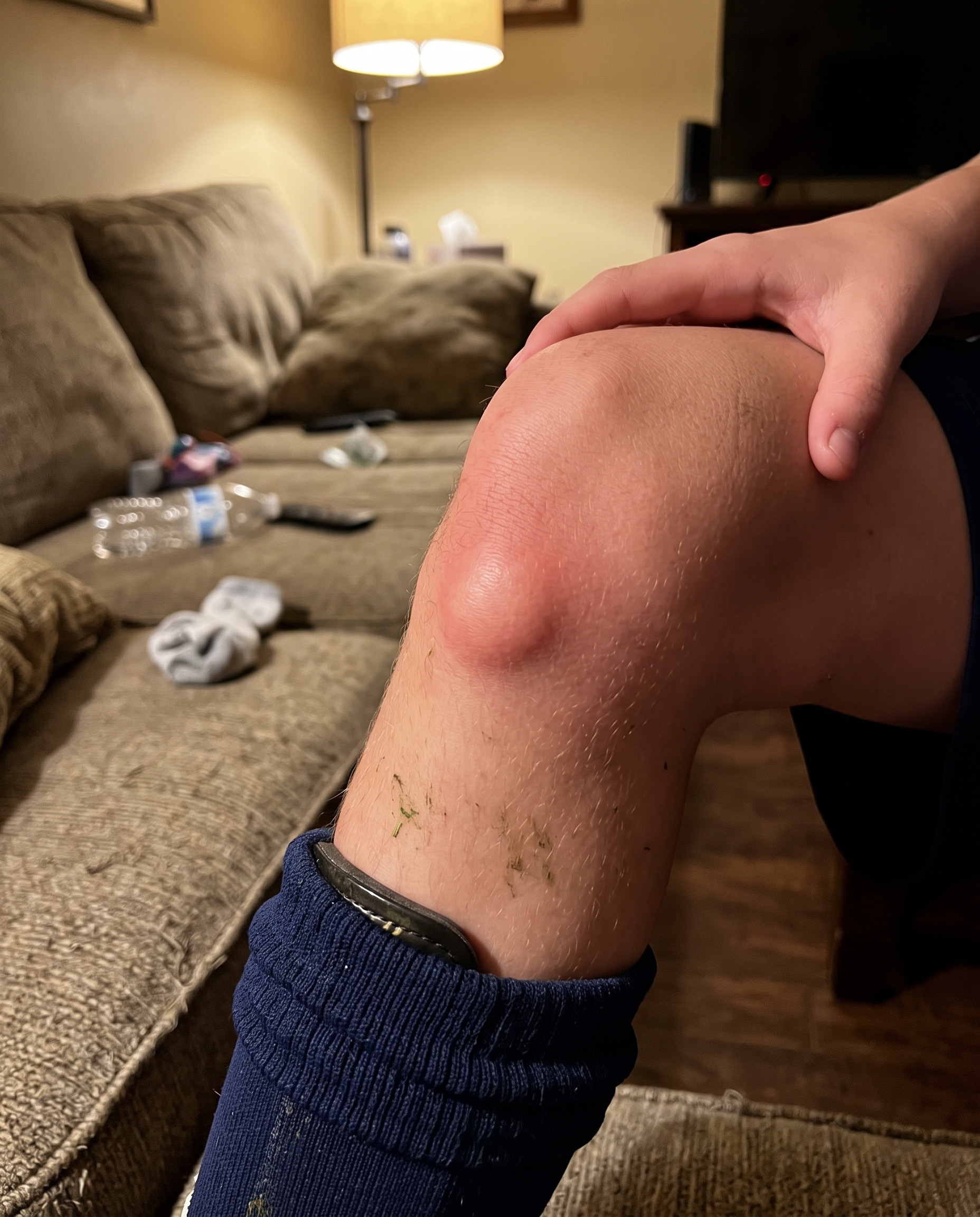
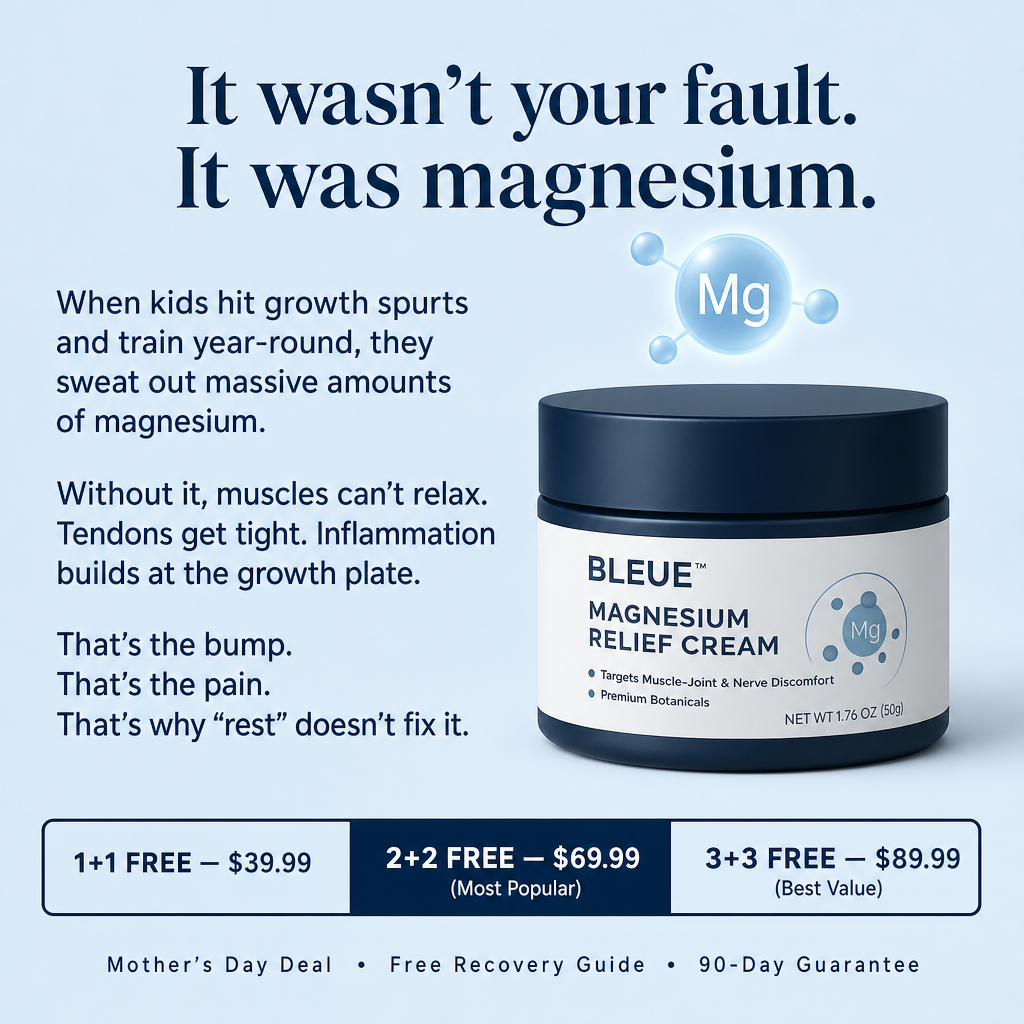
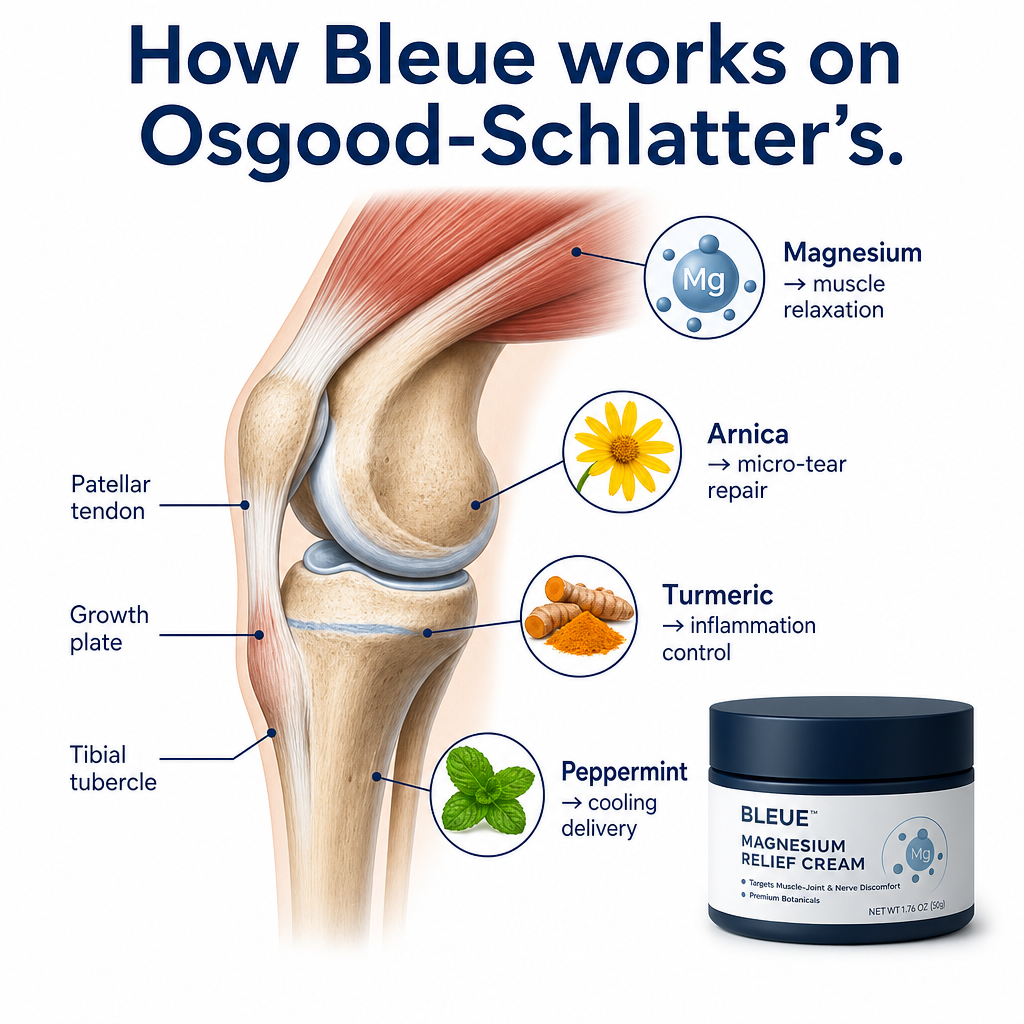
To moms of 12-16 year old athletes whose knee pain started right after a growth spurt—but keeps getting worse despite rest because year-round training is burning through what their growing body can't replace fast enough. This is why it's not "just growing pains." I noticed the pants first. Three inches too short. Practically high-waters. "When did you get so tall?" I asked Marcus. He shrugged. "I don't know. Like two months ago?" Two months. He'd grown three inches in two months. That same week, the knee pain started. At first, it was just soreness after basketball practice. "Growing pains," I thought. Normal for a 14-year-old shooting up that fast. But it didn't go away. It got worse. Now it's been four months. Four months of pain that wakes him up at night. Four months of limping after games. Four months of me searching "adolescent knee pain" at midnight. Every article says the same thing: "Common in growing athletes. Rest and ice. They'll grow out of it." But Marcus is still growing. And he's training year-round. AAU season runs right into high school season. There's no off-season anymore. So when exactly is he supposed to "grow out of it"? I watch him now, and I can see the fear. He's hesitant to jump. Careful with cuts. Playing like his body might betray him at any second. And I'm terrified that this isn't just temporary growing pains. That this is something more. Something that won't heal on its own while he's still growing and training at this intensity. I knew we were in trouble when the pediatrician looked at Marcus's growth chart. "Four inches in five months. That's a significant growth spurt." "Is that why his knees hurt?" She nodded. "Probably Osgood-Schlatter disease. Very common at this age. The bones grow faster than the tendons can adapt. Creates pain at the growth plate. It'll resolve once he's done growing." "How long will that take?" "Could be six months. Could be two years. Every kid is different." Two years. Marcus is a freshman. Two years takes him through his entire recruiting window. "In the meantime, he should reduce training load. Rest when it hurts. Ice after activity." I tried to follow her advice. We cut back practice. Skipped some AAU tournaments. Rested for three weeks. The pain improved. Not gone, but manageable. Then he went back to his normal schedule—practice four days a week, games on weekends—and within two weeks, the pain was back full force. I took him to a sports medicine doctor. Different advice, same conclusion. "His body is growing rapidly and training intensively at the same time. That's a perfect storm for overuse injuries. He needs to choose: train through the pain and risk making it chronic, or rest until he's done growing." Rest until he's done growing. That could be eighteen months. That's his entire sophomore year. The year college coaches start watching 2027 recruits. I asked other basketball parents. Same stories everywhere. "My son grew six inches last year. Knee pain the whole time. Missed half the season." "My daughter's knees hurt so bad she was crying after practice. Doctor said it's normal for growth spurts." "We've been dealing with this for eight months. Nothing helps long-term." Last week, Marcus came home from practice early. Sat in the car for ten minutes before coming inside. "Coach asked if I'm okay. He said I'm not playing like myself." My chest tightened. "What did you say?" "I said I'm fine. But Mom, my knees hurt every time I jump. Every time I cut hard. I can't play at full speed because I'm scared it's going to get worse." His voice cracked. "What if I'm like this for two more years? What if by the time I'm finally done growing, I've lost everything I worked for?" I was trapped. I couldn't stop him from growing. I couldn't stop the training—this is when coaches are watching. And I couldn't shake the fear that his body was in an impossible situation: growing too fast while training too hard, and paying the price in chronic pain that might steal his future. That was three weeks before I ran into DeShawn's mom at the grocery store. Her son played AAU with Marcus last year. Had the same problem—massive growth spurt, chronic knee pain, couldn't train consistently. "How's DeShawn doing?" I asked. "Last I heard, his knees were killing him." "So much better. Like completely different. He's been pain-free for six weeks now. Even through this tournament grind." I stopped my cart. "Wait, how? He was in the same situation as Marcus. Growing like crazy, training year-round, nothing was helping." "I know. We tried everything. Rest didn't work because the second he went back to training, the pain came back. His doctor kept saying 'it's normal for growth spurts,' but there was nothing normal about watching him cry from pain every night." "So what changed?" She pulled out her phone. "His physical therapist finally explained what was actually happening. When kids grow that fast and train that hard, they burn through magnesium faster than their bodies can replace it. Magnesium is what muscles need to relax and repair. Without it, the muscles stay tight and keep pulling on those growth plates—even during rest." She showed me notes from DeShawn's PT: "Adolescent athletes experiencing rapid growth + high training volume at elevated risk for magnesium depletion. Traditional rest protocol insufficient. Topical magnesium application recommended." "That's why rest wasn't working? Because it wasn't a rest problem?" "Exactly. It was a depletion problem. His PT recommended this magnesium cream—Bleue. DeShawn used it twice a day for three weeks, and the pain started going away. Not just managing it—actually gone. He's been training full intensity for six weeks with zero flare-ups." "During a growth spurt?" "During a growth spurt. Because once his muscles had the magnesium they needed, they could finally handle the combination of growing and training. His body stopped fighting itself." I watched her face. She wasn't selling anything. She was just relieved. The way I desperately wanted to be. "What's it called again?" That night, I fell down a research rabbit hole. Why do some kids get chronic pain during growth spurts while others don't? Why does rest work for some athletes but not for kids training year-round? What I found explained everything Marcus was going through. Adolescent growth spurts increase the body's demand for magnesium dramatically. Bones growing that fast need magnesium. Muscles adapting to new bone length need magnesium. Connective tissue trying to keep up needs magnesium. At the same time, intensive training depletes magnesium reserves. Every muscle contraction, every jump, every sprint uses magnesium. So kids like Marcus—growing four inches in five months while training year-round—are burning through magnesium from both ends. Their bodies need more than ever, and training is draining it faster than diet can replace it. Without adequate magnesium, muscles physically cannot fully relax. They stay in a state of low-grade tension—constantly pulling on tendons and growth plates. That constant pulling is what creates the pain in Osgood-Schlatter's. Not the growth itself. But tight, magnesium-depleted muscles pulling on growth plates that are already stressed from rapid bone development. That's why rest helped temporarily. It reduced the training load, so the pulling decreased slightly. But rest didn't restore the magnesium Marcus's body was desperately lacking. So his muscles stayed tight. And the second he resumed serious training, those tense muscles went right back to pulling hard on already-irritated growth plates. That's why the pain always came back. That's why the doctor's advice—"reduce training and wait to grow out of it"—was only treating symptoms. The real problem wasn't that Marcus was growing too fast. It was that he was growing too fast while training too hard, and his body couldn't keep up with the magnesium demand from both. I'd been asking him to choose between his body and his future. But the actual problem was that his body didn't have the resources it needed to handle both growing and training at the same time. When I researched Bleue, the formulation finally made sense. It delivers bio-active magnesium topically—directly through the skin to the depleted muscle tissue around the knee. Unlike oral supplements that have to work systemically and take weeks to build up, topical application puts magnesium exactly where growing athletes need it most, fast. But here's what convinced me: this addressed the impossible situation Marcus was in. Rest reduces training load but doesn't restore magnesium. So muscles stay depleted and tight. Oral supplements help systemically but take weeks to build up, and during a growth spurt, the body might use that magnesium for bone development before it reaches the muscles. Ice reduces inflammation temporarily but does nothing for the chronic muscle tension causing the pulling. Physical therapy can strengthen muscles but can't force depleted tissue to relax when it doesn't have the mineral it needs. Bleue delivers magnesium directly to the muscles pulling on the growth plate—giving them what they need to finally relax and stop that constant irritation. When those muscles have adequate magnesium, they can handle the stress of both rapid growth and intensive training. They can relax properly between contractions. They can adapt to new bone length without staying locked in tension. The formula is specifically designed for adolescent athletes. Gentle enough for growing bodies going through hormonal changes. Concentrated enough to address the severe depletion that comes from the perfect storm of growth spurts plus year-round training. It wasn't just another pain relief cream. It was the solution that finally addressed what rest and time could never fix—the mineral depletion that makes growing and training simultaneously unbearable. I ordered it that night. When it arrived, I told Marcus: "Your body is trying to do two hard things at once—grow and train. I think it needs help. Try this twice a day." He applied it every morning before school and every night before bed. Just rubbed it into both knees, around the areas that hurt most. Day four: "Mom, I woke up and my knees don't feel as stiff." Day seven: Full practice. Jumped without thinking about it. No pain that night. Day eleven: Played a full game. Hard cuts, explosive jumps. That night: "I forgot my knees hurt. Like, I forgot about them completely during the game." I almost cried. Day sixteen: He came home from practice smiling. "Coach said I'm playing like I did at the beginning of the season. Before all this started." Week four: Three games in a weekend tournament. No pain. No limping. No ice packs in the car. That Sunday night, he measured himself. Another inch taller. "Mom, I'm still growing. But my knees don't hurt." That's when I realized what we'd actually solved. We didn't stop the growth spurt. We didn't reduce his training load. We gave his body what it needed to handle both at the same time. Now Marcus is two months pain-free. Still training full intensity. Still growing—he's up another inch and a half. But his body isn't fighting itself anymore. His muscles can handle the rapid bone growth because they finally have the magnesium they need to adapt and relax. I don't watch him play with fear anymore. I don't scan for the wince after he lands. I don't wonder if this is the game his knees give out. He's playing at full speed again. During a growth spurt. Because we finally addressed what his body was missing instead of asking him to choose between growing and competing. If this is your life right now—watching your young athlete suffer through knee pain that started with a growth spurt, being told to rest and wait it out while their recruiting window passes, trapped between protecting their body and protecting their future—you need to understand something. This isn't just growing pains. It's a depletion crisis. Your child's body is demanding massive amounts of magnesium for rapid bone growth while year-round training is burning through reserves faster than diet can replace them. Without adequate magnesium, their muscles physically cannot relax properly. So they pull on growth plates constantly, creating chronic pain that rest alone will never fix. Rest reduces training stress but doesn't restore what's depleted. Waiting for them to "grow out of it" could take eighteen months—their entire recruiting window. And continuing to train through it risks making the pain chronic. I'm telling you: there's a fourth option. Bleue offers a 90-day guarantee. That's long enough to see if addressing the magnesium depletion allows their body to handle both growth and training. Long enough to break the pain cycle without sitting out their critical years. Most parents see results within two weeks—their athlete can train through growth spurts without the pain that's been holding them back. Track it yourself—watch them complete full practices without limping after, see them jump without hesitation, notice when they stop waking up with stiff, aching knees. Your athlete deserves to grow and compete at the same time. They deserve a body that can handle both without forcing them to choose. Every month they spend in pain is another month of lost development, lost exposure, lost confidence. Every growth spurt doesn't have to mean another season of managing chronic pain. The mission you started when you first searched "adolescent knee pain growth spurt" at 2 AM? When you realized their body was in an impossible situation? This is how you complete it. [LEARN MORE ABOUT BLEUE →]
Like this ad? Make it yours.
Crush rebuilds this exact creative around your product — your brand, your colors, your offer — in about a minute.