Brian Sullivan
Brian Sullivan Facebook ad: “The Reason Why I Fear Standard Co Detectors”
Ran for 23 days, from June 22 to July 14, 2026, the last day Crush saw it.
Run by Brian Sullivan on Facebook. Crush is not the advertiser and does not verify its claims. See this ad in Meta's Ad Library(opens in a new tab)
Want an ad like this for your product?
Crush makes new ad images for your product from this ad: your logo, your product photo, your offer.
Trials from $19.95 USD, then $79.95 USD a month. Cancel anytime.
About this ad
- Meta Ad Library ID
- 2504417823401899
- Platforms
- Facebook, Instagram, Audience Network, Messenger and Threads
- Relaunches
- 1
Ad text
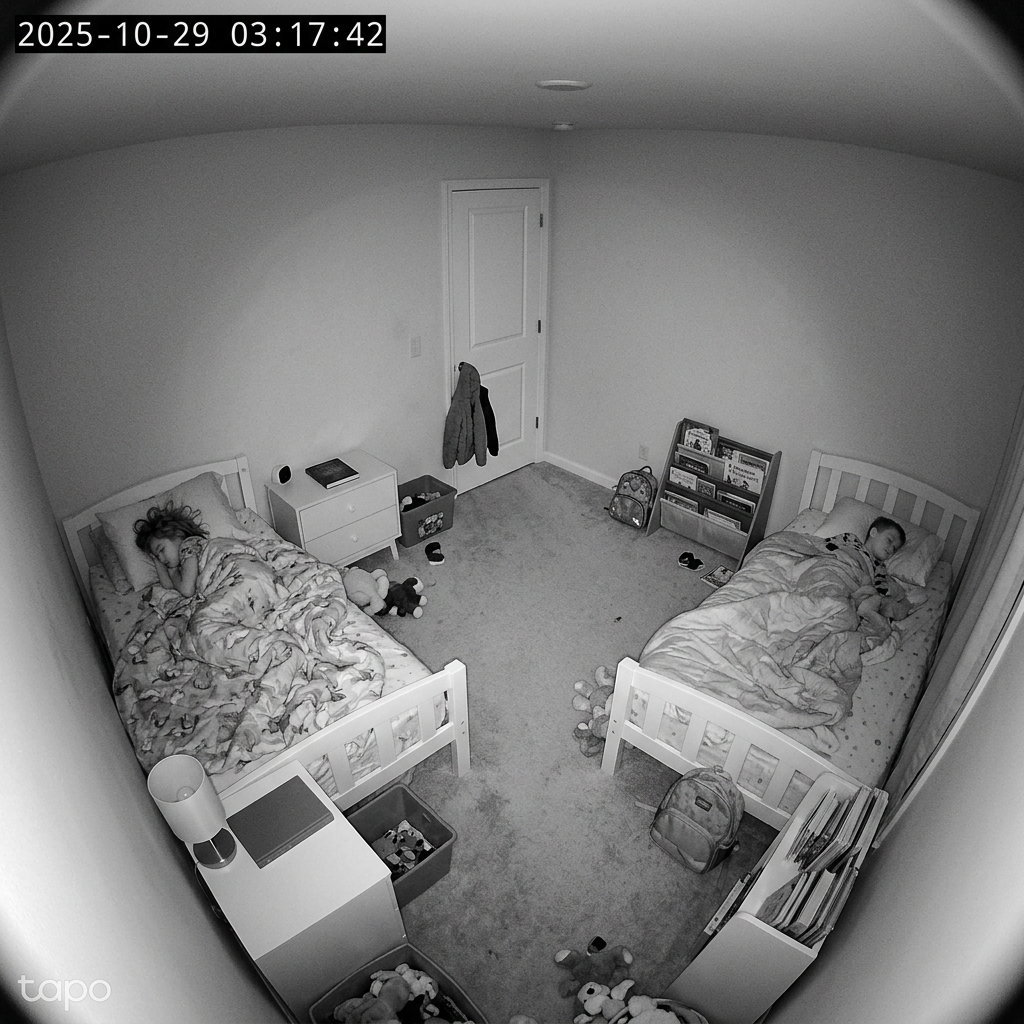
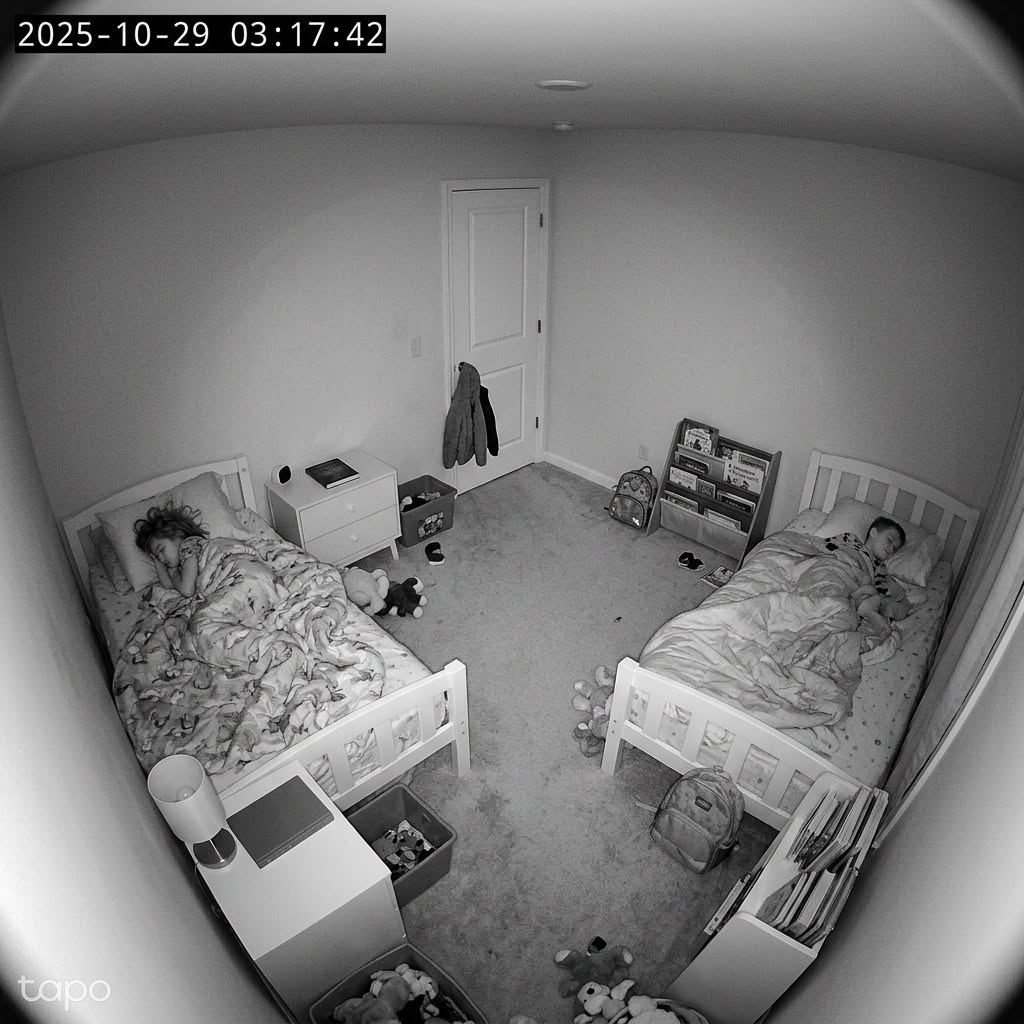
I've been a firefighter for 18 years. Last March I zipped up five body bags in a single house. A mom. A dad. Three kids — 11, 9, and 4. All of them still in their beds. And on the hallway wall, a brand new carbon monoxide detector. Green light still glowing. Working perfectly. I need to tell you how that's possible. Because every firefighter I know has tried to warn people, and nobody listens until it's their family on the floor. The call came in at 6:42 AM. School bus driver honked three times, nobody came out. She walked up to the porch and saw the youngest one through the window, not moving on the couch. We were there in four minutes. I kicked the front door. The CO meter on my chest started screaming before I made it to the entryway. 65 PPM in the living room. 101 PPM by the bedrooms. I've been doing this a long time. I knew the second that meter hit triple digits what I was walking into. The dad was on the bedroom floor. Looked like he'd been trying to get to the kids. He almost made it. I'm not going to describe the rest. I want to tell you about the detector. It was a First Alert. Plug-in model. Bought at Home Depot six weeks earlier — we found the receipt on the kitchen counter. Still had the plastic film on the back. I pulled it off the wall with gloved hands and brought it outside. Pressed the test button. Loud beep. Green light flashed. Worked exactly like it was supposed to. I sat on the curb and stared at it for a long time. Then I drove home and threw up in my own driveway. My wife was still asleep when I got home. My two daughters were in their rooms. 6 and 9. I walked into my hallway and looked up at our detector. Same brand. Same model. Same little green light. I'd tested it two weeks before. Beeped loud. I remember feeling good about it. I grabbed my work meter out of the truck and walked every room of my own house at 7 AM in my turnout pants. 0 PPM everywhere. We were fine. But I sat down at my kitchen table and I couldn't stop shaking. Because I understood something most people never will. That detector on my wall — the one I was so sure was protecting my kids — had the exact same rules as the one on the Maple Street family's wall. And those rules are legal. They're code-compliant. They meet every standard. They just aren't designed to save you in time. Here's what I found out that morning, sitting at my kitchen table with a cup of coffee I never drank. Every cheap CO detector on the shelf at Home Depot, Lowe's, Walmart — the ones in probably 90% of American homes right now — is built to a UL standard written in 1992. The rule is this: At 70 PPM, the detector has between 60 and 240 minutes to sound. Read that again. Seventy parts per million. Up to four hours of silence. Below 70 PPM? It doesn't have to make a sound. Ever. 30 PPM. 40 PPM. 50 PPM. Levels the CDC says cause headaches, nausea, confusion in healthy adults — and are significantly more dangerous for kids, who breathe faster and have smaller bodies. Your detector sits silent. Green light glowing. Doing exactly what the law says it has to do. By the time that thing finally beeps, your children have been breathing poison for hours. And if they're asleep — which they will be, because most CO deaths happen between midnight and 6 AM — they may not wake up for it at all. The detector isn't broken. It's working. That's the part that kept me up for three nights straight. I called First Alert customer service the next week. I wanted to understand. I got a polite woman who read from a script. The detectors meet all applicable standards. They are tested and certified. She was sorry for my loss but could not discuss specifics. I asked her if she had one in her own house. She didn't answer. I called two more manufacturers. Same script. Same non-answer. Back at the station, I told the guys what happened. Martinez, 22-year veteran, pulled me aside. "You don't know about the HVAC detectors?" I didn't. "My brother-in-law's been installing furnaces for 25 years. He doesn't use anything you can buy at a hardware store. None of them do." He pulled out his phone. "AirGuard. That's what he runs in his own house. Digital display. Alarms at 10 PPM, not 70. Dual sensor — CO and natural gas. Shows you the actual number on the screen so you can see a problem building before it ever becomes an emergency." He looked at me. "Bro. The guys who work on furnaces every day don't trust the stuff they sell next to the paint." That was the sentence that broke me. Because I'd been standing in a hardware store aisle eight months before, looking at a wall of plastic detectors, and I picked the one with good reviews. I did what every responsible dad does. And it wouldn't have saved my kids. I ordered a 4-pack of AirGuard that night. One for the main floor. One upstairs near the bedrooms. One in the basement near the furnace. One in the kitchen by the gas stove. When they arrived I pulled every old detector off the wall in my house. My parents' house. My sister's house. I drove over and did theirs too. She thought I was having a breakdown. Maybe I was. I plugged the AirGuards in and stood in my hallway watching the displays wake up. 0 PPM CO. 0 PPM gas. Temperature. Humidity. Real numbers. Not a promise. Not a little green light that might mean everything or might mean nothing. Proof. For the first time since, I slept through the night. That was nine months ago. Five weeks ago, dispatch sent us to a house two blocks from mine. 2:14 AM. CO alarm. Family evacuated. I knew them — the Hendersons. Two teenage daughters. I'd responded to a kitchen fire at their place in April and told the dad about AirGuard on my way out. He ordered a set that weekend. The whole family was on the front lawn in bathrobes when we pulled up. Shaken. All four of them fine. I walked in with my meter. 38 PPM in the hallway. 51 PPM in the bedrooms. 74 PPM in the basement. Their AirGuard was still alarming. Display showing 38 PPM. Mr. Henderson told me the alarm had gone off at 11 PPM. They were all awake, confused, eyes watering, but able to walk out the door and call 911. I brought their old detector out of the garage, where it had been sitting since April. Plugged it in next to the AirGuard. The AirGuard screaming. Display climbing. 42. 43. 44. The old one? Green light. Silent. I took a photo. I still have it on my phone. Mrs. Henderson asked me if they would've been okay if they'd never switched. I didn't answer her. I couldn't. HVAC guy came that morning. Cracked heat exchanger. Exact same failure as the Maple Street house. The only difference between those two families is a detector that actually tells you what's in the air. I think about that March call every single day. I think about the 4-year-old. I think about the receipt on the kitchen counter for the detector that didn't save her. I think about how her dad did everything right. Bought the thing. Tested it. Saw the green light. Went to sleep feeling like a good father. And I think about the fact that there are millions of those same detectors plugged into walls all over this country right now. Some of them in houses where the furnace is already starting to crack. Some of them in the room where your kids are sleeping tonight. You won't know. That's the whole point. The detector on your wall isn't going to warn you in time. It's going to wait. It's designed to wait. It's legally allowed to wait until you're already too sick to save yourselves. I'm not a salesman. I'm a firefighter who's seen what this looks like up close and can't unsee it. If your CO detector doesn't have a screen with a real PPM number on it, throw it out tonight. Tomorrow. This week. I don't care what brand it is, what it cost, or how new it is. Replace it with something that actually shows you what you're breathing. This is the one I run in my own house. The one Martinez's brother-in-law runs. The one I bought for my parents and my sister and every firefighter on my shift who asked. I linked the same detector below. https://primo-goods.com/products/airguard You don't have to buy the one I buy. But please — for your kids — buy something with a screen. Something that shows at 50 PPM, not 70. Something that gives you a chance. Because a green light isn't protection. It's a guess. And I've carried too many people out of houses where the guess was wrong. (I linked the one I use down below) https://primo-goods.com/products/airguard 💛
Where the ad sends people
primo-goods.com
The Reason Why I Fear Standard Co Detectors
Worked exactly like it was supposed to. But That Is Exactly Why Its Dangerous.
Learn more: primo-goods.com(opens in a new tab)