
Stopped· since May 21, 2026
- 6
- days it ran
- 0
- relaunches
Ad copy
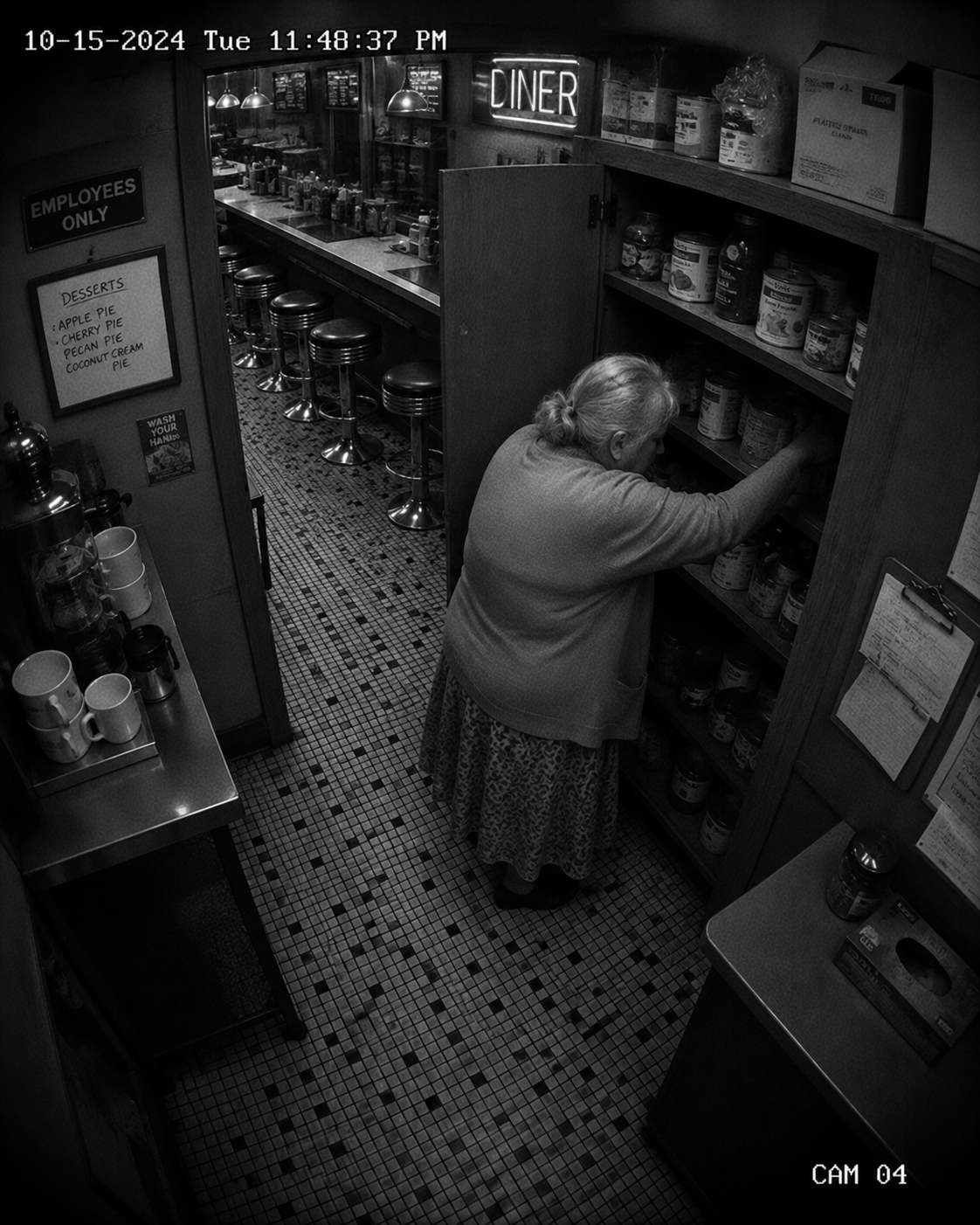
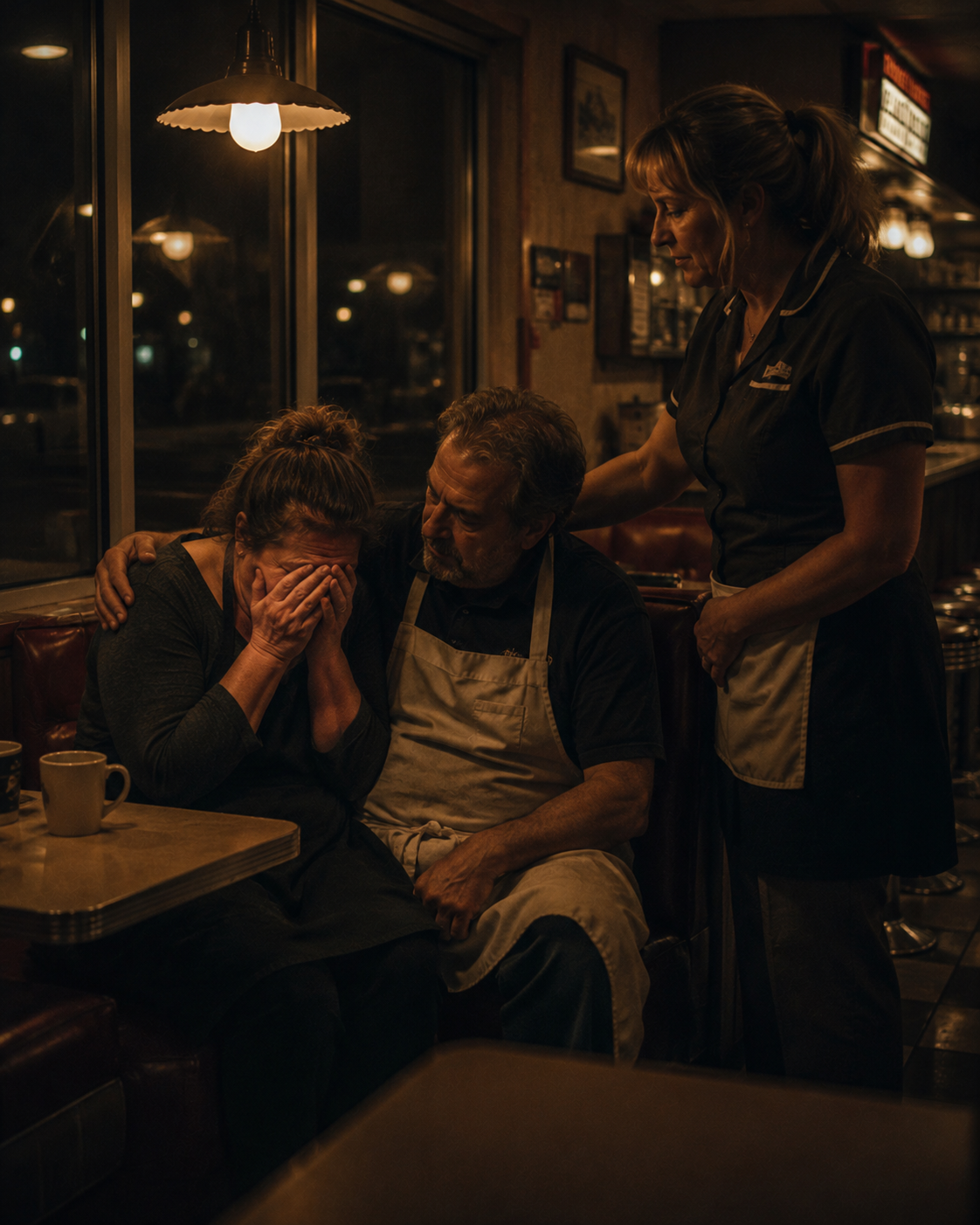
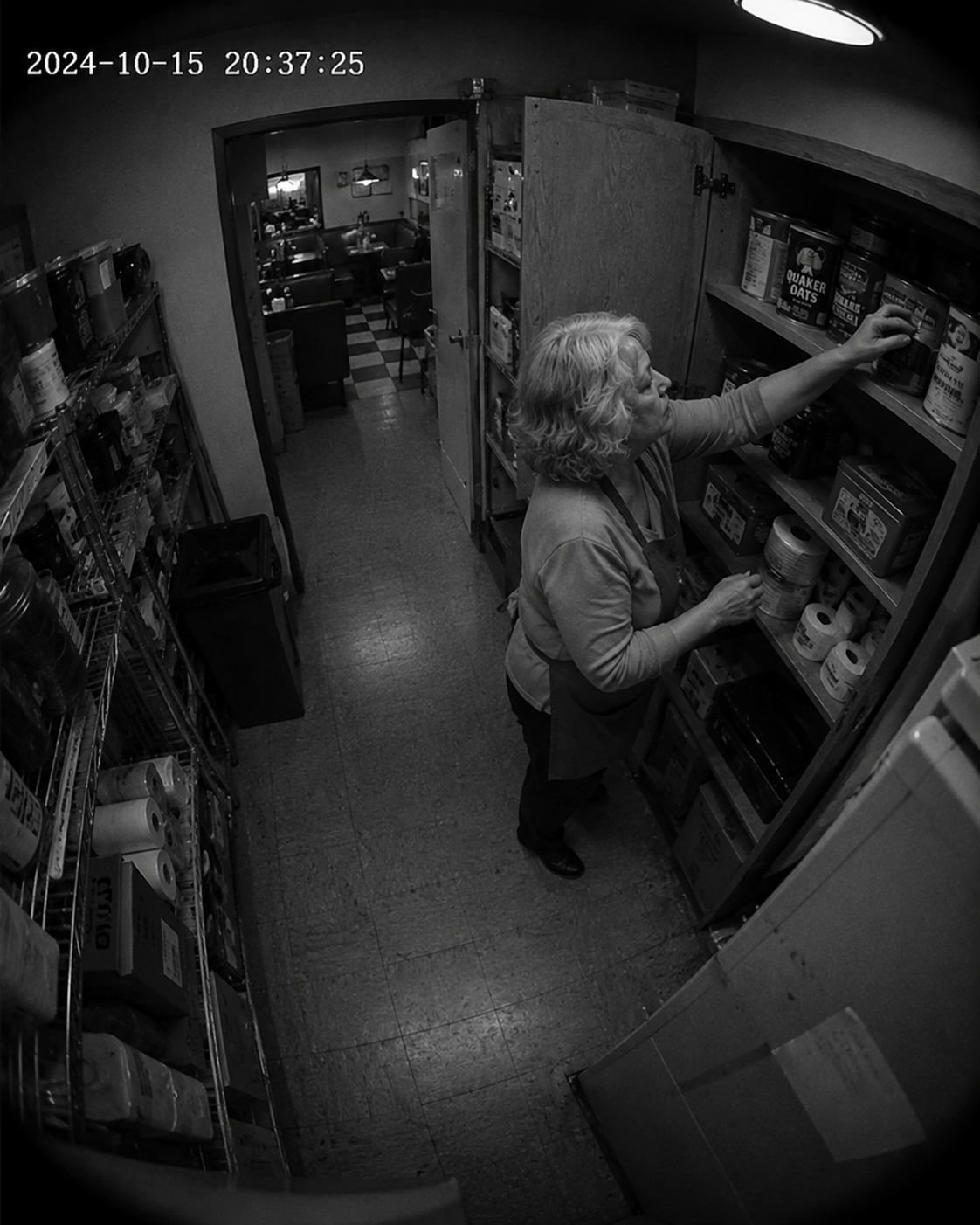
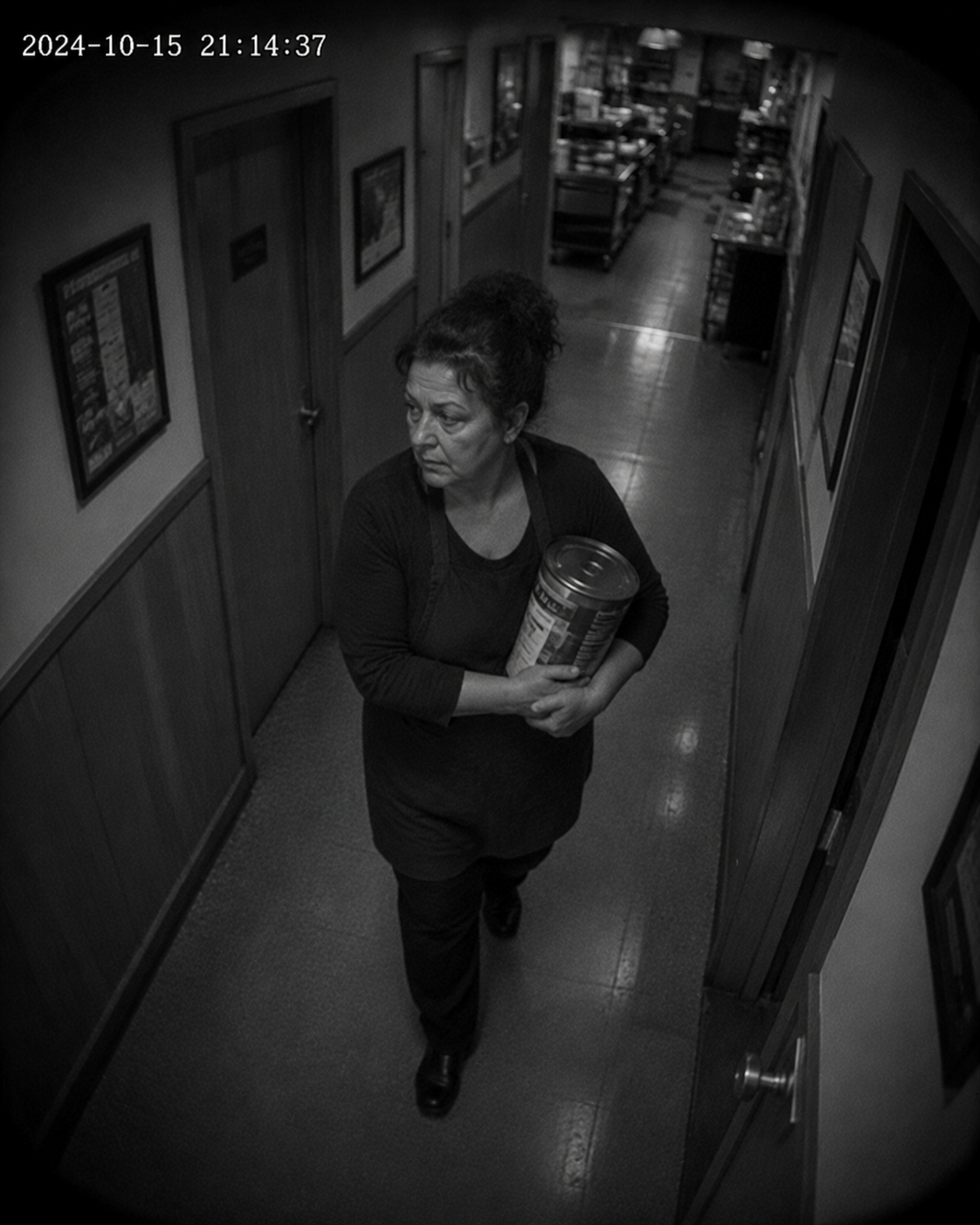
My longest regular stole from my diner last Tuesday. She's been getting the same breakfast at my counter for 22 years. When she told me why, I forgave her before she finished the sentence. In fact, I was the one who ended up apologizing — for not giving her the answer months ago. Let me start from the beginning because this story isn't what you think. My name is Diane. I've owned a small diner for 30 years. Three booths, a counter with eight stools, a register with a jar of toothpicks nobody uses and a community bulletin board with flyers from last spring. My husband Bill works the grill. The rest of the time it's me and Carla, who's been waiting tables here for eleven years. It's the kind of diner where nobody orders off the menu because everyone already has a standing order. Carol gets the #2 every Tuesday before her shift at the hospital. Wendy and her husband come in every Saturday at 7 AM for the special. Barbara is here every Thursday morning at 10 sharp and she's never been late in fourteen years. I once asked her what would happen if she was late and she looked at me like I'd suggested she skip church. I've been pouring coffee long enough to know that the counter is only half the job. The other half is listening. People tell their diner owner things they don't tell their doctor. They don't tell their spouse. They don't tell their kids. But they'll sit at my counter with a plate of eggs in front of them and a mug of coffee in their hands and tell me things that would break your heart. I know who's thinking about leaving their husband. I know who just got a diagnosis they haven't told their family about. I know whose son hasn't called in eight months and whose daughter is drinking again. I know these things because for 30 or 40 minutes, two or three times a week, these people sit at my counter and nobody else is listening and their guard comes down and the truth just comes out. I've held more secrets than a priest. And just like a priest, I never repeat them. But about eight months ago, something started happening in my diner that changed the conversations completely. And it started with a cup of tea. I gave up coffee three years ago. I'll tell you why when I tell you about Bill. But I had to find something to drink during a 12-hour shift in a place that smells like coffee. So I started brewing a thermos of tea every morning and keeping it behind the register. Mug at my elbow all shift. The first regular who noticed was Carol. Carol is 62. She's been coming here for nine years. The #2 with rye toast, every Tuesday at 6:45 AM. She's a nurse at the county hospital and comes in before her shift. She always has a story about a patient who said something hilarious. She's one of my favorite people in the world. She was at the counter — I was refilling her coffee — and she watched me pour myself a cup from the thermos. "What's that?" "Hibiscus tea. Helps with energy." "Can I try a cup?" I poured her one. She drank it, said it tasted like "cranberries got serious," and we went back to talking about the patient who told her she was "old but in a good way." That was it. Normal breakfast. Normal conversation. Five days later, Carol came back for her Tuesday breakfast. Sat down at her stool. I slid the #2 in front of her and she said: "Diane, I need to tell you something about that tea." She was looking at me across the counter. The way regulars do when they want to say something but they're not sure how to start. "My energy," she said. She shook her head like she still didn't believe it. "I've been crashing by 1:30 every afternoon for three years. I work twelve-hour shifts on a med-surg floor, Diane. I need to be ON from 7 AM to 7 PM and for the last three years I've been running on fumes by lunch. I eat a granola bar in the break room, drink my third coffee, and white-knuckle it through the afternoon. Some days I sit in my car on my fifteen-minute break and close my eyes because I physically cannot keep them open." I knew about the exhaustion. She'd mentioned it before — always casually, always wrapped in a joke about getting old. That's what people do. They mention the thing that's destroying them like it's a weather report. "After I left here last Tuesday, I asked you for a few bags to take home. Remember? I brewed it the next morning before my shift. Started drinking it every day." I remembered. I'd put a couple of pinches in a paper sleeve for her. Didn't think anything of it. "Within three days, the crash disappeared. Not faded — disappeared. I was charting at 3 PM on a Thursday and I realized I wasn't tired. I wasn't counting the minutes. I was just... working. The way I used to work five years ago. Like my brain had fuel again." She laughed. But her eyes were wet. "I haven't sat in my car on break in two weeks, Diane. Not once. The only thing I changed was that tea. What IS that stuff?" I told her it was hibiscus. Whole-flower, high altitude, the good kind. She asked if she could buy some. I said I'd bring her a tin next week. I stood there after she left, wiping down the counter, thinking about a nurse who got her afternoons back. Then Wendy happened. Wendy is 58. The Saturday special with her husband Jeff, every Saturday at 7 AM. She's a bookkeeper. Quiet, organized, the kind of woman who brings her own thermos because she doesn't trust my coffee. Fair enough — Bill makes the coffee and he won't change brands. She'd taken a small bag of the tea home after watching Carol order a tin. Didn't say much about it at the time. About six weeks later she came in on a Wednesday morning, alone. She slid onto the counter stool nearest the register and set down her purse. I poured her water without asking. "I've been giving that tea to Jeff." I stopped pouring. Set down the pitcher. "He's been on metoprolol for three years. Beta blocker. Doesn't sleep. Gets up two, three times a night. Paces the kitchen. Comes back to bed and lies there staring at the ceiling until the alarm goes off. He's been like this since year two on the medication. Doctor says it's stress." She paused. "I brewed him a cup before bed. Told him it was an herbal thing for circulation. He drank it." She was looking at her own hands. Not at me. Not at the door. "He slept through the night, Diane. Seven hours. I woke up at 4 AM because the silence woke me. That sounds strange but when you've spent two years listening to someone get up and pace and come back and lie there — the silence is loud. I reached over and he was still there. Still breathing. Still sleeping." Her shoulders were shaking. She was crying but she was trying to hide it from the other tables. I put my hand on her wrist and waited. "He's slept through the night every night since. Every single night. He doesn't know what's in it. He just calls it 'that red stuff Wendy gets from the diner lady.'" She laughed through the tears. I laughed too. "The diner lady." That's my professional title apparently. After Wendy, I started keeping extra tins in the back pantry. A row of three of them next to the dry goods and the napkin stock. I wasn't advertising it. I just had them there — and if a regular mentioned energy, or hands, or sleep, or their husband's stiffness, I'd pour them a cup and say "try this, it's hibiscus, good for all of that." Nobody questioned it. Tea is normal at a counter. Half my regulars drink something herbal. The difference was — this one was working. And every few weeks, when the same people came back to my counter, I was hearing the next chapter. Carol, week three: "I picked up an extra shift, Diane. I haven't picked up an extra shift in two years because I couldn't make it through the twelve hours I already had. Last Saturday I worked a 14 and I wasn't even dragging at the end. The charge nurse looked at me and said 'what happened to you?'" Wendy, week six: "Jeff's doctor asked him what changed. His resting heart rate is lower and his energy is back. Jeff said 'I don't know, I've been drinking some red stuff my wife gets from the diner lady.' The doctor just stared at him." I was tracking these stories in my head. Every breakfast, every update. Like chapters in the same book written by different people who didn't know they were all telling the same story. Then Barbara happened. Barbara is 67. Thursday breakfast, every Thursday at 10 AM sharp. She's been coming here for 14 years. She's the toughest woman I know. I've sat with her through a breast cancer scare — she was at this counter the week after the biopsy and she talked about it like she was reading the weather. Calm. Steady. When her mother died, she came to her Thursday breakfast two days after the funeral and didn't shed a tear. When her son went through a brutal divorce, she mentioned it once and moved on. In 14 years I have never seen Barbara cry at my counter. Until last October. She called that morning and asked if she could come in on a Tuesday — she didn't want to wait until Thursday. She said she just needed to sit for a while. I told her come whenever she wanted. She came in at 10, walked past the stools without stopping, and asked for booth 1. The back booth, behind the partition, where I sit with regulars who need privacy. I told Carla to hold down the counter. Poured Barbara's coffee. Sat down across from her. "Something happened last night," she said. Her voice sounded different. Thinner than usual. "I was watching television by myself, like every night. And I started thinking about Tom. The way he used to come into the living room around 9 and say 'Barb, you coming to bed?' Same thing every night for 41 years." She stopped. "It's been two years next month." "I know." "Diane, his blood pressure was perfect when he died. 124 over 78. He'd been on lisinopril and amlodipine for six years and his doctor was thrilled with the numbers. Thrilled. Tom would come home from his appointments smiling because his cuff numbers were better than the doctor's. We celebrated every time." She was gripping her coffee mug with both hands. "He had the stroke on a Wednesday morning. He was making toast. The cuff in the drawer said 122 the night before. The number was perfect. The number was always perfect. And he died with a perfect number, Diane." "His doctor came to the funeral. He cried. He said 'I don't understand, his pressure was so well controlled.' He said it like it was a comfort. Like the number proved he'd done everything right." "I've been drinking that tea you started giving me. Three months now. Two cups a day. I told myself it was for energy. But last night I was sitting in my living room and I thought — what if Tom had been drinking this? What if the number on his cuff wasn't the thing that was going to kill him?" Barbara put her face in her hands and sobbed. In 14 years. Through cancer, through grief, through everything. This is what broke her open. The thought that a perfect number had buried her husband. I reached across the booth and put my hand on her wrist and let her cry. Marge was at her stool on the other side of the partition. I could see the top of her head over the half-wall. She had gone completely still — the paper she'd been reading was flat on the counter, her coffee mug set down. She wasn't moving. She was listening to every word. When Barbara composed herself, she looked at me across the table. "Whatever is in that tea, it's not just energy. I can feel something else. My hands feel warmer. My headaches are gone. My cuff at home is reading 118 over 72 — and I was 142 over 88 in July. I haven't changed my medication. I haven't changed my diet. The only thing I changed was that tea." "And I keep thinking — if Tom had known. If somebody had told us the number wasn't the whole story. He'd still be sitting next to me on that couch." She was right. And I should have told her — all of them — the truth months ago. But I need to tell you about Marge first. Because Marge is the reason I'm writing this. Marge is 64. Every Tuesday, eggs over medium, wheat toast, coffee black. She's been coming here for 22 years — longer than anyone except Bill. But where Barbara fills the booth with stories and opinions and life, Marge sits quietly. Reads the paper. Answers questions in two or three words. Tips well. Leaves. In 22 years I've learned almost nothing about her personal life. I know she has a husband named Frank. They come in together on Sundays. I know they have a daughter somewhere out west. I know Frank used to work for the railroad and retired a few years ago. That's about it. That's 22 years of conversation. But I also know this: Marge listens. She doesn't talk much but she hears everything. When Carol talks about her energy coming back, Marge is two stools down pretending to read the sports page. When Wendy mentions Jeff sleeping through the night, Marge is at the register paying her check. And on that Tuesday morning when Barbara came in and sat in the back booth and broke apart — Marge was right there on the other side of the partition. She heard every word Barbara said about Tom's perfect numbers and his Wednesday morning stroke. She saw Barbara's shoulders shaking. She heard it all. She never commented. Never asked about the tea. Never tried a cup. She just listened. For months. Last Tuesday, Marge had her usual breakfast at 7:15 AM. Sat at her stool. Read her paper. Drank her coffee. Bill was working the grill — he waved at her through the pass like he does every Tuesday. She paid at the register at 7:50, said "thank you, Diane" the way she always does, and left. I worked the rest of the shift. Closed the diner at 2. Bill took the truck to the hardware store. I stayed to wipe down and reconcile the register — normal Tuesday. At 2:30 I went to the back pantry to count inventory for Wednesday's order. Opened the cabinet where I keep the tins. One was gone. Not a few leaves. Gone. The whole tin — probably enough for a month — that I'd put on the shelf last weekend. The cabinet was open. The space on the shelf was empty. I stood there for a few seconds trying to figure out if I'd moved it. Checked the other shelves. Checked the counter. Checked the office. Nothing. Then I thought about who had been near the back pantry that morning. Marge. She'd used the restroom before she left. The pantry cabinet is right next to the restroom door. She would have walked right past it. In 22 years, Marge has never taken anything from this diner. Not a sugar packet. Not a creamer. She's the most polite, most contained, most private regular I have. And she took the whole tin. I didn't call her right away. I sat with it. I wasn't angry — the tin wasn't expensive. I was thinking about the months of silence. Carol's energy, Wendy's husband sleeping, Barbara crying in the back booth. Marge two stools down with the sports page. Marge at the register saying "thank you, Diane" and leaving without a word. She'd been hearing these stories for six months. Sitting feet away from people whose lives were changing. And she never said a single word about her own. I called her the next evening. After Bill went to bed. After the dishes were done. After the house was empty and the only light on was the one over the kitchen sink. She picked up on the first ring. Like she'd been waiting for it. "Diane." Her voice was flat. Controlled. "I know why you're calling." "Marge, I'm not upset. I just want to know if you're okay." Silence. A long one. Then she broke. Not the way Barbara broke — in a single overwhelming sob. Marge broke the way a dam breaks. Slow crack. Then everything at once. "My husband Frank has been on lisinopril for seven years. They added amlodipine three years ago. Doctor doubled the lisinopril last year because the cuff was reading 138." She was speaking fast. Like she'd been rehearsing this for months and the words were finally coming out in the right order. "He used to play guitar. That was our thing — our only thing, Diane. We're not fancy people. We don't travel. We don't go to restaurants — except yours. But every evening for 30 years, Frank would sit on the back porch with his guitar and play. Old country. Some blues. Songs he'd been playing since before I knew him. I'd sit on the porch swing with my tea and just listen. That was our marriage. That was the whole thing. Two people on a porch. One playing. One listening." Her voice was shaking. "Three years ago his fingers started going. The fretting hand first — the left one. He couldn't press the strings down hard enough to make a clean chord. He'd try and the note would buzz and he'd shake his hand out and try again. Then the other hand — the picking hand. His fingers would cramp around the pick. He'd drop it. Pick it up. Drop it again." "At breakfast last winter he tried to butter his toast and he couldn't grip the knife right. I watched him from across the booth and he kept fumbling it and pretending he wasn't fumbling it. He hasn't ordered toast at your counter since February. He gets oatmeal now. He told me it was because of his cholesterol. We both knew that wasn't true." "He put the guitar in its case two years ago. Set it in the corner of the bedroom. I watched him close the latches and I knew — I knew — he was saying goodbye to it. He didn't say that. He said 'I'll get back to it when my hands feel better.' But we both knew." "The porch swing is still there. I still sit on it. But there's no music. There hasn't been music on our porch in two years." I sat down at our kitchen table with the phone pressed against my ear. "His doctor says the stiffness is a known side effect. 'Common with ACE inhibitors, Frank. Try some magnesium. Stretch your fingers.' The fog — and yes, he has the fog too, Diane, the same fog every person in your diner is describing — the fog his doctor calls 'normal aging.'" "He's 66 years old. He's not old enough to lose his hands. He's not old enough to stop playing the guitar he's played since he was 17." "But his doctor looks at a cuff reading of 128 over 80 and says the number is perfect and writes the refill and sends him home. And I sit on the porch swing alone." She took a breath. Steadied herself. "I've been listening to your regulars for six months, Diane. I sit at your counter every Tuesday and I hear Carol talk about her energy. I hear Wendy talk about Jeff sleeping. I was right there when Barbara came in that Tuesday and sat in the back booth and cried about Tom — and Tom's pressure was perfect, Diane, his pressure was perfect and he died on a Wednesday morning making toast. And every single time, I'm sitting there thinking: that's Frank. That's my life. These people are describing my life and they have no idea." "But I didn't say anything. Because I've been to this movie before. I've tried beetroot juice. I bought the powder and the shots and I made him drink it for six months. Nothing. I tried hibiscus from the grocery store — those tea bags with the lemon flavor. Nothing. CoQ10 because his doctor mentioned it. Garlic capsules. Magnesium. Fish oil. The drawer in our kitchen has more bottles than the pharmacy." "So when Carol started talking about her energy I thought — good for her. Doesn't mean it'll work for Frank. When Wendy mentioned the sleep I thought — coincidence. When Barbara cried about Tom I thought —" She stopped. "That's when I stopped thinking. Because Barbara is the toughest woman I've ever seen in your diner. And she was crying because her husband died with a perfect number. And I realized that what these people are describing isn't a coincidence. It isn't placebo. Something in your tea is doing something real. And I've been sitting at that counter for six months telling myself it's nothing because I'm too afraid to hope again." "Last Tuesday I sat there and listened to Carol tell you about a 14-hour shift and I thought: Frank used to drive 14 hours straight to visit our daughter. He hasn't driven more than 20 minutes in two years because he can't grip the wheel. So when I went to the bathroom, I saw the cabinet and I saw the tins and I took one. All of it. I didn't plan it. I didn't think about it. I just took it because I've been sitting at that counter for six months listening to other people get their husbands back and I couldn't listen anymore without trying." She was crying hard now. "I went home and brewed it for Frank before dinner. Told him I'd read it was good for stiff hands. He drank it." "An hour later he looked at me across the kitchen table and said, 'Marge, my head feels different tonight.'" "'Different how?'" "'Quiet. Like someone turned the static off.'" "I went to the bedroom and sat on the edge of the bed and cried into a pillow." "That was last night. One cup. One hour. And for the first time in three years he looked at me like he was actually there. Like the lights came back on behind his eyes." "I need more tea. I don't know what's in it and right now I don't care. I need more of whatever I saw in his face last night." I was sitting at my kitchen table with tears running down my face. The house was quiet. Bill was asleep upstairs. The light over the sink was the only one on. Because Marge had just described my life. Different instruments. Different names. Same shape. Exactly the same shape. My husband Bill went on lisinopril at 56. His doctor said his cholesterol was high and his pressure was creeping up and this was the standard treatment. Non-negotiable. Six months later, the cuff numbers were perfect. The doctor was thrilled. And I started losing the man who worked the grill next to me for 28 years. Bill is a cook. Not a chef — he'd roll his eyes if you called him that. A cook. The man who's worked the grill at this diner every day since 1996. Not because I asked him to. Because feeding people was how he showed love. The Sunday roast at home was his masterpiece — he'd close the diner at 2, drive home, and start cooking. Pot roast, or his mother's brisket recipe, or a chicken that he'd brined the night before. The neighbors knew. They'd find a reason to walk by around 5 and Bill would wave them in. Sunday dinner at our kitchen table sometimes had eight people at it. There was always enough. By year three on the lisinopril, the regulars had stopped asking about the grill. There used to be a thing that happened every morning — someone would lean toward the pass and say "Hey Bill, what smells good back there?" and he'd call back whatever was on. That stopped. Not all at once. But by year three, nobody asked anymore. The grill was quieter than it used to be and everyone just let it go. Three years into the lisinopril, the kitchen went quiet at home too. His hands started first. The grip on the knife. He'd be dicing onions at the diner — something he'd done a hundred thousand times — and his fingers would seize around the handle. He'd set the knife down. Shake his hand out. Pick it up. Two minutes later, same thing. Carla noticed before I did. She started prepping his onions for him without saying anything. Then the cough. Lisinopril cough. He'd wake up at 3 AM and cough for twenty minutes straight, sitting on the edge of the bed. The doctor called it a "tolerable side effect." Tolerable for who? Bill stopped sleeping in our bed because he didn't want to wake me up. He moved to the recliner in the living room. For four years he slept in that recliner. Then the recipes. Bill never used written recipes — everything was in his head. His mother's brisket, the brine ratios, the timing on the roast. Thirty years of cooking knowledge stored in his memory. By year four on the lisinopril, he was standing in our kitchen on a Sunday afternoon staring at ingredients on the counter like he was solving a puzzle. He'd forget what came next. Forget the temperature. Forget how long the roast had been on. The Sunday dinners stopped. Not all at once. First it was "I'm too tired this week." Then two weeks in a row. Then a month. Then he started spending Sunday afternoons in the recliner and the neighbors stopped walking by because there was nothing to smell. I came home from doing the diner books one Thursday evening and the kitchen was dark. Bill was in his recliner. Asleep. It was 6:15 PM. There was nothing on the stove. Nothing in the oven. Nothing thawing on the counter. The man who worked the grill every day for 28 years couldn't feed us at home. I made sandwiches that night. Ate mine standing at the counter. Left his on a plate in the fridge with a note that said "dinner." He found it at 9 PM when he woke up from the recliner. I heard the microwave run for 30 seconds. He didn't come find me to talk. He just ate the sandwich and went back to the recliner. Thirty-one years of Sunday dinners and neighbors at the table and the smell of brisket on a Sunday afternoon. And now we were eating reheated sandwiches in separate rooms. His doctor said the same things every doctor in this story says. The hand cramping: "common side effect." The cough: "give it time, it usually resolves." The recipes he couldn't follow: "normal for your age." The cuff: "looks great, Bill, keep doing what you're doing." The number was perfect. The man was disappearing. Now I need to tell you why I gave up coffee three years ago. And why I had already found the right hibiscus before I understood what it was doing. Two years into Bill's decline, I started having headaches in the afternoons. Pressure behind my eyes. I'd owned a cuff for years — the kind you keep in the nightstand drawer. One morning I checked my own pressure out of habit while Bill was in the shower. 162 over 96. I sat on the edge of the bed and looked at that number for a long time. Bill was already fighting his doctor's appointments, already worn down by the lisinopril cough, already disappearing into the recliner. I couldn't put something else on him. So I didn't tell him. I just put the cuff back in the drawer and started thinking about what I was going to do about it without scaring the man I was trying to keep. I stopped coffee because it was the first lever I had. I started researching what else might help before I had to walk into a doctor's office and come home with a prescription of my own. That's how I found hibiscus — not the grocery-store kind, but the real kind, the whole-flower high-altitude grown kind. I found it six months before Bill's symptoms got bad enough that I started looking for answers on his behalf. I'd been drinking it for myself. Quietly. Checking my own cuff every morning before he woke up. By the time I found the cardiologist's forum, my pressure had come down to 138 over 84. Still not where I wanted it. But moving. And I finally understood why. I started researching the same way every spouse in this story starts researching. Late at night. Alone. Angry. The diner was closed. I was sitting at booth 1 — the back booth, behind the partition. The only light on was the one above the register. I had my laptop balanced on the table and a mug of hibiscus going cold next to me. I'd already tried the supplement route for Bill. Beetroot juice for six months — I bought the shots and the powder and he drank it every morning. Nothing on the cuff. Nothing in the man. The grocery-store hibiscus — those bagged ones with the citrus flavor — nothing. CoQ10 exactly as his doctor mentioned offhand — nothing. Magnesium. Garlic capsules. Fish oil. I had a drawer full of bottles that promised things they didn't deliver. I'd stopped buying supplements the way you stop buying lottery tickets — not because you know the odds, but because hope has a cost and you've spent enough. I wasn't looking for another supplement that night. I was looking for WHY. Why was the medication doing this to him? Why was the cuff perfect and the man falling apart? I found a post on a medical forum. Written by a retired cardiologist — 31 years of practice. He'd walked away because he couldn't keep prescribing medications he now understood were managing the wrong number. His tone stopped me. He wasn't angry. He wasn't selling anything. He was exhausted. Like a man who'd carried something heavy for three decades and was finally setting it down. He explained what blood pressure medications actually do — and don't do — inside the body. "ACE inhibitors, ARBs, calcium channel blockers, beta blockers — they all work by reducing the force or volume of blood pushing against the arterial wall. That's how they lower the cuff reading. But the cuff reading is a downstream measurement. It tells you about pressure. It doesn't tell you about the vessel." I thought about Tom dying on a Wednesday morning with a cuff reading of 122. "The vessel itself — the endothelium, the inner lining of every artery in your body — is where strokes and heart attacks actually start. When the endothelium is damaged, it can't produce enough nitric oxide. Without nitric oxide, vessels become stiff. Stiff vessels don't dilate properly. Plaque builds. Pressure can be 'controlled' on a cuff while the underlying vessel is silently failing." I thought about Bill sleeping in the recliner. The hands he couldn't trust with a knife. "Most medications lower the number without addressing endothelial dysfunction. Some — beta blockers especially — actually impair endothelial function over time. The patient takes a pill, the cuff drops, the doctor writes 'controlled,' and the vessel continues to deteriorate." That's exactly what had happened to Bill. Prescribed lisinopril. Cuff dropped. Five years of "controlled." Five years of decline. Then this cardiologist wrote something that changed everything. "The most dangerous patient in cardiology is the one whose numbers look perfect." "I had a patient. 62 years old. On three blood pressure medications for eight years. His cuff was 124 over 78. Beautiful by every guideline. His wife told me he'd stopped doing the things he loved — he'd been a carpenter for decades. Said his hands couldn't hold the tools anymore. I told her stiffness was 'common but manageable.' He died of a stroke on a Saturday morning. In his workshop. Reaching for a chisel he could no longer grip. His endothelial function — which I never tested in eight years — was severely impaired. I watched the wrong number for a decade." My skin went cold. A man whose hands stopped working. A wife who told the doctor something was wrong. A doctor who said "common but manageable." Tom had been 65. This man's patient was 62. Bill was 59. Different kitchens, different workshops. Same medications. Same chart that said everything was fine. Same number that proved nothing. Bill's doctor had never tested anything except the cuff. Not once. Not in five years. Every appointment — squeeze the arm, read the number, say "looks great, Bill," write the refill. I kept reading. The diner was dark around me but the anger was keeping me awake. "The question is: if endothelial dysfunction is the actual driver of cardiac events, what restores it?" "For more than two decades, researchers — primarily in Brazil, Iran, and Nigeria, where the plant is part of the diet — have published over 200 peer-reviewed studies on Hibiscus sabdariffa. The active compounds are anthocyanins, specifically delphinidin-3-sambubioside and cyanidin-3-sambubioside. These compounds restore nitric oxide production in the endothelium. They reach the vessel wall directly. They don't lower pressure by force — they restore the function that allows the vessel to regulate itself." "Studies show comparable or superior reductions to first-line ACE inhibitor monotherapy. Without the cough. Without the hand stiffness. Without the fatigue. And — critically — with measurable improvement in endothelial function, which the medications do not produce." I read that paragraph three times. The cooler hummed in the kitchen. The register clock ticked. I was alone in the back booth with the first thing that had made sense in five years. Everything I'd tried for Bill — the beetroot juice, the CoQ10, the grocery-store hibiscus tea — all of it was either not the right form, or not concentrated enough, or sitting on a shelf so long that the anthocyanins had degraded into nothing. I had been giving him the right plant in the wrong form. The grocery store hibiscus was processed flowers blended with citric acid and lemon flavoring. The active compounds were almost gone before he ever brewed a cup. I already knew what made hibiscus actually work — I'd been researching it for myself for months. But now I understood the mechanism behind what I'd been observing. The flowers have to be whole. Not crushed, not powdered, not bagged with filler. Crushing breaks the cell walls and the anthocyanins oxidize before you ever steep them. They have to be grown at altitude. The high-UV environment forces the plant to produce more anthocyanins as protection — the same way wine grapes at altitude produce more resveratrol. Low-altitude commercial hibiscus has a fraction of the active compounds. They have to be hand-picked at peak ripeness and dried at low temperature. Mechanical harvest and heat-drying destroy the delicate compounds that make the plant work. The tin I'd already found met all three. PiPi Tea — organic whole-flower hibiscus, hand-picked, high-altitude grown. The whole flower in the tin — you could see the calyxes intact, not the dust that's in grocery-store bags. Third-party tested for anthocyanin content. Published results. It was already behind my register. I ordered three more tins that night, for Bill. They arrived on a Wednesday. That evening, Bill was in his recliner. TV on. Eyes half-closed. It was 6:30 PM. The kitchen was dark. Nothing cooking. Nothing planned. Just another night of sandwiches and separate rooms. I brewed a cup at the kitchen stove. Deep red. Smelled like cranberries and earth. I set the mug on the end table next to him. "Drink this. It's an herbal tea. Good for your hands." He opened one eye. Looked at the steaming mug. Looked at me. "Another one?" "Just try it." He drank it. Closed his eye. I waited. Twenty-eight minutes. He sat up. Not slowly — the way he usually hoisted himself out of the recliner like he was climbing out of a hole. He just sat up. Like a switch flipped. He didn't say anything. Didn't announce what he was feeling. He just got up. Walked past me. Walked to the kitchen. Opened the fridge. Stood there looking at the shelves. Not the way he'd been looking at the fridge for the past year — blankly, like it was a wall. He was scanning. Evaluating. His eyes moved from shelf to shelf the way they used to when he was planning. "We've got that chuck roast," he said. "And the carrots haven't turned. When did you get the potatoes?" "Sunday." "Those'll still be good. And there's that thyme in the window..." He was talking to himself now. Not to me. Running through the ingredients the way he used to — the quiet calculation of a man who cooks from instinct, not instructions. I hadn't heard that voice in two years. I stood in the kitchen doorway watching my husband stare into the refrigerator with purpose. With intention. Like a man planning a meal. His brain was working. I could see it in real time — the connections firing, the knowledge resurfacing, the man coming back to life in front of an open refrigerator at 7 PM on a Wednesday. He didn't cook that night. He was too tired — the energy hadn't fully come back yet. But he stood there for a full minute thinking about what he could make. He closed the fridge and said "Sunday. I'm going to do the roast." I went to the bathroom and held onto the sink and cried. That Sunday, he made the roast. Chuck, carrots, potatoes, thyme, low and slow in the Dutch oven. Nothing complicated. Nothing fancy. But he made it. His hands held the knife. His brain remembered the temperature. He stood at the counter and cooked Sunday dinner for the first time in seven months and the kitchen smelled like garlic and I sat at the table and watched him and couldn't eat because my throat was too tight. By week two, the cough was gone. He moved back into our bedroom for the first time in four years. I woke up the first night because something was different and I lay there for a minute before I realized what it was: I could hear him breathing next to me. By week three, the neighbors noticed. The woman next door stopped by on a Sunday afternoon because she could smell something from our kitchen. Bill waved her in. "Pot roast. You want a plate?" She looked at me with an expression I'll never forget — half surprise, half relief. Like she'd been worried about him too but didn't know how to say it. That same week, something happened at the diner. A regular — Gerald, been coming in for fifteen years, always sits at the far end of the counter — leaned toward the pass on a Tuesday morning and said, loud enough for the whole counter to hear: "First time in a long while I've heard that grill singing, Bill." Bill just laughed and said "had a good stretch." But I was standing at the register and I had to turn away for a second. The people who'd been watching him quietly for three years had noticed before I said a word. Week six. Cuff. He'd been checking it at home every morning — Bill is the kind of man who has a cuff in the drawer and uses it. The week before he started the tea, his readings were averaging 134 over 86 on the medication. By week six, drinking two cups a day, his average was 118 over 74. Week eight. Bloodwork and a doctor's visit. I went with him. Sat in the exam room. His doctor pulled up the results on the laptop. Then she put the cuff on him. Read the number. Read it again. "116 over 72. Bill, when's the last time you took the lisinopril?" "About six weeks ago." She didn't react the way I expected. She just looked at the cuff. Then at the screen. Then at him. "Your pressure is better than it was on medication. Off the lisinopril entirely." She closed the laptop halfway. "Bill, I'm not going to pretend I understand what happened here. But your numbers are better than they were on the drug and you clearly feel better. Whatever you changed — don't stop." She didn't ask what it was. Didn't endorse it. But she didn't argue. And she didn't write a refill. That was seven months ago. Bill has been off lisinopril for six months. His pressure holds. His hands work. The cough is gone. He sleeps in our bed. The Sunday roast comes back every week. The neighbors wander over on weekends again. He still works the grill at the diner every day and I look across the pass and he's the man I married. The man who feeds people. After Bill's bloodwork came back, I was standing behind the counter at the diner. Wiping down the same Formica I've been wiping down for 30 years. Looking at the empty booths in the mirror behind the register. Thinking about Carol's energy and Wendy's husband sleeping and Barbara crying about Tom. These people had been telling me about their husbands for months. Sitting at my counter, in my back booth, sharing things they don't share anywhere else. And every one of them was describing a version of what happened to Bill. The hands. The fog. The fatigue. The cough. The cuff that looked great. The doctor who watches the number. The spouse who watches the man. I went to the back pantry. Lined up three tins of PiPi Tea on the shelf next to the dry goods. Decided that any regular who mentioned anything — hands, energy, sleep, her husband's stiffness, his fog, his exhaustion, a cuff number that didn't match the man — would get a cup brewed fresh and a small bag to take home. I called it hibiscus. Which was true. It is hibiscus. But I called it hibiscus because hibiscus doesn't scare people. Endothelial dysfunction sounds like something from a medical textbook. Hibiscus sounds like something your diner lady brews behind the register. And that's exactly what I needed it to sound like. That was eight months ago. And now you know why Carol picked up a 14-hour shift for the first time in two years. Why Wendy's husband sleeps through the night. Why Barbara's cuff reads 118 in the morning. Why the conversations at my counter changed. And why Marge — quiet, polite, private Marge — took a whole tin from my back pantry after 22 years of never taking anything. I told her I was sorry. That I'd been watching her listen for six months and I hadn't thought to pour her a cup and say "Marge, this is for Frank." Then I told her to keep every leaf. Every single one. "But I'm going to give you something better than a stolen tin." I texted her the link. "Order your own supply. Because that tin will run out. And when it does, I don't want Frank to go back to the way he was last night." She ordered three tins that night. The updates came over the following weeks — by text, because Marge doesn't call. Short messages. The kind of woman who writes in fragments. Day three: "He slept through the night. First time in years." Day seven: "His cuff was 124 this morning. Lower than it's been on the medication." Day twelve: "His fingers are loosening up. He's stretching them in the morning like he's testing them." Day nineteen: "He opened the guitar case. Didn't play. Just sat on the bed and held it. Ran his thumb across the strings. Closed it and put it back. But he opened it, Diane. He hasn't opened that case in two years." Day twenty-six: "He's playing. Short sessions. Five minutes. Ten. His fingers can't do what they used to yet but he's playing." Then three weeks after the phone call, she sent me a photo. Frank on the back porch. Guitar across his lap. His left hand — the fretting hand, the one that couldn't press a string two months ago — wrapped around the neck. His right hand holding the pick. Her caption: "He played for an hour. I sat on the swing and cried." I printed that photo and taped it to the wall behind the register. Right next to the "established 1994" sign and the regulars' grandkid photos. Because that porch is why everything in this diner matters. If you're reading this, you probably recognize something in these stories. A man who used to be somewhere he isn't anymore. A cuff number the doctor calls controlled. A drawer of bottles that didn't deliver. A doctor who watches the chart. A spouse who watches the man. You have two choices. You can keep filling the prescription. Keep trusting that the number on the cuff is the whole story. Keep hoping the hands come back, the fog lifts, the sleep returns — on their own, in time. Or you can do what Barbara is doing. What Wendy did. What Marge finally let herself do after six months of sitting at my counter too afraid to hope. You can address what the medication doesn't. PiPi Tea is the hibiscus I keep behind my register. Organic whole-flower, high-altitude grown, hand-picked and low-temperature dried. Two cups a day — one in the morning, one in the evening. Brew it like loose-leaf: a tablespoon of the whole flowers in hot water, steep four to five minutes, pour. The color goes deep red. It tastes like cranberries found their purpose. The link is here: https://shop.pipitea.com/hbt/sp Order it. Set a timer for 28 minutes after the first cup. Pay attention to what changes. P.S. What Diane keeps behind her register is called PiPi Tea — organic whole-flower hibiscus. Not the grocery-store kind. Not the bags with citrus flavoring. The whole calyx, intact, grown at altitude, third-party tested for anthocyanin content. That's the difference. That's what reaches the vessel wall. Two cups a day. Morning and evening, four to five minutes, deep red. That's all. https://shop.pipitea.com/hbt/sp P.P.S. After the first cup, set a timer for 28 minutes. Just notice what changes. The quiet in the head. The hands. The way your husband sits up. You'll know. P.P.P.S. PiPi Tea comes with a 90-day guarantee. If you don't see a change in his hands, his sleep, his cuff, or the man who used to be at the table — they'll refund every dollar. No forms. No argument. They know what it does for most people. They're willing to prove it. https://shop.pipitea.com/hbt/sp P.P.P.P.S. They sell out regularly. The high-altitude growing season is short and they don't stockpile. If the link is live, they have supply. If you've been thinking about it, now is the time. A tin in the pantry costs nothing compared to another month of the porch swing without music. P.P.P.P.P.S. The 90-day guarantee stands. If your husband sits at a counter like Bill, or a workbench like Frank, or anywhere he used to be himself before the cuff started reading 130 and the doctor started writing refills — give it 90 days. If you don't get that man back, you don't pay. That's the whole deal. https://shop.pipitea.com/hbt/sp
Natural Relief in Weeks
"I've tried everything to get my blood pressure under control naturally. Fish oil, CoQ10, cutting salt, stressing about every meal. Nothing moved the needle enough to satisfy my doctor. Hibiscus tea is the first thing that actually showed up in my numbers. It's been 3 months and my readings are cons...
LEARN MORELike this ad? Make it yours.
Crush rebuilds this exact creative around your product — your brand, your colors, your offer — in about a minute.